
Arabica and Robusta are the two most widely grown coffee species in the world. But they aren’t just two versions of the same product. They’re different plants. They grow in different conditions. And they end up in the cup with very different results. Understanding Arabica vs Robusta helps you read any coffee label better, from the supermarket shelf to the specialty roaster.

Arabica vs Robusta: Two Plants, Two Different Stories
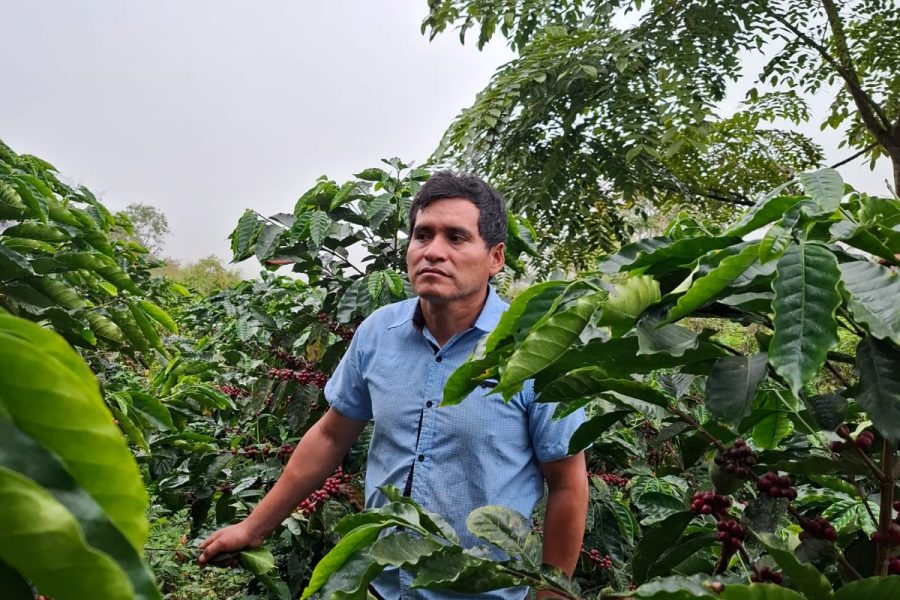
Coffea Arabica is a fussy plant to grow. It grows well between 600 and 2,000 meters of altitude. It likes cool weather and rich soil, often from old volcanoes. It’s more delicate: it doesn’t handle hard cold well, and it’s prone to certain plant diseases. In return, it gives rich flavors: floral, fruity, sometimes with a hint of honey. Coffea Canephora, the species behind Robusta, tells a whole different story. It grows even at low altitude, down to near sea level, up to about 900 meters. It handles dry spells better, and it fights off more bugs too. It’s a tougher plant, hence the name “Robusta.”
How to Tell the Beans Apart: Shape and Look
Even with the naked eye, the differences show. Arabica beans are oval and long, with a slightly curved line down the middle. Robusta beans are smaller and rounder, with a straight line down the middle, almost like a ruled edge. A skilled roaster can spot the species at a glance, before even tasting a thing.

Caffeine: The Biggest Surprise
Many people think Arabica is “stronger.” In fact, it’s the other way around. Robusta has up to twice as much caffeine as Arabica. It’s the plant’s own defense against insects: more caffeine makes it less tasty to pests. But that doesn’t mean a better, bolder taste. Too much caffeine often just makes it taste more bitter, not more complex.
The Flavor Profile: What Changes in the Cup
Arabica offers a wide range of flavors: floral, fruity, sometimes close to honey or chocolate, depending on the origin and how it was processed. Its acidity is often bright and pleasant, a hallmark of specialty coffee. Robusta has a different profile. It’s less aromatic and fuller-bodied. The taste tends to be bitter, with low acidity. If the quality isn’t high, it can even taste like rubber or dirt. That’s not a flaw on its own: it’s exactly this heavy body that makes Robusta valuable in certain espresso blends, where you need a thick, long-lasting crema. To learn more about the plants behind the two species, the Wikipedia entry on the Coffea genus is a solid overview.
Why the Specialty World Prefers Arabica
Arabica makes up about 70% of the coffee grown worldwide. In the specialty world, that share climbs to nearly 100%. The reason is simple. Arabica’s rich flavor works far better with careful methods, light roasts, and single-origin tastings. Robusta has often ended up in everyday blends, or in classic Italian espresso blends. There, body and crema matter more than fine aroma. In recent years, though, some high-quality Robustas have been gaining ground in the specialty world too. These are known as “fine Robusta,” and careful processing helps bring out what they can offer.
Arabica vs Robusta: Side-by-Side Comparison
| Arabica | Robusta | |
|---|---|---|
| Species | Coffea arabica | Coffea canephora |
| Share of world production | Roughly 55–60% | Roughly 40–45% |
| Typical altitude | About 600–2,200 m | From sea level to about 800 m |
| Caffeine (green bean) | About 1.2–1.5% | About 2.2–2.7% |
| Sugars and oils | Higher | Lower |
| Bean shape | Oval, curved center crease | Rounder, straighter crease |
| Plant | Self-pollinating, more fragile | Cross-pollinating, hardier, higher yield |
| Main producers | Brazil, Colombia, Ethiopia, Central America | Vietnam, Brazil, Indonesia, Uganda |
| Typical cup | Sweet, aromatic, more acidity | Bitter, earthy, woody, heavy body |
Why Many Italian Espresso Blends Use Robusta
Travel from Milan to Naples and you will notice that espresso blends change: in the north, many roasters use mostly or only Arabica, while in the south a share of Robusta is common. Robusta adds a thick, long-lasting crema, a heavier body and a stronger, more bitter taste, which many Italians associate with a “proper” espresso. It also holds up well in milk drinks and lowers the cost of the blend.
The Rise of Fine Robusta
Most Robusta is grown for volume and price, which explains its poor reputation. But when it is grown carefully, picked ripe and processed with the same care as specialty Arabica, it can be surprisingly good: chocolatey, nutty and sweet, with low acidity. These “fine Robusta” coffees have their own quality protocol and are slowly appearing on specialty menus. With climate change making Arabica harder to grow, hardier species like Robusta are getting more attention from researchers and roasters.
Arabica vs Robusta FAQ
Does Robusta have twice the caffeine of Arabica?
Roughly, yes: Robusta beans typically contain close to double the caffeine of Arabica beans. A blend with Robusta will therefore usually give a stronger caffeine kick.
Is instant coffee made with Robusta?
Very often, yes, because Robusta is cheaper and gives a strong flavor that survives processing. Some instant coffees use Arabica or blends.
How can I tell if my coffee contains Robusta?
Check the label: blends often state the percentage. In the cup, a very thick, dark crema, strong bitterness and woody or rubbery notes are typical signs. Whole beans that are small and rounder with a straight crease also suggest Robusta.
Which is better for a moka pot?
Both work. 100% Arabica gives a sweeter, more aromatic moka coffee; a blend with 10–30% Robusta gives a stronger, more bitter and full-bodied cup, closer to the traditional southern Italian style.
Which One Should You Choose?
- For a delicate pour-over, with bright acidity and clear, distinct flavor notes: specialty Arabica, washed or natural process.
- For a classic, full-bodied espresso with thick crema: often a blend with a small share of quality Robusta.
- To explore the specialty world: start with a single-origin Arabica, maybe from a specific altitude, to see how terroir and processing shape the taste in your cup.
Knowing the difference between Arabica and Robusta isn’t just a fun fact to know. It helps you choose what goes in your cup each morning. And it helps explain why two bags of coffee, even at the same price, can tell very different stories.
Choosing Between Arabica and Robusta
If you want a sweet, smooth, complex cup, choose arabica. If you want a thick crema, a strong kick and a bold taste, a blend with some robusta may suit you. Many traditional Italian espresso blends use a little robusta for body and crema.
Specialty roasters now also work with high-quality robusta. Fine robusta, grown and processed with care, can taste chocolatey and nutty without harsh rubber notes.
Frequently Asked Questions
Does robusta have more caffeine?
Yes. It generally has roughly twice as much caffeine as arabica.
Which is easier to grow?
Robusta is hardier and grows at lower altitudes. Arabica is more delicate and needs cooler, higher land.
IndieRoastersItaly is a project now building its waitlist. It picks specialty Arabica lots from small Italian roasters, roasted to order. If you want to find origins and processing methods chosen with this level of care, visit the homepage and join the waitlist.
Keep reading: Arabica Coffee Varieties: 5 Differences Between Typica, Bourbon and Caturra · Caffeine Myths: 7 Surprising Truths About Coffee
This article was written with the support of artificial intelligence for content structuring, and was fully reviewed, verified, and refined by the author.
Related reading: Brazilian Coffee Explained