
Peru coffee is one of the best-kept secrets in the specialty world. It grows high in the Andes. It is often organic. And it tastes sweet, soft, and easy to love.
Many drinkers know Colombia or Ethiopia. Fewer know Peru. That is a shame. Here are seven things worth knowing before your next bag.

1. Peru coffee grows on small family farms
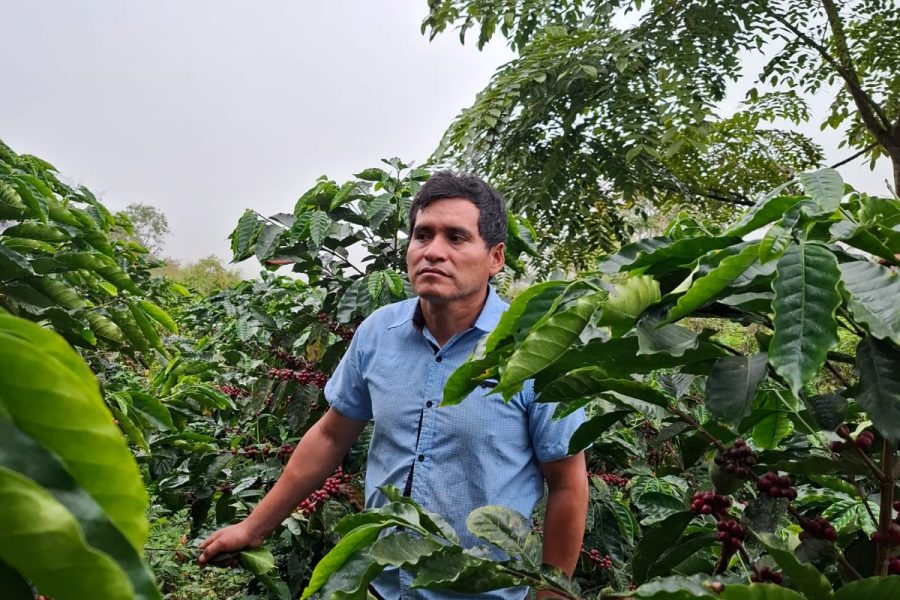
Most Peruvian coffee does not come from big estates. It comes from small family plots. Recent reports suggest more than 200,000 families grow coffee, often on one to five hectares. Farm size varies by source, so treat the numbers as a rough guide.
Many farmers sell through cooperatives. A co-op pools the harvest of many growers. That gives small farms a way to reach buyers abroad.
2. The best Peru coffee grows in the Andes
Coffee grows in the northern, central, and southern parts of the country. Three regions come up most often:
Cajamarca in the north. Cups are often sweet, with soft red fruit and a gentle acidity.
Chanchamayo in the centre. Think citrus, caramel, and chocolate in a medium body.
Cusco in the south. Expect darker fruit, like plum and grape, over a cocoa base.
Altitude matters here. Farms often sit between 1,000 and 2,000 metres. Cooler air slows the cherry down, and slow ripening builds sweetness.
3. Which varieties grow in Peru?
Typica and Caturra have long been the backbone of Peruvian farms. Bourbon, Pache, and Catimor are also common. A few farms even grow Geisha. If you want to know how these plants differ, read our guide to Arabica coffee varieties.
Leaf rust hit the country hard in 2012. Many farmers replanted with hardier types such as Catimor. These plants give steadier harvests. Some roasters feel the cup quality can be lower. That is one reason variety is worth checking on a label.
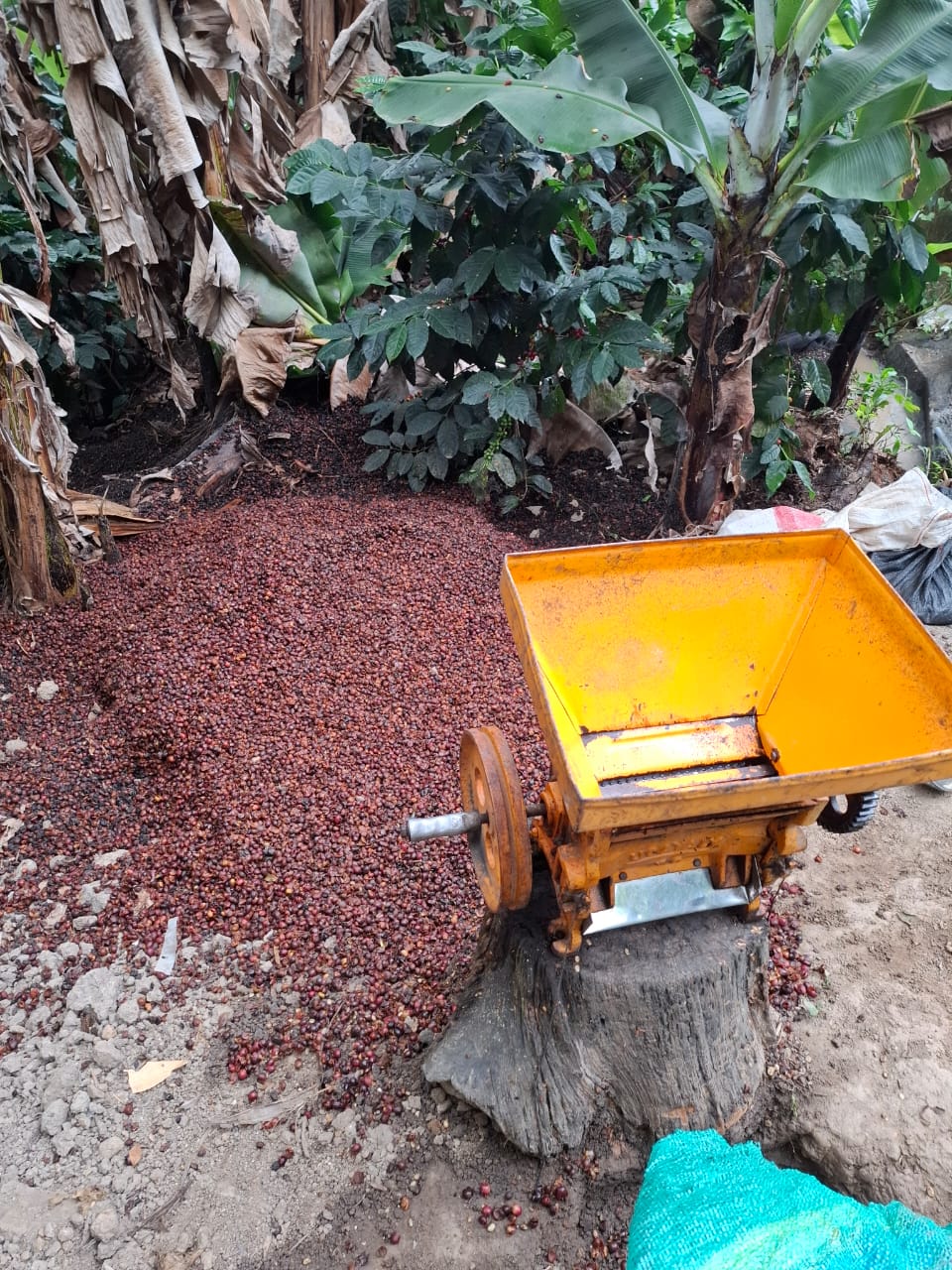
4. How Peru coffee is processed
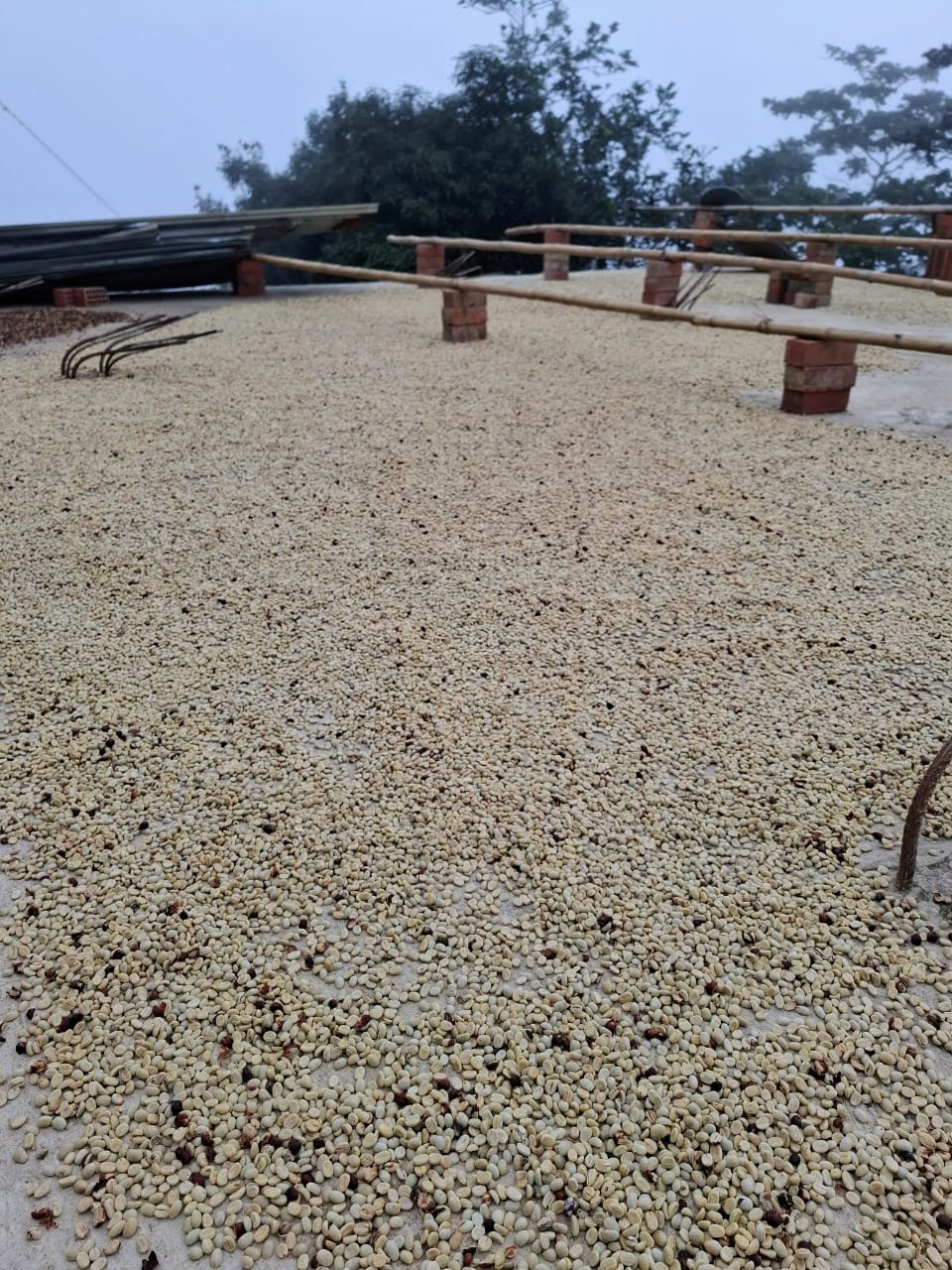
Most lots are washed. The cherry is pulped, fermented, and rinsed. This gives a clean cup with clear sweetness. Our guide to coffee processing methods explains the steps in detail.
Some farms now try honey and natural lots too. These can taste fruitier. They are still a small share of the crop.
5. Peru is a big name in organic coffee
Peru is often named among the top exporters of organic coffee. Sources disagree on its exact rank. Many small farms already grow without heavy chemicals. Organic certification then opens the door to buyers who pay a premium.
Certification is not a guarantee of flavour. It does say something about how the crop was grown. Good cup quality still comes from care at harvest and drying.
6. What Peru coffee tastes like
Expect a soft, balanced cup. Common notes are milk chocolate, caramel, red apple, and a touch of citrus. Acidity is usually mild. Body is medium.
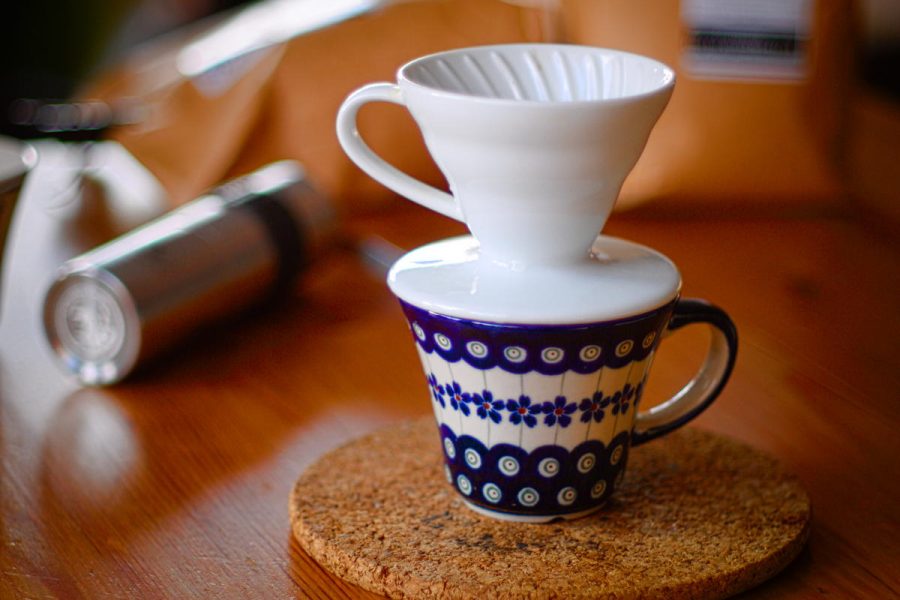
That profile suits many ways of brewing. A pour-over shows the fruit. A moka pot brings out the chocolate. An espresso gives a sweet, round shot. In Italy, roasters like this style for blends that need a smooth base.
7. How to buy good Peru coffee
Look for the region, the farm or co-op, the variety, and the harvest date. The more a label tells you, the better. Choose a roast date within the last month. Buy whole beans and grind just before brewing.
Start with a medium roast. It keeps the sweetness and the gentle fruit. Then try a lighter roast to see how much more the origin can show.
For a broader view of the country, see the overview of coffee production in Peru on Wikipedia.
Why Peru coffee deserves a place in your cup
Peru coffee offers sweetness, balance, and a story of small farms. It will not shout at you. It will simply taste good, day after day. That is what makes it a quiet star of the specialty world.
We are building IndieRoastersItaly to bring you small Italian roasters, with beans roasted to order. Visit the IndieRoastersItaly homepage to join the waitlist.
This article was written with the support of artificial intelligence for content structuring, and was fully reviewed, verified, and refined by the author.