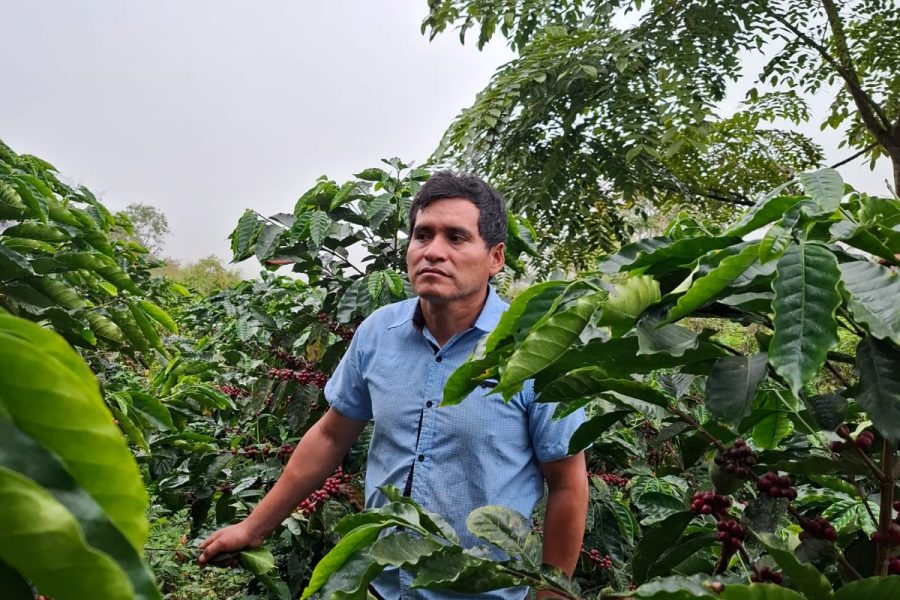

Coffee processing methods change the flavor in your cup more than roasting itself. When you buy a specialty coffee, the label often shows a word that sounds technical: washed, honey, or natural. It’s not a detail only insiders care about. Here’s what each of the three methods means, and how to recognize them.
Coffee Processing Methods, Explained Simply
The Washed Method: Clean and Bright
In the washed method, the fruit’s pulp is removed right after picking. The beans then ferment in water for a few hours. They’re washed again and dried. The result is a “clean” coffee, with sharper notes of fruit, flowers, or cocoa and well-defined acidity. It’s the preferred method in countries that want to highlight the bean’s natural quality without interference from processing. This coffee processing method needs more water and dedicated equipment: fermentation tanks, washing channels. That’s why it’s more common among large cooperatives. It requires access to a steady water supply, as in Central America or parts of East Africa.
The Natural Method: Sweetness and Fruit
Here, the whole fruit, pulp and all, dries in the sun for weeks. It rests on raised beds or patios before the bean is separated. The natural fermentation of the pulp transfers sugars and intense fruity notes to the bean: red fruit, sometimes almost wine-like. It’s one of the oldest coffee processing methods, still widely used today where water is scarce.
The Honey Method: The Middle Ground
Born in Costa Rica, the honey method leaves part of the mucilage on the bean. That’s the sticky pulp, kept on during drying. The name comes from the amber, sticky texture this mucilage takes on in the sun. It’s not a single method but a family of them. They range from white honey, with little mucilage left on, to black honey, almost fully coated. Profiles range from lighter to sweeter and fuller-bodied. Compared to washed, it uses less water, which also makes it a more sustainable choice. The bean’s color also changes during drying, depending on how much mucilage is left on. That shade is where the names of the variants come from: white, yellow, red, and black honey.
How to Spot the Method on the Label
A good specialty roaster always lists the processing method on the label. They also add origin, altitude, and roast date. If this information is missing, that’s a sign worth noticing. The processing method is part of a coffee’s traceability, just as much as where it comes from. We touched on this in our article on general coffee myths: a low price often hides exactly this missing detail.

Washed vs Natural vs Honey: Side by Side
| Washed | Honey | Natural | |
|---|---|---|---|
| Fruit removed | All, before drying | Skin removed, sticky mucilage left on | None: the whole cherry dries |
| Water use | High | Low | Very low |
| Drying time | Shorter | Medium | Longest, often 3–4 weeks or more |
| Acidity | Bright and clear | Medium, rounder | Softer |
| Body | Light to medium | Medium, syrupy | Full |
| Typical flavors | Citrus, florals, tea-like clarity | Honey, brown sugar, stone fruit | Berries, tropical fruit, wine-like notes |
| Main risk | Less sweetness if poorly done | Mold if drying is uneven | Over-fermented, “boozy” defects |
White, Yellow, Red and Black Honey
Honey coffees, common in Costa Rica and El Salvador, are often labeled with a color. The color does not refer to real honey: it describes how much of the sticky mucilage is left on the bean and how slowly it dries. White and yellow honey keep the least mucilage and dry faster, with a cleaner cup closer to a washed coffee. Red and black honey keep more mucilage, dry more slowly and usually taste sweeter, fruitier and heavier, closer to a natural.
Other Methods You May See on a Label
- Pulped natural: the Brazilian cousin of honey processing. The skin is removed and the beans dry with the mucilage on, giving sweet, nutty, chocolatey cups.
- Wet-hulled (giling basah): typical of Sumatra and other Indonesian islands. The parchment is removed while the beans are still wet, giving heavy body, low acidity and earthy, herbal notes.
- Anaerobic fermentation: cherries or beans ferment in sealed tanks without oxygen. The results can be intensely fruity, sometimes like candy or spices.
- Carbonic maceration: borrowed from winemaking, where whole cherries ferment in a carbon dioxide-rich environment. It became famous in specialty coffee after Sasa Sestic used a coffee processed this way to win the 2015 World Barista Championship.
Experimental processes can create amazing cups, but they are also divisive: some drinkers love their intensity, others find that they hide the character of the origin.
Coffee Processing FAQ
Which processing method is the best?
None is better in absolute terms. Washed coffees show the origin most clearly, naturals give the most fruit and body, and honeys sit in between. The best method is the one that suits your taste and your brewing method.
Does processing change the caffeine content?
Not in a meaningful way. Caffeine depends mostly on the species (Robusta has much more than Arabica), the variety and how much coffee you use, not on the processing.
Which method is best for espresso?
Many espresso blends use naturals or pulped naturals from Brazil for body and sweetness, often combined with a washed coffee for clarity. Single-origin naturals can make spectacular, fruity shots, but they are less forgiving.
Why are naturals sometimes called “funky”?
Because the cherry ferments while it dries around the bean. When drying is carefully controlled, this gives clean berry and tropical notes; when it is not, it can give boozy or vinegary flavors that some people enjoy and others see as defects.
Which to Choose in Your Cup
There’s no single “best” coffee processing method. Those who want a clean, well-balanced espresso often prefer washed. Those who love sweeter, almost fruity cups do well with a natural or a honey. The choice comes down to personal taste. It’s worth trying them all at least once. You can start with our guide to the perfect moka pot to extract the best from them at home.
In short, coffee processing methods aren’t a detail only insiders care about. They’re the first variable of flavor. They come before roasting and before extraction. Knowing them helps you choose more knowingly. It also helps you understand why two coffees from the same origin can taste so different in the cup.
Choosing a Process as a Drinker
If you like clean, bright, tea-like cups, look for washed coffees. If you enjoy sweetness and fruit, try honey or pulped natural lots. If you want bold, jammy flavours, choose natural coffees. Experimental lots, such as anaerobic ones, can taste wild and unusual. Try small bags first.
Frequently Asked Questions
Does process change caffeine?
No. Process changes flavour, not caffeine in any meaningful way.
Is natural coffee less clean?
It can taste fruitier and wilder. A well-made natural can still be very clean and sweet.
IndieRoastersItaly works with independent Italian roasters. They choose their lots partly based on the processing method too. Roasting is made to order, to get them to you as fresh as possible. If the project interests you, visit our homepage and join the waitlist.
This article was written with the support of artificial intelligence for content structuring, and was fully reviewed, verified, and refined by the author.
Related reading: Colombia Huila Coffee · Sumatra Mandheling Coffee · Brazilian Coffee Explained · Costa Rica Coffee: 7 Facts About Its Bright, Sweet Cup · Antigua Guatemala Coffee: The Essential Guide · Rwanda Coffee: 7 Facts About Its Sweet Cup