
Rwanda coffee is one of the most exciting stories in specialty. A small, hilly country in East Africa now grows some of the sweetest, fruitiest cups on the market. Here are seven facts that explain why.
1. Rwanda coffee grows high in the hills
Rwanda is known as the land of a thousand hills. Most coffee farms sit between about 1,500 and 1,900 meters above sea level. At that height, cherries ripen slowly. Slow ripening builds sugar and acidity, which is exactly what specialty drinkers look for.

2. Bourbon is the star variety
Most Rwandan farms grow Bourbon, a classic Arabica variety. It is prized for sweetness and a soft, round body. Roasters often describe it with notes of red fruit, citrus, and brown sugar. Want to compare it with another East African star? Read our guide to Kenya AA coffee.
3. Small farms drive the supply
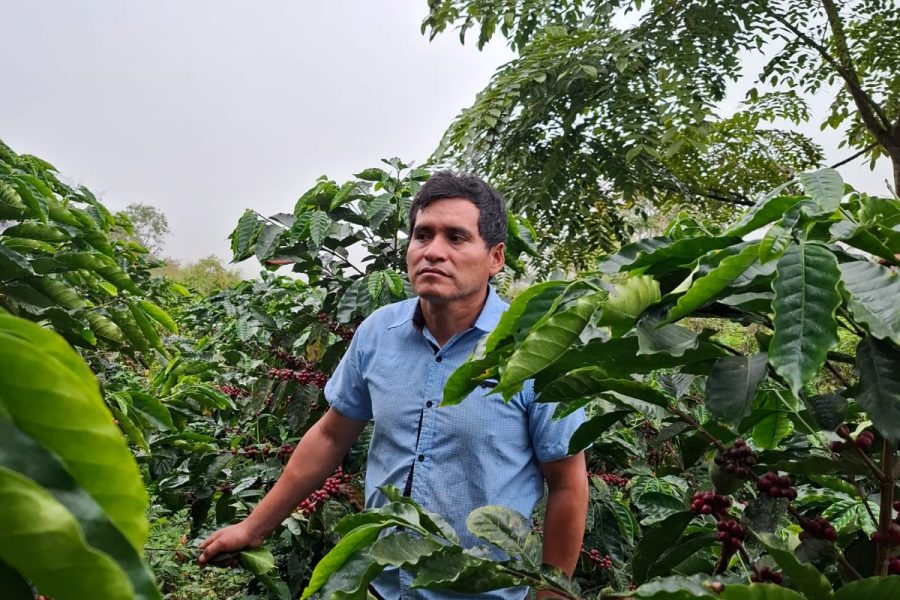
Coffee here is a family business. Hundreds of thousands of smallholders grow it on tiny plots, often just a few hundred trees. Farmers deliver ripe cherries to a nearby washing station. This keeps quality high, because the fruit is processed within hours of picking.
Cooperatives play a big role too. They pool cherries, share training, and sell lots with full traceability. A buyer can often see the hill, the station, and even the harvest week. This level of detail is rare in the coffee world. It helps roasters pay fair prices for quality, and it helps farmers earn more for their work.
4. Washed coffee leads the way
Most Rwanda coffee is fully washed. Cherries are pulped, fermented, rinsed, and dried on raised beds. The result is a clean, bright cup. Washed lots often show citrus, red currant, and black tea. Natural lots exist too, and they lean toward berry and floral notes.

Flavor also changes from region to region. Lots from the west, near Lake Kivu, often taste soft and floral. Lots from the south can be juicier and more tart. Tasting a few Rwanda coffee lots side by side is a fun way to learn how place shapes a cup.
5. Coffee has deep roots in the country
Coffee arrived in the early twentieth century, brought by missionaries from Europe. It became a key export for the country. After the hard years of the 1990s, farmers and local groups rebuilt the sector with a new focus on quality. Today the country is a regular name in specialty coffee competitions.
6. The potato taste is a known challenge
Rwandan coffee has one famous flaw. Some lots show a “potato taste”, a raw, earthy note linked to a small insect called the antestia bug. It is a real risk, but careful sorting and good washing stations keep it out of top lots. Specialty roasters taste every batch to catch it.
7. How to brew Rwanda coffee at home
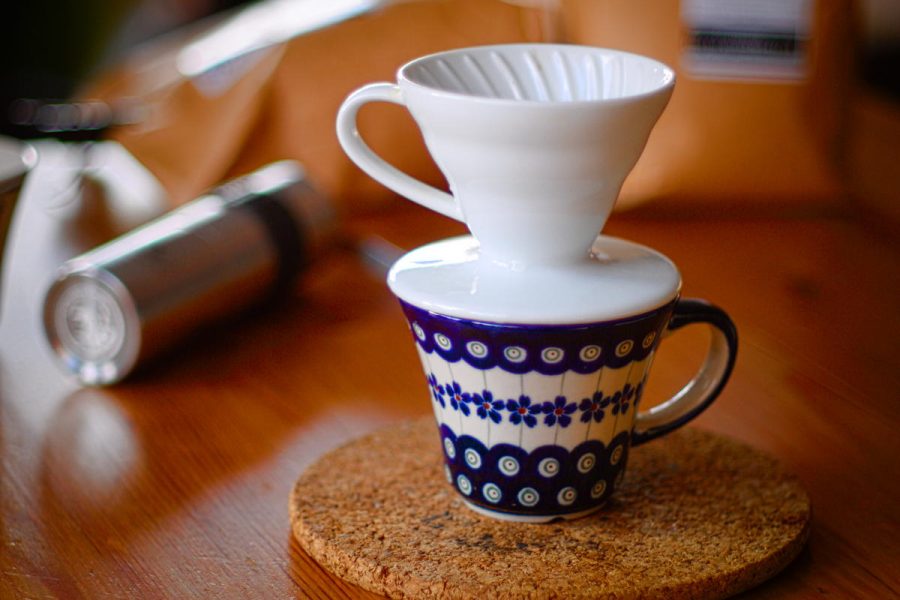
Bright, fruity coffees shine with filter methods. Try a V60 or a Kalita Wave. Use a light to medium roast. Start with a ratio of 1 to 16, which means 1 gram of coffee for 16 grams of water. Use water just off the boil. Taste, then adjust the grind finer for more sweetness or coarser for less bitterness.
Look for a lot with a named washing station and a harvest date. Those details tell you the roaster cares. You can learn more about the country itself on Wikipedia.
A simple V60 recipe for Rwanda coffee
If you want a fixed starting point, this recipe works well for most washed Rwandan lots. Adjust one thing at a time.
| Step | What to do |
|---|---|
| Dose | 15 g of coffee to 240 g of water (about 1:16) |
| Grind | Medium-fine, like table salt |
| Water | About 93–96 °C, just off the boil |
| Bloom | Pour 40 g of water, wait 30–45 seconds |
| Main pour | Pour slowly in circles up to 240 g |
| Total time | About 2:30 to 3:00 minutes |
Sour and thin? Grind finer. Bitter and dry? Grind coarser. For the full method, read our V60 pour-over guide or try the flat-bottom Kalita Wave.
When is the Rwanda coffee harvest?
Rwanda has one main crop a year. According to the national export board, NAEB, picking starts in late February in the Western Province around Lake Kivu and in early March elsewhere. Some parts of the north keep harvesting until August. New-crop Rwandan coffee usually reaches European roasters in the second half of the year.
From commodity coffee to specialty: the washing station story
Twenty-five years ago, almost no Rwandan coffee was sold as specialty. Most of it was semi-washed at home and sold as low-grade commodity coffee. The change came with central washing stations, where many farmers bring cherry to be processed the same day.
- In 2001 the PEARL project, funded by USAID and run with Texas A&M, helped open early washing stations in the south, reports the Yale Globalist.
- Fully washed coffee rose from about 1% of exports in 2002 to around half by 2015, according to a study for the International Growth Centre.
- In 2008 Rwanda hosted the first Cup of Excellence competition in Africa. When the contest returned in 2018, 344 washing stations took part.
Today Rwanda has hundreds of washing stations. That is why many bags name the station rather than a single farm.
What causes the potato taste defect?
The potato taste is linked to a compound called 2-isopropyl-3-methoxypyrazine (IPMP), which smells like raw potato skin. It usually shows up after roasting and grinding. The role of the antestia bug is still debated. It may carry the bacteria, open a way in through its bites, or simply stress the plant. Perfect Daily Grind notes that antestia has been found on up to 98.7% of Rwandan farms.
| Who | How they fight it |
|---|---|
| Farmers | Pest control, pheromone traps, pruning |
| Washing stations | Floating cherries, removing insect-damaged fruit, careful sorting |
| Roasters | Grinding small batches, cleaning the grinder after a bad bean, reporting lots to producers |
| You at home | If ground coffee smells like raw potato, throw that dose away and clean the grinder |
It affects single beans, not whole bags. One bad bean can spoil one cup, but the next cup from the same bag is usually fine.
How much coffee does Rwanda export?
Rwanda is a small producer, but its coffee earns more each year. NAEB reports that in 2025 the country exported 23,860 tonnes of green coffee worth $148.6 million, a record, up from $89.8 million in 2024.
Rwanda vs Kenya vs Ethiopia coffee
| Origin | Typical cup | Read more |
|---|---|---|
| Rwanda | Red fruit, citrus, black tea, soft sweetness | This guide |
| Kenya | Intense acidity, blackcurrant, juicy body | Kenya AA coffee |
| Ethiopia | Floral, lemon, bergamot, light body | Ethiopian Yirgacheffe |
If Kenyan coffee feels too sharp for you, Rwanda is often the gentler choice.
Why Rwanda coffee deserves a spot in your cup
Rwanda coffee offers clean sweetness, lively acidity, and a story of recovery. It is a great way to explore African coffee without the intensity of some other origins.
Rwanda coffee: common questions
What does Rwanda coffee taste like?
Washed Rwandan coffee is usually clean and sweet, with red fruit, citrus, black tea and brown sugar notes. Natural lots taste more of berries and flowers.
Is Rwanda coffee good for espresso?
It can be, especially at a medium roast. Expect a bright, fruity shot. Some roasters avoid lots with a history of potato defect for espresso, because one bad bean affects the whole shot.
What is the main coffee variety in Rwanda?
Bourbon. NAEB describes Rwandan production as mainly Bourbon, a variety known for sweetness.
Is the potato defect dangerous?
No. It is a flavor problem, not a safety issue. It just makes the cup taste of raw potato.
When should I buy fresh Rwanda coffee?
The harvest ends in spring and early summer, so new-crop lots usually arrive from late summer onward. Check the roast date on the bag and drink it within a few weeks of roasting.
At IndieRoastersItaly, we are building a way to discover small Italian roasters and fresh specialty coffee. Join the waitlist on our homepage and be first to taste.
This article was written with the support of artificial intelligence for content structuring, and was fully reviewed, verified, and refined by the author.