Open a bag of dark roast and you may see a shine on every bean. Many people think this is a flaw. Others think it means the coffee is rich and fresh. Both ideas are too simple. Here is the truth about oily coffee beans.
What makes oily coffee beans shiny?
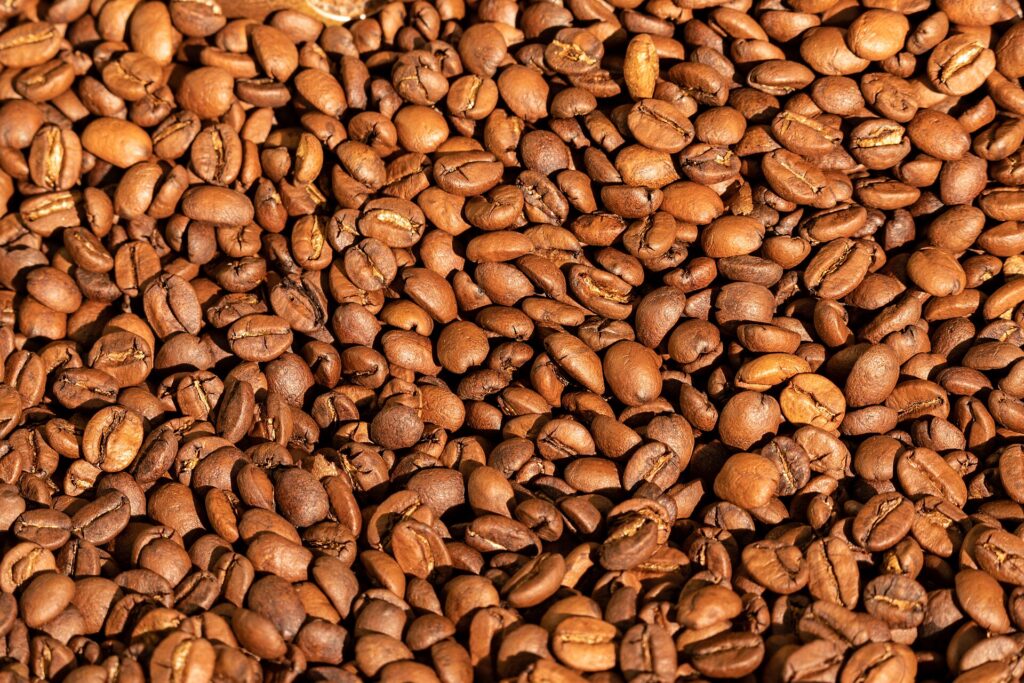
Green coffee beans contain natural oils. During roasting, the bean heats up and its inner structure changes. Gas builds up inside, and the cell walls break down. Over time, the oils move toward the surface.
The longer and hotter the roast, the more oil you tend to see. This is why dark roasts look glossy and light roasts look dry and matte. You can read the basics in the Wikipedia article on coffee roasting.
Myth 1: oil on the surface means the coffee is stale
Not by itself. A dark roast can be shiny on the day it comes out of the roaster. The oil is part of the roast style, not proof of age.
Age does matter in a different way, though. Oils can go off over time when beans sit in air, light and heat. If a shiny bean smells sharp, bitter or like old nuts, it is probably past its best. Smell is a better test than shine.
Myth 2: light roasts are never oily
Light roasts usually stay dry for weeks. Even so, a light roast can show a little oil as it ages, and some medium roasts show a light sheen. So surface oil is a clue about roast level, not a perfect label.

Myth 3: oily beans make richer coffee
Oil on the bean is not the same as oil in your cup. A paper filter catches most of it. Espresso and French press let more through, which can add body.
What you taste from a dark roast comes mostly from the roast itself: more bitter, smoky and chocolate notes, and fewer fruity or floral ones. Our guide to light vs dark roast goes deeper on this.
Myth 4: oily beans are fine in any grinder
Here the myth has a grain of truth. Very oily beans can stick to grinder parts and to the walls of a hopper. Some automatic espresso machines warn against them in their manuals, since oil can clog the system.
If you own a machine like that, check what the maker advises. A quick clean of your grinder now and then also helps with stale oil buildup.

Myth 5: shiny means burnt
A glossy bean is not always a burnt bean. Many Italian roasters make darker roasts on purpose for classic espresso, and they do it with care. A burnt roast tastes ashy and flat. A well-made dark roast tastes deep and sweet-bitter. We cover more ideas like this in our post on coffee roasting myths.
How much oil is in a coffee bean?
All coffee beans contain oil, even before roasting. According to the International Coffee Organization, green arabica beans hold around 15% lipids, and up to 17% has been measured. Robusta usually holds less: on average 10 to 15%, and sometimes as little as 7%.
A recent lab study found a similar gap: about 16% lipids in arabica and about 10% in robusta. So the oil is always there. Roasting only decides how much of it you can see.
When do coffee beans turn oily?
Roasting breaks down the inside of the bean. Gas builds up, the cells stretch and the cell walls become porous. Around second crack, the structure is open enough for oil to reach the surface, as Trade Coffee explains. That is why dark roasts often shine on day one.
Time matters too. Almost any roasted coffee will show some oil if it sits long enough. Here is a simple guide by roast level:
| Roast level | What you usually see | What it can mean |
|---|---|---|
| Light | Dry and matte | A shine after a couple of weeks may mean the beans are getting stale |
| Medium | Mostly dry, maybe a light sheen later | Normal with age; check the roast date |
| Medium-dark | Some spots of oil | Normal for this roast style |
| Dark (past second crack) | Glossy, often from roast day | Roast style, not a sign of age by itself |
Use the table as a rough guide. Bean origin, processing and the roaster’s style all play a part.
Are oily coffee beans bad for your espresso machine?
They can be, if you own a bean-to-cup machine. De’Longhi tells owners of its fully automatic machines to avoid beans that are too oily, caramelised or coated, because they can stick to the grinder. JURA asks owners to use only roasted, untreated beans and to avoid caramelised beans or beans with additives.
If you have a machine like this, a medium roast is the safer choice. With a separate grinder and a manual espresso machine, oily beans are less of a worry. Just clean the grinder more often.
Does the oil in coffee affect your health?
Coffee oil contains natural compounds called diterpenes, mainly cafestol and kahweol. A Harvard Health article explains that, without a filter, some of these end up in your cup. It notes that five to eight cups a day of unfiltered coffee may raise LDL (“bad”) cholesterol.
Paper filters make a big difference. Research by Urgert and Katan, published in the Annual Review of Nutrition in 1997, found that paper-filtered coffee holds back these compounds, while boiled coffee, French press and Turkish coffee let more through. If you have concerns about cholesterol, talk to your doctor. Our article on coffee and heart health myths covers this topic in more detail.
How to clean your grinder after oily beans
- Unplug an electric grinder and empty the hopper.
- Run a few grams of a lighter roast through it to push out old grounds.
- Brush the burrs and the chute with a dry brush.
- Use grinder cleaning tablets only if the maker allows them, and follow the instructions.
- Do not wash burrs with water unless the manual says you can.
A clean grinder also gives you more even grounds. Our coffee grind size guide explains why that matters.
How to judge your beans
Look at the roast date first. Then smell the beans. They should smell sweet, roasty or fruity, not sour or stale. Store them in a sealed bag away from light and heat, and use them within a few weeks of roasting.
Oily coffee beans: common questions
Why are some coffee beans oily and others dry?
Mostly because of the roast. Darker roasts open up the bean and push oil to the surface sooner. Age plays a part as well: lighter roasts can turn a little shiny after a few weeks.
Are oily coffee beans bad?
Not by themselves. Oil shows roast style, not quality. The real problem is old oil: once it oxidises, it tastes rancid. The Specialty Coffee Association lists rancidity as a typical flavor of stale coffee.
Should coffee beans be oily or dry?
It depends on the roast. Dry is normal for light and medium roasts. Oily is normal for dark roasts. A light roast that turns very shiny is often past its best.
Do oily beans make better espresso?
Not always. Dark, oily beans give more body and bitter-chocolate notes. Many people prefer the sweetness and fruit of a medium roast. Taste both and decide.
How should I store oily coffee beans?
In an airtight bag or jar, away from light and heat. Buy amounts you can finish within a few weeks. Our post on how to store coffee has more tips.
At IndieRoastersItaly, we want to help you find small Italian roasters who share this care for the bean. Join the waitlist on our homepage.
Related reading: How long should coffee degas?
This article was written with the support of artificial intelligence for content structuring, and was fully reviewed, verified, and refined by the author.