Two coffees, same origin, same roaster. One is light, sweet, almost fruity. The other is dark, dense, with notes of cocoa and burnt wood. The difference isn’t in the starting bean. It’s in the roast. Here’s the real light vs dark roast comparison: 5 essential differences, and why they matter for anyone who loves specialty coffee.
What Really Happens During Roasting
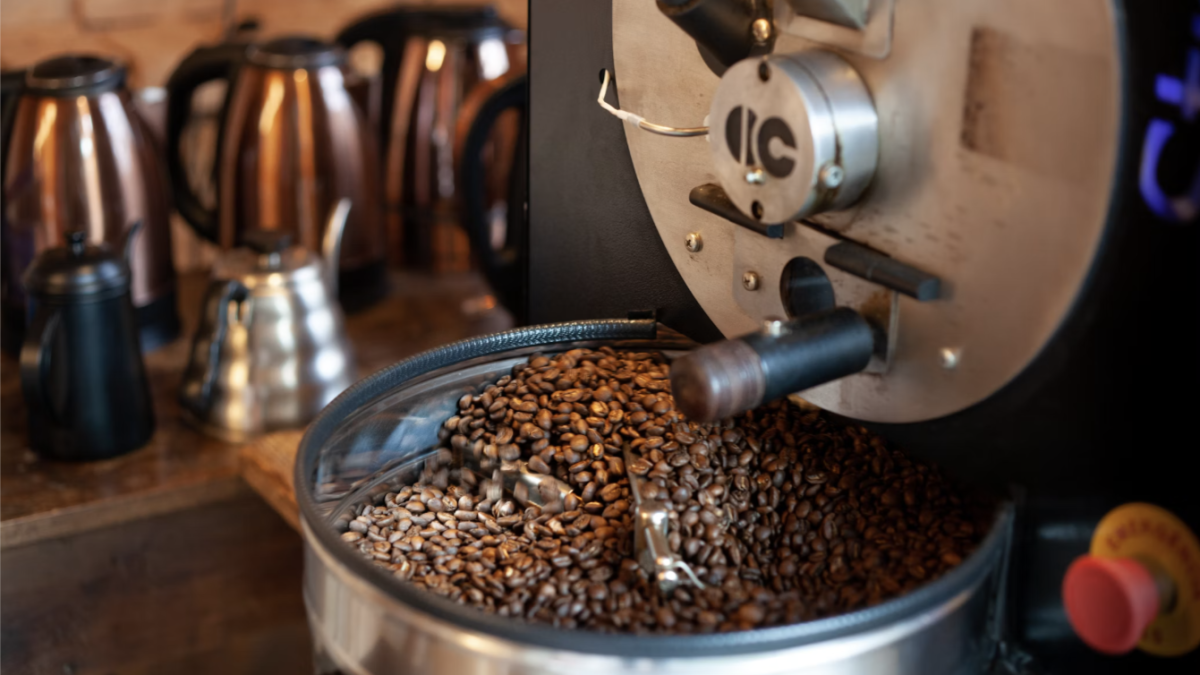
The green bean enters the drum at around 200 degrees Celsius. In just a few minutes, it changes color, volume, and chemical structure. Sugars caramelize, acids transform, oils rise to the surface. The roaster decides when to stop the process. Every extra minute changes the final flavor sharply. That’s why a good roaster tastes the coffee from every batch. They adjust the timing based on the bean, not just the color they see.
Light vs Dark Roast: 5 Essential Differences
1. Color and Roasting Time
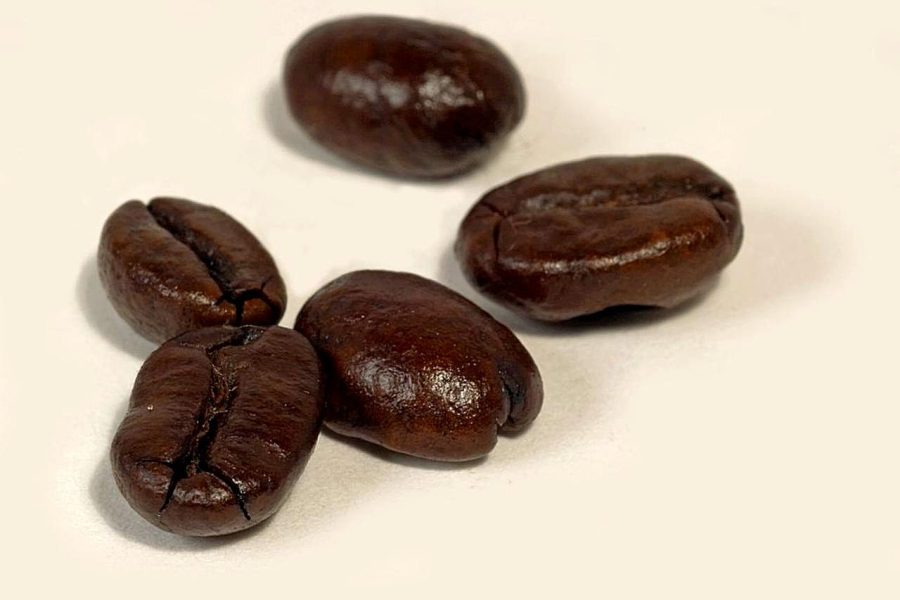
Light roast stops early, just after the bean’s first “crack.” The color stays cinnamon or hazelnut. Dark roast goes further, past the second crack. The bean turns deep brown, sometimes almost black, with visible oils on the surface.
2. Sugars and Acidity
A light roast keeps more natural sugars and more lively acidity. The taste recalls fruit, citrus, sometimes flowers. A dark roast burns off most of these sugars. Acidity drops, and in its place come notes of bitter chocolate, spice, and toasted wood.
3. Body and Mouthfeel
The oils that rise with heat add body to the cup. A dark roast, as a result, often feels denser and more velvety on the palate. A light roast is lighter, almost tea-like in structure. You can find a technical explanation of the process in the Wikipedia entry on coffee roasting.
4. Caffeine
Here’s the surprise. Roasting barely touches caffeine at all: it stays chemically stable at the temperatures a roaster reaches, even for a dark roast. What changes is density. Beans expand as they roast, so a darker bean is lighter and more swollen for its size. That means a lighter roast often packs slightly more caffeine per scoop or per gram than a darker one. It’s a common mix-up, and we touch on the same misconception in our article on storing coffee myths.
5. The Best Way to Drink It
A light roast shines with filter methods, like V60 or Chemex, and also with cold brew: the acidity stays the star. A dark roast pairs better with espresso and the moka pot, where the full body holds up well under pressure or heat. We cover this in our guide to the perfect moka pot.
Which Roast to Choose for Specialty Coffee
When it comes to light vs dark roast, there’s no single “right” one. There’s the right one for the bean, for the brewing method, for your taste. An independent roaster knows this well. That’s why they treat each origin differently, and roast to order instead of mass-producing. The result is coffee meant to be drunk fresh, not left sitting on a shelf for months.
How to Spot the Right Roast Before You Buy
Look at the color of the beans on the bag or at the counter. A cinnamon or hazelnut color points to a light roast. A near-black color, with oils on the surface, points to a dark roast. Read the label too. A serious independent roaster always prints the roast date, not just the best-by date. This helps you understand how fresh the bean you’re about to buy really is. Ask for advice if you’re in a physical shop: whoever roasts the coffee knows their product well.
Light, Medium and Dark Roast Compared
| Light | Medium | Dark | |
|---|---|---|---|
| Color | Cinnamon, light brown | Milk-chocolate brown | Dark brown to almost black |
| Surface | Dry, matte | Mostly dry | Oily, shiny |
| Roast stage | Shortly after first crack | Between first and second crack | Into or past second crack |
| Acidity | High, lively | Balanced | Low |
| Typical flavors | Citrus, berries, florals, tea | Caramel, nuts, milk chocolate, ripe fruit | Dark chocolate, spice, smoke, roasted bitterness |
| Best for | Pour-over, AeroPress | Almost everything: filter, moka, espresso | Espresso with milk, moka, French press |
Common Roast Names and What They Mean
Roast names are not standardized, so the same word can mean different things to different roasters. Still, some labels are common. Cinnamon and New England roasts are very light. City and City+ are light to medium. Full City is a medium-dark roast that just touches the second crack. Vienna, French and Italian roasts are progressively darker. Ironically, many specialty roasters in Italy today roast much lighter than the traditional “Italian roast”.
How to Brew Each Roast
- Light roasts are harder to extract. Use hotter water (94–96 °C), a slightly finer grind and give them time. If the cup tastes sour, grind finer.
- Medium roasts are the most forgiving: start at 92–94 °C and standard recipes for your method.
- Dark roasts extract easily and turn bitter fast. Use cooler water (88–91 °C), a slightly coarser grind or a shorter brew.
Freshness also changes with roast level. Light roasts often taste best one to four weeks after roasting, once they have released some gas. Dark roasts peak earlier and lose aroma faster, because their structure is more porous and their oils are already on the surface.
Light vs Dark Roast FAQ
Which roast has more caffeine?
Almost the same by weight. Because dark beans are lighter and larger, a scoop of dark roast holds slightly less coffee, and so slightly less caffeine, than a scoop of light roast. Weighing your coffee removes the difference.
Is dark roast stronger?
It tastes stronger because of its bitterness and body, but strength in the cup depends on how much coffee you use, not on the roast level.
Is light roast more acidic for the stomach?
Light roasts taste more acidic, but tasting acidity and stomach comfort are not the same thing. Some people find darker roasts gentler, others notice no difference. If coffee bothers you, try different roasts and brewing methods and see what works for you.
Which roast is best for a moka pot?
A medium roast is the safest choice: it gives sweetness and body without the bitterness that a very dark roast can develop in a moka pot. Very light roasts can taste sour with this method.
The IndieRoastersItaly Project
How to Taste the Difference
Pick one coffee and ask the roaster for a light and a dark roast of it. Brew both the same way. Smell the dry grounds first. Then taste the coffees side by side. The light roast should feel brighter and more fruity. The dark roast should feel heavier, with notes of cocoa and toast.
Notice how the aroma changes as the cup cools. Many people find subtle notes appear at lower temperatures.
Matching Roast to Brew Method
- Espresso: medium to medium-dark for balance.
- Moka pot: medium to dark for a rich, strong cup.
- Pour over: light to medium to show origin.
- French press: medium for body and sweetness.
Frequently Asked Questions
Which roast is healthier?
There is no simple answer. Differences are small. For personal advice, ask a health professional.
IndieRoastersItaly exists to bring the work of independent Italian roasters to your door. Specialty coffee, roasted to order, shipped at its freshest. No warehouses, no compromises. If you want to be among the first to try it, visit the IndieRoastersItaly homepage and join the waitlist.
This article was written with the support of artificial intelligence for content structuring, and was fully reviewed, verified, and refined by the author.
Related reading: Oily Coffee Beans: 5 Truths About Shiny Roasts · Strong Coffee Myths: Is Dark Roast Stronger?