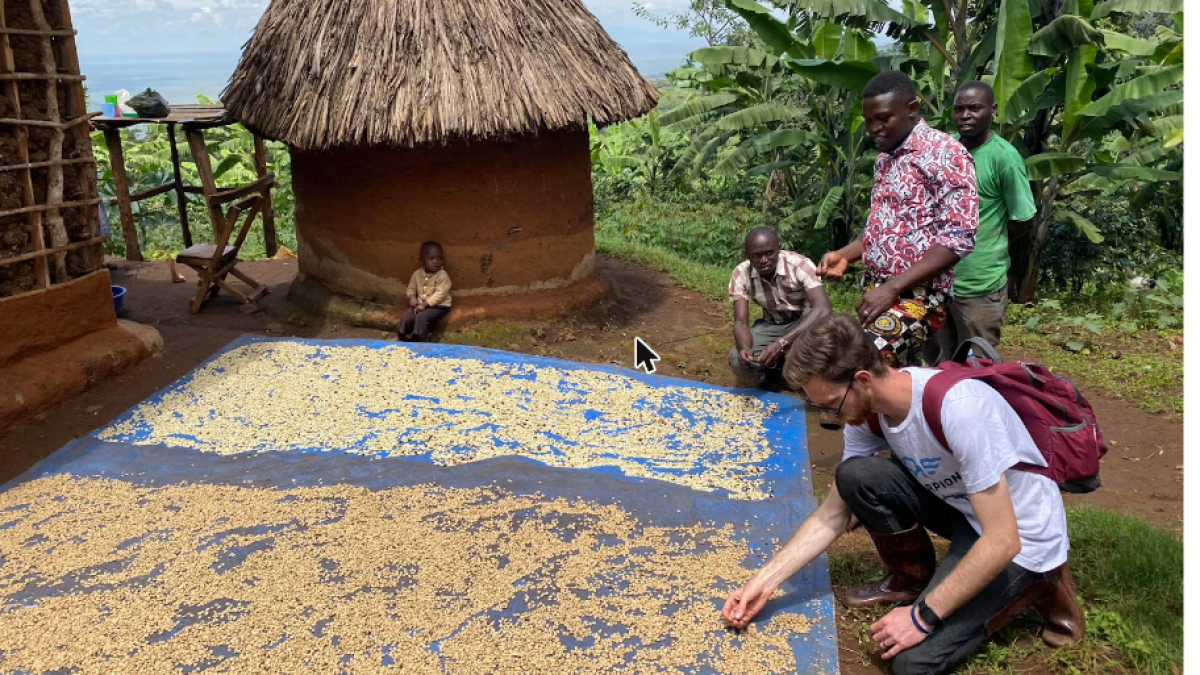
Kenya AA coffee is one of the most loved origins in specialty coffee. “AA” isn’t a brand. It’s a grading code that, in Kenya, marks bean size. Often, not by chance, it also hints at quality. Let’s find out what makes this origin one of the most loved among specialty coffee fans.
What Is Kenya AA: A Grade, Not a Variety
In Kenya, green coffee grading is based on bean size. AA marks the largest beans, sifted through 17 and 18 screens. So it isn’t a botanical variety, but a size grade. The varieties actually grown are different: SL28, SL34, Ruiru 11, and Batian. Many large beans, though, come from well-tended plants picked at the right time. That’s why the AA grade has become, over time, a byword for superior quality.
Where Kenya AA Coffee Grows: The Hills That Make the Difference
Kenya AA coffee grows on the country’s central highlands (see Kenya on Wikipedia), between 1,500 and 2,200 meters above sea level. The climate is cool, the soil volcanic and mineral-rich. At these altitudes, the plant grows slowly. The cherries ripen gradually, building up the sugars and acids we later find in the cup. The farms often sit on terraces, among small family plots grouped into cooperatives.
The Harvest: Only the Right Cherries
Kenya AA coffee is harvested by hand and selectively. Pickers pass over the same plant several times, in different weeks, to gather only the cherries that are perfectly ripe. The rest stay on the branch, waiting for the next pass. It’s slow work that takes real experience. It’s also one of the reasons a coffee like this costs more than a commercial one.
The Secret of Processing: Double Washed
Almost all Kenyan coffee goes through the washed process. Kenya, in particular, is known for a variant called double washed. After the first fermentation, the beans are washed, then left to ferment a second time in clean water. This is one of the steps that makes Kenya AA coffee so distinctive. This double pass cleans the bean further. It sharpens the clarity of its acidity and brings out its fruity notes. A slow drying follows, on raised beds, in the shade, for weeks.

In the Cup: Cherry Cola, Bergamot, and Toffee
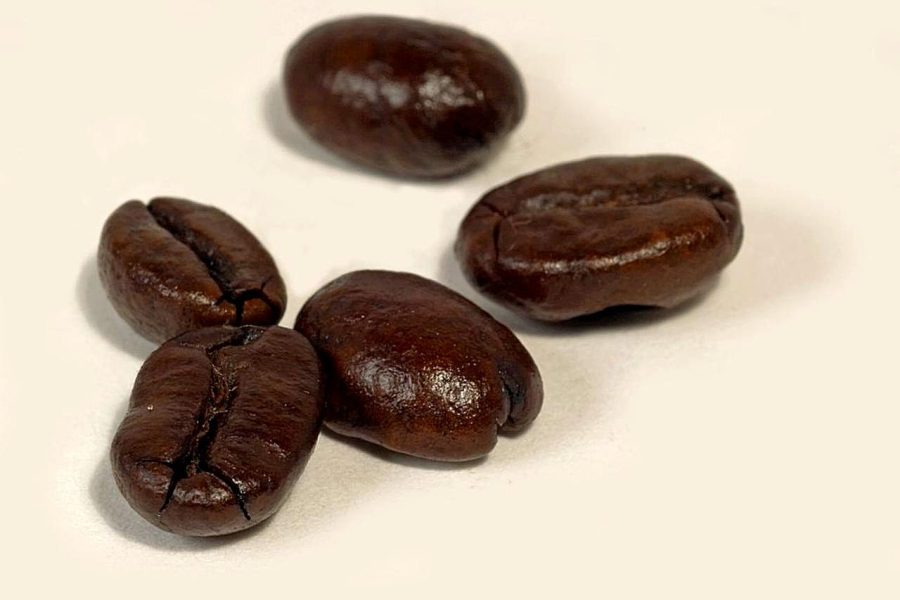
Kenya AA is easy to recognize by nose and palate. The acidity is bright, almost citrusy, with notes of bergamot and candied fruit. On the palate come the signature hint of cherry cola and a sweetness that recalls toffee. It’s a complex coffee, never flat, that keeps changing as it cools in the cup. It’s an experience worth comparing, for contrast, with a gentler origin like the Ethiopian Guji.

How to Bring Out the Best of It at Home
Kenya AA performs best with filter methods that respect its acidity, like pour-over. The moka pot, too, if brewed with care, can deliver a great cup. The key is not to roast it too dark. A medium roast lets the acidity and fruit that make this coffee unique come through. A good starting point is a 1:16 ratio between coffee and water, with a medium grind for filter and a finer one for the moka pot. Adjust the dose to your taste: more coffee means more body, more water brings out the acidic and floral side.
Kenya Coffee Grades Explained: AA, AB, PB and More
AA is only one step of the Kenyan grading ladder. Beans are sorted mainly by size and density, and each grade has its own code that you may see on a bag.
| Grade | What it means |
|---|---|
| E | “Elephant” beans: very large, often irregular. Rare and usually sold separately. |
| AA | Large beans, screen size 17–18 (about 7 mm). The best-known grade abroad. |
| AB | Slightly smaller beans, screen size 15–16. The largest share of Kenya’s crop, often excellent and better value. |
| PB | Peaberry: a single round bean instead of two flat ones in the cherry. Prized for its dense, concentrated cup. |
| C, TT, T | Smaller or lighter beans and fragments, mostly used in blends. |
Remember: size is not flavor. An excellent AB from a top washing station can beat an average AA. The cupping score and the producer matter more than the letters.
SL28, SL34, Ruiru 11 and Batian: Kenya’s Varieties
SL28 and SL34 were selected in the 1930s by Scott Agricultural Laboratories in Nairobi, hence the “SL” in their names. They are the source of the intense, juicy, blackcurrant-like profile that made Kenya famous, but they are vulnerable to diseases such as coffee leaf rust and coffee berry disease. Ruiru 11, released in 1985, and Batian, released in 2010, were bred to resist those diseases. Batian in particular is appreciated for keeping much of the classic Kenyan cup quality. Many lots are a mix of these varieties.
Main Growing Regions and Harvest Seasons
The most celebrated Kenyan coffees come from the volcanic slopes around Mount Kenya and the Aberdare Range: Nyeri, Kirinyaga, Murang’a, Kiambu and Embu are names to look for on the label. Most coffee grows between roughly 1,400 and 2,000 meters above sea level. Kenya has two harvests: the main crop, usually from October to December, and a smaller “fly crop” around April to June.
Most smallholders deliver their cherries to cooperative washing stations, called “factories” in Kenya. Much of the coffee is then sold through the Nairobi Coffee Exchange auction, although direct sales to buyers have become more common, which helps traceability down to the single washing station.
Brewing Guide for Kenya AA
| Method | Recipe | What to expect |
|---|---|---|
| V60 / pour-over | 15 g coffee, 250 g water, 93–96 °C, medium-fine grind | Bright, juicy, very aromatic |
| Chemex | 30 g coffee, 500 g water, medium-coarse grind | Very clean, tea-like, great for sharing |
| AeroPress | 15 g coffee, 230 g water, 2 minutes steep | Rounder body, softer acidity |
| Espresso | Medium roast, slightly longer ratio (about 1:2.5) | Intense and fruity; a longer shot tames the acidity |
Kenya AA FAQ
Is Kenya AA better than Kenya AB?
Not automatically. AA only means larger beans. AA lots often score a little higher, but a carefully processed AB can be just as good and usually costs less.
Why does Kenya AA taste so acidic?
High altitude, the SL varieties and the double washed process all lead to a bright, fruity acidity, often compared to blackcurrant, grapefruit or red berries. If you find it too sharp, try it as a medium roast, in an AeroPress or as a longer espresso.
Kenya AA or Ethiopian Yirgacheffe?
Both are bright African coffees. Kenya AA tends to be bolder and juicier, with berry and savory-sweet notes and more body. Washed Yirgacheffe is usually lighter and more floral, with jasmine and lemon notes. Learn more in our guide to Ethiopian Yirgacheffe coffee.
How should I store Kenya AA beans?
Like any specialty coffee: whole beans, in an airtight, opaque container, away from heat and light. Its bright aromatics are at their best roughly one to five weeks after the roast date.
Kenya AA coffee is exactly the kind of rare origin IndieRoastersItaly exists to bring to your door, selected from independent Italian roasters and roasted to order. Want to be among the first to discover origins like Kenya AA? Join the waitlist at indieroastersitaly.it. Every month we select lots like this alongside small Italian roasters, to bring you origins that are rarely found on supermarket shelves. Every shipment tells the story of the people who grow and process the coffee, a direct connection we want to bring all the way to your cup.
Keep reading: Colombia Huila Coffee: 6 Secrets of a Sweet, Balanced Origin, Jamaica Blue Mountain coffee
This article was written with the support of artificial intelligence for content structuring, and was fully reviewed, verified, and refined by the author.
Related reading: Costa Rica Coffee: 7 Facts About Its Bright, Sweet Cup · Rwanda Coffee: 7 Facts About Its Sweet Cup