Costa Rica coffee is a quiet star of the specialty world. The country is small, yet its cups are clean, sweet, and bright. Many roasters love it for that balance. Here are seven facts that explain why.
Where Costa Rica Coffee Grows
1. High Hills Shape the Flavor
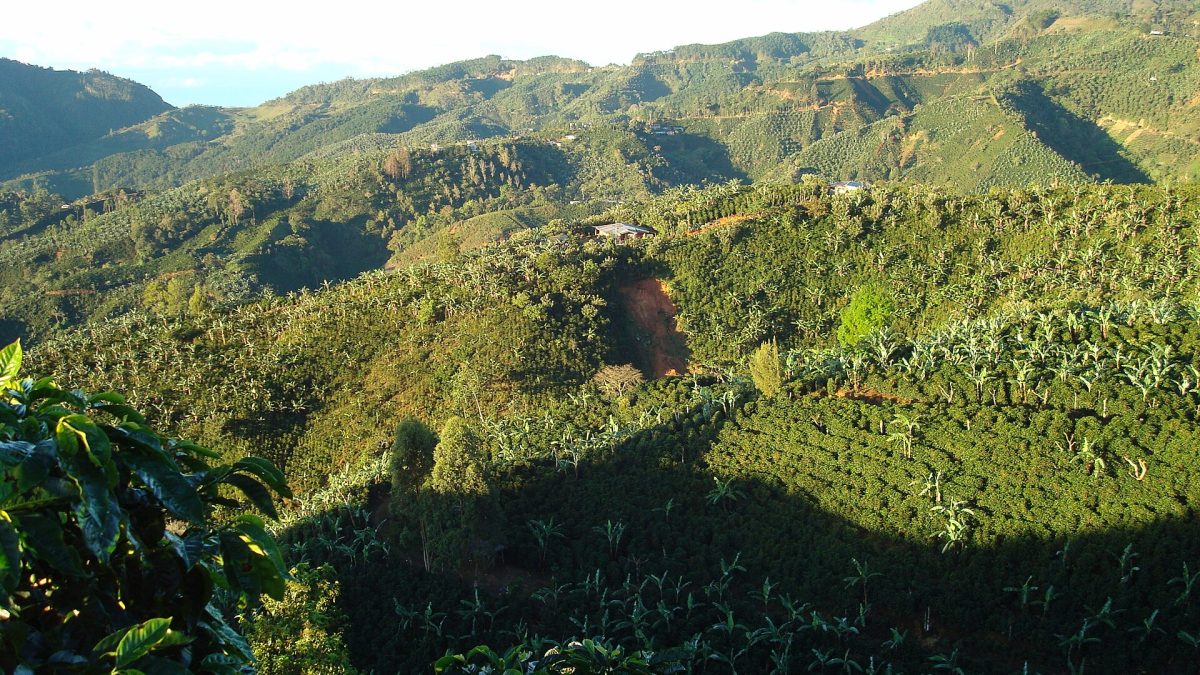
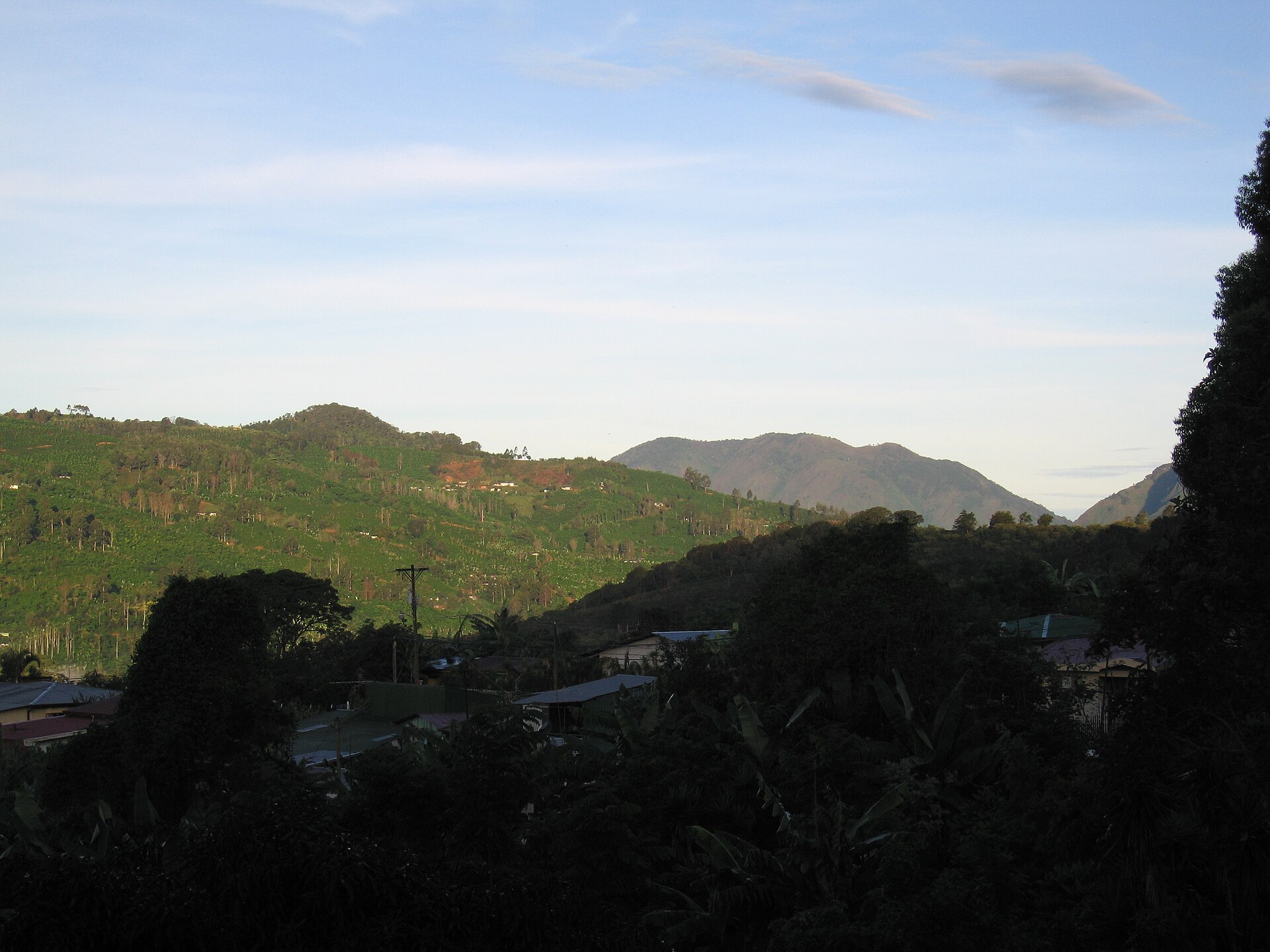
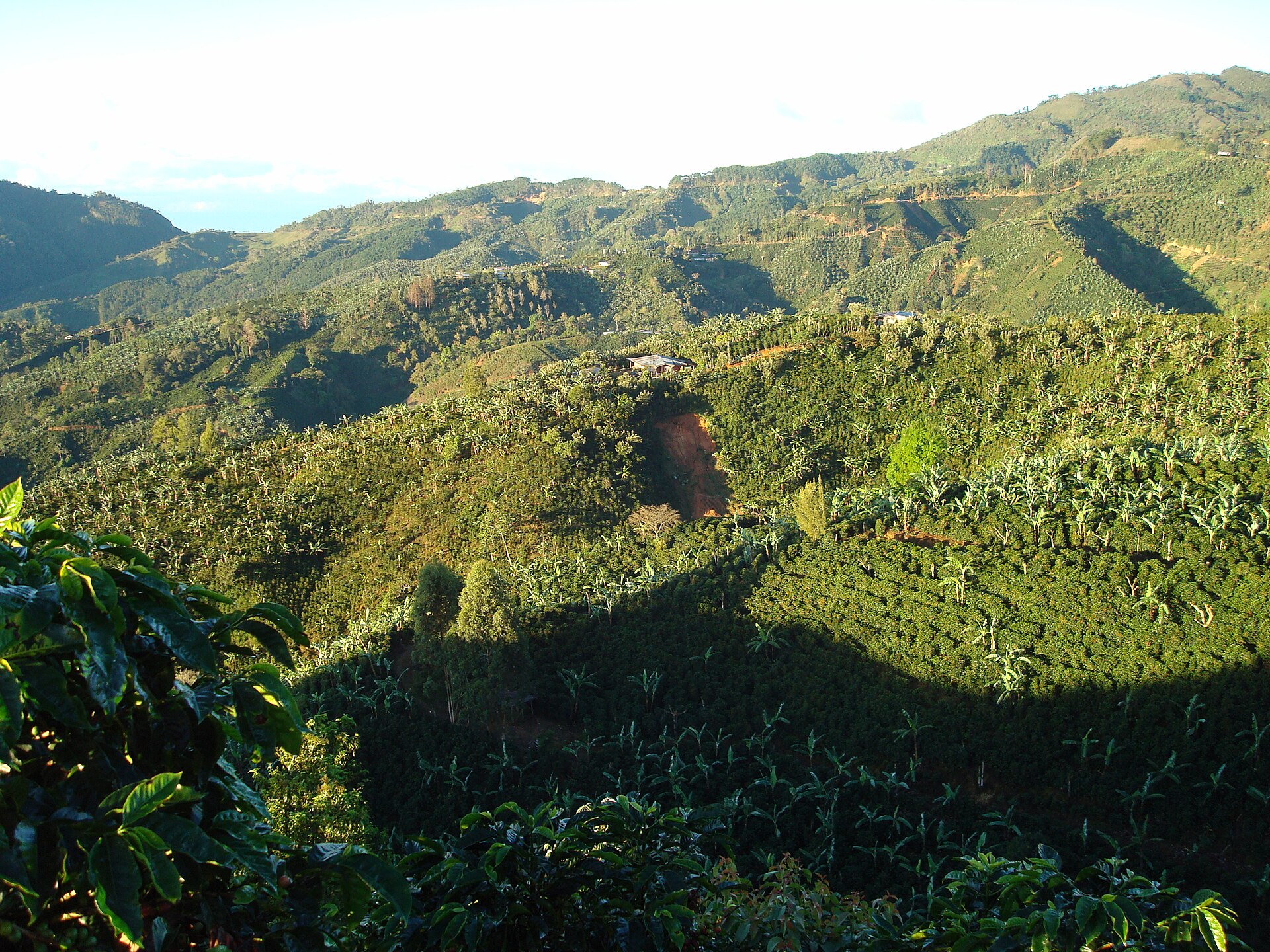
Most of the best beans grow in the mountains. In the famous Tarrazú region, farms sit between about 1,500 and 1,800 meters above sea level. At that height the cherries ripen slowly. Slow ripening builds sugar and gives a more complex cup. Other well-known areas include the Central Valley and the West Valley.
2. Only Arabica Is Allowed
For about 30 years Costa Rica banned the growing of robusta by law. Since 2018 it is allowed only in low areas that are not suited to arabica, so the classic coffee regions still grow arabica, the species that wins most praise for flavor. If you want to learn how the two species differ, read our guide to Arabica vs Robusta. The country also has a long coffee story, which Wikipedia covers in detail.
3. Familiar Varieties, Careful Picking
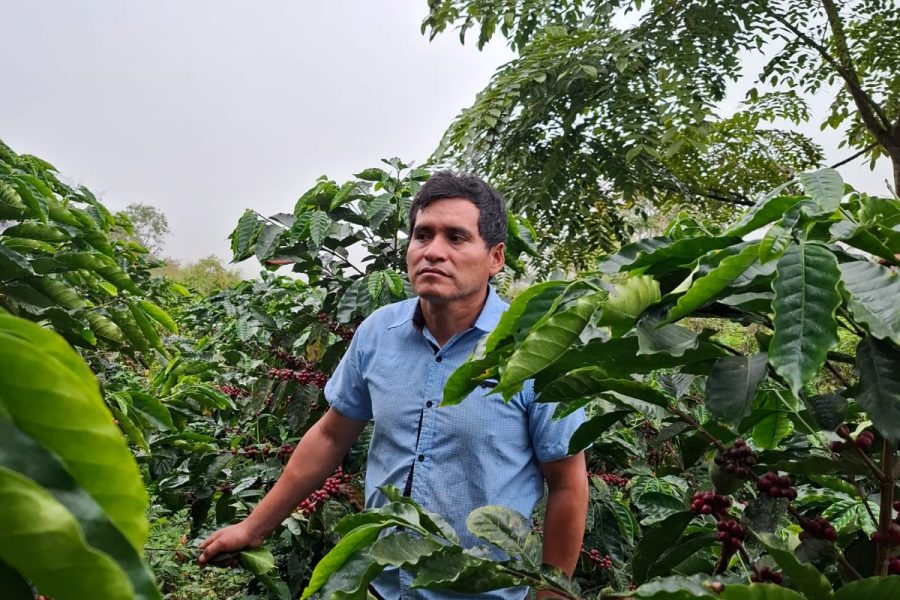
Farmers grow varieties such as Caturra, Catuaí, and Villa Sarchí. (A variety is a family of coffee plants, like a type of apple.) The harvest runs from late autumn into early spring. Many farms pick only the ripe red cherries, by hand, in several passes.
How Processing Changes the Cup
4. Washed Coffee Tastes Clean
Washed is the classic style here. The fruit is removed before the beans dry. The result is a clear, crisp cup with citrus, apple, and chocolate notes. It shows the farm and the altitude very well.
5. Honey Process Adds Sweetness
Honey process is popular in Costa Rica. The name sounds odd, because no honey is used. Instead, the beans dry with some of the sticky fruit layer still on them. Yellow honey coffees often taste of cherry, strawberry, and caramel, with a creamy feel. Our guide to coffee processing methods explains more.

How to Taste and Brew Costa Rica Coffee
6. What to Expect in the Cup
Expect medium body and a lively but soft acidity. Common notes are milk chocolate, red fruit, almond, and a little spice. It is less wild than a natural Ethiopian coffee. It is also more lively than a typical Brazilian. Compare it with our Antigua Guatemala profile to see how two Central American coffees differ.
7. Easy to Brew at Home
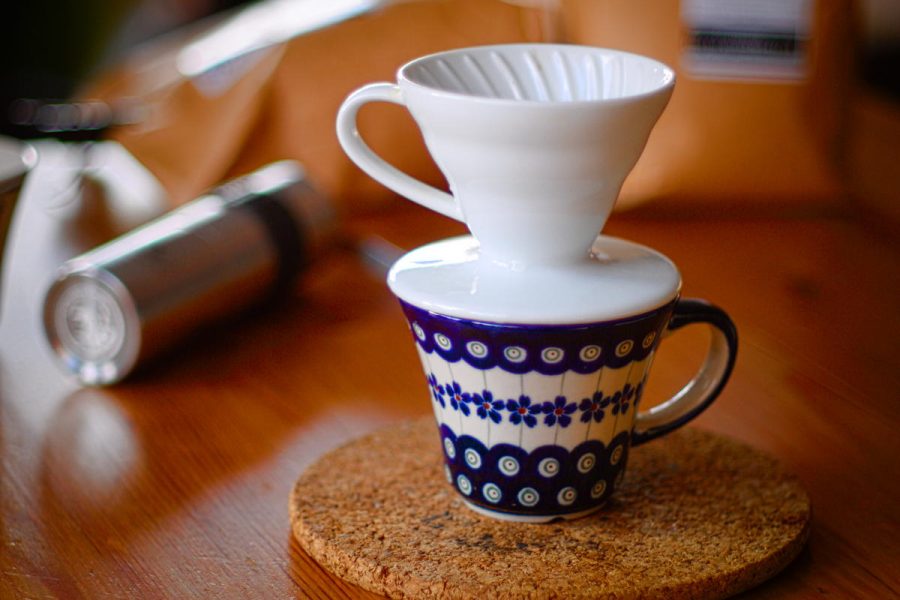
This coffee is friendly. A pour-over brings out the sweetness and fruit. A moka pot gives a rich, sweet cup, too. Use water just off the boil, and read our guide to coffee water temperature for the details. Start with a medium roast and taste before you tweak anything.
One more tip: look at the label. A good bag names the region, the farm or mill, and the process. It also lists the harvest year. These small details show that the roaster cares. Many Costa Rican farms run their own small mills, so the coffee is often traced to a single lot.
Try two bags side by side. Pick one washed and one honey. Brew both the same way. You will taste the difference in a single morning, and you will learn what you like best.
Costa Rica Coffee Regions at a Glance
Costa Rica has long been divided into eight coffee regions. Each one has its own altitude, rain and harvest calendar. The table gives typical ranges published by 1Zpresso and flavor notes from the Costa Rican roaster Café Britt. Use them as a guide, not as a rule.
| Region | Typical altitude | Harvest | Flavor notes |
|---|---|---|---|
| Tarrazú (Los Santos) | 1,200–1,900 m | Nov–Mar | Chocolate, orange, vanilla, dried fruit |
| West Valley | 700–1,600 m | Oct–Feb | Orange, peach, honey, vanilla |
| Central Valley | 1,000–1,400 m | Nov–Feb | Chocolate, fruit, honey aroma |
| Tres Ríos | 1,200–1,650 m | Nov–Mar | Balanced acidity |
| Orosi | 1,000–1,400 m | Sep–Mar | Smooth and balanced |
| Turrialba | 500–1,400 m | Jul–Mar | Mild acidity, light body |
| Brunca | 600–1,700 m | Aug–Feb | Complex citrus |
| Guanacaste | 600–1,300 m | Jul–Feb | Smooth body, light acidity |
One update is worth knowing. In 2025 the coffee institute ICAFE redrew the map, according to El Financiero. Tres Ríos joined the Central Valley, Tarrazú took the name Los Santos, and Brunca was split in two. Older names still appear on many bags, so you will see both.
When Is the Costa Rica Coffee Harvest?
Across the country, picking runs roughly from October to March, says the green coffee trader Sucafina. Lower regions start earlier. High farms in Tarrazú finish later. Coffee then rests and ships in spring, so fresh Costa Rican lots usually reach roasters from late spring into summer.
White, Yellow, Red and Black Honey: What Is the Difference?
Costa Rica made honey process famous. The color names describe how much of the sticky fruit layer, called mucilage, stays on the bean while it dries. One common scale, published by Origin Coffee, looks like this:
| Type | Mucilage removed | Typical cup |
|---|---|---|
| White honey | Most or all | Clean, close to washed |
| Yellow honey | About half | Sweet, light fruit |
| Red honey | About a quarter | Fruitier, rounder body |
| Black honey | None, often covered while drying | Deep sweetness, heavy body, winey notes |
Producers do not all use the same rules, so read the label as a hint of style. Our guide to coffee processing methods compares honey with washed and natural coffee.
The Micro-Mill Revolution
Until the late 1990s most farmers sold cherry to big mills and cooperatives. Their coffee was mixed with everyone else’s. After the price crash of that decade, some families started to process their own harvest on small machines. Blue Bottle dates the first independent micro-mill to 2000, in Tarrazú.
The idea spread fast. With their own mill, a farm can keep each lot separate, try new processes and sell directly to roasters. That is why so many Costa Rican bags now name a single farm, a single mill, and even a single hillside.
How Much Coffee Does Costa Rica Produce?
Costa Rica is a small producer by world standards. The USDA estimated 2025/26 output at about 1.16 million 60-kg bags, with a forecast of 1.2 million bags for 2026/27, as reported by Daily Coffee News. Brazil grows many times more. Costa Rica competes on quality, not volume.
Is Robusta Still Banned in Costa Rica?
For about 30 years, from the late 1980s, robusta could not be grown in the country. In 2018 the government moved to allow it only in low areas that are not suited to arabica, according to Estrategia y Negocios. The famous mountain regions remain arabica country, and specialty lots are arabica.
Why Costa Rica Coffee Is Worth Trying
If you want a coffee that is sweet, clean, and easy to love, start here. It is a great first step into single origin coffee. Buy a small bag from a small roaster and check the roast date.
Related reading: Rwanda Coffee: 7 Facts About Its Sweet Cup · Kenya AA Coffee · Honduras coffee · El Salvador coffee: volcanic farms and Pacamara
Costa Rica Coffee: Common Questions
What does Costa Rica coffee taste like?
Most lots are clean and sweet, with a bright but gentle acidity. Common notes are milk chocolate, citrus, red fruit and honey. Honey-processed lots taste fruitier and rounder.
Which Costa Rica coffee region is the best?
Tarrazú is the most famous, thanks to its high farms and sweet, bright cups. West Valley and Central Valley also win many awards. The best region is the one whose flavor you like, so try more than one.
Is Costa Rica coffee good for espresso?
Yes. A medium roast gives a sweet espresso with chocolate and citrus notes. A washed lot is the safest choice for milk drinks. A honey lot gives a fruitier shot.
How should I brew Costa Rica coffee?
A pour-over shows the fruit best. Start with 15 g of coffee to 250 g of water at about 93 °C, and a medium-fine grind. Our V60 guide walks through each step.
Why is Costa Rica coffee more expensive?
Labor and land cost more than in many producing countries. Many farms also sell small, traceable lots from their own micro-mills. That extra care and traceability raise the price.
IndieRoastersItaly is a new project that connects you with independent Italian roasters who roast small batches to order. If that sounds like your kind of cup, join the waitlist on our homepage.
This article was written with the support of artificial intelligence for content structuring, and was fully reviewed, verified, and refined by the author.