El Salvador coffee is the quiet star of Central America. The country is small, but its volcanic slopes grow some of the sweetest, cleanest cups you can find. It is a great origin for anyone who likes balanced coffee with gentle fruit and chocolate notes.
Here are six things worth knowing before you buy your next bag. Notes on flavor vary by farm and roast, so treat them as typical ranges, not promises.
1. El Salvador coffee grows on volcanoes
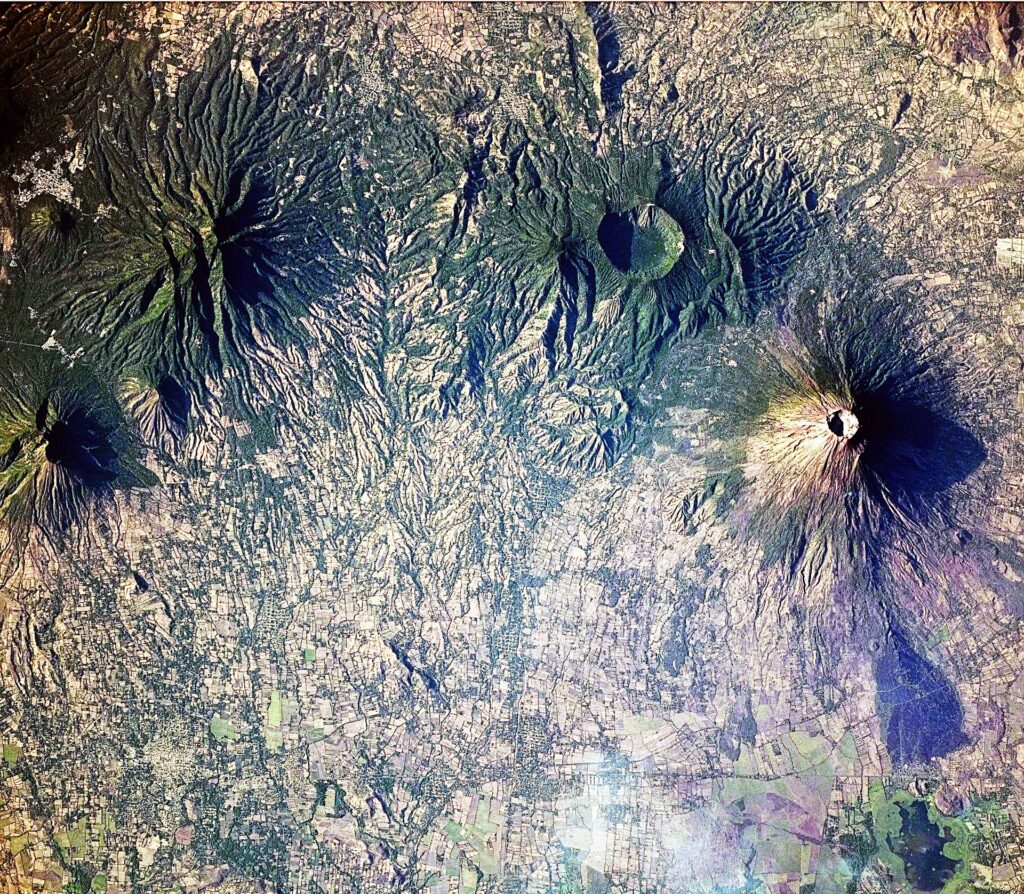
Most coffee here grows in the west of the country. The best-known area is Apaneca-Ilamatepec, a mountain chain with volcanic soil. Altitude and cool nights slow the cherry down, and that tends to build sweetness and acidity.
2. Bourbon is the backbone
Many sources say Bourbon makes up most of the crop. This old Arabica variety is often described as sweet and clean, with soft citrus acidity. If you want to understand varieties better, read our guide to Arabica coffee varieties.
3. Pacas and Pacamara were born here
Pacas is a natural mutation of Bourbon, found in El Salvador. Pacamara is a cross between Pacas and Maragogipe, developed by researchers over many years. It is known for large beans and a creamy body.
Pacamara is often described with notes of chocolate, ripe fruit, and caramel. It can be bold and a little wild, so roasters love to show it off.
4. Washed is common, but not the only way
Most El Salvador coffee is washed, which gives a clean cup. Honey and natural lots exist too, and they add more fruit and body. Our post on coffee processing methods explains the difference in plain words.

5. Specialty took off in the early 2000s
Specialty buyers began to pay more attention to the country in the 1990s and 2000s. The Cup of Excellence competition, which came to El Salvador in 2003, helped farms earn global fame. Today you will find rare varieties here too, such as Geisha.
What does El Salvador coffee taste like?
Flavor depends on variety, farm, and process. Still, a few notes come up again and again. Bourbon lots are often sweet, with orange or red apple and a clean finish. Pacamara lots can show stone fruit, milk chocolate, and caramel, with a round and creamy feel.
Natural lots may lean toward berry and tropical fruit. Washed lots tend to be tidy and bright. If you are new to the origin, start with a washed Bourbon. It is the easiest way to learn what makes El Salvador coffee special.
How to choose a good bag
Look for a clear roast date, a named farm or cooperative, and the variety on the label. Small roasters often share this detail because they care about it. Pick whole beans, and grind just before you brew. Freshness matters, but very new coffee needs a few days to rest.
Ask your roaster how they roasted the lot. A lighter roast shows more fruit. A medium roast adds chocolate and body. Both can be lovely, so choose the style you enjoy most.
6. How to brew El Salvador coffee
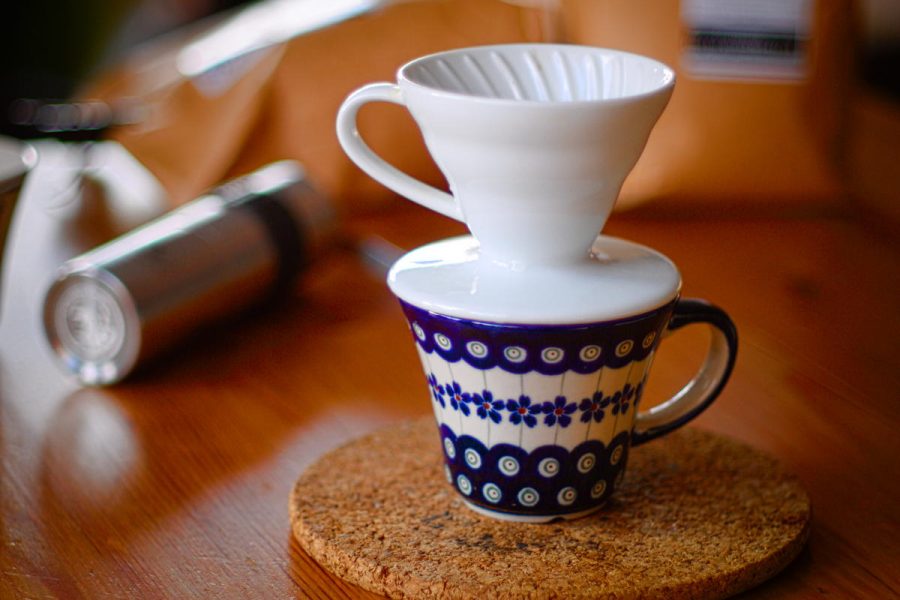
Its balance makes it easy to enjoy. A pour-over shows off the sweet fruit and soft acidity. A V60 dripper is a good start. Try water just off the boil and a medium grind.
For a classic Italian cup, a medium roast on the moka works well. A moka is the small stovetop pot found in most Italian homes. Chocolate and caramel notes come forward in that style. For a deeper look at the region, see this overview of coffee production in El Salvador.
At IndieRoastersItaly, we are building a home for small, independent Italian roasters. If you love coffee that is roasted with care, visit our homepage and join the waitlist.
Related reading: Peru Coffee: 7 Essential Facts About Its Sweet, Organic Cups
This article was written with the support of artificial intelligence for content structuring, and was fully reviewed, verified, and refined by the author.