
You bring home a bag of beans roasted yesterday. You grind them, pull a shot, and it tastes sharp and thin. What went wrong? The answer is coffee degassing. Fresh roasted beans are full of gas, and that gas changes how coffee brews.
Many people think fresher is always better. That is only half true. Here are five myths about coffee degassing, with short answers you can use at home. In Italy, a small roaster is called a torrefazione, and good ones know this well.
What is coffee degassing?
Roasting creates carbon dioxide (CO2) inside the bean. After roasting, the beans slowly release it. This is coffee degassing. It starts right away and can last for weeks, depending on the roast and the bean.
The gas matters because it pushes against water. Too much gas can make the brew uneven. As the gas fades, the coffee tastes clearer and more balanced.
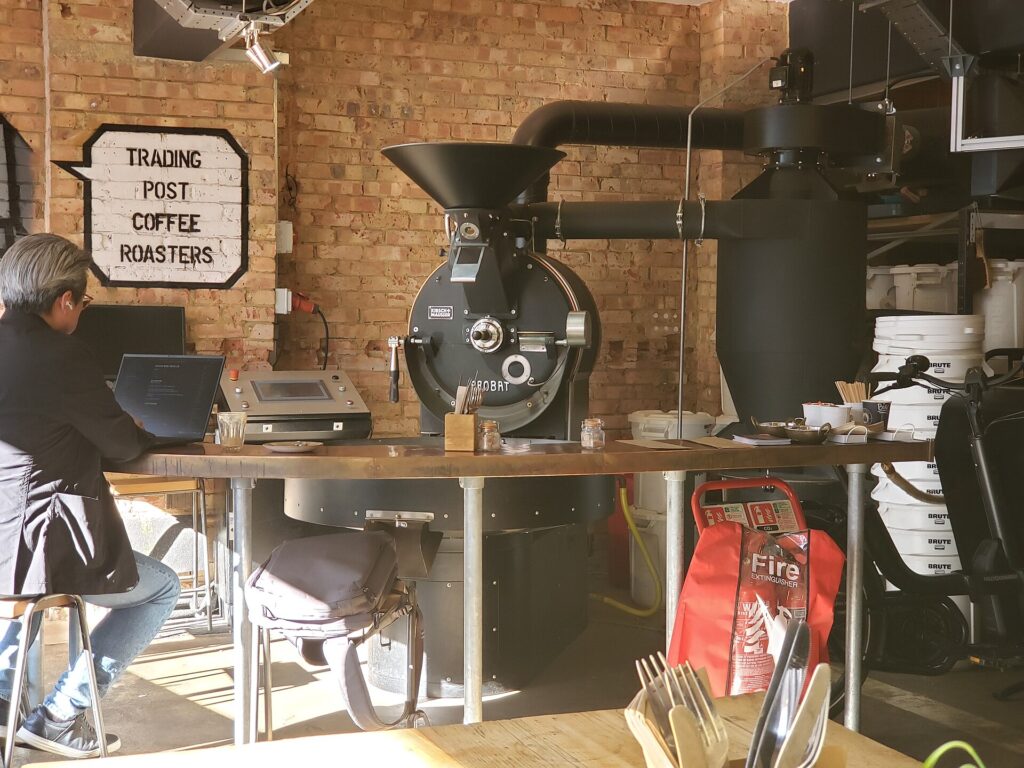
Myth 1: The fresher the coffee, the better the cup
Very fresh coffee is not at its best. Right after roasting, the beans are still gassy. Espresso is the most sensitive. Many roasters suggest waiting about one to two weeks before pulling shots, though the exact number varies by roaster and bean.
Wait too long, and the other side appears. Oxygen slowly dulls the flavor. The sweet spot sits in between. Taste a cup every day or two and note when it peaks.
Myth 2: Lots of crema means the coffee is good
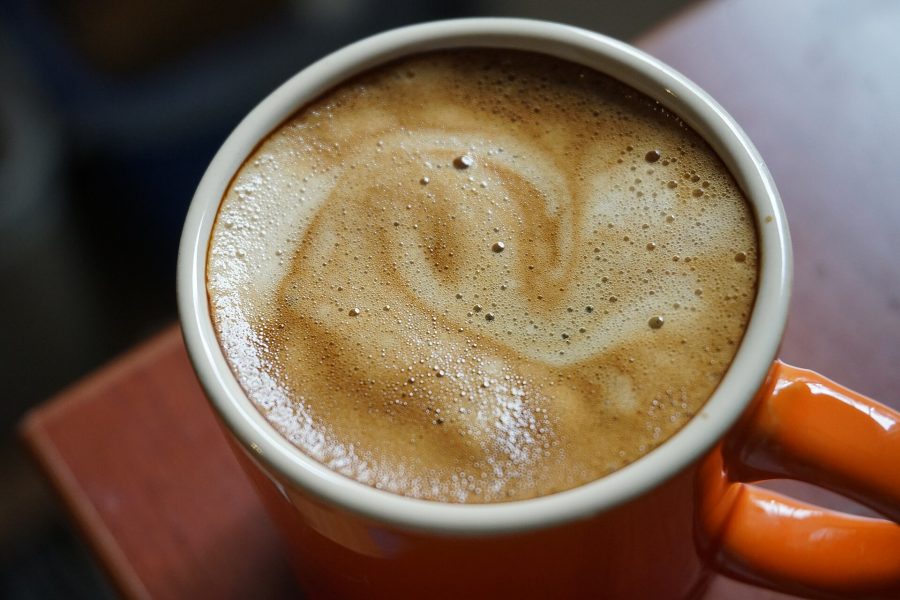
Crema is the golden foam on an espresso. It looks great, but it is not proof of quality. Fresh beans release lots of CO2, and that gas can create a thick, bubbly crema. It can also lead to sour or uneven shots.
Judge the cup by taste, not by foam. If you want to fix a sour shot, our guide to dialing in espresso is a good next step.

Myth 3: Dark and light roasts degas the same way
They do not. Dark roasts are more porous, and they usually let go of gas faster. Light roasts are denser. They tend to hold gas longer, so they often need more rest.
This is one more reason light roasts can taste harsh when brewed too early. Learn more in our light vs dark roast comparison.
Myth 4: Filter coffee needs the same rest as espresso
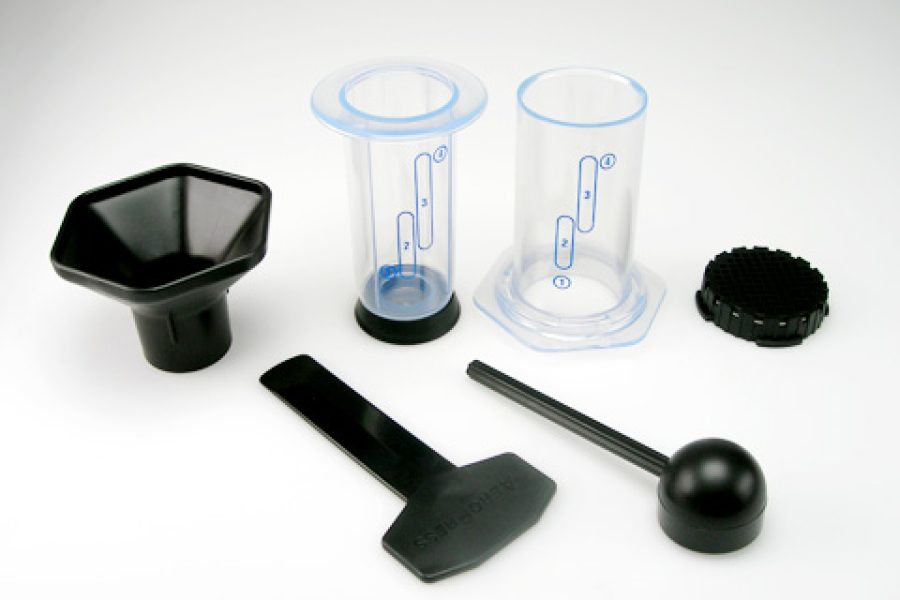
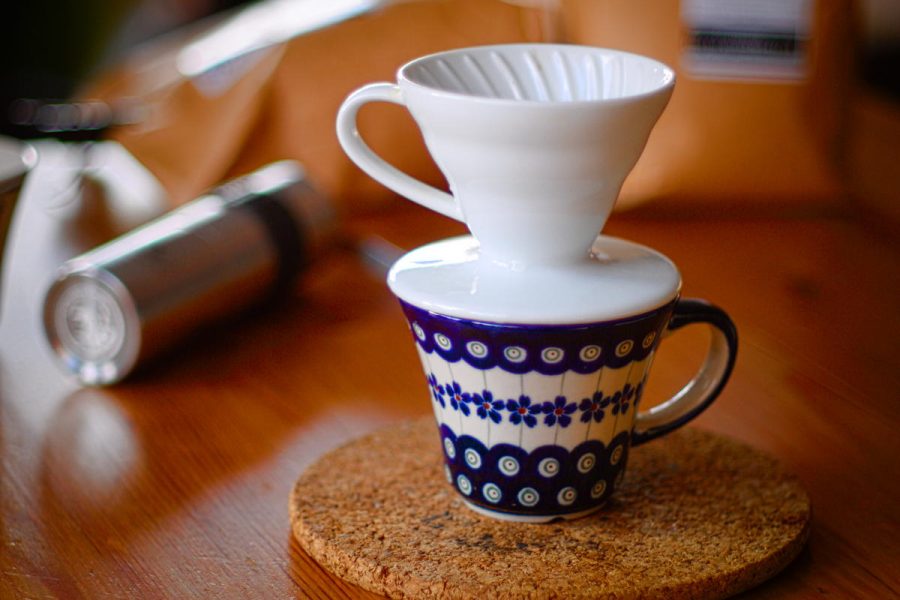
Not quite. Filter methods, like V60 or AeroPress, handle gas better. The water has time to flow, and the paper filter stays open. Many people find filter coffee tastes good a few days after roasting.
Espresso is different. High pressure meets a tight bed of coffee, so extra gas can cause channeling. That is why espresso usually likes a longer rest.
Myth 5: A bag with a valve means the coffee is fresh
The little round valve on many bags is a one-way door. It lets CO2 escape and keeps air out. That helps protect the beans. But it says nothing about how long ago they were roasted.
Always look for the roast date, not the best-before date. A roast date tells you exactly where your coffee sits on its degassing curve. Once the bag is open, keep the beans in an airtight canister away from light and heat.
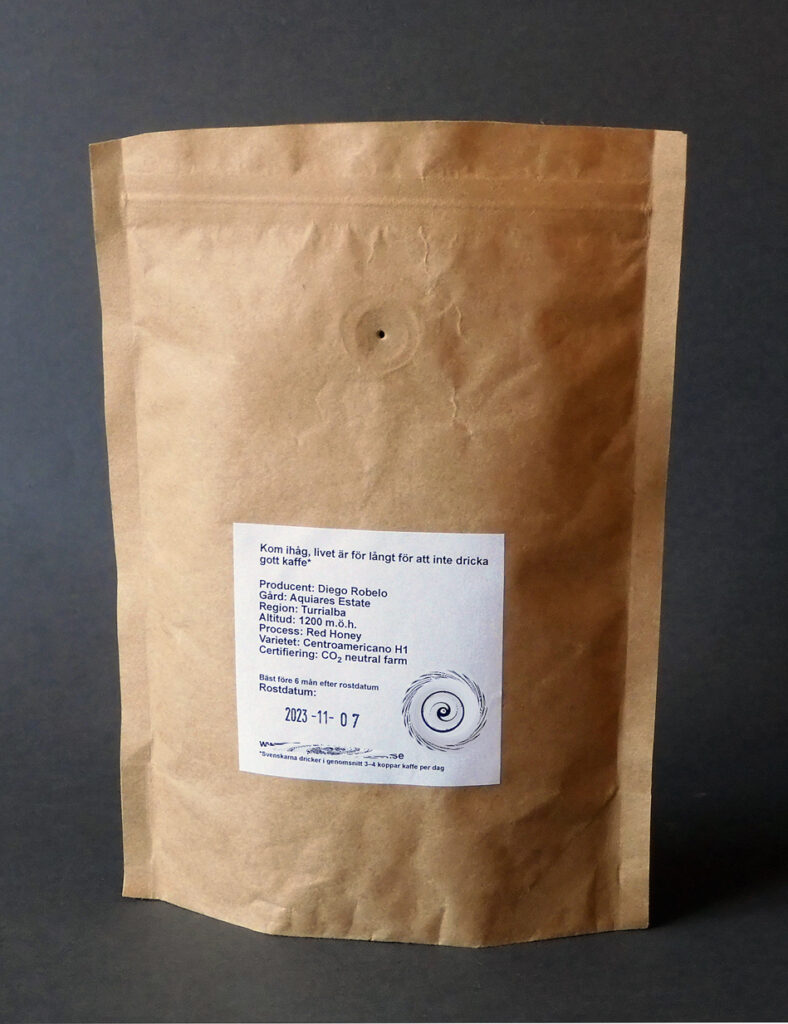
A simple coffee degassing routine
Here is an easy plan. Check the roast date. Let espresso beans rest about a week or more. Brew filter coffee a few days after roasting. Then taste and adjust. A coffee scale helps you repeat what works. For the science of roasting, see this overview of coffee roasting, and our post on roasting myths.
Coffee degassing is not a flaw. It is part of how coffee grows into its best flavor. Give your beans a little time, and they will pay you back in the cup.
At IndieRoastersItaly, we are building a home for small, independent Italian roasters. If you love coffee that is roasted with care, visit our homepage and join the waitlist.
This article was written with the support of artificial intelligence for content structuring, and was fully reviewed, verified, and refined by the author.