
Coffee roasting myths are everywhere. Some sound like common sense. Others are pure bar-counter legend. The problem is they often lead people to choose a worse coffee, not a better one. Let’s look at the 5 most common beliefs and compare them with what roasting actually does.
These coffee roasting myths usually start at the counter, not in technical manuals. They get passed from person to person, never really checked. Understanding them helps you choose a better coffee, and spend your money more wisely.
1. “Dark Roast Means Stronger Coffee”
This is by far the most common myth. Many people link a dark color to a stronger coffee. In reality, dark roasting burns off part of the bean’s natural sugars. The result is a more bitter taste, not a more intense one. Real intensity comes down to dose and grind size, not roast level. A light or medium roast can actually be far richer in aroma.
2. “The Darker the Bean, the More Caffeine It Has”
This one is false too. Roasting slightly reduces caffeine — it doesn’t increase it. A dark roast actually contains a bit less caffeine, weight for weight. The perceived “kick” comes from the more intense, bitter taste, not from the actual amount of caffeine in the cup.

3. “Ground Coffee from the Supermarket Is Always Fresh”
The best-by date on the package doesn’t tell the whole story. Ground coffee loses aroma fast, within the first few days after roasting. Many industrial products sit on shelves for months. Vacuum packaging slows the process down, but it doesn’t stop it. Truly fresh coffee is roasted recently and ground right before brewing. The grind itself matters too. A very fine grind, done well in advance, speeds up aroma loss. It’s better to grind only what you need, right before brewing.
4. “Storing Coffee in the Fridge or Freezer Keeps It Fresh”
It sounds like a good idea, but it’s a common mistake. The fridge and freezer expose coffee to moisture. Moisture ruins aroma far faster than time alone does. Every time you open the bag, it also causes temperature swings. The best method is still an airtight container, kept away from light and heat, at room temperature.

5. “The Oilier the Bean, the Higher the Quality”
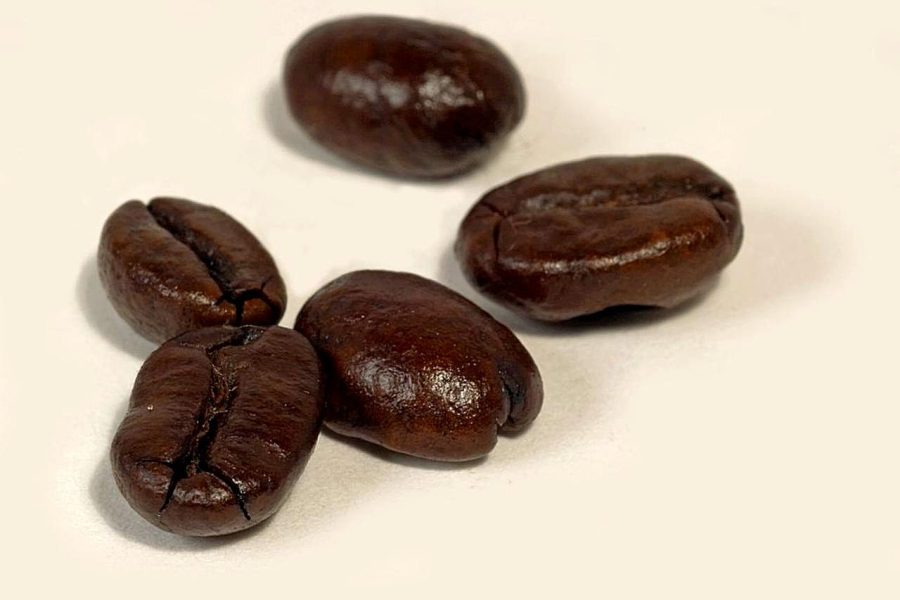
Oil on the surface doesn’t signal higher quality. It usually signals a very dark roast, or a bean that’s already starting to go stale. A well-roasted specialty coffee typically has a dry or lightly satin surface. Excess oil can also clog up espresso machines over time.
What Really Happens During a Roast
A typical specialty roast lasts roughly 9 to 14 minutes. Temperatures and times vary with the machine and the roaster’s style, but the stages are always the same.
| Stage | What happens |
|---|---|
| Drying | The green bean loses most of its moisture and turns from green to yellow, with a smell of hay or bread. |
| Browning (Maillard reactions) | Sugars and amino acids react, creating hundreds of aroma compounds and the brown color. |
| First crack | Steam and gas pressure crack the bean with a popping sound, usually around 195–205 °C. Light roasts end shortly after this point. |
| Development | The time after first crack: sweetness builds, acidity softens. Its length largely defines light vs medium. |
| Second crack | A quieter, faster crackle as the bean structure breaks down; oils start to rise. Dark roasts reach or pass this point. |
How Long Roasted Coffee Stays Fresh
| Form | Best within |
|---|---|
| Whole beans, sealed bag with valve | About 1–6 weeks after roasting for peak flavor; still drinkable for months |
| Whole beans, opened bag | About 2–4 weeks, kept airtight and away from light |
| Ground coffee, opened | About 1 week; aroma fades within days |
| Freshly ground | Within minutes, for the best result |
Coffee Roasting FAQ
What is the little valve on coffee bags for?
It is a one-way degassing valve. Freshly roasted coffee releases carbon dioxide for days; the valve lets the gas out without letting oxygen in, so the bag doesn’t swell and the coffee stays fresher.
Should I drink coffee right after it is roasted?
Usually it’s better to wait a few days. Very fresh coffee releases so much gas that extraction can be uneven, especially for espresso. Many roasters suggest waiting about 3–7 days for filter and 7–14 days for espresso.
Can I roast coffee at home?
Yes. Small home roasters, stovetop pans and even modified popcorn machines can roast green coffee. Results improve with practice: watch the color, listen for first crack and cool the beans quickly when you reach the roast you want. Roasting produces smoke and chaff, so ventilation is important.
What does “roasted to order” mean?
The roaster roasts your coffee after you order it, instead of selling it from stock. It guarantees that the beans arrive within days of roasting, at the start of their best flavor window.
Real Quality Goes Beyond Coffee Roasting Myths
Bean color alone says almost nothing about real quality. What matters far more is the coffee’s origin, the freshness of the roast, and the care the roaster puts into the process. To dig deeper into how origin shapes flavor, read our article on the history of espresso. If you want to know the technical differences between the most common botanical varieties, you’ll find the details in our article on Arabica vs Robusta. For a more technical look at the process itself, the Wikipedia entry on coffee roasting is a good place to start. The brewing method plays a role too: moka, filter, and espresso all need different roast profiles to shine.
Why Roast Level Is Not a Quality Score
Roast level describes how far the beans were taken, not how good they are. A great coffee can be light, medium or dark. A poor coffee can be any of them too. Quality starts with the green bean and the care of the farmer, then continues with the skill of the roaster.
Think of roast level as a style choice, like cooking a steak rare or well done. Each style has fans. The goal is to match the roast to the bean and the brewing method.
How Roasters Decide
A roaster tastes the green coffee first. They look at density, moisture and size. A dense bean from a high farm can handle more heat early on. A softer bean needs a gentler curve. Then they roast small test batches and cup them. Only the best profile goes on sale.
- Light roast: keeps origin character, with more acidity and floral or fruity notes.
- Medium roast: balances sweetness, body and acidity. A great all-rounder.
- Dark roast: brings bold, smoky and bittersweet flavours, with less origin detail.
Tips for Choosing a Roast
If you drink milk drinks, a medium or medium-dark roast often works well. If you brew filter coffee, a light or medium roast can show lovely detail. Try the same coffee at two roast levels and compare. It is the fastest way to learn your own taste.
Frequently Asked Questions
Does dark roast have more caffeine?
Not in any meaningful way. Roasting changes the bean’s weight and size, so the result depends on whether you measure by scoop or by weight. By weight, the difference is small.
Is dark roast always bitter?
No. A well-made dark roast can taste rich and sweet. Bitterness is more often a sign of over-extraction or burnt beans.
IndieRoastersItaly exists to move past exactly these coffee roasting myths. It curates small-batch Italian roasters that roast to order, to guarantee real freshness, not just an appealing color on the label. Discover the project and join the waitlist on our home page.
This article was written with the support of artificial intelligence for content structuring, and was fully reviewed, verified, and refined by the author.
Related reading: Oily Coffee Beans: 5 Truths About Shiny Roasts · Coffee degassing: 5 myths about fresh coffee