The history of espresso is the symbol of Italian coffee. Yet few people really know how this ritual came to be. It wasn’t a sudden invention. It’s the result of decades of patents and small experiments. Let’s walk through the main milestones in the history of espresso, starting in Turin and ending up in Milan.
The Origins: Coffee Arrives in Italy
Coffee arrived in Italy in the 16th century, through trade with the Ottoman Empire. Venice was the first port of entry. At first, the drink was met with suspicion. Then it won over the courts and the salons. It eventually reached the first coffeehouses. For centuries, people drank only filter coffee. It was slow to prepare. A technical breakthrough was needed to get to the espresso we know today.
1884: Angelo Moriondo’s Patent
The first real breakthrough came in Turin. In 1884, Angelo Moriondo patented a new machine. He was a businessman who owned several cafés in the city. His machine brewed coffee using steam and hot, pressured water. The goal was simple: serve more customers, faster, without sacrificing taste. Moriondo’s machine remained an handmade prototype, used only in his own venues. But it laid the technical groundwork for everything that followed.

Bezzera and Pavoni: From Patent to Bar
In the early 1900s, Luigi Bezzera refined Moriondo’s idea. He added a brew group with multiple spouts, and a pressure gauge to monitor pressure. In 1905, Desiderio Pavoni bought his patent and began making it on a large scale right away. This gave rise to the first espresso machine produced on a commercial scale. Italian bars began adopting it, and the time it took to brew a coffee dropped from minutes to just seconds.
1938: Achille Gaggia and the Pressure That Changed Everything
Steam-powered machines had a limit: low pressure. The coffee often came out burnt or watery. In 1938, Milanese barista Achille Gaggia solved the problem. He patented a lever-and-piston system. The piston made much higher pressure. This is how real crema was born. It’s that golden, smooth layer we now associate with a perfect espresso. From that moment on, espresso became the standard in bars across Italy.
The Italian Bar Becomes a National Ritual
After the war, the espresso bar spread to every city and town. It became a social space, not just a place to buy coffee. Coffee at the counter is drunk in a few minutes, standing up. It’s a daily gesture shared by millions of people. Even today, according to some industry estimates, around 80% of Italians drink espresso every day. To dig deeper into the social evolution of this ritual, read our article on the history of cappuccino.

From Espresso to Specialty Coffee: The New Frontier
The machines built by Moriondo, Bezzera, and Gaggia solved a technical problem: speed. The quality of the raw material stayed in the background for decades. Today, the specialty coffee trend is changing what matters most. It brings attention back to the origin of the bean, and to roasting and careful, hands-on work. It’s the same logic that led, centuries earlier, to the birth of a national ritual. If you want to explore the oldest legends about how coffee was discovered, you’ll find all the details in our article on the legend of Kaldi. For a deeper look at the history, the Wikipedia entry on the espresso machine is a great source.
What Makes a Real Espresso?
Today the word is used loosely. A true espresso has a few clear traits. It is brewed under pressure, usually around nine bars. It takes roughly 25 to 30 seconds. It has a layer of crema on top and a sweet, balanced taste.
Many cafés now add dose and yield to the recipe. For example, 18 grams of ground coffee might make 36 grams of liquid. Small changes in these numbers shift the flavour a lot.
Espresso and Specialty Coffee Today
Early espresso blends were often dark and bold, built to hide flaws. Many were made with a share of robusta for body and crema. Specialty roasters now use lighter roasts and single origins. They aim to show fruit and sweetness instead of just bitterness.
Some drinkers love this new style. Others miss the classic Italian taste. Both are valid. The best approach is to try each and decide.
Home Espresso Is Growing
Home machines have improved a great deal. Many people now pull shots in their kitchen. A good grinder matters even more than the machine. Fresh beans, an accurate scale and steady habits do the rest.
- Use fresh beans, ideally within a few weeks of the roast date.
- Weigh the dose and the yield every time.
- Keep the water clean and the machine descaled.
- Change one variable at a time when you adjust.
Frequently Asked Questions
Is espresso stronger than filter coffee?
It is more concentrated, but a normal cup of filter coffee often has more total caffeine because the serving is bigger.
What is crema?
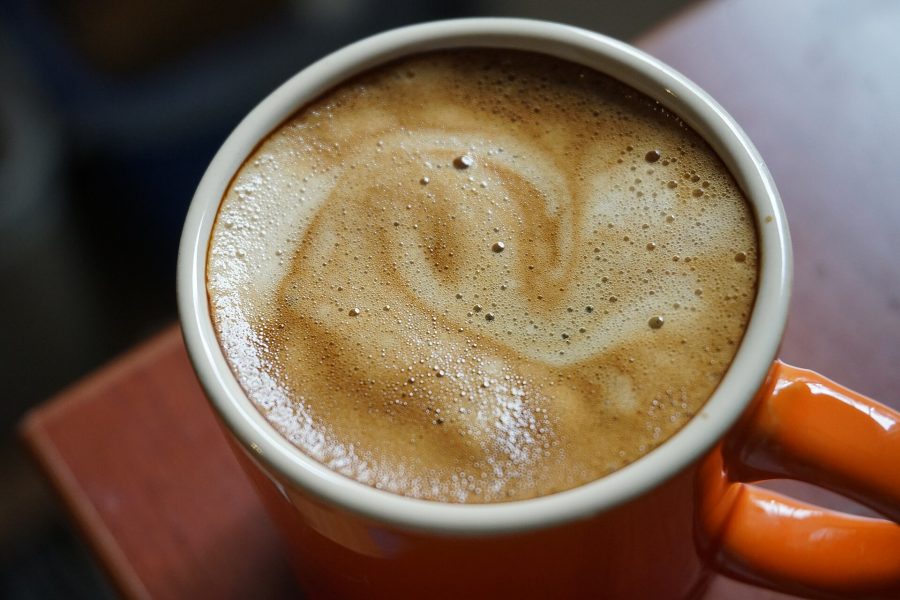
Crema is the light brown foam on top of a fresh shot. It forms when pressure dissolves gases into the water. It fades fast, so drink soon.
Key Dates at a Glance
- 1884: Angelo Moriondo patents a steam-driven bar machine in Turin.
- Early 1900s: Luigi Bezzera and Desiderio Pavoni refine the design and bring it to cafés.
- 1938 to 1948: Achille Gaggia develops the lever machine that creates real crema.
- 1961: The E61 machine from Faema introduces a pump and a steadier shot.
- 2000s onward: Specialty coffee brings lighter roasts and a focus on origin.
Each step solved one problem. Steam gave speed. Levers gave pressure. Pumps gave consistency. Today, digital tools give control over temperature and flow.
What To Try Next
If this history made you curious, taste the difference yourself. Order a classic dark-roasted espresso at an Italian-style bar. Then try a lighter single-origin shot at a specialty café. Compare the aroma, the body and the finish. You will learn more in one afternoon than from a stack of books.
Why Italy Still Leads the Conversation
Many countries now make world-class espresso. Yet Italy keeps a special place. It gave the world the machine, the word and the ritual. Italian roasters also continue to push quality. A growing number of small, independent roasters are sourcing excellent green coffee and roasting it in small lots.
This is the story behind IndieRoastersItaly. We believe the next chapter of espresso will be written by small roasters who care about origin, freshness and flavour. They honour tradition without being stuck in it.
Words Worth Knowing
- Crema: the golden foam on top of an espresso.
- Doppio: a double shot.
- Ristretto: a shorter, more concentrated shot.
- Lungo: a longer shot with more water.
- Macchiato: espresso “stained” with a little milk foam.
Learn these five words and you can order with confidence in almost any Italian bar. You will also understand most espresso menus around the world.
Taste History in Your Cup
The best way to appreciate espresso history is to taste it. Pick a classic blend from a small roaster and a bright single origin. Brew each one the same way. Notice how the stories behind them show up in the cup. One tastes of tradition. The other tastes of change. Both belong to the same family.
The History of Espresso Keeps Evolving
From Moriondo’s café to today’s bars, espresso has gone through more than a hundred years of change. Each milestone solved a technical limit. Each one got coffee into the cup faster. But the next frontier isn’t about speed. It’s about the quality of the bean, and about who roasts it.
IndieRoastersItaly exists for exactly this reason. It brings the work of Italy’s best small-batch roasters into your home. The coffee is roasted to order, to keep it truly fresh. Want to discover the project? Visit our home page and join the waitlist.
This article was written with the support of artificial intelligence for content structuring, and was fully reviewed, verified, and refined by the author.
Read next: Wondering whether you need a machine at home? Read our moka pot vs espresso machine comparison.
Related reading: The History of Tiramisu · Moka Pot vs Espresso Machine · Espresso Crema Myths