
Moka pot vs espresso machine is the first choice anyone faces when they want Italian coffee at home. In Italy the answer has long been simple: the moka pot at home, espresso at the bar. Today many kitchens have both. They are different tools that make different drinks, and knowing the differences saves you money and disappointment.
The Short Answer
A moka pot makes a strong, full-bodied stovetop coffee for very little money. An espresso machine makes real espresso, with crema and the option of steamed milk, but costs more and needs more skill and care. If you want espresso-based drinks like cappuccino and flat white, you need a machine. If you want a rich, honest coffee every morning with almost no investment, the moka pot wins.
1. Pressure: The Heart of the Difference
Espresso is defined by pressure. A machine pushes water through finely ground, tamped coffee at around 9 bar. That pressure is what emulsifies the oils and creates crema, and it’s why an espresso shot takes only 25 to 30 seconds.
A moka pot works with steam pressure of roughly 1 to 1.5 bar. It is enough to push water up through the coffee, but not enough to make true espresso. That is not a flaw: it’s simply a different brew. If you’re curious about how espresso was born, read our history of espresso.

2. Taste and Body
Espresso is concentrated, syrupy and layered. A well-made shot shows sweetness, acidity and bitterness in balance, and the origin of the coffee comes through clearly.
Moka coffee is strong and bold, with a heavier, rounder body and less clarity. The water is hotter and the brew is longer, so it tends to highlight chocolate, caramel and roasted notes. It is less precise, but many people love it exactly for that.
3. Crema
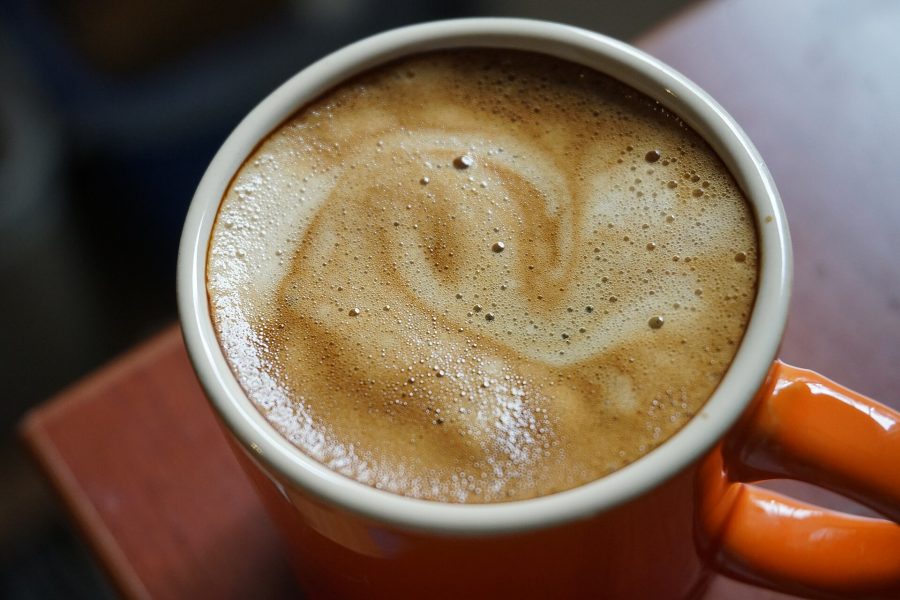
Crema is the golden foam on top of an espresso, made of emulsified oils and carbon dioxide under pressure. A moka pot cannot produce real crema. Some pots, like the one in our Bialetti Brikka review, use a valve to build extra pressure and create a light foam. It is pleasant, but it is not espresso crema.
Remember too that crema is not a sign of quality in itself, as we explain in our espresso myths article.
4. Cost
This is where the moka pot wins by far. A good moka pot costs about as much as a few bags of coffee and lasts for decades with a new gasket now and then. It needs no electricity beyond your stove.
An espresso machine able to make good espresso is a real investment. On top of it, you need a grinder that can grind fine and consistently for espresso, which often costs as much as the machine. A cheap machine with pre-ground coffee usually gives disappointing results.

5. Effort and Learning Curve
A moka pot is easy: fill, screw, heat, pour. Getting it really good takes a few habits, like a medium-fine grind and gentle heat, all covered in our perfect moka pot guide. But it forgives mistakes.
An espresso machine asks for more: dialling in the grind, dosing, tamping, cleaning the group head, descaling. It’s a rewarding hobby, but it’s a hobby. If you want coffee on autopilot, keep that in mind.
6. Milk Drinks
If cappuccino is your daily drink, this may decide everything. Most espresso machines have a steam wand that makes the silky microfoam of a real cappuccino. With a moka pot you can use a separate milk frother, and many Italians do, but the result is closer to a caffè latte than a bar cappuccino. See our guide to Italian coffee drinks for what each order means.
Side by Side
- Pressure: moka about 1 to 1.5 bar; espresso machine about 9 bar.
- Drink: moka makes strong stovetop coffee; the machine makes espresso.
- Crema: moka no, or light foam with valve pots; machine yes.
- Cost: moka very low; machine plus grinder high.
- Skill: moka easy; machine needs practice.
- Milk drinks: moka needs a separate frother; machine has a steam wand.
- Maintenance: moka rinse and change the gasket; machine regular cleaning and descaling.
Moka Pot vs Espresso Machine: The Numbers
Here are the typical brewing parameters of each method. They are approximate, but they show clearly why the two drinks are so different.
| Moka pot | Espresso machine | |
|---|---|---|
| Brewing pressure | About 1–2 bar (steam pressure) | About 9 bar |
| Water temperature | Close to boiling, pushed by steam | About 90–96 °C, controlled |
| Brew time | About 4–6 minutes on the stove | About 25–30 seconds per shot |
| Grind | Fine-medium, coarser than espresso | Fine |
| Tamping | No: level the coffee, never press it | Yes, firm and even |
| Typical serving | Small cups from one pot (3-cup pot ≈ 150 ml) | Single or double shot (about 25–40 ml) |
How to Get Closer to Espresso With a Moka Pot
A moka pot will never make true espresso, but a few habits make the coffee richer, sweeter and less bitter:
- Use a fresh, medium-roast coffee and a grind slightly coarser than espresso.
- Fill the base with hot water up to (not over) the valve, so the coffee spends less time on the heat.
- Fill the basket and level it without pressing.
- Brew on low-medium heat and take the pot off as soon as the coffee starts to gurgle.
- Stir the coffee in the upper chamber before pouring, to even out the flavor.
Our step-by-step moka pot guide explains each stage in detail. If you want a moka that gets closer to espresso, look at the Bialetti Brikka, whose pressure valve produces a light, crema-like foam, or compare the models in our list of the best moka pots.
Other Options Between the Two
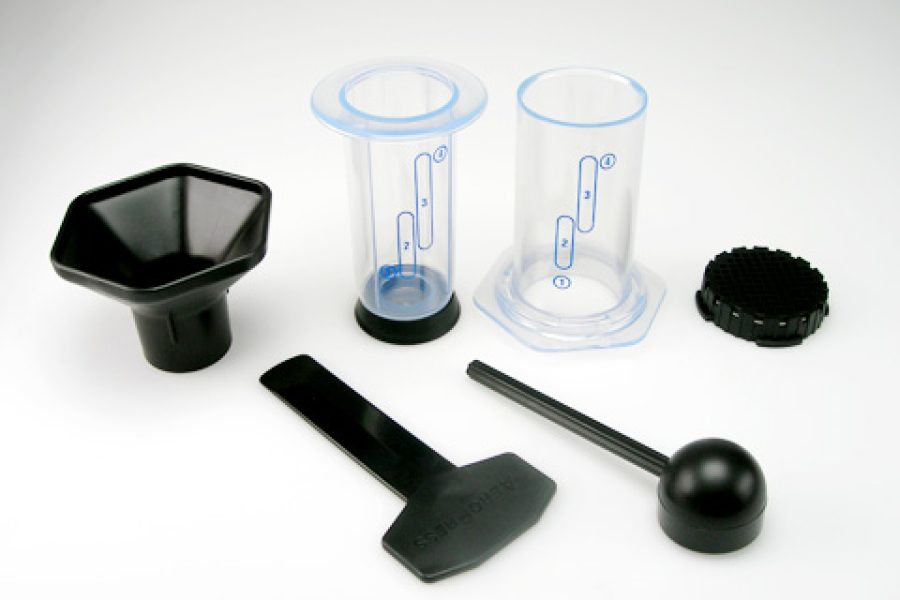
If you are undecided, there are alternatives. An AeroPress makes a strong, concentrated coffee by hand pressure and costs little. Manual lever espresso makers can reach real espresso pressure without electricity, but they need a very good grinder and practice. Capsule machines are convenient, but they give you little control over the coffee you use.
Moka Pot vs Espresso Machine FAQ
Is moka pot coffee real espresso?
No. Espresso is defined by brewing at around 9 bar of pressure, while a moka pot works at about 1–2 bar. Moka coffee is strong and intense, but it has a different body and little or no crema. In Italy it is simply called “caffè”.
Can I use espresso-ground coffee in a moka pot?
You can, but a very fine espresso grind can slow the flow, push the pressure up and make the coffee bitter. A grind slightly coarser than espresso works better. In Italian supermarkets many packs are labeled specifically for moka.
Can I make a cappuccino or latte with a moka pot?
Yes. Brew a strong moka coffee and add milk frothed with a manual or electric frother. It won’t be identical to a café cappuccino, but it is very good. Read more about the drink in our history of the cappuccino.
Which is better for a small kitchen or for travel?
The moka pot: it is small, needs no electricity beyond a hob and lasts for decades. An espresso machine needs counter space, a good grinder and regular cleaning and descaling.
Which One Should You Choose?
Choose a moka pot if you want a strong, traditional coffee every day, you drink it mostly black or with a splash of milk, and you don’t want to spend much. Start with our guide to the best moka pots.
Choose an espresso machine if you love espresso and cappuccino, you’re ready to buy a proper grinder too, and you enjoy the ritual of dialling in a shot.
Or do what many Italians do: a moka pot at home for the morning, and a real espresso at the bar during the day. Either way, fresh coffee from an independent roaster will make a bigger difference than the gadget you brew it with.