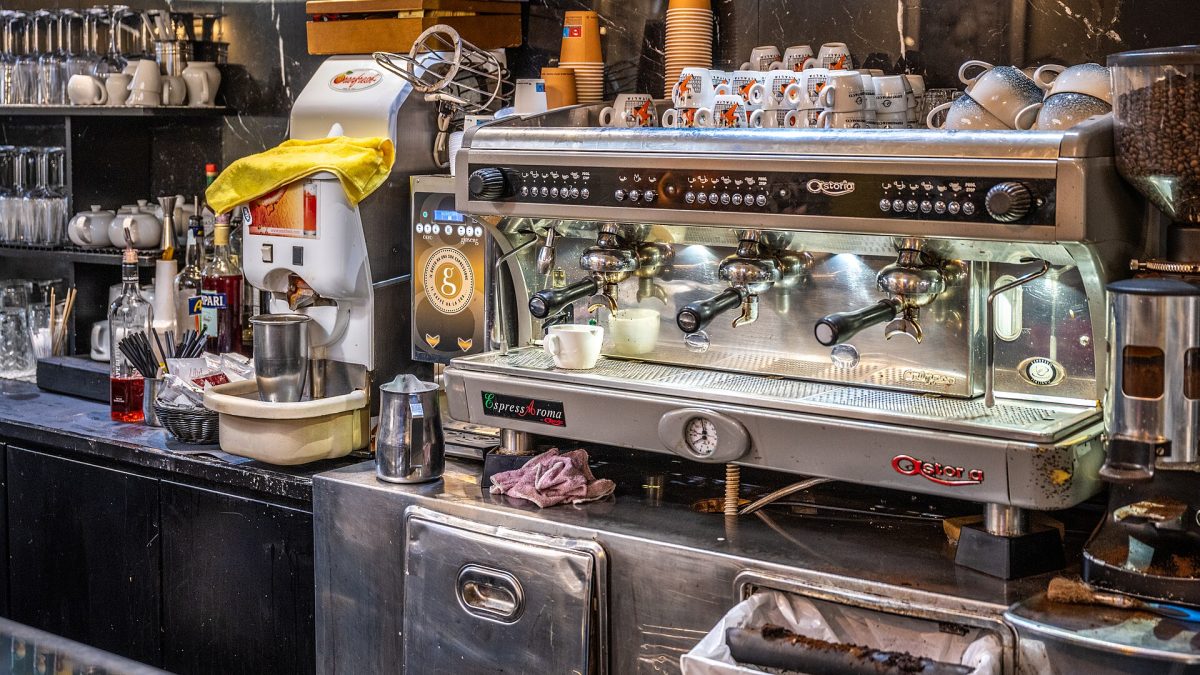
Italian coffee drinks look simple on paper. Most of them start with one small shot of espresso. Yet the menu at an Italian bar can confuse even a keen coffee lover. The names are short, the rules are unwritten, and the barista works fast. This guide walks you through the 10 orders you will hear most, plus the habits that go with them.
First, a word on the setting. In Italy, a “bar” is not mainly a place for drinks at night. It is the corner café where people stop for a quick coffee, often standing at the counter. You pay at the till, hand over your receipt, and state your order. The whole ritual can take less than five minutes.
The Basics of Italian Coffee Drinks
Almost every order is built on espresso. It is a short, strong shot, pushed through finely ground coffee with hot water under pressure. From there, Italians add milk, foam, water, cocoa or a splash of spirits. Each change gets its own name. Once you know the base, the rest of the list makes sense.
One thing to keep in mind: sizes are small. There is no “tall” or “venti” here. A cup of espresso holds about 25 to 30 ml. Even a cappuccino fits in a cup of around 150 to 180 ml.
10 Italian Coffee Drinks to Know
1. Caffè (Espresso)
If you ask for “un caffè”, you get an espresso. Nobody says “espresso” at the counter; the word “caffè” does the job. It comes in a thick, warm cup, often with a glass of water on the side. Many Italians drink the water first, to clean the palate.
2. Caffè Ristretto
A ristretto is a “restricted” shot. The barista stops the flow early, so you get less liquid and a more intense taste. It is sweet, dense and short. Our guide to the ristretto coffee extraction explains how it works in detail.
3. Caffè Lungo
The lungo is the opposite. The shot runs longer, with more water passing through the same coffee. The result is a larger, lighter and slightly more bitter cup. It is not the same as an Americano.
4. Caffè Americano
Here, the barista pulls an espresso and then adds hot water. Some bars serve the water on the side, so you can dilute it yourself. It is the closest thing to a filter coffee you will find in a classic bar.

5. Caffè Macchiato
“Macchiato” means “stained” or “marked”. It is an espresso with a small spoon of milk foam on top. That’s all. It has little to do with the big, sweet drinks sold under the same name abroad. There is also a “latte macchiato”: a tall glass of hot milk, “stained” with a shot of coffee.
6. Cappuccino
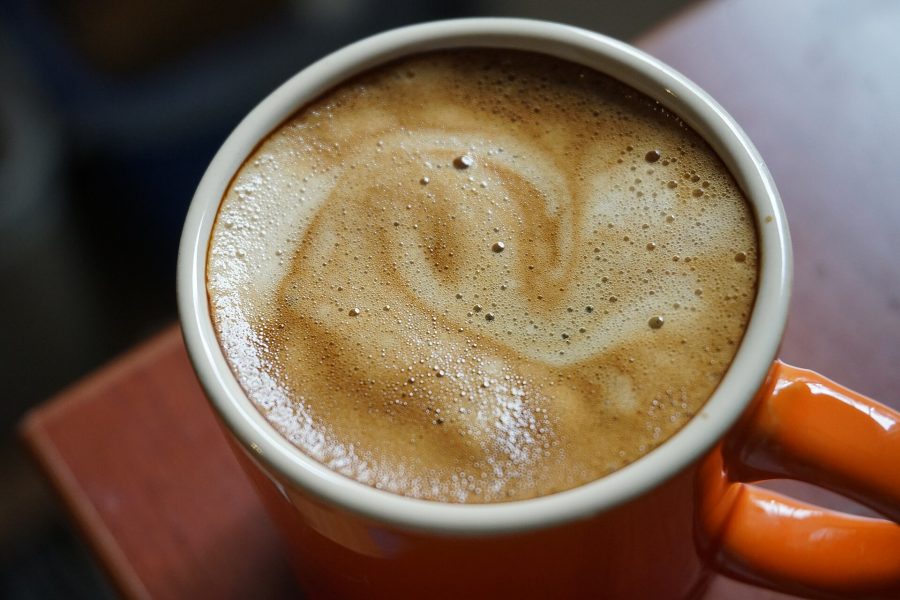
The most famous of all Italian coffee drinks is espresso with steamed milk and a thick cap of foam. Its name, as our piece on the history of the cappuccino tells, is linked to the brown robes of Capuchin friars. In Italy, it is mostly a breakfast drink, often paired with a pastry.
7. Caffè Latte
Be careful here. If you ask for “a latte” in Italy, you may get a glass of plain milk. “Latte” simply means milk. Ask for a “caffè latte” instead: hot milk with a shot of coffee, milder than a cappuccino and with less foam.
8. Marocchino
Born in Piedmont, in the north west, the marocchino is a small treat. It mixes espresso, cocoa powder and a little milk foam, served in a small glass. Some bars add a layer of chocolate at the bottom. It is sweet but still short.
9. Caffè Corretto
“Corretto” means “corrected”. In this case, the fix is a dash of spirits, usually grappa, sambuca or brandy. The caffè corretto is an old habit of workers and farmers on cold mornings. Today, it is more common after a big lunch.

10. Caffè Shakerato and Caffè Freddo
When summer hits, Italians move to cold coffee. The caffè shakerato is espresso shaken hard with ice and a little sugar, then strained into a glass. It comes out cold and foamy. The caffè freddo is simpler: coffee, sweetened and chilled in the fridge.
The Unwritten Rules of Coffee in Italy
Knowing the names is half the job. The other half is timing and style. These rules are not laws, and many Italians break them. Still, they explain what you will see at the counter.
Milk is for the morning. Cappuccino and caffè latte belong to breakfast. Many Italians think a milky drink after a meal is heavy on the stomach. After lunch or dinner, the default is a plain caffè.
Stand at the counter. Coffee at the bar is fast. In many cities, sitting at a table costs more than standing. Locals drink in two or three sips and leave.
No cup to go. Takeaway cups exist, but they are not the norm. Coffee is a short pause, not something to carry around.
Hot, not warm. A cappuccino in Italy is served at drinking heat, not scalding. If you like it hotter, you can ask for it “bollente”.
Sugar is up to you. Sugar sits on the counter. Many Italians add it without thinking, while a growing number of specialty drinkers skip it to taste the coffee itself.
At Home: The Moka Pot
Not every Italian coffee comes from a bar. At home, many families still use the moka pot, a small stovetop brewer. It makes a strong, rich cup that sits between espresso and filter coffee. If you want to try it, start with our guide on how to brew moka pot coffee. In the south, the ritual is even stronger, as you can read in our story on coffee in Naples.
How Italians Order Through the Day
Morning calls for a cappuccino and a pastry. Late morning and afternoon are for espresso. After a meal, many people take a “caffè” to help digestion. In summer, an iced “caffè shakerato” is common. The rhythm of the day shapes the choice of drink.
Tips for Ordering Like a Local
- Keep it simple and say the name of the drink clearly.
- Order at the counter and drink standing up.
- Skip milky drinks after a big meal.
- Try a “caffè macchiato” for a gentler shot.
Locals will welcome your effort. Few things please an Italian barista more than a visitor who enjoys the real thing.
Why Quality Still Matters
All these Italian coffee drinks share one weak point. If the beans are stale or burnt, no amount of milk or sugar will save the cup. For decades, much of the coffee served in bars was dark, bitter and made for volume. Today, a new wave of small roasters is changing that. They roast in small batches, work with traceable lots, and aim for sweetness and balance.
The good news: the classic menu doesn’t need to change. A macchiato or a marocchino made with fresh, well roasted coffee simply tastes better.
That’s the idea behind IndieRoastersItaly: a curated selection of small Italian roasters, with coffee roasted to order and sent to your door. Visit our home page and join the waitlist to be among the first to try it.
Keep reading: Italian Coffee Myths: 6 Surprising Truths About Coffee in Italy · Suspended Coffee: 3 Surprising Stories Behind a Naples Tradition
This article was written with the support of artificial intelligence for content structuring, and was fully reviewed, verified, and refined by the author.
Related reading: The History of Tiramisu · Historic Cafes in Italy · How to Froth Milk at Home · Affogato: History and How to Make It · Bicerin Coffee: The Story of Turin’s Layered Drink · Italian Coffee Culture: Why Locals Stand at the Bar · Marocchino: the cocoa espresso from Alessandria