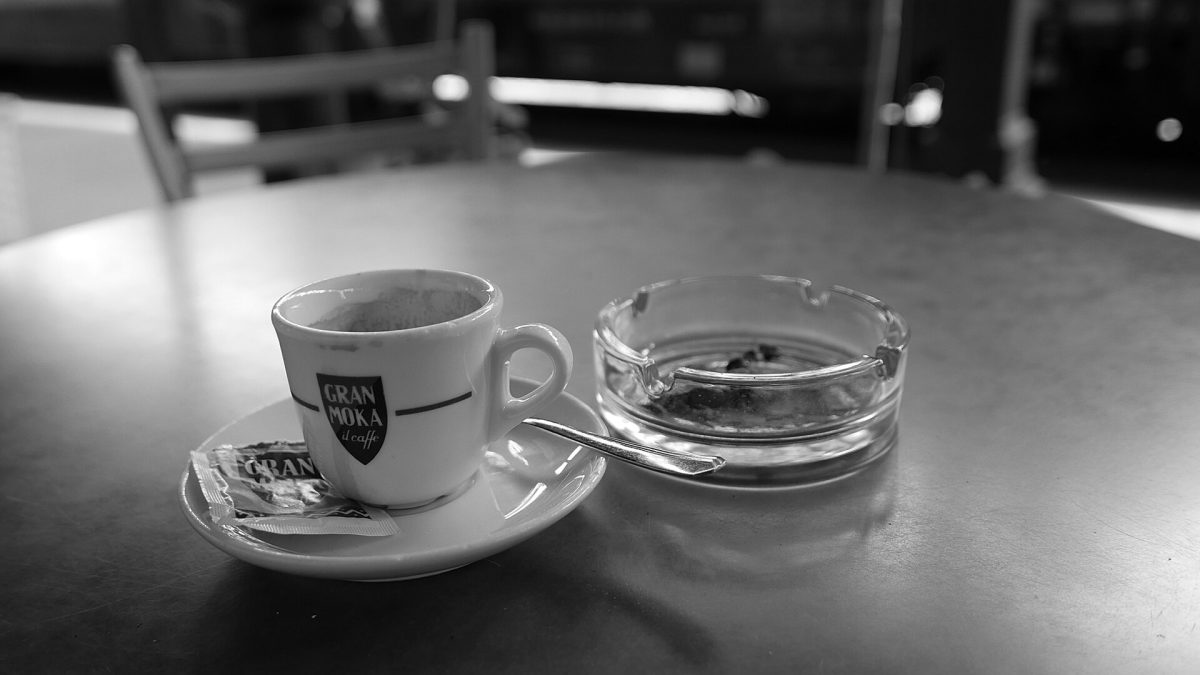
Italian coffee myths are everywhere. Travel blogs, films and café menus abroad all repeat them. Some hold a grain of truth. Others are simply wrong. Here are six common beliefs about coffee in Italy, and what is really going on behind the counter.
Myth 1: “Italy Grows Its Own Coffee”
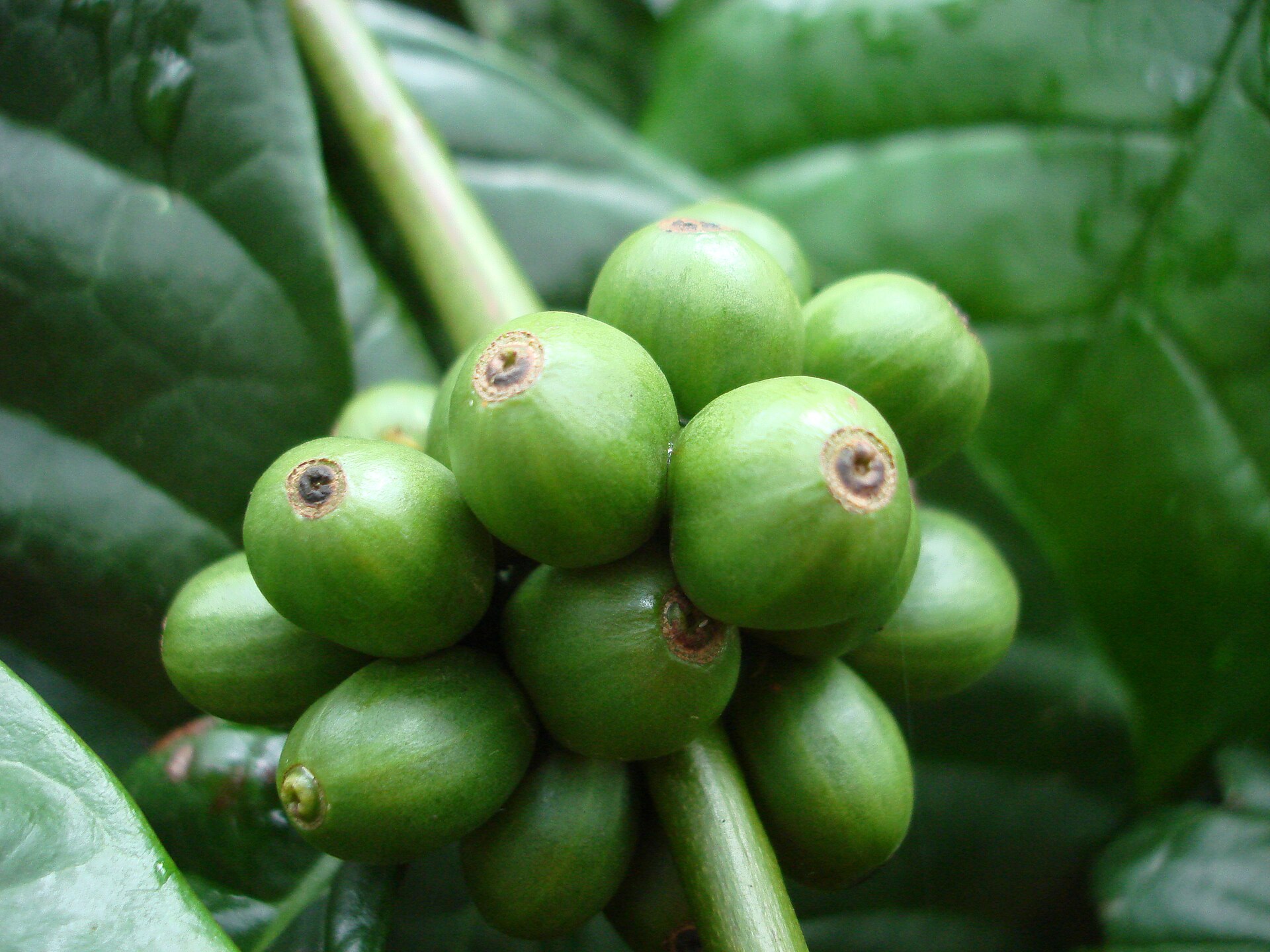
It’s easy to assume that a country so tied to coffee must also grow it. It doesn’t. Coffee plants need a tropical climate, with no frost and steady warmth. That belt runs roughly between the Tropic of Cancer and the Tropic of Capricorn. Italy sits well outside it.
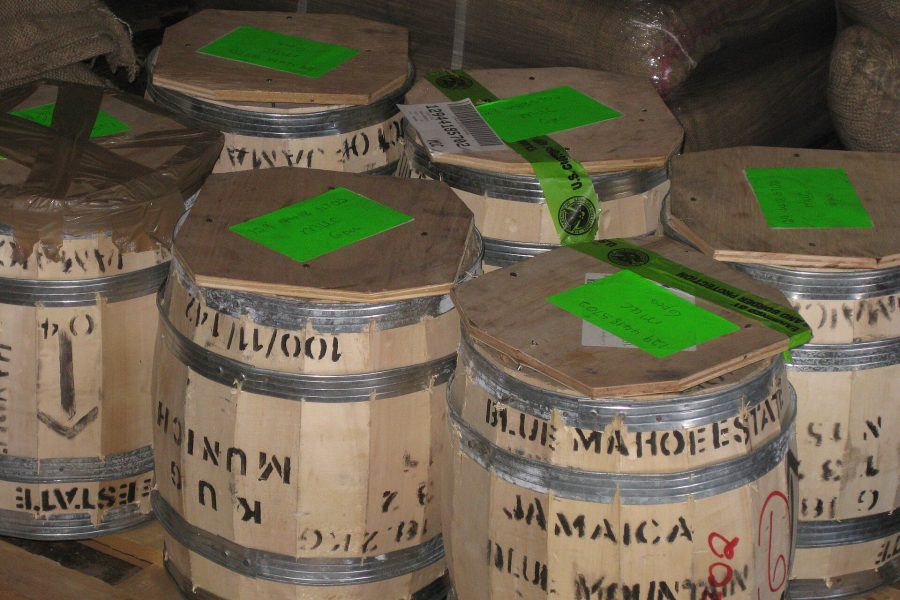
All the green coffee roasted in Italy comes from abroad: Brazil, Vietnam, Ethiopia, Colombia, India and many more. A few people have tried to grow small crops in Sicily, but these are tests, not a real harvest. Italy’s gift to coffee is not farming. It is roasting, blending and the craft of the espresso bar.
Myth 2: “Espresso Is a Type of Bean”
Many shops abroad sell bags labelled “espresso beans”. This makes people think espresso is a plant, a variety or a roast level. It is none of those. Espresso is a brewing method. Hot water is pushed through finely ground coffee under high pressure, around 9 bar, in about 25 to 30 seconds.
You can brew espresso with almost any coffee. A light roast from Kenya works. So does a dark blend from Naples. The label “espresso roast” only tells you what the roaster had in mind. It is a suggestion, not a rule.
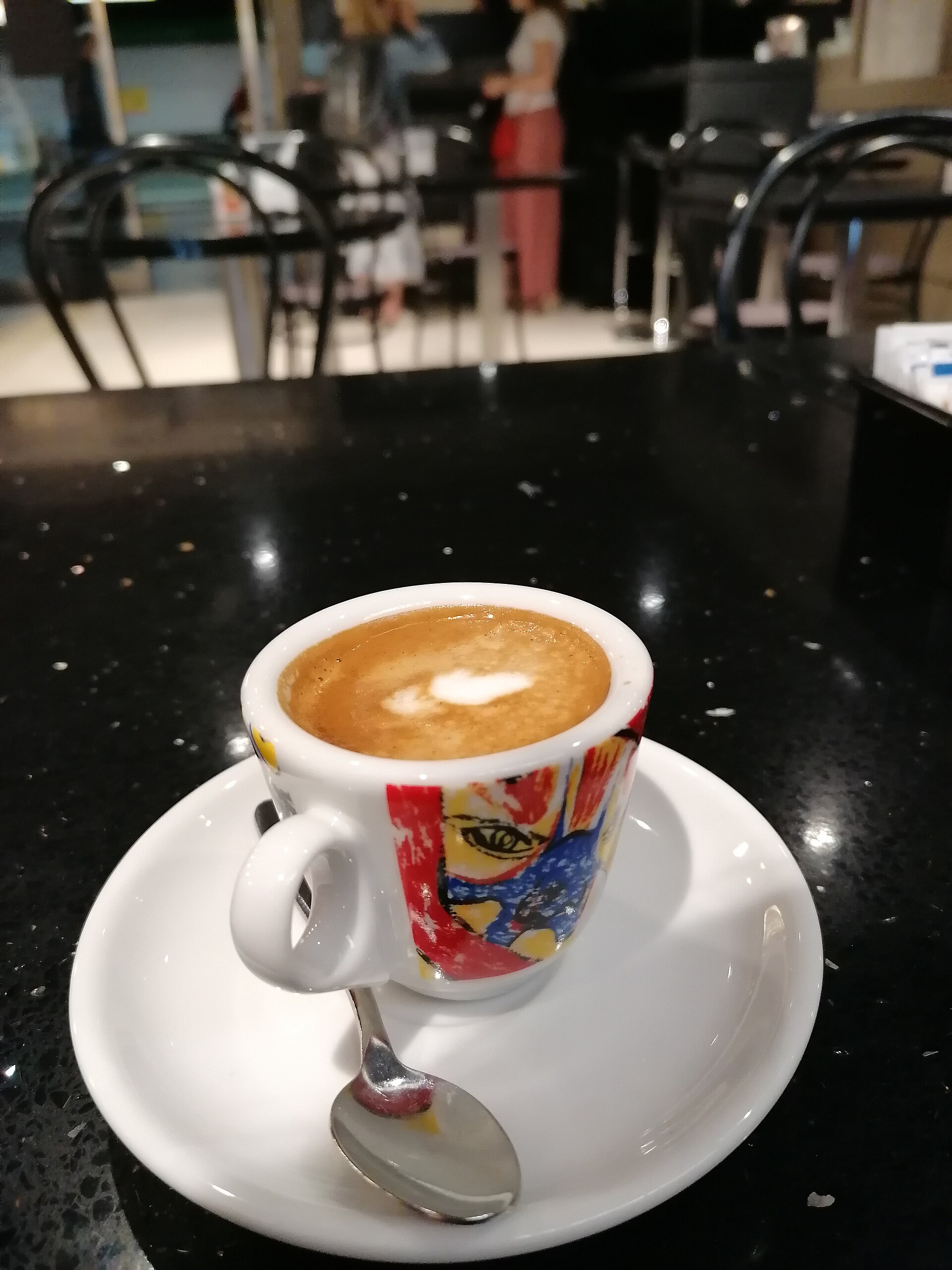
Myth 3: “Italian Coffee Is Always 100% Arabica”
Arabica has the better name, so many people assume Italian bars use nothing else. In truth, a lot of Italian espresso blends include Robusta. This is more common in the south, where people like a thick crema, a bold body and a bitter kick.
Robusta is not a flaw in itself. A small share of good Robusta can add body and crema. The problem is when cheap, low grade Robusta is used to cut costs. If you want to know more, read our guide to Arabica vs Robusta.
Myth 4: “Italian Coffee Is Stronger Than American Coffee”
It depends on what you mean by “strong”. An espresso is far more concentrated than a filter coffee. It has more flavour packed into each sip. In that sense, yes, it is stronger.
But a single espresso often has less caffeine than a large mug of drip coffee. The shot is tiny, while the mug holds many times more liquid. So an Italian who drinks three espressos a day may take in about as much caffeine as someone with one or two mugs of filter coffee. We look at this in more detail in our article on espresso myths.
Myth 5: “Cappuccino After 11 AM Is Forbidden”
This is one of the most famous Italian coffee myths. There is no law, and no barista will refuse your order. The habit is real, though. Most Italians drink milky coffee at breakfast and switch to a plain espresso later in the day.
The reason is mostly about digestion and custom. Many Italians feel that a big cup of milk after a meal is too heavy. So a cappuccino after lunch may earn you a curious look. Nothing more. If you want one at 4 pm, order it with a smile. Our story on the history of the cappuccino explains how this drink became a morning ritual.
Myth 6: “Every Coffee in Italy Is Great”
Italy has a deep coffee culture, but that does not mean every cup is excellent. For decades, the price of an espresso at the bar has stayed very low, often not much more than one euro. That makes it hard for many bars to buy top quality beans or to train staff well.
As a result, a lot of bar coffee is roasted very dark. Dark roasting hides defects, but it also hides the fruit, sweetness and origin of the bean. That is why some visitors find Italian coffee bitter. It is not the method. It is the raw material and the roast.
The good news is that things are changing. A growing number of small Italian roasters work with traceable lots and lighter, more careful roasts. They keep the classic espresso culture, but put quality first.
Italian Coffee Myths vs Reality: Quick Answers
| Common belief | Reality |
|---|---|
| Italy grows its own coffee | Coffee plants do not grow commercially in Italy: Italy imports green coffee and is famous for roasting and blending it |
| Espresso is a type of bean | Espresso is a brewing method; any coffee can be brewed as espresso |
| Italian coffee is always 100% Arabica | Many traditional Italian blends, especially in the south, include Robusta |
| Italian coffee is stronger | An espresso is more concentrated, but a large mug of filter coffee can contain more caffeine |
| No cappuccino after 11 AM | A habit, not a law: nobody will refuse to serve you one |
| Every coffee in Italy is great | Quality varies a lot from bar to bar; specialty coffee is still a small but growing scene |
How Italians Really Drink Coffee
In Italy, ordering “un caffè” means an espresso. It is usually drunk standing at the counter (“al banco”) in a couple of minutes, often with a small glass of water, and it costs less than at a table. Milky drinks like cappuccino are mostly a breakfast habit, often with a cornetto, while after lunch and dinner people tend to order an espresso or a macchiato.
At home, many Italians still use the moka pot every day: see our guide to making perfect moka pot coffee. Each city also has its own rituals, from the strong, sweet coffee of Naples to the grand old historic cafes of Venice, Turin and Trieste. For a complete list of drinks and what they mean, read our guide to Italian coffee drinks.
Italian Coffee FAQ
Can I order a cappuccino after lunch in Italy?
Yes. It is unusual for Italians, but any bar will make you one. If you want to blend in, order an espresso or a macchiato after meals.
What is the difference between “caffè” and “espresso” in Italy?
In everyday Italian there is none: “un caffè” at the bar is an espresso. The word “espresso” is used more often by tourists and on international menus.
Why is coffee cheaper at the counter?
Table service includes the cost of the waiter and the seat. Standing at the counter is the traditional, quick way to drink coffee in Italy, and the price is lower.
Why These Italian Coffee Myths Matter
Myths shape how we buy and taste coffee. If you think “espresso” is a bean, you may buy a dark, stale bag just because of the label. If you think every Italian cup is perfect, you may never ask where the coffee comes from. Knowing the facts helps you choose better, both at the bar and at home.
That’s the spirit behind IndieRoastersItaly: a curated selection of small Italian roasters, with fresh coffee roasted to order. Visit our home page and join the waitlist to be among the first to taste it.
Cover photo: NAC, Wikimedia Commons, CC BY-SA 4.0.
This article was written with the support of artificial intelligence for content structuring, and was fully reviewed, verified, and refined by the author.
Related reading: Brazilian Coffee Explained · Italian Coffee Culture: Why Locals Stand at the Bar · Italian Coffee Bar Rules