
This Bialetti Brikka review looks at one of the most curious moka pots ever made. From the outside, the Brikka looks like a classic stovetop pot. Inside, it hides a small pressure valve that promises something a normal moka can’t give you: a layer of crema. Does it deliver? And is it worth the extra money? Here is what the specs, the maker and long-term owners tell us.
A quick note on method. We have not run a long hands-on test of the Brikka ourselves. This review is based on Bialetti’s published specs, independent reviews and feedback from owners who have used it for months or years. Where a claim can’t be checked, we say so.
What Is the Bialetti Brikka?
The Brikka is a moka pot, the Italian stovetop brewer that pushes hot water up through ground coffee using steam pressure. If you are new to it, our guide to the history of the moka pot tells the full story. The Brikka has been around since the 1990s. Its big twist is a valve on top of the central column, where the coffee comes out.
That valve stays shut until pressure builds up in the base. Then it opens, and the coffee comes out in a strong jet rather than a slow trickle. The jet whips air into the brew, which creates a foamy top layer. In 2020, Bialetti redesigned the valve. The old model used a small metal weight. The “New Brikka” uses a silicone pressure regulator instead.

Key Specs at a Glance
- Sizes: 2 cups and 4 cups only.
- Output: about 3.3 oz (around 100 ml) for the 2-cup and 5.7 oz (around 170 ml) for the 4-cup, according to Bialetti.
- Body: aluminium, with a thermoplastic handle and knob.
- Stoves: gas and electric. Induction only with an adapter plate, or with the separate Brikka Induction model.
- Cleaning: not dishwasher safe.
Bialetti also claims that the Brikka makes a shot almost twice as concentrated as its classic Moka Express. That is the maker’s own figure, so treat it as a claim, not a lab result.
How Much Pressure Does It Really Make?
This is where the marketing and the physics part ways. A true espresso machine brews at around 9 bar. Reviewers estimate that the Brikka’s valve opens at roughly 1 to 1.5 bar. One owner who measured it reported a peak of about 2.3 bar. That’s more than a standard moka pot, but far from real espresso.
So the Brikka does not make espresso. It makes a strong, dense moka coffee with a foamy top. That’s not a flaw. It simply helps to know what you are buying.
The Crema: Real or Not?
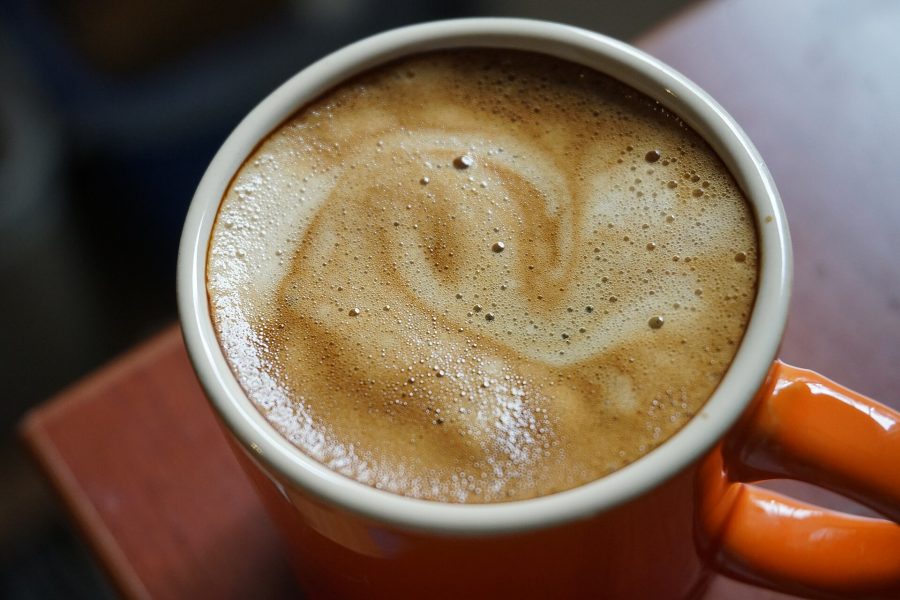
Owners agree that the Brikka gives a visibly frothier cup than a classic moka. Most reviewers also agree that this “crema” is not the same as espresso crema. It is lighter, more bubbly, and it fades quickly. It works much like the pressurised baskets found on cheap home espresso machines.
Still, many people like the result. The foam gives the coffee a softer, rounder feel in the mouth. Several reviewers also note that the Brikka tastes a little richer and less watery than a Moka Express of the same size.

Bialetti Brikka Review: The Pros
- A foamy, café-style cup. If you miss the look of crema, the Brikka gets you closer than any regular moka.
- Stronger, denser coffee. Great as a base for a cappuccino or a flat white at home.
- Faster brewing. In one side-by-side test, a 2-cup Brikka finished in about 2.5 minutes, versus nearly 4 for a 2-cup Moka Express.
- Simple to use. If you can use a moka pot, you can use a Brikka.
The Cons
- Only two sizes. No 6-cup or larger model for a family.
- No stainless steel option. The standard model is aluminium.
- Less forgiving. You need to use the right amount of water, marked inside the base, or the valve won’t work well.
- Easy to over-extract. Coffee waits under pressure before the valve opens, which can add bitterness.
- Open-top lid. The newer design has a cut-out in the lid, so a sputtering pot can splash.
- It costs more than a classic Moka Express of a similar size.
How to Get the Best From a Brikka
Owners and reviewers share a few simple tips. Use a fine grind, close to what you would use for a classic moka, and don’t press the coffee down. Our coffee grind size guide can help. Fill the base only to the marked line. Use medium heat, not high.
Most important: take the pot off the heat as soon as the flow starts to sputter. Some owners even cool the base under cold water to stop the brew. This keeps the bitter, burnt notes out of the cup. For more moka tips, see our guide to perfect moka pot coffee.
Clean the valve every few weeks. Coffee grounds can get stuck in the silicone part and affect the pressure. Warm water and a mild soap are fine. The idea that you should never wash a moka with soap is a myth.
Which Coffee Suits It Best?
Reviewers tend to agree that the Brikka shines with medium to dark roasts. It brings out body, chocolate and a bittersweet kick, much like a classic Italian bar espresso. With very light roasts, the result can taste sharp and sour. That’s because the brew is short, strong and hot.
Freshness matters even more than roast level. Stale coffee makes little foam, whatever the pot. Beans roasted in the last few weeks and ground just before brewing will give you the best cup.

Who Should Buy the Brikka?
The Brikka suits people who like a strong, rich moka coffee with a little foam on top. Reviews often say it is easy to use once you learn the rhythm. It is less suited to anyone who wants a fully hands-off brew, since it needs low heat and a bit of attention.
If you want a classic moka without the special valve, a standard model may be simpler and cheaper. Compare the two before you decide.
Care Tips From Owners
- Rinse with warm water only, and dry fully.
- Replace the gasket when it hardens.
- Use a medium-fine grind and level, not tamped, coffee.
- Keep the heat low and take the pot off early.
All of this is based on published specs and owner feedback, not on our own hands-on tests.
Verdict: Is the Bialetti Brikka Worth It?
The Brikka is not better than a classic moka pot in every way. It is different. If you want a foamy, intense, espresso-style coffee without buying a machine, it is a smart and affordable choice. It is also a great base for milk drinks. On Amazon, the Bialetti New Brikka 4-cup holds a rating of around 4 out of 5 stars from thousands of buyers.
If you mostly brew light roasts, need to make coffee for four or more people, or just want the simplest moka there is, stick with a classic model. And if you want true espresso crema, you will need a real espresso machine or a manual lever brewer.
Whatever pot you choose, the coffee in it makes the biggest difference. That’s the idea behind IndieRoastersItaly: a curated selection of small Italian roasters, with beans roasted to order and sent fresh to your door. Visit our home page and join the waitlist to be among the first to try it.
This article was written with the support of artificial intelligence for content structuring, and was fully reviewed, verified, and refined by the author.
Read next: Not sure the Brikka is for you? Compare it with the other best moka pots, from the classic Moka Express to the Alessi 9090.