Coffee grind size is the most overlooked factor in brewing coffee. In many cases, it changes the flavor more than the quality of the bean itself. Understanding how it works helps you avoid a bitter or watery cup, no matter which brewing method you prefer. Here’s a practical guide to the 6 things you should know about coffee grind size.
Why Coffee Grind Size Changes the Flavor
During grinding, the bean breaks into thousands of particles. The smaller they are, the more surface touches the water. A fine grind extracts faster, pulling out flavor in seconds. A coarse grind extracts slower, over several minutes or hours. The right balance depends on your brewing method, and getting it wrong is the single most common reason a cup tastes bitter, sour, or plain weak.
Coarse Grind: When to Use It
A coarse grind looks like coarse salt. It works well for methods with long contact times, like cold brew or French press. With a brew that steeps for hours, a fine grind would over-extract the coffee, making it bitter and cloudy.
Medium Grind: The Perfect Middle Ground
A medium grind looks like table sugar. It’s the right choice for drip coffee makers and methods like the V60. Contact time runs from 2 to 4 minutes. It balances extraction and a clean cup.

Fine Grind: The Realm of Espresso
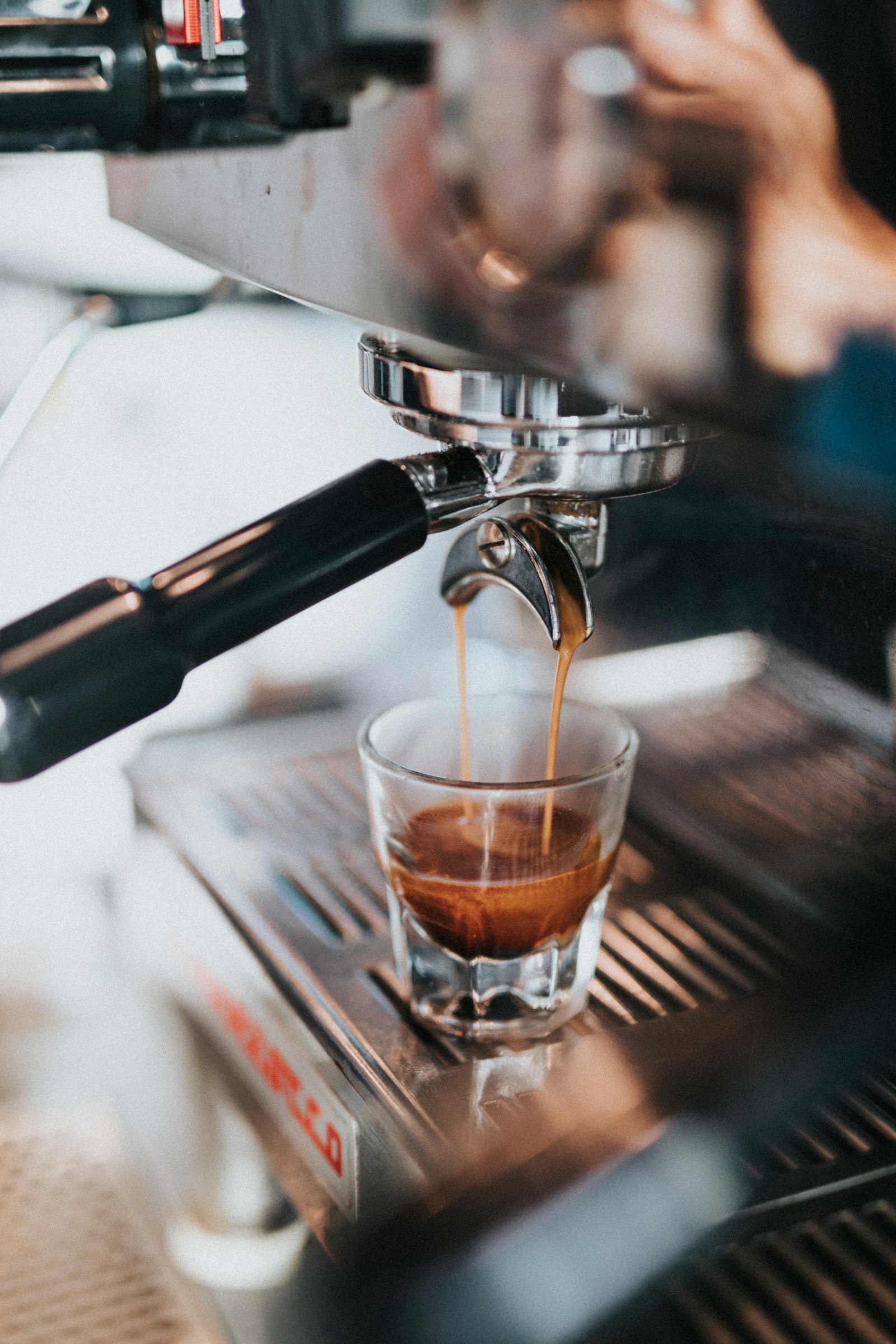
A fine grind, almost like flour, is for espresso. Water passes through the coffee in just a few seconds, under pressure. A grind that’s too coarse for espresso makes a watery, sour cup. Too fine, and it blocks the flow and burns the coffee.
Common Mistakes to Avoid With Coffee Grind Size
The first mistake is using the same grind for every method. The second is grinding coffee too far ahead of time: aroma fades within minutes. The third is relying on a blade grinder, which heats the bean and makes uneven particles.
How to Choose the Right Grinder
A burr grinder, conical or flat, gives you even particles. It’s the upgrade that makes more difference than any other tool. Even a high-quality coffee falls flat without it. The reason is almost always an uneven grind. It’s worth investing here before any other piece of gear. A well-regarded starting point is the Baratza Encore, a beginner-friendly conical burr grinder built for consistency. The Specialty Coffee Association also points to grind consistency as one of the biggest factors behind a repeatable cup.
How Much Freshness Matters
Ground coffee loses aroma within minutes of hitting the air. Grinding right before brewing makes a real difference you can taste. A good home grinder pays for itself quickly in quality, even at a modest price compared to the machine itself.
Grind Size and Storage: Two Linked Variables
Coffee ground well but stored poorly still loses its aroma. Keep ground coffee in an airtight container, away from light and heat. Use it within a few days. Grinding fresh, right before brewing, still remains the best choice. No container, however well sealed, replaces the freshness of a bean ground moments ago.
Coffee Grind Size Chart by Brewing Method
Descriptions like “medium-fine” are vague, so here is a practical reference. Use it as a starting point, then adjust by taste, because every grinder is calibrated differently.
- Turkish coffee: extra fine, like flour or powdered sugar.
- Espresso: fine, like fine table salt. It should clump slightly when pressed.
- Moka pot: medium-fine, a little coarser than espresso. Too fine and the pot struggles and tastes bitter. See our moka pot guide.
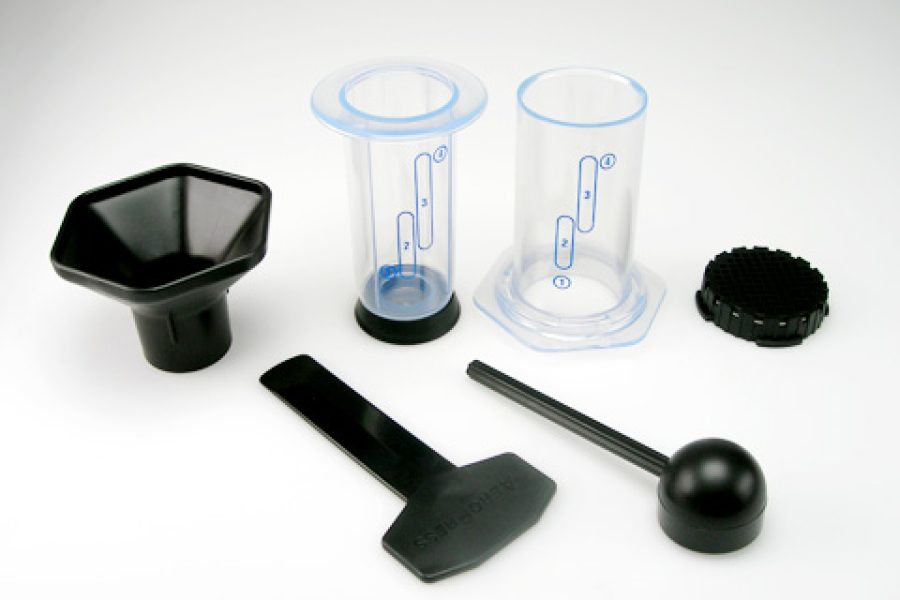
- AeroPress: fine to medium, depending on your recipe and steeping time.
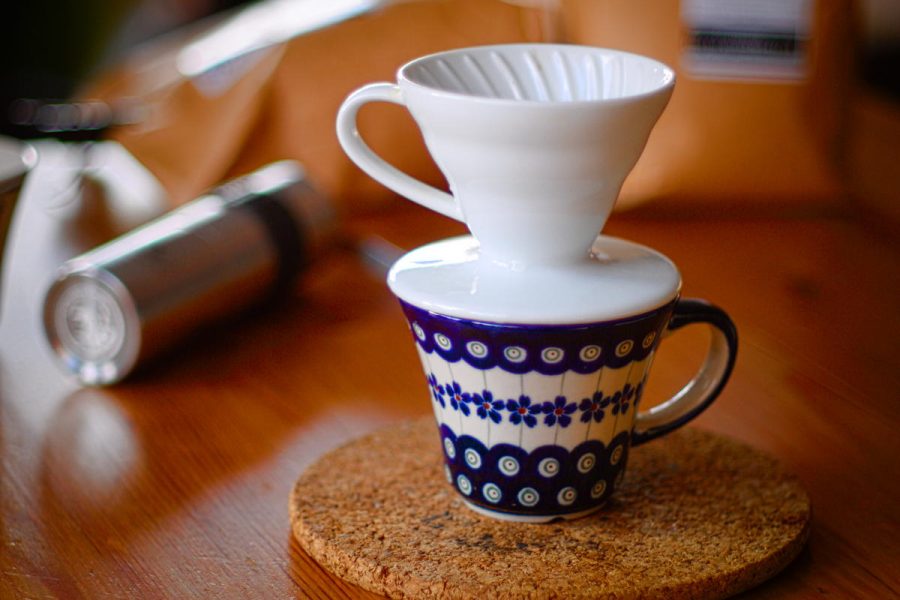
- V60 and pour-over cones: medium-fine, like granulated sugar.
- Drip machine: medium, like sand.
- Chemex: medium-coarse, like coarse sand. The thick filter slows the flow. More in our V60 vs Chemex comparison.
- French press: coarse, like sea salt. Our French press guide explains why.
- Cold brew: extra coarse, like peppercorns, because the coffee steeps for many hours.

How to Fix Your Grind by Taste
Your tongue is the best tool you have. Two tastes tell you almost everything:
- Sour, thin, salty or empty: the coffee is under-extracted. Grind finer, or brew a little longer.
- Bitter, harsh, dry or astringent: the coffee is over-extracted. Grind coarser, or shorten the brew.
- Both sour and bitter at once: the grind is uneven, with boulders and dust. This usually points to a blade grinder or a worn burr grinder.
Change one thing at a time, and in small steps. If you change grind, dose and water temperature together, you’ll never know which one fixed the cup.
Grind Size Also Changes Brew Time
With pour-over methods, grind is the main lever that controls how long the water takes to pass through the coffee. If your V60 drains much faster than your recipe says, grind finer. If it chokes and drips slowly, grind coarser. With espresso it’s even more sensitive: a tiny step on the grinder can change a shot from 20 to 35 seconds.
Quick Answers to Common Questions
Can I use the same grind for everything? You can, but you’ll get the best from none of your brewers. Pre-ground supermarket coffee is usually ground for drip or moka, which is why it tastes flat in a French press and doesn’t work for espresso.
Should I grind right before brewing? Yes, whenever you can. Ground coffee loses aroma within minutes, and it goes stale much faster than whole beans.
Does roast level change the ideal grind? A little. Darker roasts are more brittle and extract more easily, so they often need a slightly coarser setting. Lighter roasts are denser and may need finer grinding. See our light vs dark roast article.
The Right Grind Starts With Good Coffee
Matching Grind to Brew Method
- Extra coarse: cold brew and cowboy coffee.
- Coarse: French press.
- Medium-coarse: Chemex and many flat-bed brewers.
- Medium: drip machines and most flat-bottom filters.
- Medium-fine: V60 and AeroPress.
- Fine: espresso and moka pot (a little coarser than espresso).
These are starting points. Every coffee, grinder and recipe differs. Taste the result and adjust a step at a time.
Burr vs Blade Grinders
Burr grinders crush beans between two surfaces, which gives a uniform size. Blade grinders chop beans unevenly. The mix of fine dust and large chunks causes both bitterness and sourness in one cup. A burr grinder is the best upgrade for flavour.
Signs Your Grind Is Off
Your cup will tell you. Sour, thin or salty coffee often means the grind is too coarse. Bitter, harsh or dry coffee often means it is too fine. Change the setting by one step and try again. Keep notes so you can repeat what works.
Even the best grinder isn’t enough if the starting bean isn’t good. This holds true for espresso just as much as for a well-processed decaf coffee. IndieRoastersItaly exists to bring specialty coffee home, selected from small Italian roasters. Roasted to order. The project is still building its waitlist: visit IndieRoastersItaly and sign up to be among the first to try it.
This article was written with the support of artificial intelligence for content structuring, and was fully reviewed, verified, and refined by the author.
Related reading: AeroPress Coffee Guide · The Right Coffee-to-Water Ratio · Coffee Brewing Myths Debunked · Timemore C3 Review: A Budget Hand Grinder · Comandante vs Timemore: 5 Key Differences · Hario Skerton Pro Review · How to dial in espresso