To dial in espresso means to tune your grind until the shot tastes balanced. It sounds technical, but it is a simple loop. Change one thing, pull a shot, and taste it. In Italy, a barista does this every morning before the first customer walks in. At home, you can do the same in about fifteen minutes.
This guide gives you a clear starting recipe and an easy way to fix sour or bitter shots. You do not need fancy gear. You do need a good grinder, a scale, and a little patience.
Why You Need to Dial In Espresso for Every New Bag
Coffee is a fresh food, and it keeps changing. Each bag has a different roast, age, and origin. A shot that tasted sweet last week can taste sharp today. Even humid air changes how coffee grinds and flows. That is why baristas check their shots again and again during the day.
Start With a Simple Recipe
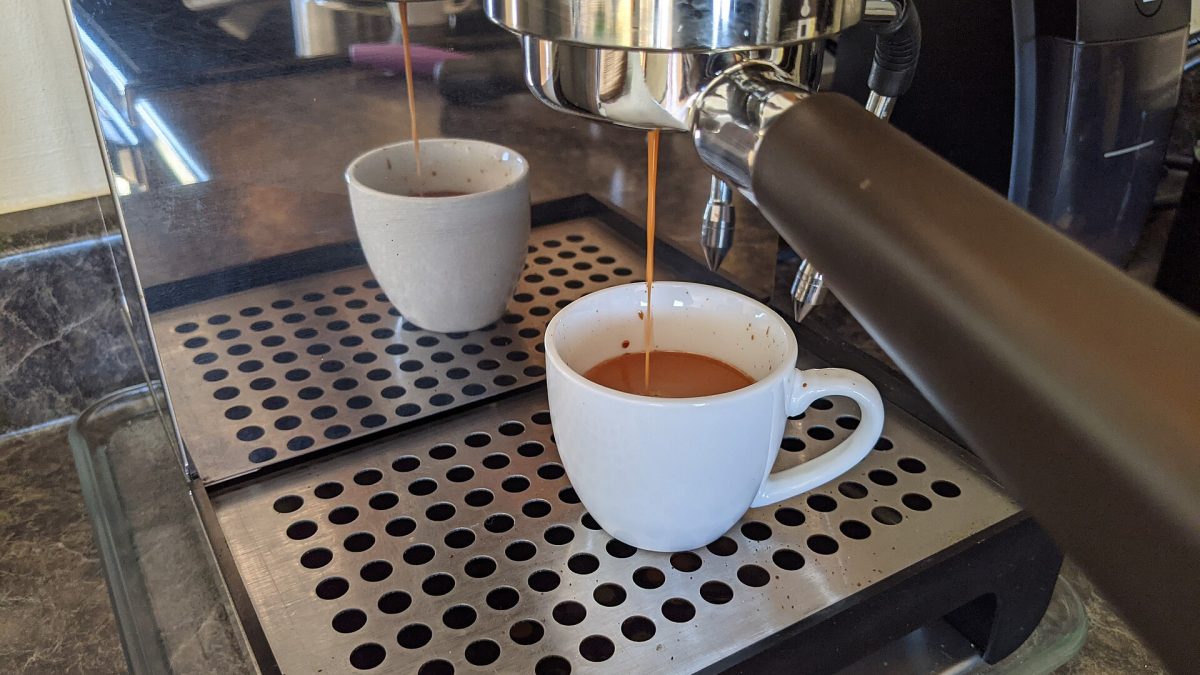
Begin with a 1:2 ratio. Use 18 grams of ground coffee. Aim for 36 grams of liquid espresso in the cup. Let the shot run for 25 to 30 seconds, counting from the moment the pump starts. Many roasters and coffee schools use this same starting point because it is forgiving.
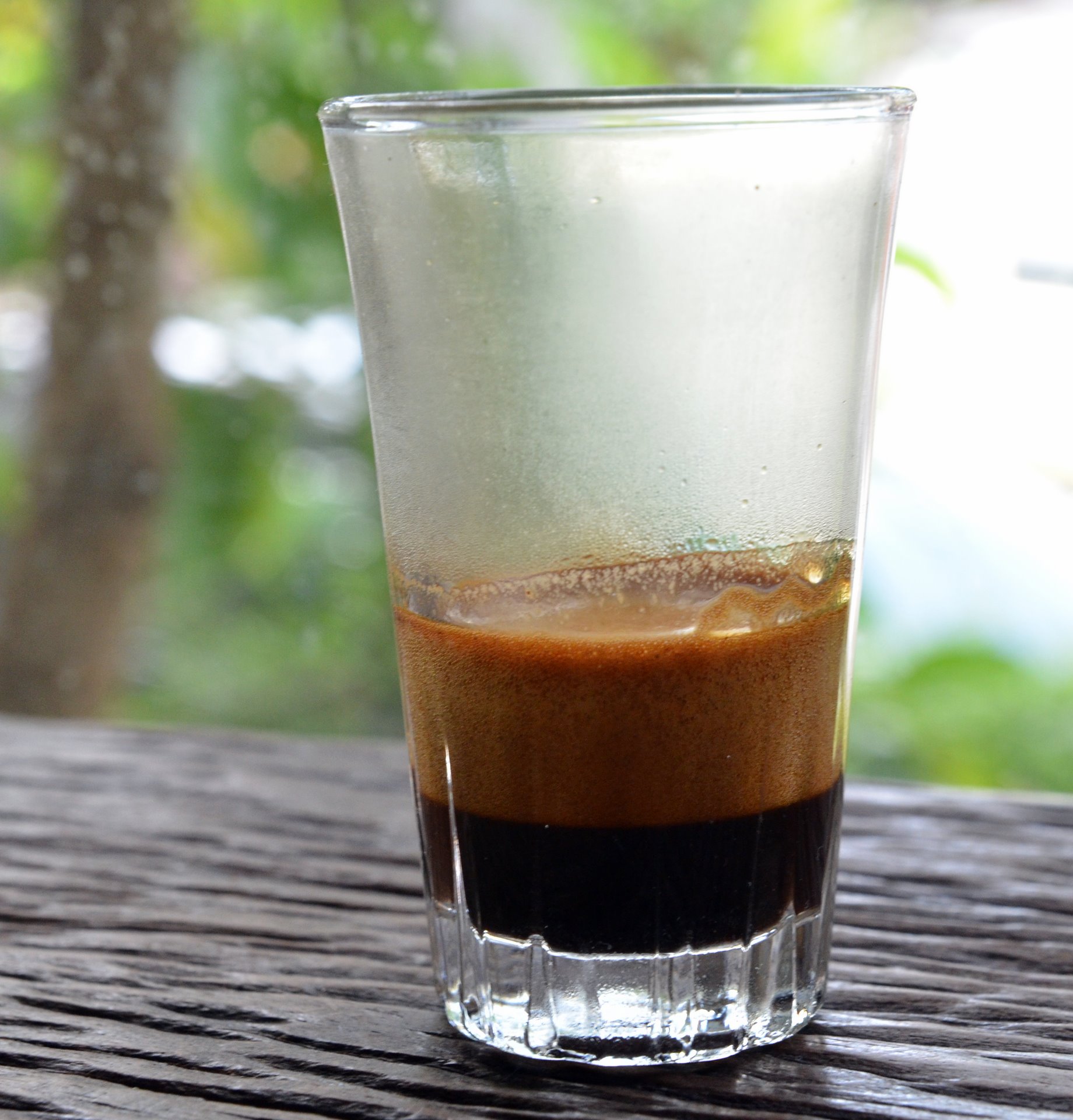
If ratios are new to you, our guide to the coffee to water ratio explains the idea for other brew methods too.
You also need a coffee scale that reads to 0.1 gram. Put it under your cup, so you can weigh the shot as it flows. A timer built into the scale makes life easier.
Fix the Beans and the Dose First
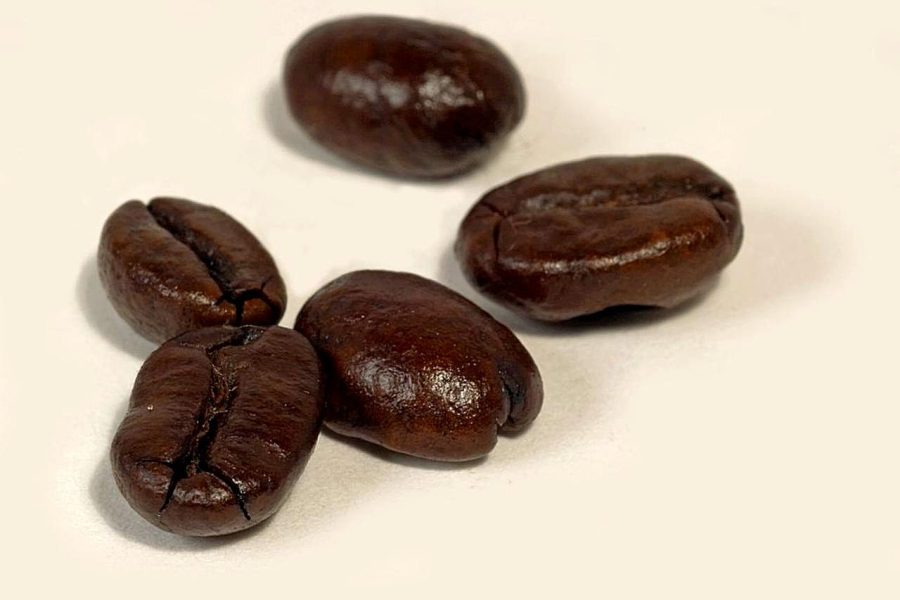
Good espresso starts with fresh beans. Aim for coffee that is about five to ten days off roast. Very fresh beans release a lot of gas, and that can make the shot run unevenly. Very old beans taste flat.
Then weigh your dose every time. Do not guess. A change of one gram can shift the taste more than you might expect.
How to Dial In Espresso by Taste
The grind is your main lever. Pull the shot, then taste it. Your mouth tells you what to do next.
- Sour, thin, or fast: the water ran through too quickly. Grind finer.
- Bitter, dry, or slow: the water stayed in too long. Grind coarser.
- Sour and bitter together: the problem is probably puck prep, not the grind. See the next section.
For more on how grind size shapes flavor, read our coffee grind size guide.
Change One Thing at a Time
Keep the dose fixed. Move the grinder by one small step. Pull another shot and taste it again. Three or four shots are usually enough to get close.
Treat the clock as a clue, not a goal. A 27 second shot can taste great or awful, depending on how evenly the water moved through the coffee. If a shot hits 28 seconds and still tastes sour, keep adjusting. Write your settings in a small notebook. It will save you time with the next bag.
When Your Espresso Tastes Sour and Bitter at Once
This mix often means channeling. Water finds a crack in the puck and rushes through it. Some coffee gets over-extracted, and the rest gets under-extracted. The result is a cup that is both sharp and harsh.
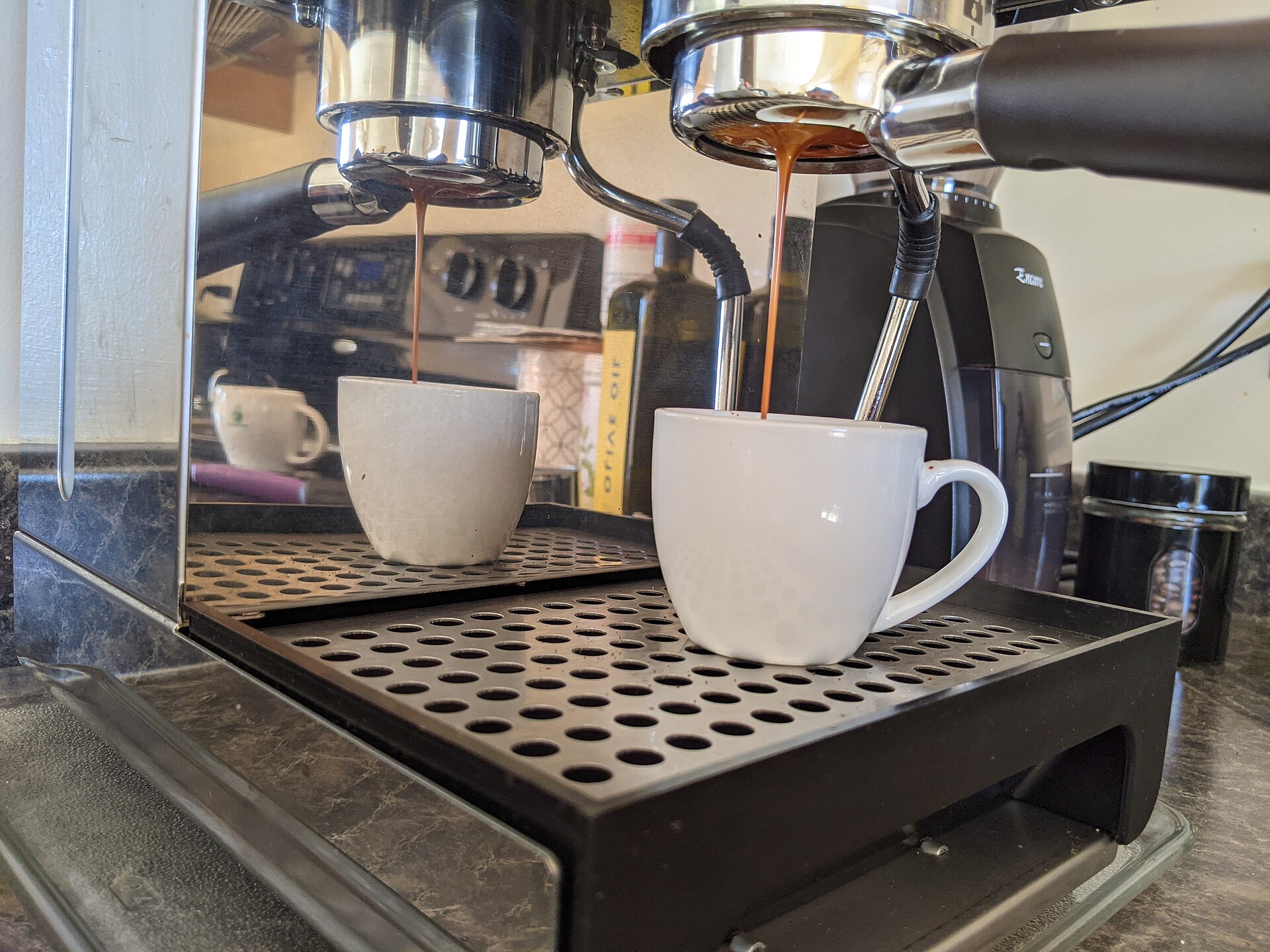
The fix is better puck prep. Spread the grounds evenly in the basket. Tap away clumps. Then tamp level, with steady pressure. A distribution tool can help, but a simple fingertip sweep works too. A bottomless portafilter, like the one above, lets you see the flow and spot problems fast.
Adjust Ratio and Temperature Last
Once the shot tastes close, you can fine-tune. If the cup tastes weak, stop the shot a little sooner. If it tastes too strong, let more liquid run. Lighter roasts often shine with a longer ratio, near 1:2.5. Darker roasts often like a shorter one.
Temperature is the last tool. Most machines work well between 92 and 96 degrees Celsius. Change it by one or two degrees at a time, no more. If you love a short and sweet shot, try a ristretto. You can also read the basics of espresso on Wikipedia.
A Quick Routine to Dial In Espresso Each Morning
- Weigh 18 grams of fresh coffee.
- Pull 36 grams in 25 to 30 seconds.
- Taste. Sour means grind finer. Bitter means grind coarser.
- Change one thing, then repeat.
- Re-check after a couple of hours, because settings drift.
At IndieRoastersItaly, we are building a way to enjoy fresh coffee from small Italian roasters. If you want to taste the beans behind great shots, join the waitlist on our homepage.
Related reading: Espresso crema myths: what the golden foam really tells you
This article was written with the support of artificial intelligence for content structuring, and was fully reviewed, verified, and refined by the author.
As an Amazon Associate, we earn a small commission from qualifying purchases made through the links on this page, at no extra cost to you.