Ask an Italian where the best coffee city is, and you will hear Naples. Ask a coffee trader, and the answer may be Trieste. Trieste coffee has a story that is half Italian and half Austrian. It starts with a port, a Habsburg empress, and a lot of sacks of green beans.
Trieste sits in the far northeast of Italy, next to Slovenia. Its people are said to drink about twice as much coffee as the average Italian. This guide explains why, and how to order like a local.
How a Free Port Made Trieste Coffee Famous
In 1719, the Habsburg emperor Charles VI made Trieste a free port. Ships could unload goods there with fewer taxes and fewer limits. Traders came from many countries. Coffee quickly became one of the big businesses of the port.
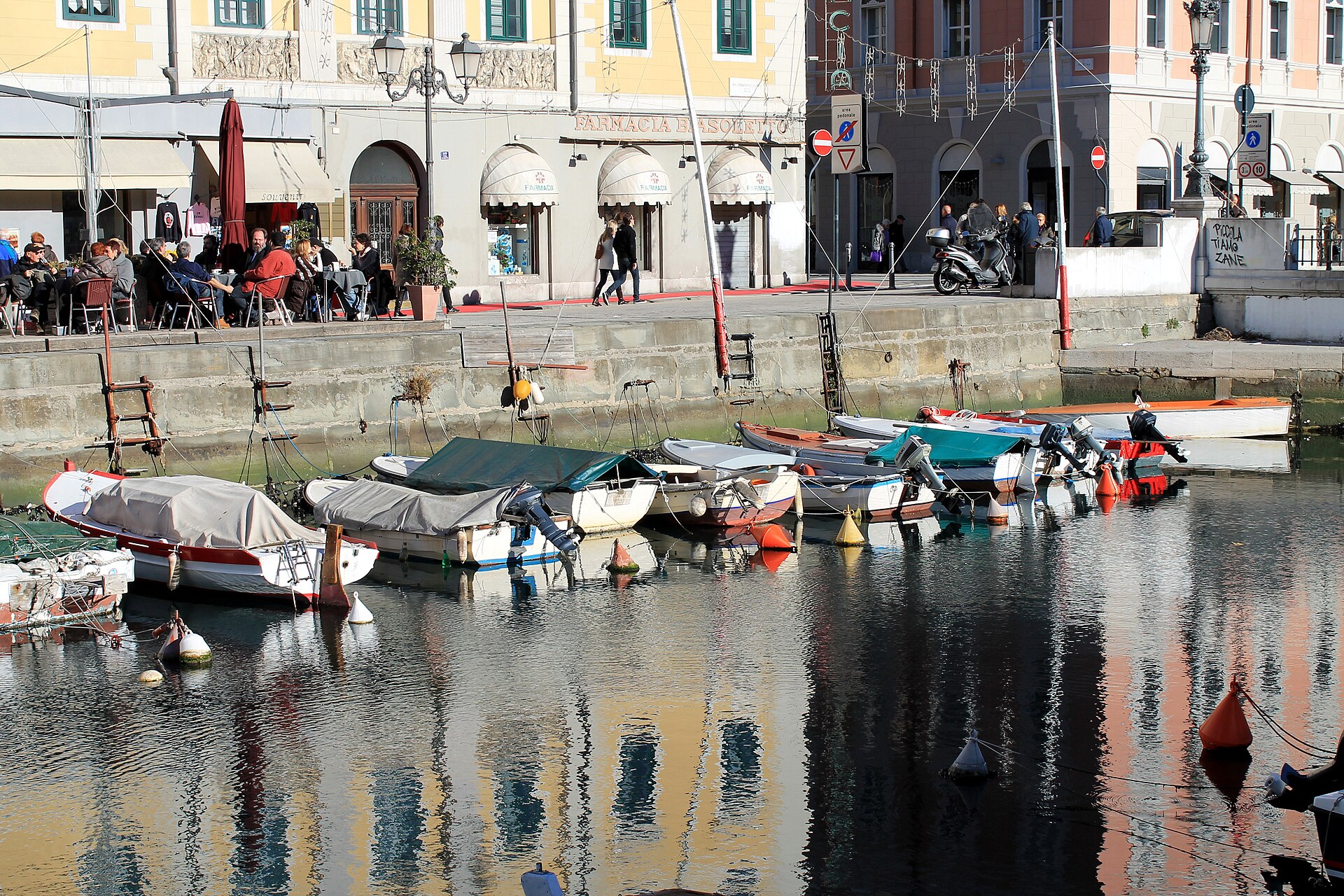
Trieste was the main sea gate of the Austro-Hungarian Empire for centuries, until 1918. Green coffee arrived by ship and moved north by road and rail to Vienna and beyond. In 1891, local traders formed a coffee association. One source calls it the third of its kind in Europe, after Hamburg and Amsterdam. Today, the port is still said to handle roughly a fifth of Italy’s coffee imports, though sources differ on the exact share.
The Viennese Coffeehouse Meets Italian Espresso
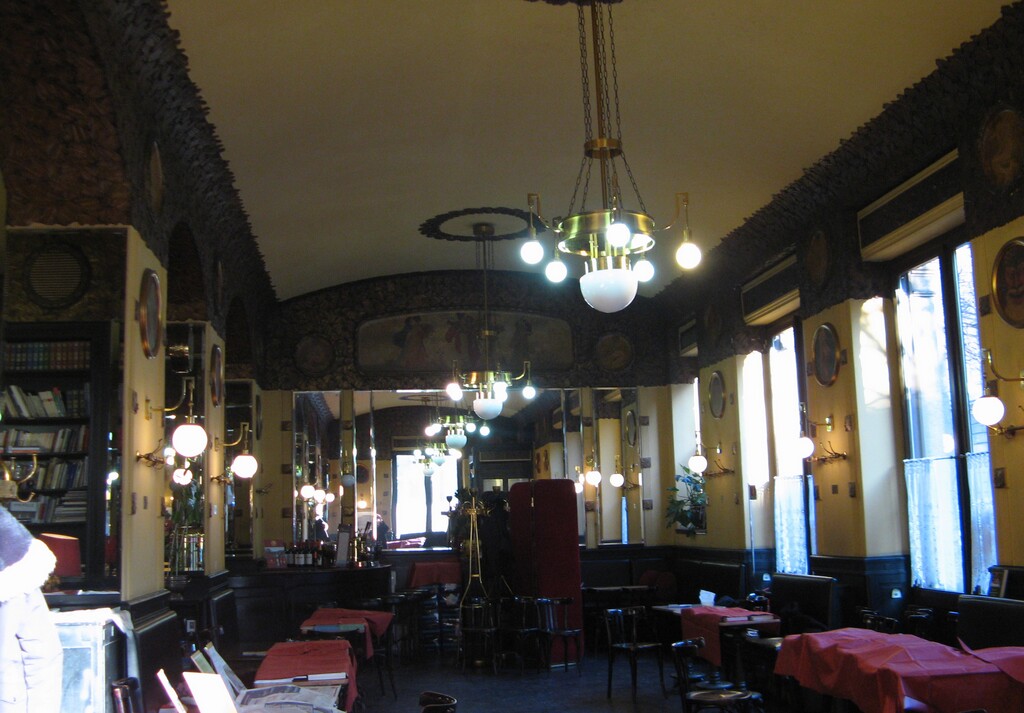
Trieste was part of the Habsburg Empire from 1382 to 1918. That is why its elegant quarter, the Borgo Teresiano, looks more like Vienna or Prague than like Rome. It is also why the city has grand coffeehouses with high ceilings, dark wood, and shelves of books. If you want more on where this style began, read our story of the first coffee houses in Europe.
The Caffè San Marco is the most famous example. Writers such as James Joyce and the poet Umberto Saba are linked with the city’s cafe life. During the First World War, the cafe is also said to have been a meeting point for people who wanted to cross the border to Italy.
Another landmark is the Caffè degli Specchi, a belle epoque cafe with gilded mirrors. According to travel writers, every coffee there comes with a small glass of chocolate. It is hot in winter and cold in summer.
Illy and the Roasters of Trieste
The city is also home to a big name in coffee. The company Illy was founded in Trieste in 1933, and it still roasts and ships its coffee from a plant near the port. Alongside it, small roasters keep local ways alive. One of them, Antica Tostatura Triestina, is known for roasting with wood fire.
This mix of old trade and new craft is why many people call Trieste the coffee capital of Italy. For the wider Italian story, see our look at the history of espresso.
How to Order Trieste Coffee Like a Local
Trieste has its own coffee words. If you order a “caffè” here, you may get a puzzled look. Use the local names instead.
- Nero: a plain espresso. In the rest of Italy, you would just say “un caffè”.
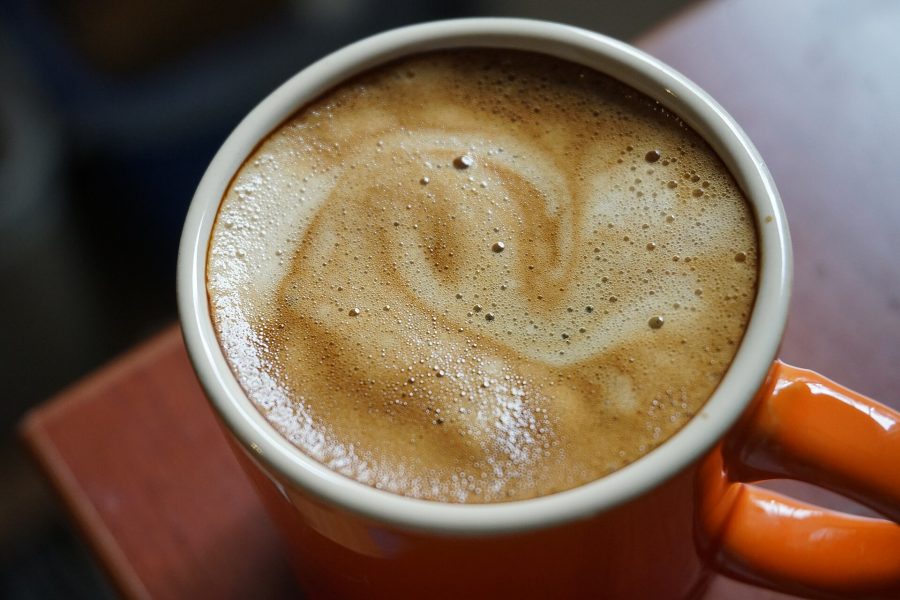
- Capo: short for cappuccino, but it is a small, strong espresso with a dab of milk foam. Elsewhere you would call it a caffè macchiato.
- Capo in b: the same drink served in a glass. The “b” stands for bicchiere, the Italian word for glass.
- Caffè latte: the Trieste name for what other places call a cappuccino.
Why the glass? Some people say it comes from the sailors. They wanted a warm drink they could hold easily on a cold dock. Nobody can prove it, but it is a good story. Triestini also seem less strict about milk coffee after breakfast than people elsewhere in Italy. For more drinks, see our guide to Italian coffee drinks.
Historic Cafés in Trieste You Can Still Visit
Trieste has one of the richest café traditions in Italy. The city council keeps an official list of its historic cafés and pastry shops. Here are the ones with a known opening year, from the oldest to the newest.
| Café | Opened | Why it is worth a stop |
|---|---|---|
| Caffè Tommaseo | 1825 | The oldest on the list. Its owner brought mirrors from Belgium and is said to have introduced ice cream to Trieste. |
| Caffè Urbanis | 1832 | Opened as a pastry shop. The date is set in the floor mosaic. |
| Caffè degli Specchi | 1839 | On Piazza Unità, the main square. Franz Lehár once directed concerts here. |
| Pasticceria La Bomboniera | 1850 | Founded by the Hungarian Eppinger family. Its original oven is still in use. |
| Pasticceria Pirona | 1900 | A small pastry shop with a portrait of James Joyce on display. |
| Caffè San Marco | 1914 | A Viennese-style coffeehouse that is also a bookshop. |
| Caffè Torinese | 1915 | Wood and brass interiors by a designer who fitted out ocean liners. |
Source: the historic cafés itinerary of the Comune di Trieste. Opening hours change, so check before you go. For more grand cafés in other cities, see our guide to historic cafes in Italy.
Caffè San Marco: A Café That Survived a War
Caffè San Marco opened on 3 January 1914. Its founder was Marco Lovrinovich. In May 1915, after Italy declared war on Austria-Hungary, the café was attacked and set on fire. Firefighters saved much of the decoration. It reopened in 1997 after a long restoration, and today it serves coffee among shelves of books. It has been listed as a historic café of Italy since 2005, according to Wikipedia.
How Much Coffee Do People Drink in Trieste?
A lot. A figure often quoted is about 1,500 cups per person per year, which is roughly twice the usual Italian level. Another figure, reported by Le Monde in 2019, puts it at about 10 kilograms of coffee per person each year. The two numbers come from different sources and use different units, so treat them as rough guides.
The city also has more cafés for its size. Le Monde counted about one café for every 300 people in Trieste, against one for every 450 in the rest of Italy. Whatever the exact number, coffee is part of daily life here.
Trieste Coffee Events and Associations
- Associazione Caffè Trieste: formed on 17 September 1891 by local coffee traders. It was the third association of its kind in Europe, after Hamburg and Amsterdam.
- TriestEspresso Expo: a trade fair for the whole espresso supply chain, from green coffee to machines. It is held every two years and is aimed at professionals.
- Trieste Coffee Festival: organised by the Associazione Caffè Trieste every year since 2014, with events open to the public.
Facts from Discover Trieste. Dates for the next editions are announced on the organisers’ websites.
A Simple Coffee Day in Trieste
If you have one day in the city, here is an easy plan built around its cafés.
- Morning: order a capo in b at the counter of any bar, the way locals do. It is quick and cheap.
- Late morning: walk to Piazza Unità and sit at Caffè degli Specchi to look at the sea.
- Lunch: grab something small, then visit the Borgo Teresiano and the Canal Grande.
- Afternoon: spend an hour with a book at Caffè San Marco, or try a cake at La Bomboniera.
- Evening: end with a nero. Italians often finish a meal with a short espresso.
Why Trieste Coffee Still Matters
Trieste shows that Italian coffee is not one single tradition. It is a mix of trade routes, empires, and local habits. A cup in Trieste tells you about ships, borders, and long talks in grand cafes. You can read more about the city on Wikipedia, or in this National Geographic travel feature.
Trieste Coffee: Common Questions
Why is Trieste called the coffee capital of Italy?
Because coffee shaped the city. It was the main port of the Habsburg Empire, its traders formed one of Europe’s first coffee associations in 1891, Illy was founded here in 1933, and locals drink about twice as much coffee as the Italian average.
What is a capo in b?
It is a small espresso with a little milk foam, served in a glass. “Capo” is short for cappuccino and the “b” stands for bicchiere, which means glass. Elsewhere in Italy you would order a macchiato.
How do you order a cappuccino in Trieste?
Ask for a caffè latte. In Trieste, “capo” means a macchiato, so if you say “capo” you will get a much smaller drink.
What is the oldest café in Trieste?
Caffè Tommaseo, which opened in 1825 according to the city of Trieste.
Is Illy coffee from Trieste?
Yes. Illy was founded in Trieste in 1933 and still roasts its coffee there. For more on how Italians order at the counter, read our Italian coffee bar rules.
At IndieRoastersItaly, we are building a way to enjoy fresh coffee from small Italian roasters. If you love stories like this one, join the waitlist on our homepage.
This article was written with the support of artificial intelligence for content structuring, and was fully reviewed, verified, and refined by the author.