You want espresso without a machine, and you do not want to spend a fortune. Good news: you can get close at home with simple tools. In Italy, most families have made strong coffee on the stove for generations, long before home machines were common. This guide shows three easy ways to do it, and what to expect from each.
Let us be honest from the start. A real espresso needs about nine bars of pressure, and only a machine gives you that. But you can still make a small, strong, rich cup. That is what most people want anyway.
What Espresso Without a Machine Really Means
A machine pushes hot water through finely ground coffee at high pressure. That is why a shot has crema, the golden foam on top. Without a machine, you cannot copy that pressure. You can copy the feel of the cup: small, bold, and full of flavor.
So think of it as espresso-style coffee. It uses less water, a finer grind, and more coffee than a normal brew. Three tools do this well. They are the moka pot, the AeroPress, and the French press.
Method 1: The Moka Pot, Italy’s Stovetop Classic
The moka is an Italian pot with three parts. Water sits in the base, coffee sits in a filter basket, and the brew rises into the top chamber. It makes about one to two bars of pressure, far less than a machine. Still, it gives a thick, strong cup with real body. You can read the full story in our history of the moka pot.

Here is a simple method:
- Fill the base with hot water, just below the small valve.
- Add fine coffee to the basket. Level it, but do not press it down.
- Screw the pot shut and heat it on low to medium.
- Take it off the heat when the coffee turns pale and starts to hiss.
- Pour right away, so it does not turn bitter.
If you do not own one yet, you can look at a Bialetti moka pot as a classic starting point. For more detail, see our perfect moka pot guide. If you wonder how it compares to a real machine, read moka pot vs espresso machine.
Method 2: The AeroPress for a Clean, Strong Shot
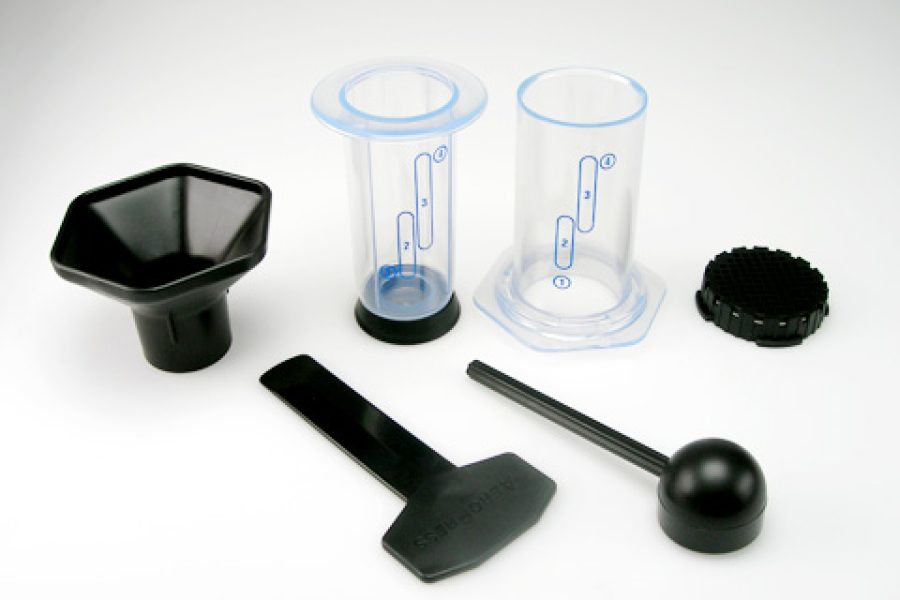
The AeroPress is a plastic tube with a plunger. You steep coffee for a short time, then press it through a paper filter. Many home brewers say it is the closest simple tool to a short espresso shot. It makes much less pressure than a machine, but the cup is clean and sweet.
Use a fine grind, about the size of table salt. Try 17 grams of coffee and about 60 grams of hot water, just off the boil. Stir for ten seconds, wait a minute, and then press slowly. You can drink it as is, or add hot water for a longer cup. Our AeroPress coffee guide has more recipes. Many people start with the AeroPress coffee maker, since it is cheap and easy to carry.

Method 3: The French Press for Full Body
The French press is the easiest tool, and most people already know it. It will not give you crema. Yet it can make a strong, heavy cup if you adjust the recipe. Use half the water you would normally use. Add a medium-fine grind, and steep for about four minutes.
Press the plunger down slowly, then pour at once. Do not leave the coffee in the pot, or it will taste harsh. For the full method, see our French press coffee guide.
Tips for Better Espresso Without a Machine
The method matters, but the coffee and the grind matter more. These small habits make a big difference:
- Buy fresh beans and grind them just before you brew.
- Use a burr grinder if you can. It gives a more even grind.
- Weigh your coffee and water with a small scale.
- Start with a fine grind, then adjust. Sour coffee needs a finer grind. Bitter coffee needs a coarser one.
- Use clean, fresh water. Coffee is mostly water.
Not sure how fine to go? Our coffee grind size guide shows each level with simple pictures.
Which Method Should You Choose?
If you love tradition and a bold, rich cup, pick the moka pot. If you want a clean cup and easy travel, pick the AeroPress. If you only have a French press at home, use it and shrink the water. All three can make a satisfying small coffee.
Remember that none of them is true espresso, and that is fine. Great coffee does not need a big machine. It needs good beans, a fair recipe, and a little care.
At IndieRoastersItaly, we are building a way to enjoy fresh coffee from small Italian roasters. If you want to taste great beans with any of these methods, join the waitlist on our homepage.
This article was written with the support of artificial intelligence for content structuring, and was fully reviewed, verified, and refined by the author.