
Shakerato coffee is the most elegant way to drink an iced espresso. A cocktail shaker, ice, a few seconds of furious shaking. It sounds simple. It isn’t, unless you know the right rules. Here are seven secrets to make it like a real barista, even at home.
What is shakerato coffee (and where it comes from)
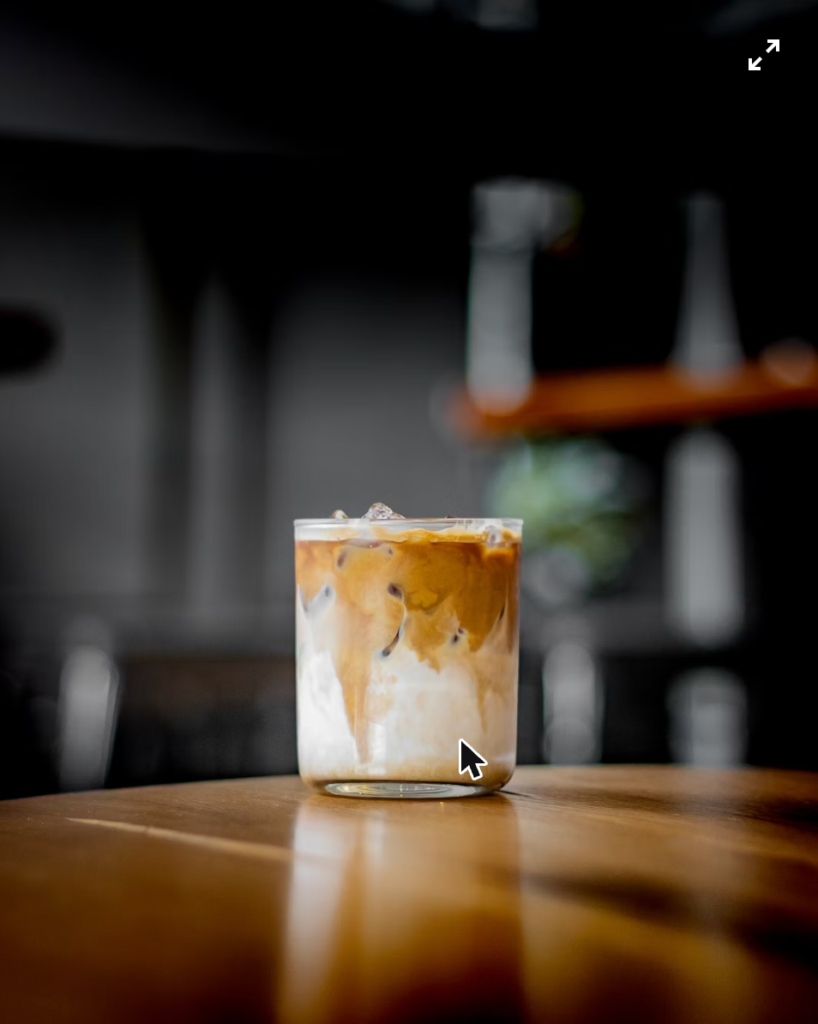
Shakerato coffee was born in Italian bars between the 1980s and ’90s. Baristas were looking for a way to serve iced espresso without losing crema and aroma. The solution: a shaker, ice, and liquid sugar, shaken with energy. The result is creamy, cold, with a thin layer of foam on top, very different from simple coffee with ice cubes dropped in.
Be careful not to confuse it with cold brew. If you’re after a slower, gentler method, the guide to cold brew follows the opposite logic: time instead of speed.
The ingredients that make the difference
Just three ingredients, but each one has a precise rule.
- Freshly extracted espresso, still hot. The heat helps dissolve the sugar and build the crema.
- Liquid sugar, not granulated. Cold, solid sugar won’t dissolve and ruins the texture.
- Solid ice cubes, never crushed. Crushed ice melts too fast and waters down the drink.

The technique, step by step
Follow the order. Each step has a precise reason.
- Pour the liquid sugar into the shaker first.
- Add the espresso right away, while it’s still hot. The heat dissolves the sugar and starts the emulsion.
- Add solid ice cubes, never half-melted.
- Close the shaker and shake hard for 10 to 15 seconds, without hesitation.
- Strain the contents into a glass that’s already cold from the fridge.
- Serve right away, without adding more ice to the glass.
- Drink within a few minutes. The crema only holds for the first moments.
The most common mistakes to avoid
Even with the right recipe, small details separate a good shakerato coffee from a mediocre one.
- Granulated sugar instead of liquid. It won’t dissolve when cold and stays grainy at the bottom.
- Crushed or half-melted ice. It waters down the coffee and mutes the flavor.
- Shaking too briefly or too gently. The crema never forms.
- Too much time between extraction and shaking. The espresso oxidizes and loses aroma fast.
Variations worth trying
Once you’ve mastered the base, you can vary it without losing its identity.
- Chocolate shakerato. A teaspoon of unsweetened cocoa in the shaker, before the ice.
- Hazelnut shakerato. A touch of hazelnut syrup instead of liquid sugar.
- Shakerato with cream. A few dollops of whipped cream on top, right after shaking.
Shakerato coffee remains an evolution of the classic Italian espresso, able to adapt to summer without losing its identity.
Why Shaking Makes It Special
The shake does more than cool the drink. It adds tiny air bubbles and breaks the coffee into a silky foam. The sugar dissolves, so the drink tastes smooth and not gritty. This texture is what sets a shakerato apart from plain iced coffee.
Use plenty of ice and shake hard for about ten to fifteen seconds. Strain the drink into a chilled glass right away. The foam is delicate and fades within minutes.
Picking the Right Coffee
A fresh, sweet espresso works best. Choose a medium roast with cocoa or caramel notes. Very acidic coffees can taste sharp when cold. Very dark roasts can taste burnt. Balance is the aim.
Shakerato Variations
- With a liqueur: a splash of amaretto or coffee liqueur for a grown-up version.
- With cream: a small spoon of cream for a richer, rounder texture.
- With flavour: a pinch of cinnamon or a few drops of vanilla.
- With less sugar: taste first, then add sugar slowly, since cold dulls sweetness.
Equipment You Need
A cocktail shaker is ideal. A tightly sealed jar also works in a pinch. A small strainer helps keep ice out of the glass. Chill the glass in the freezer for a few minutes, and the drink will stay colder for longer.
Serving Tips
Present the shakerato in a stemmed glass for a classic look. A thin coffee bean or a twist of orange peel on the side adds a nice touch. Serve it right after shaking, while the foam is thick, and enjoy it slowly on a warm day.
IndieRoastersItaly was created to bring lots selected from independent Italian roasters straight to your door, roasted to order. The project is still in its waitlist phase: visit the IndieRoastersItaly home page to sign up and get notified at launch.
Keep reading: Italian Coffee Drinks: 10 Essential Orders and the Unwritten Rules
This article was written with the support of artificial intelligence for content structuring, and was fully reviewed, verified, and refined by the author.
Can You Make Shakerato Without an Espresso Machine?
Yes, with a moka pot. The result is a little less creamy, because moka coffee has fewer emulsified oils than espresso, but it’s still delicious. Brew a small moka pot with a medium-fine grind and gentle heat (our perfect moka pot guide shows how), then use it exactly like espresso: pour about 50 to 60 ml into the shaker with plenty of ice and your sugar syrup, and shake hard for 15 to 20 seconds.
Two tips make the difference. First, use the coffee straight off the stove: the hot coffee hitting the ice creates the foam. Second, don’t use coffee from the end of the brew, the sputtering part, because it’s the most bitter and it’s even more noticeable when cold.

Shakerato vs Other Italian Iced Coffees
In an Italian bar in summer, “iced coffee” can mean several different drinks. It helps to know which is which:
- Caffè shakerato: espresso shaken with ice and sugar, strained into a chilled glass, with a thin foam on top. No ice in the glass.
- Caffè freddo: coffee brewed in advance, usually sweetened, and kept cold in the fridge. Simpler and often sweeter.
- Caffè in ghiaccio: a hot espresso poured over ice cubes in a glass. In Salento, around Lecce, the local version adds almond syrup: it’s called caffè leccese.
- Granita di caffè: a frozen coffee granita, typical of Sicily, often served with whipped cream and a brioche.
- Cold brew: not an Italian tradition, but a different method altogether: coarse coffee steeped in cold water for many hours. See our cold brew guide.
For all the classic hot orders, read our guide to Italian coffee drinks.
Which Coffee Works Best for Shakerato?
Cold temperatures mute sweetness and aroma and make bitterness more noticeable. That’s why a medium roast with chocolate, caramel and nutty notes is the safest choice: think of a Brazilian or Colombian base, like a Colombia Huila. Very dark roasts can turn harsh when chilled. Very light, acidic roasts can taste sharp, although a fruity Ethiopian can make a surprising, refreshing shakerato if you like acidity.
Quick Answers to Common Questions
Can I make it without sugar? Yes. The foam will be a little thinner, because sugar syrup helps it form, but many people prefer it unsweetened.
Why liquid sugar and not granulated? Granulated sugar doesn’t dissolve in ice-cold coffee. A simple syrup, made with equal parts sugar and water, blends instantly.
Can I use a jar instead of a cocktail shaker? Yes. Any jar with a tight lid works, as long as there’s enough space for the ice to move. Strain the drink so the ice stays behind.
Related reading: Italian Coffee Drinks Explained · How to Make Perfect Moka Pot Coffee · The History of Espresso
As an Amazon Associate, we earn a small commission from qualifying purchases made through the links on this page, at no extra cost to you.