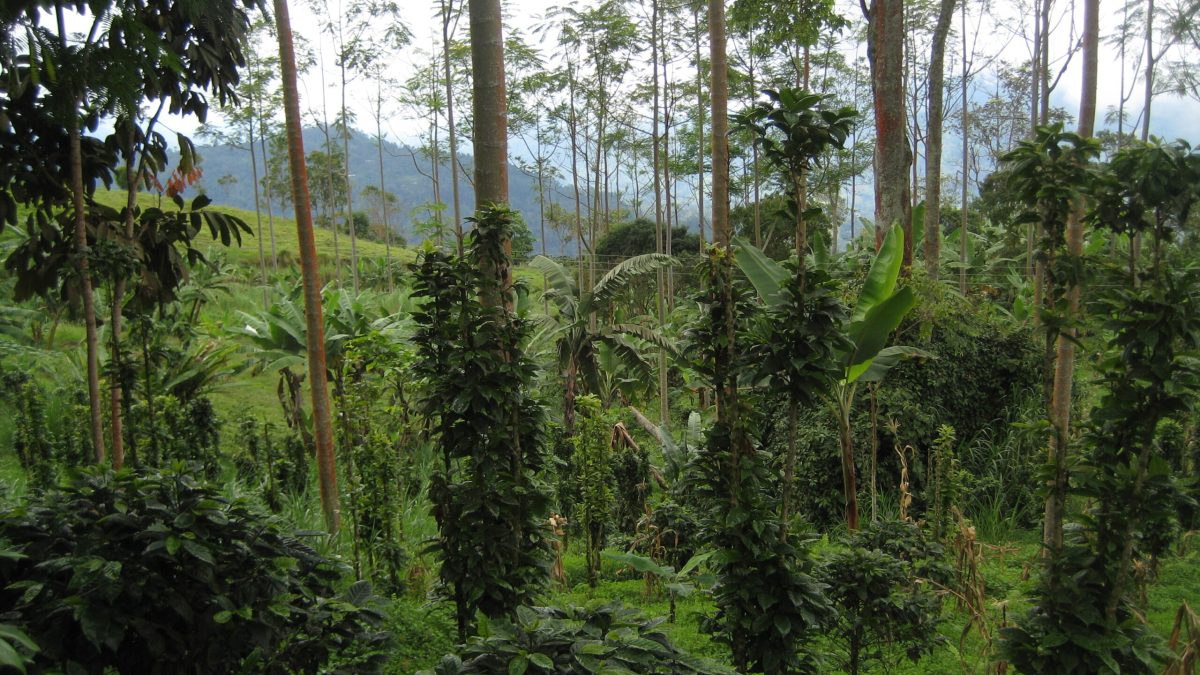
Colombia Huila coffee is one of the best-known names in Colombia’s specialty world. Huila sits in southwest Colombia, between the central and eastern Andes mountains. It grows more coffee than any other department in the country. That’s no accident. Here, height, volcanic soil, and local climate come together almost perfectly. The result is one of the sweetest, most balanced coffees from Colombia.
Where Huila Is, and Why It Matters So Much
Huila stretches along the Magdalena river valley, ringed by volcanoes like Nevado del Huila. Farms climb past 2,000 meters. That height slows down how the cherries ripen. The beans grow denser and build richer sugars. It’s no surprise the region is now a model for specialty growers across Colombia.
Growing: Volcanic Soil and Smallholder Farms
Huila coffee grows almost entirely in mineral-rich volcanic soil. Most farms are small, family-run, often under 2 hectares. The main varieties are Caturra, Castillo, and Colombia. All three resist coffee leaf rust and still give good cup quality.
Harvesting: By Hand, Cherry by Cherry
In Huila, harvesting is almost always done by hand, one cherry at a time. Pickers pass over the same plant several times. Each time, they take only the ripest cherries. This slow, careful work is one main reason the region’s coffee earns high scores, year after year.
Processing: Washed as the Standard
The washed method is the most common way to process coffee in Huila. Workers pulp the cherries right after picking. The beans ferment in water tanks for a few hours. Then workers wash them and set them out to dry in the sun. This method gives the coffee a clear, clean flavor. Honey-processed lots aren’t rare either. More small growers are using this method to get a sweeter, fuller cup. Want to learn more? Check our article on washed, honey, and natural processing for all the details.
The Cup Profile
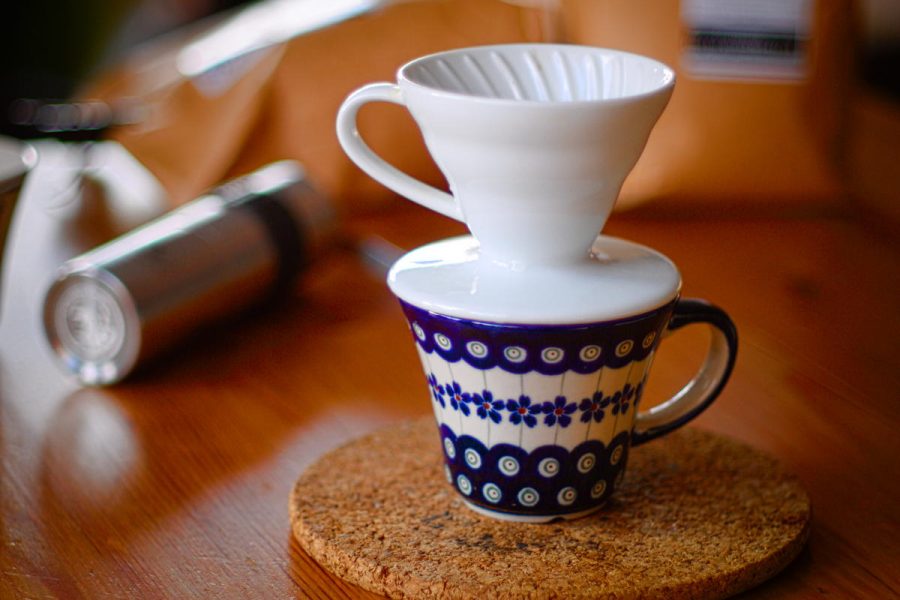
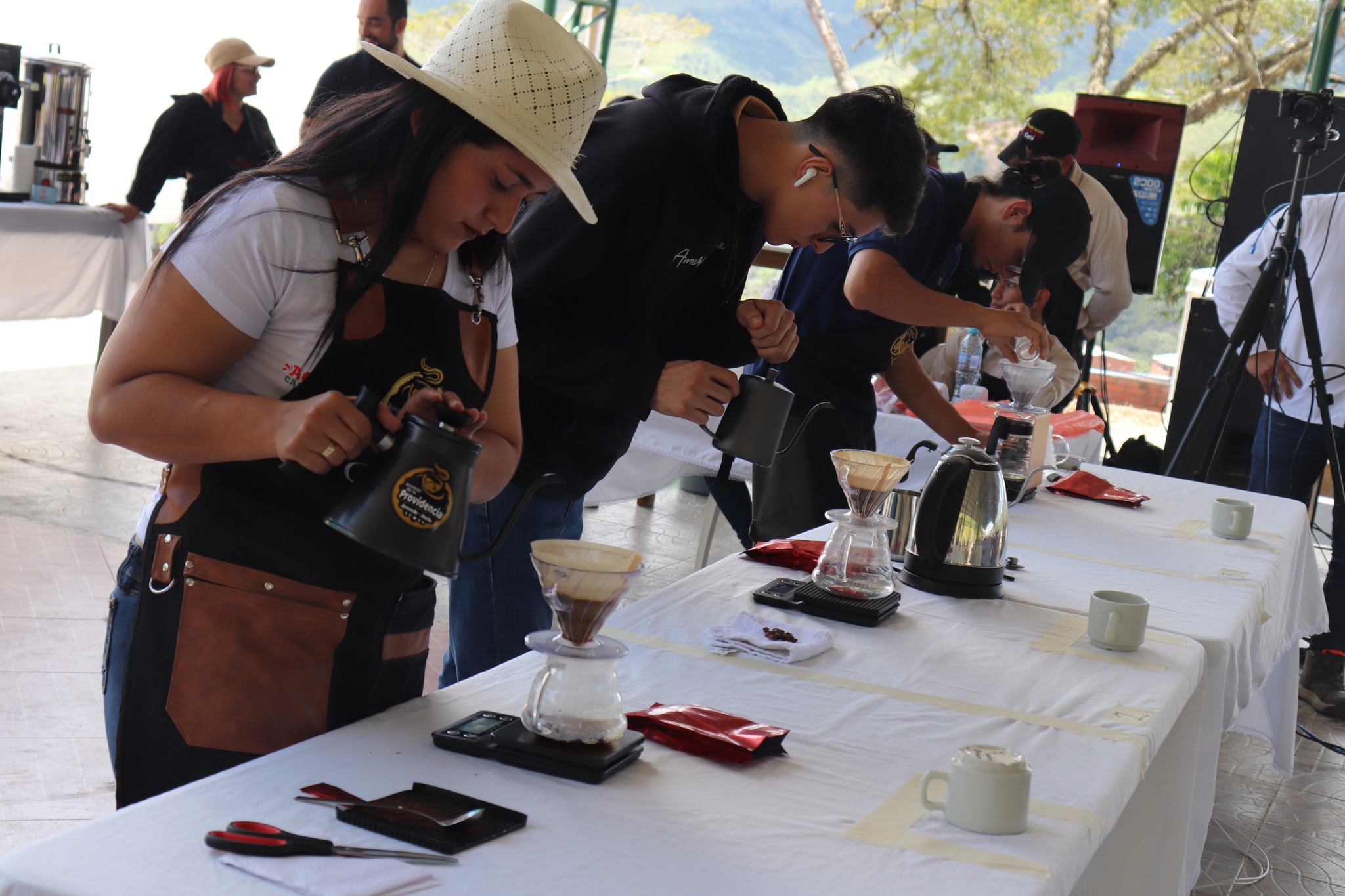
A washed Colombia Huila coffee usually shows clear sweetness and good body. The most common notes are peach, plum, and caramel. The acidity is bright but never harsh. It’s a balanced cup that wins over espresso drinkers who like a round shot, and pour-over fans who like methods such as the V60 or Chemex.

How It Compares to Other Origins
Kenya AA is more acidic and citrusy. Next to it, a Huila coffee leans into sweetness and roundness. Sumatra Mandheling is wet-hulled and more earthy. Next to that, the Colombian cup feels cleaner and more fruity. Read more about Kenya AA and Sumatra Mandheling to compare. These differences come from how the coffee is processed, the local climate, and the plant variety, all together, not from just one factor.
For more on Colombian coffee geography, check the Wikipedia entry on Colombia. It’s a good place to start learning about the country’s departments and growing regions.
Huila Coffee at a Glance
| Location | Southwest Colombia, along the upper Magdalena river valley |
| Altitude | Mostly 1,250–2,000 m above sea level |
| Main varieties | Caturra, Castillo, Colombia, Typica, Bourbon; rarer Pink Bourbon and Geisha lots |
| Processing | Mostly washed; growing numbers of honey, natural and experimental lots |
| Harvest | Two per year: a main crop and a smaller “mitaca”, with timing that varies by area |
| Typical cup | Sweet and balanced: caramel, red fruit, stone fruit, citrus, medium body |
Café de Huila: A Protected Origin
Huila’s coffee has its own Denomination of Origin, “Café de Huila”. It protects coffees grown and processed in the department and recognizes the link between their flavor and the local environment: altitude, volcanic soils and the climate of the Andes. For buyers, it is a guarantee that the coffee really comes from Huila, not just “Colombia” in general.
Pink Bourbon and the New Huila Microlots
In recent years Huila has become famous for Pink Bourbon, a variety with pink-colored ripe cherries that spread from farms in the south of the department. Pink Bourbon lots are often floral and very sweet, with notes that can recall tea, peach or tropical fruit, and they regularly appear in competitions and specialty menus. Alongside it, many Huila producers now experiment with extended fermentations and natural processing, creating microlots that taste very different from the classic washed Colombian cup.
How to Brew Huila Coffee
Huila’s balance makes it one of the most versatile origins to brew. As a pour-over (about 1:16, water at 93–95 °C) it shows its fruit and clean sweetness. In a French press or moka pot it becomes rounder, with more caramel and chocolate. It is also a classic base for single-origin espresso, where its sweetness keeps the shot from tasting sharp. A medium roast is a safe choice for all methods.
Colombia Huila FAQ
Is Huila coffee good?
Huila is considered one of Colombia’s top specialty regions and regularly produces award-winning lots. As always, quality depends on the farm and the processing, so look for a roaster that names the producer or the municipality.
What does Colombia Huila taste like?
Typically sweet and balanced, with caramel or panela sweetness, red and stone fruit and a gentle citrus acidity. It is brighter than most Brazilian coffees but softer than Kenyan ones.
Is Huila coffee good for espresso?
Yes. Its sweetness and medium body make it an easy single-origin espresso, and it also works well with milk.
Huila or Nariño?
Both are southern Colombian regions. Nariño, with very high farms close to the equator, often gives brighter, more delicate and juicy coffees; Huila tends to be sweeter and rounder, with a bit more body.
Why It’s Worth Getting to Know
A coffee like Colombia Huila is often the perfect first step into the specialty world. It has no rough edges to throw off a beginner. Yet it still has enough depth to please a more experienced taster too. It’s proof that balance doesn’t have to mean boring.
Anyone looking for a good Colombia Huila coffee should check the lot’s traceability: the small farm, the stated height, and the exact processing method. These details separate a good Colombian coffee from a truly memorable one, a coffee able to tell its own story, right in the cup.
Brewing Tips for Huila Coffee
Huila coffees are friendly in most brewers. A V60 shows off the red fruit and caramel. A Chemex gives a clean, sweet cup. In espresso, they can taste of chocolate and orange. Use a medium roast to keep both sweetness and brightness.
Visiting Colombia’s Coffee Land
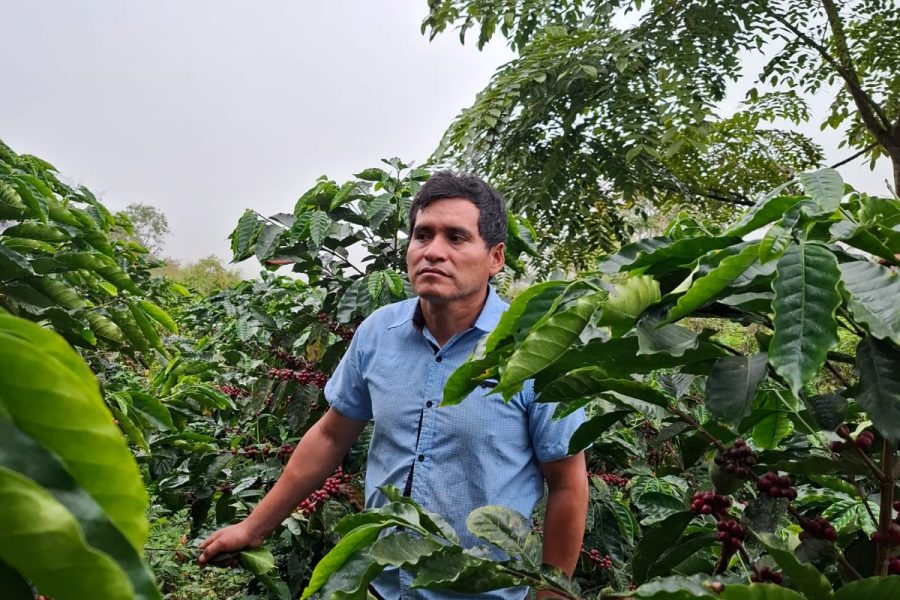
Colombian coffee farms are often small family plots. Many farmers belong to cooperatives that help with milling, quality control and sales. Buying from roasters who name the producer or the co-op helps the money reach the people who grow the coffee.
Frequently Asked Questions
Is Huila a good starter origin?
Yes. It is balanced, sweet and easy to enjoy.
IndieRoastersItaly exists to bring lots like this one home. We pick each one together with small Italian roasters, and roast it to order. The project is still building its waitlist. Visit the IndieRoastersItaly homepage to sign up and find out when the first subscription starts.
Keep reading: Arabica Coffee Varieties: 5 Differences Between Typica, Bourbon and Caturra · Peru Coffee: 7 Essential Facts About Its Sweet, Organic Cups
This article was written with the support of artificial intelligence for content structuring, and was fully reviewed, verified, and refined by the author.
Related reading: Brazilian Coffee Explained · Costa Rica Coffee: 7 Facts About Its Bright, Sweet Cup · Antigua Guatemala Coffee: The Essential Guide · Honduras coffee