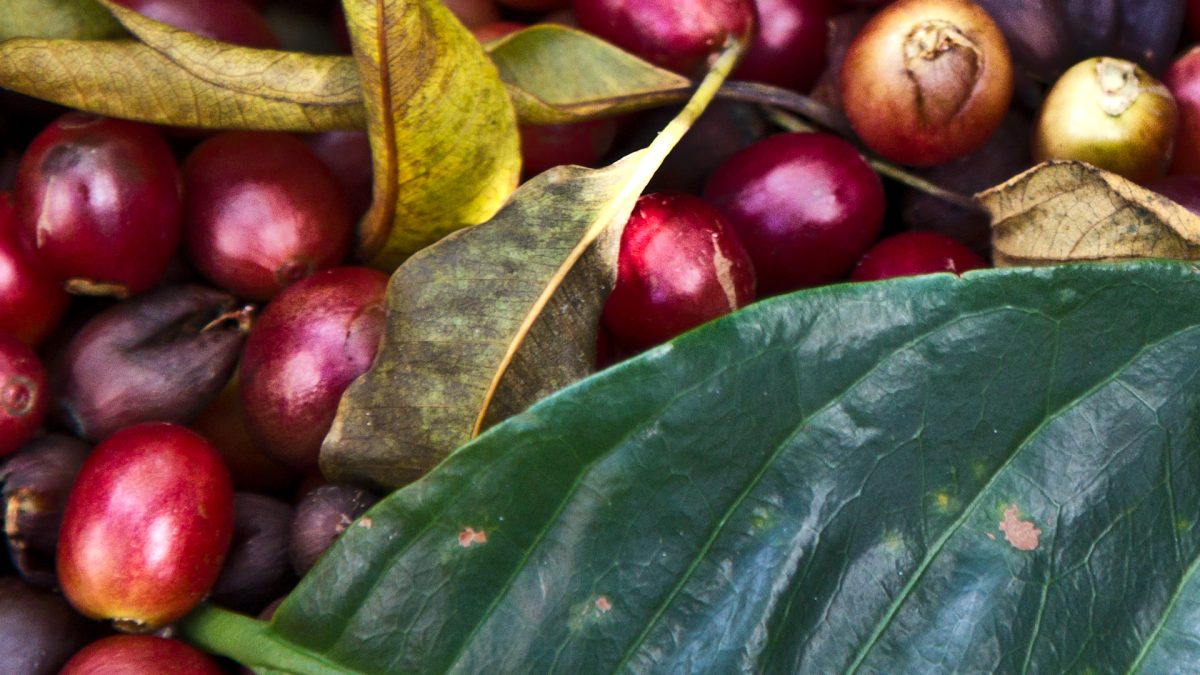
Honduras coffee is one of the quiet success stories of the specialty world. For years, many drinkers ignored it. Today, more roasters and cafés are proud to put it on the menu. The cup is sweet, balanced, and easy to love.
This guide gives you seven essential facts about Honduras coffee. You will learn where it grows, how it tastes, and how to brew it well. We will also look at how Italian roasters tend to treat Central American beans.
1. Honduras is a Central American coffee giant
Honduras is one of the largest coffee producers in Central America. Coffee is a major source of income there. Well over 100,000 families grow it, and most of them run small farms. A typical farm is a few hectares of trees, often tended by the whole family.
Because the farms are small, quality can vary a lot from one lot to the next. That is good news for curious drinkers. It means there are real gems to find if you know where to look. You can read a short overview on Wikipedia’s page on coffee production in Honduras.
2. Six regions shape the flavor of Honduras coffee
Honduras has six official coffee regions. They are Copán, Opalaca, Montecillos, Comayagua, El Paraíso, and Agalta. Each has its own climate, soil, and altitude.
Copán, in the west, often gives sweet cups with red fruit and chocolate. Montecillos, home to the town of Marcala, is known for balance and a silky body. El Paraíso, in the east, tends to give brighter, citrus-like notes. Agalta, in the northeast, is a newer area that more roasters are beginning to explore.
These are broad tendencies, not rules. Always read the label for the farm, the altitude, and the process. Those details tell you more than the region alone.
3. Marcala was the first to earn a protected origin
In 2005, Marcala became the first Honduran coffee to receive a designation of origin. That label protects the name. It also links the coffee to a specific place and a set of quality standards.
Marcala sits in the highlands of the La Paz area. The air is cool, and the coffee ripens slowly. Slow ripening gives denser beans and more sugar. Many drinkers describe Marcala cups as smooth, with caramel, nuts, and soft orange acidity.
If you want a first taste of Honduras coffee, a Marcala lot is a safe and delicious place to start.
4. Altitude decides the grade
Honduran coffee is graded by altitude. The top grade is called SHG, which stands for strictly high grown. It usually refers to coffee grown above roughly 1,500 meters. Below that sit the high grown and central standard grades.
Altitude matters for a simple reason. Higher places are cooler, so cherries ripen more slowly. Slower ripening builds more complex sugars and acids. That is why high-altitude lots often taste sweeter and brighter.
Altitude is not the whole story, though. Good picking, careful drying, and clean processing matter just as much. A well-handled coffee at 1,300 meters can beat a careless one at 1,700.
5. The main varieties are familiar and new
Many Honduran farms grow classic varieties like Typica, Bourbon, Caturra, and Catuaí. These are loved for their sweetness and clean cup. You can learn more in our guide to Arabica coffee varieties.
Newer varieties have also spread, including Lempira and Parainema. These were bred or selected to resist coffee leaf rust, a fungal disease. A serious rust outbreak hit Central America around 2012 and 2013. It hurt Honduran farmers badly. Many replanted with hardier trees, and quality has kept improving.
Some producers now grow rare varieties like Geisha too. Those lots are small and pricey, but they show how far the country has come.
6. Processing shapes the cup
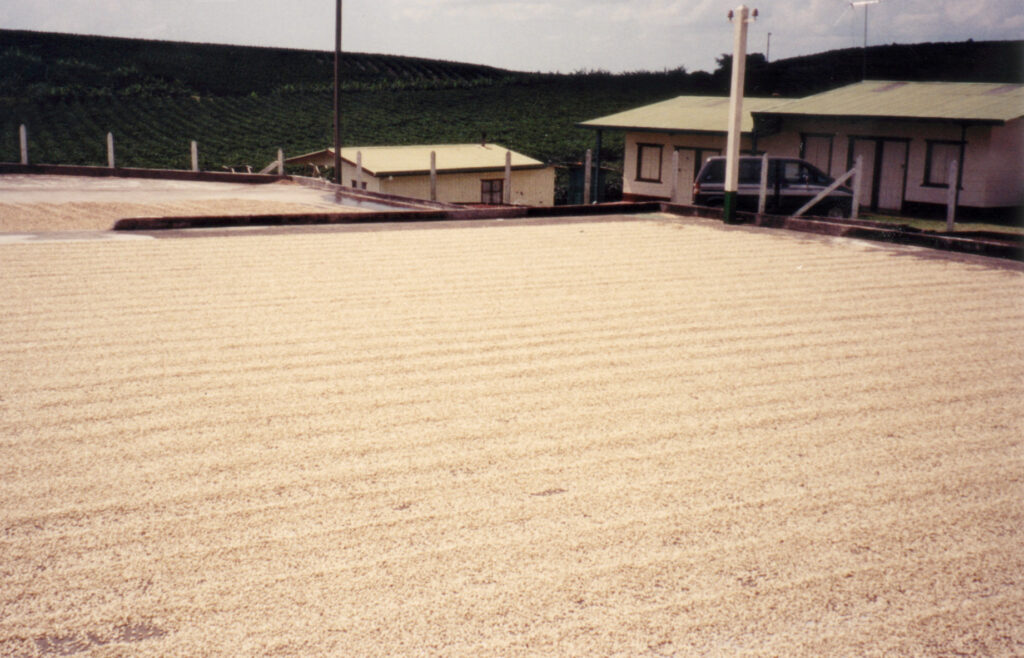
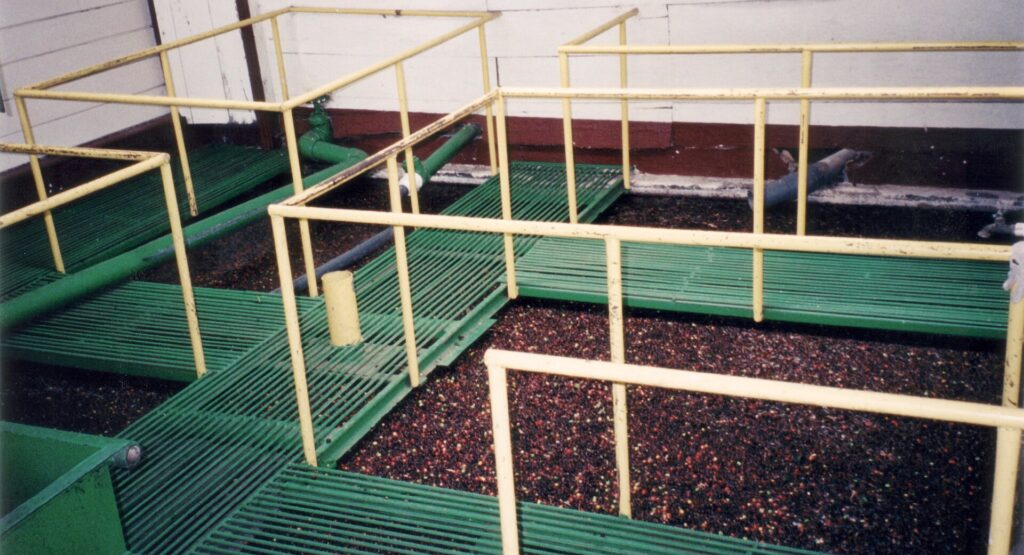
Most Honduras coffee is washed. Farmers pick ripe cherries, remove the skin and pulp, ferment the beans briefly, and wash them. Then they dry the beans on patios or raised beds. Washed coffee tends to taste clean, bright, and crisp.
In recent years, more farms have tried honey and natural processing. Honey process leaves some fruit sticky on the bean as it dries. Natural process dries the whole cherry. These methods bring out more sweetness and fruity notes. We explain the differences in our guide to coffee processing methods.
Drying is a delicate step. If beans dry too fast or too unevenly, flavor suffers. That is why good producers watch their patios closely and turn the coffee often.
7. The cup is sweet, balanced, and versatile
So what does Honduras coffee taste like? Expect caramel, milk chocolate, toasted nuts, and red apple. Higher lots may add citrus, plum, or a honey-like sweetness. The body is usually medium, and the acidity is soft and pleasant.
This balance makes it very versatile. It works as a filter coffee, a moka pot brew, and an espresso. In Italy, roasters often like Central American beans for espresso blends and single origins alike, because they give sweetness without harsh edges. The moka is the stovetop pot found in most Italian homes, and it suits a medium roast from Honduras very well.
How to brew Honduras coffee at home
Start with fresh beans, ideally roasted within the last month. Grind just before brewing. For a pour-over, try 15 grams of coffee for 250 grams of water. Use water just off the boil, around 93 degrees Celsius.
Pour in slow circles. Aim for a total brew time of about three minutes. If the cup tastes sour or thin, grind a bit finer. If it tastes bitter or dry, grind a bit coarser. Our guide to the coffee-to-water ratio can help you fine-tune this.
For a moka pot, fill the base with hot water up to the valve. Add a medium-fine grind without pressing it down. Heat gently and remove the pot as soon as the coffee starts to sputter. You will get a rich, chocolatey cup.
Common mistakes to avoid
The first mistake is buying old coffee. Coffee loses aroma within weeks of roasting, so check the roast date. The second is using water that is too hot or too cool. Both throw the balance off.
The third is ignoring storage. Keep your beans in an airtight container, away from light and heat. The fourth is judging a coffee after one brew. Try it a few ways, and change only one thing at a time.
Quick answers about Honduras coffee
Is Honduras coffee good for espresso?
Yes. Its sweetness and gentle acidity suit espresso well. Medium roasts give a creamy shot with chocolate and caramel notes.
Is Honduras coffee the same as Colombian coffee?
They share a sweet, balanced style, but they are not the same. Honduras coffee often feels softer and nuttier. Colombian lots can be brighter and more fruity, depending on the region.
When is the harvest?
The main harvest runs from about November to March or April, depending on altitude. Higher farms harvest later. Look for coffees from the most recent harvest for the freshest flavor.
What roast level suits it best?
Light to medium roasts show its fruit and sweetness. Medium to medium-dark roasts bring out chocolate and nuts. Try both and see which you prefer.
Why Honduras coffee deserves your attention
Honduras coffee proves that great specialty coffee does not need a famous name. It offers sweetness, balance, and real variety, from bright Copán lots to silky Marcala cups. The country has recovered from hard years and is investing in quality.
Next time you see Honduras on a label, give it a try. Look for the region, the altitude, and the roast date, and brew it with care. You may find a new everyday favorite.
At IndieRoastersItaly, we are building a subscription for specialty coffee from independent Italian roasters, roasted to order. If you want to taste what small-batch Italian roasting can do, join the waitlist on our homepage.
Related reading: El Salvador coffee: Bourbon, Pacas and Pacamara · Peru Coffee: 7 Essential Facts About Its Sweet, Organic Cups
This article was written with the support of artificial intelligence for content structuring, and was fully reviewed, verified, and refined by the author.