Tiramisu may be the most famous coffee dessert on earth. You can find it in a Tokyo café, a New York diner and a tiny trattoria in the Alps. Yet it is younger than you might think, and its birthplace is still a matter of hot debate in Italy. The history of tiramisu is a story of family kitchens, rival regions and, above all, good coffee.
In this article we follow that story from its first traces to its world fame. We also look at the part coffee plays, and why the cup you soak your biscuits in matters more than any other step.
What Is Tiramisu?
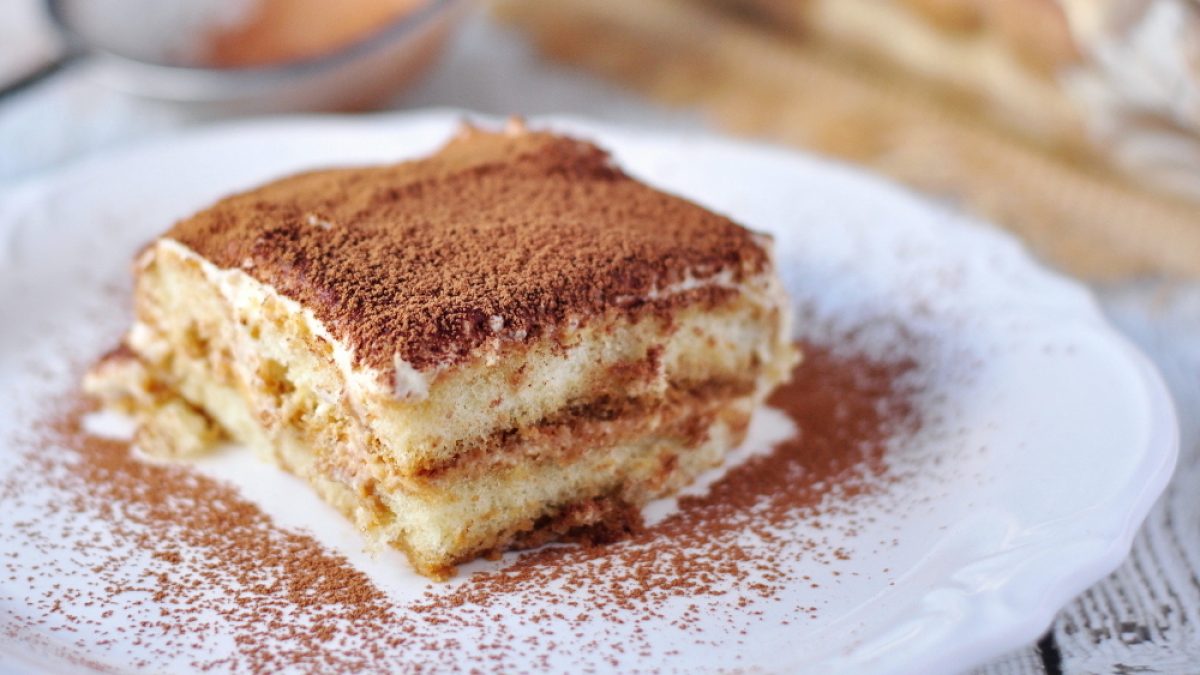
Tiramisu is a layered dessert served cold. Its base is savoiardi, the light, dry biscuits known in English as ladyfingers. They are dipped in coffee, then layered with a soft cream of egg yolks, sugar and mascarpone, a rich fresh cheese from Lombardy. A dusting of bitter cocoa goes on top.
The name comes from the Italian phrase “tirami su”, which means “pick me up” or “cheer me up”. It is easy to see why. Coffee, sugar and cocoa make a sweet little lift at the end of a meal.
The History of Tiramisu: A Young Classic
Many people imagine tiramisu as an old recipe passed down from grandmother to grandchild. The records say otherwise. The dessert does not appear in Italian cookbooks before the 1960s. It is missing from Italian dictionaries of the 1970s and first shows up in one in 1980. English dictionaries followed in the early 1980s.
That makes tiramisu a child of the boom years after the Second World War. Italy was growing richer. Espresso bars had spread across the country, and coffee had become part of daily life. A dessert built on coffee fit that new world perfectly.
Treviso and Le Beccherie
The best known claim comes from Treviso, a quiet city in the Veneto region, near Venice. Here stood Le Beccherie, a restaurant run by Ado Campeol and his wife Alba Di Pillo. According to the family, Alba and the pastry chef Roberto Linguanotto created the dessert in the late 1960s, often dated to Christmas Eve of 1969. It joined the menu in 1972.
The first version was round, with no alcohol. It used only savoiardi, eggs, sugar, mascarpone, coffee and cocoa. When Ado Campeol died in 2021, news outlets across the world called him “the father of tiramisu”.

The Friuli Claim
Not everyone agrees. The nearby region of Friuli-Venezia Giulia has its own story. In the mountain town of Tolmezzo, a cook named Norma Pielli is said to have served a tiramisu cake to hikers in the 1950s. There are also reports of a frozen dessert called “tiremesù” in the town of Pieris as early as 1938.
In 2017, Italy’s Ministry of Agriculture added tiramisu to its list of traditional food products for Friuli-Venezia Giulia. Veneto was not pleased. Its leaders had already tried to win special protection for the dessert, and the quarrel between the two regions made headlines. Today both sides still claim it, and the truth may never be fully settled.
Older Roots and Fun Legends
Some food writers see tiramisu as the child of older sweets. One is sbatudin, a simple mix of egg yolk and sugar that Venetian families gave to children and tired adults as a pick-me-up. Another is zuppa inglese, a layered dessert of sponge and custard. There are wilder tales too, like a story that places its birth in 17th-century Siena. These make good stories, but there is no firm proof behind them.
Why Coffee Is the Heart of Tiramisu
Take away the coffee and tiramisu falls flat. The coffee gives the dessert its bitter edge, which cuts through the sweet, fatty cream. It also gives the biscuits their soft, almost custard-like bite.
In Italy the coffee is usually espresso from a bar machine, or coffee from a moka pot at home. The moka is the small stovetop brewer found in almost every Italian kitchen, such as the classic Bialetti Moka Express. Both give a strong, dense brew. That strength matters, because the cream and sugar soften the flavour a lot.

Tips for the Coffee in Your Tiramisu
- Brew it strong. Use espresso or moka coffee. A weak drip coffee gets lost in the cream. If you only have filter coffee, use a tighter coffee to water ratio.
- Let it cool. Hot coffee turns the biscuits to mush. Cool it to room temperature first.
- Dip, don’t drown. One or two seconds per side is enough. The biscuits keep soaking as the dessert rests.
- Pick a balanced roast. A medium roast with notes of chocolate, caramel or nuts pairs beautifully with mascarpone and cocoa. A very dark roast can taste burnt once it is cold.
- Skip the sugar in the cup. The cream is sweet enough, and the coffee’s bitterness keeps the balance.
How Tiramisu Conquered the World
From the 1980s, tiramisu travelled fast. Italian restaurants abroad put it on their menus, and food magazines printed endless versions. By the 1990s it was one of the best known Italian desserts anywhere.
Along the way, cooks changed it again and again. Some add Marsala wine, rum or a coffee liqueur. Others use whipped cream, swap the coffee for fruit or matcha, or serve it in glasses. Purists in Treviso may frown, but the many twists show how much people love the original idea.
Tiramisu also sits alongside the great Italian coffee rituals. If you want to explore them, read our guide to Italian coffee drinks or the history of espresso, the drink that made tiramisu possible.
Making Tiramisu With Great Coffee
Coffee is the heart of tiramisu. A weak or stale brew makes a flat dessert. Use a strong, fresh coffee, such as espresso or a moka pot brew. Let it cool before you dip the ladyfingers. Dip them quickly, since they soak up liquid fast.
A medium roast with cocoa and nut notes suits the creamy mascarpone well. Avoid coffees with sharp acidity, which can clash with the cream.
Tiramisu Beyond Italy
Today, tiramisu is made all over the world. Cafés add matcha, fruit or caramel twists. Some use plant-based creams. Yet the classic pairing of coffee, cream and cocoa still wins hearts. It shows how a simple idea can travel far.
Final Thoughts
The history of tiramisu is short, lively and still being argued over. Whether it was born in Treviso or in the mountains of Friuli, one thing is clear: it is a dessert made for coffee lovers. Use good beans, brew them strong and let them cool. Your tiramisu will taste the way it did in those first Italian kitchens. For a quick overview with sources, the Wikipedia entry on tiramisu is a good place to start.
Of course, a great tiramisu needs great coffee. That’s the idea behind IndieRoastersItaly: a curated selection of small Italian roasters, with beans roasted to order and sent fresh to your door. Visit our home page and join the waitlist to be among the first to try it.
Related reading: Affogato: Italy’s Drowned Coffee Dessert
This article was written with the support of artificial intelligence for content structuring, and was fully reviewed, verified, and refined by the author.