Everyone knows espresso. Fewer people know bicerin coffee, the layered drink that Turin has served for more than two centuries. It mixes espresso, hot chocolate, and cream in one small glass. It looks simple. Its story is not.
In this article, we trace where the drink came from, why it is never stirred, and how it became a symbol of northern Italy. You will also find a simple way to make it at home.
What Is Bicerin Coffee?
Bicerin (say it “bee-cheh-REEN”) is a hot drink from Turin, the capital of the Piedmont region in northwest Italy. The name comes from the local Piedmontese dialect. It means “small glass,” which is exactly how the drink is served.
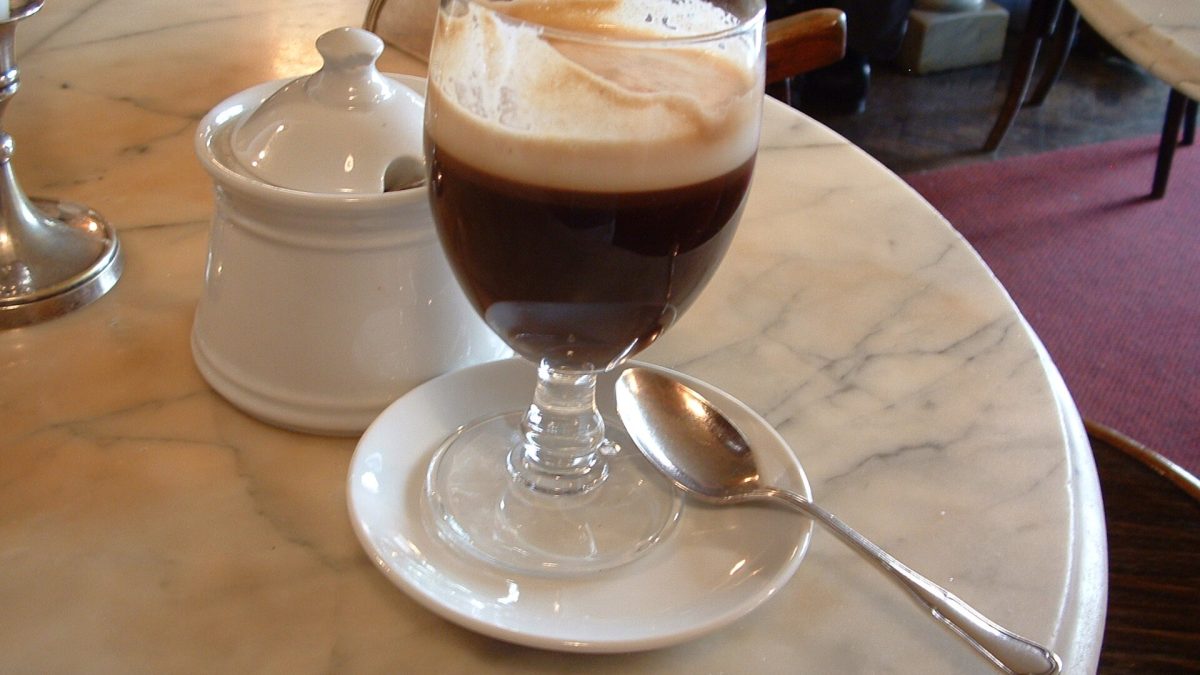
Three layers sit in the glass. At the bottom is thick, hot drinking chocolate. In the middle is espresso. On top is a cap of lightly whipped milk cream. The layers stay separate, and that is the whole point.
You do not stir it. You sip it through the cream, so each mouthful mixes the three flavors a little differently. The first sip is cream and coffee. The last one is rich chocolate.
The Roots: From Bavareisa to Bicerin
Turin was a city of chocolate long before it was a city of espresso. By the 1600s, the royal court of the Savoy family loved drinking chocolate. Cafés and chocolate makers grew around the court.
One popular drink of that era was the bavareisa. It was a tall, warm mix of coffee, chocolate, milk, and sugar, served in a large glass. Some writers trace the name to Bavaria, though the link is debated. Customers drank it for warmth and energy on cold Alpine winters.
The bicerin is often described as a refined cousin of that drink. Instead of mixing everything together, bakers and baristas started pouring the ingredients in layers. The portion also got smaller. The result was lighter on the eye and more elegant.
The Café That Gave the Drink Its Name
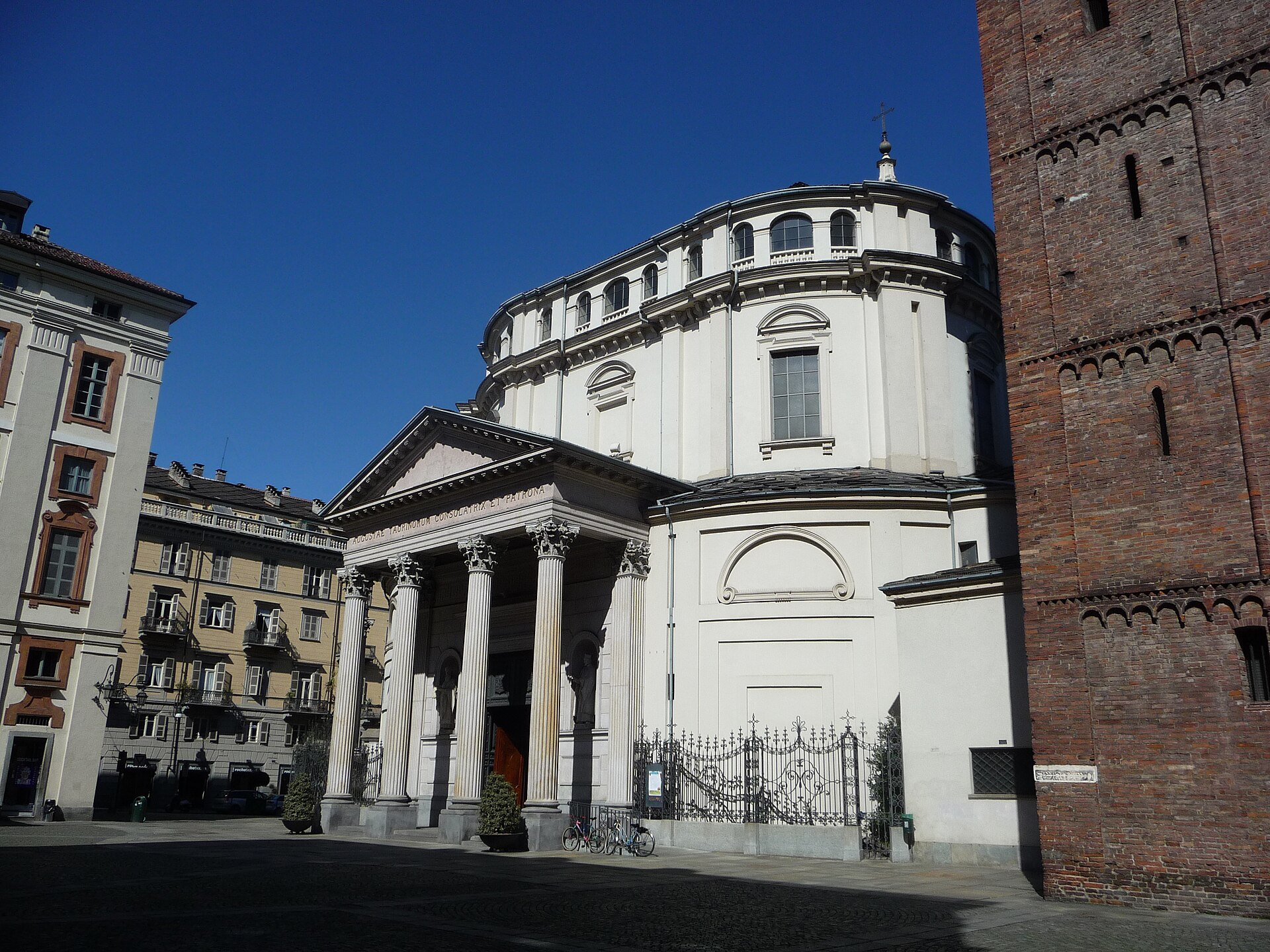
The center of the story is Caffè Al Bicerin. It opened in 1763 on Piazza della Consolata in Turin. It sits right beside the Santuario della Consolata, a well-known church in the old part of the city.
According to widely repeated accounts, the café began as a modest place. It sold coffee, chocolate, and simple drinks to pilgrims and neighbors. Over time, the house version of the layered drink became so famous that the shop took its name. This is said to have happened in the early 1800s.
Today, the café is still there. It is small, with dark wood, marble tables, and mirrors on the walls. Many visitors say it feels like stepping back into the nineteenth century. Its exact recipe is said to be a closely held secret.

Famous Fans of the Little Glass
Bicerin has a long list of well-known admirers. Accounts of the café often mention Camillo Benso, Count of Cavour, a key figure in the unification of Italy. Writer Alexandre Dumas is said to have praised the drink. The composer Giacomo Puccini, philosopher Friedrich Nietzsche, and author Italo Calvino are also linked to the place.
Not every story can be checked. Café legends tend to grow over time. Still, the repeated names show how deeply the drink belongs to Turin’s cultural life. For a wider look at Italy’s old cafés, see our piece on historic cafés in Italy.
Why Turin? The Chocolate and Coffee Connection
Turin is one of Europe’s chocolate capitals. The city is known for gianduja, a sweet paste of chocolate and hazelnuts. During the Napoleonic era, cocoa became scarce and expensive. Chocolate makers stretched it with local hazelnuts. That gave the city a lasting chocolate craft.
Coffee arrived through the port cities and trade routes of the Mediterranean. Cafés grew into social spaces for writers, officers, and politicians. Mixing the two prized drinks in one glass felt natural in a city that loved both.
If you want the wider story of Italian coffee, our guides to the history of espresso and the history of the moka pot are good next reads. The moka is the small stovetop brewer many Italian homes use for daily coffee.
How Bicerin Differs from Other Coffee-Chocolate Drinks
Coffee and chocolate drinks exist around the world. The bicerin stands out for a few reasons.
- Mocha: A café mocha usually blends espresso, chocolate syrup, and steamed milk into one smooth drink. The bicerin stays in layers.
- Marocchino: This Italian drink layers espresso, cocoa powder, and milk foam in a small glass. It is lighter on chocolate and uses foam, not cream.
- Hot chocolate with coffee: Many versions are simply mixed. They lack the contrast of textures.
Our overview of Italian coffee drinks covers more of these local specialties.
How to Make Bicerin at Home
You can make a good home version without secret recipes. It will not match the original, but it captures the spirit. Here is a simple approach for one serving.
What You Need
- A small clear glass, about 100 to 120 ml.
- One shot of strong coffee. Espresso is ideal. Moka pot coffee also works well.
- About 60 ml of milk and 30 g of dark chocolate, melted together into a thick drink.
- About 40 ml of fresh cream, lightly whipped.
Steps
- Melt the chocolate gently with the milk. Stir until thick and smooth.
- Pour the hot chocolate into the glass.
- Brew the coffee. Pour it slowly over the back of a spoon so it floats on the chocolate.
- Spoon the lightly whipped cream on top. It should be soft, not stiff.
- Serve at once, and do not stir.
Use a good dark chocolate with real cocoa flavor. Choose fresh coffee from a small roaster. The quality of both ingredients shows in a drink this simple.
When and How to Enjoy Bicerin Coffee
Bicerin is rich, so it works best as a treat. In Turin, people often enjoy it as an afternoon pause. Some have it at breakfast with a plain biscuit. Others order it after a walk on a cold day.
Pair it with something light and not too sweet. A simple shortbread, a few hazelnuts, or a dry cookie all work well. Avoid heavy cakes, since the drink already carries plenty of sweetness and fat.
Serve it in a glass, not a ceramic mug. The layers are part of the show. A clear glass lets you see them before the first sip. A small spoon helps you lift the cream, though many people simply drink straight from the rim.
Finally, drink it while it is hot. As it cools, the cream thickens and the chocolate settles. The balance shifts, and the drink loses its charm. Slow sips are fine, but do not let it sit for half an hour.
Common Mistakes When Making It
- Stirring it. You lose the layers and the experience.
- Pouring too fast. The coffee will punch through the chocolate. Use the back of a spoon.
- Over-whipping the cream. Stiff cream sinks poorly and tastes heavy.
- Using weak coffee. It disappears behind the chocolate.
- Making it too sweet. Balance is the goal, so choose dark chocolate.
Frequently Asked Questions
Is bicerin served hot or cold?
It is traditionally served hot. The chocolate and coffee should be warm so the layers feel comforting.
Does bicerin contain alcohol?
The classic drink does not. You may see bottled bicerin liqueurs, but those are separate products.
Where can I try the original?
Visit Caffè Al Bicerin in Turin, beside the Santuario della Consolata. Many other cafés in Turin also serve their own versions. For general background, see the Wikipedia entry on bicerin.
Can I use instant coffee?
You can, but the result will be weak. Use real espresso or strong moka coffee for the best balance.
Final Thoughts
Bicerin coffee is more than a sweet treat. It is a small piece of Turin’s history in a glass. It shows how Italians turn simple ingredients into rituals. Make one at home, sip it slowly, and let each layer tell its part of the story.
At IndieRoastersItaly, we are building a way to bring fresh, roasted-to-order coffee from independent Italian roasters to coffee lovers around the world. If that sounds like your kind of cup, visit our homepage and join the waitlist.
Related reading: Marocchino coffee history
This article was written with the support of artificial intelligence for content structuring, and was fully reviewed, verified, and refined by the author.