
Most people blame the beans when a cup tastes off. Often the real culprit is the coffee water temperature. Water that is too hot burns the grounds. Water that is too cool leaves the best flavors behind. In this guide, you will learn the exact range to aim for and how to hit it at home.
We will cover the science in plain words, then go method by method. You will also see how roast level and water quality change the picture. No special gear is required to get started.
Why Coffee Water Temperature Matters
Brewing is simply extraction. Hot water pulls flavor compounds out of ground coffee. Different compounds dissolve at different speeds. Acids and fruity notes come out first. Sugars come next. Bitter, heavy compounds arrive last.
Temperature controls the speed of that process. Hotter water extracts faster and pulls more of the bitter, harsh stuff. Cooler water extracts slowly and can leave you with a thin, sour cup. The goal is balance, and a few degrees can tip the scale.
Think of it like cooking an egg. Too little heat and it stays raw. Too much and it turns rubbery. Coffee is just as sensitive, even if the signs are subtler.
The Golden Range: 195–205°F (90–96°C)
The Specialty Coffee Association recommends brewing between 195°F and 205°F. That is about 90°C to 96°C. Most professional baristas and roasters work inside this window. It is a reliable starting point for almost any method.
Notice that this is below boiling. Water boils at 212°F (100°C) at sea level. Pouring fully boiling water straight onto fresh grounds is a common mistake. It can scorch delicate coffee and flatten its aroma.
If you want a deeper look at how brewing works in general, the Wikipedia overview of coffee preparation is a useful companion read.
Coffee Water Temperature by Brewing Method
Each method has its own needs. Contact time, grind size, and pressure all interact with heat. Here are sensible starting points for the most popular ways to brew.
Pour Over (V60, Chemex, Kalita)
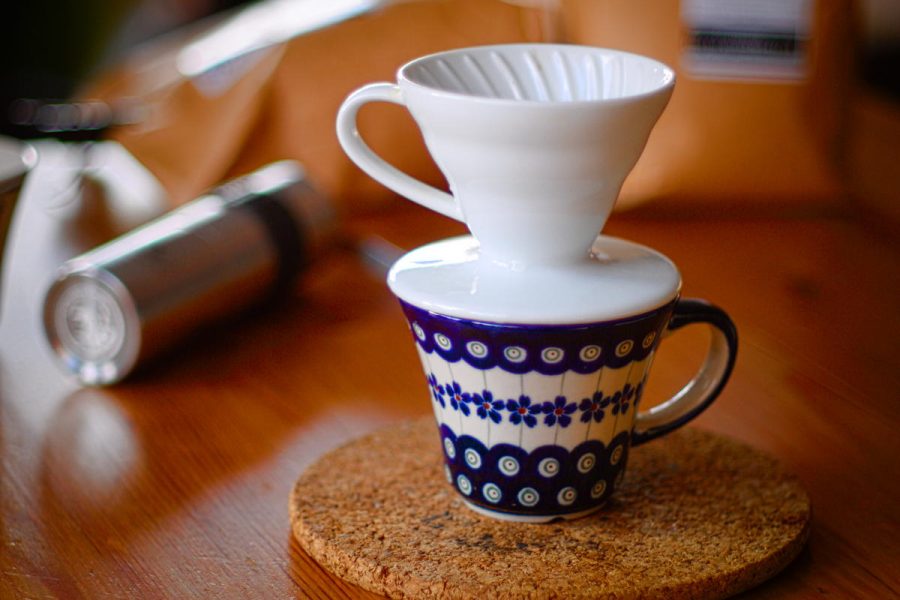
Aim for 195–205°F. Lighter roasts often shine at the upper end, around 200–205°F. The extra heat helps extract their dense, bright structure. Darker roasts do better a little lower, near 195°F.
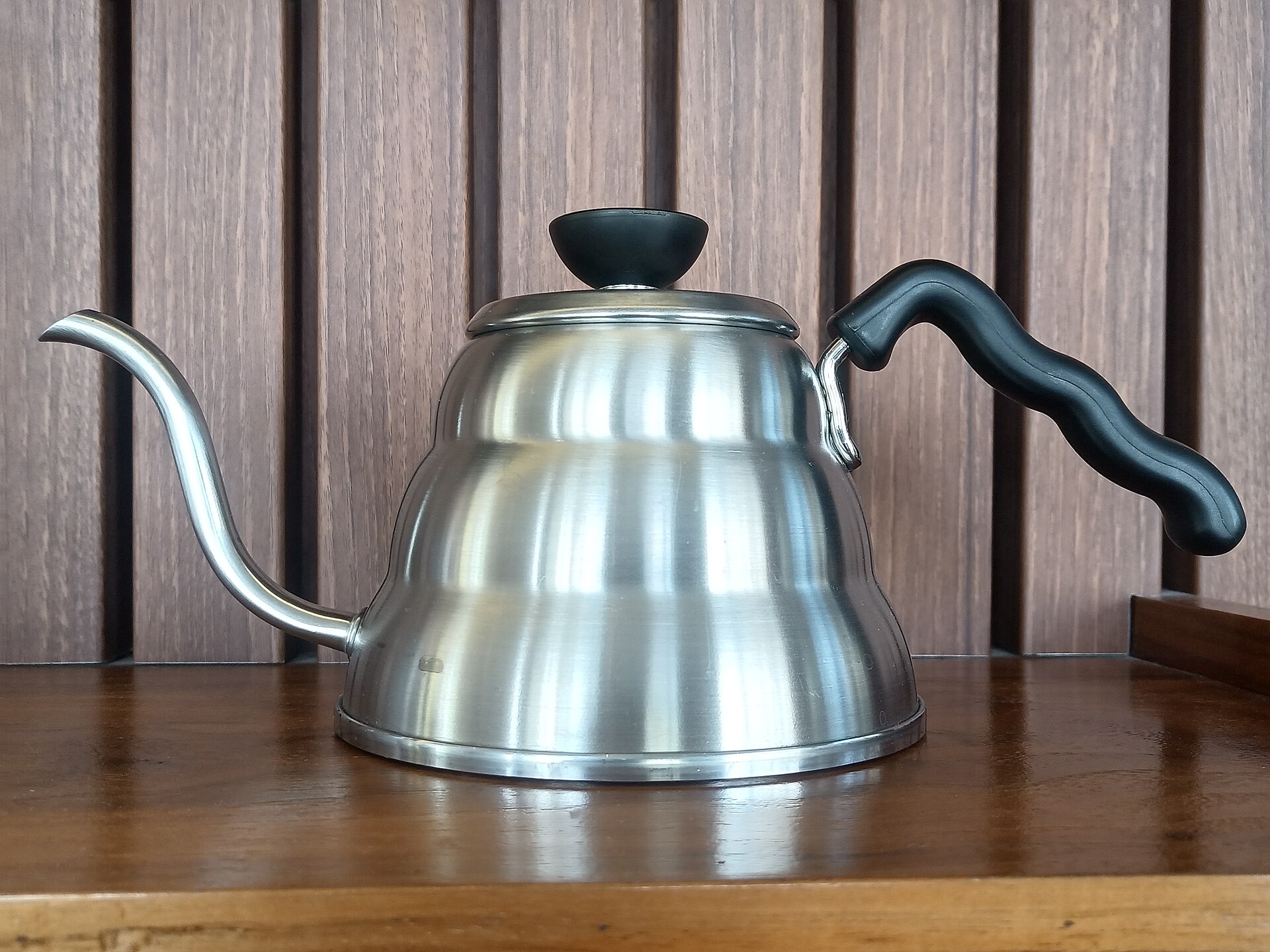
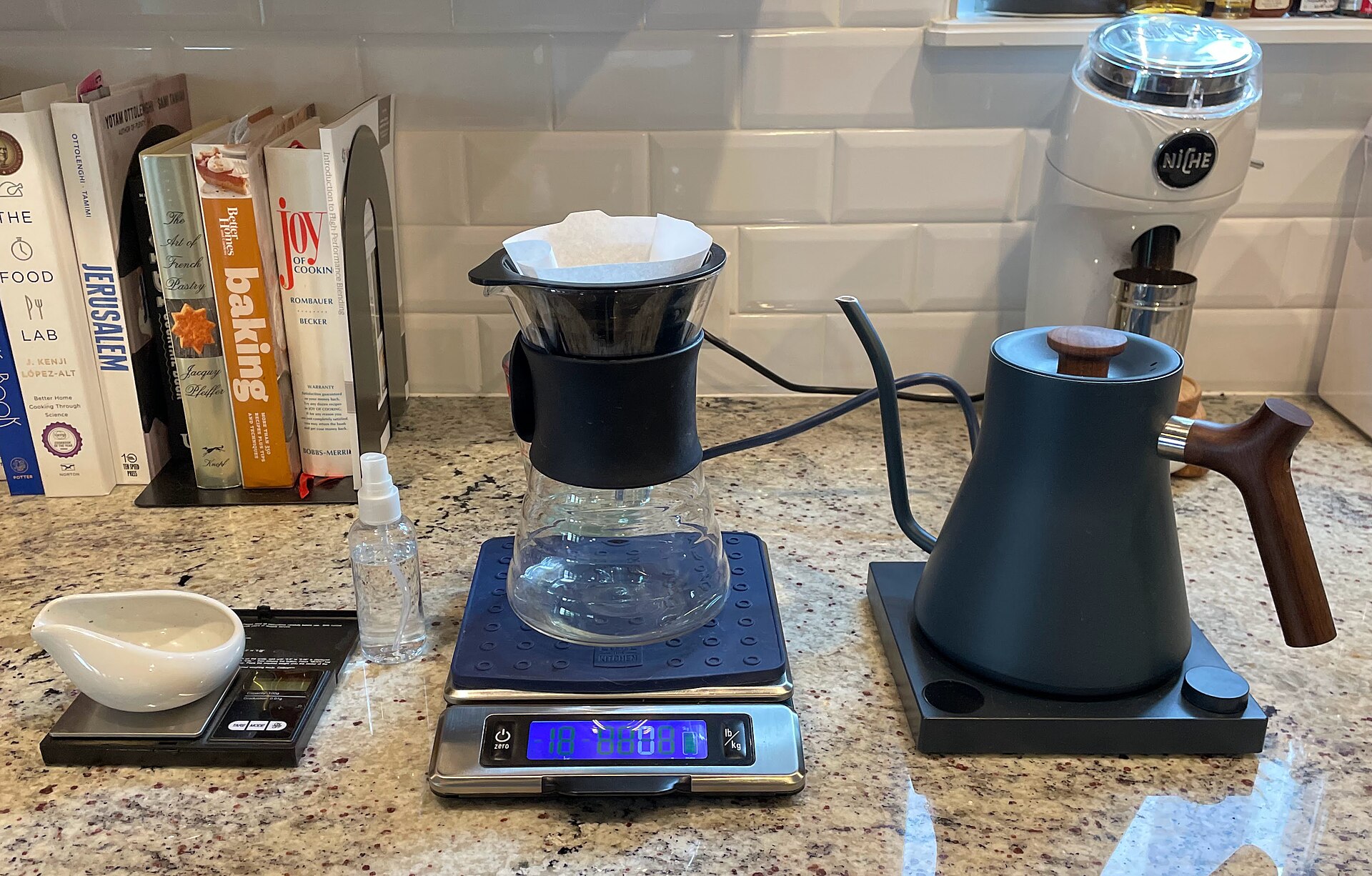
Pour over also loses heat fast. The water cools as it leaves the spout and again in the dripper. A variable-temperature gooseneck kettle makes this easy to control. For a full walkthrough, see our V60 coffee guide.
Espresso
Espresso machines usually run between 195°F and 205°F at the brew group. Many baristas settle near 200°F (93°C). Because espresso is brewed under pressure for only 25–30 seconds, small shifts show up quickly in the cup.
If your shot tastes sour, raise the temperature a degree or two. If it tastes harsh and bitter, lower it. Change only one thing at a time, so you know what caused the result.
French Press
French press is a full immersion method. The grounds sit in the water for about four minutes. Water around 200°F (93°C) works well. Because the contact time is long, going hotter is rarely needed.
AeroPress
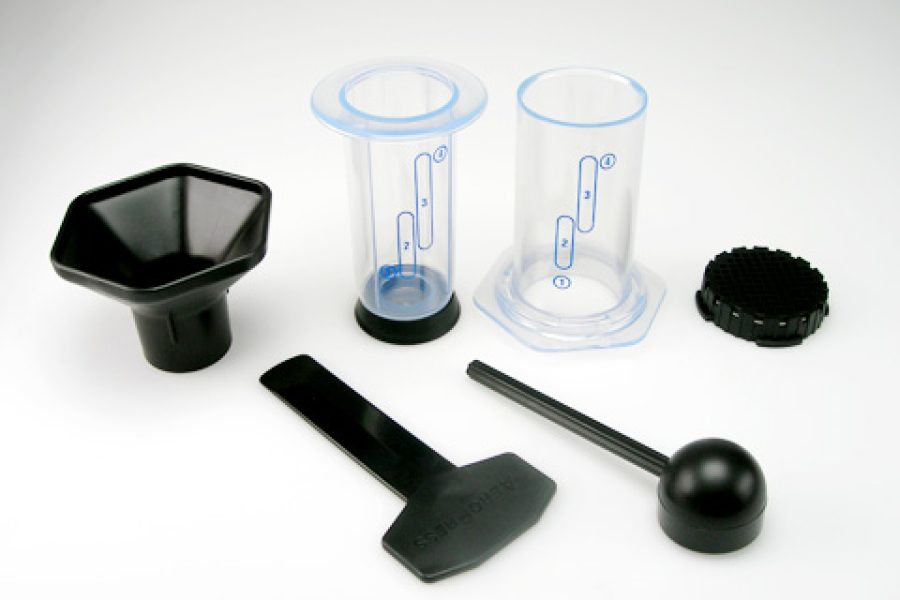
The AeroPress is flexible. Many recipes use water between 175°F and 205°F. Lower temperatures give a smoother, sweeter cup with less bitterness. That is why many competition recipes drop to 185°F or less, especially for dark roasts.
Moka Pot
The moka is the classic Italian stovetop brewer. It is a small aluminum or steel pot that pushes water up through the coffee using steam pressure. You do not set the temperature directly. Instead, you control the heat on the stove.
A useful trick is to fill the base with hot water instead of cold. This shortens the time the grounds spend warming up on the flame. It helps avoid a metallic, over-cooked taste. Use medium-low heat and remove the pot as soon as it starts to gurgle.
Cold Brew
Cold brew breaks the rules on purpose. The coffee steeps in room-temperature or refrigerated water for 12 to 24 hours. Time replaces heat. The result is low in acidity and very smooth.
How Roast Level Changes the Ideal Temperature
Roast level changes how easily coffee gives up its flavor. Lighter roasts are denser and more compact. They need more energy to open up. Hotter water, near 205°F, helps them show their sweetness and florals.
Darker roasts are more brittle and porous. They extract quickly. Hot water can push them into bitter, ashy territory. Try 190–195°F and see how the cup softens.
This is a rule of thumb, not a law. Freshness, grind, and origin all play a part. If you buy from small roasters, ask them for their preferred recipe. Many print a suggested temperature on the bag.
How to Hit the Right Temperature Without Fancy Gear
You do not need a smart kettle to do this well. A simple method works for most home brewers.
- Bring fresh water to a full boil.
- Turn off the heat and let it rest for 30 to 45 seconds.
- Pour a little into your empty brewer to preheat it, then discard it.
- Brew as usual.
After a minute off the boil, water usually sits near 200°F. That falls right in the golden range. It is not exact, but it is far better than guessing.
If you want precision, a kitchen thermometer is cheap and accurate. A kettle with a built-in temperature setting is even easier. Either one removes the guesswork.
Preheat Everything
A cold dripper, mug, or carafe steals heat from your brew. A rinse with hot water fixes this. It also removes any papery taste from the filter. This simple habit often gains you several degrees of stability.
Water Quality: The Other Half of the Equation
Temperature is only one variable. The water itself matters just as much. Coffee is about 98 to 99 percent water, so its mineral content shapes the cup.
Minerals help water grab flavor from the grounds. Water that is too soft, like distilled water, tastes flat. Water that is too hard can taste chalky and cause limescale in your gear. See the explanation of hard water if you want the basics.
The SCA suggests water with about 150 mg/L of total dissolved solids, a neutral pH, and no chlorine taste. You do not need a lab. Start with these simple steps:
- Use filtered water if your tap water tastes of chlorine.
- Avoid distilled water and avoid very hard water.
- Taste your water on its own. If it tastes bad, your coffee will too.
Common Mistakes to Avoid
- Using boiling water straight from the kettle. Let it rest first.
- Ignoring the cold brewer. Preheat it every time.
- Changing many things at once. Adjust one variable per brew.
- Blaming the beans first. Check temperature, grind, and ratio before you switch coffee.
- Reheating water. Boil fresh water each time for a cleaner taste.
Grind size and dose matter here too. Our guides on coffee grind size and the coffee-to-water ratio pair well with this one.
Quick Troubleshooting: Sour or Bitter?
Taste is your best thermometer. Use it as a guide.
- Sour, sharp, or thin: the coffee is under-extracted. Raise the temperature, grind finer, or extend brew time.
- Bitter, dry, or harsh: the coffee is over-extracted. Lower the temperature, grind coarser, or shorten the brew.
- Flat and dull: check freshness and water quality.
Keep a small note of each brew. Write the temperature, grind, and your impressions. After a week, you will see patterns that no guide can give you.
Frequently Asked Questions
Is boiling water bad for coffee?
Not always, but it is often too hot. Boiling water can over-extract and emphasize bitterness. Letting it rest for about 30 to 45 seconds is a simple fix.
What is the best coffee water temperature for a beginner?
Start near 200°F (93°C). It sits in the middle of the recommended range and works for most methods and roasts. Adjust from there by taste.
Does temperature matter for cold brew?
Not in the same way. Cold brew relies on long steeping time instead of heat. Keep the water clean and the steep time consistent.
Do I need a special kettle?
No. A special kettle makes things easier, but the boil-and-wait method gets you close. Many great cups are made with a plain pot.
Final Thoughts
Coffee water temperature is one of the easiest levers you can pull. Stay between 195°F and 205°F, adjust for roast and method, and use clean water. Then taste and tweak. Small changes add up fast.
At IndieRoastersItaly, we are building a way to bring fresh, roasted-to-order coffee from independent Italian roasters to coffee lovers around the world. If that sounds like your kind of cup, visit our homepage and join the waitlist.
Related reading: Best gooseneck kettles with temperature control
This article was written with the support of artificial intelligence for content structuring, and was fully reviewed, verified, and refined by the author.