Marocchino coffee is a tiny drink with a big story. It is a small glass of espresso, milk foam and cocoa powder. Italians drink it at the bar in a few quick sips. (In Italy, a “bar” is the local café.) Here are five facts that explain where it comes from and why it still works.
Marocchino coffee was born in Alessandria
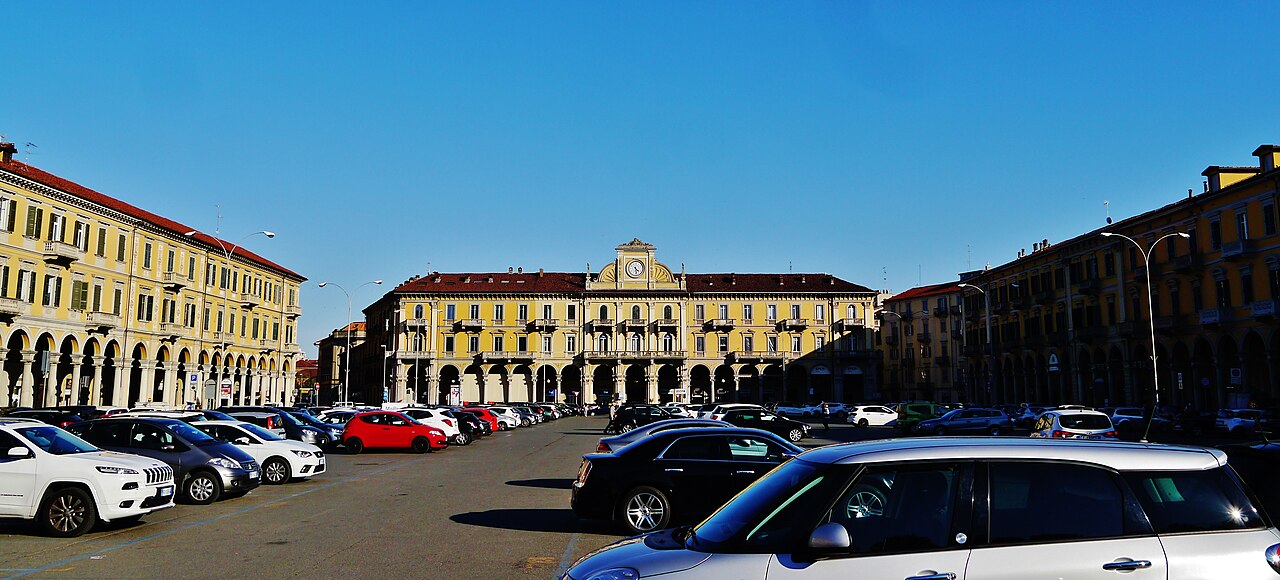
Most accounts place the birth of the drink in Alessandria, a city in Piedmont, in northern Italy. The usual story names Bar Carpano, a café across from the Borsalino hat factory. The exact date is unclear. Some sources say the 1930s. Others say earlier, or just after World War II.
The name comes from hat leather
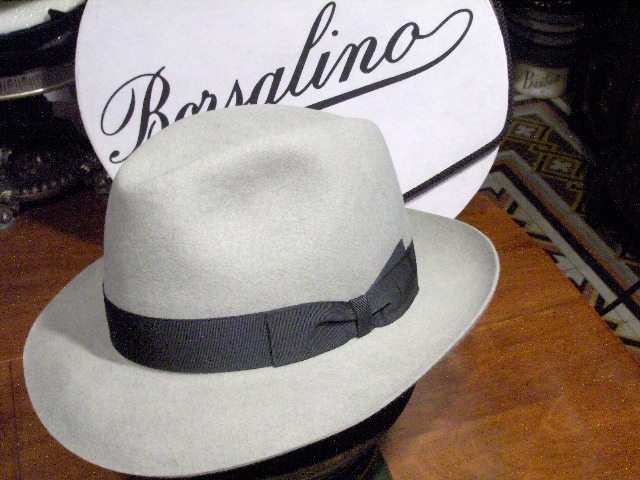
Marocchino means “Moroccan” in Italian. It is also the name of a soft leather. Borsalino used it for the inner band of its famous felt hats. The light brown of the drink looked like that leather. This is the most common explanation, but it is not the only one. You can read more about the Borsalino brand on Wikipedia.
A cousin of the Turin bicerin
Piedmont loves coffee and chocolate together. The bicerin of Turin is older. It layers espresso, chocolate and cream in a small glass. Many writers see the marocchino as a lighter and quicker relative. If you like the idea, read our story of the bicerin.
How a marocchino is built
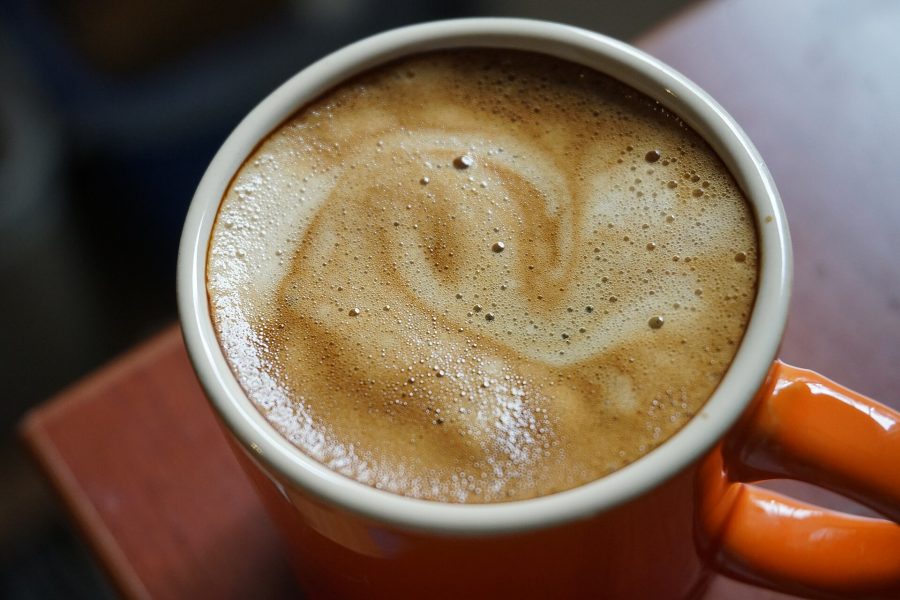
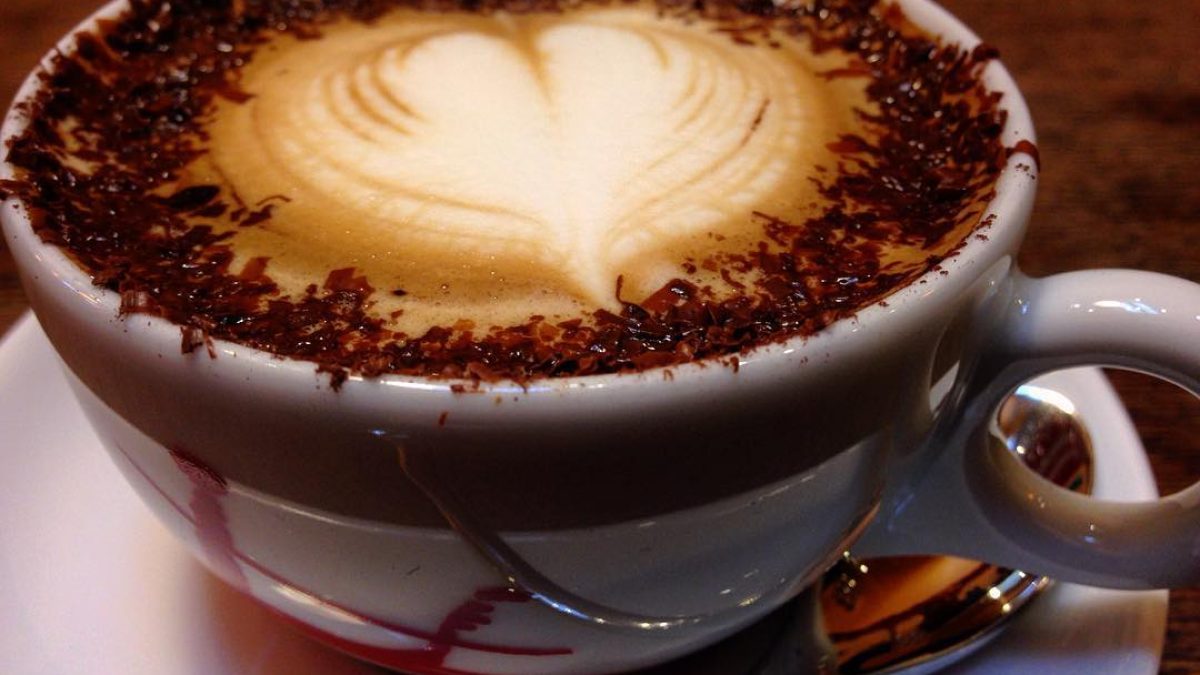
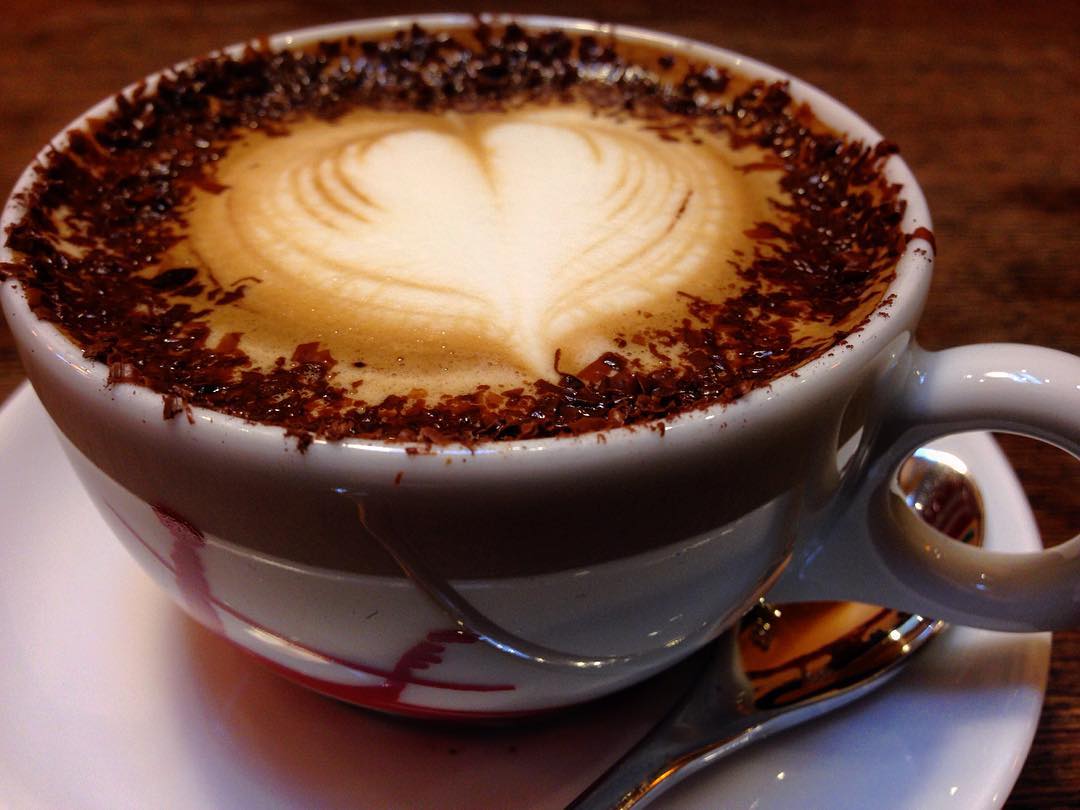
The build is simple. The barista dusts cocoa powder on the inside of a small glass. Then comes a shot of espresso. A spoon of hot milk foam goes on top, with more cocoa. Some bars add a little hot chocolate. Recipes change from bar to bar, and that is part of the charm.
Not a mini cappuccino
People often call it a small cappuccino. That is not quite right. A cappuccino has much more milk, as our guide to the history of the cappuccino shows. The marocchino keeps the espresso in front. The cocoa adds sweetness, but the coffee still leads.
That is why the coffee matters. A flat, bitter shot will fight the cocoa. A sweet and balanced espresso makes the drink shine. This is where a fresh, small-batch roast helps. Our piece on the history of espresso explains how the shot itself became the heart of the Italian bar.
How to order and enjoy it
In Italy, you usually order at the counter and drink standing up. Say “un marocchino, per favore.” In some busy bars you pay at the till first and show the receipt to the barista. Drink it while the foam is warm. Some people stir the cocoa in. Others sip through the layers. Both ways are fine.
You can also make a marocchino coffee at home. Pull a short espresso, or brew a strong shot in a moka pot (the classic Italian stovetop maker). Froth a little milk. Dust cocoa in a small glass, pour the coffee, then add the foam. Use unsweetened cocoa, so the sugar stays low and the coffee stays clear.
Why it still matters
The marocchino is proof that a great drink can be small and simple. It tells a local story of a hat town and its café. It also shows how Italians use cocoa, milk and espresso without hiding the coffee.
IndieRoastersItaly is a project about small Italian roasters and the coffee they make. To follow it, join the waitlist on our homepage.
This article was written with the support of artificial intelligence for content structuring, and was fully reviewed, verified, and refined by the author.