Jamaica Blue Mountain coffee is one of the best-known names in the coffee world. It is also one of the priciest. Is it worth the money? Here are the facts, so you can decide for yourself.
What Is Jamaica Blue Mountain Coffee?
Short answer: it is arabica coffee grown in the Blue Mountains of Jamaica, in a zone set by law. Only coffee from that zone, checked by the national coffee board, can carry the name.
Coffee came to Jamaica in 1728. Sources differ on who brought the first plants. What we know is that the island’s cool, misty hills proved a great home for the crop. The main variety is Typica, one of the oldest arabica types. You can read more about it in our guide to arabica coffee varieties.
Where It Grows: Mist, Rain and Steep Slopes
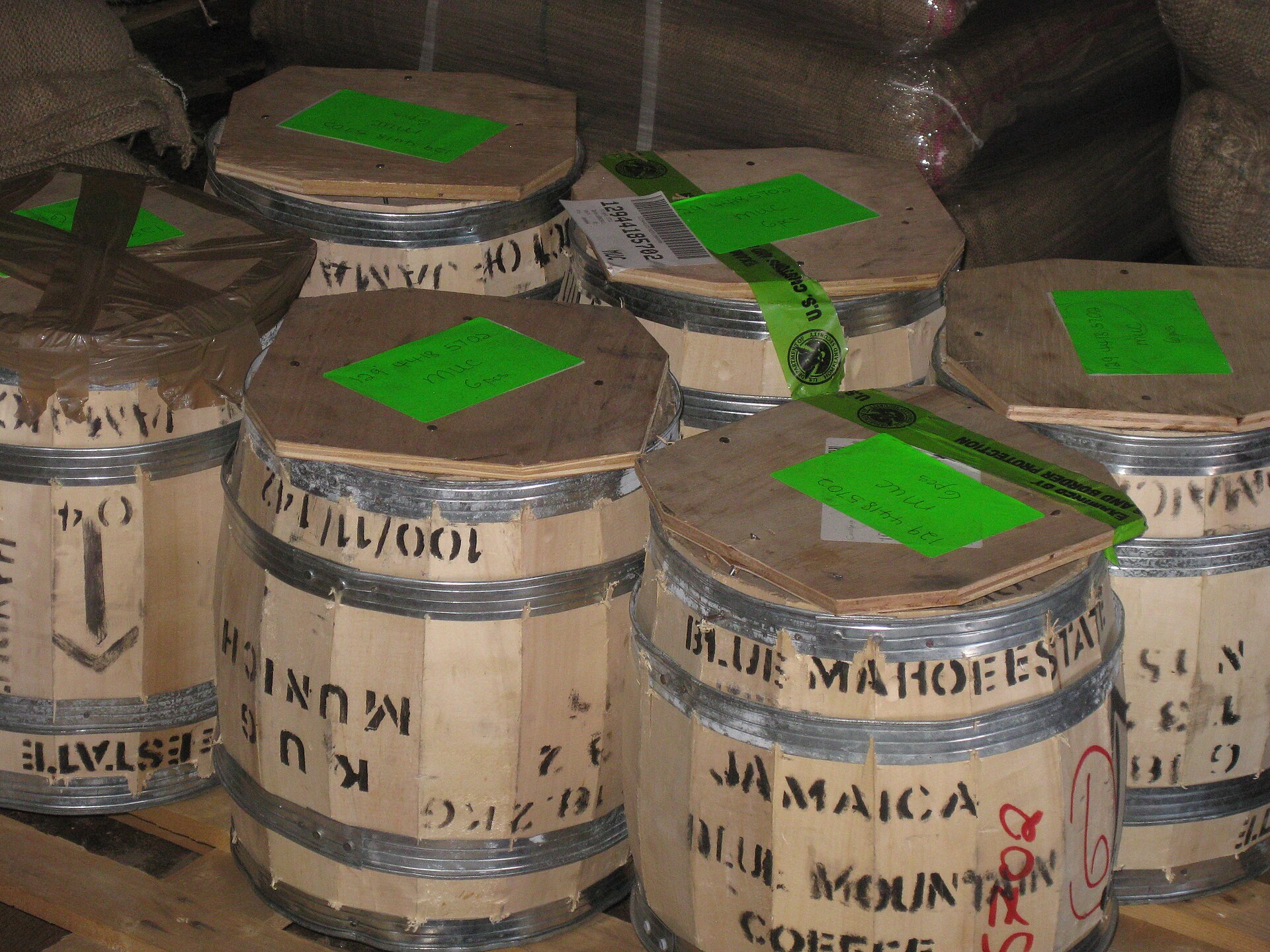
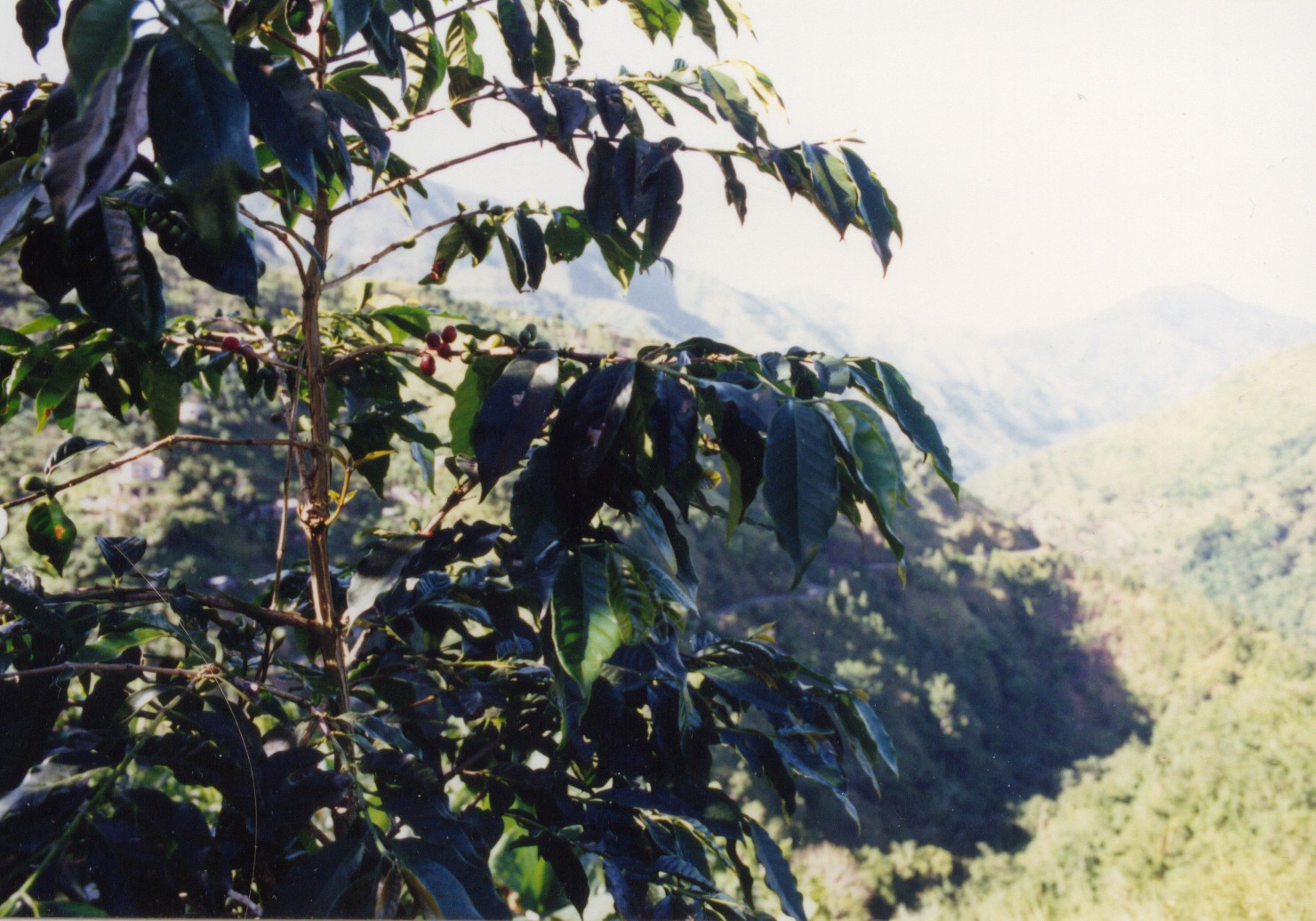
The Blue Mountains rise to about 2,250 meters (7,400 feet) in the east of Jamaica. Blue Mountain coffee grows on the slopes, roughly between 900 and 1,700 meters. Sources give slightly different limits, so treat these numbers as a guide.
Why does this place work so well? The air is cool. Rain is regular. Clouds often cover the farms, which slows the ripening of the cherries. Slow ripening usually means more sugar and a cleaner cup.
Most farms are small. Many are family plots on steep ground, and the picking is done by hand. This is also true in other mountain origins, like Kenya AA.
Why Is Blue Mountain Coffee Packed in Wooden Barrels?
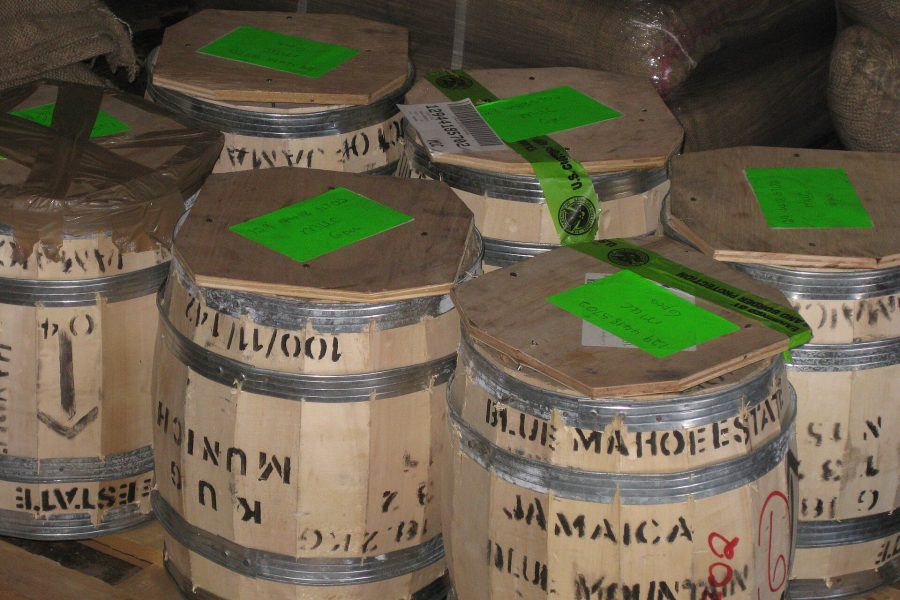
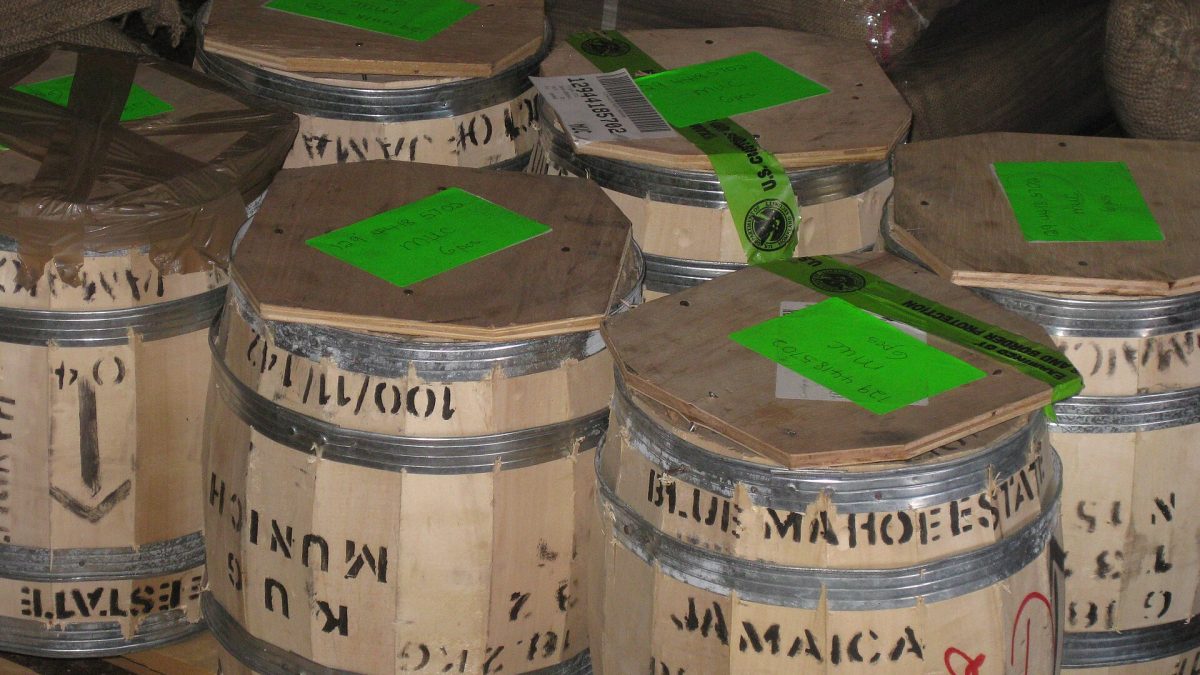
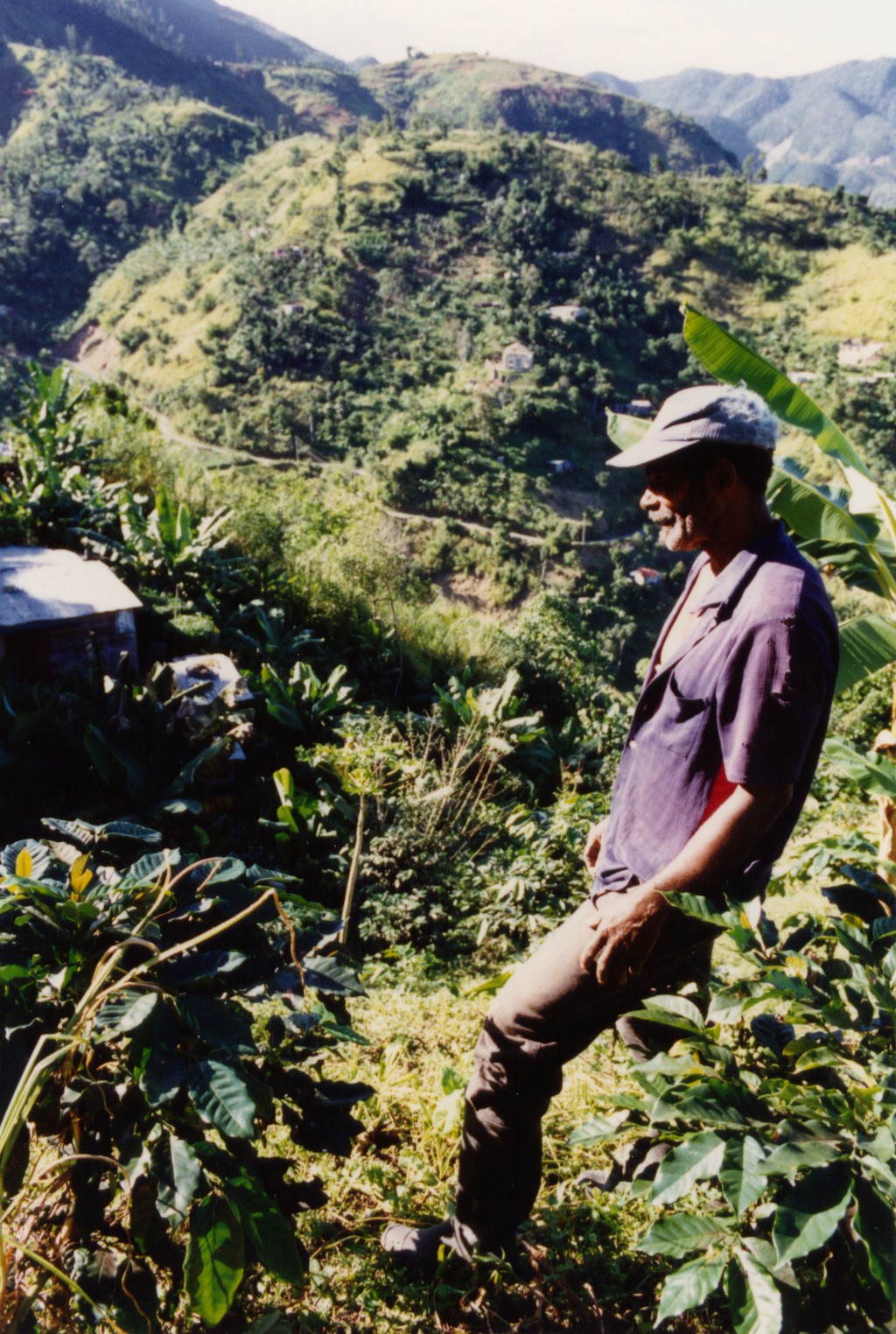
Most green coffee travels in jute or burlap sacks. Jamaica Blue Mountain coffee travels in wooden barrels. Sources call it the only coffee shipped this way. Barrels are a sign of the brand, and they are part of its story. They also protect the beans on the long trip to buyers.
The barrel is a good clue when you shop. But a barrel photo on a bag does not prove anything. Look for the details in the next sections.
How Does Jamaica Blue Mountain Coffee Taste?
Tasters often call it mild, smooth and sweet. The acidity is soft. The body is light to medium. You may find notes of cocoa, nuts and a touch of fruit. There is little bitterness.
That is the big difference from bold origins. If you love the loud, juicy style of an Ethiopian Yirgacheffe, this cup may feel quiet. If you like balance and calm, it may be perfect. For another gentle, sweet origin, try Peru coffee.
Why Does Jamaica Blue Mountain Coffee Cost So Much?
Several things push the price up:
- Small supply. The growing zone is tiny, and the land is steep.
- Hand work. Picking and sorting need many people.
- Strict checks. The coffee board inspects and grades each lot.
- Japan. Estimates say Japan buys about 80 to 90 percent of the crop. Strong demand keeps prices high.
- Fame. The name itself adds value, even for people who never tasted it.
Price is not the same as quality, though. A well-roasted coffee from a small farm elsewhere can taste as good for much less. That is a point we make often on this blog.
Jamaican Coffee Grades at a Glance
Not all coffee from Jamaica is Blue Mountain. The island uses a few names. Here is a simple view. Limits are approximate and can vary by source.
| Name | Where it grows | What to know |
|---|---|---|
| Jamaica Blue Mountain | Highest approved zone, roughly 900 to 1,700 m | The famous name. Shipped in barrels. Highest price. |
| Jamaica High Mountain | Other approved mountain areas | Often a similar style, usually cheaper. |
| Jamaica Supreme / Prime | Lower ground | Simple, everyday coffee. Not Blue Mountain. |
How to Buy Real Jamaica Blue Mountain Coffee
Fake and mixed products are a known problem with famous names. Here is how to protect yourself:
- Read the label. “100% Jamaica Blue Mountain” is a clear claim. “Blue Mountain blend” can hold only a small share of the real thing.
- Look for the official certification mark of the Jamaican coffee board.
- Buy from a seller who names the estate or the mill.
- Check the roast date. Fresh beans matter more than a famous name.
How to Brew It
A gentle coffee needs a gentle method. A pour-over shows its clean, sweet side. Use water at about 93 °C and a medium grind. Try a ratio of 1 gram of coffee to 16 grams of water. Our guide to the coffee to water ratio explains how to adjust it.
Avoid a very dark roast. It would cover the delicate flavors you paid for. For more on the topic, see the Jamaican Blue Mountain Coffee page on Wikipedia.
FAQ
Is Jamaica Blue Mountain coffee worth the price?
It depends on what you want. If you enjoy a mild, sweet and smooth cup, many people say yes. If you want a bold or fruity cup, you may find better value elsewhere.
What variety is Blue Mountain coffee?
It is mostly Typica, an old arabica variety known for a clean and sweet cup.
Is Blue Mountain coffee strong?
No. It is mild. “Strong” can mean caffeine, bitterness or roast, and this coffee is none of those by nature.
We are building IndieRoastersItaly to bring you small Italian roasters, with beans roasted to order. Visit the IndieRoastersItaly homepage to join the waitlist.
This article was written with the support of artificial intelligence for content structuring, and was fully reviewed, verified, and refined by the author.