
When temperatures rise, hot coffee loses ground. But settling for average iced coffee would be a shame, especially if you have a carefully chosen specialty coffee in your pantry. The answer is cold brew coffee: a slow-infusion method that brings out sweetness and fruity notes without ever touching heat. Here’s how to make it at home, step by step.
What Is Cold Brew Coffee (and Why It’s Not Just Iced Coffee)
Cold brew coffee is an infusion of ground coffee steeped in cold or room-temperature water, left to rest for several hours. No heat, no rush: just time doing the work.
The result is a drink that’s less acidic than iced shaken espresso. It has a smooth body and a natural sweetness that comes straight from the bean. It’s the ideal method for showcasing high-quality specialty coffee. Without heat, bitter notes fade and the origin’s true profile comes through.
Why Cold Brew Coffee Makes Specialty Beans Shine
With a commodity coffee, this method is still enjoyable. With a specialty lot, maybe honey- or natural-processed, the difference is much more noticeable. The slow infusion draws out sugars and aromas gently, without pulling out the bitterness that heat often brings forward.
Not sure how processing method changes the flavor in your cup? You’ll find all the details in our deep dive into washed, honey and natural processing. Understanding the origin helps you pick the right bean here too.

How to Make Cold Brew Coffee at Home: A 5-Step Guide
1. Choose a Coarse Grind
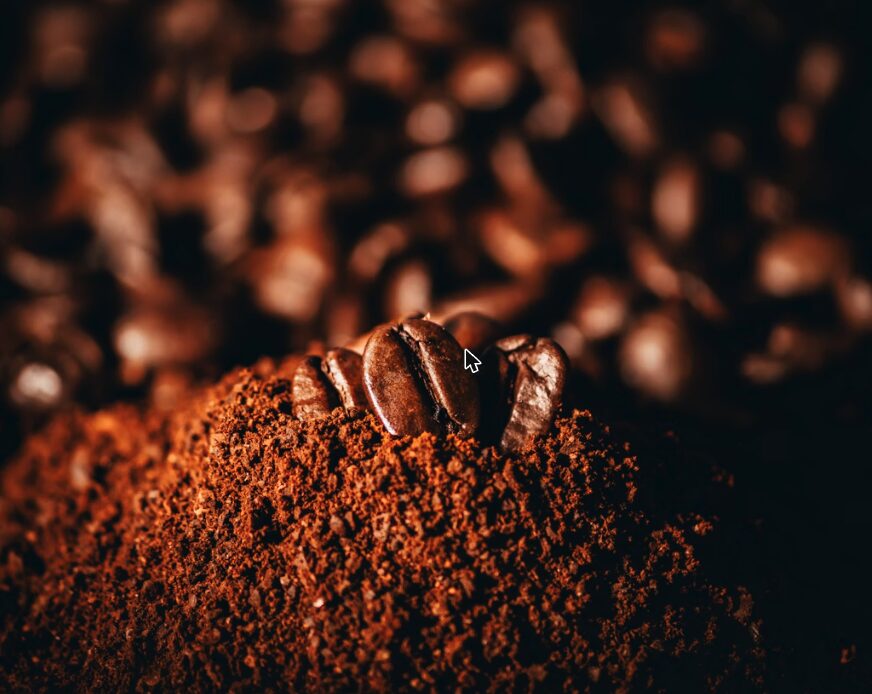
Start with specialty coffee ground coarse, similar to what you’d use for a French press. A grind that’s too fine makes filtering difficult and can leave you with a cloudy, bitter brew.
2. Get the Coffee-to-Water Ratio Right
For a ready-to-drink brew, use a ratio of about 1:8 coffee to water (one gram of coffee for every 8 ml of water). If you’d rather make a concentrate to dilute later with water, ice, or milk, you can go up to 1:5.
3. Let It Steep for the Right Amount of Time
Pour cold filtered water over the ground coffee, stir gently, and cover the container. Let it steep in the fridge for 12 to 16 hours. Choose a shorter time for a lighter taste, or go up to 18-20 hours if you want an intense, full-bodied extraction.
4. Filter Slowly, in Two Passes
Filter first through a fine-mesh strainer to remove the largest grounds. Then pass the liquid through a paper or cloth filter. This second pass is what makes the difference between a clear brew and a cloudy one. If you’d rather skip the two-step filtering, a dedicated pitcher like the Hario Mizudashi Cold Brew Coffee Maker comes with a built-in filter that handles both passes for you.
5. Store and Serve
Store the finished cold brew coffee in the fridge, in a sealed glass bottle, for about 10-14 days. Serve it over ice, diluted with water or milk, or straight if you made the concentrated version.
Cold Brew Coffee vs. Iced Shaken Espresso: What’s the Difference?
Iced shaken espresso starts with hot espresso rapidly cooled with ice: quick, but more acidic and less delicate. Cold brew coffee, on the other hand, never touches heat. It’s made for people who have time to wait, in exchange for a rounder taste. Would you rather stick with the traditional hot method? Our guide to the perfect moka pot shows you how to avoid wasting good specialty coffee, even hot. Curious where this iconic object comes from? We’ve also told the story of the moka pot.
Three Mistakes to Avoid
- Grinding too fine: makes the brew cloudy and hard to filter.
- Hot or lukewarm water: speeds up extraction and alters the aromatic profile typical of this method.
- Steeping too long: past 24 hours, the coffee risks turning flat and woody.
What You Need to Make Cold Brew
- A large glass jar or jug with a lid, or a dedicated cold brew maker.
- A filter: a fine mesh sieve plus a paper filter or cloth. A French press also works well: steep the coffee in it and press the plunger at the end.
- Freshly ground coffee, ground coarse.
- Cold or room-temperature filtered water, and space in the fridge.
Cold Brew Variations to Try
- Cold brew with milk: dilute the concentrate with cold milk or a plant-based drink instead of water.
- Cold brew tonic: pour the concentrate over ice and tonic water, with a slice of orange or lemon.
- Flash brew (Japanese iced coffee): a different method, where hot coffee is brewed directly onto ice. It is ready in minutes and keeps more of the bright, aromatic notes.
- Sweetened cold brew: add a little simple syrup, which dissolves better than sugar in cold drinks.
Cold Brew FAQ
Does cold brew have more caffeine?
The concentrate does, but once you dilute it a glass of cold brew usually has a caffeine content similar to a mug of filter coffee. It depends entirely on your ratio. Read more in our article on caffeine myths.
Is cold brew less acidic?
It tastes smoother, sweeter and less sharp, because cold water extracts fewer of the compounds that we perceive as bitter and acidic. Measured differences in pH are small, but the cup is perceived as rounder and gentler.
Can I heat cold brew?
Yes. You can warm the diluted cold brew gently for a smooth hot coffee, but avoid boiling it, which brings out bitterness.
Which grind should I use?
A coarse grind, similar to the one for a French press. A finer grind makes filtering hard and the coffee muddy and bitter. Our coffee grind size guide shows the difference.
Which Specialty Coffee to Start With
For your first experiments, choose an origin with mild acidity and sweet notes, like a honey- or natural-processed lot. These beans hold up well to a long steep. They deliver a cold, balanced cup without overly sharp acidity. As you gain experience, you can also try more delicate, washed lots. You’ll discover floral notes that emerge in a surprising way when cold.
Cold Brew Tips for a Better Cup
- Use a coarse grind to avoid cloudiness and bitterness.
- Try a ratio of 1 part coffee to 8 parts water for a concentrate, then dilute to taste.
- Steep in the fridge for 12 to 18 hours.
- Filter well, using a paper filter for a cleaner finish.
- Store the finished brew in a sealed bottle and drink it within a week or so.
Which Coffee Works Best?
Sweet, chocolatey coffees shine in cold brew. Medium roasts from Brazil, Colombia or Guatemala are safe choices. Fruity Ethiopian coffees can also be lovely, with a juicy, tea-like taste.
Frequently Asked Questions
Is cold brew stronger?
The concentrate is strong, but you dilute it. The final drink depends on your ratio.
Is it less acidic?
Many people find it smoother and softer than hot coffee. Taste is personal, so try it and see.
IndieRoastersItaly was born to bring specialty coffee from independent roasters into Italian homes. It’s roasted to order and well suited to methods like cold brew too. The project is currently launching. Visit our homepage to join the waitlist. You won’t miss the opening of subscriptions.
Keep reading: AeroPress Coffee: The Complete Guide to a Perfect Brew in 7 Steps · Cold brew myths debunked · Japanese iced coffee (flash brew) recipe
This article was written with the support of artificial intelligence for content structuring, and was fully reviewed, verified, and refined by the author.