
Quick answer: for one person, buy a 3-cup moka pot. For two people, buy a 6-cup. A moka pot “cup” is a small espresso-style serving of about 50 to 60 ml, so a 3-cup pot makes roughly 130 ml of coffee. Sizes run from 1 cup to 12 cups and beyond, and the pot works best when you fill it completely each time. That last point matters more than any chart. Choosing among moka pot sizes looks easy. Then you see a “6-cup” pot that makes one big mug, not six cups. This guide explains what the numbers really mean, which size fits your routine, and why the right pot is the one you can fill to the valve every morning. What “cup” means on a moka pot The word “cup” on a moka pot does not mean a US cup of 240 ml. It means a small Italian coffee, close to a shot of espresso. Most retailers and makers list about 50 to 60 ml per cup. Sources do not agree on the exact figures, so treat every number in this guide as an approximation. There is a good reason for the small size. The moka pot was built for the Italian home, where a coffee is a short, strong drink. In a bar you drink it standing at the counter, which Italians call the banco. At home, the moka plays the same role. One “cup” is one small coffee. Now compare that with how most people drink coffee in the US or UK. A typical mug holds 240 to 350 ml. One mug equals four to six moka “cups”. This gap explains most buying mistakes. The moka pot also does not make true espresso. It pushes water through coffee with steam pressure that is far lower than an espresso machine. The result is strong and rich, but it is a different drink. You can read the history in our guide to the history of the moka pot and the Wikipedia entry on the moka pot. Moka pot size chart The table below shows the common Bialetti Moka Express sizes. Other brands use similar ratings, but small differences are normal. For example, listings for the 6-cup pot range from about 250 to 300 ml, with 270 ml the most common figure. A chart like the one at Honest Coffee Guide gives a second opinion. Rated size Approx. output Best for Typical use 1 cup about 60 ml 1 person, tiny serving One small coffee, travel 2 cup about 90 ml 1 person One stronger coffee 3 cup about 130 ml 1 to 2 people The best all-round size 4 cup about 170 to 190 ml 2 people Two small coffees or one mug 6 cup about 250 to 270 ml 2 to 3 people Two mugs or a small group 9 cup about 410 ml 3 to 5 people Family breakfast 12 cup about 600 ml 5 or more Guests, big households Real output is a little lower than the label. Some water stays in the base, and some coffee stays in the grounds. Plan for roughly 10 percent less than the rating. How to choose your size Start with how many people drink coffee at the same time, then think about how big each serving is. Use these simple rules. You drink one small coffee: choose a 1-cup or 2-cup pot. This is the Italian way. You drink one large mug: choose a 3-cup pot. You get about 130 ml, which you can top up with hot water or milk. Two people, one mug each: choose a 6-cup pot. Family or guests: choose a 9-cup pot, or own two sizes. If you are unsure, pick the 3-cup. It heats fast, it is easy to fill, and it suits most single drinkers. Many coffee fans own a 3-cup for weekdays and a 6-cup for weekends. Read next: Best moka pots, the perfect moka pot guide, Bialetti Moka Express review and using a moka pot on induction, how to use a Bialetti Brikka. Why you should always fill the pot This is the rule new owners ignore. A moka pot is designed to be used full. The water chamber should be filled to just below the safety valve. The filter basket should be filled level with ground coffee. Why does it matter? Steam pressure pushes the water up. If the basket is half empty, the water finds an easy path and runs through too fast. The coffee tastes thin and sour. If the water chamber is half full, the pot has to heat a large empty space, and the brew can turn hot and bitter. So do not buy a 6-cup pot to make one small coffee. Brewing half a pot is the most common way to ruin a good moka. Buy the smaller size instead. A size that matches your daily habit gives a better cup every time. How to brew each size The method is the same for every size. Only the quantities change. Fill the base with hot water up to the line under the valve. Hot water shortens the time the grounds sit on a hot metal base. Fill the basket with ground coffee until it is level. Do not tamp. Do not heap it. Screw the top on firmly. Place the pot on medium-low heat with the lid open. When coffee starts to flow, watch it. When it turns pale and begins to sputter, take the pot off the heat. Run the base under cool water or rest it on a wet cloth to stop the brew. Serve right away. For grind, aim for a size a little coarser than espresso and finer than drip coffee. Our coffee grind size guide shows how to judge it by touch. If you grind at home, see the best grinder for a moka pot. Common mistakes when picking a size Buying by the label. A “6-cup” pot makes about two mugs, not six. Buying too big. A
Bialetti Venus vs Moka Express: Which Moka Pot Should You Buy?
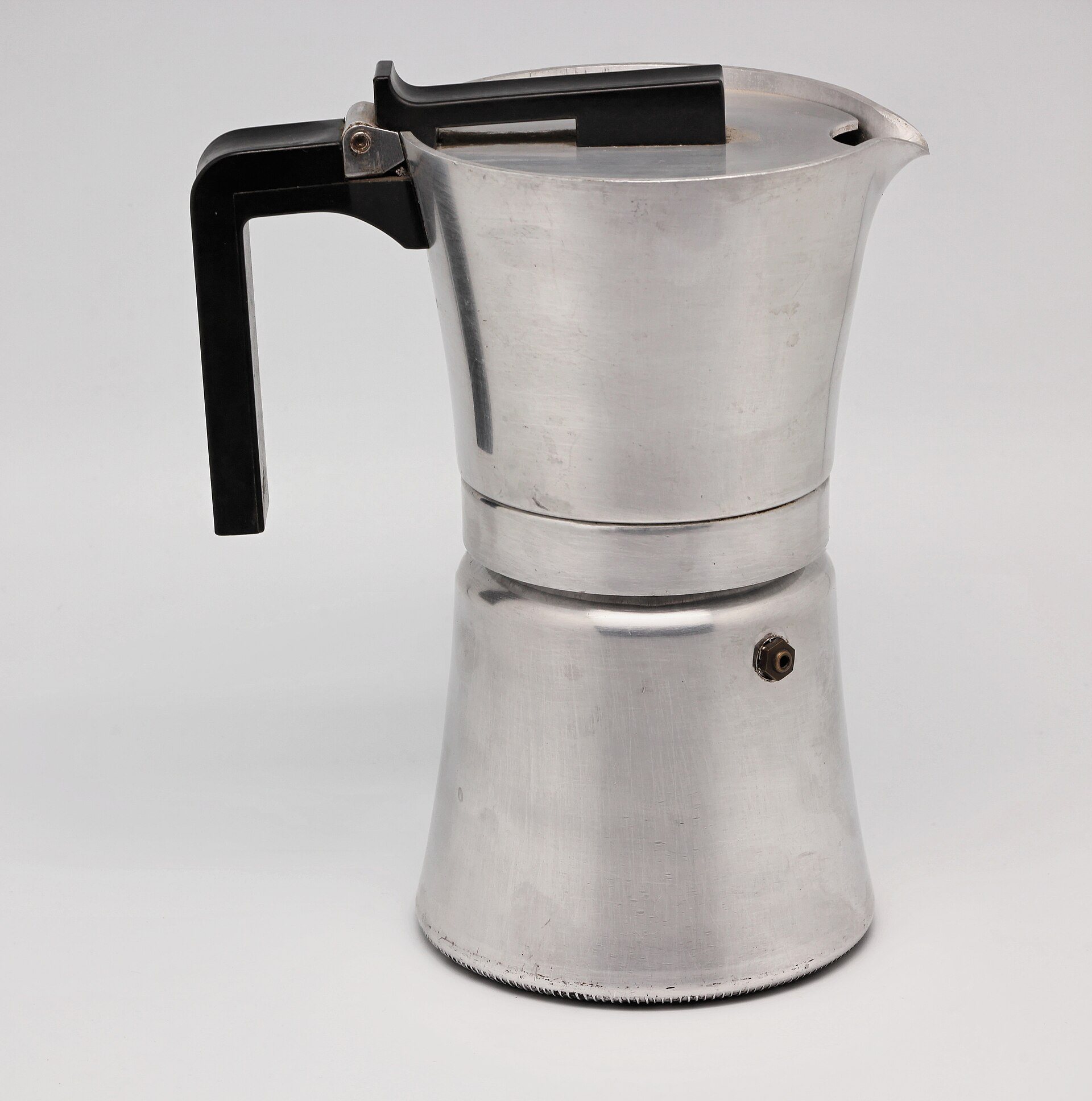
Quick answer: In the Bialetti Venus vs Moka Express debate, the Venus is the better buy if you cook on induction or want a pot you can wash more freely. The Moka Express is the better buy if you use gas or electric, want the classic look, and want to spend less. The coffee in the cup is much closer than most marketing suggests. Both pots are made by Bialetti and both brew the same way: water heats in the base, steam pressure pushes it up through the grounds, and strong coffee collects in the top chamber. The real differences are the metal, the stove they work on, and how you care for them. This guide compares them clearly so you can choose once and brew well for years. Bialetti Venus vs Moka Express: side by side Bialetti Venus Bialetti Moka Express Material 18/10 stainless steel (per Bialetti) Aluminum Induction stove Yes, in the 4-cup size and larger No, unless you add an adapter plate Gas and electric Yes Yes Cleaning Hand washing is still best; stainless steel does not oxidize like aluminum Hand wash only; detergent and dishwashers can dull and darken aluminum Weight Heavier, according to comparison blogs Lighter and easy to carry Heat-up Stainless steel conducts heat more slowly than aluminum Aluminum heats fast and evenly Price Usually somewhat higher, though prices vary by seller Usually lower Look Modern, polished steel Classic octagonal icon Sources for these points include Bialetti’s own Venus listing, which describes the Venus as stainless steel and compatible with all hobs. Smaller details, such as relative weight and price, come from retailer and blog comparisons, so treat them as typical rather than exact. The biggest difference: induction Induction cooktops heat the pot through a magnetic field. Aluminum is not magnetic, so a normal aluminum Moka Express will not work on its own. You can use an induction adapter plate, but that adds a step, a cost and a slower heat-up. The Venus is built to work on induction without a plate. There is one catch: the smallest size, the 2-cup, is reported not to be induction-capable, so buy a 4-cup or larger. If you cook on induction, this is the deciding point. If you want more detail, read our guide to using a moka pot on induction. If you cook on gas or on a standard electric ring, the induction advantage does not matter, and the Moka Express is the simple choice. Does stainless steel taste different from aluminum? This is the most debated question, and the honest answer is that the evidence is thin. Some writers claim aluminum slightly affects flavor and stainless steel is neutral. Others argue the difference is too small to notice. We have not found solid blind-tasting data, so we treat the claim as unproven. What you can control matters more: the grind, the heat and the moment you stop the brew. A moka pot makes strong coffee that is closer to a concentrated brew than to true espresso, so small errors in technique change the cup far more than the metal does. Read next: Bialetti Brikka vs Moka Express, the best moka pots, how to clean a moka pot and the best grinder for a moka pot, Alessi 9090 vs Bialetti Moka Express. Cleaning and long-term care Aluminum reacts with strong detergents and the heat of a dishwasher. It can turn grey and dull. Rinse the Moka Express with warm water, dry it and store it with the lid open. Never scrub it hard. Stainless steel does not oxidize in the same way, so the Venus is more forgiving. Some retailers describe it as dishwasher safe, but Bialetti advises care, and hand washing keeps the finish better. Either way, replace the rubber gasket and the filter plate when they harden or crack. They are cheap and they affect every brew. How to brew well in either pot Fill the base with hot water up to just below the safety valve. Never above it. Fill the filter basket with medium-fine ground coffee, level but not pressed. Do not tamp. Screw the pot closed carefully. Use a cloth, since the base will be hot. Heat on medium-low. A flame that wraps up the sides of the base overheats the pot. Lid open, watch the flow. When the stream turns pale and starts to sputter, remove the pot from the heat. Cool the base under cold water or on a wet cloth to stop the brew at once. This helps avoid a bitter, metallic finish. Using hot water in the base shortens the time the grounds sit on a hot metal surface. It is a common tip among moka pot users, and it often reduces harshness. Common moka pot problems and how to fix them Whichever pot you buy, the same few problems come up. This table helps you find the cause fast. The fixes are standard moka pot practice, not specific to one model. Problem Likely cause Fix Bitter, burnt taste Heat too high, or the pot stays on the stove after brewing Use medium-low heat, remove the pot early, cool the base under cold water Sour, thin coffee Grind too coarse or heat too low Grind a little finer and use slightly more heat Coffee leaks at the join Worn gasket, or grounds on the threads Replace the gasket and wipe the rim before closing Sputtering, uneven flow Heat too high or a clogged filter plate Lower the heat and clean the filter plate Almost no coffee comes out Grind too fine or the basket is tamped Use a medium-fine grind and level the grounds without pressing Metallic aftertaste Pot is dirty or the brew ran too long Clean all parts, dry them and stop the brew sooner Many of these issues come from the cup, not the pot. For a deeper look at the mistakes people make, see our article on moka pot myths. Quick decision guide by situation You have an induction hob: buy the
Panama Geisha Coffee: Why It Costs So Much and How to Brew It
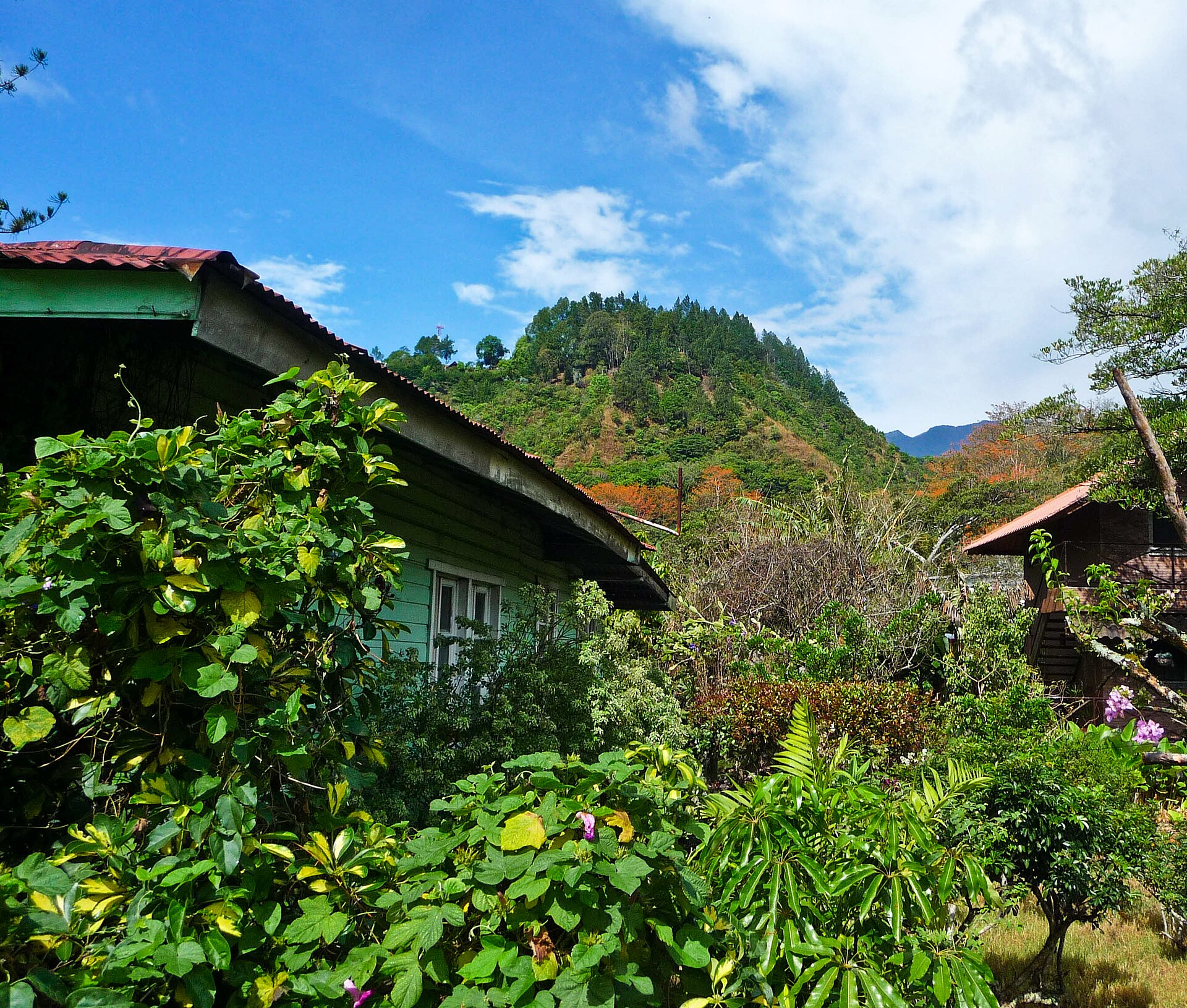
Quick answer: Panama Geisha coffee is a rare, tall-growing coffee variety, grown mostly in the Boquete highlands, that tastes of jasmine, bergamot and tropical fruit. It costs far more than other specialty coffee because it yields little, is picked by hand, and wins auctions that set price records. A good bag is worth buying once, as a treat, and brewing carefully as a light filter coffee. Most coffee drinkers meet Panama Geisha coffee as a price tag first. Then they meet the cup, and the price starts to make sense. This guide explains where the variety came from, why one lot sold for more than $1,000 per pound, what it tastes like, and how to brew it so you do not waste an expensive bag. What is Panama Geisha coffee? Geisha (also written Gesha) is a variety of Coffea arabica. A coffee variety is like a grape variety in wine: it is a plant type with its own shape, yield and flavor. Geisha trees are tall, give low yields and have an exceptional quality potential, according to the Wikipedia entry on Geisha coffee. “Panama Geisha” means Geisha grown in Panama, mostly around Boquete in the Chiriquí province. The World Coffee Research variety catalog notes that Panamanian Geisha has a distinct, verifiable genetic fingerprint. Many other plants sold as “gesha” are different lines, so the label alone does not guarantee the Panamanian type. Where Geisha came from: a short timeline The story starts in Ethiopia, not Panama. Sources agree on the broad path, but they differ on some dates and prices. Where they disagree, we say so. Period What happened 1930s Geisha is identified in the Gori Gesha forest of southwestern Ethiopia. Seeds are collected by a British consul; one source cites 1936. 1950s Plants grown at the Lyamungu research station in Tanzania reach CATIE in Costa Rica (recorded in 1953), which spreads them across Central America. 1960s Geisha reaches Panama. It resists leaf rust but yields little, so most farmers choose other varieties. 2004 (some sources say 2005) Hacienda La Esmeralda, owned by the Peterson family, enters Geisha in the Best of Panama competition. It stands out and sells at auction for a then-record price. 2017 A natural Geisha from Hacienda La Esmeralda sets a Best of Panama record of about $601 per pound. 2019 A natural Geisha from the Lamastus family’s Elida estate sells for $1,029 per pound (unroasted). A note on sources: the 2004 price is usually given as $21 per pound, but one source in the Wikipedia article lists a higher figure for the same event. Treat early prices as approximate. The later records are better documented by Perfect Daily Grind and Daily Coffee News. Why is Panama Geisha coffee so expensive? Price comes from four things working together. None of them is marketing alone. Low yield. The trees give fewer cherries than common varieties. Less coffee per hectare means each kilo costs more to grow. Hand picking. Producers pick only ripe cherries, often in several passes. Ripe cherries are sweeter, but the labor is high. Careful processing. Washed, natural and honey lots need close control of time and temperature. A failed batch is a big loss on a costly crop. Auction demand. Competitions such as Best of Panama put the best lots in front of buyers from many countries. Record prices lift the whole category. Not every Geisha is a record lot. Auction prices are for the very best lots in small quantities. A retail bag of Panama Geisha costs much less than the headlines, but still more than most specialty coffee. Read next: Ethiopian Yirgacheffe coffee, Colombia Huila coffee, coffee bloom explained and the best coffee scales for brewing. · Kona coffee explained What does Panama Geisha taste like? Geisha is known for floral and sweet notes. Common descriptors include jasmine, bergamot, black tea, honey and tropical fruit. The body is usually light and tea-like, and the cup is clean when the coffee is washed. Processing changes the cup. Washed lots tend to taste cleaner and more delicate, with brighter acidity. Natural lots tend to be fuller, fruitier and sweeter. If you like tea, start with a washed lot. If you like berry and tropical fruit, try a natural. Process What to expect Best for Washed Clean, floral, bright, tea-like Tea lovers, first-time buyers Natural Fruity, sweet, fuller body Fans of berry and tropical notes Honey Sweet, round, gentle acidity A middle path between the two Do not expect a strong, bitter “coffee” flavor. If you want a heavy espresso with chocolate and a thick crema, a classic Italian blend suits you better. Geisha is a quiet coffee that rewards attention. How to brew Panama Geisha coffee Light roasts of Geisha are delicate. Heat, a coarse grind and a rushed pour can flatten the flavor. Use these steps as a starting point, then adjust to taste. Use a scale. Start with 15 g of coffee and 250 g of water (about 1:16.7). Weigh both. Grind medium-fine. Think of the texture of table salt. If the cup tastes sour, grind finer. If it tastes bitter or dry, grind coarser. Water at about 92–95 °C. Light roasts like hot water, but very hot water can dull floral notes. Try 93 °C first. Bloom for 30–40 seconds. Wet all the grounds with about 40 g of water. This releases gas and helps even extraction. See our guide to coffee bloom. Pour in slow circles. Add the rest in two or three pours. Aim for a total brew time near 2:45 to 3:15. Taste while it cools. Floral notes often show as the cup drops from hot to warm. A flat-bottom or cone dripper works well. If you use a cone, our Hario V60 review and pour-over dripper guide explain the trade-offs. Common mistakes Water that is too hot. Boiling water can make a floral coffee taste harsh. Let the kettle rest for a minute. Old beans. Light roasts are best within a few weeks of the roast
Does Coffee Dehydrate You? What the Science Says
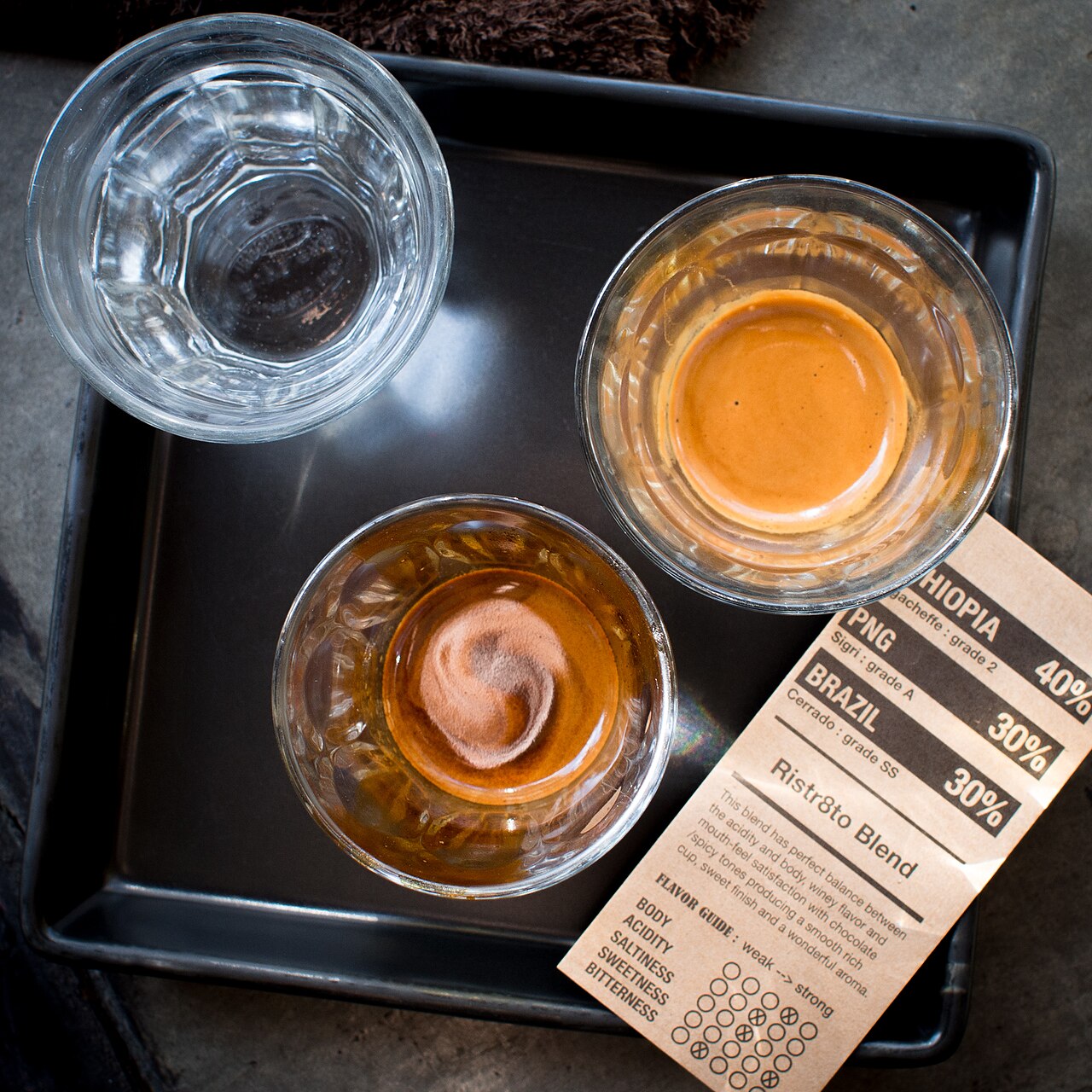
Quick answer: No. Moderate coffee drinking does not dehydrate you. Coffee is mostly water, and in regular drinkers it hydrates about like water does. So, does coffee dehydrate you? Only in rare cases, such as a very large dose of caffeine in someone who rarely drinks it. You have probably heard the rule: for every cup of coffee, drink a glass of water. It sounds sensible. It is also mostly a myth. Below we look at where the idea came from, what studies found, and how the Italian bar habit of serving water with espresso fits in. Does coffee dehydrate you? Where the myth comes from Caffeine is a mild diuretic. A diuretic makes your kidneys produce more urine. That is a real effect, and it is the seed of the myth. Early lab work gave people a large dose of caffeine and measured how much they urinated. Urine output went up. Headlines turned that into “coffee dries you out.” But a short-term rise in urine is not the same as a net loss of body water. You also take in a lot of fluid when you drink the coffee. Think about the numbers. A cup of brewed coffee is roughly 98 to 99 percent water. An 8-ounce (240 ml) cup brings in about 8 ounces of fluid. For coffee to dehydrate you, the extra urine it causes would have to be larger than the water in the cup. In normal use, it is not. What the research actually shows The best-known test is a 2014 study in PLOS ONE by Sophie Killer and colleagues. Fifty men who were regular coffee drinkers took part. For three days each, they drank four mugs of coffee a day (about 800 ml). For another three days, they drank the same amount of water. The researchers then compared hydration markers such as body water and urine measures. They found no significant difference between the coffee days and the water days. You can read the paper on the PLOS ONE website. A few points to keep in mind. The group was small and all men. They already drank coffee often. And four mugs is a moderate amount, not an extreme one. Still, the result matches a wider pattern in the literature: in regular drinkers, the body adapts to caffeine, and the diuretic effect fades. A 2016 study of “beverage hydration” in the American Journal of Clinical Nutrition compared 13 drinks, including coffee and tea, with still water. The authors reported that coffee and tea hydrated about as well as water. Drinks with more sugar, protein, fat, or salt held fluid in the body longer than water did. So coffee is not a hydration champion, but it is not a drain either. Why regular drinkers react differently Your body gets used to caffeine. If you drink coffee every day, the diuretic effect shrinks. If you rarely drink it, a large dose can make you visit the bathroom more. Research reviews, including a well-cited 2003 review by Maughan and Griffin, point to the same idea. Short-term diuresis shows up after higher doses, often discussed around 250 to 300 mg of caffeine or more. It is weaker or absent in habitual users. Doses and responses vary by person, so treat these numbers as a rough guide, not a rule. Read next: see our guides on caffeine myths, espresso myths, and decaf coffee myths. · Does coffee stunt your growth? How much caffeine is in your cup? Caffeine amounts differ by bean, roast, brew method, and cup size. The figures below are typical values published by health sources such as the Mayo Clinic. Real cups can be higher or lower. Drink Typical size Typical caffeine Water in the cup Espresso (one shot) 1 oz (30 ml) About 63 mg Small Brewed drip coffee 8 oz (240 ml) About 95 mg Large Moka pot coffee 2 oz (60 ml) Varies by recipe Small Decaf brewed coffee 8 oz (240 ml) About 2 to 5 mg Large Notice that a small espresso has less caffeine than a big mug of drip. A single shot is also a small drink. If you drink espresso only, your total fluid from coffee is low. That is why the water glass next to it still makes sense, as we explain below. The U.S. Food and Drug Administration says that up to 400 mg of caffeine a day, about four or five cups of coffee, is generally not linked with negative effects in most healthy adults. You can read their guidance on fda.gov. Why Italians serve water with espresso Order an espresso at a bar in Italy and you may get a small glass of water, too. Many people also take a sip of water first. The common explanation is simple: it cleans the palate. A sip of water before the shot clears old tastes from your mouth, so the coffee tastes clearer. A sip after can soften the lingering bitterness. This is a matter of taste, not a medical rule. The custom is not there because coffee dries you out. It is also not universal, and bars differ in how they do it. We cover more bar habits in our guide to Italian coffee bar rules. When coffee can work against your hydration The myth is wrong for most people, but there are real edge cases. Coffee may affect your fluid balance in these situations: Big, sudden doses. Several strong cups in a short time, especially if you are not used to caffeine, can raise urine output. Heat and exercise. If you sweat a lot, your fluid needs go up. Coffee still counts as fluid, but plain water should lead. Energy drinks and caffeine pills. These can deliver far more caffeine than a cup of coffee, in a small volume of liquid. Sensitivity. Some people feel jittery or need the bathroom more at low doses. Listen to your body. Caffeine can also affect sleep, heart rate, and anxiety in some people. If you have
Best Grinder for Moka Pot: 2 Electric Picks and a Hand Option
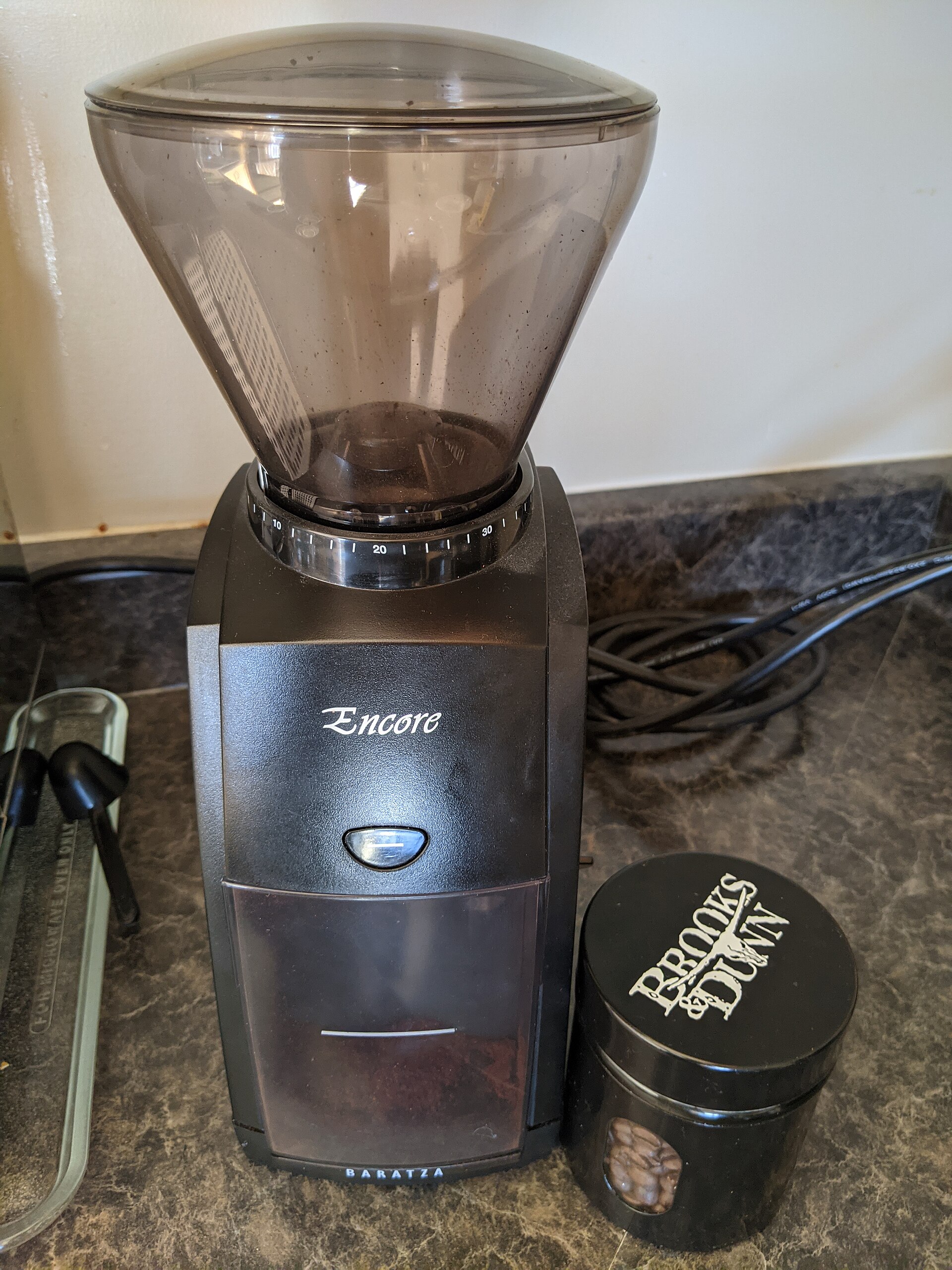
Quick answer: the best grinder for a moka pot is a burr grinder that can make a medium-fine, even grind. For most people that means the OXO Brew Conical Burr Grinder or the Baratza Encore. If you brew one pot a day, a good hand grinder also works well. Skip blade grinders. They make a mix of dust and chunks, and a moka pot punishes that mix. Here is the short version of why. A moka pot pushes hot water through coffee with low pressure, far below an espresso machine. If the grind is uneven, water rushes through the coarse bits and chokes on the fine ones. You get a cup that is sour and bitter at the same time. A best grinder for moka pot setup fixes that by making particles that are close in size. Below you will find two electric picks, one manual option, and a simple way to dial in the grind. A quick honesty note. IndieRoastersItaly has not tested these grinders in a lab or in a kitchen. This guide is based on the published specs, the product listings, and what a large number of owners report. Where a detail is not verifiable, we say so. What a moka pot needs from a grinder The moka pot is usually credited to the Italian engineer Luigi De Ponti, who designed it for Alfonso Bialetti, and the design dates to 1933, according to Wikipedia. Sources differ on some details. It heats water in the base. Steam pressure then pushes the water up through the coffee bed. That pressure is low, often described as around 1 to 2 bar, while espresso uses about 9 bar. That low pressure sets the rules for grind size: Medium-fine, not espresso-fine. Think a little coarser than table salt in feel. A grind that is too fine clogs the filter and stalls the flow. Even particles. Fewer fines means less bitterness and a cleaner cup. Small steps between settings. A moka pot is sensitive. One notch can change the taste, so fine adjustments matter. Fresh grind each time. Ground coffee loses aroma fast. Grinding just before brewing is the biggest upgrade you can make. Our coffee grind size guide shows how the sizes compare. Our quick picks The table uses specs from the Amazon.com listings at the time of writing. Ratings change, so check the current page before you buy. Grinder Type Settings Best for OXO Brew Conical Burr 40 mm stainless conical burrs 15 settings plus 43 micro-adjustments Fine tuning a moka pot Baratza Encore Conical burrs 40 settings A long-lived, repairable all-rounder Hand grinder (for example Timemore C3) Manual burr Varies by model One or two cups a day, small budget OXO Brew Conical Burr Grinder: best for fine control The OXO Brew Conical Burr Grinder uses 40 mm stainless steel conical burrs. The listing says it offers 15 grind settings, with 43 micro-adjustments between them. For a moka pot this is the key feature. You can nudge the grind in tiny steps until the cup tastes right. Other details from the listing: a hopper that holds up to 12 ounces of beans, and a one-touch start that remembers your last setting. That memory is handy. Once you find your moka setting, you can leave it there and press one button each morning. On Amazon.com it has a 4.3 out of 5 rating from roughly 23,500 ratings at the time of writing. That is a large sample. It suggests the grinder works for many households, though a star score cannot tell you how it will taste in your pot. Pros: very fine adjustment steps, large hopper, simple one-touch use. Trade-offs: it is a plastic-bodied countertop machine, and a few users mention static and mess. Those are common with electric grinders. We could not verify how it ages over years. Read next: the best moka pots, moka pot myths and how to clean a moka pot. Baratza Encore: best for a long-lived all-rounder The Baratza Encore is one of the best-known entry-level burr grinders. The listing describes commercial-grade conical burrs, a front-mounted pulse button, and 40 grind settings. It is aimed at filter coffee but covers a wide range, which includes the medium-fine zone a moka pot likes. The Encore is rated 4.1 out of 5 on Amazon.com from about 16,600 ratings at the time of writing. Baratza also sells replacement parts, which matters if you want to keep a grinder for years. Check the current parts and warranty details on the Baratza site, since we have not verified them here. Pros: small footprint, wide range of settings, simple controls, strong reputation among home brewers. Trade-offs: steps between settings are larger than on the OXO, so you may land between two ideal grinds. It is also not built for true espresso. The hand grinder option If you make one or two moka pots a day, you do not need a motor. A good hand grinder gives you an even grind for less money and takes up little space. We cover this in our guides to the best manual coffee grinders and the Comandante vs Timemore debate. The Timemore C3 review is a good starting point for a budget model. The price you pay is effort. Grinding enough beans for a six-cup moka pot by hand takes a couple of minutes. If that sounds like a chore, choose an electric model. Why not a blade grinder? A blade grinder chops beans with a spinning blade, like a small blender. It cannot control particle size. A burr mill crushes beans between two abrasive surfaces set a fixed distance apart, so the output is far more uniform. For a moka pot, uniform particles matter more than almost any other grinder feature. If a blade grinder is all you have today, you can still make coffee. Pulse in short bursts, shake the grinder, and sift out the finest dust. It is not ideal, but it beats pre-ground coffee that is a month old. How to
Neapolitan Flip Coffee Pot: History, Origins and How to Brew
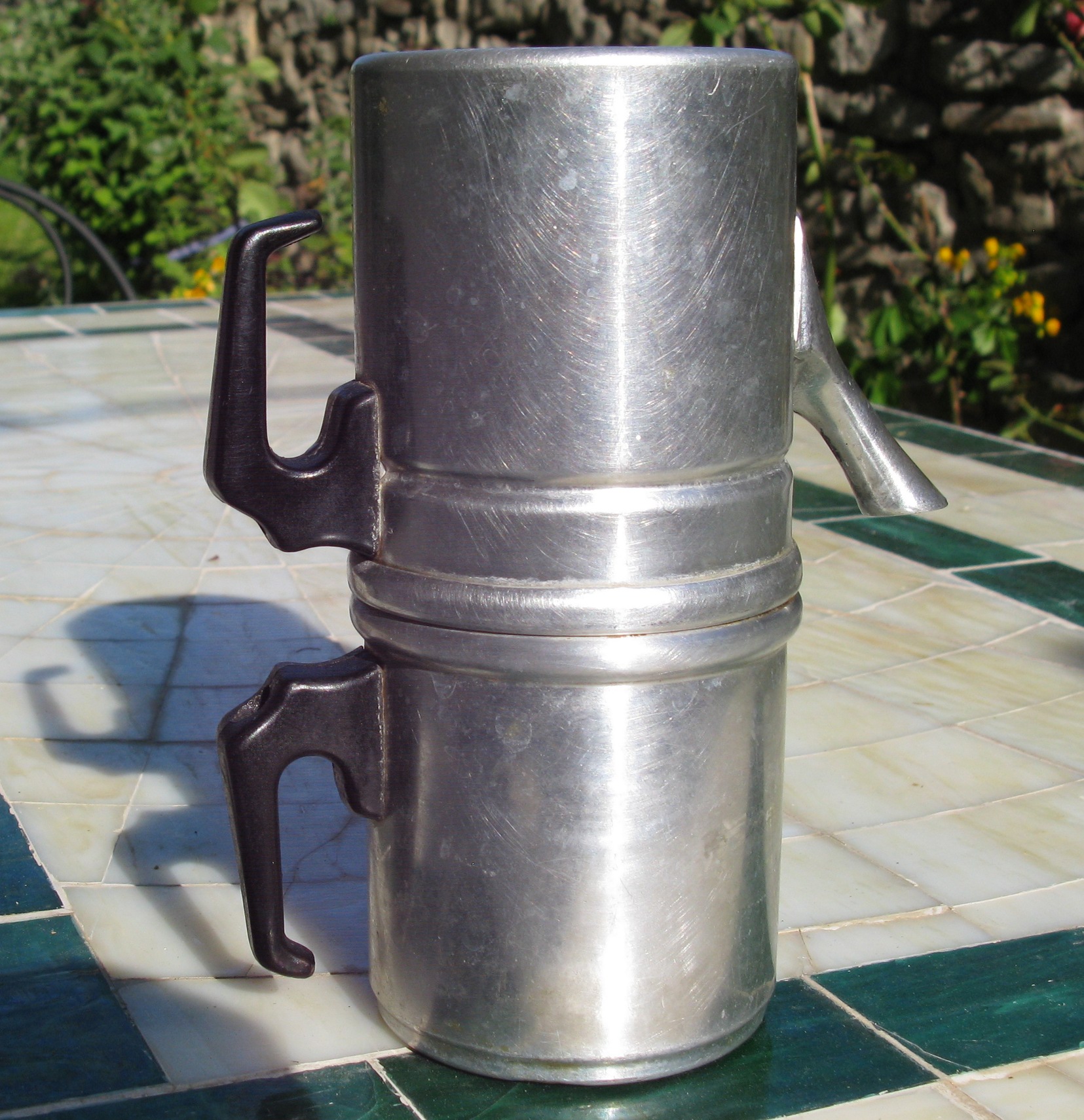
Quick answer: the Neapolitan flip coffee pot is a stovetop drip brewer that you flip upside down when the water is hot. In Italy it is called caffettiera napoletana or cuccumella. Despite the name, sources trace its design to France in the early 1800s, not to Naples. It brews by gravity, not by pressure, so the coffee tastes cleaner and lighter than moka pot coffee. Most people think the moka pot was the first Italian home coffee maker. It was not. For generations before 1933, many Italian kitchens had a tall pot with a long handle and a little paper cone on its spout. This is the story of that pot, why Naples took it as its own, and how to brew with it today. What is a Neapolitan flip coffee pot? The Neapolitan flip coffee pot is a drip coffee maker for the stove top. According to Wikipedia, it was very popular in Italy and France until the 20th century. Unlike a moka pot, it does not use steam pressure to push water through the coffee. It relies on gravity. The pot has two main chambers that stack together. The lower one is the boiler, called the caldaietta in Italian. It has a wooden handle. A perforated filter basket with the coffee sits above the water. The upper chamber has the spout and the lid. You heat the pot upright, then flip it over. The hot water now drips down through the grounds and collects in the chamber that was on top. The name changes with the speaker. In Naples you will hear cuccumella. The word comes from cuccuma, which Wikipedia glosses as a copper or terracotta vase. Elsewhere it is simply la napoletana, and Perfect Daily Grind notes that some people just call it la macchinetta, “the little machine.” Who invented it? The sources disagree This is where the story gets interesting, because the name “Neapolitan” misleads. Wikipedia credits the pot to Jean-Louis Morize, a tinsmith and lampmaker from Paris, in 1819. It cites William Ukers’ 1922 book All About Coffee for this. The same article says the reason the English name points to Naples is unknown. Other writers link the design to the older French drip pot of Jean-Baptiste de Belloy, a Paris archbishop. Perfect Daily Grind says the cuccuma is a reinvention of that pot, and quotes Ukers saying the original French drip pot was never patented. Wikipedia treats the du Belloy pot as a related but different pot. So what can we say with confidence? The flip-over drip method came out of France in the early 19th century. It then became a household object in Italy. Who exactly built the first one is uncertain, and the sources do not agree. If you see a confident single answer online, treat it with care. A short timeline Period What happened Source Early 1800s The French drip pot appears; a flip pot is credited to Morize in 1819 Wikipedia, citing Ukers Through the 1800s The pot spreads to Italian homes; Naples makes it part of daily life Perfect Daily Grind 1886 Makers switch from copper to aluminum Wikipedia 1933 Alfonso Bialetti patents the moka pot, which later replaces the flip pot at home Perfect Daily Grind (quoting a barista) 1979 to 1987 Riccardo Dalisi redesigns the pot for Alessi; it enters production in 1987 Wikipedia The Alessi project is a nice detail. It shows how a humble kitchen tool can become a design object. Our story of the history of the moka pot picks up where this timeline ends. Why Naples made it its own Naples has long treated coffee as a ritual, not just a drink. Our guide to coffee in Naples and the tradition of the suspended coffee show how deep that goes. The flip pot fits that culture well. It is slow, it is shared, and it fills the room with the smell of coffee. Perfect Daily Grind says that in Naples and the wider Campania region the pot is a symbol of the city’s coffee culture. In the 1800s, the same source says, Naples was a major trade center, and coffee was already part of high-society gatherings, though it stayed mostly out of reach for poorer families at first. The little paper cone One detail makes the napoletana special. The cuppetiello is a small paper cone that sits over the spout. Wikipedia explains that it keeps the aroma in while the coffee drips, which can take ten minutes or more. The same article points to the playwright and actor Eduardo De Filippo, who described the cuppetiello and the weight of coffee in Naples. The broken spout and good luck Perfect Daily Grind reports that the horn-shaped spout is often broken, by accident or on purpose, and that this is seen as a sign of good luck. We could not trace the origin of this belief, so we present it as a local custom rather than a proven fact. Read next: History of the moka pot · Suspended coffee in Naples · Coffee in Naples: secrets · Italian coffee culture Flip pot vs moka pot: how they differ The two pots look alike, but they work in different ways. In the flip pot, hot water drips through the coffee under gravity. In a moka pot, boiling water in the lower chamber builds pressure and pushes up through the coffee. Barista Simone Amenini of Ditta Artigianale tells Perfect Daily Grind that the moka’s pressurized extraction gives a heavier cup with more body. Neapolitan flip pot Moka pot Method Gravity drip Steam pressure Body Lighter, cleaner Heavier, closer to espresso Brew time Slow; a few minutes or longer A few minutes on the stove Flip needed Yes No Typical story Early 1800s France to Italian homes 1933, Alfonso Bialetti If you own a moka pot already, our moka pot brewing guide covers that method in detail. How to brew with a Neapolitan flip pot This method follows the steps described by Perfect Daily Grind, with a
Moka Pot on Induction: Which Ones Work (and How to Brew)
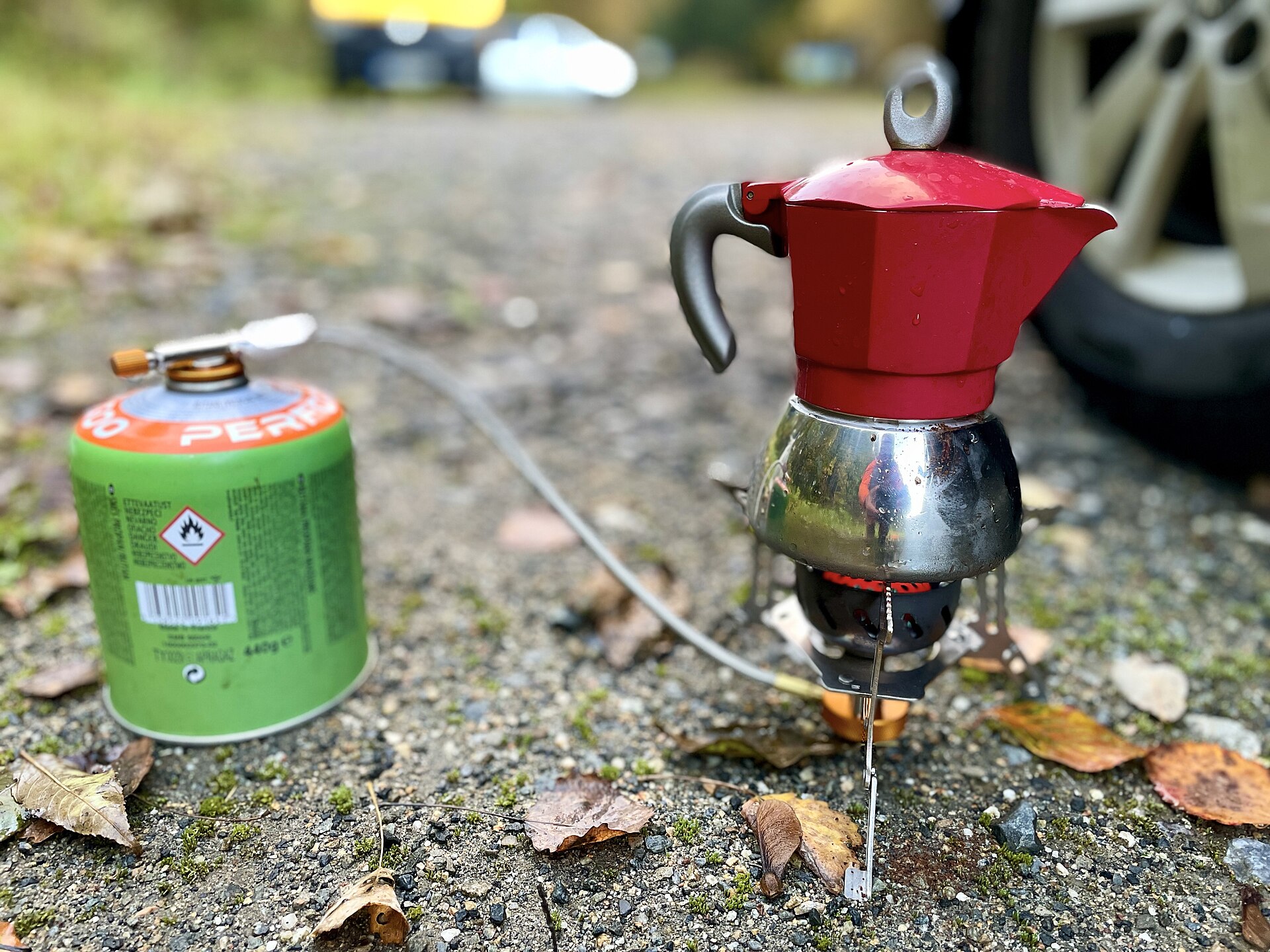
Quick answer: you can use a moka pot on induction only if its base is magnetic. Most classic moka pots are made of aluminum, and aluminum does not work on a standard induction hob. Hold a fridge magnet to the bottom of your pot. If it sticks firmly, the pot should work. If not, you need either a stainless steel moka pot made for induction or a flat steel adapter plate. Induction is now common in Italian and European kitchens, and many people in the US are switching too. That leaves a lot of coffee lovers with a moka pot that sits cold. The good news is that the fix is cheap. This guide explains why the classic pot fails, how to test yours in ten seconds, which options work, and how to brew well on a hob that heats this fast. Moka pot on induction: why classic pots fail An induction hob does not make heat itself. A coil under the glass creates a fast-changing magnetic field. That field pushes electric current through the metal base of your pot, and the pot heats up. According to Wikipedia’s overview of induction cooking, cookware generally needs a ferromagnetic metal, such as cast iron or some stainless steels. Aluminum is not ferromagnetic. The same source notes that induction tops typically will not heat aluminum or copper cookware, and that the hob can detect this and reject the pan. That is why your classic Italian aluminum pot does nothing. The hob may stay dark, flash an error, or beep. This is not a defect in the pot. A classic moka pot was designed for flame, and for a long time that was all anyone had. If you want the full story of how it got its shape, read our guide to the history of the moka pot. The 10-second magnet test Before you buy anything, test the pot you own. You need one fridge magnet. Passing the magnet test is not a full guarantee. Wikipedia also notes that a hob checks the pan size, and that it shuts down if the pot is too small. Moka pots have small bases, especially the 1-cup and 3-cup sizes. Check the minimum pan size in your hob’s manual. One retailer guide suggests a base of about 12 cm, but that figure varies by model, so trust your manual over any blog, including this one. Flatness matters too. The magnetic field weakens quickly with distance, so a warped or dented base heats poorly. A pot with a flat, clean base is a better bet. Your options, compared There are three fixes for induction. The classic pot is in the table for comparison. Option Works on induction? Good for Watch out for Classic aluminum moka No, on its own Gas and electric hobs Needs a plate or a new pot Stainless steel moka Usually, if the base is magnetic Long life, easy cleaning Test with a magnet first Bi-layer induction moka Yes, made for it Aluminum feel plus a steel base Check the cup size and hob minimum Adapter plate Yes, the plate heats Keeping your current pot Slower, less efficient heat stainless-steel-moka Stainless steel pots are the simplest answer. The Bialetti Venus is a well-known stainless steel moka, and its Amazon page lists a 4.5-star average from thousands of ratings. A separate version sold as the Bialetti Venus Induction is listed as suitable for all types of hobs. Not every stainless pot is magnetic, because some grades of stainless steel do not respond to magnets. This is why the name “Induction” on the box matters more than the word “stainless.” bi-layer-moka The Bialetti Moka Induction is listed as suitable for all types of hobs. Retailer descriptions say this line pairs an aluminum interior with a stainless steel outer layer, so the base reacts to the hob. We have not tested it ourselves, and this comes from published specs and user reviews. Another example is the GROSCHE Milano Induction, listed as a 3-cup stovetop espresso maker made for induction. adapter-plate An adapter plate is a flat steel disc. You put it on the hob, and the pot sits on top. The plate heats by induction and passes heat to the pot by contact. Wikipedia describes these induction disks as much less efficient than ferrous cookware, because the heat has to cross a gap. In practice, expect slower heating and a longer wait before the water moves up. A plate is still a good rescue for a pot you love. You can also browse induction adapter plates for moka pots. Choose a plate wider than your pot base. Read next: The best moka pots · Brikka vs Moka Express · How to brew moka coffee perfectly · How to clean a moka pot, Bialetti Venus vs Moka Express, Alessi 9090 vs Bialetti Moka Express. How to brew moka coffee on induction, step by step Induction heats faster and more sharply than a gas flame. That is the biggest change for moka brewing. A pot that takes five minutes on gas can start gurgling much sooner. These steps keep the coffee sweet, not bitter. If you want to compare equipment first, see our Bialetti Moka Express review and our Bialetti Brikka review. What changes when you move from gas to induction On gas, you see the flame and you feel the heat build slowly. On induction, the glass stays cool and the pot heats from the base. Wikipedia notes that changes in heat settings are instantaneous on induction, and that the hob can reach high temperatures very fast. For moka coffee, that is both good and bad. The good part is control. When the coffee starts to rise, you can drop the power at once. On gas, the pot keeps getting heat from the hot grate for a while. The bad part is speed. If you use cold water and a high setting, the base overheats before the water has time to push through the coffee. The result is
Bialetti Moka Express Review: Is It Still Worth It?
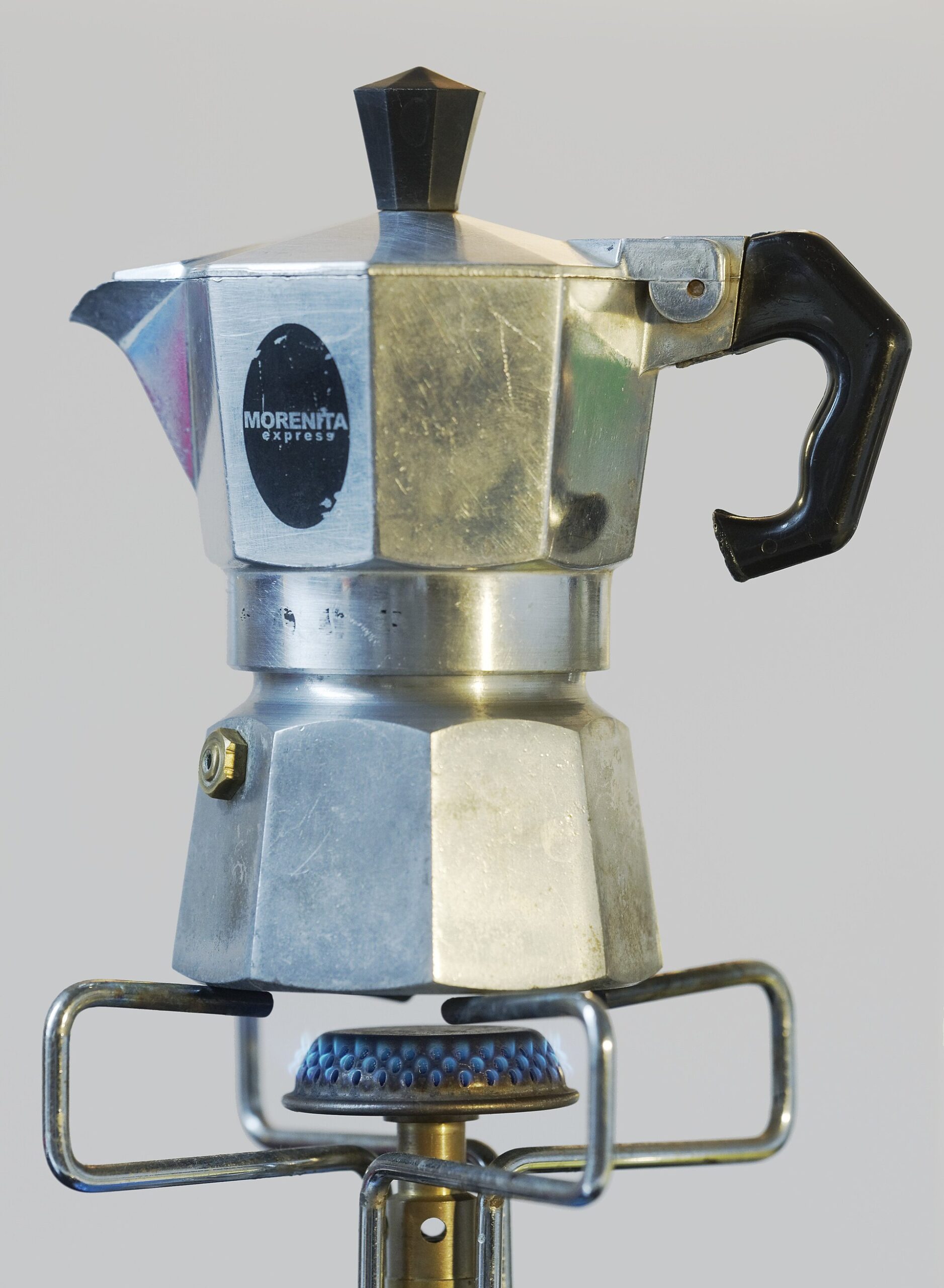
Quick answer: in this Bialetti Moka Express review, the verdict is yes: it is still worth buying. It is cheap, simple and almost unbreakable, and it makes strong, rich stovetop coffee. It is not espresso, and it will not replace a machine. But for a low price, nothing else gives you so much coffee culture per dollar. The 6-cup size suits most people. It works on gas and electric stoves, but not on induction. A quick note before we start. IndieRoastersItaly has not tested this pot ourselves. This review is based on published specs, the history of the design and what thousands of owners report. We say so wherever a point cannot be verified. Bialetti Moka Express review: what is it? The Moka Express is the original Italian stovetop coffee maker. Alfonso Bialetti began selling it in 1933. His son Renato later built the brand with a big marketing push in the 1940s. According to the company, the design of the original has not changed since its debut, as noted in the moka pot overview. A 2010 study reported in the press claimed that 90% of Italian families own a Bialetti moka pot. Treat that as a rough figure, but it shows how common the pot is. In many Italian homes, this is simply how coffee is made. You can read more in our history of the moka pot. Specs and sizes Bialetti sizes its pots by “cups”. A cup here means a small demitasse of about 40–60 ml, not an American mug. Published figures for the aluminium Moka Express range look like this: Size Volume Height Base 3 cup 130 ml (4.5 US fl oz) 160 mm 90 mm 4 cup 185 ml (6.5 US fl oz) 180 mm 95 mm 6 cup 250 ml (8.5 US fl oz) 215 mm 105 mm 9 cup 410 ml (14 US fl oz) 245 mm 115 mm 12 cup 595 ml (20 US fl oz) 285 mm 135 mm Source: figures listed in the Moka pot article on Wikipedia. Amazon listings may round the numbers differently. Material: aluminium body with a heat-resistant handle and knob Design: classic octagonal shape, which helps spread heat and makes pouring easy Parts: boiler with safety valve, filter funnel, rubber gasket, filter plate and top chamber Heat source: gas, electric and ceramic hobs. Aluminium does not work on induction. Who really invented the moka pot? Bialetti popularized the moka pot, but it did not invent the idea of steam-driven coffee. The sources agree on the broad outline, though not on every name. A patent by Elard Römershausen dates to at least 1818. Louis Bernard Rabaut drew a more portable version in 1822. Samuel Parker, a coppersmith from Middlesex, England, received a patent in January 1833 for a self-pressurised brewer. Those earlier machines were big and fussy. What Bialetti did was make it small, cheap and made of aluminium. Sales stayed modest until Renato Bialetti took over the business in the 1940s and marketed the pot hard. The name “moka” comes from the Yemeni port of Mokha. The Moka Express has also entered design museums, including the Museum of Modern Art, which lists it as designed in 1933. Our Yemeni coffee guide covers that coffee link. A note on dates: inventor claims differ between sources. We have kept to documented patents and the company’s own account. What does it brew like? A moka pot pushes water through coffee using steam pressure of about 1 to 2 bar. A real espresso machine uses around 9 bar. So moka coffee is not espresso, even if people call it that. A typical moka brew uses about 1 part coffee to 10 parts water by weight. It ends up at roughly 3–4% dissolved solids, compared with 9–10% for espresso and about 2% for filter coffee. In the cup, that means a strong, full coffee with a thick body and little to no true crema. Many people love it, especially with milk. If you want to compare it with a machine, read moka pot vs espresso machine. How to get a good cup from it Most bad moka coffee comes from a few simple mistakes. This is the method we suggest. It is a starting point, so adjust to your taste. Fill the boiler to just below the safety valve. Do not cover the valve. Grind medium-fine. It should look finer than filter coffee and coarser than espresso. Fill the basket level and do not tamp. Pressing the grounds down can choke the flow. Use medium-low heat with the lid open. Watch the coffee flow. It should be steady and honey-like. Stop when it starts to gurgle. Researchers call this late stage the “strombolian” phase. Steam and hot water rush through the coffee and can cause over-extraction. Cool the base quickly. Run it under cold water or set it on a wet cloth to stop the brew. Read next: Best moka pots · Bialetti Brikka review · Brikka vs Moka Express · Moka pot myths, Alessi 9090 vs Bialetti Moka Express. Pros and cons What we like Low price and a very long life if you look after it Simple design with few parts to break Strong, rich coffee that works well with milk Spare gaskets and filters are easy to find Small and light, so it suits a camping trip or a small kitchen What to watch Not suitable for induction hobs Not dishwasher safe The rubber gasket and filter need replacing from time to time It takes a few tries to learn the right grind and heat Result is strong but not espresso, so do not expect thick crema Moka Express vs Venus vs Brikka Bialetti sells several pots that look alike but behave differently. Here is how they compare on the points that matter most. Model Material Induction? Best for Moka Express Aluminium No Classic stovetop coffee, lowest cost Moka Induction Aluminium with a stainless base Yes Aluminium taste and induction hobs Venus Stainless steel Yes Stainless steel
Tanzania Coffee: Peaberry, Grades and Flavor Explained
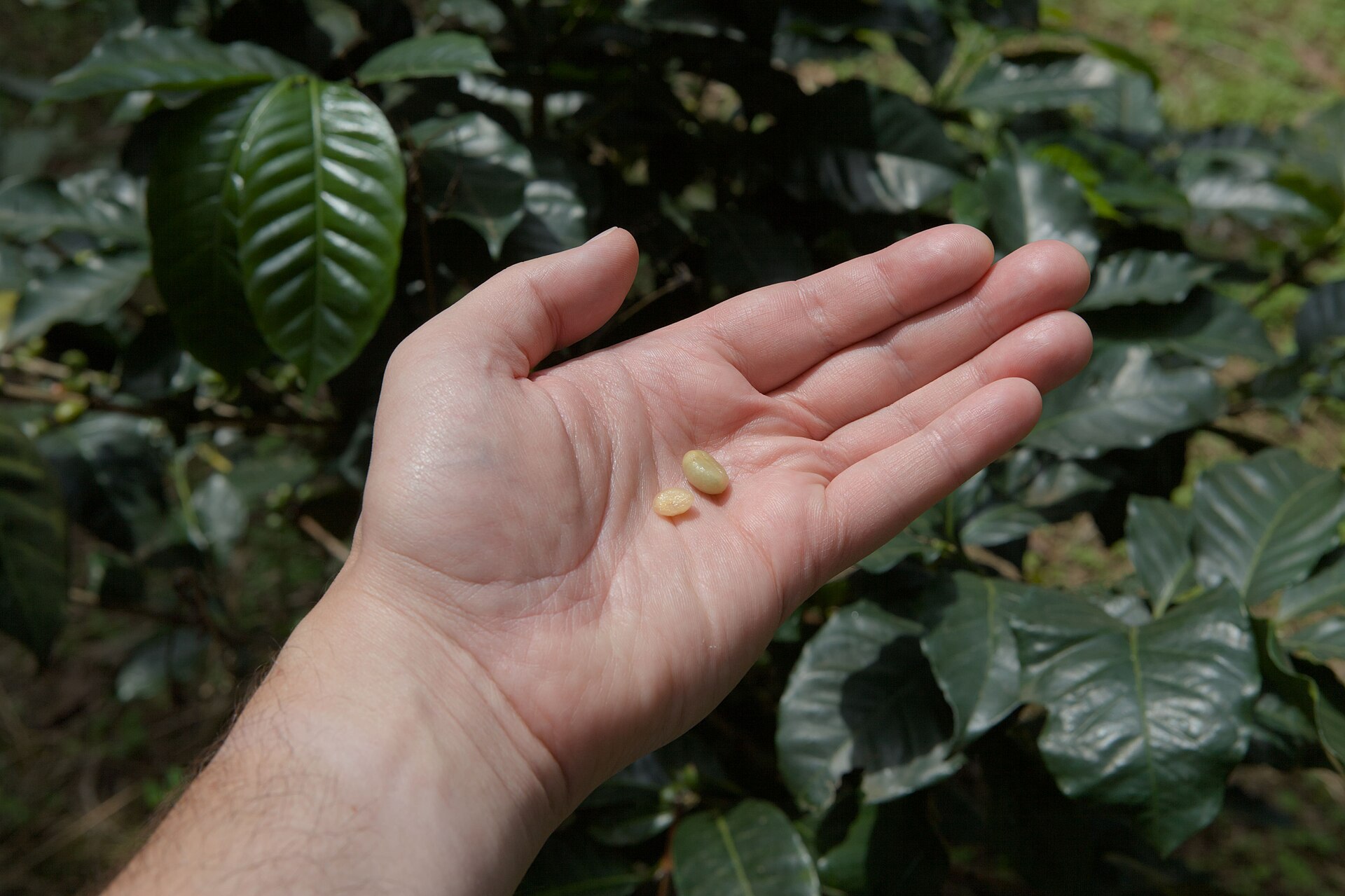
Quick answer: Tanzania coffee is mostly washed Arabica grown by smallholders on high mountain slopes, from Kilimanjaro in the north to Mbeya and Mbinga in the south. It usually tastes bright and fruity, with a clean, chocolatey finish. The country is best known for peaberry, a single-seed bean that makes up about 5% of any harvest. That is the short version. The long version is more interesting, because the word “Kilimanjaro” on a bag does not always mean what you think. In this guide, you will learn where Tanzanian coffee really comes from, how it is graded, what peaberry is (and is not), and how to brew it well. Where Tanzania coffee grows Tanzania produces roughly 30,000 to 40,000 metric tons of coffee a year, according to the overview of coffee production in Tanzania. About 70% of that is Arabica. The other 30% is Robusta, grown mainly in the Kagera Region in the northwest. Arabica grows in nine main regions. The northern ones around Mount Kilimanjaro and Mount Meru are the best known. In the south, Mbeya, Mbozi, Songwe and Mbinga have become popular with specialty buyers. If you want a refresher on why altitude matters, read our guide to Arabica vs Robusta. Farm size is the key point. More than 90% of the coffee comes from smallholders, not big estates. Many farmers have only a small plot, often shaded by banana trees. That is why you will see lots of village names, cooperatives and “AMCOS” (farmer cooperative societies) on specialty labels. When is the Tanzania coffee harvest? The traditional harvest runs from October to February. But the south is different. Lots from Songwe or Mbeya can be picked at other times, and sellers list different windows. Always check the harvest year on the bag. Fresh crop matters more than the exact month. A short history of Tanzanian coffee The story starts in the northwest. Coffee reached the area from the Ethiopian highlands in the 16th century, according to the sources we checked. The Haya people of the Kagera region used Robusta in a very different way. They boiled the beans, steamed them with herbs and chewed the mix as a stimulant. Beans were even used as a form of currency. Things changed under German colonial rule. In 1911, German authorities ordered farmers in the Bukoba area to plant Arabica. Near Kilimanjaro, the Chagga people took up coffee growing. By 1925, Tanzania (then Tanganyika) exported about 6,000 tonnes worth $1.2 million. That same year, farmers formed the Kilimanjaro Native Planters’ Association, one of the first coffee cooperatives in the country. The 20th century was bumpy. After independence, the government pushed production hard. Cooperatives were dissolved in 1977 and output suffered. Reforms in the early 1990s opened the market again. Then coffee wilt disease appeared in 1997 and caused serious losses. Today, the industry is still working to rebuild its volume. Note: historical sources do not agree on every detail. We have kept to the points that appear consistently. How Tanzanian coffee is graded Tanzania uses British-style grading. Beans are sorted by shape, size and density, not by cup quality. That is a big difference from the SCA cupping scale. Our guide to the SCA score explains how quality scores work. There are eleven grades. Here are the ones you will see most often: Grade What it means (in plain words) AA Largest flat beans, a premium size grade A Large flat beans B Medium flat beans PB Peaberry, the round single-seed bean C, E, F, AF Smaller or lower grades, often sold as commercial lots TT, UG, TEX Light, mixed or lower-density grades Grade tells you about size. It does not tell you about flavor. A great AA lot can taste flat if it is old, and a small lot can taste lovely if it was picked and dried with care. The Moshi auction and direct trade Many lots are sold at the Moshi Coffee Exchange in the Kilimanjaro Region. Auctions have run weekly, on Thursdays, during a nine-month season. Top-grade growers may skip the auction and sell straight to foreign roasters. That is how many direct relationships with small roasters began. Read next: Kenya AA coffee · Ethiopian Yirgacheffe · Coffee processing methods · Rwanda coffee, Panama Geisha coffee What is peaberry coffee? A coffee cherry normally holds two seeds with flat faces pressed together. Sometimes only one seed develops. With nothing to flatten it, that seed grows round, like a small pea. This is a peaberry. According to the Peaberry entry on Wikipedia, about 5% of all beans are peaberries. Tanzania is the origin most often linked to them. Does peaberry taste better? It tastes different. One reference says peaberry is often brighter in acidity and a little lighter in body than flat beans from the same lot. Some sellers also claim the round shape roasts more evenly. That claim is not well supported. What is true is that peaberries behave differently in the roaster, so good producers separate them. Sweet Maria’s glossary has a clear note on flat beans as the contrast. So treat peaberry as a style, not a guarantee of quality. If the lot is stale, the shape will not save it. Why “Kilimanjaro” is a label, not always a place Here is something most guides skip. In 1991, the All Japan Fair Trade Council decided that all Tanzanian coffee may use the name “Kilimanjaro coffee”, wherever in Tanzania it grew. A blend can use it too, if it holds 30% or more Tanzanian beans. Japan became the largest buyer of Tanzanian coffee. The result is simple. A bag marked “Kilimanjaro” may come from the mountain, or from Mbeya, hundreds of kilometers away. Sellers also list different altitudes and harvest months for similar lots. So look for the region, the cooperative or the mill name. If a label gives only “Kilimanjaro”, ask the roaster. As for buyers, older trade data (2013) listed Japan at 22%, Italy at 19% and the United States at 12%