
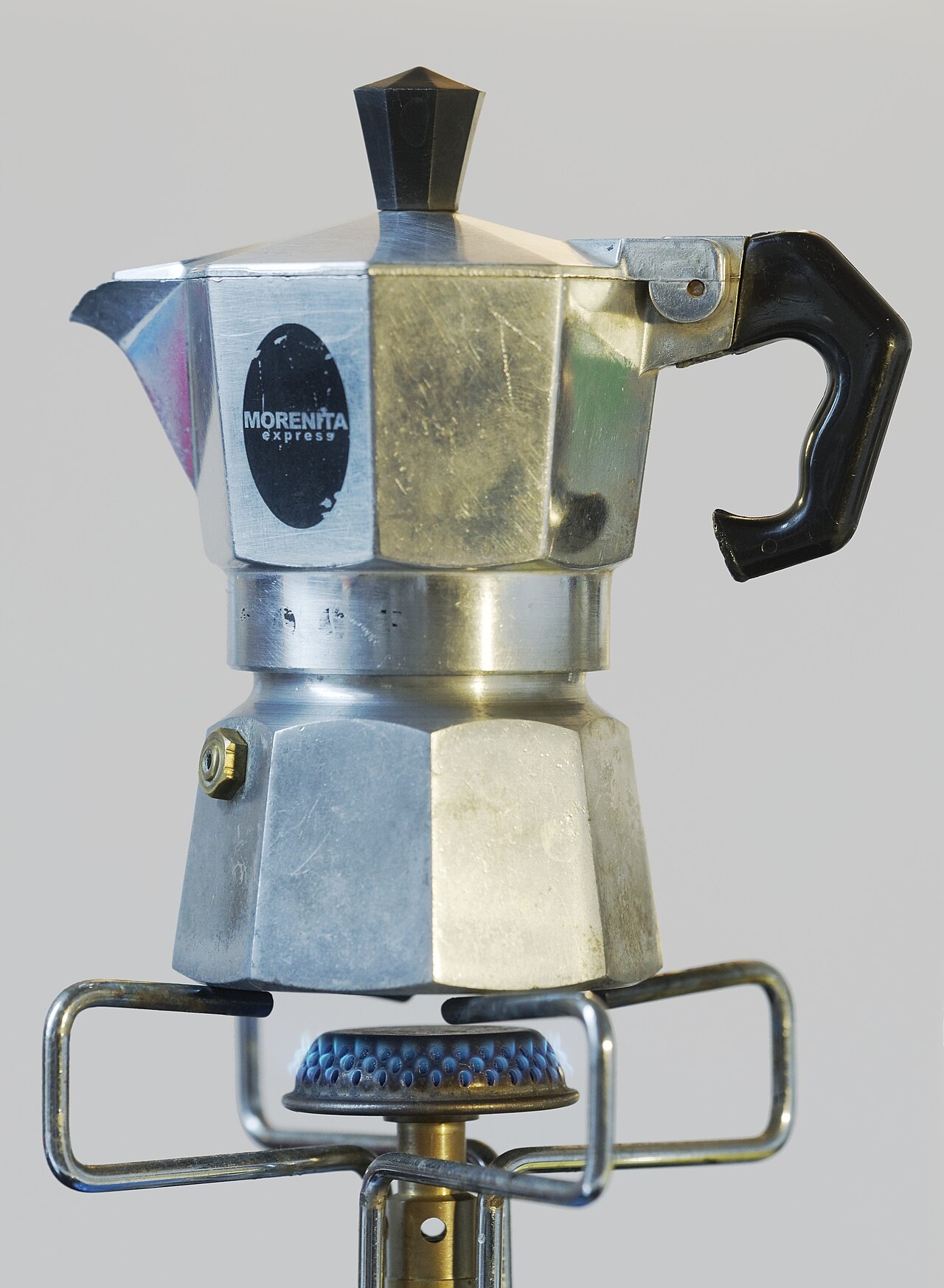
Quick answer: To use a Bialetti Brikka, fill the lower chamber with cold water using the measuring cup in the box, add medium-fine coffee without tamping, screw the pot shut, and heat it gently. Remove it from the heat when the coffee turns pale or starts to sputter. The Brikka has a special valve on the spout, so a wrong water level or grind is the most common reason it fails. This guide explains how to use a Bialetti Brikka step by step, what the valve does, and how to fix the six most common problems. It is based on the maker’s manual guidance as repeated in published guides, plus user reports. Always follow the manual that came with your pot if it differs. What makes the Brikka different from a normal moka pot? A classic moka pot lets steam pressure push water through the coffee. The Brikka adds a small weighted valve on the spout. The idea is to hold back the flow until more pressure builds, which is meant to give a thicker, foamier cup. Whether this makes real crema is debated. We discuss that in our Bialetti Brikka review. The valve is also why the Brikka is less forgiving. Too little heat, too coarse a grind, or a clogged valve can stop the coffee from flowing. The steps below help you avoid that. What you need A Brikka in 2-cup or 4-cup size. Guides note that Bialetti does not make a 6-cup Brikka, and that the 4-cup basket matches a 6-cup Moka Express basket. The measuring cup that comes with the pot. Freshly roasted coffee, ground medium-fine. See our grinder guide for moka pots. A stove: gas or electric. On induction you need an adapter plate. See our induction guide. How to use a Bialetti Brikka: step by step Measure cold water. Use the measuring cup. One guide, quoting the 2-cup manual, gives about 120 ml as an example. Do not fill above the safety valve in the lower chamber. Cold water helps the valve build pressure. Add the coffee. Fill the funnel basket with medium-fine grounds. Level the top with a finger. Do not tamp or press down. Close the pot. Wipe any grounds off the rim. Screw the top on firmly, but do not force it. Hold the bottom with a cloth. Heat gently. Use medium heat. Keep the flame under the base and not up the sides. On induction, use the adapter plate. Watch the spout. Coffee should start to appear after a few minutes. Listen for the gurgle. Stop on time. Take the pot off the heat when the coffee turns pale or sputters. Cool the base under cold water to stop the brew. Pour and serve. Stir the coffee before you pour, since the first part is stronger than the last. Some details depend on your model, so check the manual. The main point is the same: gentle heat, cold water, and no tamping. Which grind and dose work best? Sources agree on medium-fine. It is finer than for a drip brewer and coarser than for a true espresso machine. If the grind is too fine, water struggles to pass and the pot may sputter. If it is too coarse, the coffee comes out fast, weak and sour. Symptom Likely cause Try this Coffee flows very slowly or not at all Grind too fine, grounds packed, or valve clogged Use a slightly coarser grind. Do not tamp. Clean the valve Weak, sour coffee Grind too coarse or too little heat Grind finer and use medium heat Bitter, burnt taste Heat too high or pot left on the stove Lower the heat. Remove the pot when it sputters Spitting from the spout Heat too high Lower the flame at once Leaks at the join Worn gasket or grounds on the rim Wipe the rim. Replace the gasket if it is old No foam on the cup Stale coffee or wrong grind Use fresher beans, and adjust the grind This table gathers advice from several published guides and from the usual moka pot logic. Treat it as a starting point and change one thing at a time. Read next: Bialetti Brikka review, Brikka vs Moka Express, moka pot sizes, and how to clean a moka pot. 2-cup or 4-cup Brikka: which size? The 2-cup Brikka is listed by one retailer as a 60 ml pot. That is about one small espresso-style serving, or a little more. The 4-cup size makes about double. Bialetti “cups” are small, so a 4-cup pot is closer to one or two mugs of strong coffee. Pick the size you will brew most often, and fill the basket every time. Our moka pot size guide explains how cup sizes work across brands. If you live alone and drink one coffee a day, the 2-cup is enough. If you share with a partner, the 4-cup is the better fit. Gas, electric or induction: tips for each Gas. Keep the flame small and under the base. A flame that licks up the sides can overheat the handle and the gasket. Electric coil or ceramic. Use a burner about the size of the base. These stoves hold heat, so remove the pot a little early. Induction. You need an adapter plate, sold separately. Heat will lag, so be patient and watch the spout. A five-minute troubleshooting routine If your Brikka does not work, do not change everything at once. Follow this order. It saves time and tells you what the real cause is. Empty the pot and check the valve. Rinse it and make sure it moves freely. Check the water level against the safety valve and the measuring cup. Rebuild the basket with a fresh, level dose. Do not tamp. Grind a notch coarser if the pot struggles, or a notch finer if the coffee is weak. Brew again on medium heat and write down the result. Using Brikka coffee in milk drinks Brikka coffee is strong and a little thick,
Alessi 9090 vs Bialetti Moka Express: Which Is Better?
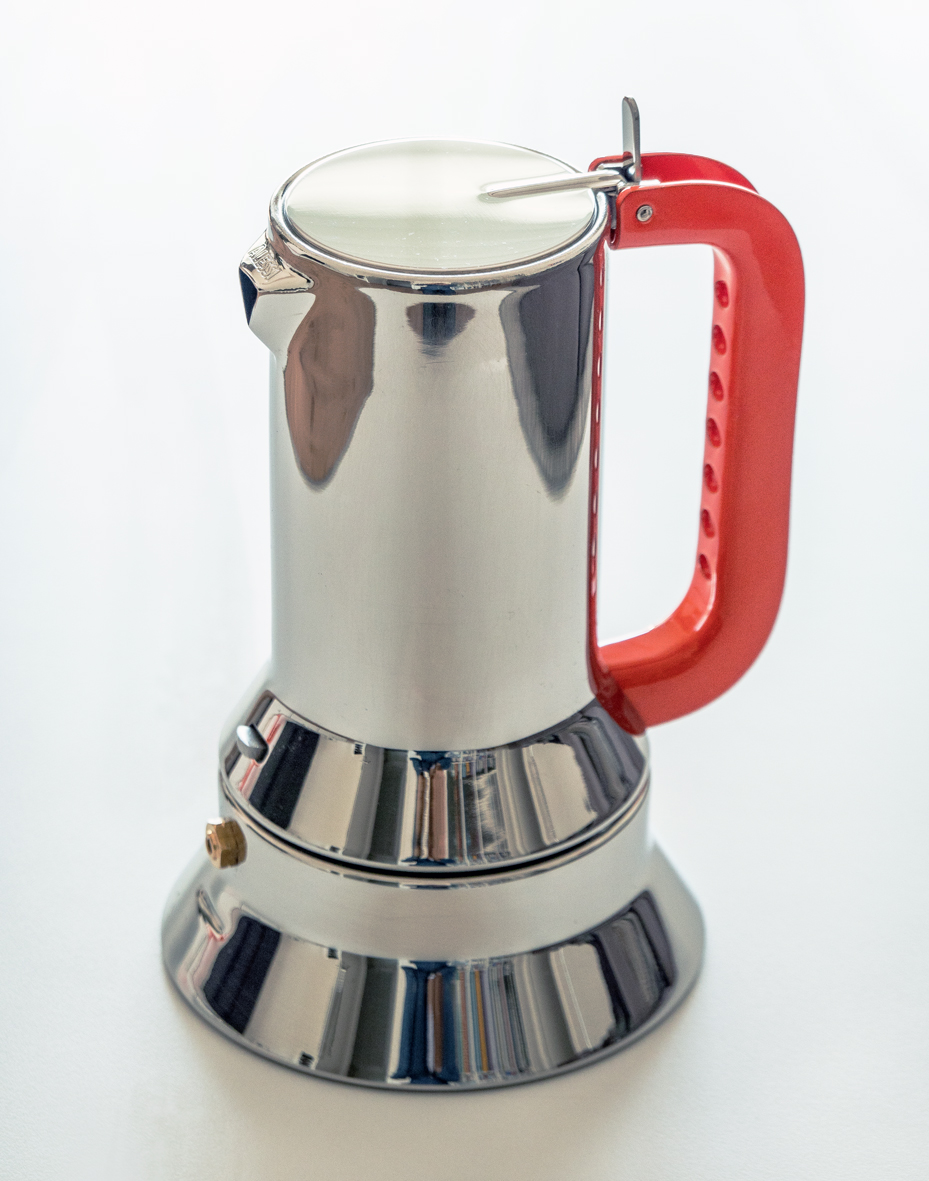
Quick answer: Buy the Bialetti Moka Express if you want the classic, cheap, easy-to-repair moka pot. Buy the Alessi 9090 if you cook on induction, want stainless steel, or care about design. Both make good coffee, according to published reviews. We have not tested either pot ourselves. The Alessi 9090 vs Bialetti Moka Express debate is really a choice between two Italian ideas. One is the everyday pot found in kitchens since the 1930s. The other is a museum-grade design from the late 1970s. Here is how they differ in material, heat, taste, care and price, so you can pick the right one. Alessi 9090 vs Bialetti Moka Express at a glance Bialetti Moka Express Alessi 9090 Material Aluminum 18/10 stainless steel Induction hob Not on its own (adapter plate sold by Bialetti) Yes, magnetic base Designer Traditional octagonal design, 1930s Richard Sapper, commissioned 1978 Handle Heat-resistant, usually plastic Metal; can get very hot Spare parts Easy to find From Alessi; naming can confuse Reported price From about $37 for a 1-cup pot (Tasting Table) Much higher; check the current listing Prices and sizes change, so check the listing before you buy. The Amazon page for each pot shows the size options. Two pots, two histories The Moka Express is the pot most people picture when they say “moka.” Wikipedia credits its invention to Luigi De Ponti, who sold the design to Alfonso Bialetti, and dates it to 1933. We cover the details and the disputed points in our history of the moka pot. The 9090 is much younger. According to Wikipedia’s page on Richard Sapper, Alessi commissioned him in 1978 to design a stovetop espresso maker. The 9090 won a Compasso d’Oro in 1979, one of Italy’s top design awards, and it is in the collection of the Museum of Modern Art in New York. Sapper also designed the ThinkPad for IBM. Wikipedia lists the first ThinkPad 700C in 1992. So the same mind drew a laptop and a coffee pot. Both have a clean, boxy look with a small surprise inside. Taste: is there a real difference? One review site that tested many moka pots, Honest Coffee Guide, says only two stood out: the Bialetti Moka Express and the Alessi 9090. It says the 9090 makes “rich and creamy” coffee. It gives the Bialetti the higher rating and calls it its overall recommendation. That fits our own logic. A moka pot makes coffee under modest pressure, not true espresso. Taste depends far more on your beans, grind and heat than on the pot. A stainless pot and an aluminum pot hold the same water and the same grounds. If you change only the pot, expect small differences at most. Treat taste claims as one tester’s opinion. For better results with either pot, start with the grind. Our guide to the best grinder for a moka pot explains why a medium-fine, even grind matters. Our perfect moka pot guide gives the full method. Read next: Bialetti Moka Express review, moka pot on induction, best moka pots, and Brikka vs Moka Express. Induction: the biggest practical gap This is the point that settles the choice for many readers. Aluminum is not magnetic, so the Moka Express does not work on an induction hob by itself. Tasting Table notes that Bialetti sells an induction plate adapter. The Alessi 9090 has a magnetic stainless base and is listed by retailers as suitable for induction. If you use induction, you have two paths. Pay more for the 9090, or buy the Moka Express plus an adapter plate. The plate adds a step and a little heat delay. Read our full guide on using a moka pot on induction before you decide. Design and daily use Reviewers praise the 9090’s spout, which pours cleanly with no spills. They also like its closing system, which stops you from tightening the two halves too much. The lid opens easily. They also list downsides. The handle is metal, so it can get very hot on a strong gas flame. One tester needed an oven glove. The pot has a small extra part, called a reducer, that is easy to lose. The upper chamber is thin and hard to clean at the bottom. Some people confuse which way the chambers connect. The Moka Express is simpler. It has a classic octagonal body, a plastic handle and a single filter basket. It is easy to use and easy to learn. Its weak spots are the aluminum, which can darken with harsh cleaning, and the gasket, which needs replacing from time to time. See our guide on how to clean a moka pot to avoid common mistakes. Repairs and long-term value Moka pots last for decades if you care for them. The parts that wear out are the rubber gasket and the small filter plate. For the Moka Express, spares are easy to find. For the 9090, Honest Coffee Guide says you can buy gaskets and metal parts directly from Alessi, but Alessi model names can be confusing when you search. So the cheaper pot is also the easier one to maintain. The costlier pot is a better object but needs more care when you shop for parts. A third option: the Bialetti Venus If you want stainless steel and induction but find the 9090 too costly, look at the Bialetti Venus. It is a stainless steel Bialetti pot, and published listings describe it as suitable for induction. We compare it with the classic in our Bialetti Venus vs Moka Express guide. Always confirm induction compatibility on the product page for your exact size. Which size should you buy? In moka pots, a “cup” means a small espresso-style serving, not a mug. Sizes are not the same across brands, so a 3-cup pot from one maker can differ from another. Look at the water capacity in ml on the product page. Our moka pot size guide explains how to match a pot to your daily coffee. One rule helps:
Gaggia Classic Pro vs De’Longhi Dedica: Which to Buy?
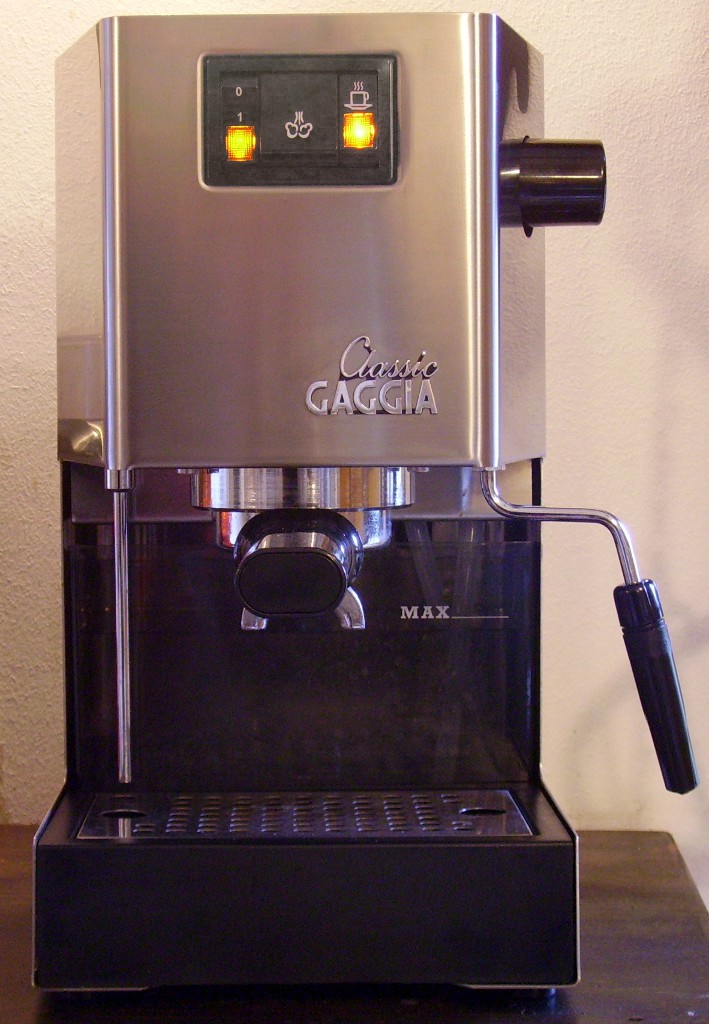
Quick answer: Choose the Gaggia Classic Pro if espresso quality and room to upgrade matter most. Choose the De’Longhi Dedica EC685 if you have a very small kitchen and a tighter budget. Based on published specs and expert and user reviews, the Gaggia gives you more control. The Dedica gives you more convenience. We have not tested either machine ourselves. The Gaggia Classic Pro vs De’Longhi Dedica question is a classic one for new home baristas. Both brands are Italian. Both machines are semi-automatic, which means you grind, dose, tamp and start the shot yourself. Both cost far less than a prosumer machine. But they are built in very different ways, and that changes what you can do with them. Gaggia Classic Pro vs De’Longhi Dedica at a glance The table below uses specs reported by a home-espresso review site, Complete Home Barista. Prices change often, so treat them as rough ranges and check the current price before you buy. Feature Gaggia Classic Pro De’Longhi Dedica EC685 Heating system Single aluminum boiler Thermoblock Portafilter 58 mm (commercial standard) 51 mm Pump pressure 15 bar, with a 9 bar OPV 15 bar, no OPV reported Width 9.5 in 5.9 in Weight 17.6 lb 9.0 lb Steam wand Commercial-style Panarello (frothing aid) Upgrade potential Wide (PID, baskets, OPV) Limited Reported price range $380–$450 $230–$280 An OPV is an over-pressure valve. It limits the pressure of the water that hits the coffee. Espresso is usually made around 9 bar, so a machine tuned to that number has an advantage. A thermoblock is a metal block with a heating pipe inside. It heats water as it flows through, instead of storing it in a tank. Espresso quality: boiler or thermoblock? The Gaggia stores hot water in a small boiler. That gives the machine thermal mass. Temperature tends to stay steadier during the shot. The Dedica heats water on demand with a thermoblock. It is fast, but reviewers report more temperature swings. The portafilter matters too. The Gaggia uses the 58 mm size common in cafés. That means many baskets, tampers and accessories fit. The Dedica uses a 51 mm portafilter, so choices are narrower. A larger basket also holds a bigger dose, which can help with even extraction. Most reviewers conclude that the Gaggia makes better espresso when both machines get fresh coffee and good technique. Note the condition. A great machine cannot fix stale or badly ground coffee. If you want a cup that tastes like it came from a good Italian bar, start with the beans and the grinder. Our guide to the best manual coffee grinders is a good first read. A short history: why Gaggia matters According to Wikipedia, Giovanni Achille Gaggia applied for a patent on 5 September 1938 for the first modern steamless coffee machine. It pushed water through the coffee at high pressure and produced the crema that defines espresso. The company was founded in 1947 and incorporated in 1948. The Gaggia Classic arrived in 1991. The Classic Pro followed in 2019, and a Classic Pro Evo (model RI9380) in 2023, with an improved steam wand and new colors. On Amazon the current model appears under the code RI9380 and the label “E24.” So the machine you buy today carries a long Italian lineage. For the wider story, read our history of Italian espresso. Read next: how to dial in espresso, how to descale your espresso machine, the De’Longhi Magnifica S review, and the best water temperature for coffee. Milk drinks: steam wands compared The Gaggia Classic Pro has a commercial-style steam wand. It takes practice, but it lets you learn real microfoam. The Dedica has a Panarello wand. This type mixes air and milk automatically, which makes foam easy but fairly bubbly. Some owners remove the sleeve to get a bare tip, according to the review we read. If you drink mostly cappuccino and latte, ask yourself one thing. Do you want to learn steaming, or do you want a quick foam? The first path points to the Gaggia. The second points to the Dedica. If you prefer the Italian habit of a short, strong espresso, the wand matters much less. Upgrades and long-term value The Gaggia has a large modding community. Common upgrades named by reviewers include a PID temperature controller, a 9 bar OPV spring, precision baskets and a bottomless portafilter. A reviewer estimates a fully modified Classic Pro at about $550–$650 in total, and says it can then rival much pricier machines. That is one reviewer’s estimate, not a lab result. The Dedica has fewer options. Owners mention swapping the OPV spring and replacing the basket. After that, there is not much more to do. This is fine if you want a machine that works and stays out of your way. Size, weight and daily use The Dedica is only 5.9 inches wide and weighs about 9 pounds. It fits where other machines do not. The Gaggia is 9.5 inches wide and about 17.6 pounds, so it likes a permanent spot on the counter. The Amazon listing for the Dedica EC685M shows a 35 oz tank, which is enough for several drinks but means frequent refills if you make many. Choose the Gaggia Classic Pro if you want better espresso, a real steam wand and a machine you can improve over time. Choose the De’Longhi Dedica if space is tight, the budget is under about $300, and you want a simple routine. Skip both if you want chicchi-to-cup at the push of a button. See our Magnifica S review for a bean-to-cup option. What you must buy besides the machine A semi-automatic machine needs good partners. Without them, even a great machine disappoints. Plan for these items: A grinder. A good grinder matters more than the machine. See our grinder guide. A scale. Weighing the dose and the shot makes results repeatable. Read about coffee scales. Fresh beans. Roasted within weeks, not months. Descaling. Follow our descaling guide to protect either machine.
Caffè Florian History: Venice’s 1720 Coffee House
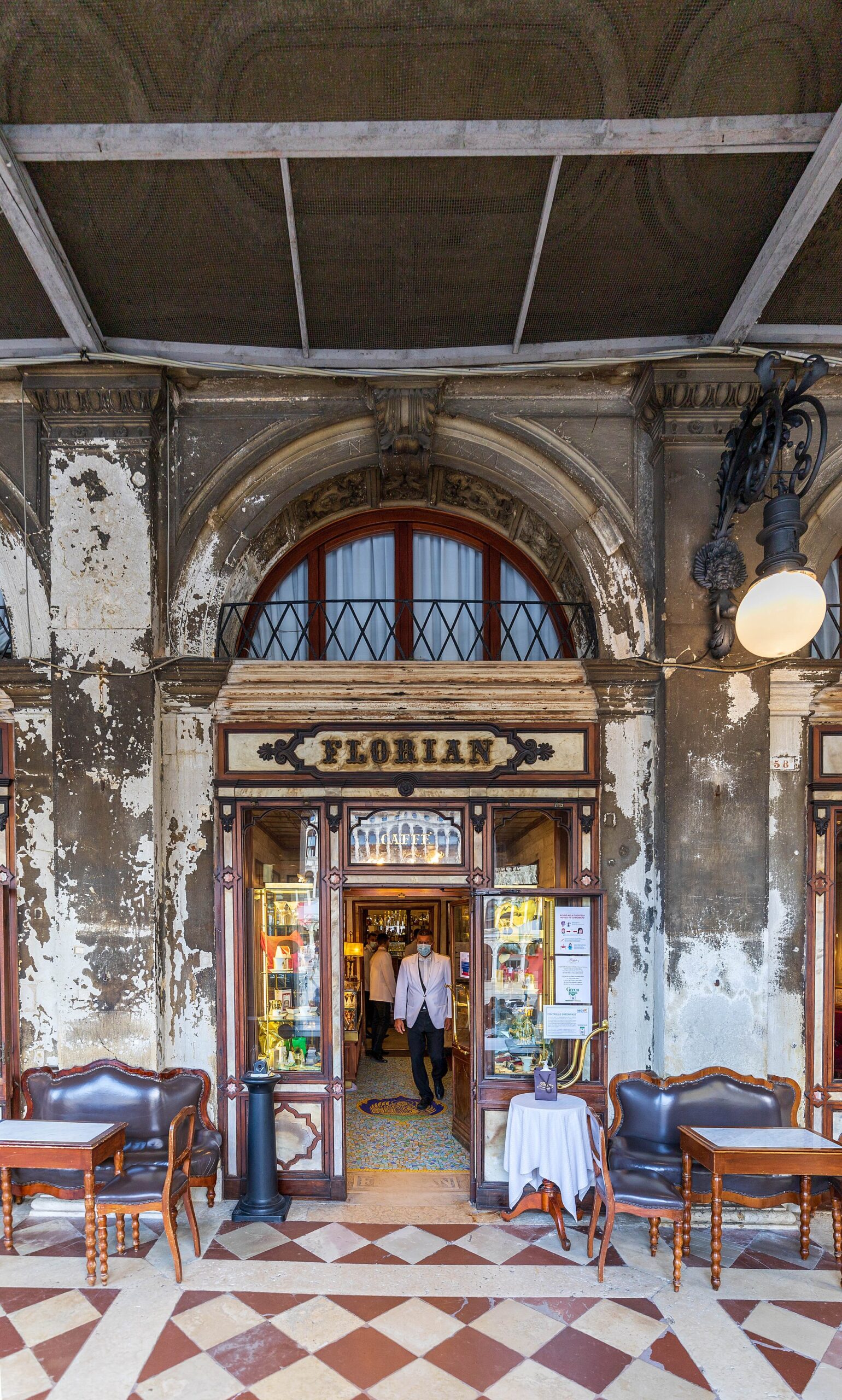
Quick answer: Caffè Florian opened on 29 December 1720 in Venice’s Piazza San Marco, and according to Wikipedia it is the oldest coffee house in continuous operation in Italy. It started as “Alla Venezia Trionfante” and took the name of its first owner, Floriano Francesconi. Sources disagree on some early details, so treat exact dates before 1800 with care. The Caffè Florian history is also the story of how coffee became a social habit in Europe. This café saw the end of the Venetian Republic, two revolutions, and the first Venice art shows. Below you will find the facts, a timeline, and what to know before you sit down at one of its tables. Why Venice got a coffee house so early Venice was a trading port with long links to the Ottoman world. Coffee reached Europe through such ports, and Venice is often named among the first European cities to know it. Exact dates differ between sources, so we avoid giving one year. For the wider picture, see our guide to the first coffee houses in Europe. By the early 1700s, coffee houses were meeting places across Italy. People went there to read, talk, and hear the news. Florian opened into that world. It did not invent the idea. It became the best-known example of it. 1720: from “Venice the Triumphant” to Florian According to Wikipedia, the café opened on 29 December 1720 with two simply furnished rooms. Its first name was Alla Venezia Trionfante, which means “Venice the Triumphant.” Customers soon used the owner’s first name instead. Floriano Francesconi ran the place, so people said “let’s go to Florian’s.” The short name stuck. That is a common pattern in Italian bars, where the owner’s name often becomes the name of the place. An early detail is worth noting. Wikipedia says Florian was the only coffee house of its time that allowed women. It adds that Casanova, Goethe and Carlo Goldoni were among the early visitors. These claims are repeated in many guides, but we could not check them against a primary source. We pass them on as reported, not as proven. The café also sold the Gazzetta Veneta, an early newspaper by Gasparo Gozzi, in the mid-1700s. A coffee house was a place to read the news. In 1750 Florian grew from two rooms to four. The 1796 closure and the return of the old name In 1773 the café passed to Valentino Francesconi, a grandson of the founder. In 1796 the Venetian authorities worried about ideas from the French Revolution. Florian had an international clientele, and French Jacobins met there. The State Inquisitors ordered Valentino to close the café. In May 1797 French armies entered Venice, and the Republic ended. Valentino took down the old “Venice the Triumphant” sign, which now sounded out of date. He replaced it with a sign that carried only his uncle’s name, “Florian.” The first name was gone, and the nickname became the official one. Source note: dates and family ties in the Francesconi line come from Wikipedia, which cites a Venetian history of the café. Some guides give slightly different family details. We follow Wikipedia and flag the uncertainty. Read next: Caffè Greco in Rome, historic cafés in Italy, Trieste, Italy’s coffee capital, and the unwritten rules of the Italian coffee bar. The rooms: art, politics and a 1858 makeover In 1858 the owners hired Lodovico Cadorin to restore and redecorate the interior. The rooms were not much changed since the 1700s. The project brought in many Venetian artists and craftspeople. The result is the set of halls visitors see today. Each room has its own name and style. Here are the main ones, as listed on Wikipedia: Sala del Senato (Senate Room): painted by Giacomo Casa with scenes about progress and the arts. Sala Cinese and Sala Orientale: inspired by the Far East, with paintings by Antonio Pascuti. Sala degli Uomini Illustri: ten famous Venetians, including Marco Polo, Titian and Goldoni. Sala delle Stagioni: a mirrored hall with figures of the four seasons. Sala Liberty: added in 1920 in art nouveau style. In the 1800s the Senate Room also served political life. Wikipedia says Venetian patriots met there before the 1848 revolution, when Venice briefly became independent from Austria. During the fighting the café sheltered wounded patriots and worked as a temporary hospital. From café table to Biennale In 1893 an idea at a Florian table led to a landmark event. Wikipedia says Riccardo Selvatico, while dining in the Senate Room, helped start the International Exhibition of Contemporary Art. That show is known today as the Venice Biennale. The café still has an art link. Since 1988 it has hosted a contemporary art show, called Temporanea, every two years during the Biennale. Artists reinterpret the halls with installations. So Florian is not only a place to drink coffee. It has been a small cultural stage for three centuries. Caffè Florian timeline Year Event 1720 Opens on 29 December as “Alla Venezia Trionfante” 1750 Grows from two rooms to four 1773 Valentino Francesconi takes over 1796 Closed by the State Inquisitors 1797 Sign changed to “Florian” after the fall of the Republic 1848 Patriots meet in the Senate Room; café helps the wounded 1858 Restoration led by Lodovico Cadorin 1893 Idea for the art exhibition later called the Venice Biennale 1920 Sala Liberty added 1988 Temporanea art shows begin Florian, Quadri and the other Venetian cafés Florian sits in the Procuratie Nuove. Across the square, in the Procuratie Vecchie, is Caffè Quadri, which Wikipedia says was established in 1775. Both are tourist landmarks today. For history, Florian is the older of the two. For a real local bar, Venetians usually go elsewhere. Look for a small bacaro or a bar where people drink their espresso standing up. Italy has other old cafés too. In Rome, read about Caffè Greco. In Turin, the local drink is the bicerin. Each place shows a different side of Italian coffee culture. For the bigger
How to Descale an Espresso Machine (Step by Step)
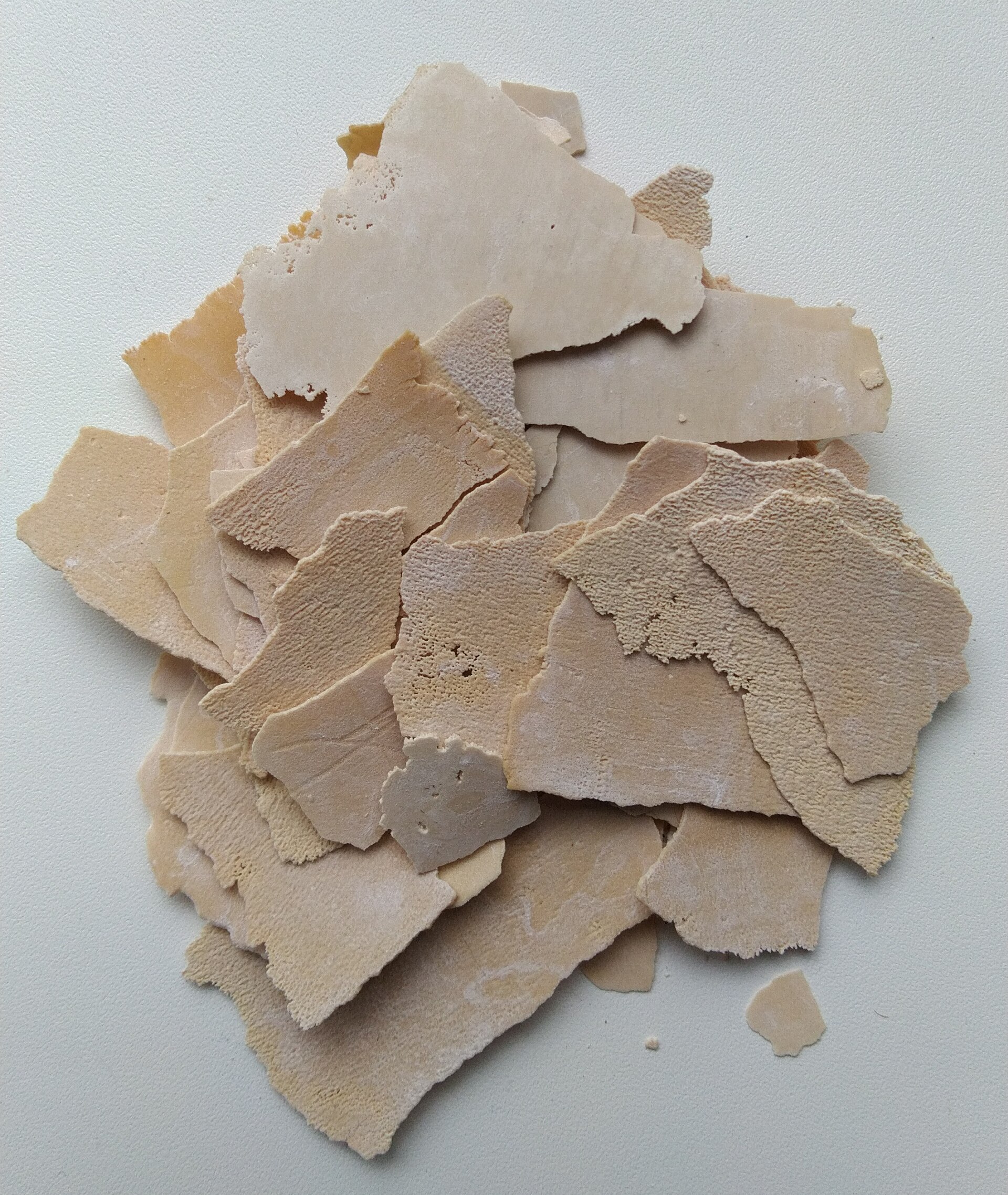
Quick answer: if you need to descale espresso machine parts, use the descaler your maker recommends, run it through the machine as the manual says, then rinse the tank and run several full tanks of fresh water. Do it when the machine asks, or every few months if your water is hard. Never improvise with harsh chemicals, and never skip the rinse. Scale is the quiet killer of home espresso. It does not smell or look dramatic. It just slows the water, cools the shot and, in the end, stops the machine. The good news: a proper routine takes about half an hour, and it is cheap. A note on method: IndieRoastersItaly has not tested every machine. This guide gives the general method and reflects what manufacturers commonly advise. Your manual always wins. Why you need to descale espresso machine parts Tap water carries dissolved minerals, mainly calcium and magnesium. When the water is heated, some of these minerals fall out as a hard, chalky crust. This is limescale. It grows inside the boiler, the thermoblock (the small heater in many home machines), the pipes and the brew unit. Scale causes three problems: Weaker heating. The crust acts like insulation, so the machine works harder and shots can come out too cool. Slow or uneven flow. Narrow channels clog. You see a weak stream, spluttering or longer brew times. Early breakdown. Pumps, valves and heaters wear out faster. Many warranties expect proper descaling. Cool shots taste sour and thin. If your espresso suddenly got worse, scale is a suspect. Beans and grind are the other usual ones, which our guide to dialing in espresso covers. How often should you descale? There is no single number. It depends on two things: how hard your water is and how much you use the machine. A machine in a hard-water city needs more care than one fed with soft or filtered water. Your situation What to do Machine shows a descale alert Descale soon. The alert is based on use and your water hardness setting. Hard tap water, daily use Descale more often, and consider filtered water. Soft or filtered water Descale less often, but do not ignore alerts. Machine unused for weeks Empty the tank and rinse before using again. To find out your water hardness, ask your water supplier or use cheap test strips from a hardware store. Many super-automatic machines, such as the one in our Magnifica S review, let you program water hardness. Set it correctly and the machine times the reminders for you. What to use to descale: the safe choice Use a descaler made for coffee machines. The best choice is the product your manufacturer names in the manual, because it is tested with the seals and metals inside. Manufacturer descaler. Easiest and safest. For example, De’Longhi EcoDecalk is the maker’s own descaler for its machines. Generic coffee-machine descaler. Fine if it states compatibility with your type of machine. Citric acid. Some users and guides use it in food-grade form. Check that your manual allows it, and follow the dilution it gives. Vinegar. Many makers advise against it. It can leave a strong smell and may harm rubber seals over time. Avoid it unless your manual says it is fine. Never use bleach, dish soap or oven cleaner in a coffee machine. Never mix descalers. Step by step: how to descale espresso machine parts These steps fit most home machines. Super-automatic models often have a built-in descaling program, so use that if you have one. Switch off and cool. Let the machine cool. Remove the water filter if your model has one, since descalers can ruin it. Empty the trays. Take out the drip tray and the grounds container. Put a large container under the spout and steam wand. Mix the descaler. Pour the exact amount of descaler and water your manual states into the clean tank. Start the program. On automatic machines, run the descaling cycle. On semi-automatic machines, run solution through the group head and steam wand in short bursts, with pauses, as the manual describes. Let it work. Do not stop halfway unless the manual says so. The contact time is part of the cleaning. Rinse the tank. Empty it, wash it and fill it with fresh water. Flush the machine. Run at least one full tank of fresh water through every outlet, or follow the machine’s own rinse program. Some makers say to run more. Taste the water at the end. It should taste neutral. Reassemble. Put the filter back if you removed one, empty the trays and reset the descale alert if your machine has one. Read next: De’Longhi Magnifica S review · How to clean a moka pot · Espresso without a machine · Coffee bloom explained, Gaggia Classic Pro vs De’Longhi Dedica. Descaling by machine type Not every machine works the same way. Here is how the routine differs. Machine type What is different Super-automatic (bean-to-cup) Usually has a built-in descaling program and a prompt on the display. Follow the on-screen steps and remove any water filter first. Semi-automatic with a boiler Run the solution through the group head and the steam wand in short bursts. Rest between bursts so the acid can dissolve the scale. Thermoblock machine The heater is small and narrow, so it clogs sooner. Do not delay descaling if flow slows. Pod or capsule machine Many have a descaling mode. Check the manual, because the method varies by brand. If you are unsure which type you own, look for a portafilter (the handle with a basket). If it has one, it is semi-automatic. If it grinds beans by itself, it is super-automatic. Our review of a popular super-automatic, the Magnifica S, shows what that kind of machine offers. A simple maintenance routine Descaling is only one part of care. A short routine keeps coffee tasting clean and makes descaling easier. After each session: empty the drip tray and the grounds container. Wipe the steam wand
De’Longhi Magnifica S Review: Is It Worth It?
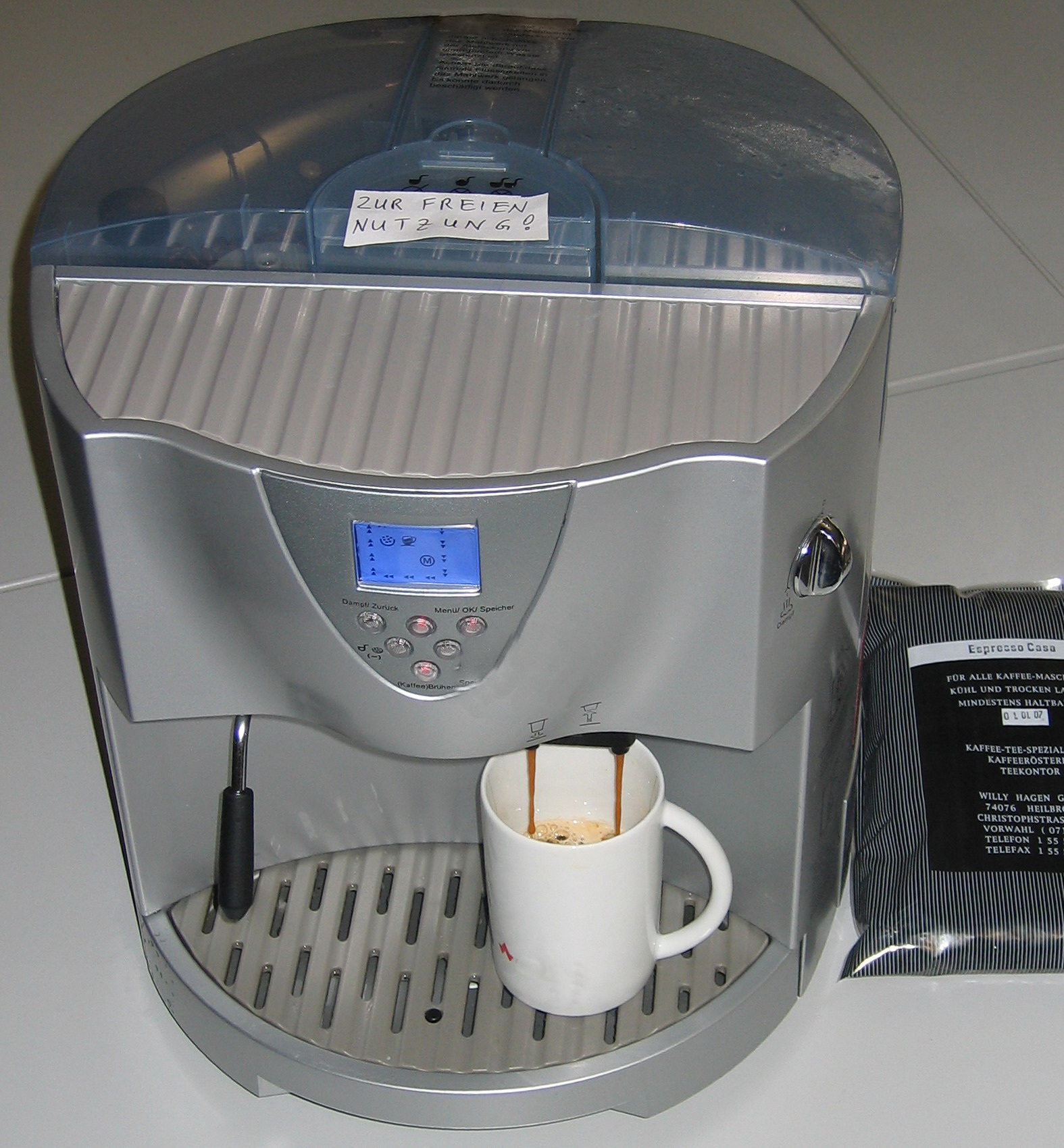
Quick answer: the De’Longhi Magnifica S is a compact bean-to-cup machine. It grinds, tamps and brews at the touch of a button. It suits people who want decent espresso every morning with almost no skill. It does not suit people who want to control dose, grind and pressure. Based on published specs and user reviews, it is a sensible entry point to home espresso. This Magnifica S review explains what you get, where it falls short, and how to feed it well. Many Italians still drink their espresso standing at the bar. At home, though, the moka (the stovetop pot) is the classic. The Magnifica S sits between the two. It gives you a bar-style shot without a barista’s training. Here is the honest picture. A note on method. IndieRoastersItaly has not physically tested this machine. Everything below comes from De’Longhi’s published specifications, retailer listings and the pattern of user reviews. Where a detail is not confirmed, we say so. What the Magnifica S actually is The Magnifica S is a “super-automatic” machine. That means one device does four jobs: it grinds whole beans, doses the coffee, presses it and pushes hot water through. You add beans and water. You press a button. A cup of espresso comes out. The model most people search for is the ECAM22.110. It comes in black, silver-black and white versions. De’Longhi’s own listing calls it a one-touch machine that makes two drinks at once with its twin-shot system. A “rapid cappuccino system” is also listed, so you can steam milk soon after pulling a shot. This is not a semi-automatic machine, where you grind, dose and tamp by hand. If you want that, jump to the alternatives section. Key specs at a glance These figures come from the official De’Longhi product page and retailer listings. Always check the exact model you buy, since colours and regional versions differ. Spec Value Pump pressure 15 bar Water tank 1.8 L Bean hopper 250 g Power 1,450 W Size (W × D × H) 230 × 430 × 340 mm Weight 9 kg Grinder Built-in; one Amazon listing says stainless steel conical burr Grind adjustment 13 levels, as reported by one retailer Water hardness Programmable A quick word on “15 bar”. It is the pump’s maximum, not the pressure at the coffee. Espresso is normally brewed near 9 bar. Machines use a pressure valve to reach that. So do not treat 15 bar as a quality score. What to expect in the cup A bean-to-cup machine grinds fresh for every shot. That is a real advantage over pre-ground coffee, which goes stale fast. The grind happens a few seconds before brewing, so the aroma stays in the cup. The industry reference for a classic Italian espresso is often quoted like this: about 7 g of coffee, water near 90 °C, around 9 bar, roughly 25 seconds and about 25 ml in the cup. The Magnifica S is built for convenience, so expect results close to this style rather than a precise match. The machine does the dosing for you, and that is both its strength and its limit. User reviews tend to praise a few things: a compact body, simple controls and a steady, good-enough espresso. Reviews also tend to mention that the milk system is basic. We cannot verify any individual claim, so treat these as common themes, not proof. At the time of writing, one Amazon listing for the black ECAM22110B showed 3.9 out of 5 stars from 123 ratings. What it does well Zero learning curve. Beans in, button pressed, coffee out. Guests can use it. Fresh grinding. Whole beans are ground per shot, so you can buy small bags from a roaster. Compact footprint. At 230 mm wide it fits under most kitchen cabinets. Twin-shot option. Two cups in one cycle saves time for a couple or a family. Water hardness setting. This helps the descaling reminders match your tap water. If you want a related example of a convenience-first machine, see our Lavazza Tablì review. Where it falls short Limited control. You can change grind and strength. You cannot set dose or pressure like on a semi-automatic. Milk is basic. A manual frothing wand is fine for a cappuccino now and then. It will not give café-quality microfoam without practice. Cleaning matters. Any bean-to-cup machine needs regular rinsing, emptying and descaling. Skip it and the taste suffers fast. Repairs are harder. Internal parts are not as simple to service as a basic portafilter machine. Mixed ratings. The 3.9-star average on one listing suggests some users had problems. Read recent reviews of the exact variant before you buy. Read next: How to dial in espresso · Espresso without a machine · Oily coffee beans explained · Best manual coffee grinder, Gaggia Classic Pro vs De’Longhi Dedica. Which beans to use (and which to avoid) This is where Italian roasting knowledge helps. Super-automatic grinders and brew units prefer dry-surfaced beans. Very oily beans, often from dark roasts, can coat the grinder and clog the chute. De’Longhi and many other makers warn about this in their manuals, so check yours. A medium or medium-dark roast with a dry surface usually works best. Ask your roaster for an espresso blend that is not shiny. Buy whole beans in small bags, ideally with a roast date, and use them within a few weeks. Our guide to oily coffee beans explains why the shine appears and what it means. Daily care and common mistakes Do not leave beans in the hopper for weeks. Air and light dull them. Fill only what you will use in a few days. Use filtered or soft water if your tap is hard. Scale is the main enemy of any espresso machine. Empty the drip tray and grounds drawer daily. Old grounds smell sour and can grow mould. Never put pre-ground or flavoured coffee in the bean hopper. It can jam the grinder. Descale when the machine asks. Ignoring it shortens the

Does Coffee Stunt Your Growth? What the Evidence Says
Quick answer: No. Current evidence does not show that coffee stunts your growth. Height is set mostly by genes, nutrition, sleep and overall health. The warning is a very old myth. Coffee can still cause real problems for kids and teens, mainly poor sleep, jitters and too much sugar in coffee drinks. So the better question is not “Does coffee stunt your growth?” but “How much is too much for a growing body?” If you grew up hearing “don’t drink coffee, you’ll stay short,” you are in good company. The line is repeated in many countries. This guide explains where it came from, what researchers actually found, and what is worth worrying about instead. This is general information, not medical advice. For a specific child, ask a pediatrician. Where the “stunts your growth” myth came from Many sources trace the myth to early 1900s advertising. The Postum company sold a roasted-grain drink as a coffee substitute. Its ads warned about coffee, and the claim about children stuck. Historians do not all agree on how much one brand shaped public belief. But the timing fits, and several health writers repeat the same origin story. The myth also lasted because it sounds plausible. Coffee is a stimulant. Some people link caffeine with bone loss. Put the two together and “stunted growth” feels like common sense. Common sense is not evidence, though. What the research says Researchers have looked for a link between caffeine and height or bone growth in young people. As summarized by Discover Magazine, a multi-year study of adolescents found no link between caffeine intake and height or bone gain. Healthline reaches a similar conclusion in its review. We have not read every original paper, so we describe these as secondary summaries. The main idea behind the worry is calcium. Caffeine does slightly reduce calcium absorption. But sources describe the effect as tiny, on the order of a few milligrams of calcium per cup. A splash of milk in your coffee can offset that. A diet with enough calcium and vitamin D matters far more than whether coffee is in the cup. What really decides how tall you get Height is mostly inherited. Studies of families and twins have long shown that genes play the largest role. Environment fills in the rest. In practice, three things count for most: Genes. Tall parents tend to have tall children. You cannot change this. Nutrition. Enough protein, calories, calcium and vitamin D support growth through childhood. Health and sleep. Long illnesses and chronic poor sleep can affect growth in children. Coffee does not appear on this list. If a child is much shorter than peers or has slowed growth, the cause is almost always something else. A doctor can check it. Read next: Caffeine myths · Does coffee dehydrate you? · Decaf coffee myths · Is coffee bad for your heart? The real risk: sleep Here is the part that deserves attention. Caffeine can delay sleep and make it lighter. Growth hormone is released mostly during deep sleep, so a child who sleeps badly for months is not helped by evening coffee. Healthline and other sources make this same indirect point. It is an honest reason to limit coffee for teens. It does not prove that coffee makes anyone shorter. Caffeine stays in the body for hours. Half of a dose may still be there five or six hours later, though this varies by person. A cup at 5 pm can still be active at bedtime. For a school-age child, even one afternoon drink can matter. How much caffeine is in common drinks Drink Typical caffeine (approx.) Notes Brewed coffee, 8 oz (240 ml) About 95 mg Varies a lot by bean and brew Espresso, one shot (about 1 oz) About 63 mg Small drink, but a concentrated one Cola, 12 oz About 30–40 mg Plus added sugar Energy drink, 8 oz Often 70–100 mg or more Check the label; some cans hold much more Decaf coffee, 8 oz A few mg Not zero These are rough averages. Check labels and coffee shop info for exact numbers. For healthy adults, the U.S. Food and Drug Administration cites up to 400 mg of caffeine a day as an amount not generally linked with harmful effects. Health groups advise lower limits for children and teens, and they discourage energy drinks for them. Ask your pediatrician for a number that fits your child. How Italians handle coffee and kids Italy has a relaxed coffee culture, and the myth is less common than you might think. In many Italian homes, children grow up around the morning ritual of the moka pot. Some remember a spoonful of coffee in a big cup of warm milk, a family habit that is more about belonging than caffeine. We mention it as culture, not as advice. Italy also has a long tradition of caffeine-free alternatives. Caffè d’orzo is a roasted barley drink that families often serve instead of coffee. It looks and smells like coffee but has no caffeine. If a child wants to join the ritual, a barley or decaf option is a simple way. Our guide to the rules of the Italian coffee bar shows how the habit works for adults. Practical tips for parents and teens Skip coffee in the afternoon and evening. This protects sleep. Watch the sugar. Sweet iced coffees and blended drinks can hold as much sugar as a dessert. Avoid energy drinks. They pack more caffeine and are marketed to young people. Add milk if you like it. It adds a little calcium and softens the taste. Count all sources. Tea, cola, chocolate and some medicines also contain caffeine. Talk to a doctor if a child has anxiety, heart problems, or trouble sleeping. For adults who worry about other coffee beliefs, our pages on espresso myths and strong coffee myths cover more. Myth vs. fact at a glance Common belief What sources say Better focus Coffee makes children shorter No evidence of an
Kona Coffee Explained: Origin, Taste and What “Kona Blend” Means
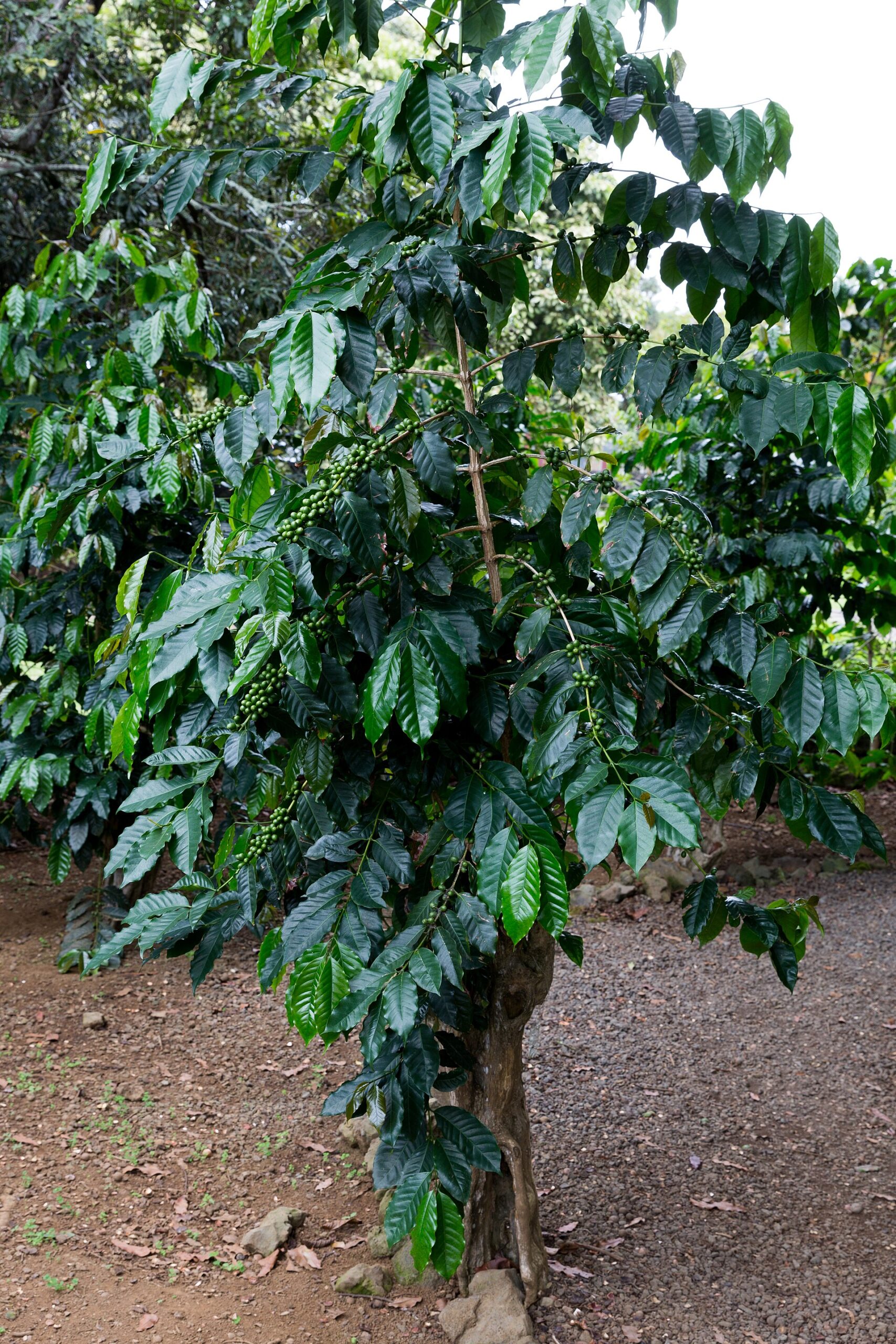
Quick answer: Kona coffee is coffee grown on the slopes of Hualālai and Mauna Loa, on the west side of Hawaii’s Big Island. Real “100% Kona” is rare and costs more than most specialty coffee. A “Kona blend,” by contrast, can legally hold as little as 10% Kona beans when sold in Hawaii. So the label matters more than the name. Most people meet Kona coffee as a gift-shop bag or a line on a café menu. Few know what they are really buying. This guide explains where Kona coffee grows, how it tastes, why the price is high, and how to spot a bag that is mostly something else. We have not tasted every farm. What follows is based on public sources, farm and trade information, and published labeling rules. Where Kona coffee grows The name points to the Kona districts of Hawaii’s Big Island. Growers farm a narrow strip on the slopes of two volcanoes, Hualālai and Mauna Loa. Sources describe this “Kona Coffee Belt” as roughly 500 to 3,200 feet above sea level. It is only a few miles wide, which is why total volume stays small. Coffee reached Hawaii in the early 1800s. Accounts differ on exact dates and names, so we avoid a firm claim here. The Kona coffee article on Wikipedia gives a good timeline and cites its sources. What is clear is that small family farms, often a few acres each, have shaped Kona for generations. Why the place matters Growers usually point to the same ingredients. The soil is volcanic. Mornings are sunny. Clouds roll in during the afternoon and shade the trees. Nights stay mild. This pattern helps cherries ripen slowly, and slow ripening is what specialty buyers look for in any origin. Is this unique? Not entirely. Other high-elevation, volcanic origins have similar traits. For example, Jamaica Blue Mountain also relies on altitude and cloud cover. The difference is that Kona is one of the few places in the United States where coffee is grown commercially at this scale. That makes it a rare, named origin for American buyers. How Kona coffee tastes Roasters and reviewers often describe Kona as smooth and mellow. Common notes include nuts, brown sugar, and a soft fruit sweetness. It is usually called balanced rather than loud. Medium roasts tend to suit it best, because a dark roast hides what you paid for. Taste depends on the farm, the processing, and the roast. Read any single description as a general guide, not a promise. If you want to understand why the same coffee can taste so different, our guide to coffee processing methods explains how washing, drying and fermentation change the cup. What “Kona blend” really means This is the part that costs shoppers the most money. Under a Hawaii rule, a product sold in Hawaii as a “Kona blend” must contain at least 10% Kona coffee. The other 90% can come from anywhere. The state’s authority stops at its borders, and one source notes there is no matching federal rule. So the same bag can look very different once it leaves Hawaii. Lawmakers have tried to tighten this for years. A 2024 bill passed the legislature, according to Daily Coffee News, with enforcement slated for 2027. We could not confirm the final text, so check the current rules before you rely on any one percentage. How to read the label Label wording What it usually means Our take 100% Kona coffee All beans from the Kona districts, if the seller is honest The only version that matches the name Kona blend Minimum 10% Kona when sold in Hawaii; the rest is other coffee Fine as a mild coffee, poor value as “Kona” Kona-style, Kona flavored, Kona roast Often no Kona beans at all, or a flavor added Treat as a marketing phrase Hawaiian coffee Grown somewhere in Hawaii, not necessarily Kona Can be good, but a different origin Read the full bag, not only the front. Look for a percentage and a farm or mill name. If the bag says “Kona” but hides the percentage, assume the low end. Read next: Arabica varieties explained · Panama Geisha coffee · Single origin coffee myths · Why coffee blooms Why Kona coffee costs more Several forces push the price up. Volume is small. Hawaii labor and land costs are high. Farms are small, and much of the harvest is picked by hand, cherry by cherry, because ripeness varies on the same branch. Demand is strong, and counterfeits crowd the market, which makes honest sellers charge for proof. Farms also face real pressure. Reports describe the coffee berry borer, an insect pest, reaching Hawaii in 2010. Coffee leaf rust, a fungal disease, was later found on the islands as well. Both raise costs for growers. We recommend checking recent news from Hawaii’s farm bodies for current numbers, since these change each season. How to buy real Kona coffee Look for “100% Kona.” A percentage is a better clue than a pretty label. Buy from a farm or a roaster that names the farm. Traceable coffee is harder to fake. Choose whole beans with a roast date. Fresh beans matter more than a famous name. See our notes on degassing for what freshness really means. Be wary of very low prices. If a “100% Kona” bag costs the same as a supermarket blend, ask why. Start small. Buy one small bag before you commit to a pound. How to brew Kona coffee Keep the method simple so the coffee can speak. A pour-over or a drip brewer suits a mellow cup. If you love Italian-style coffee, a moka pot also works with a medium roast. Use a good grinder and a clean pot, and never press the beans too fine. Our guides to the best grinder for a moka pot and cleaning a moka pot cover the basics. A rough starting point for a pour-over is 1 part coffee to 16 parts water, with water just off
Macchiato History: What the Name Really Means
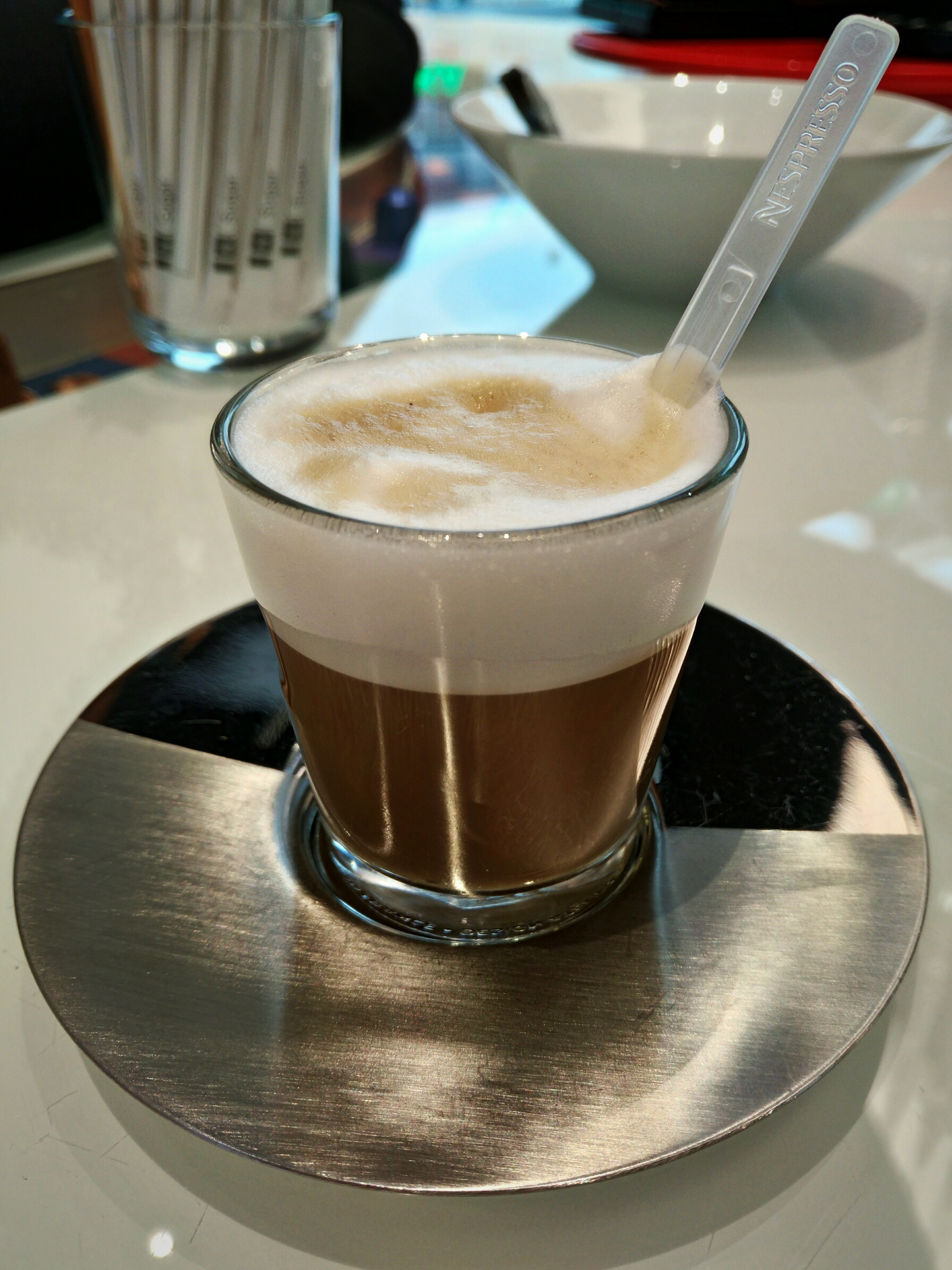
Quick answer: macchiato is Italian for “stained” or “marked.” A caffè macchiato is an espresso “marked” with a small spot of milk or milk foam. The macchiato history is not well documented, so we cannot say who first made it. Sources point to Italy, but they disagree on the date, so treat any exact year with care. A latte macchiato is the opposite drink: a glass of milk “marked” with a little espresso. The macchiato history is a good example of how one word can mean three different drinks. In Rome it is a small espresso. In a tall glass it is layered milk. In many coffee chains it is a sweet, caramel-topped latte. This guide separates the three and explains how to order each one like an Italian. What the word macchiato means In Italian, macchiare means to stain or to spot. A macchia is a stain. So a macchiato is something that has been stained. The word is used for many things in Italian, not only coffee. Applied to a drink, it means one ingredient has a small mark of another. In a caffè macchiato, the espresso is the main drink and the milk is the mark. In a latte macchiato, the milk is the main drink and the espresso is the mark. The name tells you which one leads. This is the key to the whole subject. Once you know which ingredient is “stained,” you know what you will get. Macchiato history: what we know and what we do not A common story says baristas needed a way to tell plain espresso from espresso with a little milk. A spot of foam on top “marked” the cup, so the waiter or customer could tell them apart. The idea is simple and plausible. But no primary source we could find proves who did it first. Dates differ from source to source. Some popular articles place the drink in the 19th century. Others link it to later decades of the 20th century, after espresso machines became common in Italian bars. These are mostly blog accounts, not scholarly research. We cannot confirm either date, so we do not give one. What we can say with more confidence is the setting. The macchiato belongs to the Italian espresso bar. Espresso itself grew with the machines described in our history of espresso. A drink that needs one shot and a spoon of foam is a natural fit for a fast bar, where people drink standing at the counter. For the rules of that world, see our guide to Italian coffee bar rules. The latte macchiato is even less documented. It is usually described as a home or breakfast drink, built in a glass so that the layers show. Sources do not agree on its origin, and the Wikipedia page on the latte macchiato is a fair starting point for more reading. Three drinks, one name Drink What it is Size Where you find it Caffè macchiato (espresso macchiato) One espresso with a spoon of milk foam or a splash of milk About 40 to 60 ml Italian bars, worldwide cafes Latte macchiato Steamed milk with a shot of espresso poured in, often layered 200 to 300 ml, in a glass Home, cafes, Germany and Austria Caramel macchiato (chain style) Vanilla latte with espresso on top and caramel drizzle 350 ml and up Coffee chains The third drink is not Italian. The caramel macchiato is widely reported to have been launched by Starbucks in 1996. It is built like a latte, with sweet syrup, so it has little in common with the Italian original. This is not a criticism. It is simply a different drink with a borrowed name. How Italians order a macchiato In Italy, the easiest order is “un caffè macchiato, per favore.” Italians usually pay at the till first, then show the receipt at the counter. Some bars skip the till and you pay after. Watch the room and follow the locals. There is one more choice. Ask for a macchiato caldo if you want the milk hot and foamed. Ask for a macchiato freddo if you want a splash of cold milk. Many bars will give you foam without asking. If you want the milk drink, say “latte macchiato.” Be clear about it. If you only ask for “un latte” in Italy, you will usually get a glass of plain milk. That surprises many visitors. Espresso with a spot of milk: caffè macchiato. Glass of milk with a shot of coffee: latte macchiato. Espresso with cocoa and foam: see our story of the marocchino. Espresso with a splash of grappa: see caffè corretto. Read next: History of the cappuccino, cappuccino vs latte vs flat white, Italian coffee culture and espresso prices in Italy. Macchiato vs cortado vs flat white The macchiato sits in a family of small espresso-and-milk drinks. They look alike, but the ratios differ. Macchiato: mostly espresso, a small mark of milk. Cortado: a Spanish drink, with roughly equal parts espresso and warm milk. Cortado means “cut.” Cappuccino: espresso, steamed milk and a thick layer of foam, in a larger cup. Flat white: a milk-forward drink with smooth, thin microfoam. If you like the strength of espresso but want a little softness, the macchiato is the best first step. It keeps the bite of the coffee, and the milk rounds the sharp edges. How to make a good macchiato at home You do not need a barista machine to get close. You need a strong shot and a little foam. Make a short, strong coffee. A shot of espresso, or a moka pot coffee, works well. Warm a small amount of milk, about two tablespoons. Whisk or froth it until it has some foam. Our guide on how to froth milk at home shows simple ways. Spoon a small dot of foam on top of the coffee. Do not fill the cup. Drink it right away, while the foam is warm. A moka pot gives a