Quick answer: Buy the Bialetti Moka Express if you want the classic, cheap, easy-to-repair moka pot. Buy the Alessi 9090 if you cook on induction, want stainless steel, or care about design. Both make good coffee, according to published reviews. We have not tested either pot ourselves.
The Alessi 9090 vs Bialetti Moka Express debate is really a choice between two Italian ideas. One is the everyday pot found in kitchens since the 1930s. The other is a museum-grade design from the late 1970s. Here is how they differ in material, heat, taste, care and price, so you can pick the right one.
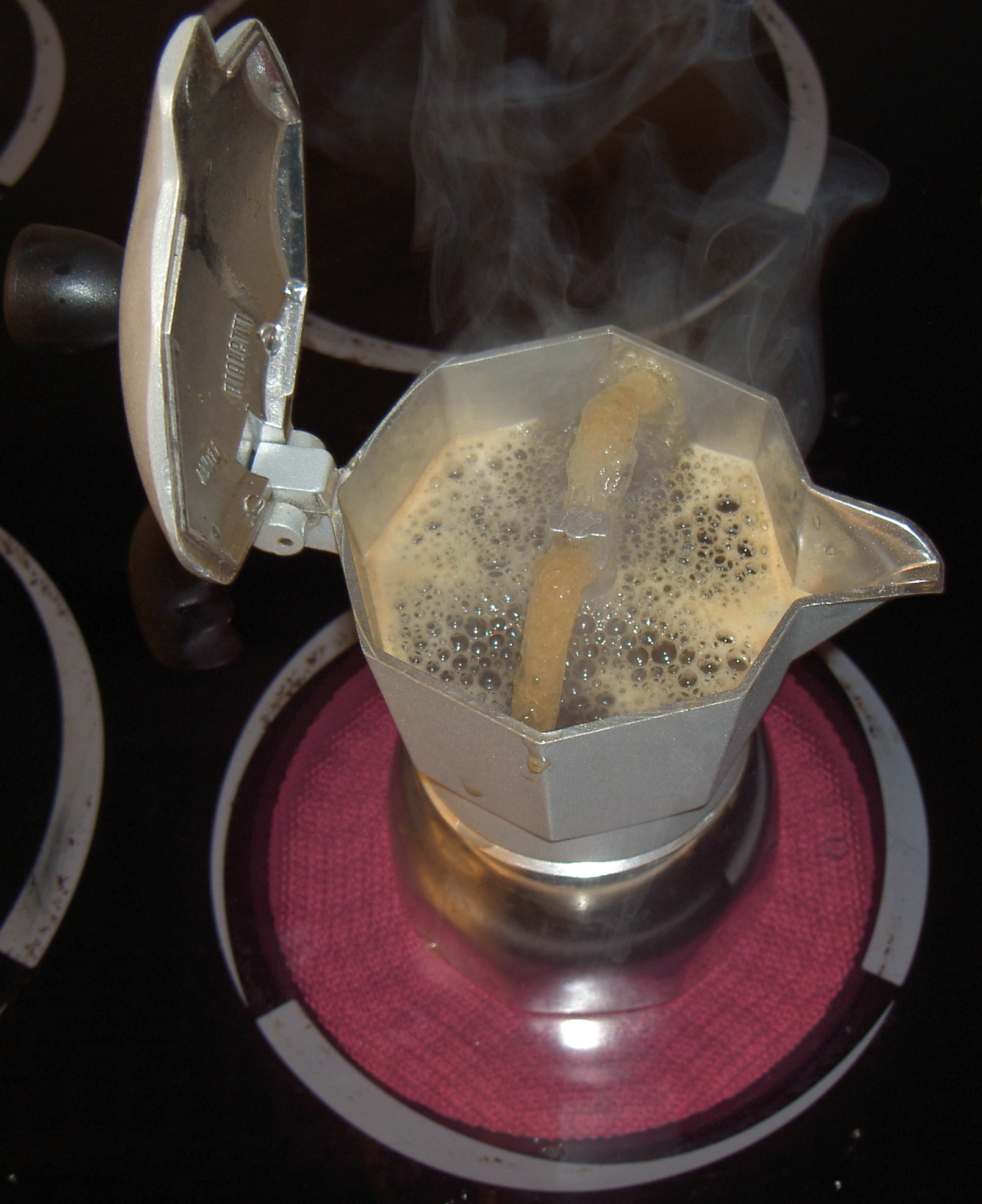
Alessi 9090 vs Bialetti Moka Express at a glance
| Bialetti Moka Express | Alessi 9090 | |
|---|---|---|
| Material | Aluminum | 18/10 stainless steel |
| Induction hob | Not on its own (adapter plate sold by Bialetti) | Yes, magnetic base |
| Designer | Traditional octagonal design, 1930s | Richard Sapper, commissioned 1978 |
| Handle | Heat-resistant, usually plastic | Metal; can get very hot |
| Spare parts | Easy to find | From Alessi; naming can confuse |
| Reported price | From about $37 for a 1-cup pot (Tasting Table) | Much higher; check the current listing |
Prices and sizes change, so check the listing before you buy. The Amazon page for each pot shows the size options.
Two pots, two histories
The Moka Express is the pot most people picture when they say “moka.” Wikipedia credits its invention to Luigi De Ponti, who sold the design to Alfonso Bialetti, and dates it to 1933. We cover the details and the disputed points in our history of the moka pot.
The 9090 is much younger. According to Wikipedia’s page on Richard Sapper, Alessi commissioned him in 1978 to design a stovetop espresso maker. The 9090 won a Compasso d’Oro in 1979, one of Italy’s top design awards, and it is in the collection of the Museum of Modern Art in New York.
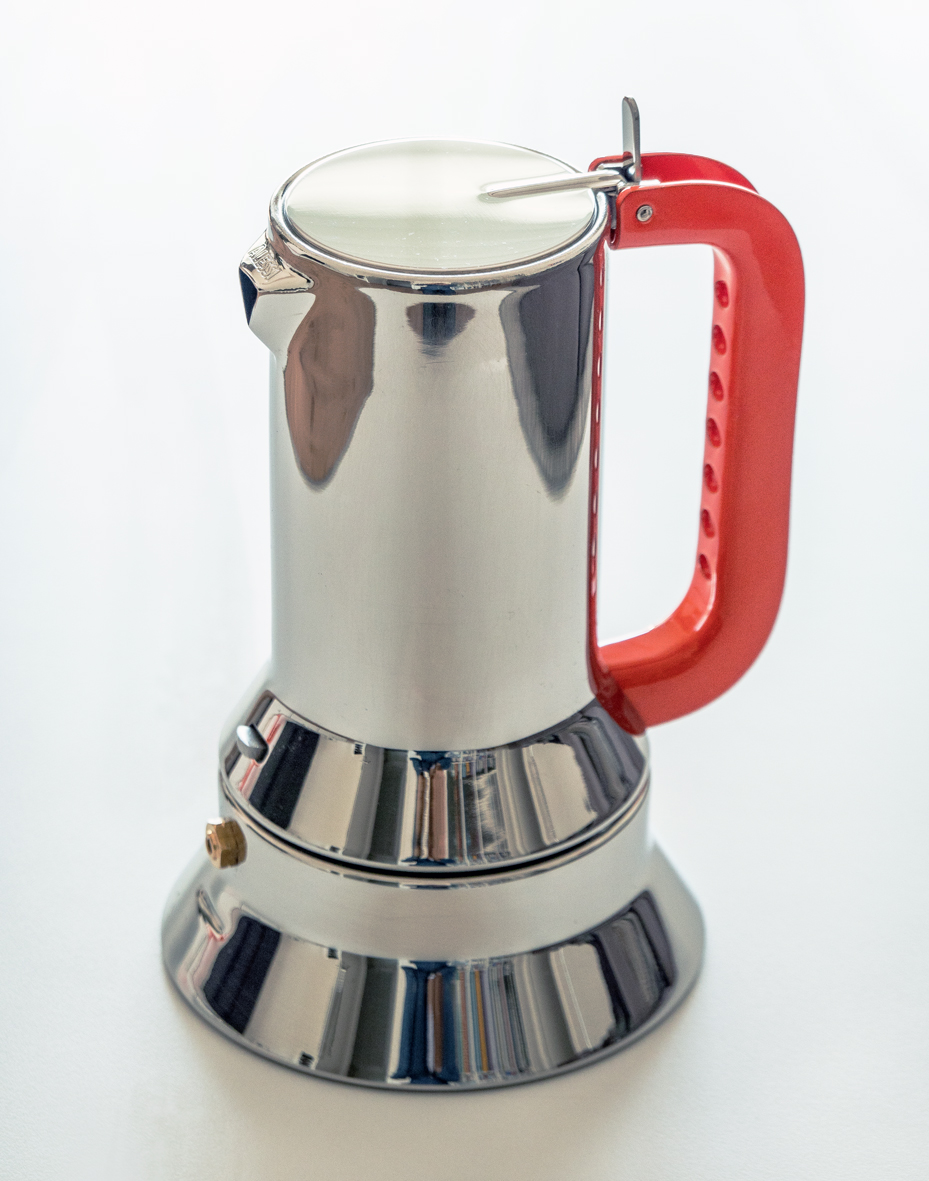
Sapper also designed the ThinkPad for IBM. Wikipedia lists the first ThinkPad 700C in 1992. So the same mind drew a laptop and a coffee pot. Both have a clean, boxy look with a small surprise inside.
Taste: is there a real difference?
One review site that tested many moka pots, Honest Coffee Guide, says only two stood out: the Bialetti Moka Express and the Alessi 9090. It says the 9090 makes “rich and creamy” coffee. It gives the Bialetti the higher rating and calls it its overall recommendation.
That fits our own logic. A moka pot makes coffee under modest pressure, not true espresso. Taste depends far more on your beans, grind and heat than on the pot. A stainless pot and an aluminum pot hold the same water and the same grounds. If you change only the pot, expect small differences at most. Treat taste claims as one tester’s opinion.
For better results with either pot, start with the grind. Our guide to the best grinder for a moka pot explains why a medium-fine, even grind matters. Our perfect moka pot guide gives the full method.
Read next: Bialetti Moka Express review, moka pot on induction, best moka pots, and Brikka vs Moka Express.
Induction: the biggest practical gap
This is the point that settles the choice for many readers. Aluminum is not magnetic, so the Moka Express does not work on an induction hob by itself. Tasting Table notes that Bialetti sells an induction plate adapter. The Alessi 9090 has a magnetic stainless base and is listed by retailers as suitable for induction.
If you use induction, you have two paths. Pay more for the 9090, or buy the Moka Express plus an adapter plate. The plate adds a step and a little heat delay. Read our full guide on using a moka pot on induction before you decide.
Design and daily use
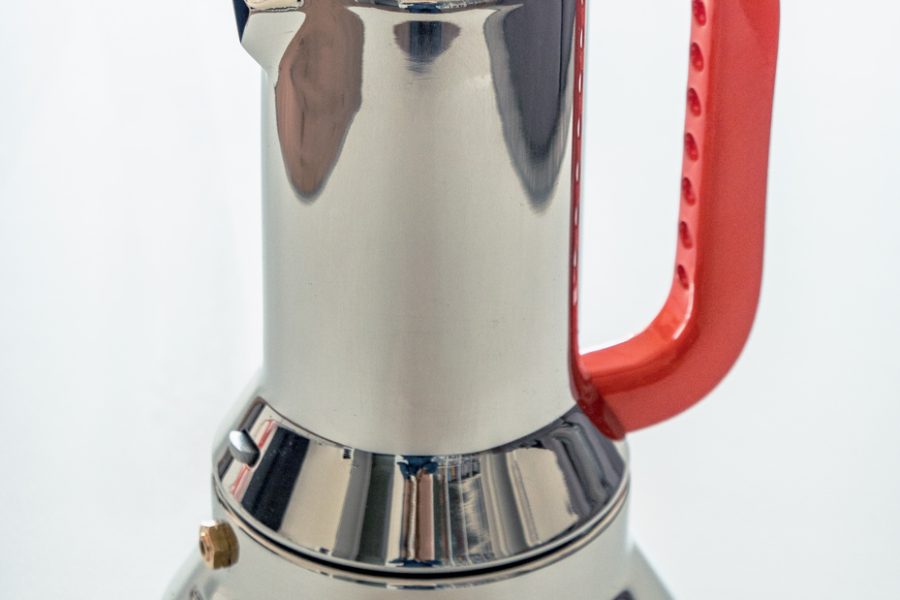
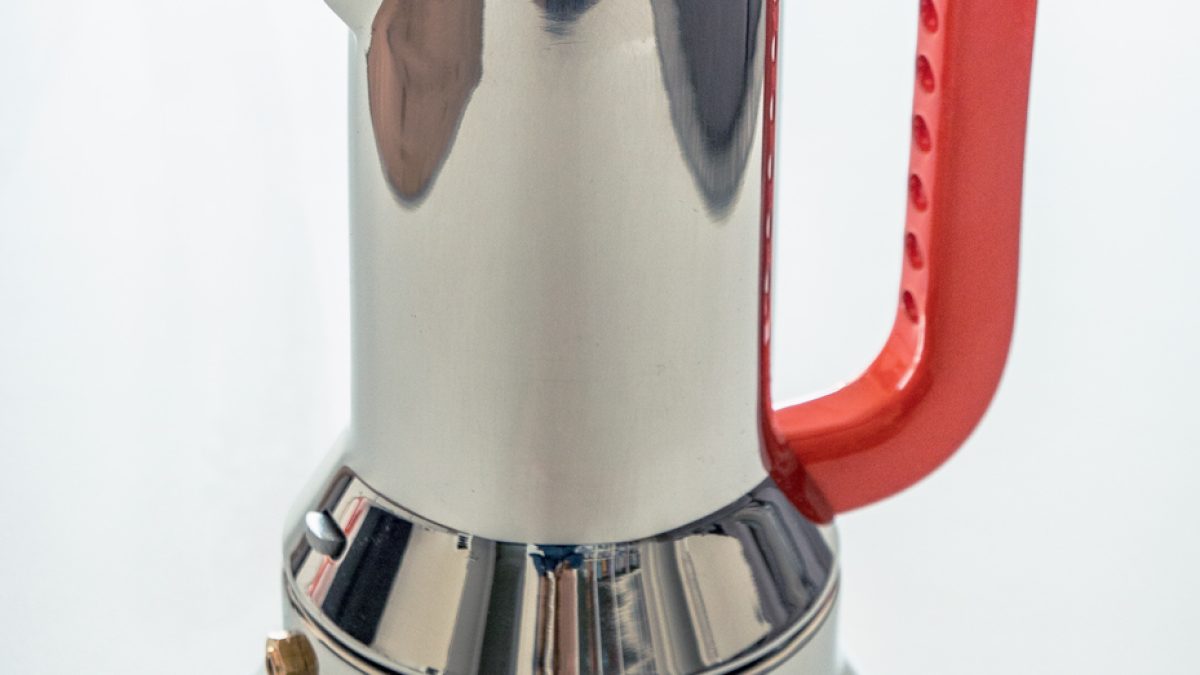
Reviewers praise the 9090’s spout, which pours cleanly with no spills. They also like its closing system, which stops you from tightening the two halves too much. The lid opens easily.
They also list downsides. The handle is metal, so it can get very hot on a strong gas flame. One tester needed an oven glove. The pot has a small extra part, called a reducer, that is easy to lose. The upper chamber is thin and hard to clean at the bottom. Some people confuse which way the chambers connect.
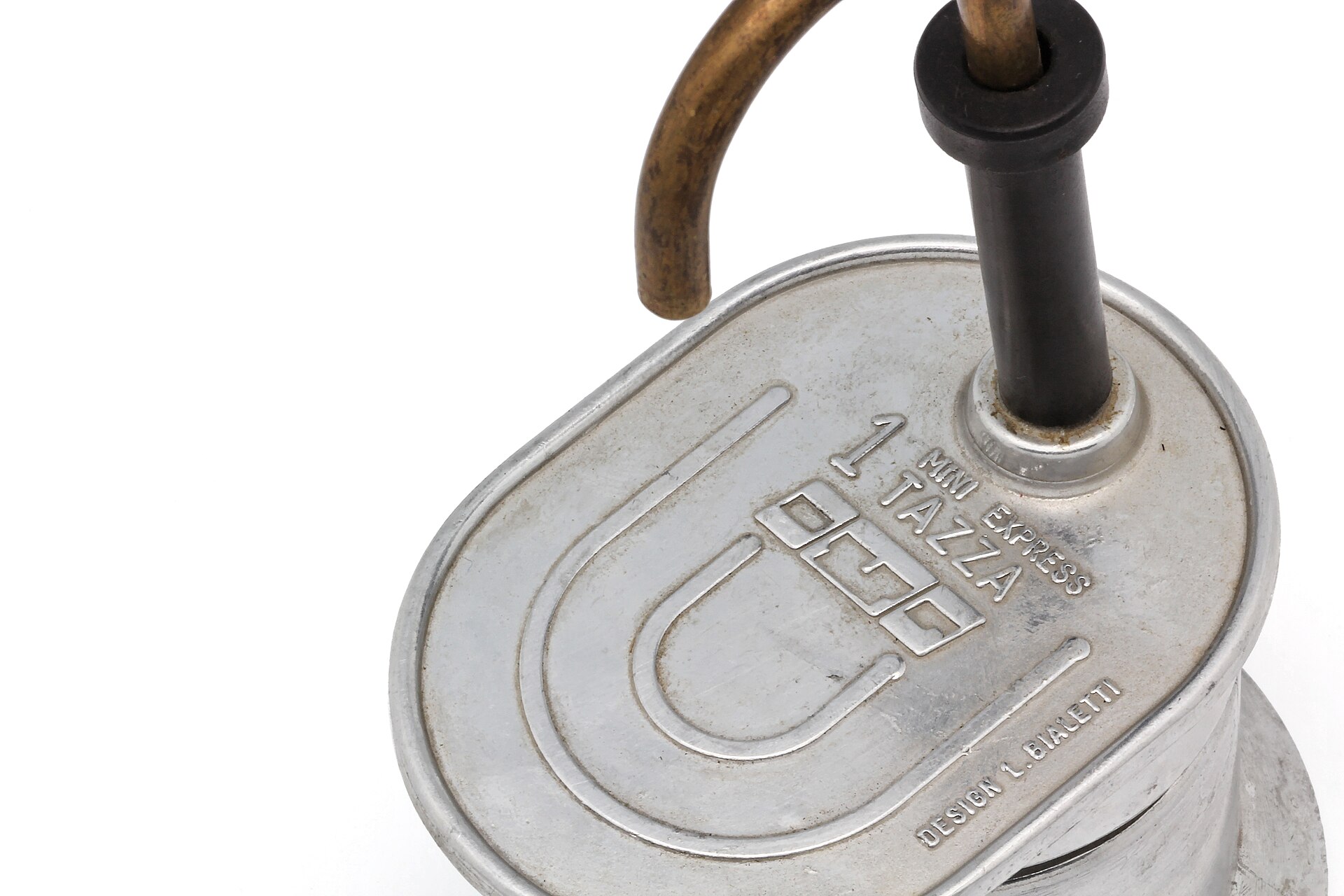
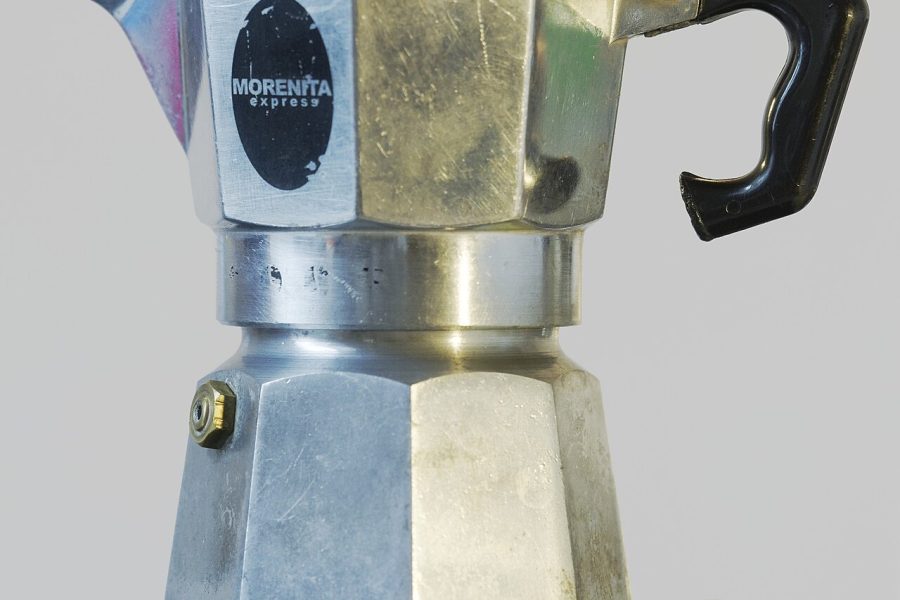
The Moka Express is simpler. It has a classic octagonal body, a plastic handle and a single filter basket. It is easy to use and easy to learn. Its weak spots are the aluminum, which can darken with harsh cleaning, and the gasket, which needs replacing from time to time. See our guide on how to clean a moka pot to avoid common mistakes.
Repairs and long-term value
Moka pots last for decades if you care for them. The parts that wear out are the rubber gasket and the small filter plate. For the Moka Express, spares are easy to find. For the 9090, Honest Coffee Guide says you can buy gaskets and metal parts directly from Alessi, but Alessi model names can be confusing when you search.
So the cheaper pot is also the easier one to maintain. The costlier pot is a better object but needs more care when you shop for parts.
A third option: the Bialetti Venus
If you want stainless steel and induction but find the 9090 too costly, look at the Bialetti Venus. It is a stainless steel Bialetti pot, and published listings describe it as suitable for induction. We compare it with the classic in our Bialetti Venus vs Moka Express guide. Always confirm induction compatibility on the product page for your exact size.
Which size should you buy?
In moka pots, a “cup” means a small espresso-style serving, not a mug. Sizes are not the same across brands, so a 3-cup pot from one maker can differ from another. Look at the water capacity in ml on the product page. Our moka pot size guide explains how to match a pot to your daily coffee.
One rule helps: a moka pot works best when you fill the basket completely. Half-filling a big pot gives uneven results. So buy the size that matches how much you drink in one go.
How to brew in either pot: five steps
- Fill the lower chamber with cold water up to the line or valve. Do not go over it.
- Add medium-fine ground coffee to the basket. Level it gently with a finger. Do not tamp.
- Screw the top on firmly. Handle the hot base with a cloth.
- Place the pot on medium-low heat. Keep the flame under the base. Leave the lid open to watch the stream.
- Take it off the heat when the stream turns pale and starts to sputter. Cool the base under cold water, then pour.
Steps are generic, and your maker’s manual may differ in small ways. The method works for both pots. The 9090’s closing system and the Moka Express’s screw top feel different, but the brew is the same.
Who each pot suits
The student or first-time buyer. The Moka Express is the safer buy. It is cheap, you can find parts easily, and you learn on a pot that millions of people use.
The induction cook. You need a pot that works on your hob. Compare the 9090, the Venus, and a Moka Express with an adapter plate. Pick on budget and on how much you want a plate on the hob.
The gift giver. The 9090 is the one people keep on display. It has a museum pedigree and a distinctive look. It makes a strong present for anyone who likes design.
Which one should you buy?
- Choose the Bialetti Moka Express if you want the best value, the easiest repairs, and a classic that nearly every Italian kitchen knows.
- Choose the Alessi 9090 if you use induction, prefer stainless steel, or want a design piece that also makes coffee.
- Choose neither if you want true espresso crema or a milk drink with real pressure. See our comparison of a moka pot and an espresso machine.
Our verdict follows the reviews we read. For most people the Moka Express is the better buy. For induction users with a design streak, the 9090 is worth the extra money. This is an editorial opinion based on published specs and reviews, not on hands-on tests.
Common mistakes with either pot
- Using hot water. It can start the brew too early and cook the coffee in the basket.
- Packing the grounds. Level them gently. Do not tamp.
- High heat. Use medium to low heat. A hot flame can burn coffee and overheat a metal handle.
- Leaving the pot on the stove. Remove it as soon as the coffee starts to sputter, then cool the base under cold water to stop the brew.
- Using strong detergent. Rinse with water and dry well. Check your maker’s care notes.
FAQ: Alessi 9090 vs Bialetti Moka Express
Is the Alessi 9090 worth the price?
For induction users and design fans, many reviewers say yes. For taste alone, the evidence says the cheaper Bialetti is as good.
Does the Bialetti Moka Express work on induction?
Not by itself, because it is made of aluminum. Bialetti sells an adapter plate, according to Tasting Table. Some Bialetti models are made for induction, so check the product page.
Which pot is easier to clean?
The Moka Express has fewer parts. The 9090 has an extra reducer and a thin upper chamber that is harder to reach.
Who designed the Alessi 9090?
Richard Sapper, a German designer based in Milan. Alessi commissioned the pot in 1978, per Wikipedia.
Does a stainless pot make better coffee?
There is no strong evidence for it. Grind, dose, heat and beans matter more than the metal.
Did you test both pots?
No. This comparison uses public specs, Wikipedia, and published reviews. We say so where a point is one reviewer’s opinion.
Your next step
Check your stove first. If you cook on gas or electric, the Moka Express is the simple choice. If you cook on induction, compare the 9090 with a Moka Express plus an adapter plate. Then spend the money you save on fresh beans and a good grinder.
As an Amazon Associate, IndieRoastersItaly earns from qualifying purchases. This does not change the price you pay.
IndieRoastersItaly is building a map of independent Italian roasters, with specialty coffee delivered fresh. Join the waitlist on our home page to hear when it opens.
This article was written with the support of artificial intelligence for content structuring, and was fully reviewed, verified, and refined by the author.