
Quick answer: No. Current evidence does not show that coffee stunts your growth. Height is set mostly by genes, nutrition, sleep and overall health. The warning is a very old myth. Coffee can still cause real problems for kids and teens, mainly poor sleep, jitters and too much sugar in coffee drinks. So the better question is not “Does coffee stunt your growth?” but “How much is too much for a growing body?”
If you grew up hearing “don’t drink coffee, you’ll stay short,” you are in good company. The line is repeated in many countries. This guide explains where it came from, what researchers actually found, and what is worth worrying about instead. This is general information, not medical advice. For a specific child, ask a pediatrician.
Where the “stunts your growth” myth came from
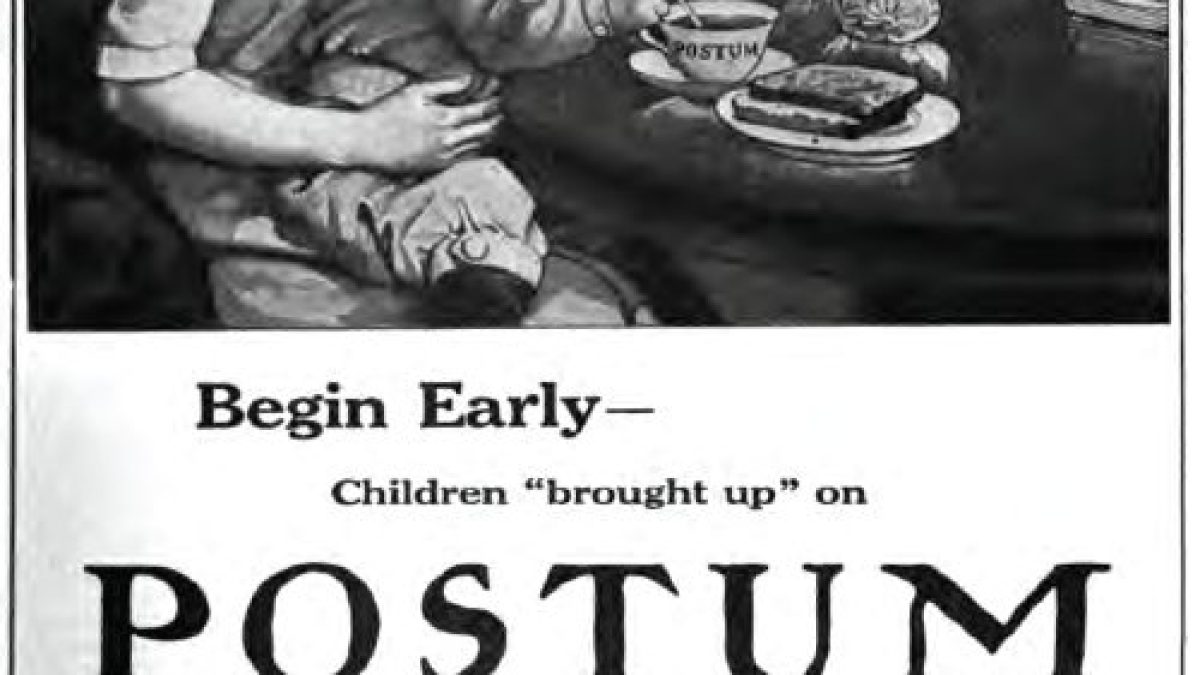
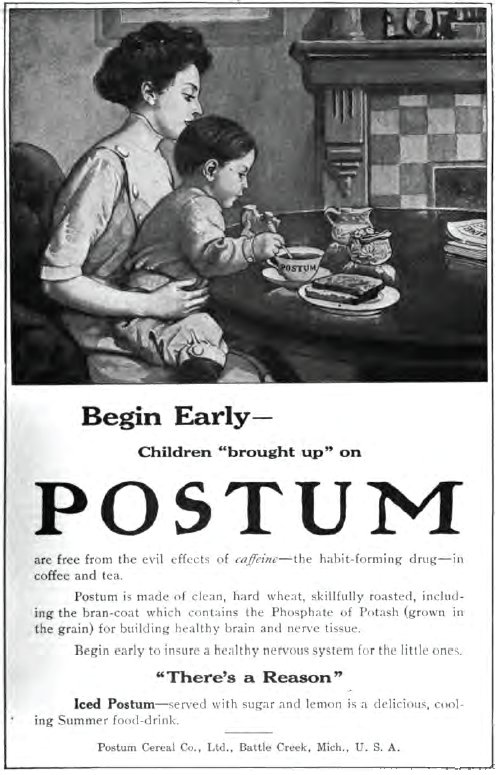
Many sources trace the myth to early 1900s advertising. The Postum company sold a roasted-grain drink as a coffee substitute. Its ads warned about coffee, and the claim about children stuck. Historians do not all agree on how much one brand shaped public belief. But the timing fits, and several health writers repeat the same origin story.
The myth also lasted because it sounds plausible. Coffee is a stimulant. Some people link caffeine with bone loss. Put the two together and “stunted growth” feels like common sense. Common sense is not evidence, though.
What the research says
Researchers have looked for a link between caffeine and height or bone growth in young people. As summarized by Discover Magazine, a multi-year study of adolescents found no link between caffeine intake and height or bone gain. Healthline reaches a similar conclusion in its review. We have not read every original paper, so we describe these as secondary summaries.
The main idea behind the worry is calcium. Caffeine does slightly reduce calcium absorption. But sources describe the effect as tiny, on the order of a few milligrams of calcium per cup. A splash of milk in your coffee can offset that. A diet with enough calcium and vitamin D matters far more than whether coffee is in the cup.
What really decides how tall you get
Height is mostly inherited. Studies of families and twins have long shown that genes play the largest role. Environment fills in the rest. In practice, three things count for most:
- Genes. Tall parents tend to have tall children. You cannot change this.
- Nutrition. Enough protein, calories, calcium and vitamin D support growth through childhood.
- Health and sleep. Long illnesses and chronic poor sleep can affect growth in children.
Coffee does not appear on this list. If a child is much shorter than peers or has slowed growth, the cause is almost always something else. A doctor can check it.
Read next: Caffeine myths · Does coffee dehydrate you? · Decaf coffee myths · Is coffee bad for your heart?
The real risk: sleep
Here is the part that deserves attention. Caffeine can delay sleep and make it lighter. Growth hormone is released mostly during deep sleep, so a child who sleeps badly for months is not helped by evening coffee. Healthline and other sources make this same indirect point. It is an honest reason to limit coffee for teens. It does not prove that coffee makes anyone shorter.
Caffeine stays in the body for hours. Half of a dose may still be there five or six hours later, though this varies by person. A cup at 5 pm can still be active at bedtime. For a school-age child, even one afternoon drink can matter.
How much caffeine is in common drinks
| Drink | Typical caffeine (approx.) | Notes |
|---|---|---|
| Brewed coffee, 8 oz (240 ml) | About 95 mg | Varies a lot by bean and brew |
| Espresso, one shot (about 1 oz) | About 63 mg | Small drink, but a concentrated one |
| Cola, 12 oz | About 30–40 mg | Plus added sugar |
| Energy drink, 8 oz | Often 70–100 mg or more | Check the label; some cans hold much more |
| Decaf coffee, 8 oz | A few mg | Not zero |
These are rough averages. Check labels and coffee shop info for exact numbers. For healthy adults, the U.S. Food and Drug Administration cites up to 400 mg of caffeine a day as an amount not generally linked with harmful effects. Health groups advise lower limits for children and teens, and they discourage energy drinks for them. Ask your pediatrician for a number that fits your child.
How Italians handle coffee and kids
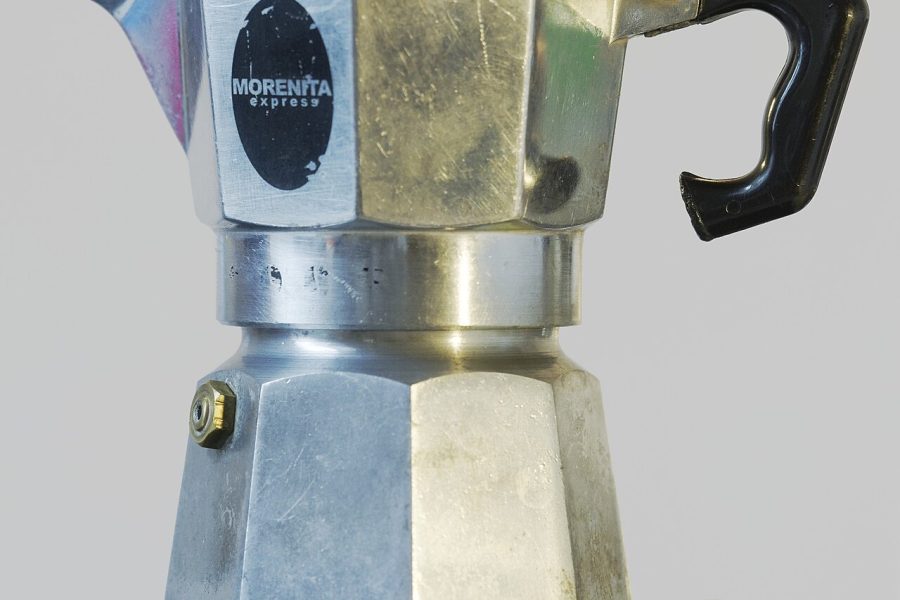
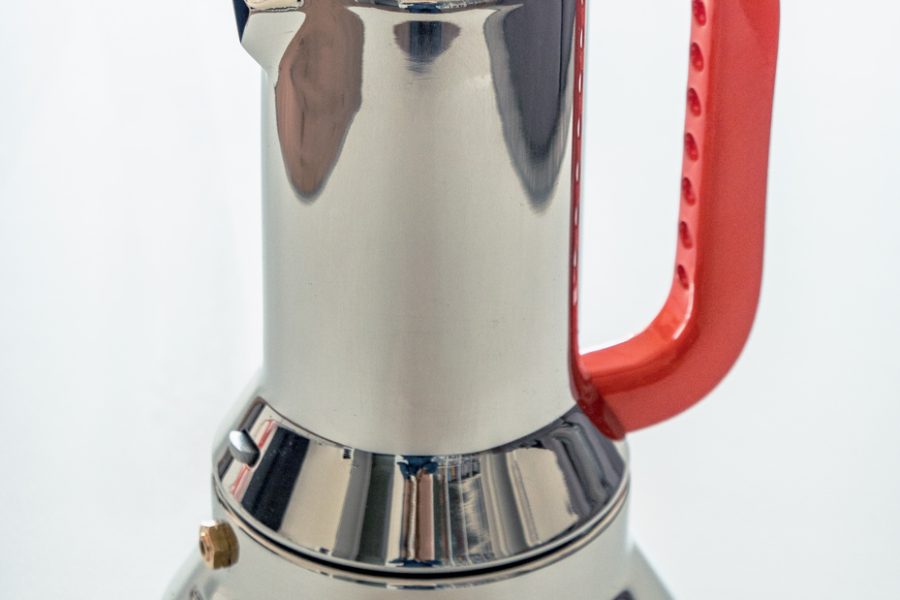
Italy has a relaxed coffee culture, and the myth is less common than you might think. In many Italian homes, children grow up around the morning ritual of the moka pot. Some remember a spoonful of coffee in a big cup of warm milk, a family habit that is more about belonging than caffeine. We mention it as culture, not as advice.
Italy also has a long tradition of caffeine-free alternatives. Caffè d’orzo is a roasted barley drink that families often serve instead of coffee. It looks and smells like coffee but has no caffeine. If a child wants to join the ritual, a barley or decaf option is a simple way. Our guide to the rules of the Italian coffee bar shows how the habit works for adults.
Practical tips for parents and teens
- Skip coffee in the afternoon and evening. This protects sleep.
- Watch the sugar. Sweet iced coffees and blended drinks can hold as much sugar as a dessert.
- Avoid energy drinks. They pack more caffeine and are marketed to young people.
- Add milk if you like it. It adds a little calcium and softens the taste.
- Count all sources. Tea, cola, chocolate and some medicines also contain caffeine.
- Talk to a doctor if a child has anxiety, heart problems, or trouble sleeping.
For adults who worry about other coffee beliefs, our pages on espresso myths and strong coffee myths cover more.
Myth vs. fact at a glance
| Common belief | What sources say | Better focus |
|---|---|---|
| Coffee makes children shorter | No evidence of an effect on height | Genes, nutrition, sleep |
| Caffeine drains calcium from bones | A very small drop in absorption per cup | Get enough calcium and vitamin D |
| Only adults are affected by caffeine | Kids are often more sensitive to jitters and poor sleep | Limit amounts and timing |
| Decaf has no caffeine | It has a few milligrams | Fine for most, but read the label |
Signs a teen may be having too much caffeine
Because the height worry is false, it can hide the signs that matter. Watch for a few patterns, especially in school weeks:
- Trouble falling asleep or waking often at night.
- Jitters, a racing heart or restlessness after a drink.
- Stomach upset or headaches that come and go with coffee or soda.
- Irritability or a crash in the afternoon, followed by another drink.
- Heavy use of energy drinks to stay awake for study or sport.
If you see these, cut back slowly rather than stopping all at once, since a sudden stop can cause a headache. If symptoms are strong, such as chest pain or a pounding heart, seek medical advice.
What to offer instead
If you want to keep a coffee ritual without the caffeine, you have good options. Caffè d’orzo, the barley drink mentioned above, is the classic Italian choice. A warm milk with a little cocoa is another. A small decaf is possible too, though it still has a trace of caffeine. Our page on decaf coffee myths explains how decaf is made and what it contains.
The ritual matters more than the drink. In Italian homes, the point of the morning cup is to sit together before the day starts. You can keep that part and change what is in the cup.
And for adults?
The same facts apply. Coffee does not shorten an adult, and adults have already finished growing. For adults, the practical limits are the usual ones: keep within the daily amount your doctor suggests, stay away from late-day cups if sleep suffers, and pay attention to pregnancy or heart conditions if they apply. Our guide to espresso myths covers the ideas people often get wrong about strength and caffeine.
Does coffee stunt your growth? FAQ
Can coffee stunt growth in teenagers?
Evidence summaries say no. The better-supported concern is that caffeine can harm sleep, and sleep supports growth.
At what age can kids drink coffee?
There is no single rule. Health groups advise limiting caffeine in children and teens. Ask your pediatrician about your child.
Does caffeine weaken bones?
It slightly lowers calcium absorption, but the effect is small and can be offset by getting enough calcium in the diet.
Is decaf safe for kids?
Decaf has only a few milligrams of caffeine. Many families see it as a gentler option, though it is not caffeine-free.
Why do people still believe the myth?
It is old, it sounds reasonable, and it is passed from parent to child. Early advertising likely helped.
We are building IndieRoastersItaly, a coffee subscription with independent Italian roasters who roast to order. To hear when it opens, join the waitlist on our home page.
This article was written with the support of artificial intelligence for content structuring, and was fully reviewed, verified, and refined by the author.

Fun fact: this myth owes a lot to the old Postum ads, which tried to scare parents away from coffee. In Italy many kids get their first taste of coffee in a morning caffellatte, mostly milk with a splash of coffee. How old were you when you had your first cup of coffee?