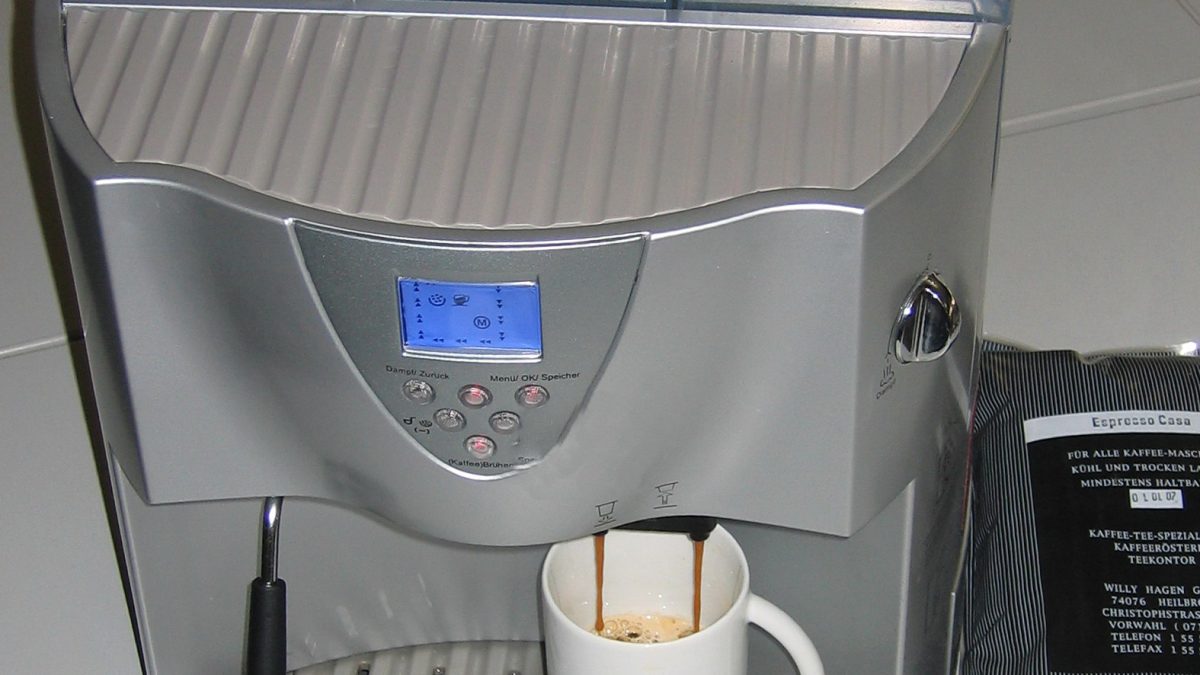
Quick answer: the De’Longhi Magnifica S is a compact bean-to-cup machine. It grinds, tamps and brews at the touch of a button. It suits people who want decent espresso every morning with almost no skill. It does not suit people who want to control dose, grind and pressure. Based on published specs and user reviews, it is a sensible entry point to home espresso. This Magnifica S review explains what you get, where it falls short, and how to feed it well.
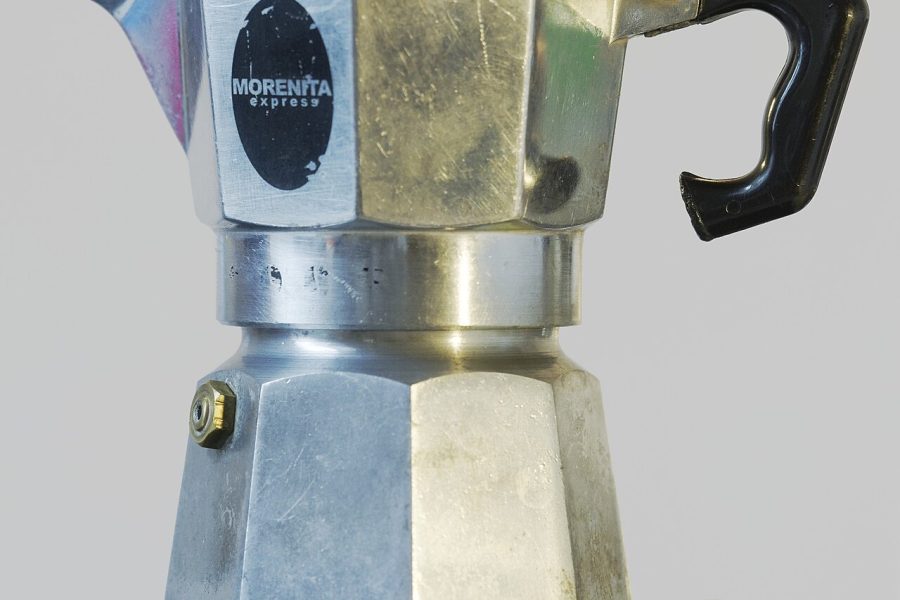
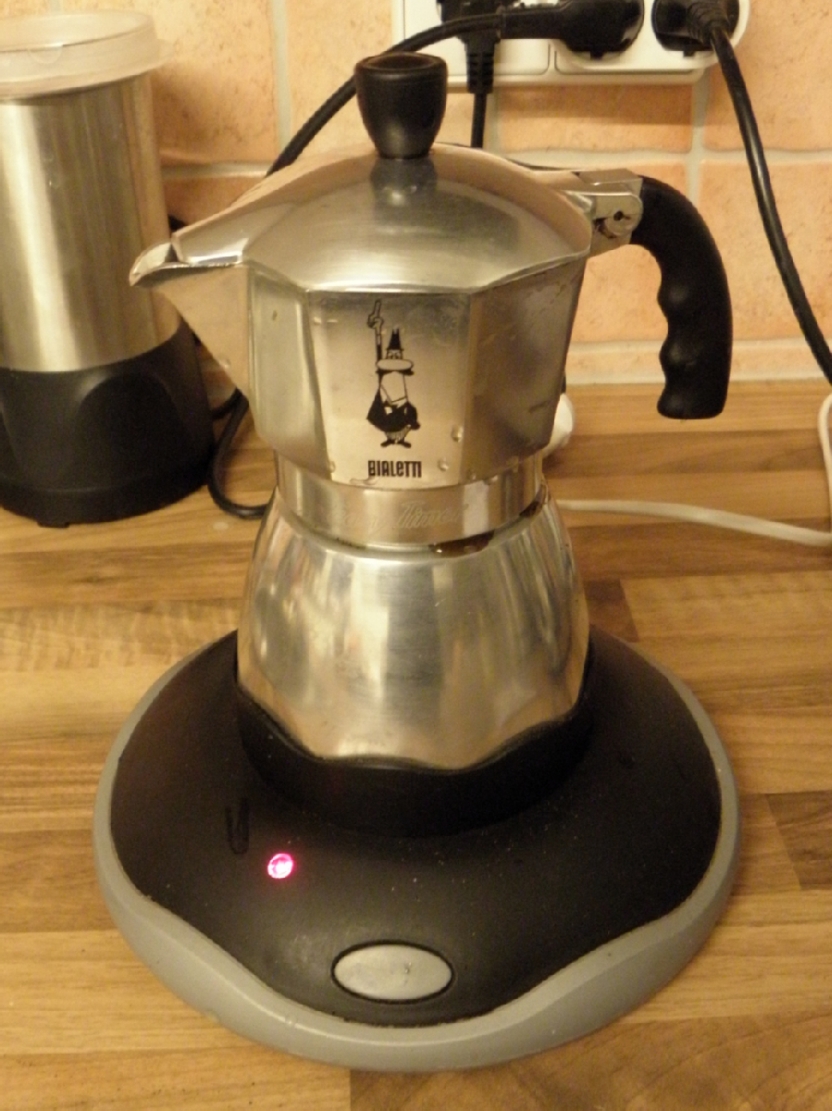
Many Italians still drink their espresso standing at the bar. At home, though, the moka (the stovetop pot) is the classic. The Magnifica S sits between the two. It gives you a bar-style shot without a barista’s training. Here is the honest picture.
A note on method. IndieRoastersItaly has not physically tested this machine. Everything below comes from De’Longhi’s published specifications, retailer listings and the pattern of user reviews. Where a detail is not confirmed, we say so.
What the Magnifica S actually is
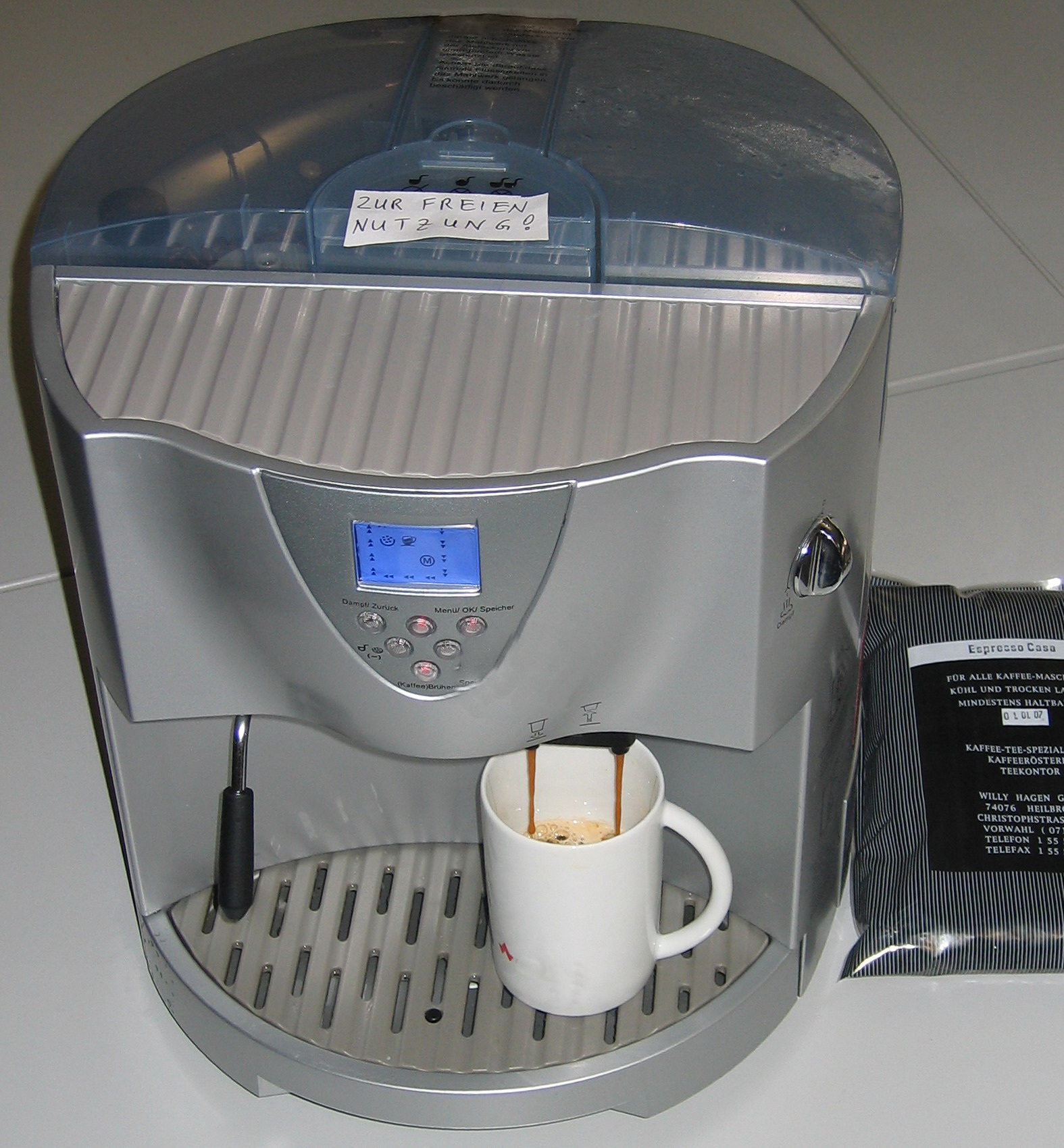
The Magnifica S is a “super-automatic” machine. That means one device does four jobs: it grinds whole beans, doses the coffee, presses it and pushes hot water through. You add beans and water. You press a button. A cup of espresso comes out.
The model most people search for is the ECAM22.110. It comes in black, silver-black and white versions. De’Longhi’s own listing calls it a one-touch machine that makes two drinks at once with its twin-shot system. A “rapid cappuccino system” is also listed, so you can steam milk soon after pulling a shot.
This is not a semi-automatic machine, where you grind, dose and tamp by hand. If you want that, jump to the alternatives section.
Key specs at a glance
These figures come from the official De’Longhi product page and retailer listings. Always check the exact model you buy, since colours and regional versions differ.
| Spec | Value |
|---|---|
| Pump pressure | 15 bar |
| Water tank | 1.8 L |
| Bean hopper | 250 g |
| Power | 1,450 W |
| Size (W × D × H) | 230 × 430 × 340 mm |
| Weight | 9 kg |
| Grinder | Built-in; one Amazon listing says stainless steel conical burr |
| Grind adjustment | 13 levels, as reported by one retailer |
| Water hardness | Programmable |
A quick word on “15 bar”. It is the pump’s maximum, not the pressure at the coffee. Espresso is normally brewed near 9 bar. Machines use a pressure valve to reach that. So do not treat 15 bar as a quality score.
What to expect in the cup
A bean-to-cup machine grinds fresh for every shot. That is a real advantage over pre-ground coffee, which goes stale fast. The grind happens a few seconds before brewing, so the aroma stays in the cup.
The industry reference for a classic Italian espresso is often quoted like this: about 7 g of coffee, water near 90 °C, around 9 bar, roughly 25 seconds and about 25 ml in the cup. The Magnifica S is built for convenience, so expect results close to this style rather than a precise match. The machine does the dosing for you, and that is both its strength and its limit.
User reviews tend to praise a few things: a compact body, simple controls and a steady, good-enough espresso. Reviews also tend to mention that the milk system is basic. We cannot verify any individual claim, so treat these as common themes, not proof. At the time of writing, one Amazon listing for the black ECAM22110B showed 3.9 out of 5 stars from 123 ratings.
What it does well
- Zero learning curve. Beans in, button pressed, coffee out. Guests can use it.
- Fresh grinding. Whole beans are ground per shot, so you can buy small bags from a roaster.
- Compact footprint. At 230 mm wide it fits under most kitchen cabinets.
- Twin-shot option. Two cups in one cycle saves time for a couple or a family.
- Water hardness setting. This helps the descaling reminders match your tap water.
If you want a related example of a convenience-first machine, see our Lavazza Tablì review.
Where it falls short
- Limited control. You can change grind and strength. You cannot set dose or pressure like on a semi-automatic.
- Milk is basic. A manual frothing wand is fine for a cappuccino now and then. It will not give café-quality microfoam without practice.
- Cleaning matters. Any bean-to-cup machine needs regular rinsing, emptying and descaling. Skip it and the taste suffers fast.
- Repairs are harder. Internal parts are not as simple to service as a basic portafilter machine.
- Mixed ratings. The 3.9-star average on one listing suggests some users had problems. Read recent reviews of the exact variant before you buy.
Read next: How to dial in espresso · Espresso without a machine · Oily coffee beans explained · Best manual coffee grinder, Gaggia Classic Pro vs De’Longhi Dedica.
Which beans to use (and which to avoid)
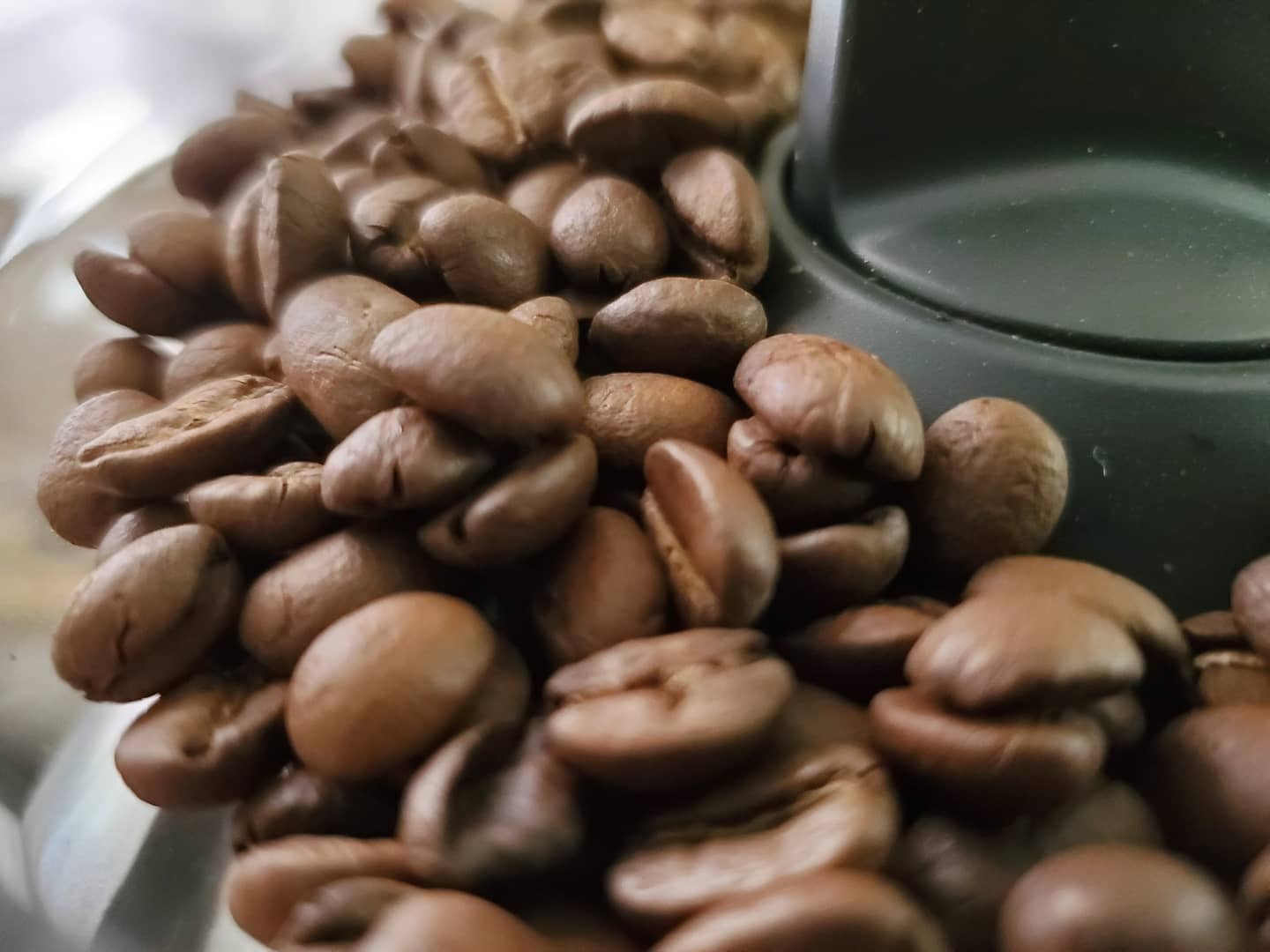
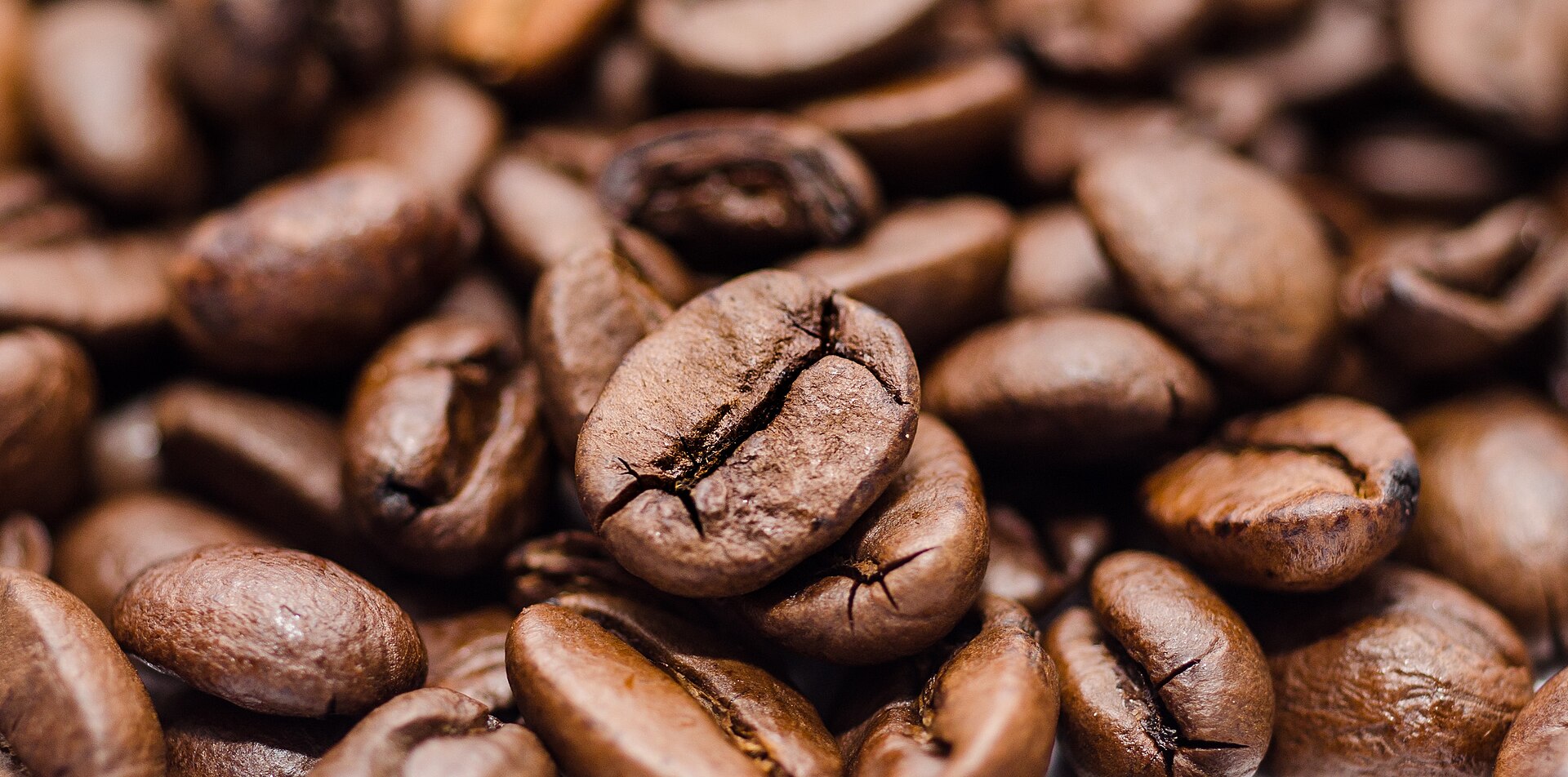
This is where Italian roasting knowledge helps. Super-automatic grinders and brew units prefer dry-surfaced beans. Very oily beans, often from dark roasts, can coat the grinder and clog the chute. De’Longhi and many other makers warn about this in their manuals, so check yours.
A medium or medium-dark roast with a dry surface usually works best. Ask your roaster for an espresso blend that is not shiny. Buy whole beans in small bags, ideally with a roast date, and use them within a few weeks. Our guide to oily coffee beans explains why the shine appears and what it means.
Daily care and common mistakes
- Do not leave beans in the hopper for weeks. Air and light dull them. Fill only what you will use in a few days.
- Use filtered or soft water if your tap is hard. Scale is the main enemy of any espresso machine.
- Empty the drip tray and grounds drawer daily. Old grounds smell sour and can grow mould.
- Never put pre-ground or flavoured coffee in the bean hopper. It can jam the grinder.
- Descale when the machine asks. Ignoring it shortens the life of the heating system.
If you also own a moka pot, the same principle applies: clean parts keep coffee tasting clean. See how to clean a moka pot.
Is it right for you? Alternatives
Choose the Magnifica S if you want speed and simplicity. Choose something else if you want to learn espresso as a craft.
| If you want… | Consider |
|---|---|
| Fast, hands-off espresso | Magnifica S (super-automatic) |
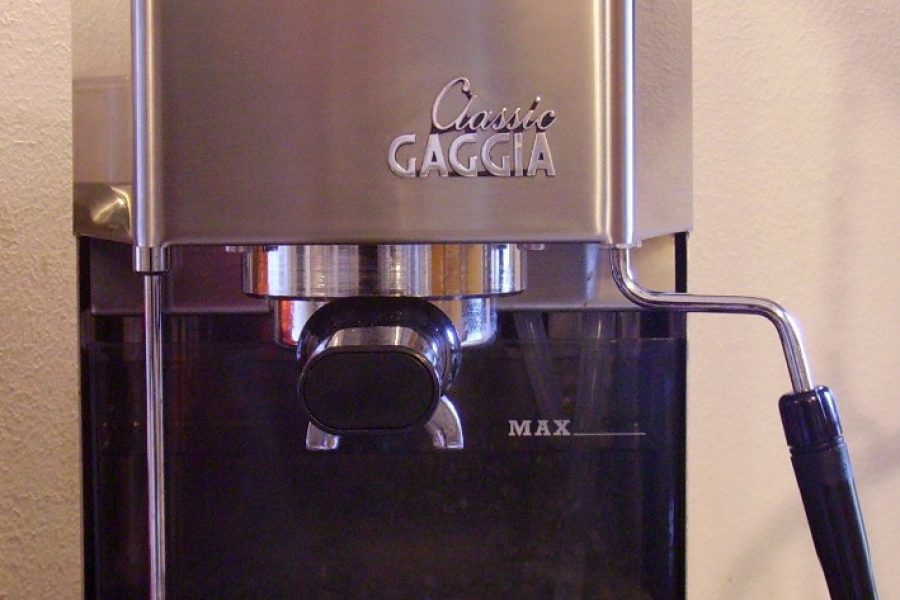
| To learn dose, grind and tamp | A semi-automatic such as the Gaggia Classic Evo Pro, paired with a separate grinder |
| The cheapest Italian ritual | A moka pot; see our best moka pots |
| Pods and zero cleanup | A pod machine; read our Lavazza Tablì review |
A semi-automatic machine gives more control but needs a good grinder and practice. A super-automatic gives consistency and speed but less control. Neither is “better”. They fit different people. The cost per cup at home is far lower than at a café, and in Italy a bar espresso is famously cheap, as our piece on espresso prices in Italy shows.
How to get better coffee from any super-automatic
A button machine still rewards a little care. These steps cost nothing and often make the biggest difference.
- Change one setting at a time. Move the grind one step, taste, then decide. Changing grind and strength together hides what worked.
- Taste before you blame the machine. Sour and thin usually means the grind is too coarse or the beans are too light for the machine. Bitter and harsh usually means too fine or too dark. Our guide to dialing in espresso explains the logic.
- Adjust the grind only while the grinder is running. Many makers say this in their manuals. Turning the dial while it is stopped can damage the grinder. Check your manual for the exact steps.
- Warm the cup. A cold ceramic cup steals heat from a small shot. Rinse it with hot water first.
- Run a rinse cycle. Most machines rinse at start-up. Let them finish before the first cup.
- Keep beans sealed. Store the bag in a cool, dark place and refill the hopper in small amounts.
Buying checklist before you order
Super-automatic machines look alike online, so confirm the details. This short checklist saves returns.
- Exact model code. ECAM22.110 plus the colour suffix (.B, .SB or .W). Listings sometimes mix generations.
- Voltage and plug. A machine sold for another region may not match your outlet.
- Warranty and service. Check who repairs it in your country and how long the guarantee lasts.
- Counter space. 230 mm wide, 430 mm deep and 340 mm high, plus room to open the lid and pull out the tray.
- Your milk habits. If you drink milk drinks daily, test whether the basic frothing suits you or whether you want a dedicated milk frother.
- Your bean source. Plan to buy small bags of fresh beans regularly. The machine can only make the coffee you give it.
One last thought on value. A machine is a tool, and the beans are the ingredient. A modest machine with fresh, well-roasted beans from an independent roaster will usually beat an expensive one fed with stale supermarket coffee. That is the idea behind everything we do here.
Magnifica S review: FAQ
Is the De’Longhi Magnifica S a real espresso machine?
Yes. It brews under pressure with a pump, like any espresso machine. It automates grinding and dosing, so you have less control than with a portafilter machine.
Does the Magnifica S have a built-in grinder?
Yes. It grinds whole beans from its hopper, which holds about 250 g. One Amazon listing describes the grinder as stainless steel conical burr. Check the exact model page before you buy.
Can I use pre-ground coffee?
Check your manual. Many super-automatic machines have a separate pre-ground chute, but some models do not. Never pour ground coffee into the bean hopper.
Can it make cappuccino?
The listing mentions a rapid cappuccino system and a manual frothing option. You can make a cappuccino, but expect basic foam unless you practice.
How often should I descale it?
Follow the machine’s prompts and your water hardness setting. Hard water means more frequent descaling.
Which beans work best?
Medium to medium-dark roasts with a dry surface. Very oily beans can clog the grinder over time.
Your next step
Whatever machine you pick, fresh beans matter most. We are building IndieRoastersItaly to connect you with independent Italian roasters who roast to order. Join the waitlist on our home page.
As an Amazon Associate, IndieRoastersItaly earns from qualifying purchases. This does not change the price you pay.
This article was written with the support of artificial intelligence for content structuring, and was fully reviewed, verified, and refined by the author.