
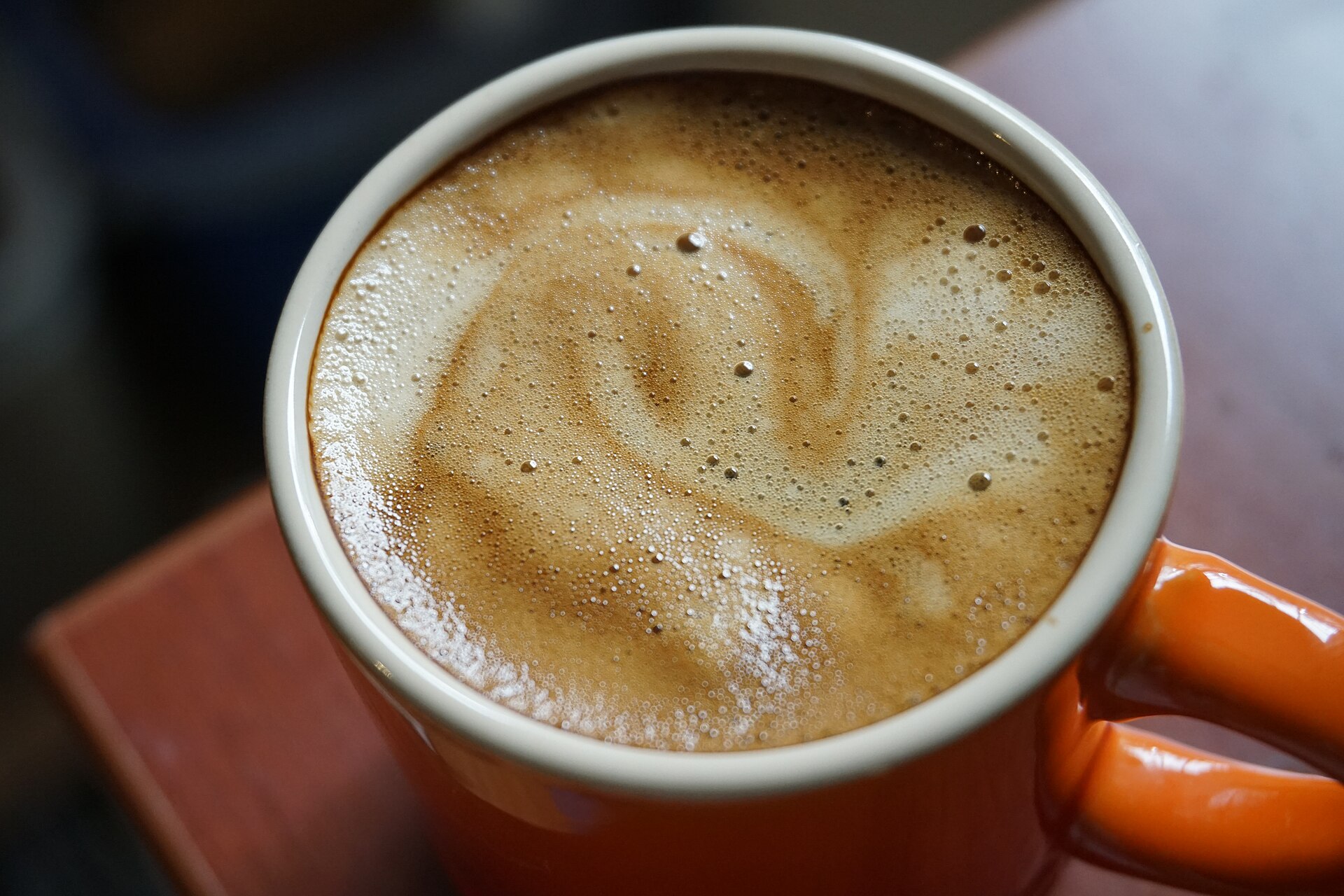
This Lavazza Tabli review comes from real use at home. The short verdict: Lavazza Tablì (spelled “Tabli” in most searches) is quick, quiet, and easy, and it avoids the capsule. But it is pricey, it is a closed system, and the cup tastes more “pod” than “coffee shop”. It is a good tool for a fast break. It is not a good tool for anyone who cares about origin, roast, or cost per cup. Below you will find what works, what does not, how the numbers add up, and what to buy instead if you want better coffee for less money. What is Lavazza Tablì? Tablì is a single-serve coffee system from Lavazza, one of the biggest names in Italian coffee. Instead of a capsule with a plastic or aluminum shell, it uses a “tab”. A tab is ground coffee pressed into a small solid disc. There is no wrapper around it. Industry coverage, such as this launch report from Tea & Coffee Trade Journal, describes it as the first single-serve machine that uses tabs made of 100% coffee. You put a tab in the machine, press a button, and hot water is pushed through it. The tabs only work in the Tablì machine. That detail matters later in this review. What works 1. No capsule The idea is simple: it is just coffee, ground and pressed. There is no plastic and no aluminum shell to throw away. The packaging looks a bit like an egg carton, or like the trays used for seedlings in a plant nursery. For anyone who feels guilty about pods, this is the main selling point, and it is a real one. 2. Very easy to use You slide in the tab, press, and in a few seconds you have a coffee. The machine is also quiet. There is no loud grinder, no pump that wakes the house. If you want zero fuss before work, it delivers. 3. Creamy cup, right temperature In the cup the coffee looks creamy, and the temperature is good. One thing to know, though: crema is an emulsion of tiny gas bubbles and oils. It looks rich, but in the mouth it thins out fast. A thick crema does not prove a strong or high-quality coffee. We explain this in our guide to espresso crema myths. What does not 1. The price In Italy, the machine cost me about 250 euros, and each cup works out at around 67 cents. These are Italian prices. That is a lot for something that makes one small coffee. Prices vary by country and by season, so the figures above apply to Italy only. For comparison, the UK recommended price is £199 for the machine and £5.49 for 12 single-dose tabs, according to the same trade report. The Italian consumer group Altroconsumo lists the machine in its comparison tool with a lower estimate per cup. Check the current price for your own market before you decide. 2. The pack of six Inside each box there are six tabs, all together. As soon as you open it, every tab meets the air. Roasted coffee loses aroma through oxygen, and ground, pressed coffee has a lot of surface. So the last tabs in the pack may taste flatter than the first. This is a concern from the way the pack is built, not a measured lab result, so treat it as a risk to watch. Our guide to coffee storage explains why air is the enemy. 3. The taste To me, the flavor feels a little artificial. It reminds me of Nespresso. It is not bad, and it is consistent. But it is not the sweet, layered cup you get from fresh beans from a small roaster. 4. A closed system You can only use Lavazza tabs. You cannot choose another roaster. And on the pack you do not learn the origin of the coffee or the roast level in detail. If you care where your coffee comes from, as we do, that is a real limit. 5. A water tank issue Check the water tank often. On my machine, a bit of water leaks before each brew. I cannot tell if this is a normal rinse cycle or a leak. If you see the same, contact Lavazza support or check your warranty. This may be a problem with one unit, not with every machine. The real cost per cup Let us do the math with a simple example. If a tab costs 67 cents, 100 cups cost 67 euros. Now compare it with a moka pot and fresh beans. Say a 250 gram bag of good beans costs 10 euros, and you use 8 grams per small coffee. That bag makes about 31 cups, or roughly 32 cents each. Your own bag price will differ, so replace the numbers with yours. The comparison changes the picture in two ways. First, per cup the beans cost about half. Second, a basic setup costs far less than a 250 euro machine. A Bialetti Moka Express and a hand grinder such as the Timemore Chestnut C3S cost much less together than the Tablì machine alone, at typical prices. Check the current price on Amazon.com. Tablì vs capsules, moka and beans Lavazza Tablì Capsule machine Moka pot + grinder Bean-to-cup machine Waste No capsule shell Plastic or aluminum Only grounds Only grounds Speed Seconds Seconds Several minutes Under a minute Choice of coffee Lavazza only Brand only Any beans Any beans Know the origin and roast Limited Limited Yes Yes Upfront cost High Medium Low Highest Cost per cup High High Lowest Low Tablì does win on one point: it removes the capsule. But if you care about the environment and your wallet, a machine that uses whole beans has no rival. It lets you buy from any roaster, grind fresh, and pay less per cup. If you want to go that way, read our guides to the best moka pots and the best manual coffee grinders, and
Best Pour Over Dripper: V60, Kalita Wave or Chemex?
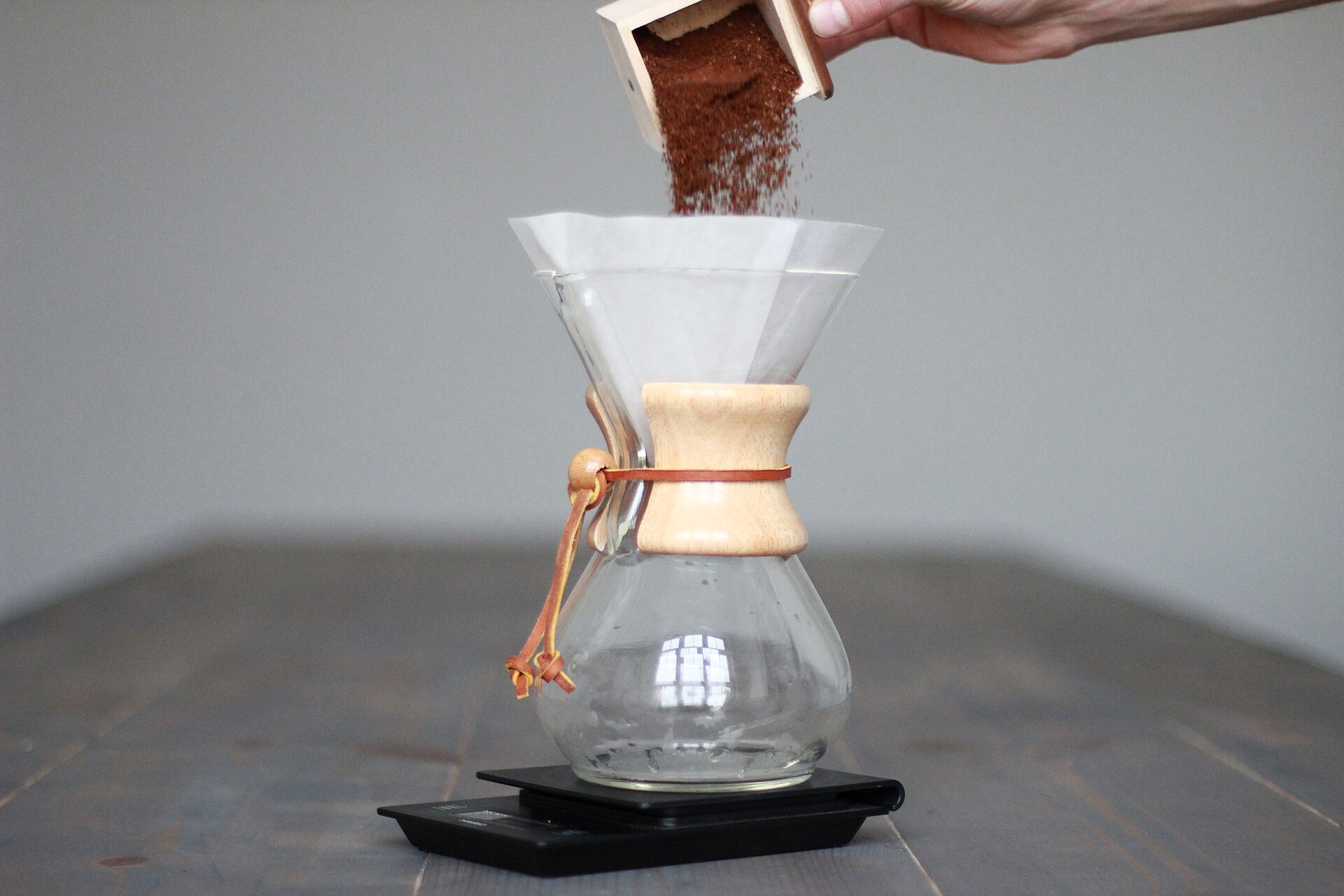
The best pour over dripper for most people is the Hario V60 02. It is cheap, it is simple, and it rewards good technique. If you want a more forgiving brew, pick the Kalita Wave 185. If you brew for friends and like a glass carafe on the table, pick the Chemex. That is the short answer. This guide explains who each dripper suits, where each one can disappoint you, and how to choose without wasting money. Everything here comes from published specs, owner reviews, and long-standing community knowledge. We have not tested these products ourselves. How to choose the best pour over dripper A pour over dripper is a simple tool. It holds a paper filter above your cup, and you pour hot water through the grounds by hand. Yet small design choices change how the water moves. They change how fast the coffee drains, how clean the cup tastes, and how easy the brew is to repeat. Three things matter most when you compare drippers: Shape. A cone sends water toward a single exit. A flat bed spreads water more evenly across the grounds. Drain holes. One big hole gives you more control but also more ways to go wrong. Several small holes slow the flow and make the brew steadier. Filter. Thin filters let more oils through. Thick filters give a cleaner, lighter cup. Material matters less than people think. Ceramic, glass, plastic, and steel all brew well. Ceramic and glass hold heat a little better. Plastic and steel are tougher if you travel. Before you buy, think about how you drink coffee. One mug each morning? A small dripper is perfect. Two or three people at the table? A carafe style, like the Chemex, makes more sense. Best overall: Hario V60 02 The Hario V60 Ceramic Coffee Dripper, size 02 is the dripper most coffee fans know. It is a cone with spiral ribs on the wall and one large hole at the bottom. Size 02 is the common choice for one to four cups, so it works for a single mug or a small pot. On Amazon.com it is rated 4.7 stars from more than 12,000 reviews at the time of writing. That is a strong sign of trust, although ratings change. Why people like it It makes a bright, clear cup when your technique is steady. You control the speed with your pour, so you can tune the brew. It is small, light, and easy to clean. Paper filters are easy to find in most cities. Where it can disappoint The large hole is the double-edged part. If you grind too fine or pour too slowly, the brew turns bitter. If you grind too coarse or pour too fast, it tastes thin. The V60 punishes sloppy habits, which is why some beginners get frustrated. Our grind size guide and the coffee to water ratio guide fix most of those problems. For a deeper look at this model, read our Hario V60 review. Verdict: Pick it if you enjoy the ritual and want to learn. A kettle with a thin spout helps a lot. See our best gooseneck kettles for options. Most forgiving: Kalita Wave 185 The Kalita Wave 185 dripper has a flat bottom with three small holes. It uses special filters with wavy walls. Those waves keep the paper from sticking to the dripper, so the water flows evenly. The Kalita brand is Japanese, like Hario. Because the holes are small, the coffee drains at a steady pace. You can pour less carefully and still get a balanced result. At the time of writing, the Wave 185 is rated 4.7 stars from over 3,000 reviews on Amazon.com. Why people like it The flat bed makes the brew steadier from one morning to the next. It is easier for beginners than a cone. The steel version is tough and keeps its heat well. Where it can disappoint You must buy Kalita Wave filters, and they cost a little more than standard cones. The cup is often rounder and sweeter, but some drinkers miss the sparkle a V60 can deliver. Our Kalita Wave guide shows how to brew with it step by step. Verdict: Pick it if you want good coffee on a busy morning without fuss. Best for sharing: Chemex 6-cup The Chemex Classic 6-cup is part dripper, part carafe. It is an hourglass of glass with a wooden collar. The design goes back to 1941, when the chemist Peter Schlumbohm patented it, as described on Wikipedia. It is also a design icon you can leave on the table. Chemex filters are thicker than most. They catch more oils and fine particles, so the cup tastes very clean and light. On Amazon.com the 6-cup size is rated 4.8 stars from about 6,900 reviews at the time of writing. If you only drink one mug, the 3-cup size is also sold. Why people like it It brews a full pot in one go, so it suits two to four people. The cup is clean and delicate. It looks great, and it serves right at the table. Where it can disappoint Glass breaks, and the carafe is awkward to wash. Thick filters also drain more slowly, so a grind that is too fine can stall the brew. Chemex is less flexible for a single quick mug. Our Chemex guide and V60 vs Chemex comparison explain the differences in more depth. Verdict: Pick it for slow weekends and shared coffee. Side-by-side table Dripper Shape Flow Cup style Best for Hario V60 02 Cone, one big hole Fast, you control it Bright and clear Learners who enjoy the ritual Kalita Wave 185 Flat bed, three holes Slow and steady Round and sweet Busy mornings, steady results Chemex 6-cup Hourglass carafe Slow, thick filter Very clean and light Sharing with friends Prices change often, so check the current price on each page. As a rough guide, the V60 and Kalita sit in the budget range, while the Chemex
How Much Is an Espresso in Italy? 2026 Prices by City
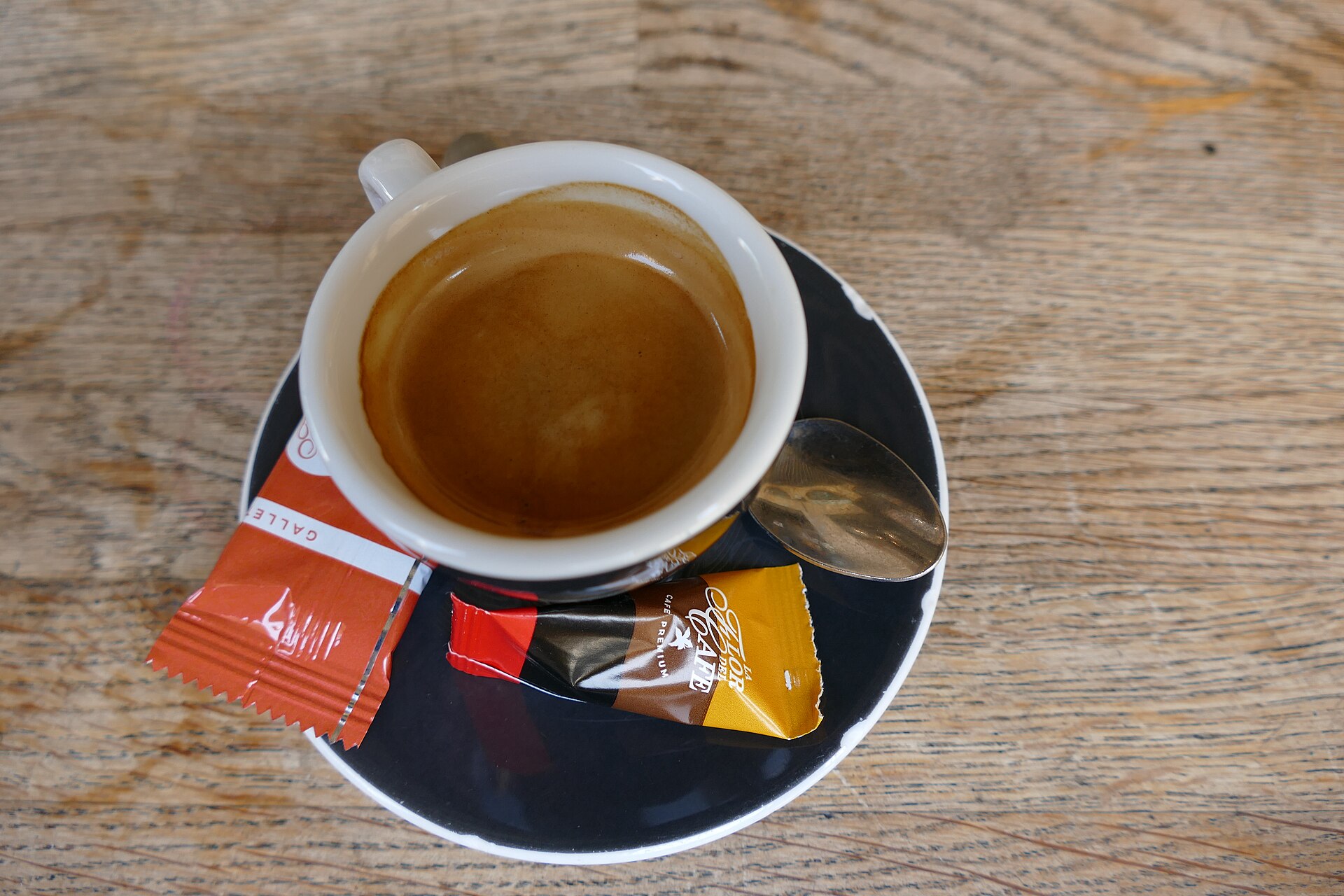
Ordering an espresso in Italy is one of the cheapest pleasures of a trip. But how much does it actually cost in 2026? And why do you pay more in Bolzano than in Messina? Here are the latest figures, city by city. Short answer: an espresso at the bar in Italy costs about €1.29 on average in 2026. That is around 24% more than in 2021. Prices go from about €1.06 in Messina to about €1.51 in Bolzano, for a coffee drunk standing at the counter. Where Do These Numbers Come From? The figures come from a study by the Centro di Formazione e Ricerca sui Consumi (CRC) with the consumer association Assoutenti, published in August 2026. It is based on official price data from the Italian Ministry of Enterprises and Made in Italy (MIMIT). The averages refer to provinces, so “Rome” means the province of Rome, not only the city centre. These are average prices for a plain espresso, what Italians simply call un caffè. Prices in single bars can be higher or lower, especially in tourist areas. Espresso Prices in Italy by City (2026) Here are the provinces for which the study’s figures were published, from the most expensive to the cheapest. Where available, the last column shows the price change since 2021. City (province) Region Average espresso price Change since 2021 Bolzano Trentino-Alto Adige €1.51 – Pescara Abruzzo €1.49 +49% Ferrara Emilia-Romagna €1.46 – Belluno Veneto €1.44 – Ravenna Emilia-Romagna €1.44 – Trieste Friuli Venezia Giulia €1.44 – Parma Emilia-Romagna €1.41 +41% Trento Trentino-Alto Adige €1.41 – Padova Veneto €1.40 – Treviso Veneto €1.40 – Udine Friuli Venezia Giulia €1.40 – Milan Lombardy €1.27 – Avellino Campania €1.20 – Bari Apulia €1.20 +39.5% Biella Piedmont €1.20 about +15% Rome Lazio €1.19 – Pistoia Tuscany €1.19 – Varese Lombardy €1.19 – Syracuse Sicily €1.18 – Aosta Aosta Valley €1.12 +6.7% Catanzaro Calabria €1.08 – Messina Sicily €1.06 – Sources: CRC and Assoutenti study on MIMIT data, as reported by ANSA, QuiFinanza and Fanpage in August 2026. The figure for Milan comes from Fanpage. “–” means the change was not published. The Most Expensive Cities for Espresso The north-east leads the ranking. Bolzano is the most expensive province, at about €1.51 a cup. Pescara follows at about €1.49, and it also had the biggest increase in the study, about 49% in five years. Eleven provinces reached or passed €1.40: Bolzano, Pescara, Ferrara, Belluno, Ravenna, Trieste, Parma, Trento, Padova, Treviso and Udine. Trieste is a special case. It is one of Italy’s great coffee cities, with its own words for ordering. Read our guide to Trieste, Italy’s coffee capital before you go. The Cheapest Cities for Espresso The south is cheaper on average. Messina is the cheapest province in the study, at about €1.06, followed by Catanzaro at about €1.08. Aosta, Syracuse, Varese, Rome and Pistoia also stayed below €1.20. Rome may surprise you. The province average is below €1.20, but a coffee near the Pantheon or in a historic café can cost much more. Averages hide big differences between a neighbourhood bar and a famous square. How Much Have Espresso Prices Risen Since 2021? On average, about 24% in five years, or roughly 25 cents more per cup. Some provinces rose much faster than others: Naples is worth a note. Coffee is part of daily life there, from the caffè sospeso to the local rules of the bar. Our guide to coffee in Naples explains what to order. North vs South: Espresso Prices by Area If you group the provinces in the study, a clear pattern appears. Here is a simple summary based on the figures in the table above: Area Provinces in the study Price range North-east Bolzano, Trento, Belluno, Padova, Treviso, Trieste, Udine €1.40 to €1.51 Emilia-Romagna Ferrara, Ravenna, Parma €1.41 to €1.46 North-west Milan, Varese, Biella, Aosta €1.12 to €1.27 Centre Rome, Pistoia, Pescara €1.19 to €1.49 South and islands Avellino, Bari, Catanzaro, Syracuse, Messina €1.06 to €1.20 Pescara is the exception in the centre: it is far above Rome and Pistoia. In general, though, the further south you go, the less you pay for your morning coffee. Why Do Prices Differ From City to City? The study reports prices, not reasons. Still, a few factors are easy to see when you travel in Italy. Rents and wages are higher in many northern cities. Busy tourist areas tend to charge more. And in cities where coffee at the bar is a daily habit for almost everyone, competition between bars is strong. Local custom matters too. In Naples, for example, the espresso often comes with a small glass of water, and the bar is a place you visit several times a day. Prices there have risen fast, but a coffee is still part of everyday life rather than a treat. Counter or Table? Why Your Bill Can Be Higher The prices above are for an espresso at the counter. In many Italian bars the same coffee costs more at a table, because table service adds a charge. The gap is usually bigger in tourist areas. So if you want to pay the local price, do what Italians do: order and drink al banco. We explain the unwritten rules in caffè al banco: Italian coffee bar rules. What You Get for Your Money An Italian espresso is small: about 25 to 30 ml, served in a thick porcelain cup that keeps it hot. It is meant to be drunk in a few sips, while the crema is still fresh. Sugar is usually on the counter and free. In many bars, especially in the south, you also get a small glass of water. Milk drinks such as cappuccino and caffè latte cost more than a plain espresso, and so do drinks with a shot of spirit, like the caffè corretto. If you want the cheapest coffee on the menu, the plain espresso always wins. How We Keep This Page Up to Date We only use published figures from
AeroPress Original Review: Is This Plastic Brewer Really Worth It?
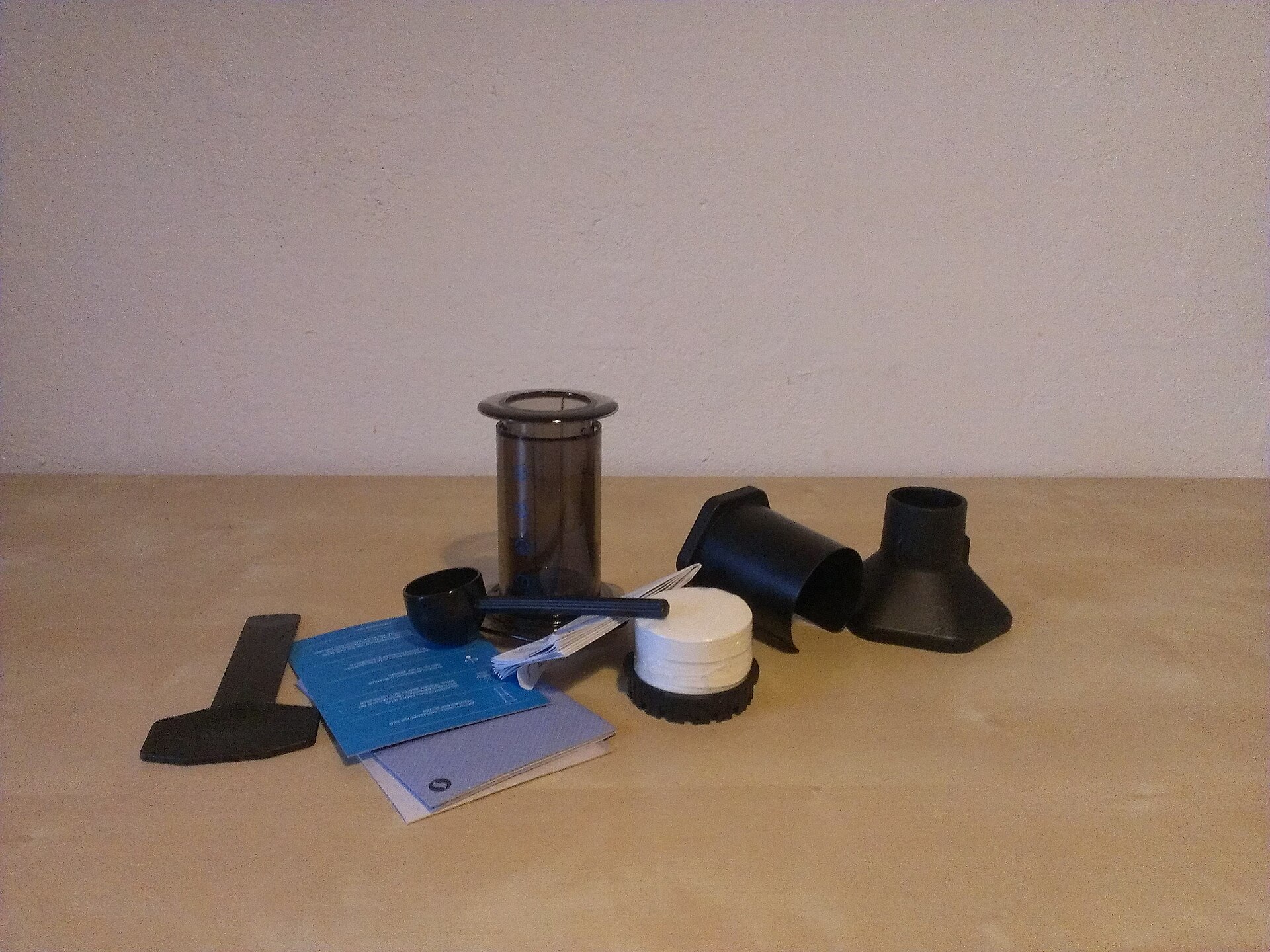
This AeroPress Original review answers one question: is a plastic tube with a plunger really a good way to make coffee? Based on published specs and the feedback of long-time owners, yes, for most home brewers it is. It is cheap, tough, easy to clean and forgiving. It makes one cup at a time, and it will not suit people who want to brew for a crowd. A quick note on how we wrote this. IndieRoastersItaly has not tested this brewer in a lab or on a bench. This review draws on the manufacturer’s specs, expert write-ups and what owners report after months of use. Where a detail is not verified, we say so. The product link below is an affiliate link, and it did not change our verdict. What the AeroPress Original is The AeroPress is a manual brewer made of two plastic tubes. You add ground coffee and hot water to the larger tube, stir, and press the plunger down. The coffee drips through a small paper filter into your mug. The whole process is quick, and the Amazon listing describes a brew time of about two minutes. It sits somewhere between a French press and an espresso maker. Like a French press, the coffee steeps in water. Like espresso, you push it through a filter with pressure. The result is not true espresso. It is a clean, smooth, concentrated cup that you can drink as it is or top up with hot water. The Original is the base model of a family that also includes a travel version and a larger one. Reviewers often call it the most affordable in the range, and its parts can be replaced one by one. It is made in the USA and is BPA-free, according to published reviews. If you want the full brewing tutorial, read our AeroPress coffee guide. What you get and what you need In the box you find the brewing chamber, the plunger, a filter cap, a stirrer, a scoop, a funnel and a pack of paper filters. Details can change between kits, so check the listing before you buy. Most owners then add a few extras to get the best from it. A burr grinder. Fresh grounds make a bigger difference than any gadget. Our list of the best manual coffee grinders will help you pick one. A scale. Weighing coffee and water makes cups repeatable. See our guide to the best coffee scales. A kettle. Any kettle works. A gooseneck gives more control, as we explain in the best gooseneck kettles guide. A mug or server. The brewer sits on top of a mug. Check that the base is not too wide for yours. If you do not have the brewer yet, you can find the AeroPress Original on Amazon. At the time of writing it showed about 4.7 stars out of 5 from many thousands of ratings, which matches the praise in expert reviews. Ratings change, so check the latest. How it brews There are two common ways to use it, and both are easy to learn. The standard method Place a wet paper filter in the cap and lock it onto the chamber. Set the chamber on your mug. Add coffee and water, stir for a few seconds, then press the plunger down slowly. This is simple and clean, and the water can start to drip when you pour. Some reviewers note you cannot see the brew in this setup. The inverted method Here you turn the brewer upside down with the plunger at the bottom. Water stays in until you are ready. You steep, attach the cap, flip it onto your mug and press. It gives you more control over steeping time, but it needs a steady hand. Flip carefully, because hot water can spill. Recipes vary a lot. The AeroPress community has published a very large number of them, and that is one of its strengths. You can brew a bright, tea-like cup or a thick, strong one just by changing grind, time and ratio. For a starting point, use the ratios in our coffee to water ratio guide, then adjust to taste. The coffee grind size guide explains how finer or coarser grounds change the cup. Pros and cons Pros Cons Low price compared with most brewers Makes one cup per brew, about 240 to 270 ml depending on the source Light, tough and easy to pack for travel Mostly plastic, which some people dislike Fast brew and quick clean-up You cannot see the brew in the standard upright method Flexible: many recipes and styles Needs paper filters, so there is a small running cost Replaceable parts Needs manual effort every time, with no automation Owners often mention how forgiving it is. Because the coffee spends a short time in the water and then passes through a filter, small mistakes taste less harsh than they do with some other methods. That is why many baristas keep one at home even if they own an espresso machine. How it compares Compared with a French press, the AeroPress gives a cleaner cup with less sediment and much quicker clean-up. We go deeper in our AeroPress vs French press comparison. Compared with a V60 or other pour-over, it is simpler to learn, because the paper filter and the pressing do part of the work for you. Compared with a moka pot, it makes a softer, less intense cup, but it is also gentler on beginners. Brewer Best for Cup style AeroPress Original One cup, travel, experiments Clean and smooth, easy to adjust French press Several cups with little effort Full body, some sediment Pour-over Slow, careful brewing Bright and delicate Moka pot A strong, stovetop cup Intense and bold Tips for better cups Rinse the paper filter first. It removes a papery taste and warms the cup. Weigh your coffee and water instead of using scoops. If the cup tastes sour or thin, try a finer grind or a longer steep. If
Caffè Greco Rome History: 1760 to Today
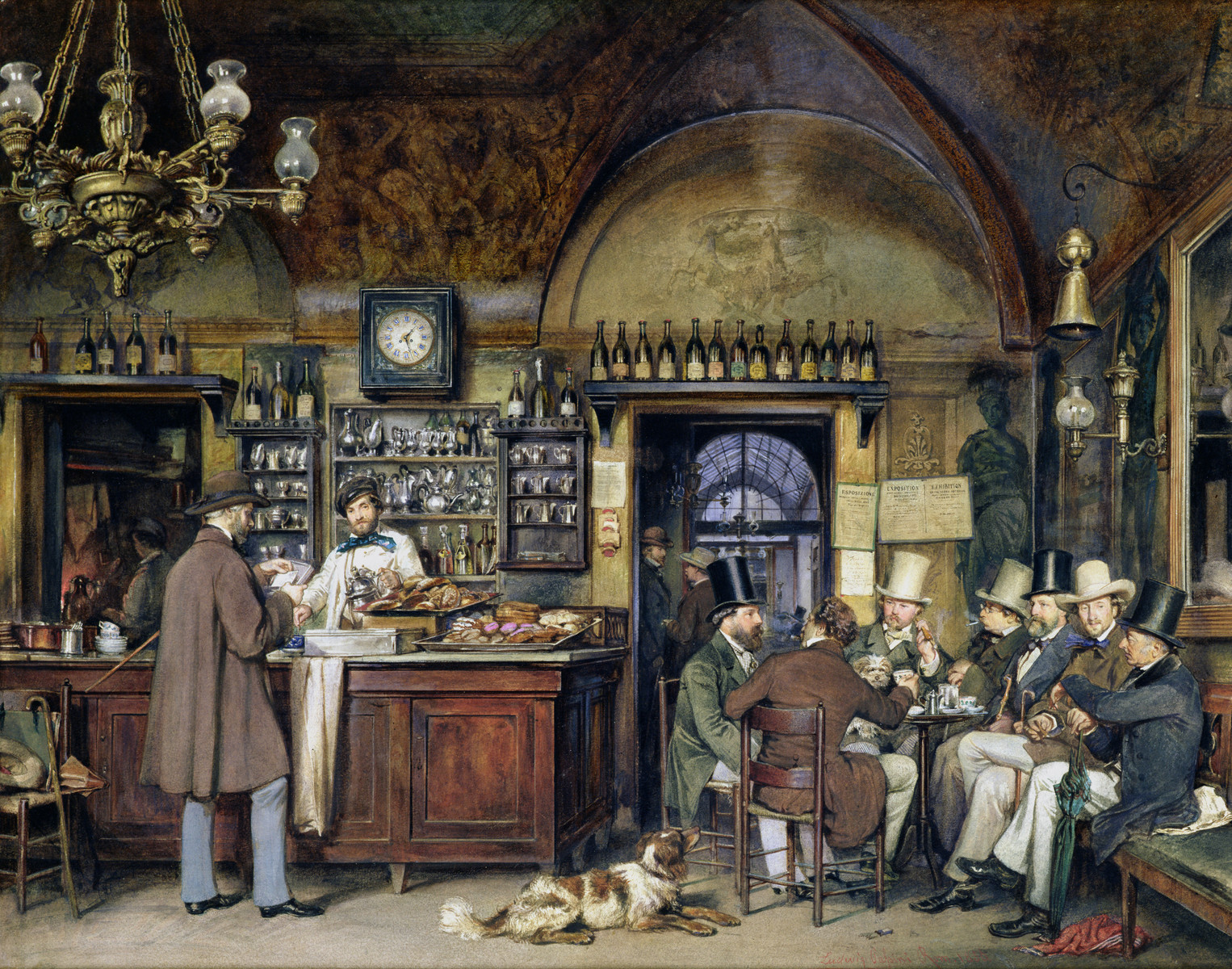
The Caffè Greco Rome history begins in 1760, on a street that is now one of the most expensive shopping streets in Italy. Antico Caffè Greco opened at Via dei Condotti 86 and became the oldest coffeehouse in Rome. For more than 260 years it was a meeting place for artists, writers and travelers. Then, in October 2025, it closed after a long legal fight. This is the full story, and what we know about its future. Most of the facts here come from the Rome tourism office, Wikipedia and news reports. Where sources disagree, we say so. If you plan to visit, read the last section first, because the café’s status has changed. Quick facts Question Answer Name Antico Caffè Greco (“Old Greek Café”) Opened 1760 Address Via dei Condotti 86, Rome Known for Oldest coffeehouse in Rome; a famous meeting place for artists and writers Art on the walls More than 300 works, according to the Rome tourism office Status (latest reports we found) Closed since 8 October 2025. No confirmed reopening date How Caffè Greco began Antico Caffè Greco opened in 1760. Sources agree on the date and the address. They differ a little on the founder. Wikipedia names Nicola della Maddalena, linked to the Greek community in Italy. The Rome tourism office describes him as a man from the Levant. Either way, that origin is the likely reason for the name “Greco”. It is usually described as the oldest coffeehouse in Rome and the second oldest in Italy. The oldest is Caffè Florian in Venice. For the wider story of how coffeehouses spread, read our guide to the first coffee houses in Europe. The location mattered. Via dei Condotti runs from the foot of the Spanish Steps. In the 18th and 19th centuries, many foreign artists and writers came to Rome and stayed in this area. A café on that street was an easy place for them to meet. Who sat at its tables The guest list is the café’s biggest claim to fame. Lists differ from source to source, so treat them as reported, not proven. Names that often appear include Lord Byron, Percy Shelley, John Keats and Johann Wolfgang von Goethe. Other lists add Mark Twain, Richard Wagner, Hans Christian Andersen, Stendhal and Henrik Ibsen. For the twentieth century, writers such as Alberto Moravia and Pier Paolo Pasolini are mentioned. One story is well documented in Russian cultural sources. The Tretyakov Gallery magazine writes that Nikolai Gogol worked on his novel Dead Souls while he lived in Rome, and that he met other Russian artists at Caffè Greco. You can read that piece here: A Roman Caffè of Culture. A café that is also a gallery The rooms were known for their marble tables and walls covered with pictures. The Rome tourism office says more than 300 works were on display. It calls the café the largest private art gallery open to the public in the world. That is the office’s claim, so take it as a proud local description. This mix of coffee and art is why the building matters beyond the drinks. Customers paid for an espresso and sat inside a museum. The Italian Ministry of Culture later declared the café’s furnishings and structure to be of cultural interest, which we cover below. Rome, the Grand Tour and the café To understand why Caffè Greco worked, think about who came to Rome. For many European travelers of the 18th and 19th centuries, a trip to Italy was a rite of passage. Rome was the main stop. Young painters came to study ancient ruins and Renaissance art. Writers came for the history and the art. These visitors needed places to meet. A café with a hot drink and a table could work as a shared living room for people far from home. The Tretyakov article above mentions Russian painters such as Karl Bryullov and Alexander Ivanov among Gogol’s circle in Rome. Other nations had their own groups in the city too. That is the real secret of the Caffè Greco Rome history. The coffee was good, but the café sold something rarer: company. A newcomer could walk in and meet other artists and writers, which is what the sources describe. Why cafés like this mattered In Italy, a historic café is more than a place to drink coffee. It is a stage for city life. Writers worked there, artists sold pictures there, and friends argued about politics there. In Italian this kind of place is sometimes called a caffè letterario, a literary café. Caffè Greco was one of the best known. To see how it compares with others, read our guide to historic cafés in Italy and our look at Trieste, the coffee capital. If you want the bigger picture, our article on Italian coffee culture explains why the bar is the heart of daily life. The long legal fight and the closure The building belongs to the Ospedale Israelitico, a hospital in Rome. The café was run by a separate company. The trouble began when the lease expired in 2017. Reports say the landlord raised the monthly rent from about 17,000 euros to 120,000 euros. The operators resisted, and the dispute went through the courts for years. Date What happened 1760 Antico Caffè Greco opens on Via dei Condotti September 2017 The lease expires and the rent dispute begins 2018 A court sets a deadline for the operators to leave February 2025 The Ministry of Culture declares the café to be of cultural interest 8 October 2025 Police seal the café and the keys go back to the owner April 2026 The owner’s creditor arrangement is approved, and bids for a new tenant open June 2026 Bids above one million euros a year are reported, and the old operating company contests the tender The news coverage is worth reading. See ANSA on the closure, CNN on the empty café, and Comunicaffè on the tender (in Italian). Police also seized around 300
Cappuccino vs Latte vs Flat White: The Simple Guide
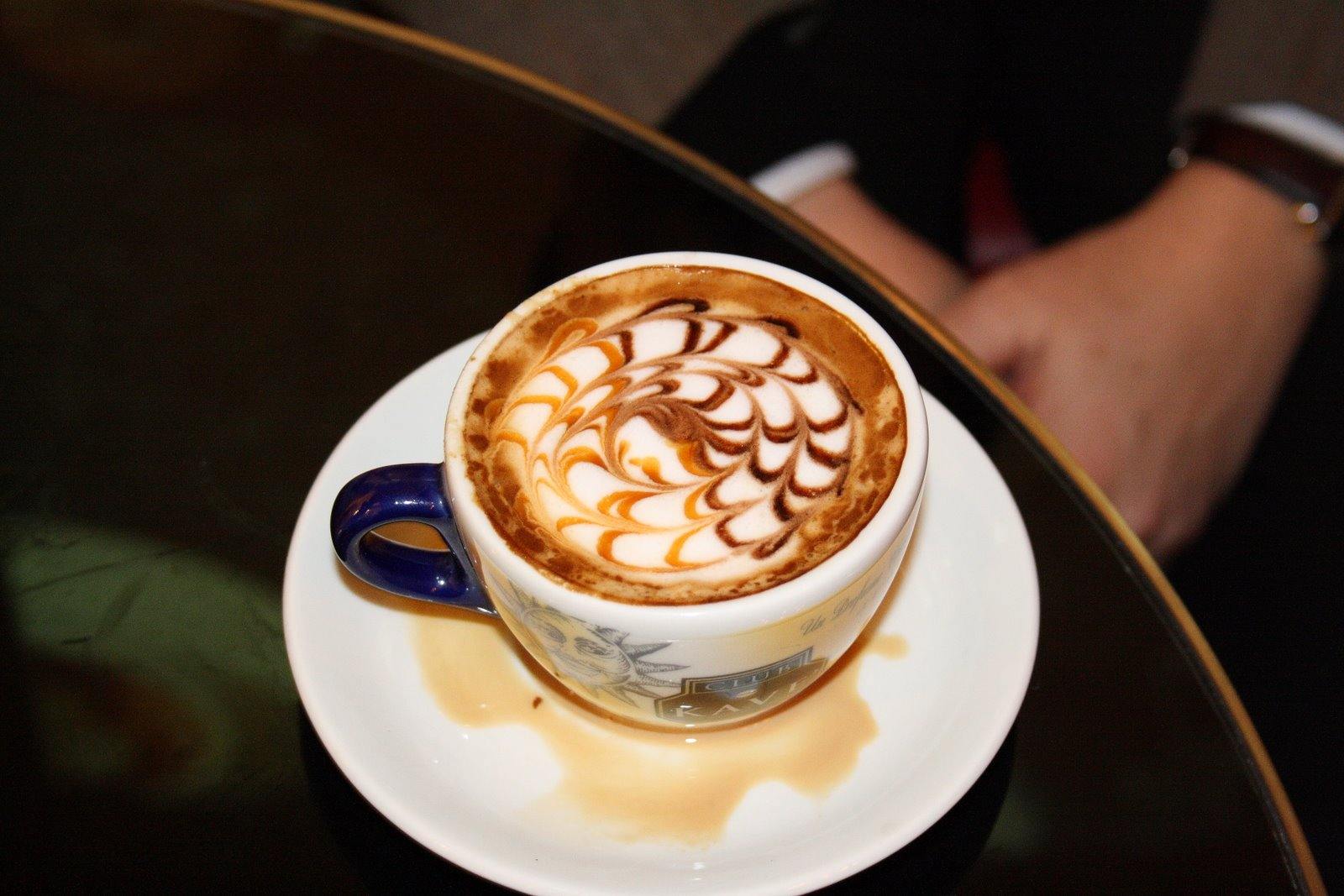
Cappuccino vs latte vs flat white is the question every coffee menu quietly asks. All three drinks start with espresso and steamed milk. They differ in how much milk goes in, how much foam sits on top, and how big the cup is. Get those three things straight and you can order, or make, exactly the drink you want. This guide gives you the short answer first. Then it walks through each drink, shows how to steam milk at home, and explains how Italians order. Sizes vary from café to café, so treat the numbers as typical ranges, not strict rules. The short answer Cappuccino: a small drink with the thickest layer of foam. Roughly equal parts espresso, steamed milk and foam. Latte: the milkiest of the three. About one part espresso to two or more parts steamed milk, with only a thin layer of foam. Flat white: small and strong. Less milk than a latte, and a smooth microfoam mixed through the whole drink instead of sitting on top. In one line: a cappuccino is foamy, a latte is milky, and a flat white is velvety and coffee-forward. Cappuccino vs latte vs flat white at a glance The ranges below come from several sources, including Drinktrade, Lor Espresso and Dipacci. The sources do not agree on every figure, which is normal for these drinks. Cappuccino Latte Flat white Espresso : milk : foam About 1 : 1 : 1 About 1 : 2, thin foam Less milk than a latte, microfoam throughout Typical cup size About 150 to 240 ml About 225 to 340 ml About 150 to 225 ml Foam layer Thickest, often over 2 cm Thin, about 1 cm A fine, flat layer, mixed into the drink Coffee strength Strong Mild Strongest taste of the three Texture Airy and light Smooth and milky Velvety and dense Best for Foam lovers, mornings Milk lovers, long sips People who want to taste the coffee Cappuccino The cappuccino is the classic Italian milk coffee. The name comes from the color of the robes worn by Capuchin friars. If you like the story, read our history of the cappuccino. A traditional cappuccino is small. It has a shot of espresso, a similar amount of steamed milk, and a thick cap of foam. That foam is the point. It makes the first sip light and airy, then the coffee shows through underneath. Some guides say cappuccino milk is steamed a little hotter than flat white milk. Others keep all milk drinks near 60 to 65 °C. Either way, the foam should feel like soft clouds, not like stiff bubbles. For deeper background, see Cappuccino on Wikipedia. Latte The latte is the gentle one. It uses one or two shots of espresso and a lot of steamed milk, with a thin layer of foam on top. Cups are larger, often 225 ml or more. Because there is so much milk, the coffee taste is softer and sweeter. This is why many people start with a latte. It also takes flavored syrups well, and it is the usual canvas for latte art. A word of warning if you travel. In Italy, “latte” simply means milk. If you ask for a “latte” at an Italian bar, you will get a glass of milk. The drink you want is a caffè latte. We explain more in the section on ordering below. Flat white The flat white is small, strong and smooth. It uses the same espresso as the other two, but less milk. The milk is steamed into a fine microfoam, so there is no tall cap of foam. The milk and coffee blend into one velvety drink. Australia and New Zealand both claim to have invented it, and the story is still debated. Read the background on Flat white on Wikipedia. Breville and Sage both suggest steaming flat white milk to about 60 to 65 °C, and keeping the foam layer very thin. Their recipe is here: Breville flat white recipe. A flat white needs less air than a latte or a cappuccino. That is the main skill in making a good one. How to order in Italy Italian bars have their own rules. A cappuccino is mostly a morning drink. Many Italians avoid it after a meal, because they see milk as heavy. You can still order one whenever you like, but expect a raised eyebrow after lunch. Our guides to Italian coffee bar rules and Italian coffee drinks cover the details. Ask for a cappuccino and you get the classic drink with foam. Ask for a caffè latte to get espresso with a lot of hot milk. Never just “latte”. A flat white is not a traditional Italian drink. Many specialty cafés in big cities now offer it, but a standard bar may not. For something between a plain espresso and a cappuccino, try a caffè macchiato: espresso marked with a spoon of foam. How to make them at home You do not need a big machine. You need espresso (or strong coffee), hot milk, and a way to add air. If you have no espresso machine, our guide to making espresso without a machine shows what works. To froth, see how to froth milk. Make a strong base. Pull a shot of espresso, or brew a small cup of strong coffee. Heat cold milk. Fresh, cold milk gives you more time to build foam. Add air. For a cappuccino, introduce more air, about 4 to 6 seconds on a steam wand. For a latte, about 2 to 4 seconds. For a flat white, keep the air short and gentle. These timings come from Clive Coffee. Swirl. Spin the jug so the bubbles fold into a shiny, smooth microfoam. Stop at about 60 to 65 °C. Hotter than that, milk starts to taste scorched. Plant-based milks should stay cooler, near 55 °C, or they may split. Pour. Tap the jug, swirl again, then pour into the espresso. Two pieces of gear help
Brikka vs Moka Express: 7 Differences That Matter
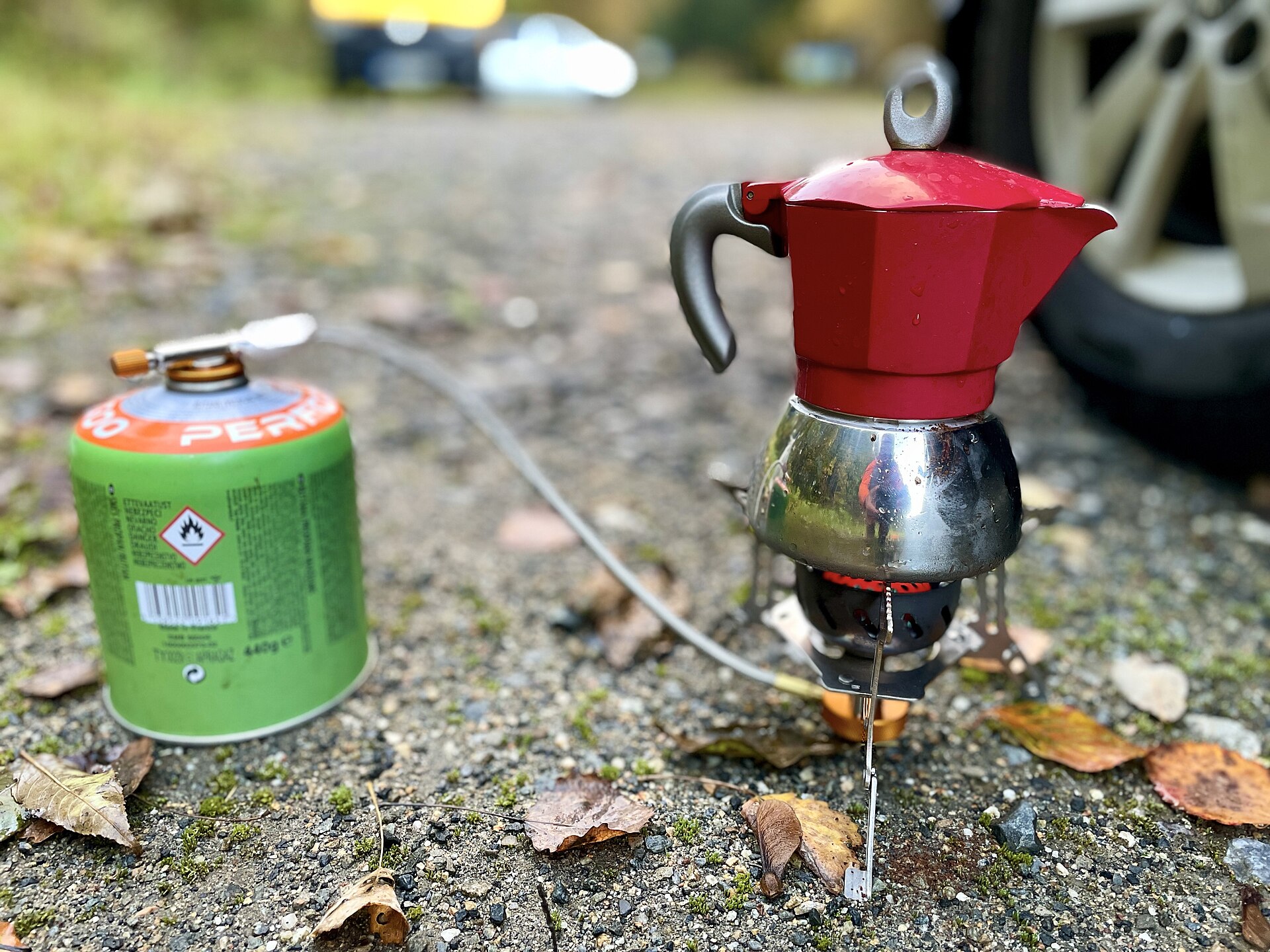
Brikka vs Moka Express comes down to one question. Do you want a simple, classic stovetop pot, or a pot with a pressure valve that aims for a thicker, foamier cup? The Moka Express is the octagonal aluminium pot that Bialetti has made since 1933. The Brikka adds a valve to the spout. That one part changes how the coffee flows, what it costs, and how you clean it. This guide compares the two pots side by side. You will see a clear table, how each one works, and who should buy which. We have not tested these pots ourselves. Everything here comes from the makers’ listings, published reviews, and what owners report. Bialetti Brikka vs Moka Express: The Short Answer Pick the Bialetti Moka Express if you want the classic pot. It is cheaper, it comes in more sizes, and it is easy to clean. Pick the Bialetti Brikka if you like a stronger cup with a layer of foam on top, and you mostly brew one or two small cups. Neither pot makes true espresso. Both are stovetop brewers that sit between espresso and filter coffee. If you want to see how a moka pot compares with a real machine, read our moka pot vs espresso machine guide. Brikka vs Moka Express at a glance The figures below come from retailer listings and published reviews, such as Barista Life and Homegrounds. Listings do not always agree, so check the exact model before you buy. Feature Bialetti Moka Express Bialetti Brikka Pressure valve No Yes, on the spout Sizes 3, 6, 9 and 12 cups 2 and 4 cups Brewed volume About 1.5 oz (45 ml) per cup About 100 ml (2 cup); about 160 to 170 ml (4 cup) Result in the cup Classic moka pot coffee Stronger cup with a foam layer Induction hobs Classic aluminium pot: no Standard model: no. A separate Induction version exists Rough price (Aug 2026, one retailer) About $50 for the 3-cup About $80 Best for Families, batches, beginners One or two small, strong cups How each pot works Both pots use the same basic idea. You fill the bottom chamber with water. You add ground coffee to a funnel basket. You put the pot on the heat. Steam pressure builds in the bottom chamber and pushes hot water up through the coffee. The brewed coffee collects in the top chamber. If you want the full method, see our perfect moka pot guide. The Moka Express stops there. Water flows up as soon as pressure is high enough. The pressure inside is usually described as about 1 to 2 bars, far below the 9 bars of an espresso machine. You can read the background on Moka pot on Wikipedia and in our history of the moka pot. The Brikka adds a valve in the spout. The valve holds the flow back until pressure builds. Then it opens and the coffee rushes out in a fast stream. That rush is what makes the foam. Homegrounds reports that roughly 1 to 1.5 bars is needed to open the valve. Sources differ on the part itself. One older description mentions a heavy steel weight and a rubber gasket. Newer product pages describe a silicone pressure regulator. A short bit of history helps here. Alfonso Bialetti patented the Moka Express in 1933, and its eight-sided shape has barely changed since. A story often repeated says he took the idea from the way an Italian laundry boiler pushed hot soapy water up a central tube. Whatever the truth, the pot spread into millions of Italian kitchens. The Brikka is a later variation on that design, built for people who wanted a bolder cup. Flavor, pressure and the crema question Bialetti sells the Brikka as the pot that makes a “crema-rich” cup. Here is what reviewers say about that claim. The foam is real. The valve creates a layer of light foam on the surface. Many owners like how it looks and feels. It is not true espresso crema. Barista Life points out that this foam is not the same as crema from an espresso machine. Bialetti does not claim it is. Coffee choice matters. One retailer notes that the crema effect depends on very fresh coffee and a darker, espresso-style roast. Extraction can run uneven. Homegrounds notes that some coffee can over-extract while the pressure builds behind the valve. That can add bitterness. In short, the Brikka tends to give a heavier, rounder cup. The Moka Express gives a cleaner, lighter one with more of the coffee’s own flavor. Neither is better. It depends on your taste. If your coffee tastes bitter in either pot, check your grind first. Our coffee grind size guide and moka pot myths article can help. Sizes and price Sizes The Moka Express comes in 3, 6, 9 and 12 cup sizes. The word “cup” here means a small espresso-style serving of about 1.5 oz, not a mug. A 6-cup pot makes roughly two to three normal small coffees. It suits a couple or a small family. The Brikka comes in only two sizes, 2 cups and 4 cups. Listings give about 100 ml for the 2-cup and about 160 to 170 ml for the 4-cup. That is enough for one or two strong cups. If you often brew for guests, the Moka Express is the better fit. Price Barista Life listed the Brikka at $79.99 and a 3-cup Moka Express at $49.99 in August 2026. Prices change and vary by seller, so check the current listing. The pattern is steady, though. The Brikka costs noticeably more than a Moka Express of similar size. Our best moka pots guide lists other options if you want to compare. Stove types and cleaning Induction. The classic aluminium Moka Express does not work on induction hobs. The standard Brikka is also listed as not suitable for induction. Bialetti makes a separate Brikka Induction with a steel base, and some sellers offer an adapter plate.
Yemeni Coffee: 8 Fascinating Facts About the Original Mocha
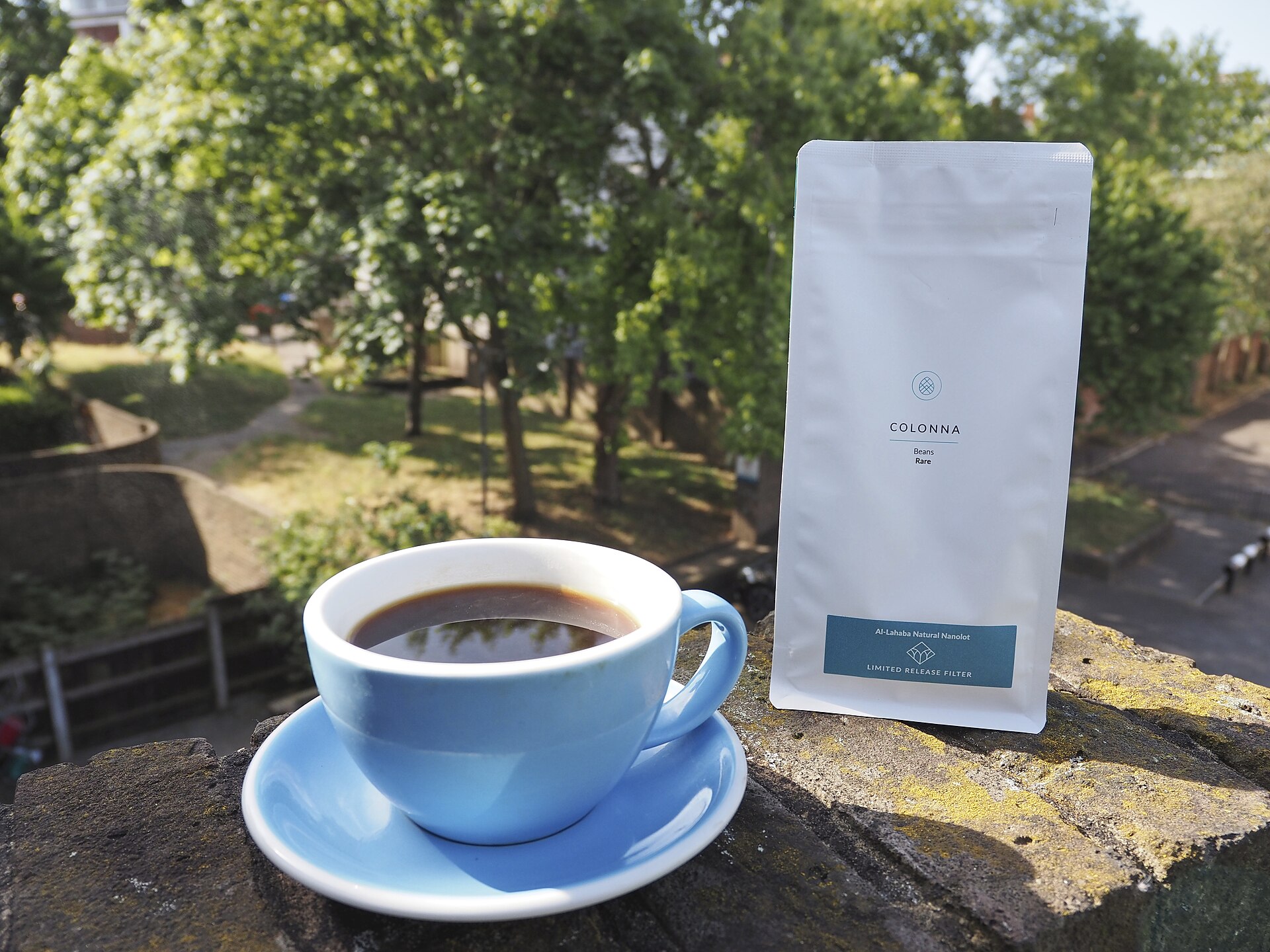
Yemeni coffee is where the story of the coffee trade really begins. Long before Italy had its bars, and long before specialty roasters, farmers in the mountains of Yemen grew coffee and shipped it out of one small Red Sea port. That port was called Mocha, and it gave the world a word we still use today. In this guide you will learn why Yemeni coffee matters, how it grows, why it tastes so wild and fruity, and how to brew it well. We also look at the link between Yemen, Venice and the Italian coffee tradition. Where Yemeni Coffee Began Many historians place the first large-scale coffee growing in Yemen around the 15th century. Sufi communities were among the early drinkers. They used coffee to stay awake during long nights of prayer. From there the habit spread to Mecca, Cairo and Istanbul, and later to Europe. Ethiopia is the home of wild coffee, and you can read that legend in our story of Kaldi and the dancing goats. Yemen is where people first farmed it, dried it and sold it on a big scale. It is the bridge between the wild plant and the coffee world we know. The Port of Mocha For centuries almost all coffee for export left Yemen through the Red Sea port of Mocha, also written Al-Makha. Dutch, English and French traders came to buy it. The name stuck. “Mocha” came to mean good coffee from the Red Sea. Later the word took on a second life. Today a “mocha” in a café often means espresso with chocolate. The old meaning is almost forgotten. If you want to see where the port lies, the Mocha entry on Wikipedia gives a short overview. There is even a famous old blend. “Mocha-Java” mixed Yemeni beans with beans from Java. It is one of the first named coffee blends in history. How Yemeni Coffee Is Grown Yemeni coffee grows high in the mountains, often between about 1,500 and 2,500 metres above sea level. The land is steep and dry. Farmers build stone terraces to hold the soil, and many farms are small and run by families. Methods are mostly traditional. Harvest is done by hand. Then the cherries are dried whole, often on rooftops and flat stones, in the strong mountain sun. This is the natural process. After drying, the husk is removed, and the green beans are sorted. You can compare this with other methods in our guide to coffee processing methods. Because of this way of working, Yemeni beans often look uneven. They come in many sizes and shapes. That is normal, and roasters have to take care with them. What Does Yemeni Coffee Taste Like? Yemeni coffee is known for a bold, complex cup. Tasters often mention dried fruit, wine, dark chocolate and warm spice. The body is usually heavy, and the acidity is soft, not sharp. Flavor can vary a lot from lot to lot. Feature Typical Yemeni coffee Altitude About 1,500–2,500 m Process Natural (sun-dried in the cherry) Body Medium to heavy Acidity Soft, winey Common notes Dried fruit, chocolate, spice Best roast Light to medium If you like naturals from Ethiopia, such as the Guji profile, you may enjoy this style. If you prefer a clean cup, Yemeni coffee may feel too wild. Yemeni Coffee Varieties Yemen has many old local varieties, often called landraces. Names you may see on a bag include Udaini, Dawairi and Tufahi. They grew for centuries in separate valleys, so each has its own character. Many experts also trace the famous varieties Typica and Bourbon back to coffee plants that left Yemen. If that interests you, our guide to Arabica coffee varieties explains how the family tree looks. The Italian Connection Coffee reached Italy through the trade routes of Venice, which had strong links with the Ottoman world. Beans from the Red Sea were part of that trade. Venice later opened some of the first coffee shops in Europe, a story we tell in first coffee houses in Europe. Even the name of the Italian moka pot echoes the old port. The pot, invented in 1933, shares its name with Mocha. You can read about it in the history of the moka pot. How to Brew Yemeni Coffee A filter brew shows off the fruit best. A simple pour-over such as the V60 works very well. Use a ratio of about 1:16, which is 16 g of coffee for every 250 g of water. A good coffee scale makes this easy. For ratios and timing, see our coffee to water ratio guide and the V60 guide. Weigh 16 g of coffee and grind medium. Heat water to about 93°C (200°F). Rinse the filter and bloom the coffee with 40 g of water for 30 seconds. Pour the rest in slow circles to 250 g. Aim for a total brew time of about 2:45 to 3:15. Taste. If it is sour, grind finer. If it is bitter, grind coarser. You can also try a traditional drink from Yemen called qishr. It is a light tea made from coffee husks with spices such as ginger and cinnamon. Husks are a by-product of the natural process, so nothing goes to waste. Yemeni vs Ethiopian Coffee: What Is the Difference? The two origins sit on opposite sides of the Red Sea, and people often mix them up. Both are known for natural-process coffees and for rich fruit notes. Even so, the cup is not the same. Yemeni coffee Ethiopian coffee Growing style Terraced farms in dry mountains Forest gardens and small plots Typical process Mostly natural Washed and natural Body Medium to heavy Light to medium Common notes Dried fruit, chocolate, spice Floral, citrus, berry, tea Cup style Deep and winey Bright and aromatic A simple rule helps. If you want a bright, floral cup, start with Ethiopia. If you want depth and spice, try Yemen. Our profile of Yemen’s neighbour, Ethiopian Yirgacheffe, shows the other side of the story.
Moka Pot Myths: 9 Surprising Things Most People Get Wrong
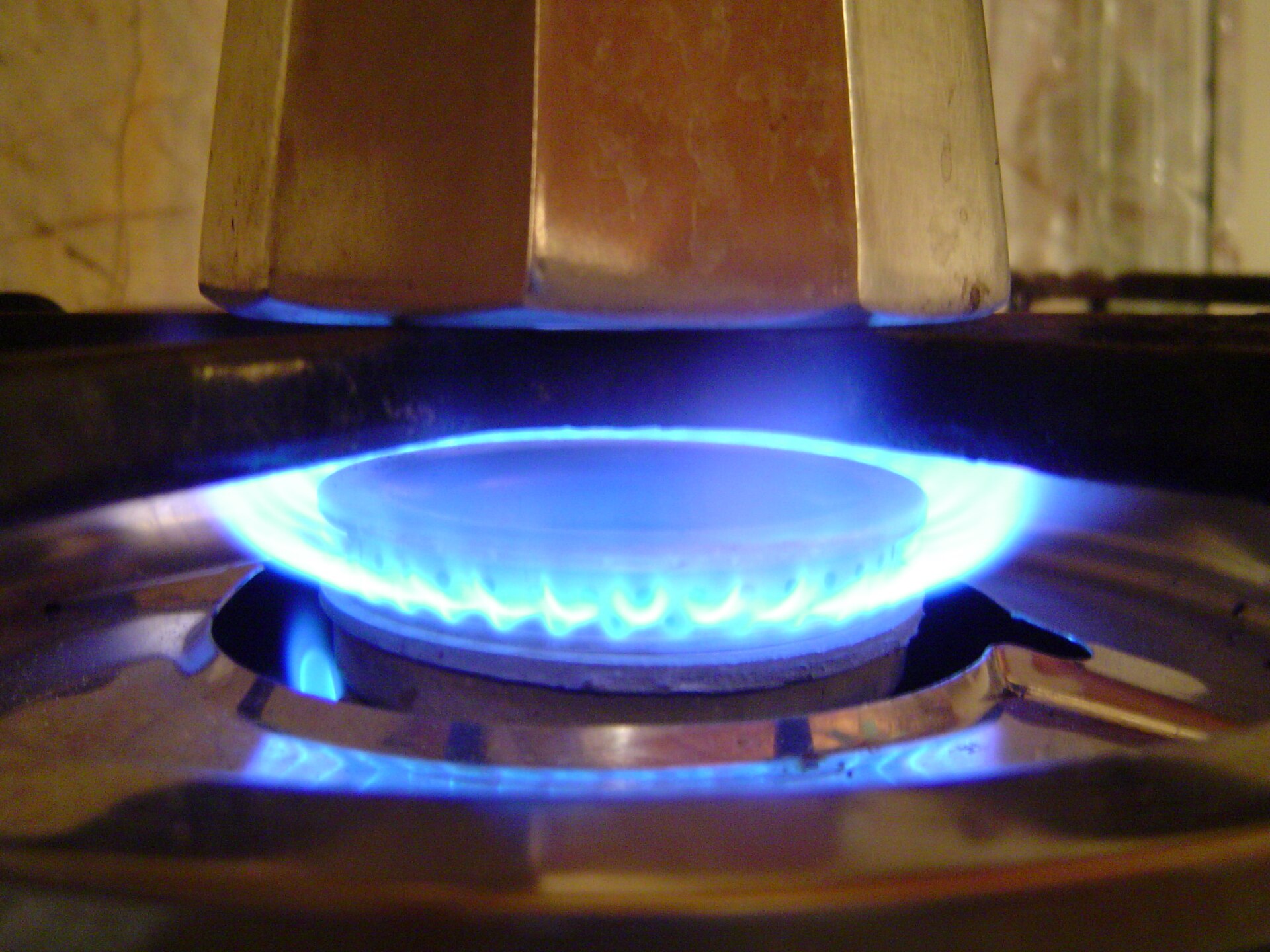
Moka pot myths spread fast because the pot looks so simple. Two chambers, one filter, a flame. What could go wrong? Plenty, it turns out. The short answer is this: a moka pot makes strong, concentrated coffee, but not espresso. Most bad cups come from too much heat and the wrong grind, not from the pot itself. The moka pot was born in Italy in 1933, and millions of Italian homes still use one every morning. You can read its story in our history of the moka pot. Here, we test nine popular beliefs against what makers, baristas and coffee scientists actually say. Moka Pot Myths and the Truth Behind Them Myth 1: A moka pot makes espresso This is the most common one. Many shops even call the moka an “espresso pot”. But true espresso needs about 9 bar of pressure. A moka pot works at roughly 1 to 2 bar, according to most published estimates. That is enough to push hot water through the coffee, but not enough to build real crema. What you get is a strong, rich, slightly heavy cup. Italians call it simply caffè della moka, “moka coffee”. It is delicious, but it is its own drink. If you want to compare the two in detail, read our guide to the moka pot vs espresso machine. Some pots, like the Bialetti Brikka, have a weighted valve that adds a foamy layer. It looks like crema, but it comes from the valve, not from pressure. We cover it in our Brikka review. Myth 2: You need a very fine, espresso-style grind A grind that is too fine is one of the top reasons for bitter moka coffee. Fine powder packs tightly. Water struggles to pass, pressure builds, and the cup turns harsh. The pot may even spit hot water from the valve. Aim for a grind a little coarser than espresso and finer than drip coffee. It should feel like fine table salt. Pre-ground coffee sold as “for moka” usually sits in this range. If you grind at home, our coffee grind size guide shows how each size looks and tastes. Myth 3: Tamp the coffee for a better cup Tamping works for espresso machines. In a moka pot, it backfires. Pressing the coffee makes it dense, so water cannot flow freely. The maker, Bialetti, tells users to fill the filter basket and level it, but not to press it down. The fix is easy. Fill the basket until it mounds a little. Then sweep the top flat with your finger or the back of a spoon. Do not push. Myth 4: Always start with cold water Tradition says to fill the base with cold tap water. That works fine. But many home baristas now use hot water from a kettle instead. The reason is simple. With cold water, the pot sits on the flame for longer. The coffee grounds heat up with the metal and can taste cooked or metallic. With hot water, the brew starts sooner and the coffee spends less time on hot metal. It is a popular tip, not a rule. Try both and keep the one you like. If you use hot water, hold the base with a thick cloth when you screw on the top. Myth 5: High heat is faster and better Fast is not better. A strong flame pushes the water through too quickly and scorches the coffee. The result is bitter, with a burnt edge, and the pot sputters loudly at the end. Use low to medium heat. Keep the lid open so you can watch the stream. When the coffee turns pale and you hear a hiss and a gurgle, take the pot off the heat. Then run the base under cold water for a few seconds. This stops the brew at once and avoids the harsh last drops. Myth 6: You need a dark roast Dark roast is the classic Italian choice, so people assume the moka needs it. It does not. A medium roast often tastes sweeter and cleaner in a moka pot, with notes of chocolate and caramel. Dark roasts can taste smoky or burnt if you push the heat. Very light roasts can taste sharp and sour, so start with a medium roast. Then move lighter or darker as your taste guides you. For a full walkthrough, see our moka pot brewing guide. Myth 7: Never wash it properly Some owners say a moka pot should never be washed with soap. The idea is that old coffee oils “season” the pot. In truth, those oils go rancid. They add a stale, bitter taste to every cup. Clean the pot after use with warm water and a soft sponge. A drop of mild soap is fine, as long as you rinse it very well. Dry every part completely. Keep it out of the dishwasher, because harsh detergent can darken aluminium. Our guide on how to clean a moka pot also covers the rubber gasket. Myth 8: Aluminium pots are unsafe Most classic moka pots are made of aluminium, and this scares some buyers. Studies on aluminium cookware generally find that only small amounts reach food, and food-safety agencies treat everyday use as low risk. If you still prefer to avoid aluminium, stainless steel moka pots exist and are easy to find. This is general information, not medical advice. If you have a health concern, ask your doctor. Myth 9: Moka pots do not work on induction This one is half true. A traditional aluminium pot does not work on an induction hob, because aluminium is not magnetic. But stainless steel pots with a magnetic base do work. You can also use an induction adapter plate with an old pot. If you cook on induction, look for a stainless steel moka pot made for induction hobs. For a classic pot on gas or an electric stove, the Bialetti Moka Express remains the reference design. Our list of the best moka pots compares more