
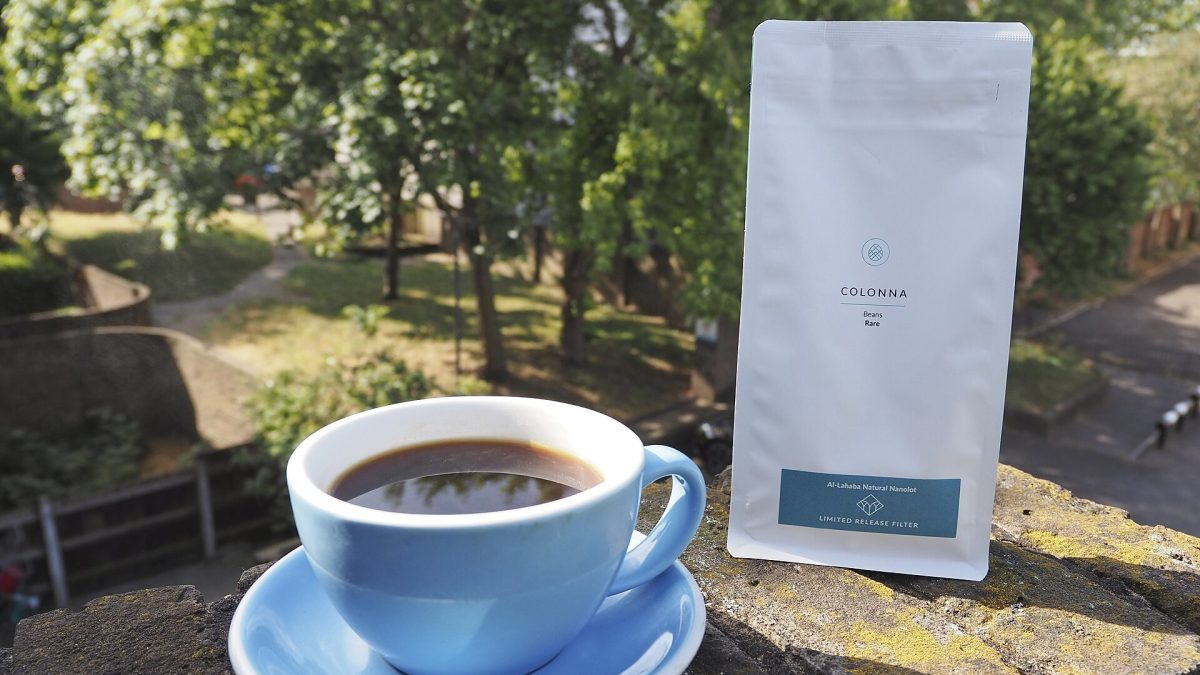
Yemeni coffee is where the story of the coffee trade really begins. Long before Italy had its bars, and long before specialty roasters, farmers in the mountains of Yemen grew coffee and shipped it out of one small Red Sea port. That port was called Mocha, and it gave the world a word we still use today.
In this guide you will learn why Yemeni coffee matters, how it grows, why it tastes so wild and fruity, and how to brew it well. We also look at the link between Yemen, Venice and the Italian coffee tradition.
Where Yemeni Coffee Began
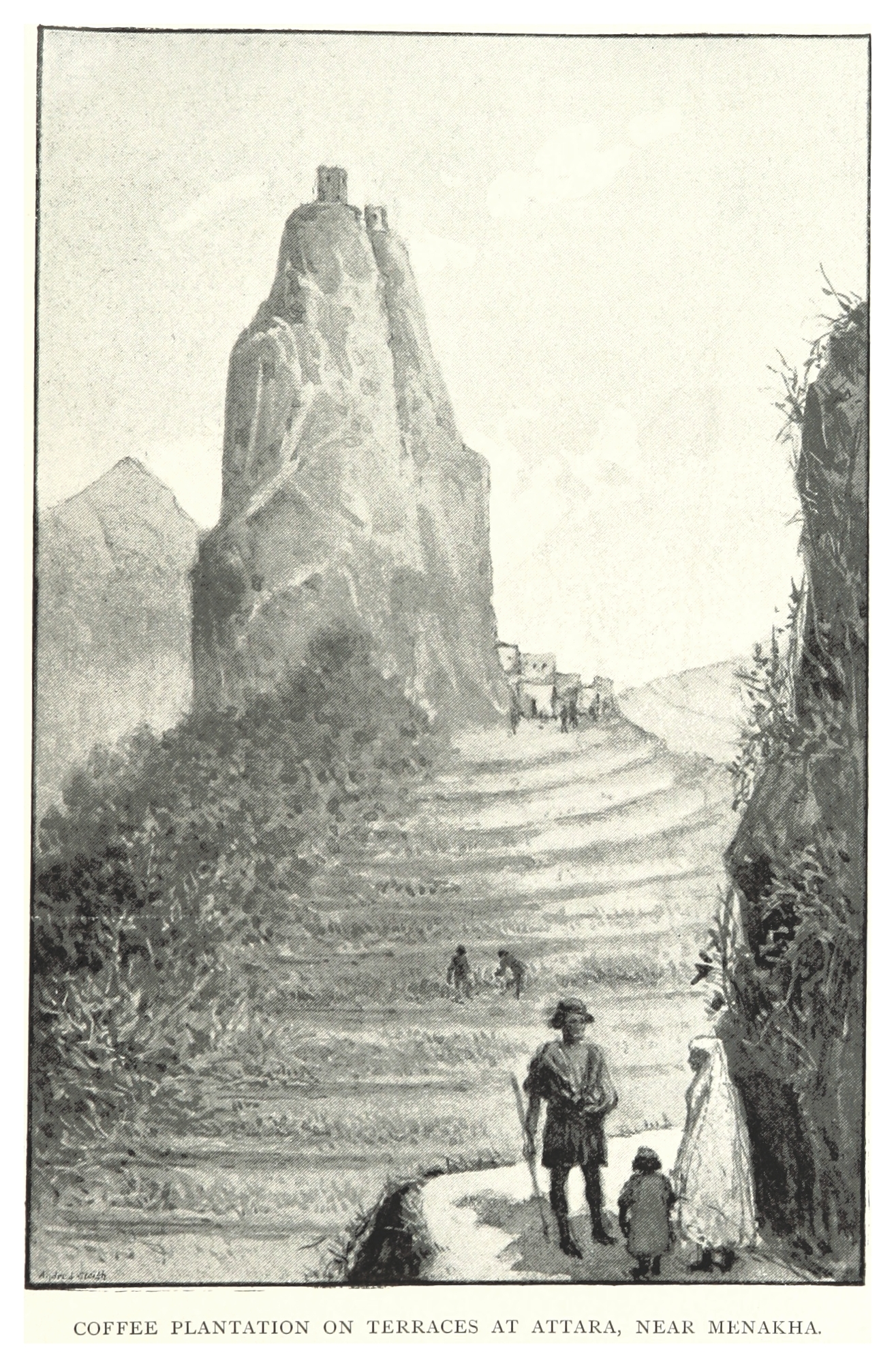
Many historians place the first large-scale coffee growing in Yemen around the 15th century. Sufi communities were among the early drinkers. They used coffee to stay awake during long nights of prayer. From there the habit spread to Mecca, Cairo and Istanbul, and later to Europe.
Ethiopia is the home of wild coffee, and you can read that legend in our story of Kaldi and the dancing goats. Yemen is where people first farmed it, dried it and sold it on a big scale. It is the bridge between the wild plant and the coffee world we know.
The Port of Mocha
For centuries almost all coffee for export left Yemen through the Red Sea port of Mocha, also written Al-Makha. Dutch, English and French traders came to buy it. The name stuck. “Mocha” came to mean good coffee from the Red Sea.
Later the word took on a second life. Today a “mocha” in a café often means espresso with chocolate. The old meaning is almost forgotten. If you want to see where the port lies, the Mocha entry on Wikipedia gives a short overview.
There is even a famous old blend. “Mocha-Java” mixed Yemeni beans with beans from Java. It is one of the first named coffee blends in history.
How Yemeni Coffee Is Grown
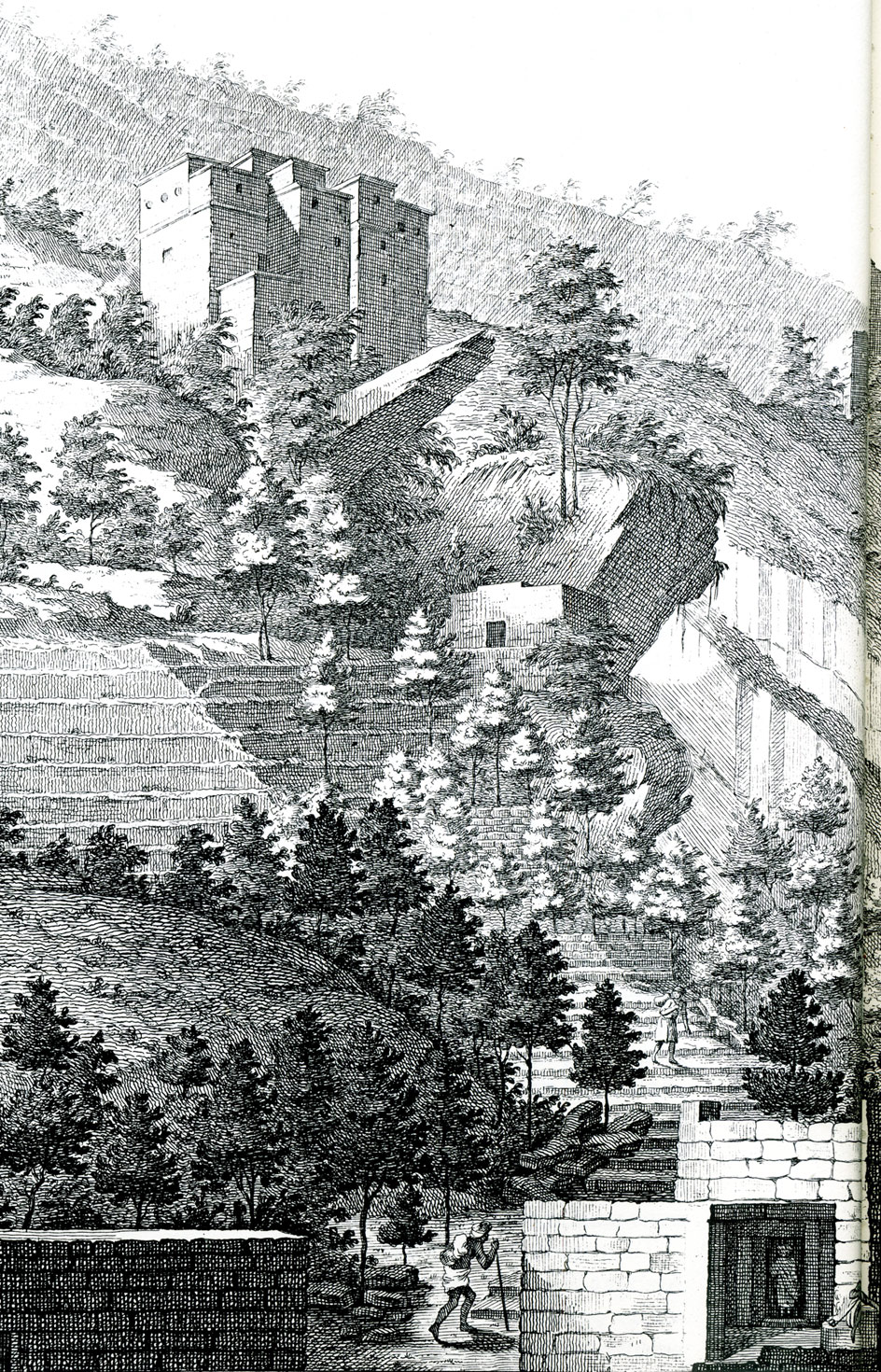
Yemeni coffee grows high in the mountains, often between about 1,500 and 2,500 metres above sea level. The land is steep and dry. Farmers build stone terraces to hold the soil, and many farms are small and run by families. Methods are mostly traditional.
Harvest is done by hand. Then the cherries are dried whole, often on rooftops and flat stones, in the strong mountain sun. This is the natural process. After drying, the husk is removed, and the green beans are sorted. You can compare this with other methods in our guide to coffee processing methods.
Because of this way of working, Yemeni beans often look uneven. They come in many sizes and shapes. That is normal, and roasters have to take care with them.
What Does Yemeni Coffee Taste Like?
Yemeni coffee is known for a bold, complex cup. Tasters often mention dried fruit, wine, dark chocolate and warm spice. The body is usually heavy, and the acidity is soft, not sharp. Flavor can vary a lot from lot to lot.
| Feature | Typical Yemeni coffee |
|---|---|
| Altitude | About 1,500–2,500 m |
| Process | Natural (sun-dried in the cherry) |
| Body | Medium to heavy |
| Acidity | Soft, winey |
| Common notes | Dried fruit, chocolate, spice |
| Best roast | Light to medium |
If you like naturals from Ethiopia, such as the Guji profile, you may enjoy this style. If you prefer a clean cup, Yemeni coffee may feel too wild.
Yemeni Coffee Varieties
Yemen has many old local varieties, often called landraces. Names you may see on a bag include Udaini, Dawairi and Tufahi. They grew for centuries in separate valleys, so each has its own character.
Many experts also trace the famous varieties Typica and Bourbon back to coffee plants that left Yemen. If that interests you, our guide to Arabica coffee varieties explains how the family tree looks.
The Italian Connection
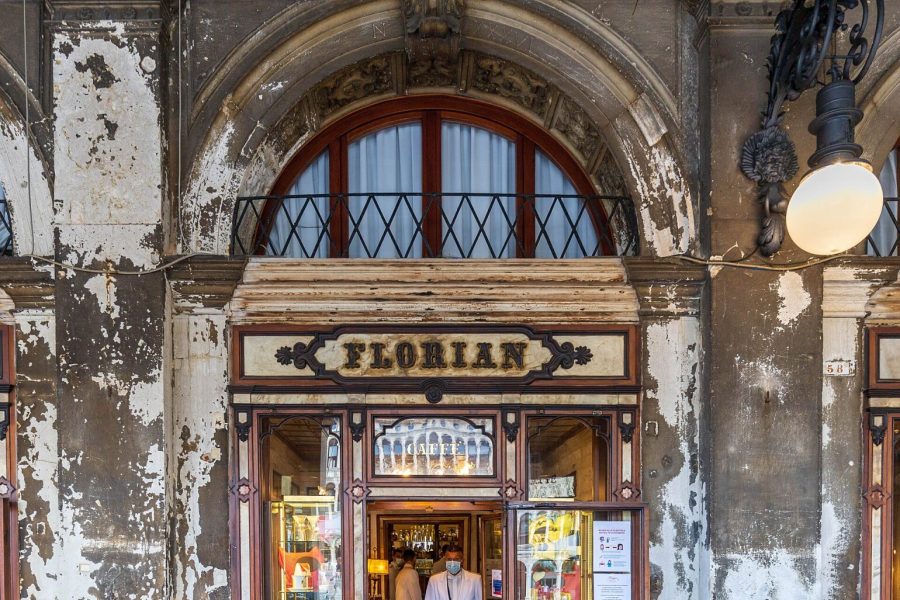
Coffee reached Italy through the trade routes of Venice, which had strong links with the Ottoman world. Beans from the Red Sea were part of that trade. Venice later opened some of the first coffee shops in Europe, a story we tell in first coffee houses in Europe.
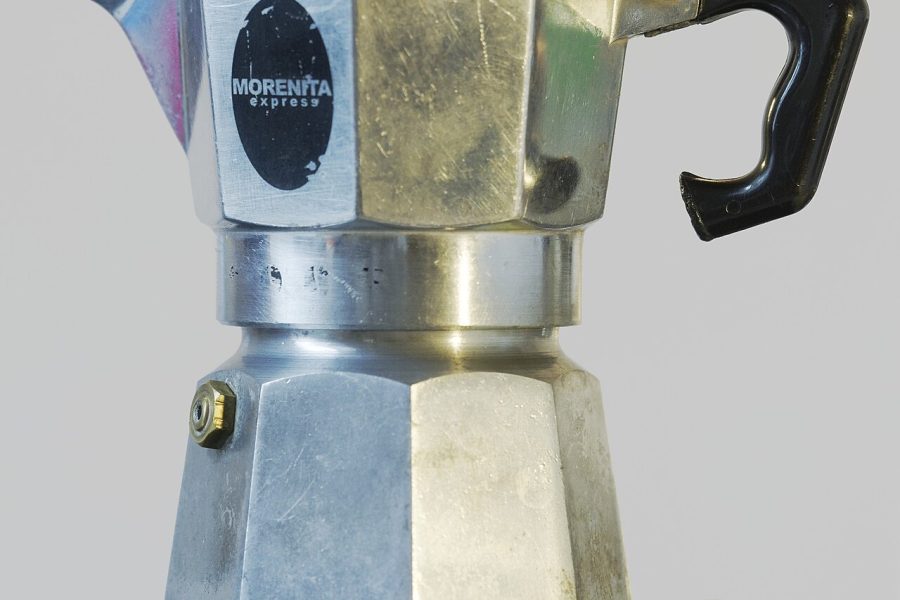
Even the name of the Italian moka pot echoes the old port. The pot, invented in 1933, shares its name with Mocha. You can read about it in the history of the moka pot.
How to Brew Yemeni Coffee
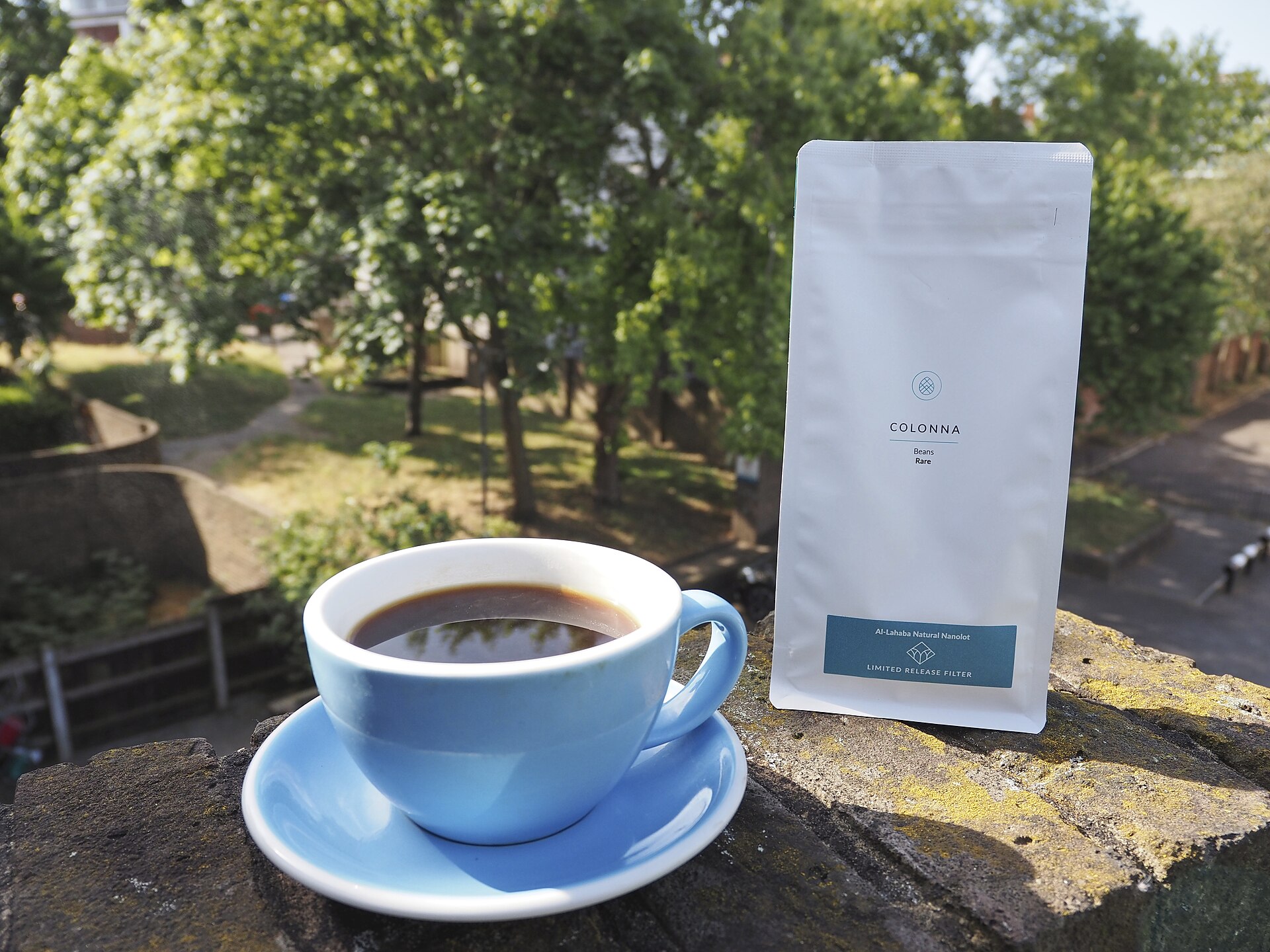
A filter brew shows off the fruit best. A simple pour-over such as the V60 works very well. Use a ratio of about 1:16, which is 16 g of coffee for every 250 g of water. A good coffee scale makes this easy. For ratios and timing, see our coffee to water ratio guide and the V60 guide.
- Weigh 16 g of coffee and grind medium.
- Heat water to about 93°C (200°F).
- Rinse the filter and bloom the coffee with 40 g of water for 30 seconds.
- Pour the rest in slow circles to 250 g.
- Aim for a total brew time of about 2:45 to 3:15.
- Taste. If it is sour, grind finer. If it is bitter, grind coarser.
You can also try a traditional drink from Yemen called qishr. It is a light tea made from coffee husks with spices such as ginger and cinnamon. Husks are a by-product of the natural process, so nothing goes to waste.
Yemeni vs Ethiopian Coffee: What Is the Difference?
The two origins sit on opposite sides of the Red Sea, and people often mix them up. Both are known for natural-process coffees and for rich fruit notes. Even so, the cup is not the same.
| Yemeni coffee | Ethiopian coffee | |
|---|---|---|
| Growing style | Terraced farms in dry mountains | Forest gardens and small plots |
| Typical process | Mostly natural | Washed and natural |
| Body | Medium to heavy | Light to medium |
| Common notes | Dried fruit, chocolate, spice | Floral, citrus, berry, tea |
| Cup style | Deep and winey | Bright and aromatic |
A simple rule helps. If you want a bright, floral cup, start with Ethiopia. If you want depth and spice, try Yemen. Our profile of Yemen’s neighbour, Ethiopian Yirgacheffe, shows the other side of the story.
What to Check on the Label Before You Buy
Good Yemeni coffee is rare, so read the bag with care. These five points tell you a lot:
- Region and village: Specific names, such as a mountain area, are a good sign.
- Variety or landrace: A name like Udaini or Tufahi shows the roaster knows the lot.
- Process: Most lots are natural. The label should say so.
- Roast date: Look for a date within the last month, not just a “best before” date.
- Source: A good roaster explains who they buy from and how the coffee reached them.
If a bag says only “Mocha” with no more detail, be careful. It may be a blend, or a chocolate-flavored product, and not Yemeni coffee at all.
How to Taste It Like a Pro
Brew a small cup and let it cool a little. Smell first. Then take a loud slurp so the coffee spreads across your tongue. Ask yourself three questions. Is it sweet? Is it fruity, or more like wine? Does the spice linger after you swallow?
Take notes, even short ones. After three or four cups of different origins, you will start to notice patterns, and Yemeni coffee will stand out fast.
Why Is Yemeni Coffee Rare and Costly?
Yemeni coffee is made in small amounts. Farms are small, the land is hard to farm, and moving coffee out of the country can be slow and costly. Because of this, good Yemeni lots can cost much more than other origins. Buy from a roaster who names the source clearly and shares who grew it.
FAQ: Yemeni Coffee
Is Yemeni coffee the same as mocha?
Not exactly. “Mocha” was the name of the port that shipped Yemeni coffee. Today the word also means a chocolate coffee drink, which has nothing to do with the origin.
Is Yemeni coffee Arabica?
Yes. Yemeni coffee is Arabica, grown from old local varieties.
What roast is best for Yemeni coffee?
Light to medium roasts show the fruit and spice. Very dark roasts hide them.
Is Yemeni coffee strong?
It has a full body and bold flavor, but caffeine depends on how you brew it, not on the origin.
Where can I buy good Yemeni coffee?
Look for specialty roasters who list the region, the process and the farmer or cooperative. Ask when it was roasted, and buy small bags so the coffee stays fresh.
Keep reading: The legend of Kaldi, First coffee houses in Europe, Coffee processing methods.
As an Amazon Associate, IndieRoastersItaly earns from qualifying purchases. This does not change the price you pay.
At IndieRoastersItaly, we are building a way to enjoy fresh coffee from independent Italian roasters, roasted to order. Visit our homepage to join the waitlist.
This article was written with the support of artificial intelligence for content structuring, and was fully reviewed, verified, and refined by the author.
If you find a Yemeni coffee, brew it the first time with a simple filter or a French press rather than espresso: the dried-fruit and spice notes are easier to taste that way. It’s rare and not cheap, so it’s worth a slower brew. Has anyone tried a Yemeni coffee? Which roaster was it?