
Moka pot myths spread fast because the pot looks so simple. Two chambers, one filter, a flame. What could go wrong? Plenty, it turns out. The short answer is this: a moka pot makes strong, concentrated coffee, but not espresso. Most bad cups come from too much heat and the wrong grind, not from the pot itself.
The moka pot was born in Italy in 1933, and millions of Italian homes still use one every morning. You can read its story in our history of the moka pot. Here, we test nine popular beliefs against what makers, baristas and coffee scientists actually say.
Moka Pot Myths and the Truth Behind Them
Myth 1: A moka pot makes espresso
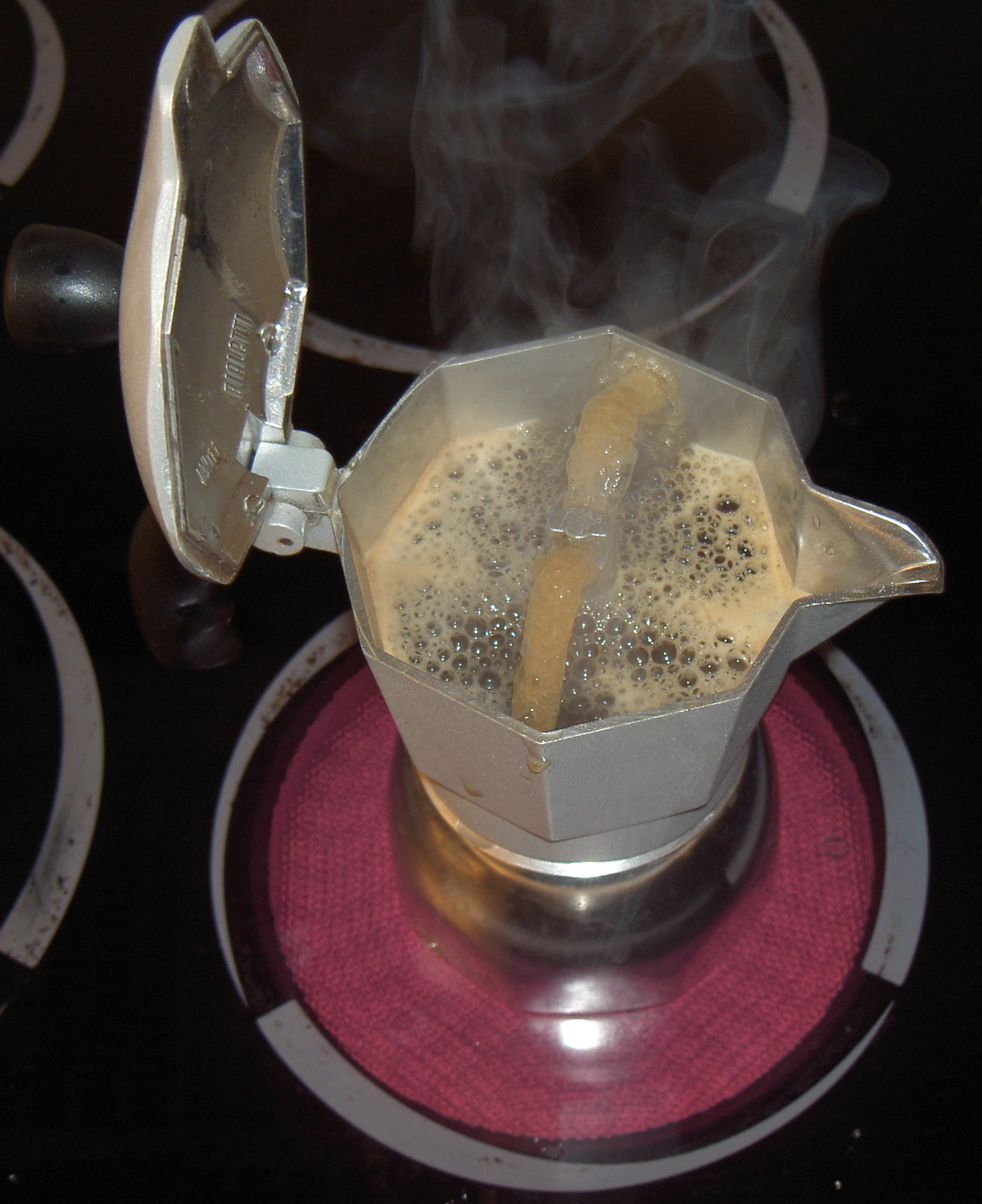
This is the most common one. Many shops even call the moka an “espresso pot”. But true espresso needs about 9 bar of pressure. A moka pot works at roughly 1 to 2 bar, according to most published estimates. That is enough to push hot water through the coffee, but not enough to build real crema.
What you get is a strong, rich, slightly heavy cup. Italians call it simply caffè della moka, “moka coffee”. It is delicious, but it is its own drink. If you want to compare the two in detail, read our guide to the moka pot vs espresso machine.
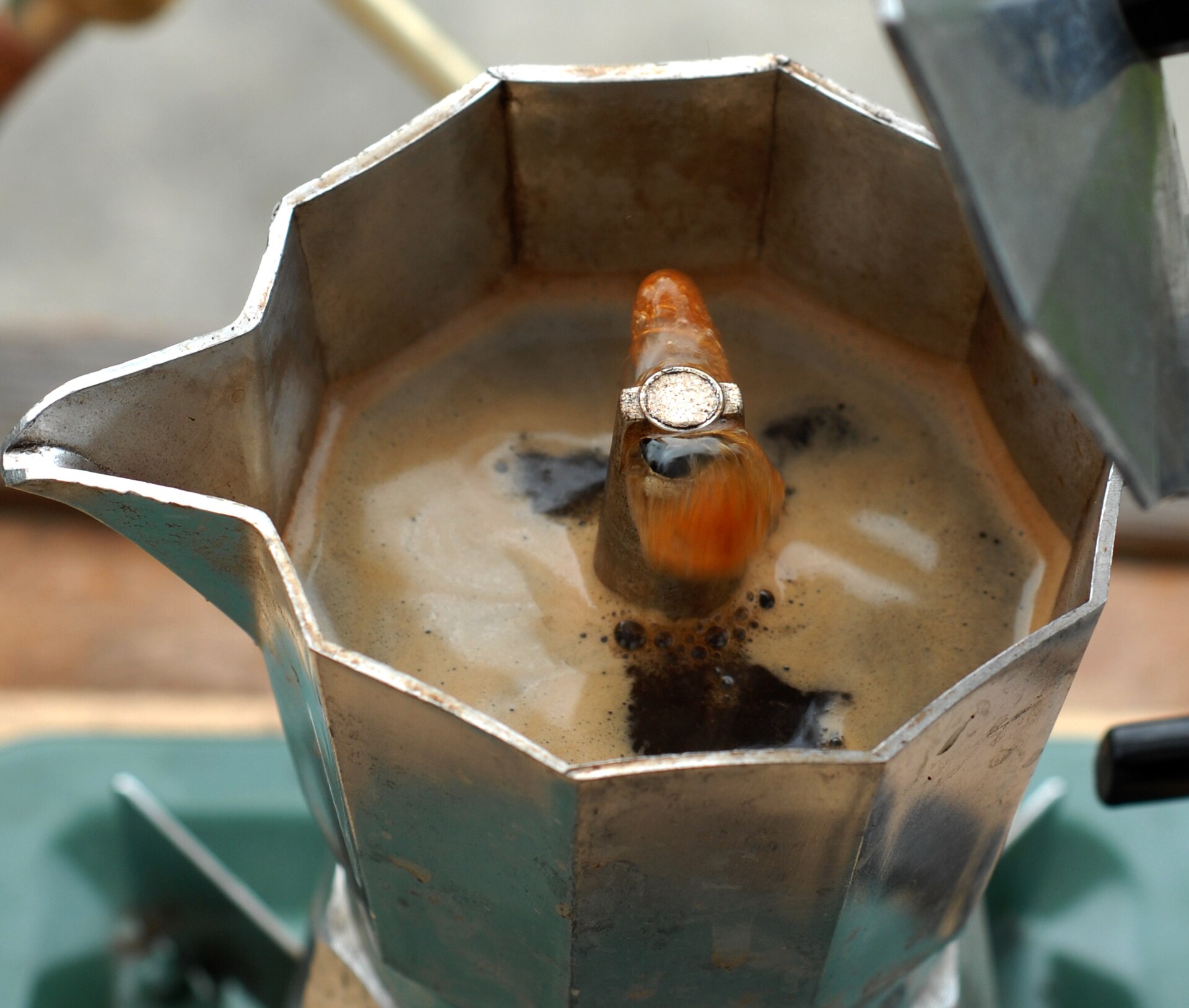
Some pots, like the Bialetti Brikka, have a weighted valve that adds a foamy layer. It looks like crema, but it comes from the valve, not from pressure. We cover it in our Brikka review.
Myth 2: You need a very fine, espresso-style grind
A grind that is too fine is one of the top reasons for bitter moka coffee. Fine powder packs tightly. Water struggles to pass, pressure builds, and the cup turns harsh. The pot may even spit hot water from the valve.
Aim for a grind a little coarser than espresso and finer than drip coffee. It should feel like fine table salt. Pre-ground coffee sold as “for moka” usually sits in this range. If you grind at home, our coffee grind size guide shows how each size looks and tastes.
Myth 3: Tamp the coffee for a better cup
Tamping works for espresso machines. In a moka pot, it backfires. Pressing the coffee makes it dense, so water cannot flow freely. The maker, Bialetti, tells users to fill the filter basket and level it, but not to press it down.
The fix is easy. Fill the basket until it mounds a little. Then sweep the top flat with your finger or the back of a spoon. Do not push.
Myth 4: Always start with cold water
Tradition says to fill the base with cold tap water. That works fine. But many home baristas now use hot water from a kettle instead. The reason is simple. With cold water, the pot sits on the flame for longer. The coffee grounds heat up with the metal and can taste cooked or metallic.
With hot water, the brew starts sooner and the coffee spends less time on hot metal. It is a popular tip, not a rule. Try both and keep the one you like. If you use hot water, hold the base with a thick cloth when you screw on the top.
Myth 5: High heat is faster and better
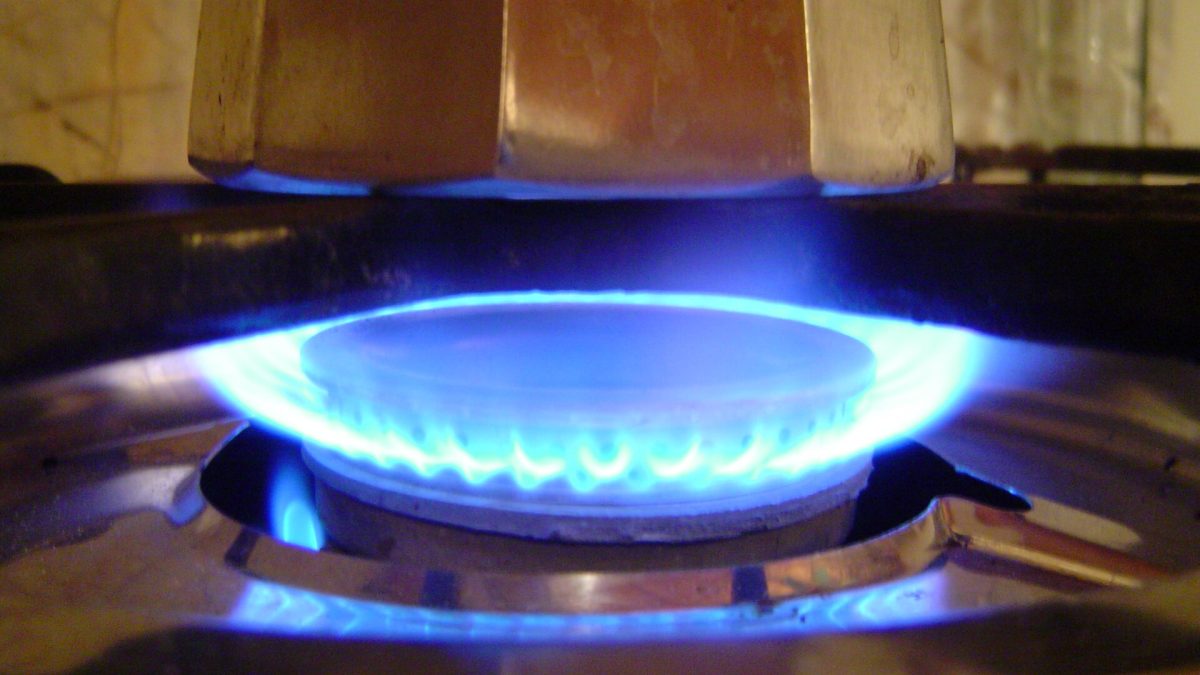
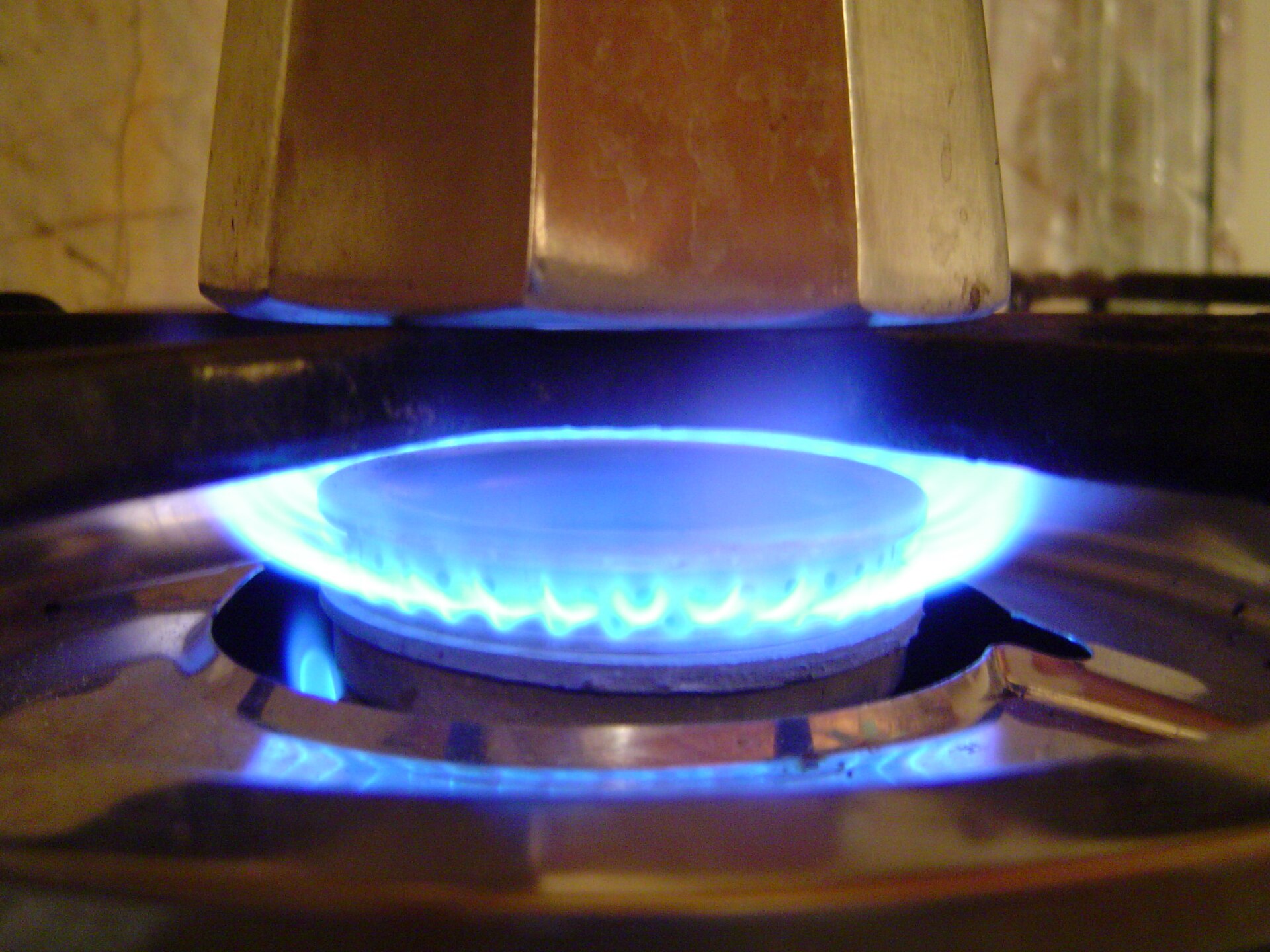
Fast is not better. A strong flame pushes the water through too quickly and scorches the coffee. The result is bitter, with a burnt edge, and the pot sputters loudly at the end.
Use low to medium heat. Keep the lid open so you can watch the stream. When the coffee turns pale and you hear a hiss and a gurgle, take the pot off the heat. Then run the base under cold water for a few seconds. This stops the brew at once and avoids the harsh last drops.
Myth 6: You need a dark roast
Dark roast is the classic Italian choice, so people assume the moka needs it. It does not. A medium roast often tastes sweeter and cleaner in a moka pot, with notes of chocolate and caramel. Dark roasts can taste smoky or burnt if you push the heat.
Very light roasts can taste sharp and sour, so start with a medium roast. Then move lighter or darker as your taste guides you. For a full walkthrough, see our moka pot brewing guide.
Myth 7: Never wash it properly
Some owners say a moka pot should never be washed with soap. The idea is that old coffee oils “season” the pot. In truth, those oils go rancid. They add a stale, bitter taste to every cup.
Clean the pot after use with warm water and a soft sponge. A drop of mild soap is fine, as long as you rinse it very well. Dry every part completely. Keep it out of the dishwasher, because harsh detergent can darken aluminium. Our guide on how to clean a moka pot also covers the rubber gasket.
Myth 8: Aluminium pots are unsafe
Most classic moka pots are made of aluminium, and this scares some buyers. Studies on aluminium cookware generally find that only small amounts reach food, and food-safety agencies treat everyday use as low risk. If you still prefer to avoid aluminium, stainless steel moka pots exist and are easy to find.
This is general information, not medical advice. If you have a health concern, ask your doctor.
Myth 9: Moka pots do not work on induction
This one is half true. A traditional aluminium pot does not work on an induction hob, because aluminium is not magnetic. But stainless steel pots with a magnetic base do work. You can also use an induction adapter plate with an old pot.
If you cook on induction, look for a stainless steel moka pot made for induction hobs. For a classic pot on gas or an electric stove, the Bialetti Moka Express remains the reference design. Our list of the best moka pots compares more models.
Quick Summary: Myths, Truths and Fixes
| Myth | Truth | Quick fix |
|---|---|---|
| It makes espresso | About 1–2 bar, not 9 bar | Enjoy it as moka coffee |
| Use a very fine grind | Too fine chokes the flow | Grind like fine table salt |
| Tamp the coffee | Pressing blocks water | Level it, do not press |
| Cold water only | Hot water can taste cleaner | Try a hot kettle start |
| High heat is better | It scorches the coffee | Low to medium heat |
| Needs dark roast | Medium roast works well | Start with a medium roast |
| Never wash it well | Old oils turn rancid | Rinse and dry every time |
| Aluminium is unsafe | Small amounts reach food | Use stainless if you prefer |
| No induction use | Needs a magnetic base | Buy a stainless induction pot |
How to Make Better Moka Pot Coffee: 6 Simple Steps
- Fill the base with water to just below the safety valve. Hot water is a good choice.
- Fill the funnel with medium-fine coffee. Level it, but do not press it.
- Screw the top on firmly. Use a cloth if the base is hot.
- Place the pot on low to medium heat with the lid open.
- When the stream turns pale and the pot hisses, take it off the heat.
- Cool the base under cold water, stir the coffee, and serve at once.
FAQ: Moka Pot Questions
Is moka pot coffee the same as espresso?
No. A moka pot works at much lower pressure than an espresso machine. The coffee is strong and rich, but it has less body and no true crema.
What grind should I use for a moka pot?
Use a grind slightly coarser than espresso, about the size of fine table salt. Avoid powder, which clogs the filter.
Why does my moka pot coffee taste bitter or burnt?
The top causes are high heat, a grind that is too fine, and leaving the pot on the flame too long. Lower the heat and take the pot off when it starts to hiss.
How full should the filter basket be?
Fill it level to the rim and do not press. Do not leave gaps, because water will find the easy path and under-extract the coffee.
Can I use a moka pot on an electric stove?
Yes. Electric and gas stoves both work. For induction you need a stainless steel pot with a magnetic base, or an adapter plate.
Keep reading: Moka pot coffee, step by step, The perfect moka pot guide, History of the moka pot. · Bialetti Moka Express review
For more on the pot and its place in Italian life, see the Moka pot entry on Wikipedia.
As an Amazon Associate, IndieRoastersItaly earns from qualifying purchases. This does not change the price you pay.
At IndieRoastersItaly, we are building a way to enjoy fresh coffee from independent Italian roasters, roasted to order. Visit our homepage to join the waitlist.
Related reading: the best grinder for a moka pot.
This article was written with the support of artificial intelligence for content structuring, and was fully reviewed, verified, and refined by the author.

One extra tip: rinse the moka with hot water only and dry it upside down with the parts separated. A damp, closed moka is what usually causes the stale taste, not the coffee. Which of these myths did you grow up with?