
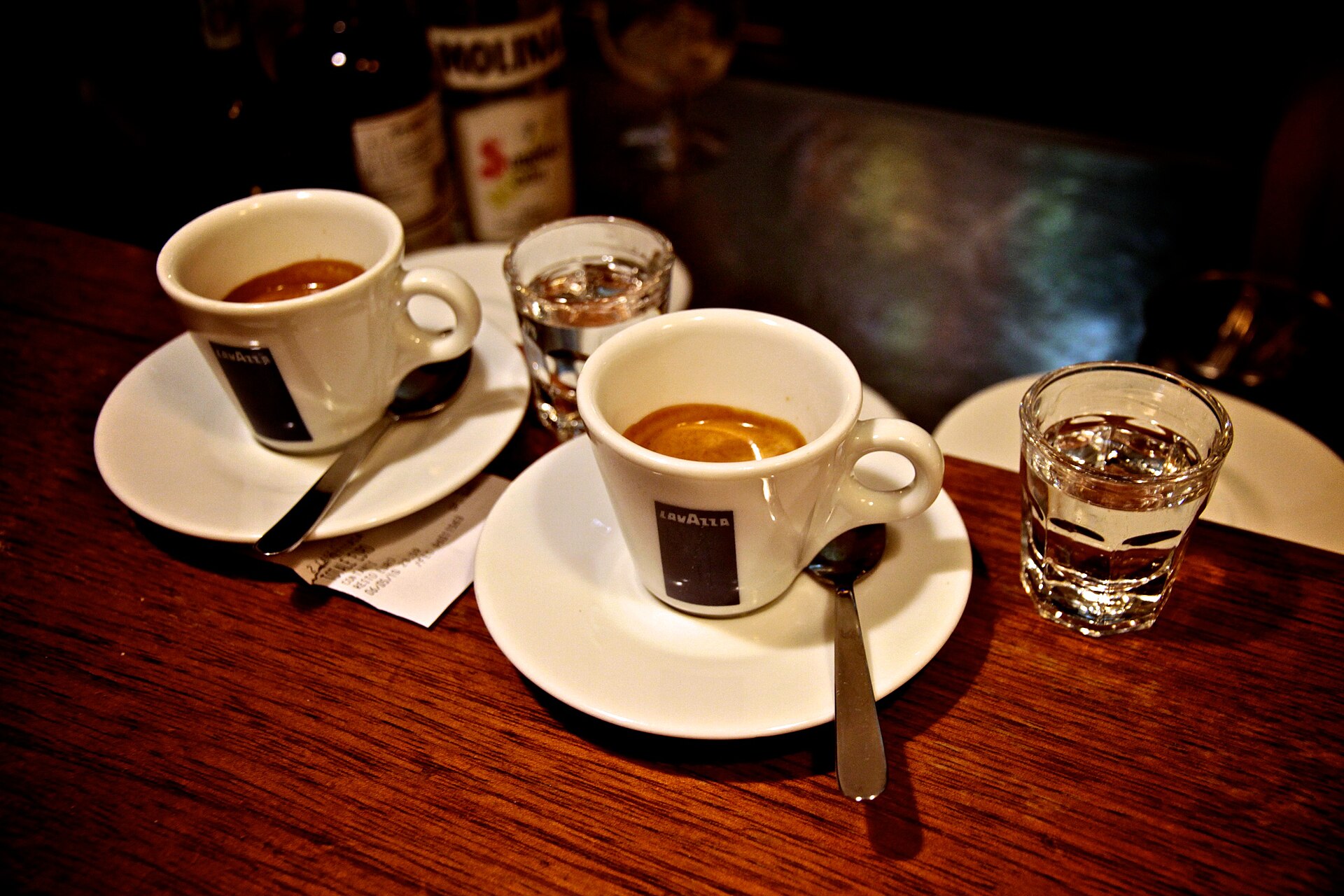
If you have ever seen an Italian order an espresso with a small glass of spirit on the side, you have met the caffè corretto. The name means “corrected coffee”. It is a short espresso with a splash of liquor, most often grappa. It is simple, a little old-fashioned, and full of stories. This guide explains what caffè corretto is, where the idea may come from, and how Italians drink it today. We also look at the best ways to make one at home, and why the drink has become rare. What Is Caffè Corretto? A caffè corretto is an espresso “corrected” with a small amount of alcohol. The usual choice is grappa, a strong spirit made from grape skins left after winemaking. Some bars use sambuca, an anise liqueur, or brandy instead. The coffee stays the star. The spirit adds warmth and a little sweetness or bite. You can read a short overview on the Wikipedia page for caffè corretto. In most Italian bars, you order it by saying “un caffè corretto, per favore”. The barista will then ask what you want in it: grappa, sambuca, or something else. Where Does the Name Come From? The word corretto means “corrected” or “fixed”. The idea is that the spirit corrects the coffee. But what was wrong with the coffee in the first place? One popular explanation looks at Italy in the 1930s. The espresso machine had spread, and bars were growing. When coffee became costly, many cups were made with cheaper substitutes such as roasted barley or chicory. These tasted bitter. A splash of alcohol hid that taste, so the drink was “corrected”. This story is widely repeated, but it is not firmly documented, so treat it as a likely tale rather than proof. Another reason is much simpler. In cold regions, a warm espresso with a little grappa was a quick way to warm up before work. To learn how the espresso itself developed, read our history of espresso. How Italians Drink a Caffè Corretto Habits change from north to south. In the north, the drink was often taken in the morning, with grappa, brandy, or similar spirits. In central and southern Italy, an anise-flavored version after a meal is more common, as a digestive. There are two common ways to serve it: Spirit in the cup. The barista pours the liquor straight into the espresso. This is the classic way. Spirit on the side. You get a small glass next to the cup and add as much as you like. Some people drink the coffee first and pour the last drops of spirit into the empty cup. This is called ammazzacaffè in some places, which means “coffee killer”, and it is a different habit from the corretto itself. Most visitors simply stick to the classic order. Types of Caffè Corretto Drink What is added When Italians drink it Caffè corretto with grappa A splash of grappa, a spirit made from grape skins Mostly in the north, often in the morning or after a meal Caffè corretto with sambuca Sambuca, a sweet anise liqueur Often after a meal, as a digestive Sambuca con la mosca Sambuca and three coffee beans Mainly after dinner Caffè corretto with brandy A splash of brandy Cold days and long evenings The famous sambuca con la mosca is a close cousin. “Mosca” means “fly”, and the three coffee beans floating on the sambuca look like little flies. Tradition says they stand for health, happiness, and prosperity. How to Make a Caffè Corretto at Home You do not need a bar to enjoy this drink. You only need a good espresso and a small amount of spirit. Follow these simple steps. Brew a strong, fresh espresso. A moka pot also works. See our guide to espresso without a machine. Warm a small cup, so the drink stays hot. Add about one teaspoon of grappa or sambuca. Less is more. Stir once and drink it right away. Start with a small splash. A strong spirit can easily overpower a delicate coffee. If you plan to use a fruity, light-roasted specialty coffee, you may prefer the spirit on the side. That way you keep the flavor of the beans. How to Order a Caffè Corretto in an Italian Bar Ordering is simple. Ask for un caffè corretto and name the spirit if you have a preference: corretto grappa or corretto sambuca. If you say nothing, the barista will usually pick the house choice, often grappa in the north. Our guide to Italian coffee bar rules covers the other habits that surprise visitors. Caffè Corretto vs Other Coffee and Spirit Drinks Drink Where it comes from What is in it Size Caffè corretto Italy Espresso with a small splash of grappa, sambuca or brandy Tiny, one or two sips Carajillo Spain Coffee with brandy, rum or another spirit Small Irish coffee Ireland Hot coffee, Irish whiskey, sugar and cream on top Long, in a glass Ammazzacaffè Italy A small glass of liqueur drunk after the coffee, not in it A shot glass The key difference is size and timing. A caffè corretto is still an espresso first. Irish coffee is closer to a dessert drink. Why Is Caffè Corretto Disappearing? Today, the drink is rarer. Some Italian baristas say that mostly older customers still order it. Younger people drink less alcohol early in the day, and many cities now have strict rules for driving. A morning grappa is no longer a daily habit. Still, the idea has not vanished. Some bars now offer modern versions, such as an iced shakerato with a drop of liqueur. If you want to learn how Italians order at the counter, our guide to Italian coffee bar rules is a good start. A Note on Drinking Responsibly Alcohol affects everyone differently. If you plan to drive, take medication, or have a health condition, skip the spirit and ask a doctor if you are unsure. Enjoy coffee and spirits in small amounts, and
How to Clean a Moka Pot: 5 Essential Steps for Better Coffee
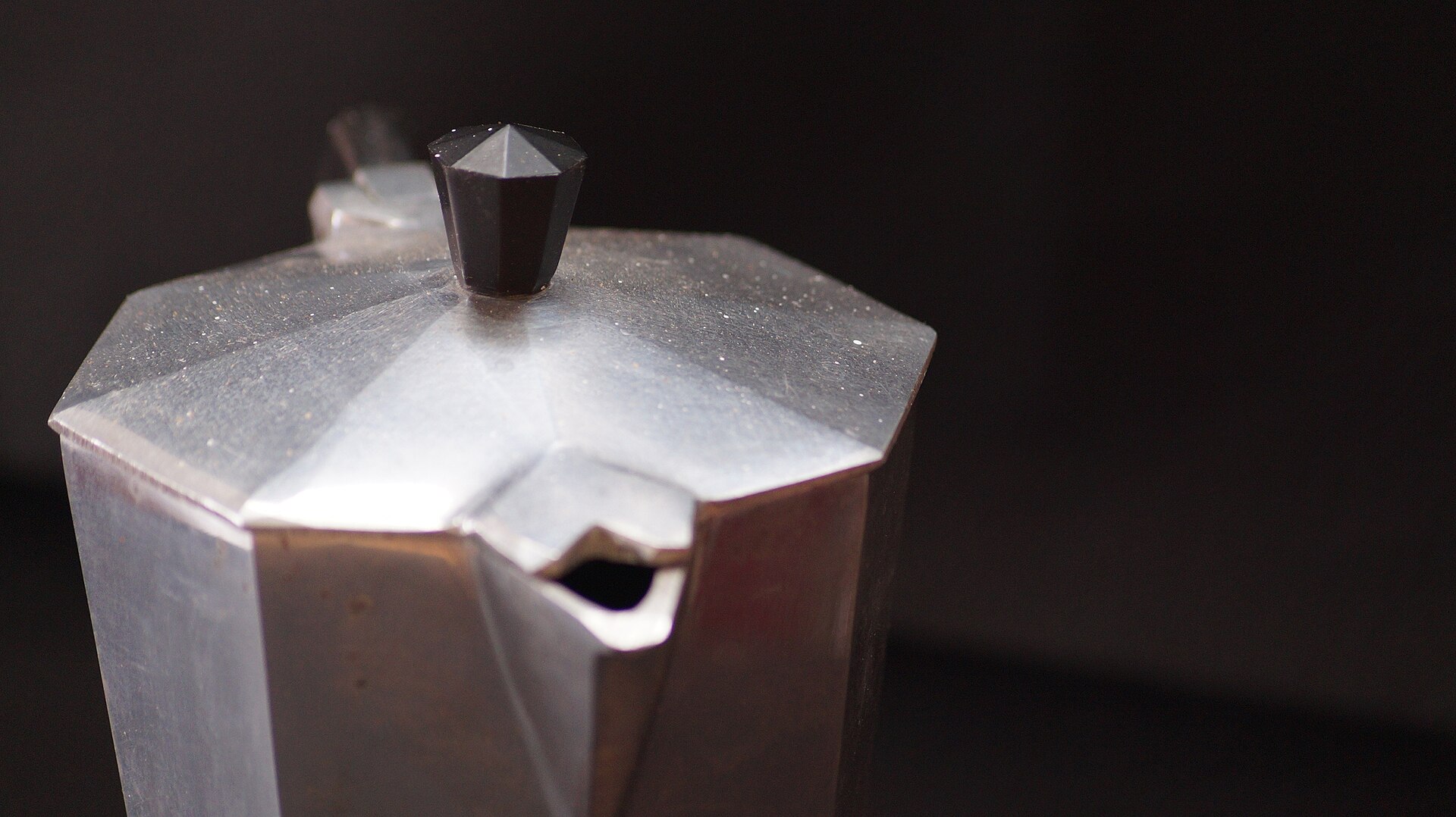
Knowing how to clean a moka pot is the easiest way to improve the coffee it makes. Many people blame the beans when a moka pot tastes bitter or flat. Often the real problem is old coffee oil, limescale, or a tired rubber ring. The good news is that cleaning takes about two minutes after each brew. In Italy, the moka is the small aluminum stovetop pot that sits in almost every home kitchen. Families hand it down like a recipe. It is simple, but it needs a little care. This guide shows you the right way to clean a moka pot, what to avoid, and when to replace the parts that wear out. Why You Should Clean a Moka Pot Properly Coffee leaves oils behind. These oils turn stale and bitter within days. If you do not remove them, they end up in your next cup. Hard water adds a second problem. It leaves white limescale inside the base, which slows the flow and can change the taste. A clean pot also lasts longer. A well-kept moka can serve a family for decades. A neglected one gets pitted, smelly, and hard to unscrew. Regular care is cheap, and it protects the coffee you already paid for. If you are new to the pot, our moka pot brewing guide explains the full method from start to finish. What You Need Before You Start You do not need special products. Most of the tools are already in your kitchen. A few small extras make the job easier: Warm running water. A soft sponge or a small bottle brush for the narrow spout. A microfiber cloth to dry every part. Citric acid for the occasional deep clean. A spare gasket and filter plate set that fits your pot. How to Clean a Moka Pot After Every Brew This is the daily routine. It is short, and it prevents most problems. Let the pot cool first. Hot aluminum can burn your hand, and cold water on a hot pot can warp the metal. Unscrew the pot. Take the upper chamber off the base. Remove the funnel and the filter plate. Knock out the grounds. Tap the funnel on a bin or a compost pot. Do not bang it on the sink. Rinse with warm water. Rinse the base, the funnel, the filter plate, and the upper chamber one by one. Check the holes. Look at the filter plate. If the holes are blocked, rub them gently with a soft brush. Dry every part. Wipe each piece with a cloth. Let them air dry before you screw the pot back together. Should You Use Soap on a Moka Pot? This is the most common question, and the answer is simple. Bialetti, the best-known maker, advises warm water only. Soap and harsh detergents can harm the aluminum. They can also leave a taste that ends up in your coffee. Plain water is enough for daily care. Some stainless steel pots are different. Check the maker’s manual for your exact model. For aluminum pots, a little patience is better than a strong cleaner. What Never to Do Do not use the dishwasher. Heat and strong detergent can darken aluminum and ruin the finish. Do not scrub hard. A rough pad removes the thin natural layer that protects aluminum. Coffee tastes better from a pot with a calm, matte inside. Do not store it wet. Trapped water leads to oxidation and a stale smell. Do not leave it screwed shut. Store the pot open, or with the parts stacked loosely, so air can move through. How to Deep Clean a Moka Pot and Remove Limescale Every two or three months, give the pot a deeper clean. Do it sooner if you see white spots or if the coffee flows slowly. The method below is a popular home tip. It is not part of the official Bialetti manual, so use it sparingly and rinse well. Mix one teaspoon of citric acid in warm water. A white vinegar mix also works, but citric acid has a milder smell. Fill the base to just below the valve with this mix. Put the funnel in, screw the top on, and heat the pot gently for a minute or two. Do not brew coffee. Switch off the heat and let the pot cool. Pour out the liquid, then rinse every part with plenty of clean water. Run one batch of plain water through the pot, then throw it away. Dry everything. If your tap water is very hard, consider using filtered water for brewing. It protects the pot and gives a cleaner cup. Our guide to water temperature also explains why water matters so much. The Rubber Gasket: Check It and Replace It The rubber ring, called the gasket, seals the pot. It also holds odors. Wipe it after each brew and look at it once a month. Replace it when it feels hard, looks cracked, or does not seal well. For daily use, that usually means about once a year. Replacing it is easy. Lift the old ring out of the groove in the upper chamber, press the new one in, and place the filter plate on top. Always buy parts made for your size and brand. A 3-cup pot and a 6-cup pot use different gaskets. You can find a ricambio, which is Italian for spare part, for most popular models. A Simple Moka Pot Cleaning Schedule Part What to do How often Coffee grounds Knock out the puck and rinse After every brew Filter plate and funnel Rinse and check the holes After every brew Rubber gasket Wipe and check for cracks Monthly check, replace about once a year Whole pot Deep clean for limescale Every two to three months Common Problems and Quick Fixes The coffee tastes metallic or sour New aluminum pots need seasoning. Brew two or three batches and throw them away. Then the taste settles. The coffee tastes bitter or burnt Old oils may
Best Manual Coffee Grinder: 5 Hand Grinders Worth Buying
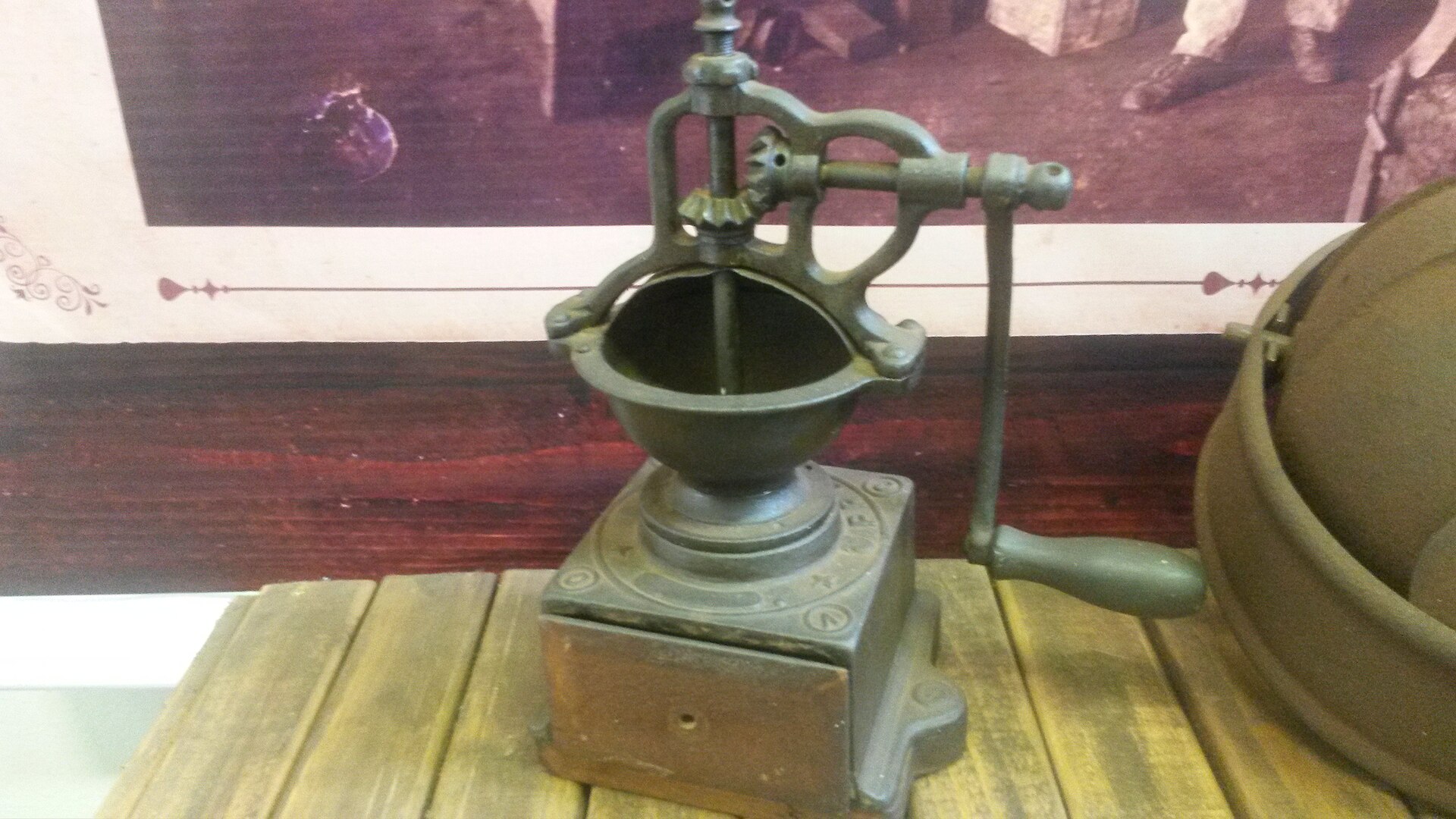
Choosing the best manual coffee grinder is the fastest way to improve your cup at home. A good hand grinder gives you even grounds, costs less than an electric burr grinder, and fits in a bag. This guide covers five models that owners and reviewers rate well, and who each one suits. How we chose: we have not tested these grinders ourselves. This guide is based on the makers’ published specs, listing details, and the experience that owners report in public reviews. Where something is unclear, we say so. Why a Manual Grinder Beats Pre-Ground Coffee Coffee starts to lose aroma soon after grinding. Grinding just before you brew keeps more flavor in the cup. A burr grinder also crushes beans to a more even size than a blade. Even grounds mean even extraction, and that means less bitterness and less sourness. For more on this, read our coffee grind size guide. Quick Picks: The Best Manual Coffee Grinders Pick Best for Price level Comandante C40 MK4 Top build and grind quality Premium 1Zpresso J-Ultra Espresso and fine control High KINGrinder K6 Best value upgrade Mid Timemore C3 ESP PRO Best for first-time buyers Mid 1Zpresso Q Air Travel and small budgets Low 1. Comandante C40 MK4: Best Premium Pick The Comandante C40 MK4 is the grinder many coffee fans dream about. It is made in Germany and uses Nitro Blade conical burrs. Owners praise its clean, even grounds and its solid build. It handles filter coffee very well. It can also make espresso, but fine grinding takes more effort by hand. Good to know: it costs several times more than a basic grinder. Its settings are clicks, so you count them to repeat a recipe. If you cannot decide between this and a cheaper model, read our Comandante vs Timemore comparison. 2. 1Zpresso J-Ultra: Best for Espresso and Fine Control The 1Zpresso J-Ultra has a numbered external dial, a folding handle and a magnetic catch cup, as the listing shows. The dial lets you make very small changes. That matters for espresso, where a tiny shift changes the shot. It holds about 40 grams of beans. Good to know: it is a high-end model, and it is bigger than a travel grinder. It suits people who want one grinder for every brew method. To learn how to adjust your shots, see our guide to dialing in espresso. 3. KINGrinder K6: Best Value Upgrade The KINGrinder K6 is a stainless steel hand grinder with a straight handle and an external adjustment dial. It has a large number of owner reviews, and many describe it as a strong step up from entry-level models at a fair price. Good to know: it is plain and functional, without the polish of the premium brands. It works for filter coffee and can reach espresso fineness. 4. Timemore C3 ESP PRO: Best for First-Time Buyers The Timemore Chestnut C3 ESP PRO has a full metal body and stainless steel conical burrs. The ESP version is tuned for finer settings, so it can serve espresso as well as pour-over. It is compact and easy to grip. We already cover the base model in our Timemore C3 review. Good to know: it is a smaller grinder, so grinding a big dose takes some time. It is a safe first buy. 5. 1Zpresso Q Air: Best for Travel and Small Budgets The 1Zpresso Q Air is a compact grinder with a heptagonal stainless steel body and a conical burr. It is light and slim, so it suits camping, hotels and the office. It pairs well with an AeroPress. See our AeroPress guide for recipes. Good to know: it holds less coffee than larger models, and it is slower for big batches. What Grind Does Your Brew Method Need? A hand grinder must reach the grind size of the coffee you make most. Check this before you choose a model. Brew method Grind size What the grinder needs Espresso Very fine Small, precise steps in the fine range Moka pot Fine, a bit coarser than espresso Fine settings that stay consistent AeroPress Fine to medium A wide range, since recipes vary Pour-over (V60, Chemex) Medium to medium-coarse Even grounds with few fines French press Coarse Stable coarse settings without big chunks If you mostly brew filter coffee, almost any good burr hand grinder will do. If you want espresso, focus on fine adjustment first. Our coffee grind size guide shows each size in more detail, and our moka pot brewing guide explains the moka grind. How to Choose a Manual Grinder Burr type. Conical steel burrs are common and work well for most brew methods. See burr mills on Wikipedia for the basics. Brew method. Espresso needs fine, precise settings. Pour-over and French press are more forgiving. Capacity. Most hand grinders hold 20 to 40 grams. Check that it fits your usual dose. Adjustment. External dials are faster to change than internal ones. Budget. Spend more on the grinder than on the coffee maker. It affects the taste more. Manual vs Electric Grinder: Quick Comparison Manual grinder Electric burr grinder Speed Slower, you turn the handle Fast, push a button Noise Quiet Louder Grind quality for the price Often better at the same budget Good models cost more Portability Small, no power needed Stays on the counter Best for One or two cups, travel, small kitchens Many cups a day, large doses A blade grinder is a different tool. It chops beans instead of crushing them between burrs, so the grounds are uneven. Even a basic burr hand grinder gives a more even grind than a blade grinder. How to Use a Manual Coffee Grinder If you use a Hario V60 or a French press, write down the setting that tastes best. You will save time with your next bag. FAQ Is a manual coffee grinder better than an electric one? Not always. A good hand grinder can match an electric burr grinder at the same price, and
Jamaica Blue Mountain Coffee: Is It Worth the Price?
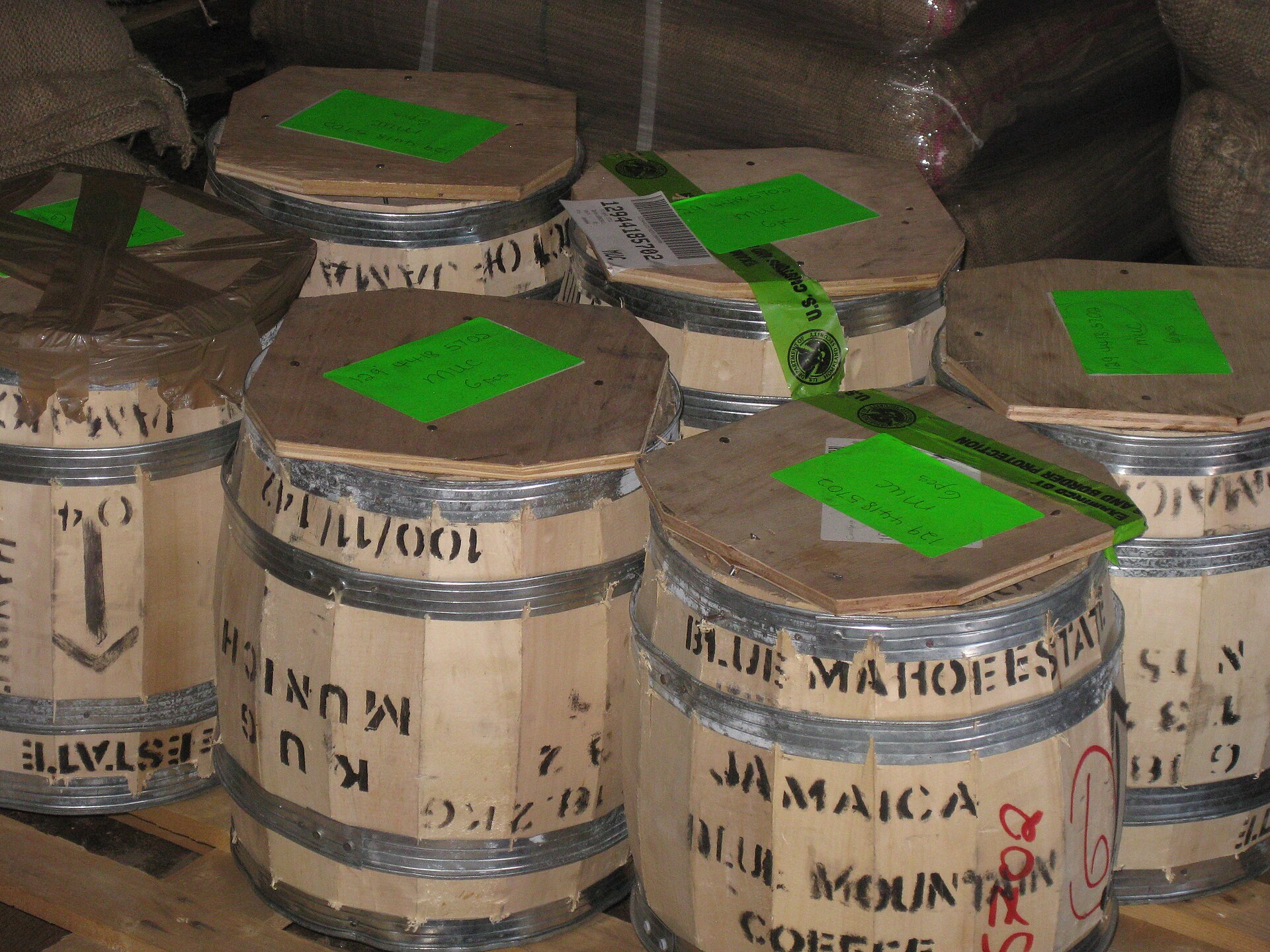
Jamaica Blue Mountain coffee is one of the best-known names in the coffee world. It is also one of the priciest. Is it worth the money? Here are the facts, so you can decide for yourself. What Is Jamaica Blue Mountain Coffee? Short answer: it is arabica coffee grown in the Blue Mountains of Jamaica, in a zone set by law. Only coffee from that zone, checked by the national coffee board, can carry the name. Coffee came to Jamaica in 1728. Sources differ on who brought the first plants. What we know is that the island’s cool, misty hills proved a great home for the crop. The main variety is Typica, one of the oldest arabica types. You can read more about it in our guide to arabica coffee varieties. Where It Grows: Mist, Rain and Steep Slopes The Blue Mountains rise to about 2,250 meters (7,400 feet) in the east of Jamaica. Blue Mountain coffee grows on the slopes, roughly between 900 and 1,700 meters. Sources give slightly different limits, so treat these numbers as a guide. Why does this place work so well? The air is cool. Rain is regular. Clouds often cover the farms, which slows the ripening of the cherries. Slow ripening usually means more sugar and a cleaner cup. Most farms are small. Many are family plots on steep ground, and the picking is done by hand. This is also true in other mountain origins, like Kenya AA. Why Is Blue Mountain Coffee Packed in Wooden Barrels? Most green coffee travels in jute or burlap sacks. Jamaica Blue Mountain coffee travels in wooden barrels. Sources call it the only coffee shipped this way. Barrels are a sign of the brand, and they are part of its story. They also protect the beans on the long trip to buyers. The barrel is a good clue when you shop. But a barrel photo on a bag does not prove anything. Look for the details in the next sections. How Does Jamaica Blue Mountain Coffee Taste? Tasters often call it mild, smooth and sweet. The acidity is soft. The body is light to medium. You may find notes of cocoa, nuts and a touch of fruit. There is little bitterness. That is the big difference from bold origins. If you love the loud, juicy style of an Ethiopian Yirgacheffe, this cup may feel quiet. If you like balance and calm, it may be perfect. For another gentle, sweet origin, try Peru coffee. Why Does Jamaica Blue Mountain Coffee Cost So Much? Several things push the price up: Small supply. The growing zone is tiny, and the land is steep. Hand work. Picking and sorting need many people. Strict checks. The coffee board inspects and grades each lot. Japan. Estimates say Japan buys about 80 to 90 percent of the crop. Strong demand keeps prices high. Fame. The name itself adds value, even for people who never tasted it. Price is not the same as quality, though. A well-roasted coffee from a small farm elsewhere can taste as good for much less. That is a point we make often on this blog. Jamaican Coffee Grades at a Glance Not all coffee from Jamaica is Blue Mountain. The island uses a few names. Here is a simple view. Limits are approximate and can vary by source. Name Where it grows What to know Jamaica Blue Mountain Highest approved zone, roughly 900 to 1,700 m The famous name. Shipped in barrels. Highest price. Jamaica High Mountain Other approved mountain areas Often a similar style, usually cheaper. Jamaica Supreme / Prime Lower ground Simple, everyday coffee. Not Blue Mountain. Blue Mountain vs Other Famous Coffees Jamaica Blue Mountain is often compared with other “luxury” coffees. They are not the same kind of coffee. Some are famous for their place, some for a rare variety. This quick table shows the main differences. Coffee Where it grows Main variety Typical cup Why it costs more Jamaica Blue Mountain Blue Mountains, eastern Jamaica Typica Mild, sweet, very little bitterness Small protected zone and strong demand from Japan Hawaii Kona Kona district, Big Island of Hawaii Mostly Typica Smooth, nutty, gentle acidity Small farms and high labor costs in the US Panama Geisha Highlands of western Panama Geisha Floral, tea-like, bright A rare variety sold at auction Ethiopia Yirgacheffe Southern Ethiopia Heirloom varieties Floral and citrus Usually costs far less The takeaway: Blue Mountain is the choice for a soft, balanced cup. If you want big flowers and fruit, look at Geisha or a washed Yirgacheffe instead. Where Does Most Blue Mountain Coffee Go? Much of it goes to Japan. According to Wikipedia, over 80% of Jamaica Blue Mountain coffee is exported there. Japanese buyers have supported the region for decades. This is one reason the coffee is hard to find, and pricey, in Europe and the US. The same source notes that the beans are also the flavor base of Tia Maria, the coffee liqueur. So many people have tasted Blue Mountain coffee without knowing it. How to Buy Real Jamaica Blue Mountain Coffee Fake and mixed products are a known problem with famous names. Here is how to protect yourself: Read the label. “100% Jamaica Blue Mountain” is a clear claim. “Blue Mountain blend” can hold only a small share of the real thing. Look for the official certification mark of the Jamaican coffee board. Buy from a seller who names the estate or the mill. Check the roast date. Fresh beans matter more than a famous name. How to Brew It A gentle coffee needs a gentle method. A pour-over shows its clean, sweet side. Use water at about 93 °C and a medium grind. Try a ratio of 1 gram of coffee to 16 grams of water. Our guide to the coffee to water ratio explains how to adjust it. Avoid a very dark roast. It would cover the delicate flavors you paid for. For more on the topic, see
Strong Coffee Myths: 4 Surprising Truths About Bitter Brews
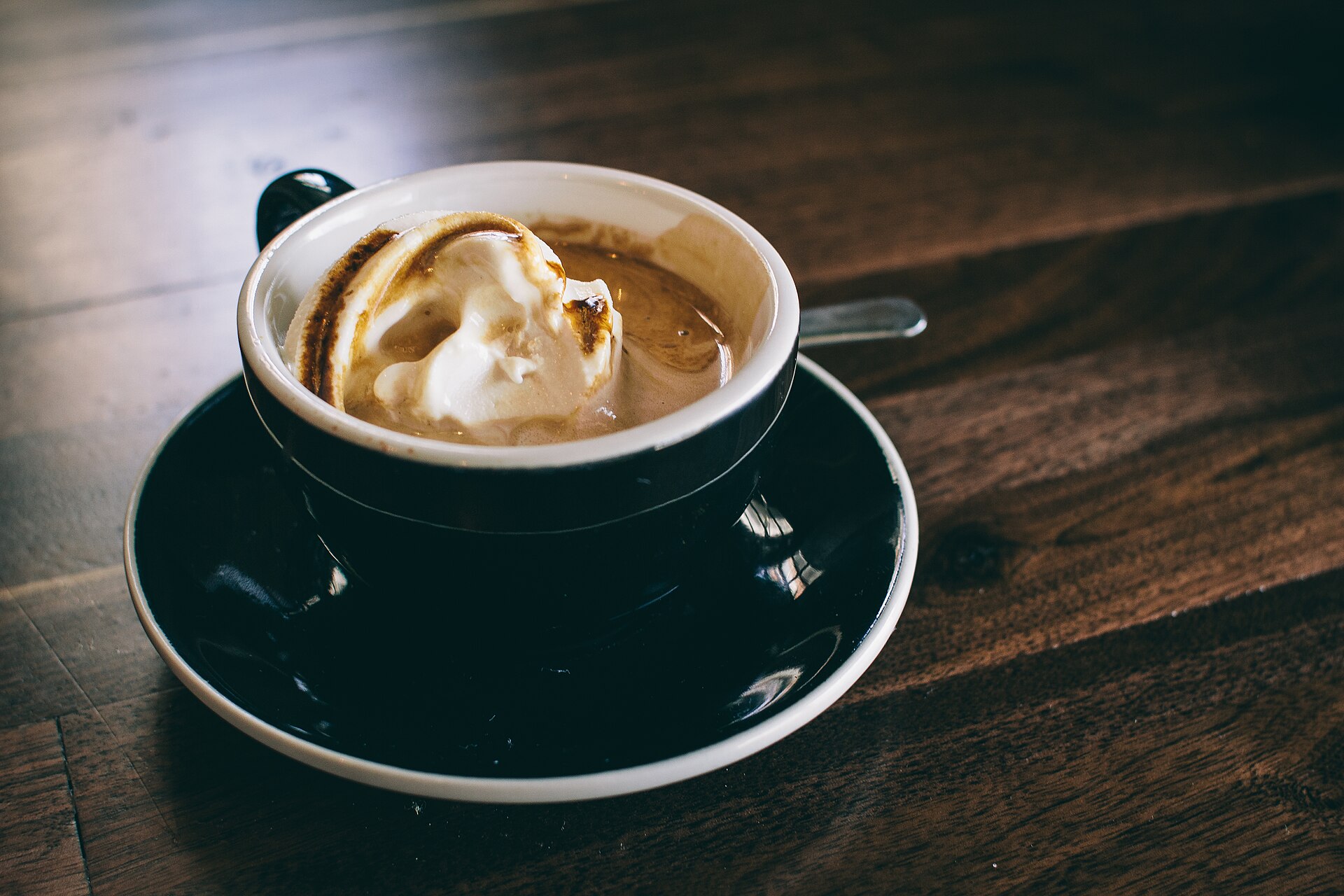
Ask ten people what strong coffee is, and you may get ten answers. Some say it is dark and bitter. Others say it is the one with the most caffeine. Both ideas are common, and both are mostly wrong. Here are four myths about strong coffee, and what is really going on in your cup. What Does “Strong Coffee” Really Mean? In the coffee world, strength has a precise meaning. It is how much coffee is dissolved in the cup. Baristas call this TDS, short for total dissolved solids. They measure it with a small tool called a refractometer. A typical cup of filter coffee is only about 1.2 to 1.5 percent coffee. The rest is water. An espresso is far more concentrated, often around 8 to 12 percent. That is why a small shot tastes so intense. Strength is not the same as flavor, and it is not the same as caffeine. Keep these three ideas apart and most myths fall away. Myth 1: Bitter Coffee Is Strong Coffee Bitter is a taste. Strong is a measure of how much coffee is dissolved in the water. These are two different things. A weak cup can be very bitter, and a strong cup can be sweet and smooth. Bitterness usually comes from over-extraction. That means the water pulled out too much from the grounds. Very hot water, a grind that is too fine, or a very dark roast can all add bitter notes. The opposite problem, under-extraction, gives a sour and thin cup. A good brew sits in the middle. Myth 2: A Dark Roast Makes Stronger Coffee Dark beans look bold, so we think they are strong. But roast level is about flavor, not strength. Darker roasts taste smoky or roasty. Lighter roasts taste fruity or floral. Neither one is “stronger” by itself. Caffeine is not very different either. When you measure by weight, light and dark roasts hold about the same amount. Some studies even found slightly more in medium roasts. If you want to know more, read our piece on light versus dark roast. Myth 3: Brewing Longer Makes Stronger Coffee Longer brewing does not add strength. It adds bitterness. After a point, the water stops pulling out the sweet parts and starts pulling out the harsh ones. If you want strong coffee, change the ratio. Use more coffee for the same amount of water. Many coffee professionals suggest about one part coffee to fifteen to eighteen parts water as a starting point. Move toward the lower number for a stronger cup. Our guide to the coffee to water ratio shows how. Myth 4: Strong Coffee Always Has More Caffeine A strong taste does not tell you the caffeine level. A tiny espresso is very concentrated, but it is only a small drink. A large mug of filter coffee can hold more caffeine in total. The bean type matters more than the roast. Robusta beans usually carry about twice the caffeine of Arabica. You can read about this plant on Wikipedia. For more, see our article on caffeine myths. For any health question about caffeine, please ask a doctor. Strength, Caffeine and Roast: A Quick Comparison Question What really decides it How strong does it taste? The ratio of coffee to water How bitter is it? Extraction and roast level How much caffeine is in it? Bean type and the size of the drink How dark does it look? Roast level, not strength Strong Coffee by Brew Method Each method makes a different style of cup. These ratios are common starting points, by weight. A lower second number means a more concentrated drink. Method Typical ratio How it tastes Espresso About 1:2 Very concentrated, thick Moka pot About 1:7 to 1:10 Bold and intense AeroPress 1:6 to 1:16 From concentrate to clean cup French press About 1:12 to 1:15 Full and heavy Pour-over About 1:15 to 1:17 Clear and lighter Cold brew concentrate About 1:4 to 1:8 Strong, diluted before drinking Want a bolder cup at home? A moka pot is the classic Italian answer. For espresso, our guide to how to dial in espresso helps you avoid bitter shots. For a smooth but strong iced drink, try cold brew. How Much Caffeine Is in Strong Coffee? An 8-ounce (240 ml) cup of brewed coffee has about 95 mg of caffeine, according to USDA data. A single 1-ounce shot of espresso has about 63 mg. So the espresso is stronger, but the mug holds more caffeine. The U.S. Food and Drug Administration says up to 400 mg of caffeine a day is generally not linked to negative effects in healthy adults. People who are pregnant, sensitive to caffeine, or take certain medicines may need less. See the FDA guidance on caffeine and ask a doctor if you are unsure. How to Make Strong Coffee Without the Bitterness Start with fresh, good beans. Weigh your coffee and your water. Use a bit more coffee, not a longer brew. Keep the water just below boiling. Then taste, and adjust the grind a little at a time. Good strong coffee is rich and balanced. It should feel full, not harsh. If it tastes burnt, the problem is not strength. It is extraction. Signs Your Coffee Is Too Strong or Too Weak Your tongue is the best tool you have. Taste a sip on its own, before you add milk or sugar, and look for these clues. Change one thing at a time. That way you learn what each step does to the cup. Our coffee grind size guide is a good place to start. Frequently Asked Questions Is espresso stronger than regular coffee? Yes, in taste and concentration. But a single shot usually has less caffeine than a large mug of filter coffee. How do I make coffee stronger without making it bitter? Use more coffee for the same water. Do not brew longer or grind much finer. Those changes add bitterness, not strength. Does dark roast have more
Pope Clement Coffee Legend: The Surprising Truth Behind the “Baptism”
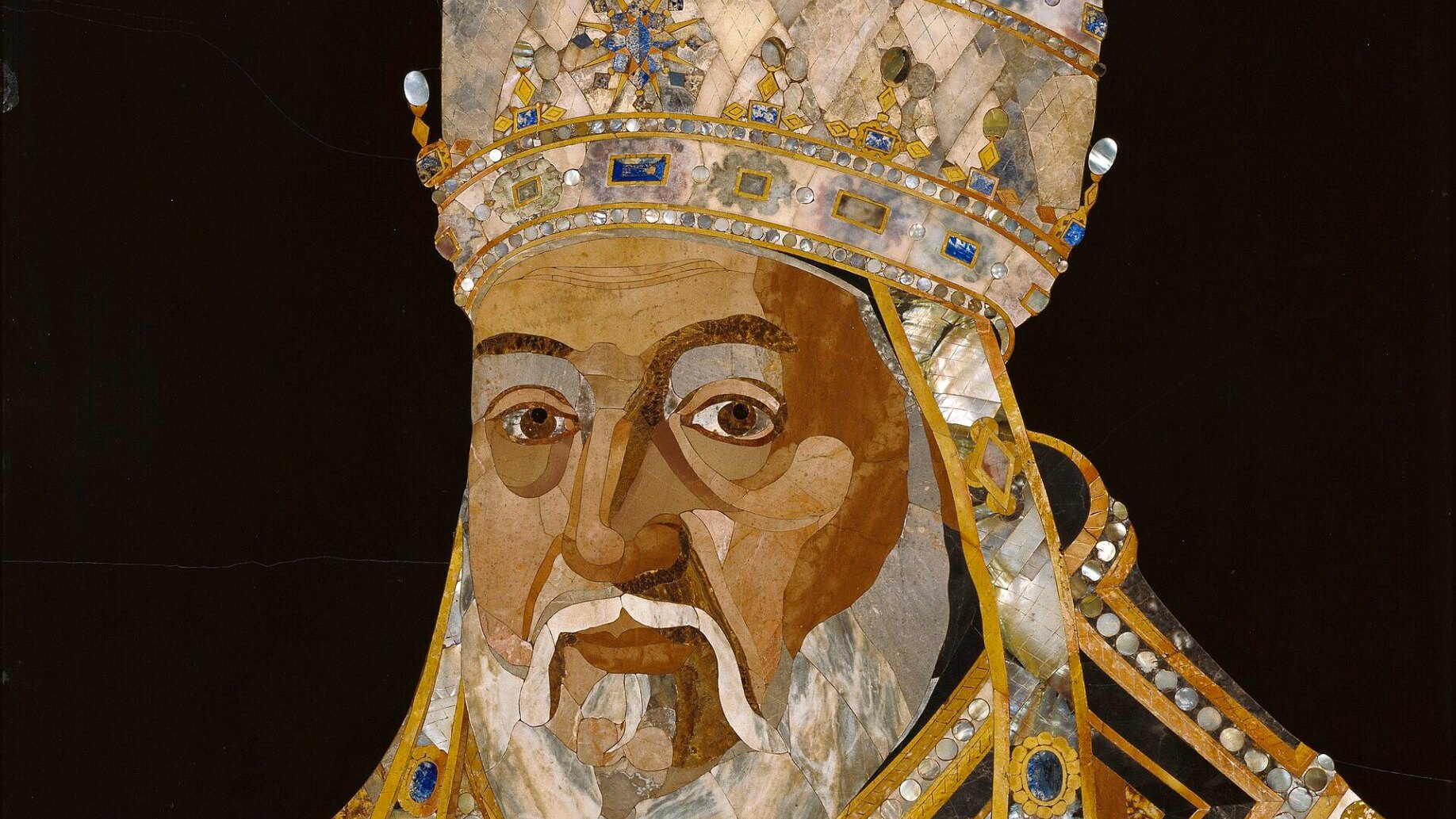
The Pope Clement coffee story is one of the best-loved tales in coffee history. A pope tastes a dark, bitter drink. He loves it. He “baptizes” it, and all of Europe can enjoy coffee in peace. It is a great story. But is it true? Let us look at what we really know. The Pope Clement Coffee Legend in a Nutshell Around the year 1600, coffee was reaching Italy through Venice. Venetian merchants traded with the Ottoman world, where coffee was already a daily habit. Some people in Europe did not trust this strange black drink. It came from Muslim lands, so a few churchmen saw it as suspicious. The legend says these advisers asked Pope Clement VIII to ban it. The pope, who led the Church from 1592 to 1605, asked for a cup first. He took a sip and liked it. He is said to have joked that it would be a shame to leave such a good drink to non-Christians. So he blessed it, or “baptized” it, and the case was closed. Is the Story True? Probably not, at least not as it is told today. Most sources call it a legend. No known papal decree about coffee exists, whether for it or against it. The earliest written source of the tale is also unclear. The details change with every retelling. In some versions, Venetian priests bring the cup. In others, it is the pope’s own advisers. Some add dramatic speeches that no historian has ever found in a document. When a story grows this way, it is wise to be careful. That is why we call it a legend here. It may hold a small seed of truth, but nobody can prove it. If you like to read more, the Wikipedia page on coffee in Italy gives a good overview of how coffee arrived. What We Know for Sure Some facts are on solid ground. Venice was a key trade port between Europe and the Ottoman Empire. Coffee came in through those trade routes. The first coffee shops in Venice appeared in the mid-1600s, and from there the habit spread across Italy. You can read more about this in our guide to the first coffee houses in Europe. We also know that Clement VIII was a real and powerful pope. He ruled during a time of great change in Europe. Coffee, tea, and chocolate were all new to European tables. People argued about each of them. Why the Legend Stuck A good story is easy to remember. This one has a clear hero, a small conflict, and a happy end. It also made coffee feel safe and respectable. If a pope approved of it, who could object? Coffee sellers had every reason to repeat the tale. A blessing from the Church is a fine bit of marketing. Over time, the story became part of the way people explain how coffee won Europe over. Timeline: How Coffee Reached Italy Here is a simple timeline of the period around the legend. The dates come from widely used histories of coffee. Where sources disagree, we say so. Year What happened 1511 Religious scholars in Mecca ban coffee for its stimulating effect. 1524 The Ottoman sultan Suleiman I overturns the Mecca ban. 1591 Venetian botanist Prospero Alpini publishes the first European description of the coffee plant. 1592–1605 Clement VIII is pope. The legend places his “baptism” of coffee around 1600. 1645 The first coffeehouse in Venice is often dated to this year. Some sources give 1683 instead. 1720 Caffè Florian opens in Piazza San Marco, Venice. It is still open today. Notice what is missing: no document from Clement VIII about coffee. The timeline fits the legend, but it does not prove it. For more on Venice and the first cafés, see our guide to historic cafés in Italy. Coffee Was Not Only Questioned in Rome The pope story is part of a bigger pattern. Coffee was new, and new things worried people in power. Coffeehouses were places where people met, talked and shared news. In each case, coffee won. That may be one reason the pope story feels so right to people: it tells the same tale of a drink that was too good to stop. From a Blessed Drink to an Italian Ritual Whatever happened in 1600, coffee did take root in Italy. Over the next centuries, it moved from elegant cafés to the busy corner bar. In the early 1900s came the espresso machine, which pushes hot water through finely ground coffee at high pressure. It gave Italy a small, strong cup that is made in seconds. Our piece on the history of espresso tells that part of the story. Why the Pope Clement Coffee Story Still Matters You do not need the story to be true to learn from it. It shows how a new drink can win over a doubtful crowd. It also shows how much we love a tale with our coffee. Next time you hear it, enjoy it, and add a pinch of salt. Pope Clement and Coffee: FAQ Did a pope really baptize coffee? There is no proof. The story of Pope Clement VIII blessing coffee is a popular legend. No papal document about coffee is known, and the earliest source of the tale is unclear. Which pope is said to have blessed coffee? Pope Clement VIII, who led the Catholic Church from 1592 to 1605. The legend usually places the event around 1600. Did the Catholic Church ever ban coffee? There is no known Church ban on coffee. The legend says some advisers wanted one, but there is no record of a decree for or against the drink. When did coffee arrive in Italy? Coffee reached Italy through Venice, thanks to trade with the Ottoman world. A Venetian botanist described the plant in 1591, and coffeehouses appeared in Venice in the 1600s. Read more about the first coffee houses in Europe. Why do people still tell the story? Because it

Espresso Without a Machine: 3 Simple Ways to Brew It at Home
You want espresso without a machine, and you do not want to spend a fortune. Good news: you can get close at home with simple tools. In Italy, most families have made strong coffee on the stove for generations, long before home machines were common. This guide shows three easy ways to do it, and what to expect from each. Let us be honest from the start. A real espresso needs about nine bars of pressure, and only a machine gives you that. But you can still make a small, strong, rich cup. That is what most people want anyway. What Espresso Without a Machine Really Means A machine pushes hot water through finely ground coffee at high pressure. That is why a shot has crema, the golden foam on top. Without a machine, you cannot copy that pressure. You can copy the feel of the cup: small, bold, and full of flavor. So think of it as espresso-style coffee. It uses less water, a finer grind, and more coffee than a normal brew. Three tools do this well. They are the moka pot, the AeroPress, and the French press. Method 1: The Moka Pot, Italy’s Stovetop Classic The moka is an Italian pot with three parts. Water sits in the base, coffee sits in a filter basket, and the brew rises into the top chamber. It makes about one to two bars of pressure, far less than a machine. Still, it gives a thick, strong cup with real body. You can read the full story in our history of the moka pot. Here is a simple method: If you do not own one yet, you can look at a Bialetti moka pot as a classic starting point. For more detail, see our perfect moka pot guide. If you wonder how it compares to a real machine, read moka pot vs espresso machine. Method 2: The AeroPress for a Clean, Strong Shot The AeroPress is a plastic tube with a plunger. You steep coffee for a short time, then press it through a paper filter. Many home brewers say it is the closest simple tool to a short espresso shot. It makes much less pressure than a machine, but the cup is clean and sweet. Use a fine grind, about the size of table salt. Try 17 grams of coffee and about 60 grams of hot water, just off the boil. Stir for ten seconds, wait a minute, and then press slowly. You can drink it as is, or add hot water for a longer cup. Our AeroPress coffee guide has more recipes. Many people start with the AeroPress coffee maker, since it is cheap and easy to carry. Method 3: The French Press for Full Body The French press is the easiest tool, and most people already know it. It will not give you crema. Yet it can make a strong, heavy cup if you adjust the recipe. Use half the water you would normally use. Add a medium-fine grind, and steep for about four minutes. Press the plunger down slowly, then pour at once. Do not leave the coffee in the pot, or it will taste harsh. For the full method, see our French press coffee guide. Tips for Better Espresso Without a Machine The method matters, but the coffee and the grind matter more. These small habits make a big difference: Not sure how fine to go? Our coffee grind size guide shows each level with simple pictures. Moka Pot vs AeroPress vs French Press: Quick Comparison Here is how the three methods compare at a glance. Use it to pick the tool that fits your kitchen and your taste. Moka pot AeroPress French press How it brews Steam pressure pushes water up through the coffee You press water through the coffee by hand Coffee steeps in water, then a mesh filter separates it Pressure Low, around 1–2 bar Light hand pressure None Grind Fine, but not as fine as espresso Fine Medium-fine for this style Body Bold and syrupy Clean and strong Heavy, with some sediment Crema Very little Very little None Best for A classic Italian cup at home Travel and quick single cups Using what you already own None of these reaches the roughly nine bars of an espresso machine. That is why the crema is thin or missing. Our guide to espresso crema myths explains why crema is not the best sign of quality anyway. How to Make Espresso Drinks Without a Machine A strong, small coffee is a great base for milk drinks. You can make a home version of a cappuccino or a latte with a moka pot and some hot milk. For a cappuccino, use about equal parts coffee, hot milk and foam. For a latte, use more milk and less foam. If you are curious where the drink comes from, read our history of cappuccino. What About Manual Espresso Makers? If you want real espresso but not a big electric machine, there is a middle path. Manual espresso makers use a lever or a hand pump instead of a motor. Brands such as Flair and Cafelat make lever devices designed to reach espresso-level pressure by hand. They cost more than a moka pot and take some practice. You also need a grinder that can go very fine. Our guide to the best manual coffee grinders covers hand grinders that can handle espresso. For most people who just want a strong small coffee, a moka pot is still the simplest choice. Which Method Should You Choose? If you love tradition and a bold, rich cup, pick the moka pot. If you want a clean cup and easy travel, pick the AeroPress. If you only have a French press at home, use it and shrink the water. All three can make a satisfying small coffee. Remember that none of them is true espresso, and that is fine. Great coffee does not need a big machine. It needs good beans, a
Hario V60 Review: 6 Essential Facts Before You Buy
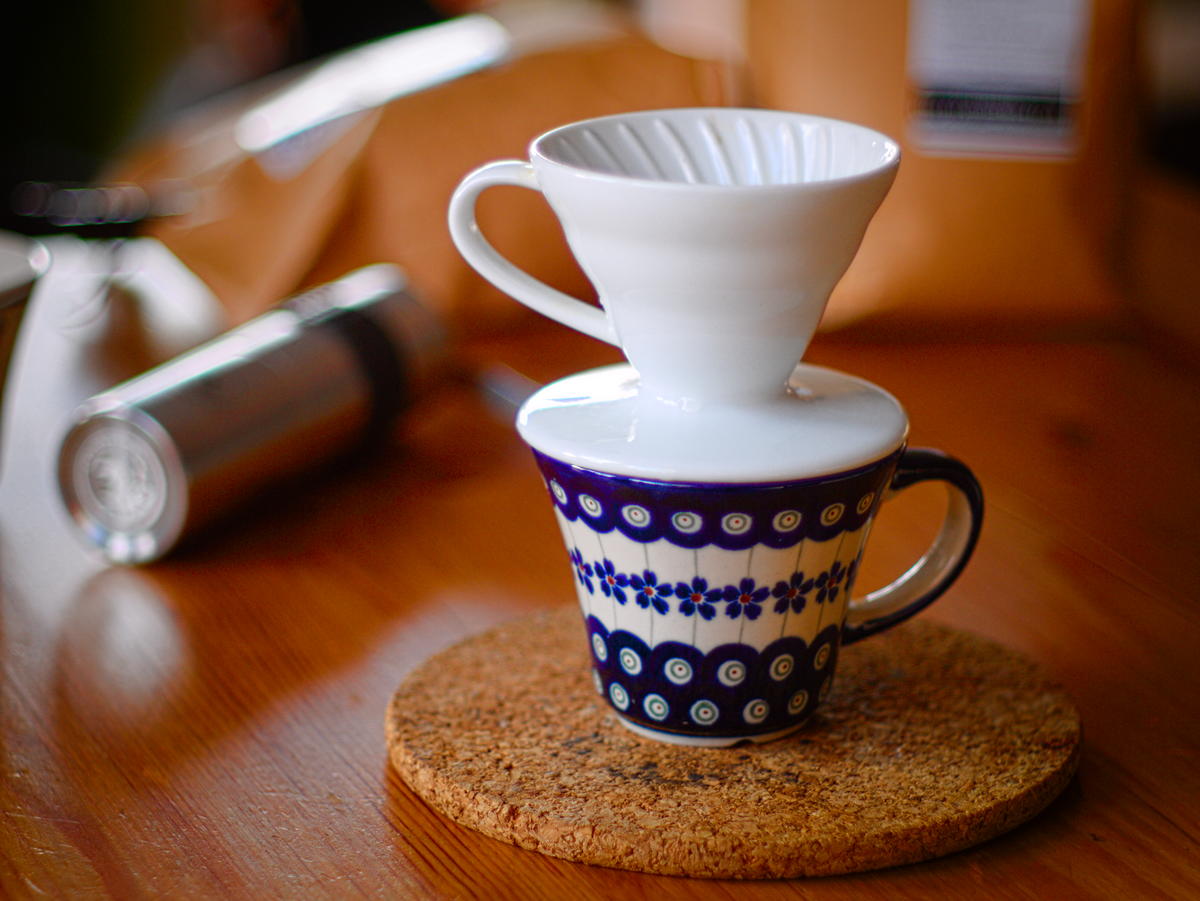
This Hario V60 review looks at the most famous pour-over cone in the world. We have not brewed with it ourselves. Instead, we pulled together the published specs, owner reports, and expert reviews. That gives you an honest picture before you spend money. The short version: the Hario V60 Ceramic Dripper, Size 02 is a simple, well-loved tool. It rewards care. It can also frustrate a beginner. What is the Hario V60? Hario is a Japanese glass and kitchen brand. The V60 is its pour-over dripper. The name comes from the 60-degree cone shape. You can read more about the company on Wikipedia. Three details define the design. The cone shape pulls water toward the centre. One large hole at the bottom lets the water flow freely. Spiral ribs on the wall let air escape, so the paper filter does not stick. Key specs in this Hario V60 review Retail listings agree on the basics. Size 02 suits one to four cups. A practical brew is about 480 ml. The bottom is about 10.5 cm wide. It needs a size 02 paper filter, which is sold separately. The V60 also comes in plastic, glass, and metal. Sellers say ceramic holds heat well. That claim comes from marketing copy, not from independent tests. Still, many owners like ceramic because it feels solid and has no plastic. What owners say they like Users often praise the clean, sweet cup. The wide hole gives you control. A faster or slower pour changes the taste, so you can tune each brew. Retail pages show about 4.7 stars from more than 12,000 ratings for the white size 02 model. Owners also like how easy it is to clean. You toss the filter and rinse the cone. It is cheap next to most brewers. It looks good on a counter, too. Common complaints about the V60 The biggest complaint is the learning curve. Several reviewers say it takes five to ten tries to get a good cup. The V60 has no built-in help. Your grind and your pour decide the result. Clogging is the second issue. Guides say a slow drain often means the grind is too fine. Blade grinders make many tiny particles, and these block the paper. A steady, gentle pour also helps. Our coffee grind size guide can help you dial it in. Some users also report that ceramic cools the water at first. A common fix is to warm the dripper with hot water before you brew. This tip comes from owner posts, not lab tests. Which V60 Size and Material Should You Choose? The V60 comes in three common sizes. Size 02 is the most popular, because it handles one big mug or a small pot. Size Typical yield Good for 01 1–2 cups One person, one mug 02 1–4 cups One mug or a small pot to share 03 1–6 cups Larger batches Each size needs its own paper filters, so buy the matching ones. The material changes the feel more than the taste. Here is a simple overview. Material Pros Cons Ceramic Solid, stable, classic look Heavier; breaks if dropped; preheat it with hot water Plastic Light, cheap, hard to break Feels less premium Glass Looks great, easy to see the brew Fragile Metal Very durable, good for travel Usually costs more If you are not sure, the plastic version is a low-risk way to try the method. You can move to ceramic or glass later. A Simple V60 Recipe to Start A good starting point is 15 g of coffee for 250 g of water. That is a ratio of about 1:16. Our coffee-to-water ratio guide explains how to scale it. Water temperature matters too. Our guide to coffee water temperature covers the range most baristas use. Hario V60 vs Other Pour-Over Brewers The V60 is not the only cone on the market. Here is how it compares with three popular options. What else do you need? The dripper alone is not enough. You need paper filters, a scale, and a kettle with a thin spout. A good burr grinder matters most. A gooseneck kettle makes the pour much easier. See our picks in the best gooseneck kettles guide. New to the method? Start with our V60 coffee guide for a simple recipe. Who should buy it? Buy it if you enjoy hands-on brewing. Buy it if you like a clean, bright cup. Skip it if you want a one-button routine. A forgiving brewer, such as the AeroPress, may suit you better. Our V60 vs Chemex comparison shows another option. Our verdict on the Hario V60 Based on published specs and owner feedback, the V60 is a smart first pour-over brewer. It is cheap, simple, and flexible. Expect a few messy cups at the start. After that, it can deliver a sweet and clear brew. Hario V60 Review: FAQ Is the Hario V60 worth it? For most people who enjoy brewing by hand, yes. It is cheap, simple and widely loved. The catch is the learning curve: your first few cups may vary. If you want a set-and-forget routine, a more forgiving brewer may suit you better. Which V60 size should I buy? Size 02 is the usual choice. It brews one large mug or a small pot. Choose 01 if you only ever make one small cup, and 03 for bigger batches. Do I need a gooseneck kettle for the V60? It is not required, but it helps a lot. The thin spout gives you a slow, steady pour, which is what the V60 rewards. See our best gooseneck kettles guide. Can I use other filters in a V60? Use cone filters made for the V60 in the same size. Flat-bottom or basket filters will not sit properly in the cone. Why does my V60 coffee taste bitter or sour? Bitter usually means the brew ran too slowly, so try a coarser grind. Sour usually means it ran too fast, so try a finer grind. Our

Peru Coffee: 7 Essential Facts About Its Sweet, Organic Cups
Peru coffee is one of the best-kept secrets in the specialty world. It grows high in the Andes. It is often organic. And it tastes sweet, soft, and easy to love. Many drinkers know Colombia or Ethiopia. Fewer know Peru. That is a shame. Here are seven things worth knowing before your next bag. 1. Peru coffee grows on small family farms Most Peruvian coffee does not come from big estates. It comes from small family plots. Recent reports suggest more than 200,000 families grow coffee, often on one to five hectares. Farm size varies by source, so treat the numbers as a rough guide. Many farmers sell through cooperatives. A co-op pools the harvest of many growers. That gives small farms a way to reach buyers abroad. 2. The best Peru coffee grows in the Andes Coffee grows in the northern, central, and southern parts of the country. Three regions come up most often: Cajamarca in the north. Cups are often sweet, with soft red fruit and a gentle acidity. Chanchamayo in the centre. Think citrus, caramel, and chocolate in a medium body. Cusco in the south. Expect darker fruit, like plum and grape, over a cocoa base. Altitude matters here. Farms often sit between 1,000 and 2,000 metres. Cooler air slows the cherry down, and slow ripening builds sweetness. 3. Which varieties grow in Peru? Typica and Caturra have long been the backbone of Peruvian farms. Bourbon, Pache, and Catimor are also common. A few farms even grow Geisha. If you want to know how these plants differ, read our guide to Arabica coffee varieties. Leaf rust hit the country hard in 2012. Many farmers replanted with hardier types such as Catimor. These plants give steadier harvests. Some roasters feel the cup quality can be lower. That is one reason variety is worth checking on a label. 4. How Peru coffee is processed Most lots are washed. The cherry is pulped, fermented, and rinsed. This gives a clean cup with clear sweetness. Our guide to coffee processing methods explains the steps in detail. Some farms now try honey and natural lots too. These can taste fruitier. They are still a small share of the crop. 5. Peru is a big name in organic coffee Peru is often named among the top exporters of organic coffee. Sources disagree on its exact rank. Many small farms already grow without heavy chemicals. Organic certification then opens the door to buyers who pay a premium. Certification is not a guarantee of flavour. It does say something about how the crop was grown. Good cup quality still comes from care at harvest and drying. 6. What Peru coffee tastes like Expect a soft, balanced cup. Common notes are milk chocolate, caramel, red apple, and a touch of citrus. Acidity is usually mild. Body is medium. That profile suits many ways of brewing. A pour-over shows the fruit. A moka pot brings out the chocolate. An espresso gives a sweet, round shot. In Italy, roasters like this style for blends that need a smooth base. 7. How to buy good Peru coffee Look for the region, the farm or co-op, the variety, and the harvest date. The more a label tells you, the better. Choose a roast date within the last month. Buy whole beans and grind just before brewing. Start with a medium roast. It keeps the sweetness and the gentle fruit. Then try a lighter roast to see how much more the origin can show. For a broader view of the country, see the overview of coffee production in Peru on Wikipedia. Peru Coffee Regions at a Glance Peru has many coffee areas, but a handful produce most of the crop. According to the green coffee platform Algrano, Junín, San Martín, Cajamarca, Cusco, Amazonas and Huánuco account for about 91% of Peruvian coffee farms. Most farms sit on the eastern slopes of the Andes, in the high jungle. Region Part of Peru What to know Cajamarca North A leading region today, known for distinctive lots from areas like San Ignacio and Jaén Amazonas North High-altitude farms and a fruity, tropical profile San Martín North-east A younger region with large volumes and varied quality Junín (Selva Central, incl. Chanchamayo) Centre Long the largest region; known for clean, easy-drinking cups Cusco South Some of the highest farms in Peru, with small volumes Puno (Sandia) South Small production, but home to prize-winning cooperative coffees Source for the regional notes: Sustainable Harvest, a specialty coffee importer that works in Peru. Profiles change from farm to farm, so use them as a guide, not a rule. When Is Peru Coffee Harvested? The main harvest runs from about April to September, according to Algrano. Higher farms usually pick later than lower ones. After picking, the coffee is processed, dried, rested and shipped, so new-crop Peruvian coffee reaches roasters some months after the harvest ends. When you buy, look for the harvest year on the bag. Green coffee keeps for a while, but a recent crop tastes brighter and sweeter. Most Peruvian lots are washed; our guide to coffee processing methods explains what that means for flavour. Peru Coffee and Awards Small farmers from Sandia, in the Puno region, have put Peru on the specialty map. In 2018, the news site Peru Reports wrote that a small producer from Sandia, working with the Cecovasa cooperative network, won a top quality prize at the Specialty Coffee Expo in Seattle. The same network had won a similar prize the year before with its Tunki brand. These wins matter because they show what careful farming at altitude can do, even on very small plots. How to Brew Peru Coffee Method Why it works Tip Pour-over (V60) Shows the soft fruit and clean finish Medium grind, light to medium roast French press Brings out body and chocolate notes Coarse grind, four-minute steep Moka pot Gives a sweet, rounded cup Medium roast, low heat Espresso Works well in a balanced blend or as