Espresso as we know it today has a precise birth date: 1884. It’s not a bar legend, it’s a patent. From there began a journey of over a century, made of machines, cafés, and habits that changed the daily life of millions of Italians. Here’s the history of Italian espresso, in five milestones.
1. Turin, 1884: The First Machine for Instant Coffee
Angelo Moriondo, a businessman from Turin, files a patent for a machine that brews coffee quickly. He uses it in his American Bar, inside the Galleria Nazionale in Turin.
It’s not yet the espresso we drink today. But the basic principle is already there: steam and pressure, to extract coffee in seconds instead of minutes.
2. 1906: The Machine Reaches the Public
The espresso machine is presented at the Milan Fair. Public interest is enormous. Cafés and coffee houses start installing these machines, which become increasingly common in the cities of northern Italy.
This is how the first true espresso bars are born, with the counter at the center of the scene.
3. The Postwar Years: Espresso as a Small Daily Luxury
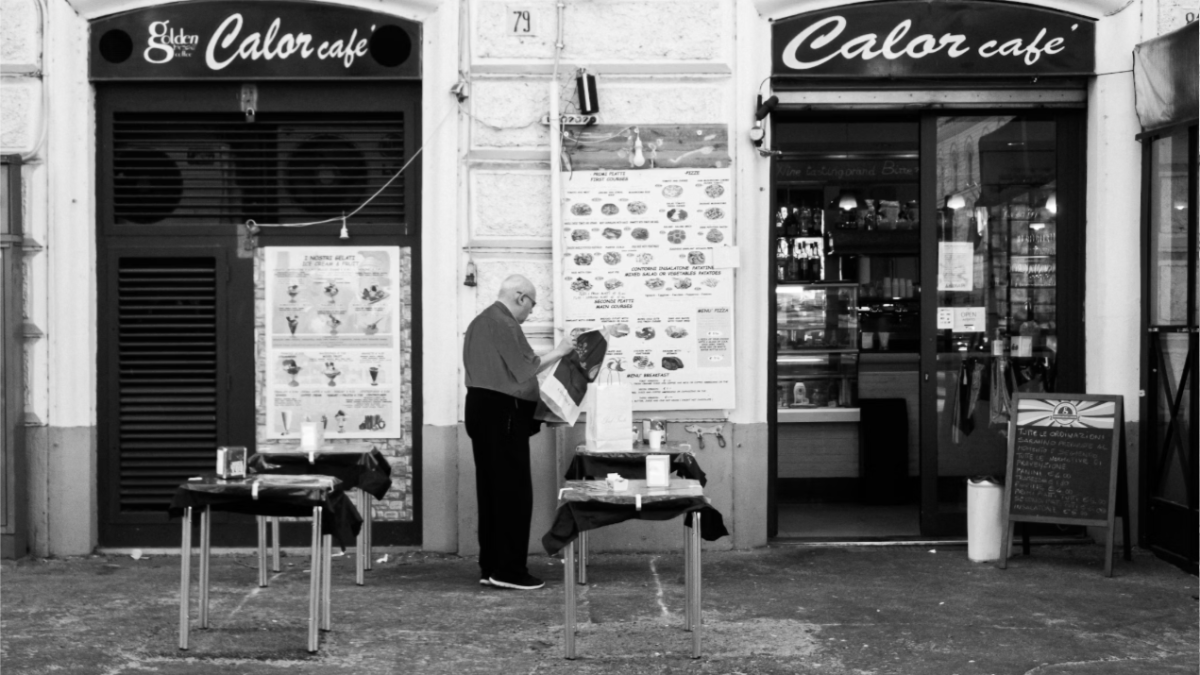
During the years of reconstruction, espresso becomes a symbol. It costs little, but offers a moment of pleasure that anyone can afford. The neighborhood bar becomes a shared ritual: five minutes at the counter before starting the day.
It’s in these years that the Italian bar takes the shape we still recognize today: a few square meters, small cups, quick conversations standing up.

4. The Bar Boom: Nearly 150,000 Cafés Across Italy
Today Italy counts around 150,000 bars. Each one serves an average of 175 coffees a day, counting only plain espresso. A number that shows how deeply rooted this ritual is in the country’s daily life.
But this growth in numbers came at a cost. Many places focused on volume, not on the raw material. In too many cases, average quality in the cup went down.

5. The Fourth Wave: From the Bar to Discovery at Home
In recent years, the story has shifted. It’s no longer just the bar deciding what we drink. More and more people look for origin, processing method, roast date: the same questions people now ask about wine or olive oil.
The Machines That Shaped the Cup
The earliest espresso machines used steam. Steam pushes hot water through coffee quickly, but it can scorch the grounds. The cup tasted bitter and burnt. Inventors kept looking for a gentler way.
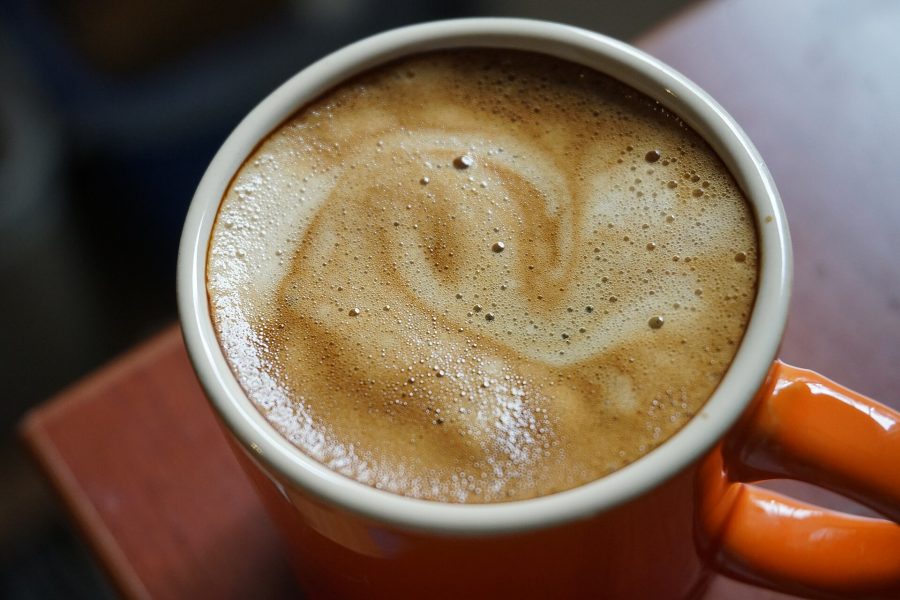
The big leap came when makers moved from steam to pump and lever pressure. Pressure pulls flavour and oils from the coffee without extreme heat. This is where the thick golden foam called crema comes from. It is a sign that the shot was pulled well.
Espresso Around the World
Italian migrants and travellers spread the habit across the globe. In the United States, espresso led to the café culture we know today. In Australia, Italian cafés in Melbourne helped shape the flat white scene. In Japan and Scandinavia, small roasters took the idea and added their own style.
Each place changed it a little. Yet the core stayed the same: a short, strong shot, served right away.
How an Italian Espresso Is Served
In an Italian bar, you stand at the counter. You say “un caffè” and get a small cup in under a minute. You drink it in two or three sips. Then you pay and go. Sitting at a table often costs more, which surprises many visitors.
Milk is rarely added after lunch. A cappuccino is a morning drink for most Italians. This is a cultural habit, not a rule, and nobody will stop you from ordering one at 4 pm.
Frequently Asked Questions
Who invented espresso?
No single person did. Angelo Moriondo patented an early machine in 1884. Later makers such as Luigi Bezzera, Desiderio Pavoni and Achille Gaggia improved it step by step.
Why is Italian espresso so small?
The classic shot is about 25 to 30 millilitres. It is meant to be intense, quick and enjoyed in a few sips, not sipped for an hour.
Why Espresso Became a Symbol of Italy
Few drinks carry as much national pride. Espresso is cheap, quick and shared. A bar is a place where the baker, the lawyer and the student all stand side by side. Everyone pays the same small price for the same small cup.
That is why Italians guard the habit so closely. The daily pause at the bar remains a living tradition, passed from one generation to the next.
How to Make a Better Espresso at Home
You do not need a café to enjoy this history. A few steps help a lot.
- Buy fresh whole beans from a small roaster.
- Grind just before brewing, and keep the grinder clean.
- Weigh your dose, and aim for a steady shot time.
- Preheat your cup so the espresso stays warm.
- Taste, adjust and repeat.
Remember that a shot that is too fast tastes sour. A shot that is too slow tastes bitter. Aim for the middle and enjoy the learning.
Espresso Etiquette in Italy
A few small customs help visitors blend in. Pay at the cash desk first in busy bars, then show your receipt at the counter. Do not expect a huge menu. The barista will make a few classic drinks very well.
- Ask for “un caffè” to get an espresso.
- Say “un macchiato” for espresso with a drop of milk.
- Order a cappuccino before about 11 am if you want to look local.
- Keep the chat short at the counter, and say “grazie” when you leave.
These habits are not strict rules. Italians are happy to see visitors enjoy their coffee in their own way. But knowing the basics makes the visit smoother and often leads to a friendly smile.
The Role of the Barista
A good barista is a craftsperson. They adjust the grinder through the day, as humidity and temperature change the coffee. They clean the machine often. They remember what regulars like. This quiet skill is a big part of why bar coffee tastes so good.
That’s why projects like IndieRoastersItaly exist: to bring the same care that the best independent roasters put into their coffee directly into your home, with roasting made to order instead of coffee sitting on a shelf.
If you want to explore the practical side of brewing, we’ve also written a guide dedicated to the moka pot.
Why It’s Called “Espresso”
The name captures the essence of the method behind Italian espresso: the cup is prepared on the spot, specifically for you, not ahead of time. It’s the opposite of filter coffee left ready in a carafe for hours. Every espresso comes from an extraction that takes just seconds, under pressure, made for one customer at a time.
This detail also explains why Italian espresso remains a ritual that’s hard to export without losing quality. The machine matters, but so does the hand of the person using it: how the grounds are tamped, the water temperature, the extraction time. They’re small variables, but they make a big difference in the final cup.
What Remains of This History
A hundred and forty years after Moriondo, the gesture has stayed the same: pausing for a moment, in front of a small cup. What’s changed is the context: more precise machines, more transparent roasters, more curious customers. The heart of the ritual, though, hasn’t. A good espresso remains, even today, a small thing done well.
IndieRoastersItaly was born to continue this story, not to reinvent it: we select the best independent roasters in Italy and bring their coffee, freshly roasted, to your home. Want to be among the first to try it? Join the waitlist on our homepage.
Keep reading: The History of the Moka Pot: 5 Surprising Facts About Italy’s Coffee Icon · Italian Coffee Drinks: 10 Essential Orders and the Unwritten Rules
This article was written with the support of artificial intelligence for content structuring, and was fully reviewed, verified, and refined by the author.
Read next: Want Italian coffee at home? Our moka pot vs espresso machine comparison helps you choose.