
Specialty coffee has a reputation. Some people think it is overpriced. Others think it always tastes sour, or that you need a lab full of gear to brew it. Most of these specialty coffee myths come from a bad first cup or a confusing café menu.
Let’s clear them up, one by one. You may find that good coffee is simpler, and friendlier, than it looks.
What Counts as Specialty Coffee?
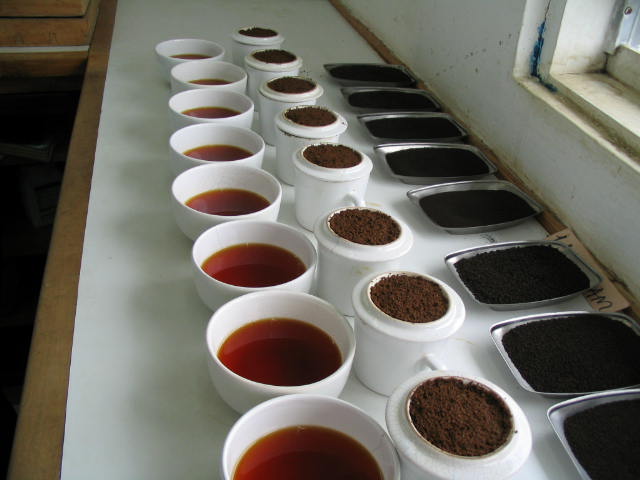
Before we bust any myths, we need a clear definition. The term has a real meaning. The Specialty Coffee Association (SCA) uses a 100-point tasting scale. Coffee that scores 80 points or more is graded as specialty coffee.
The green beans must pass a strict check as well. In a 350-gram sample, there can be no major flaws, such as black or sour beans. Only a few small flaws, like chipped beans, are allowed. You can learn how tasters reach that number in our guide to the SCA score.
7 Specialty Coffee Myths, Debunked
Myth 1: It’s Just a Fancy Label for Pricey Coffee
Specialty is not a brand or a marketing word. It is a grade, set by trained tasters. A coffee has to earn it, sample by sample.
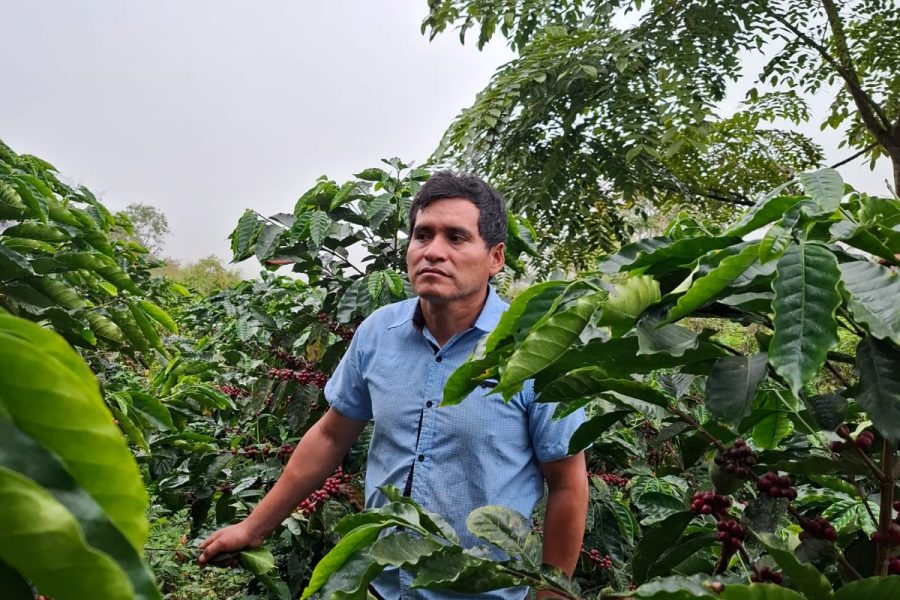
Yes, it usually costs more. But the price pays for real work: picking only ripe cherries, careful sorting and slow, small-batch roasting. Farmers who grow it are often paid well above the market rate. That is not hype. It is the cost of doing things properly.
Myth 2: Specialty Coffee Always Tastes Sour
Good coffee can be bright. Think of the fresh acidity of a green apple or a ripe orange. That is very different from the sharp, thin sourness of a cup that was brewed too fast or too coarse.
If your cup tastes sour, the beans are rarely to blame. Try a finer grind or a longer brew. Our grind size guide shows what to change. And if you simply prefer low acidity, many specialty coffees from Brazil or Sumatra taste of chocolate and nuts.
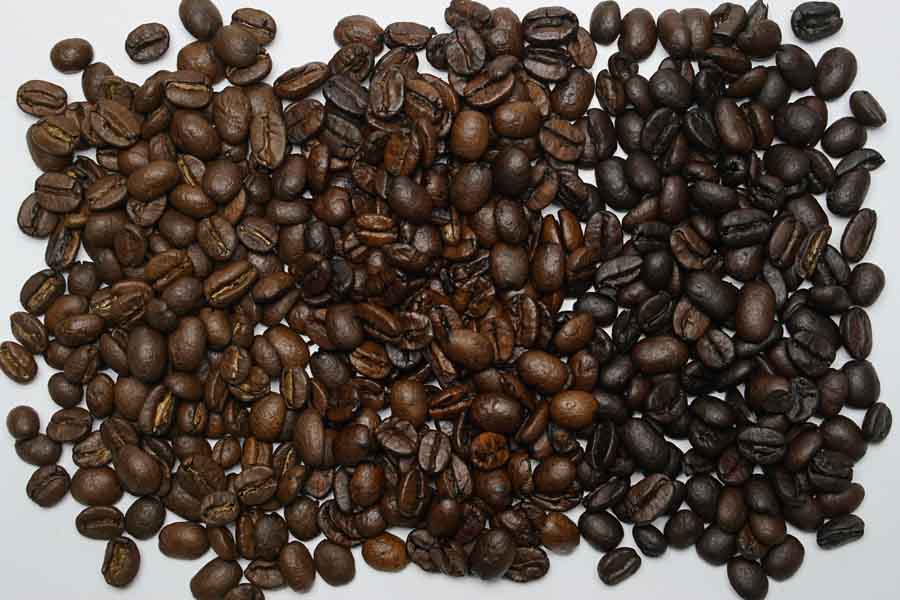
Myth 3: Specialty Means Light Roast Only
Many specialty roasters do favour lighter roasts. They show off the origin, the variety and the process. But there is no rule that says specialty must be light.
Plenty of small roasters make medium or medium-dark blends for espresso. Italian roasters in particular know how to build a rich, sweet shot without burning the bean. For the full picture, read our post on light vs dark roast.
Myth 4: You Need Expensive Gear
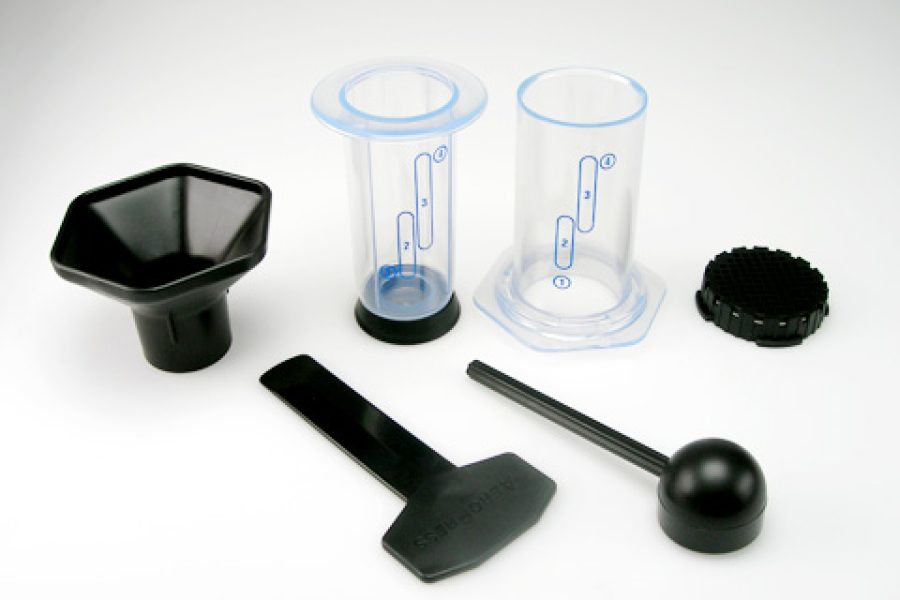
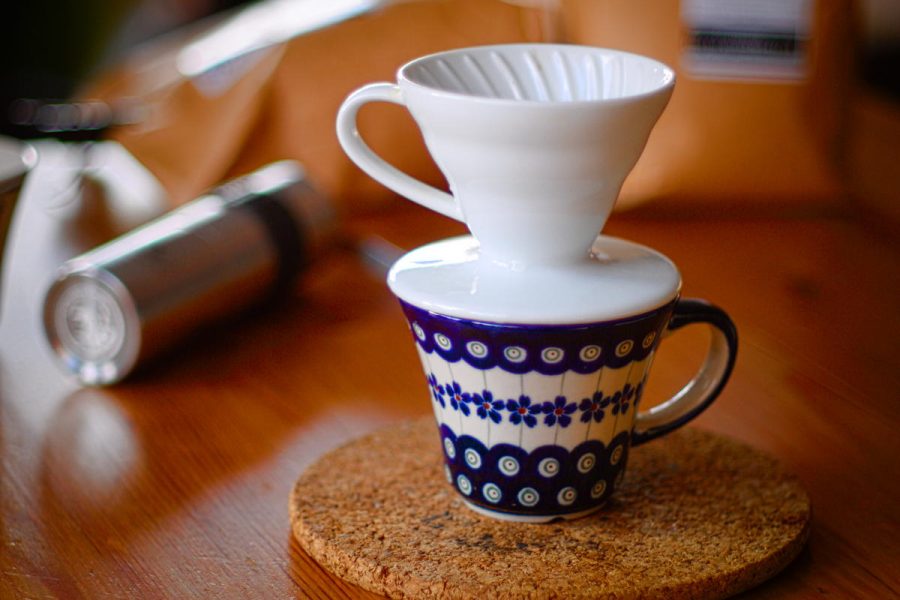
You don’t need a fancy espresso machine to enjoy specialty coffee. A French press, a moka pot or a simple pour-over cone will do a great job.
Two tools matter more than anything else. The first is a burr grinder, which gives you an even grind. A good hand grinder costs far less than an electric one, as our Timemore C3 review explains. The second is a basic scale, like this Greater Goods coffee scale. It lets you repeat a good recipe every time.
Myth 5: Single Origin Always Beats a Blend
A single origin coffee comes from one country, region or farm. It can taste very clear and unique. But that does not make it better by default.
A well-made blend can be more balanced, with more body and sweetness. That is why so many espresso roasters use blends. Single origin and blend are two styles, not a quality ranking.
Myth 6: Adding Milk Ruins It
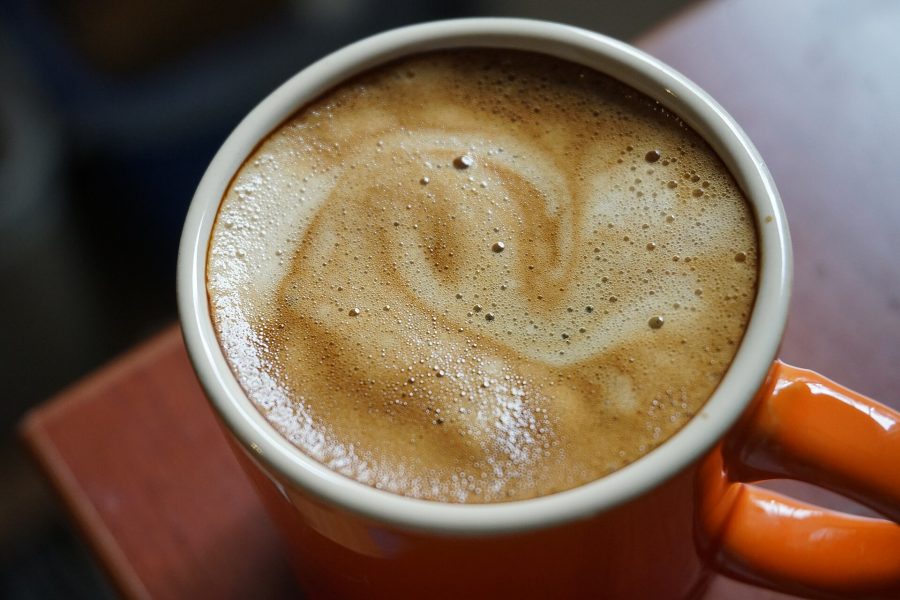
Some people feel guilty about pouring milk into a “serious” coffee. There is no need. Many great baristas train hard on milk drinks, and a cappuccino made with fresh specialty espresso can be a joy.
Milk will soften bright, fruity notes, so some coffees shine more on their own. But the best way to drink coffee is the way you enjoy it most.
Myth 7: The Fresher the Roast, the Better
Fresh matters, but “just roasted” is not always ideal. Right after roasting, beans release a lot of carbon dioxide. This gas can make brewing uneven and the flavour a bit flat or harsh.
Most roasters suggest a short rest. Filter coffee often tastes best a few days after roasting. Espresso beans usually need a little longer. After that, aim to use the bag within a few weeks of opening.
How to Start With Specialty Coffee
If these myths kept you away, here is a simple way in.
- Buy from a small roaster that prints the roast date on the bag.
- Start with a medium roast if you are unsure about acidity.
- Grind just before you brew, and weigh your coffee and water.
- Try one new origin each month, and take a few notes.
- Ask your roaster for advice. Most love to talk about their coffee.
Why These Myths Stick Around
Myths survive because they hold a grain of truth. A sour cup really does exist. Some cafés really do charge a lot. And a few shops really do look like labs. People judge the whole category from one bad moment.
Marketing adds to the noise. Words like “premium” and “artisan” appear on bags of every quality. Without clear rules, shoppers cannot tell what is real. This is why learning a few basics gives you such an edge.
How to Spot Real Specialty Coffee
- Roast date. A clear date on the bag, not just a best-before date.
- Origin details. Country, region, farm or co-op, and often the variety and process.
- Tasting notes. Specific flavours such as “red apple and cocoa”, not just “bold and smooth”.
- Transparency. The roaster can tell you where the coffee came from.
None of these guarantees a great cup. But together they point to a roaster who cares about the details.
Questions to Ask Your Roaster
Good roasters love questions. Try asking what they are excited about this month. Ask how they would brew a coffee at home. Ask which coffee suits milk drinks best. Their answers tell you a lot about their craft and often lead you to a new favourite.
Frequently Asked Questions
Is specialty coffee healthier?
Not by itself. It is simply higher quality and better sourced. Health effects depend on how much you drink and what you add to it.
Do I need to buy whole beans?
Whole beans stay fresh longer, so they are the best choice. A simple grinder is a good first upgrade.
A Simple Plan for Your First Month
Buy one small bag of a medium roast from a roaster you trust. Brew it the same way for a week. Change one thing, such as the grind or the water amount, and notice the difference. In week three, try a different origin. By week four you will know what you like, and you will have a base for every future cup.
Final Thoughts
Specialty coffee is not about snobbery. It is about care: on the farm, in the roastery and in your kitchen. Once you drop these specialty coffee myths, the only question left is which cup to try next.
That’s the idea behind IndieRoastersItaly: a curated selection of small Italian roasters, with beans roasted to order and sent fresh to your door. Visit our home page and join the waitlist to be among the first to try it.
This article was written with the support of artificial intelligence for content structuring, and was fully reviewed, verified, and refined by the author.
Related reading: Single Origin Coffee Myths · Best Coffee Scale: 6 Top Picks