Pour hot water on fresh coffee and something odd happens. The grounds puff up and bubble like a small dome. That is the coffee bloom, and it is the first step of almost every good pour-over. Skip it, and your cup can taste sour and thin.
What Is Coffee Bloom?
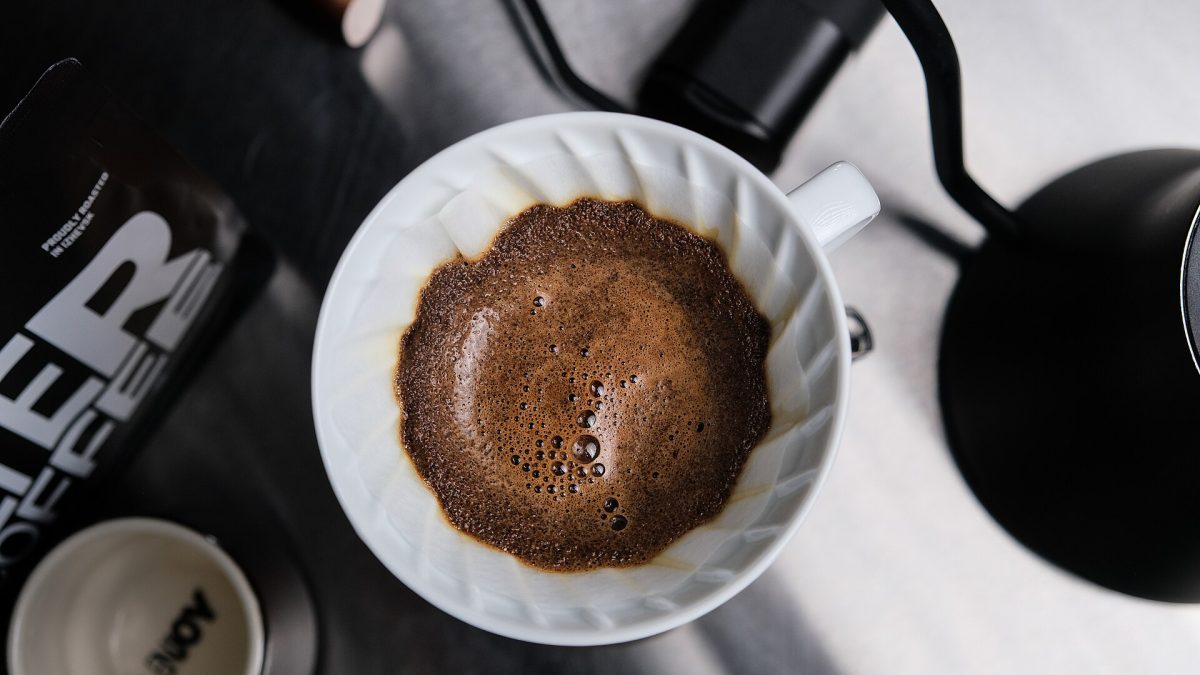
Coffee bloom is the burst of gas that rises when hot water first meets freshly roasted coffee. Roasting traps carbon dioxide inside the beans. Hot water pushes that gas out in a rush of tiny bubbles.
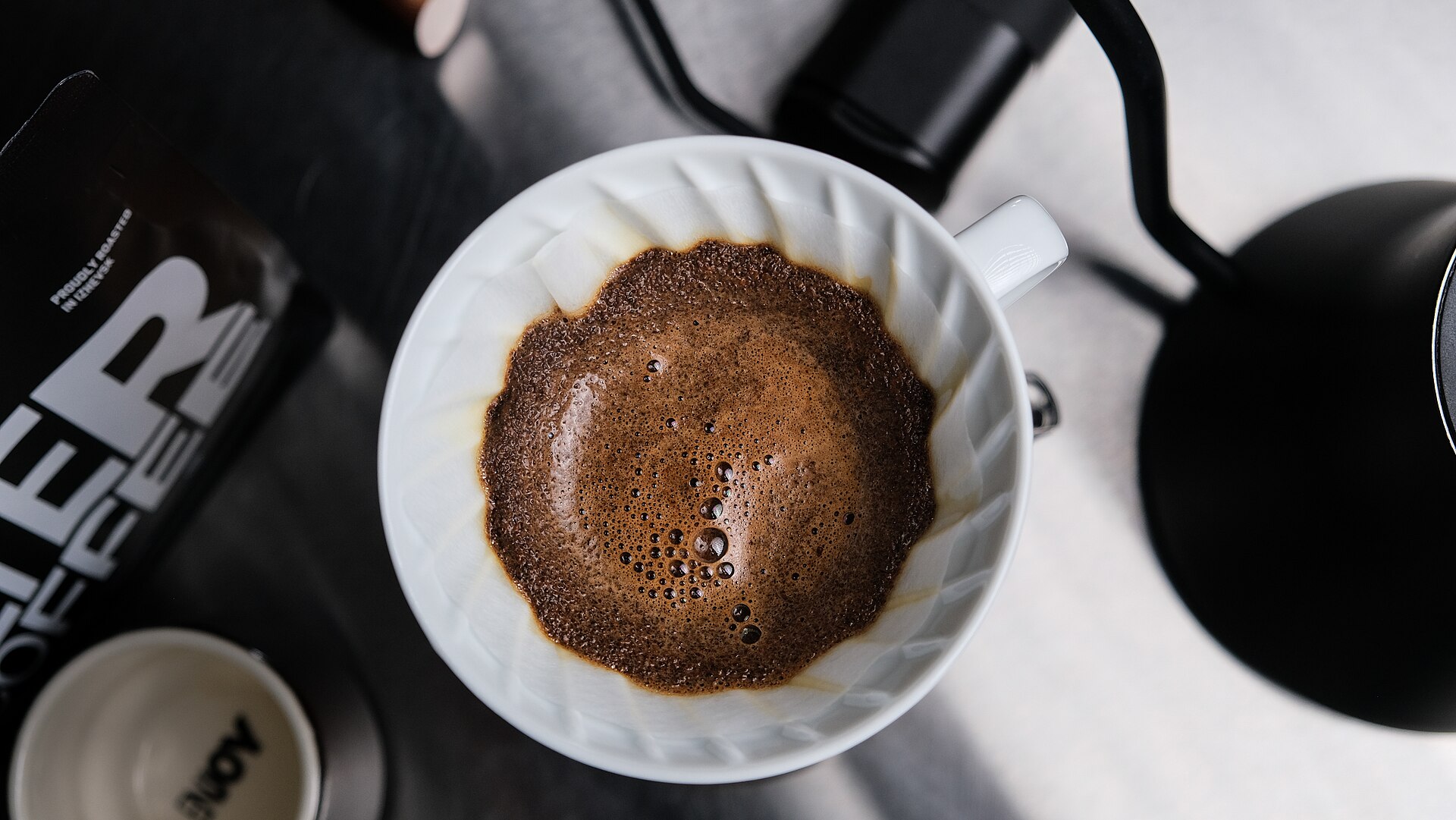
Why Coffee Bloom Matters
Gas blocks water. If the grounds are still full of carbon dioxide, the water cannot reach all of the coffee evenly. Some parts get too little water and taste sour. Others get too much and taste bitter.
A short pause lets most of the gas escape. After that, the water flows through the bed more evenly. The result is a sweeter, clearer cup. Many brewers say the effect is easy to notice with fresh beans.
How to Bloom Coffee, Step by Step
- Rinse the filter. Wet the paper with hot water and empty the carafe or mug.
- Add the coffee. Use a medium-fine grind, like table salt. Level the bed with a gentle shake.
- Pour twice the weight of coffee. For 20 g of coffee, pour about 40 g of water. Wet every part of the grounds.
- Wait 30 to 45 seconds. Watch the bed swell and then settle.
- Continue the brew. Pour the rest of the water in slow circles.
Use water just off the boil, around 93 to 96°C (200 to 205°F). Our guide to coffee water temperature explains why this range works. For a full recipe, see the V60 guide.
What the Bloom Tells You
A big, bubbly bloom means the coffee is fresh. A flat bloom with little rise often means the beans are old, or were roasted a long time ago. Dark roasts can bubble more than light ones, so use it as a clue and not a verdict.
Bloom is not magic, though. Some myths say that bubbles are a sign of quality on their own. They are not. We cover this in our post on coffee degassing myths.
Common Coffee Bloom Mistakes
- Too little water. If dry patches remain, the gas stays trapped.
- Pouring too hard. A fast stream makes channels in the bed.
- Waiting too long. After a minute, the bed cools and the cup can turn flat.
- Skipping a scale. Guessing the water weight makes results hard to repeat.
Gear That Helps
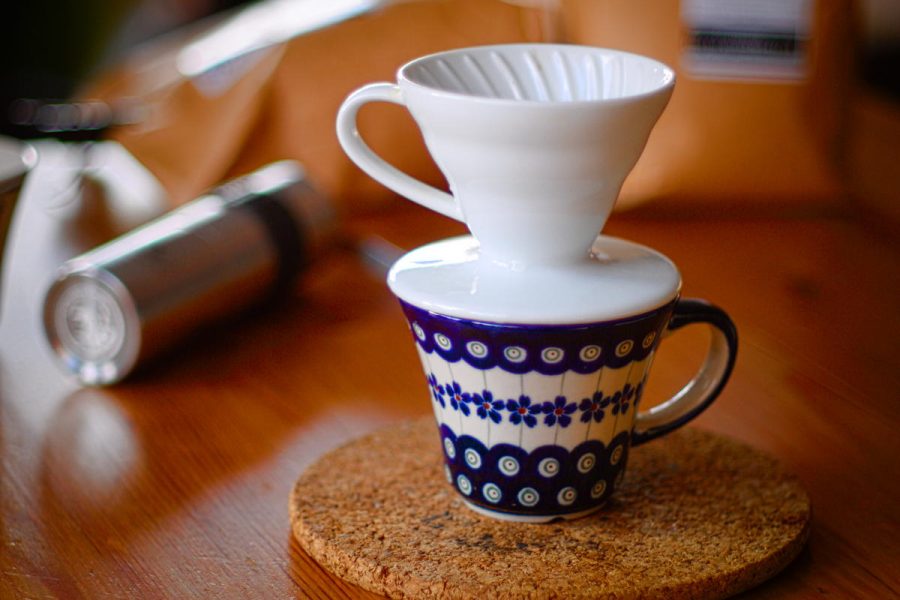
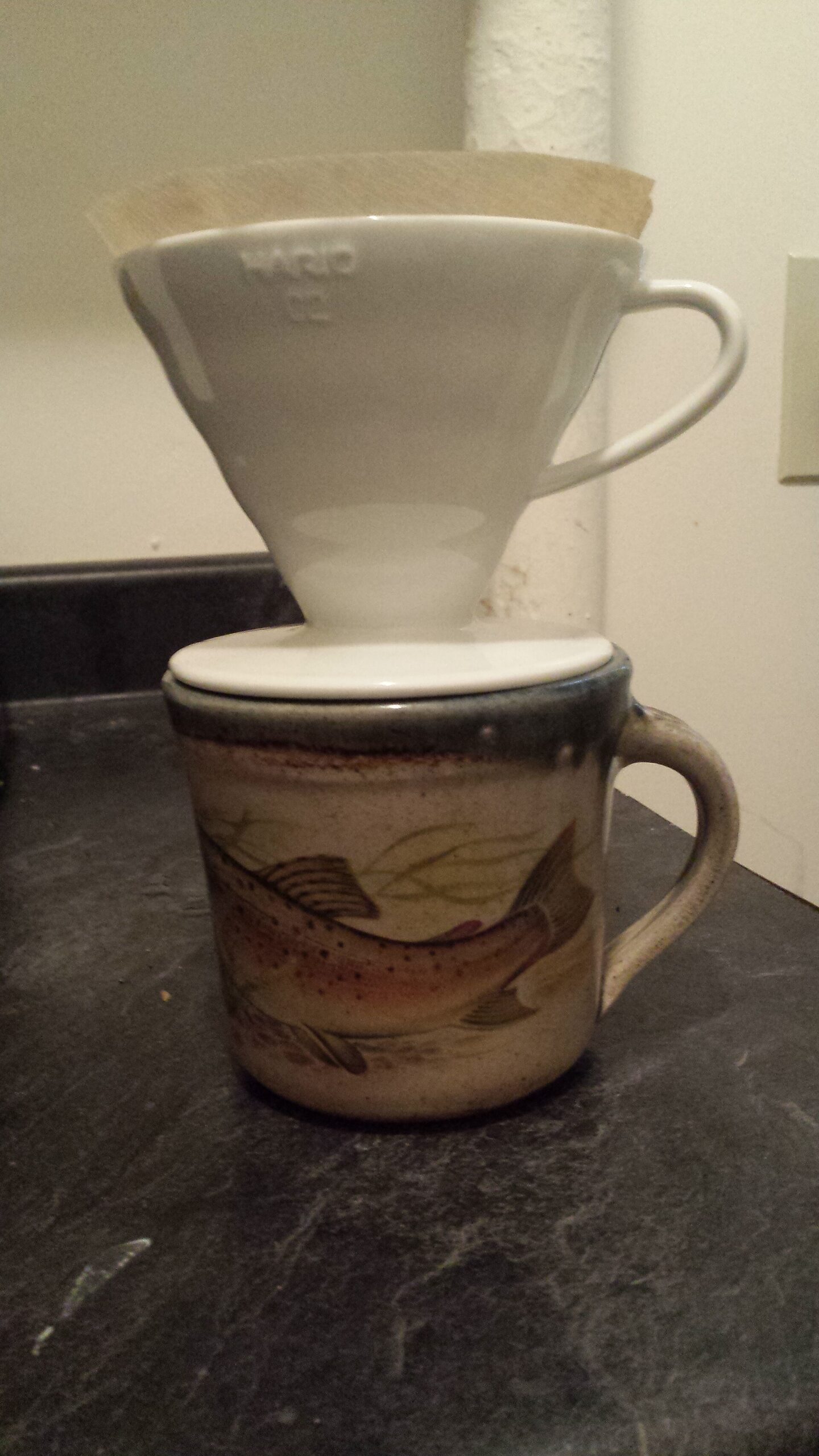
You do not need much. A simple cone like the Hario V60 ceramic dripper works well. A gooseneck kettle gives a gentle, steady pour, and our guide to the best gooseneck kettles can help you choose. A scale keeps the ratio steady, and you can see our picks in the best coffee scale guide.
Does Every Brew Method Need a Bloom?
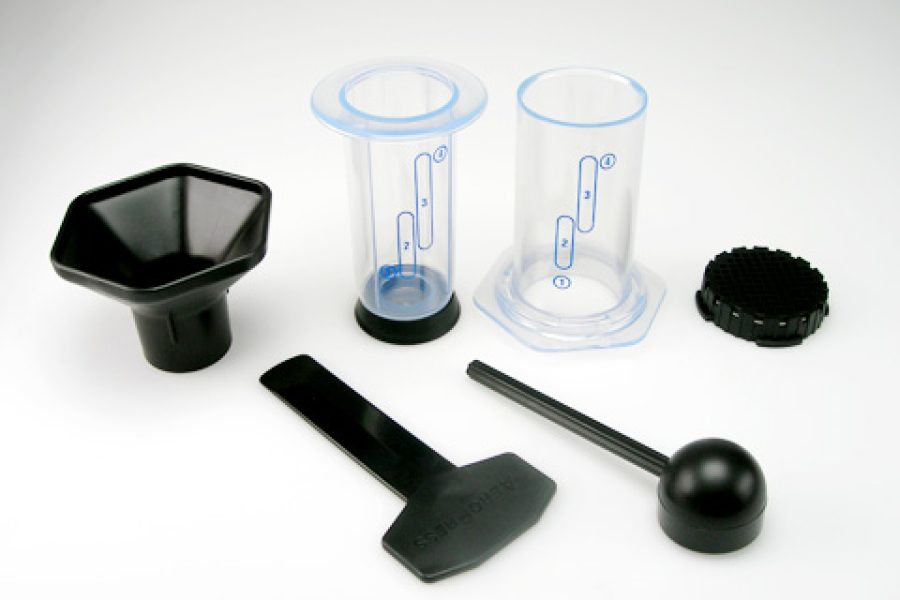
Not always. Pour-over and AeroPress recipes often use one. The French press has a soft bloom when you add the first water. Espresso machines do the same job with a gentle pre-infusion. If you want to read more about brewing styles, the Wikipedia page on coffee preparation is a good start.
Frequently Asked Questions
How long should a coffee bloom last?
Most recipes use 30 to 45 seconds. Very fresh coffee may need a little longer.
Can I bloom with cold water?
Not for pour-over. Hot water drives out the gas quickly. Cold water would not do that.
At IndieRoastersItaly, we are building a way to enjoy small-batch coffee from independent Italian roasters, roasted to order. Fresh beans bloom best. Join the waitlist on our homepage and be first to know when we launch.
Related reading: Hario V60 Review: 6 Essential Facts Before You Buy
This article was written with the support of artificial intelligence for content structuring, and was fully reviewed, verified, and refined by the author.