
This Lavazza Tabli review comes from real use at home. The short verdict: Lavazza Tablì (spelled “Tabli” in most searches) is quick, quiet, and easy, and it avoids the capsule. But it is pricey, it is a closed system, and the cup tastes more “pod” than “coffee shop”. It is a good tool for a fast break. It is not a good tool for anyone who cares about origin, roast, or cost per cup.
Below you will find what works, what does not, how the numbers add up, and what to buy instead if you want better coffee for less money.
What is Lavazza Tablì?
Tablì is a single-serve coffee system from Lavazza, one of the biggest names in Italian coffee. Instead of a capsule with a plastic or aluminum shell, it uses a “tab”. A tab is ground coffee pressed into a small solid disc. There is no wrapper around it. Industry coverage, such as this launch report from Tea & Coffee Trade Journal, describes it as the first single-serve machine that uses tabs made of 100% coffee.
You put a tab in the machine, press a button, and hot water is pushed through it. The tabs only work in the Tablì machine. That detail matters later in this review.
What works
1. No capsule
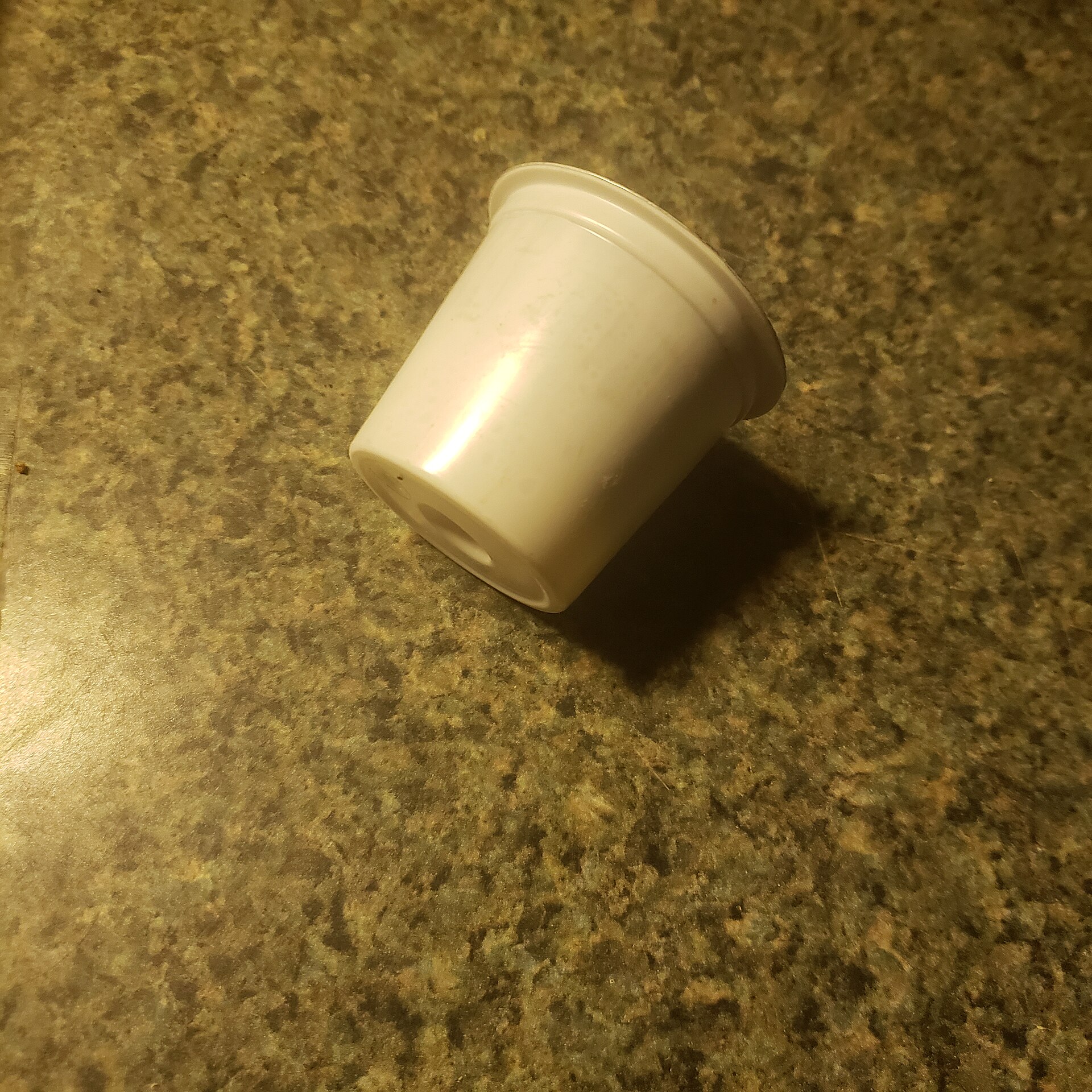
The idea is simple: it is just coffee, ground and pressed. There is no plastic and no aluminum shell to throw away. The packaging looks a bit like an egg carton, or like the trays used for seedlings in a plant nursery. For anyone who feels guilty about pods, this is the main selling point, and it is a real one.
2. Very easy to use
You slide in the tab, press, and in a few seconds you have a coffee. The machine is also quiet. There is no loud grinder, no pump that wakes the house. If you want zero fuss before work, it delivers.
3. Creamy cup, right temperature
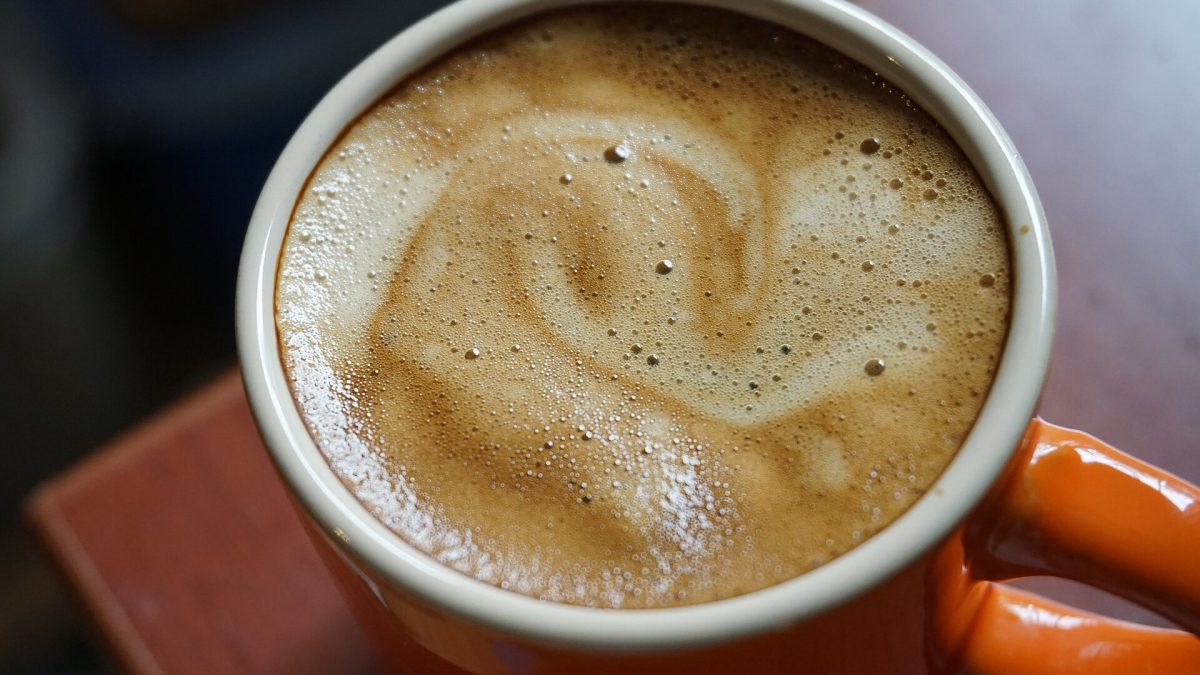
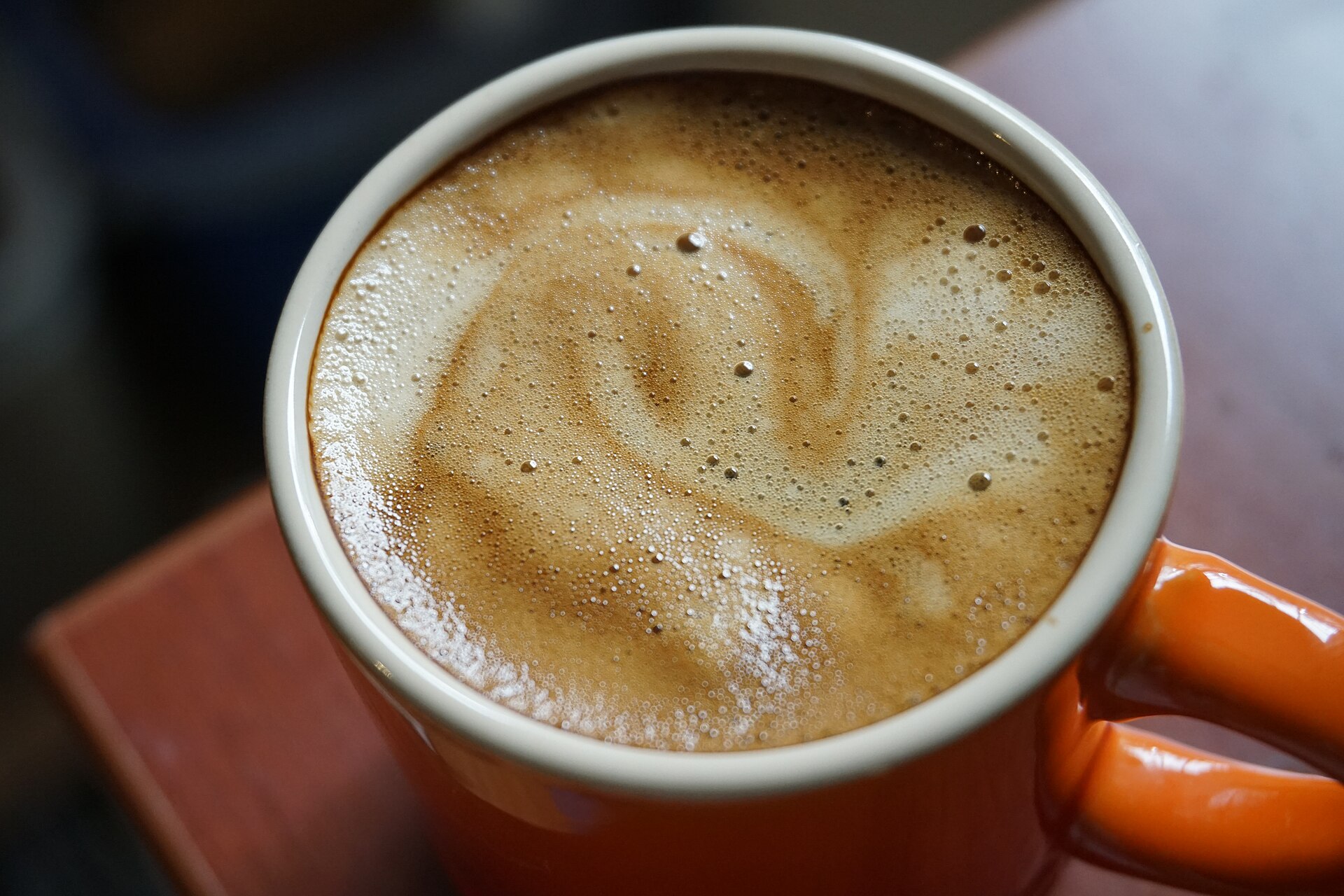
In the cup the coffee looks creamy, and the temperature is good. One thing to know, though: crema is an emulsion of tiny gas bubbles and oils. It looks rich, but in the mouth it thins out fast. A thick crema does not prove a strong or high-quality coffee. We explain this in our guide to espresso crema myths.
What does not
1. The price
In Italy, the machine cost me about 250 euros, and each cup works out at around 67 cents. These are Italian prices. That is a lot for something that makes one small coffee. Prices vary by country and by season, so the figures above apply to Italy only. For comparison, the UK recommended price is £199 for the machine and £5.49 for 12 single-dose tabs, according to the same trade report. The Italian consumer group Altroconsumo lists the machine in its comparison tool with a lower estimate per cup. Check the current price for your own market before you decide.
2. The pack of six
Inside each box there are six tabs, all together. As soon as you open it, every tab meets the air. Roasted coffee loses aroma through oxygen, and ground, pressed coffee has a lot of surface. So the last tabs in the pack may taste flatter than the first. This is a concern from the way the pack is built, not a measured lab result, so treat it as a risk to watch. Our guide to coffee storage explains why air is the enemy.
3. The taste
To me, the flavor feels a little artificial. It reminds me of Nespresso. It is not bad, and it is consistent. But it is not the sweet, layered cup you get from fresh beans from a small roaster.
4. A closed system
You can only use Lavazza tabs. You cannot choose another roaster. And on the pack you do not learn the origin of the coffee or the roast level in detail. If you care where your coffee comes from, as we do, that is a real limit.
5. A water tank issue
Check the water tank often. On my machine, a bit of water leaks before each brew. I cannot tell if this is a normal rinse cycle or a leak. If you see the same, contact Lavazza support or check your warranty. This may be a problem with one unit, not with every machine.
The real cost per cup
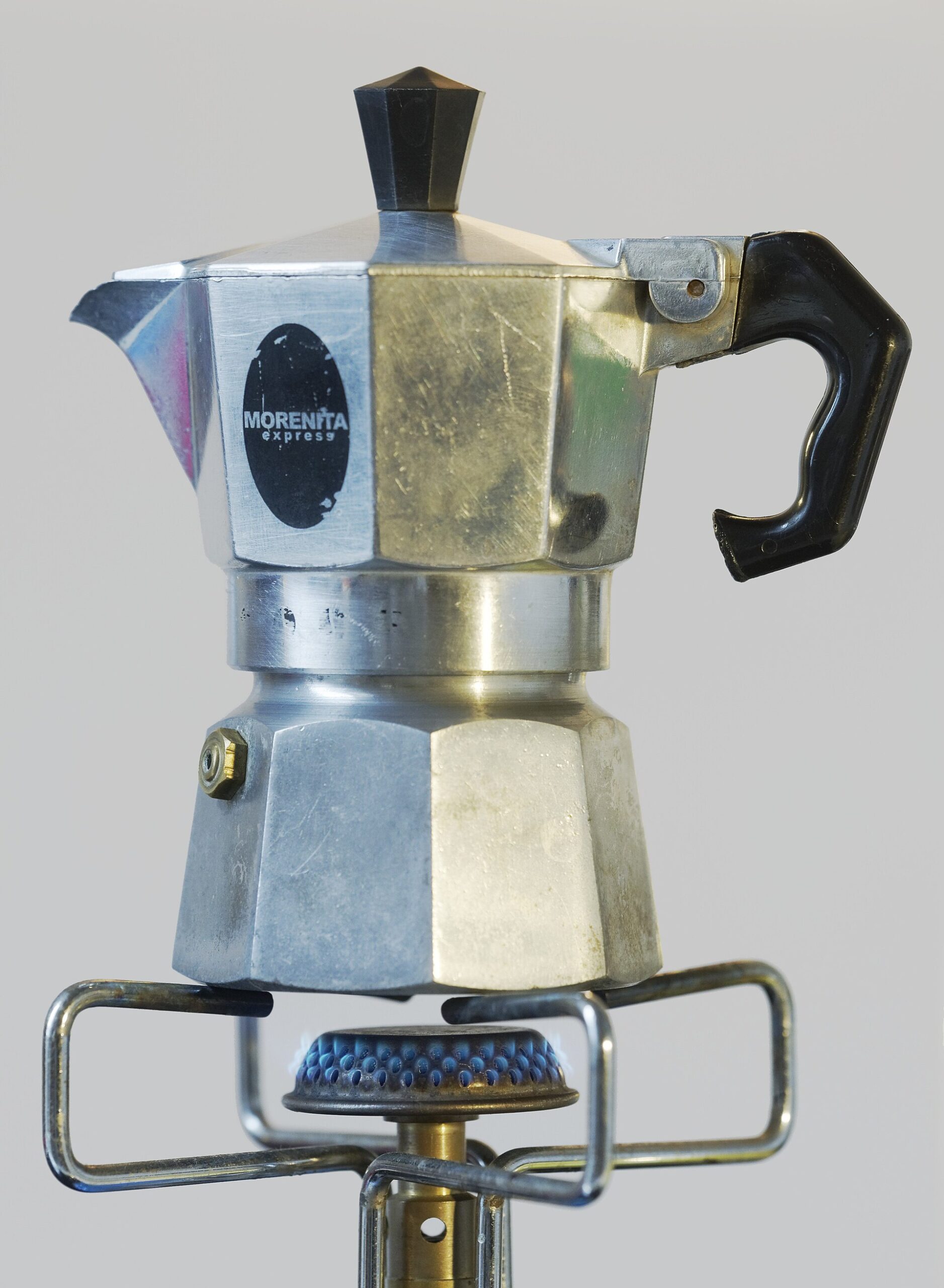
Let us do the math with a simple example. If a tab costs 67 cents, 100 cups cost 67 euros. Now compare it with a moka pot and fresh beans. Say a 250 gram bag of good beans costs 10 euros, and you use 8 grams per small coffee. That bag makes about 31 cups, or roughly 32 cents each. Your own bag price will differ, so replace the numbers with yours.
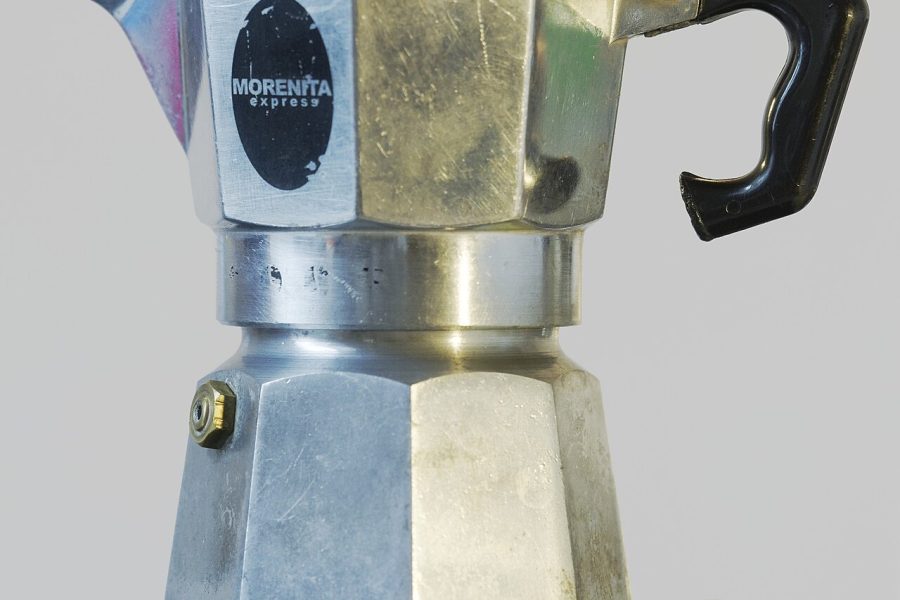
The comparison changes the picture in two ways. First, per cup the beans cost about half. Second, a basic setup costs far less than a 250 euro machine. A Bialetti Moka Express and a hand grinder such as the Timemore Chestnut C3S cost much less together than the Tablì machine alone, at typical prices. Check the current price on Amazon.com.
Tablì vs capsules, moka and beans
| Lavazza Tablì | Capsule machine | Moka pot + grinder | Bean-to-cup machine | |
|---|---|---|---|---|
| Waste | No capsule shell | Plastic or aluminum | Only grounds | Only grounds |
| Speed | Seconds | Seconds | Several minutes | Under a minute |
| Choice of coffee | Lavazza only | Brand only | Any beans | Any beans |
| Know the origin and roast | Limited | Limited | Yes | Yes |
| Upfront cost | High | Medium | Low | Highest |
| Cost per cup | High | High | Lowest | Low |
Tablì does win on one point: it removes the capsule. But if you care about the environment and your wallet, a machine that uses whole beans has no rival. It lets you buy from any roaster, grind fresh, and pay less per cup.
If you want to go that way, read our guides to the best moka pots and the best manual coffee grinders, and our Timemore C3 review. Wondering how a moka compares with a machine? See moka pot vs espresso machine. And if you choose the moka, our perfect moka brew guide and how to clean a moka pot will help.
What “capsule-free” really means
The word “sustainable” appears often next to Tablì, so it deserves a careful look. Removing the capsule shell is a real gain. A pod is a small piece of plastic or metal that you use once. Millions of them are thrown away every year, and many end up in landfill.
But a smaller waste problem is not the same as no waste problem. The tabs still come in packaging. The machine is an electric appliance with a lifespan, and it needs space, water, and power. And because the system is closed, you depend on one brand for every cup. If Lavazza changes the tabs, the price, or the range, you have no other option.
A moka pot makes almost no waste at all. It lasts for decades, it needs no electricity beyond your stove, and the only thing you throw out is the used coffee. Many Italian families have used the same pot for a very long time. That is hard to beat on both cost and impact.
Tips if you already own a Tablì
- Use tabs quickly. Once you open a pack, use the tabs within a short time, and keep the pack closed in a dry, dark place.
- Run the first cup with care. If you notice water before the brew, watch how much. If the amount grows, contact support.
- Descale on schedule. Hard water leaves scale in any machine. Follow the maker’s instructions for cleaning.
- Pick your size. Try the single and double tabs, and decide which fits your taste. A shorter cup often tastes less thin.
- Compare once. Brew the same coffee style in a moka with fresh beans. The side-by-side taste test tells you more than any review.
None of this changes the main point. Tablì is a clean, convenient way to make a quick coffee. If you find that convenience is all you want, it is a fair choice. If you start to care about what is in the cup, you will soon want to choose the beans yourself.
Who should buy it
Buy the Tablì if you want a fast, quiet, mess-free coffee, you drink a few cups a day, and you hate pods. It suits an office corner, a small flat, or a guest room.
Skip it if you want to explore origins and roasts, if you care about cost per cup, or if you love to taste the difference between one coffee and another. In that case, your money does more in a grinder and a bag of fresh beans from an independent roaster.
For standards and research on coffee quality, the Specialty Coffee Association is a good place to start.
FAQ
Is Lavazza Tablì really capsule-free?
Yes. The tab is pressed coffee with no outer shell. You still get packaging around the tabs, so it is not zero waste.
Can I use other coffee in the Tablì machine?
No. The machine is designed for Lavazza tabs only.
Does Tablì make real espresso?
It makes an espresso-style coffee with crema. Whether it matches a barista-made espresso is a matter of taste. Many drinkers find it closer to a pod coffee.
How much does the Lavazza Tablì machine cost?
In Italy, I paid about 250 euros for the machine. In the UK, the recommended price is £199. Prices change by country, shop and season, so check the current price in your market before you buy.
How much does each cup cost?
It depends on your country and pack. In my case, in Italy, it was about 67 cents. Other sources give lower estimates, so check local prices.
What is the best alternative for a low-waste coffee?
A moka pot, a hand grinder, and fresh beans. The only waste is the coffee grounds, which can go in your compost.
As an Amazon Associate, IndieRoastersItaly earns from qualifying purchases. This does not change the price you pay.
We are building IndieRoastersItaly to bring fresh coffee from small Italian roasters to curious drinkers everywhere. Visit indieroastersitaly.it to join the waitlist.
This article was written with the support of artificial intelligence for content structuring, and was fully reviewed, verified, and refined by the author.
A small tip if you already use a Tablì: run one cycle with water only before your first coffee of the day. It warms the machine and the cup, and the first drink comes out noticeably less thin. And if you are curious about real Italian coffee without the waste, a moka pot with freshly ground beans costs less per cup than any system. Have you tried the Tablì yet? Tell us how the crema and the taste compared with your usual coffee.