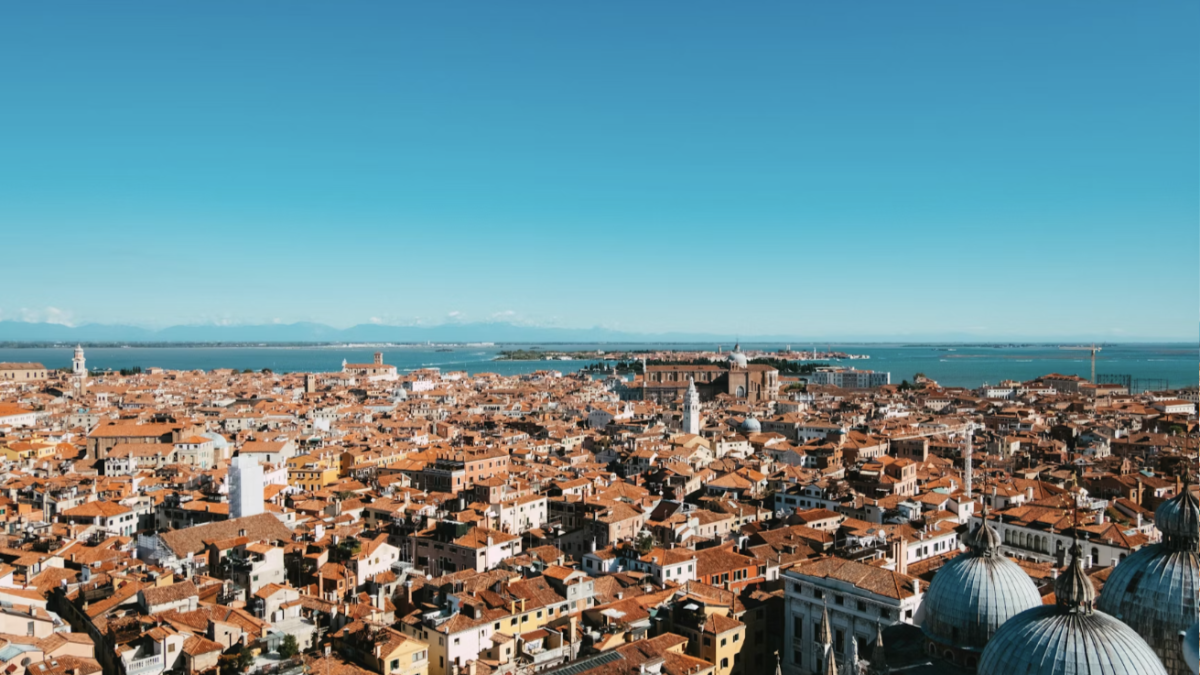
The story of coffee houses starts long before the bar around the corner. Today, stepping into a café for an espresso at the counter feels routine, almost automatic. But this ritual comes from a story that spans centuries. It is a tale of merchants, ambassadors, and bans. It’s a story of coffee houses that changed how European cities lived. Let’s trace the first coffee houses back to the caravans of the Middle East. It’s a journey that reaches the tables of Venice, Vienna, and Paris. It weaves together trade, religion, and politics. It also explains why the café still remains an essential meeting place today.
From Ethiopia to the Arab Caravans
The coffee plant originates in Ethiopia. From there, it moves to Yemen, where Sufi monks use it to stay awake during night prayers. In the 1400s, cultivation spreads to Mocha, a port on the Red Sea. The port later lends its name to one of the world’s most loved drinks. Trade caravans carry the bean toward Cairo, Damascus, and Constantinople.
The Ottoman Coffee Houses: The First Coffee Spaces
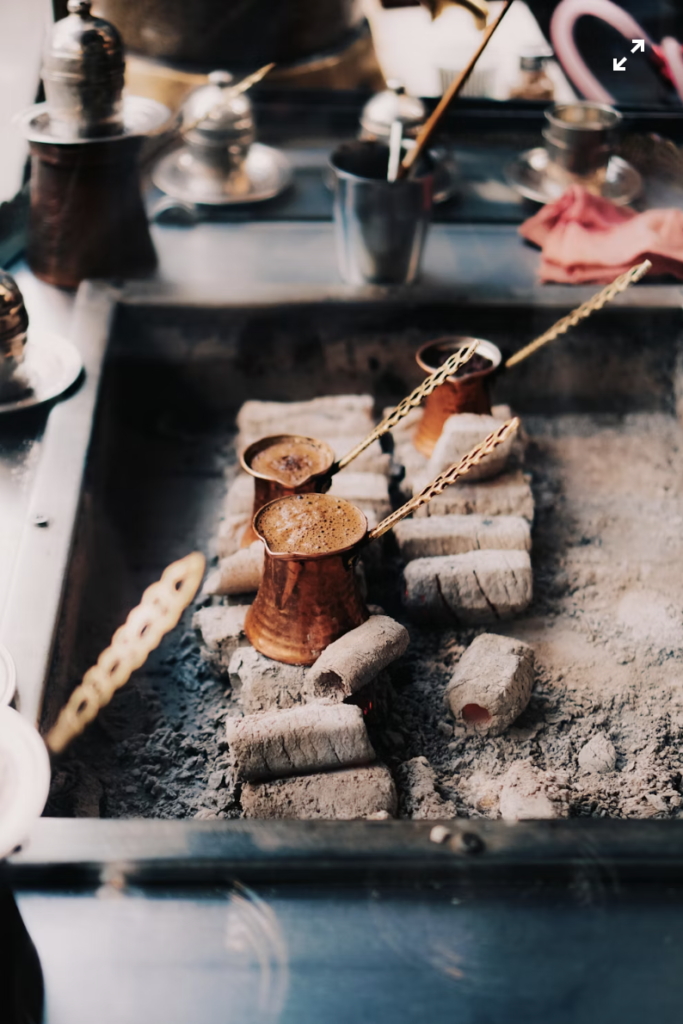
In Constantinople, the first qahveh khaneh, or coffee houses, appear. They become places for meeting, playing games, and political debate. Ottoman authorities view them with suspicion. They fear these spaces could turn into hotbeds of dissent. Despite repeated attempts to shut them down, the coffee houses survive and spread across the empire.
Venice Discovers Coffee
The first written record in Italy dates back to 1585. Venetian ambassador Gianfrancesco Morosini tells the Senate about the dark drink common in Constantinople. The first coffee houses open in Venice toward the end of the 1600s. One of the oldest, “All’Arabo,” dates back to 1683.
Caffè Florian: The Oldest Coffee House in Europe
In 1720, “Alla Venezia Trionfante” opens in St. Mark’s Square. Its founder, Floriano Francesconi, soon gives the café its lasting name: Florian. It is the oldest coffee house in Europe still open today. It quickly becomes a gathering spot for artists, intellectuals, and travelers.
A Boom of Coffee Houses
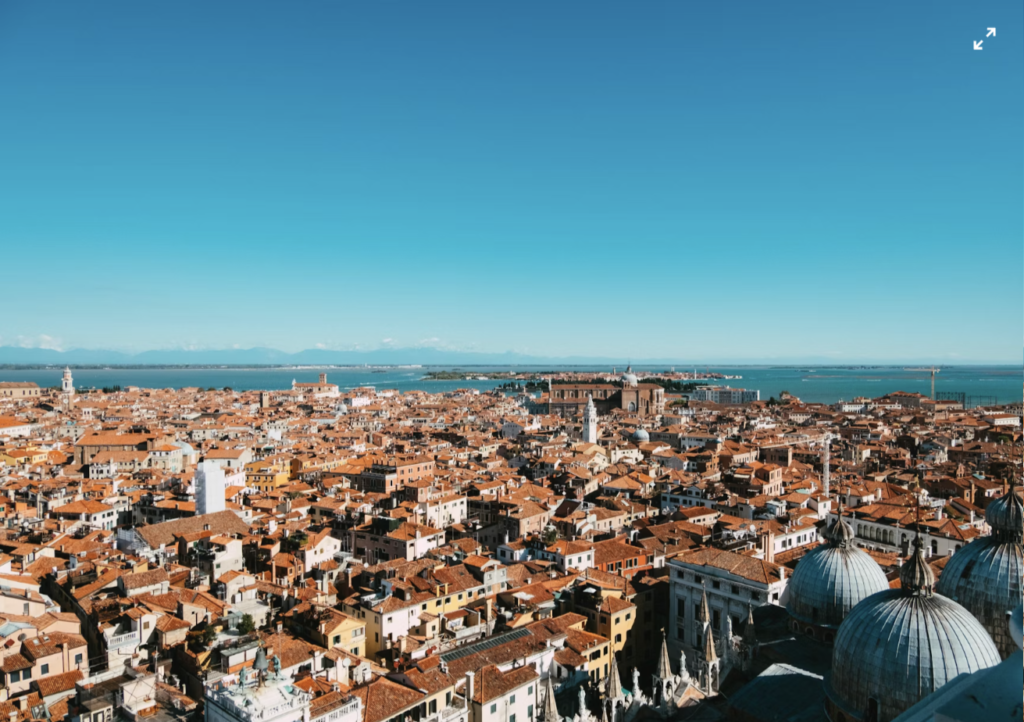
Over seventy years, more than 200 coffee houses open in Venice. The Senate has to step in to limit their spread. Inside these cafés, people discuss politics, art, and trade. Almost anyone can afford a cup. Women, however, remain excluded from these social spaces for a long time.
From Venice to the Rest of Europe
From Venice, coffee conquers Vienna, Paris, and London. In Vienna, a legend takes hold. Ottoman troops leave behind sacks of coffee after the 1683 siege. Legend says these sacks give rise to the city’s first coffee houses. In London, coffee houses become known as “penny universities.” For one penny, anyone can buy a cup and join hours of conversation and debate. The ideas of the Enlightenment circulate around these very tables.
Timeline: How Coffee Houses Spread Across Europe
Some dates are debated by historians, but these are the milestones most often cited.
| Year | Place | Milestone |
|---|---|---|
| c. 1554–1555 | Istanbul | Among the first documented public coffee houses of the Ottoman capital |
| c. 1650–1652 | Oxford and London | England’s first coffee houses open; London’s first is linked to Pasqua Rosée |
| 1683 | Venice | The first documented coffee shop opens in St Mark’s Square area |
| 1685–1686 | Vienna and Paris | Vienna’s first licensed coffee house; Le Procope opens in Paris |
| 1720 | Venice | Caffè Florian opens under the arcades of St Mark’s Square |
| 1760 | Rome | Antico Caffè Greco opens near the Spanish Steps |
| 1763 | Turin | Caffè Al Bicerin opens, home of the famous coffee-chocolate-cream drink |
| 1831 | Padua | Caffè Pedrocchi, the “café without doors”, opens |
| 1860 | Naples | Gran Caffè Gambrinus opens near Piazza del Plebiscito |
“Penny Universities”: Coffee Houses as Places of Ideas
In 17th-century England, coffee houses were nicknamed “penny universities”: for the price of a cup, anyone could sit down, read the newspapers and join conversations with merchants, scientists and writers. Business was done there too. The famous insurance market Lloyd’s of London grew out of Edward Lloyd’s coffee house, where ship owners and merchants met to share shipping news. In Venice, Paris and Vienna, coffee houses played a similar role for artists, intellectuals and, later, political movements.
First Coffee Houses FAQ
Where was the first coffee house in Europe?
If you include Istanbul, the Ottoman coffee houses of the mid-1500s came first. In Western Europe, early coffee houses opened in England in the 1650s and in Venice in 1683, where coffee had already arrived through trade decades earlier.
Which is the oldest café still open?
Caffè Florian in Venice, opened in 1720, is often cited as the oldest café in continuous operation. Le Procope in Paris is older (1686), but for much of its history it has worked as a restaurant.
Why were coffee houses sometimes banned?
Rulers in several places, from the Ottoman Empire to England, saw them as places of gossip, idleness and political criticism. Bans were tried more than once, but they rarely lasted: coffee houses were simply too popular.
A Legacy That Lives On Today
Many habits we take for granted today started in those first coffee houses. Coffee became a social break, a moment to pause and talk. Even the third wave movement in specialty coffee carries the same spirit forward. It means slowing down, tasting with care, and sharing a quality moment.
In Italy, this legacy arrives filtered through Venice and the Mediterranean ports. It blends with espresso and the everyday ritual of the local bar. It’s no accident that the word “barista” comes from this very tradition of hospitality behind the counter. Understanding the story of the first coffee houses helps explain why the quality of the cup, and the care behind it, still matter more than speed today. It’s the same spirit that drove those early coffee houses centuries ago: valuing shared time over quick consumption.
What the Early Coffee Houses Were Like
Early coffee houses were busy, noisy places. People came to talk, play games, hear news and read. Coffee was served in small cups and often brewed strong. Some houses had musicians or storytellers. Others were known for political talk.
In many cities, rulers watched them closely. Gatherings that stirred debate worried those in power. Yet the houses kept spreading, because people loved the mix of coffee and conversation.
Why They Mattered
- They gave ordinary people a place to meet outside the home.
- They helped spread news, books and ideas.
- They were linked with trade, banking and science in several cities.
- They shaped the way we think of a café today.
From Coffee House to Modern Café
Modern cafés still follow the same idea. They are a space to work, meet or rest. Specialty cafés add a focus on origin and craft. Yet the heart is unchanged. Coffee brings people together.
Frequently Asked Questions
Where was the first European coffee house?
Several cities claim early firsts, including Venice and Oxford. Historians still debate exact dates, so treat any single answer with care.
IndieRoastersItaly grows from this very spirit. We bring specialty coffee selected from independent Italian roasters straight to your door, with the same care and sense of community as the first coffee houses of Europe. Want to be among the first to discover our batches? Join the waitlist at indieroastersitaly.it.
Keep reading: The History of Espresso: 5 Milestones from Moriondo to Gaggia · The Legend of Kaldi: 5 Secrets Behind Coffee’s True Discovery · Trieste coffee: the story of Italy’s coffee capital · Pope Clement and Coffee: Legend or Fact?
This article was written with the support of artificial intelligence for content structuring, and was fully reviewed, verified, and refined by the author.