

Plenty of wrong ideas circulate about caffeine in coffee. Some sound logical. Others are pure bar-counter legend. Anyone who works every day with independent roasters and specialty coffee hears them often, along with other coffee myths. Here are 7 caffeine myths, explained with the data in hand. If you’ve heard these caffeine myths from friends or on social media, it’s time to check them one by one. The most common caffeine myths 1. “Espresso has more caffeine than filter coffee” It’s the most common myth. The intense flavor of espresso makes people think of an extra caffeine kick. Actually, it’s the opposite. A 30 ml espresso shot contains about 40-75 mg of caffeine. A 236 ml cup of filter coffee contains about 80-185 mg. Espresso is more concentrated per milliliter. But people drink more filter coffee at once, so the total caffeine ends up higher. 2. “Dark roast has more caffeine than light roast” It sounds logical: the more you roast, the more the bean changes. But roast level isn’t what decides caffeine content. What matters most is the coffee variety and its origin. During roasting, the bean loses weight, not caffeine, in the same proportion. Light roast beans are denser. At equal weight, a light roast has more beans in it. Either way, the difference between roast levels stays small. You’ll rarely taste it in the cup. 3. “Decaf has no caffeine” The name is misleading. EU rules require caffeine residue under 0.1% in the beans. A cup of decaf still has between 2 and 6 mg of caffeine. A regular coffee has 50-120 mg. The difference is huge. But zero caffeine doesn’t exist. 4. “Robusta has less caffeine than Arabica” The name can be misleading: the Robusta variety has almost double the caffeine of Arabica. Caffeine, along with other compounds, is exactly what protects the Robusta plant from pests in the wild. Arabica, more delicate and aromatic, is valued mainly for its taste, not its energy kick. That’s why some blends combine the two varieties. They aim for a balance of body, sweetness, and energy in the cup. 5. “Coffee dehydrates you” It’s a myth that’s lasted for decades. Caffeine does have a mild diuretic effect. That part is true. But for regular coffee drinkers, the effect fades. The liquid in the cup makes up for almost all of what’s lost. Drinking coffee in moderation doesn’t lead to dehydration. 6. “More caffeine means stronger-tasting coffee” Flavor strength and caffeine are two different things. A dark, bitter coffee isn’t always higher in caffeine than a light, delicate one. Taste depends on roast, grind, and extraction. Caffeine content mostly depends on the botanical variety. Robusta, for example, has almost double the caffeine of Arabica. But it isn’t seen as more prized by specialty roasters. 7. “Caffeine affects everyone the same way” That’s not true. Everyone breaks down caffeine differently. A gene called CYP1A2 controls how fast the body clears it. People with a “fast” version handle even an after-dinner coffee just fine. Those with a “slow” version can struggle to sleep from as early as the afternoon. Knowing your own sensitivity matters more than any general rule. How Much Caffeine Is in Your Coffee? Caffeine content varies a lot: it depends on the dose of coffee, the species (Robusta has roughly twice as much as Arabica), the grind and the brewing method. These are typical ranges, useful to compare drinks rather than as exact values. Drink Typical serving Approximate caffeine Espresso 1 shot (about 25–30 ml) About 60–80 mg Double espresso 2 shots About 120–160 mg Moka pot coffee 1 small cup (about 50 ml) About 60–100 mg Filter / drip coffee 1 mug (about 240 ml) About 80–140 mg Cold brew (ready to drink) 1 glass (about 240 ml) About 100–200 mg Decaf 1 mug (about 240 ml) About 2–15 mg Two things stand out. First, a single espresso does not contain more caffeine than a mug of filter coffee: it is more concentrated, but much smaller. Second, the bean matters as much as the method: a blend with Robusta can contain far more caffeine than a 100% Arabica, as we explain in Arabica vs Robusta. Roast level, on the other hand, changes very little, as you can read in our guide to light vs dark roast. How Much Caffeine Is Too Much? According to the European Food Safety Authority (EFSA), for healthy adults a total intake of up to about 400 mg of caffeine a day, spread over the day, does not raise safety concerns, and single doses of up to about 200 mg are considered safe. For pregnant or breastfeeding women the reference value is up to about 200 mg a day. Remember that caffeine is also found in tea, cola, energy drinks and chocolate. Caffeine stays in the body for several hours, so many people sleep better if they avoid coffee in the late afternoon and evening. This is general information, not medical advice: if you have a health condition or take medication, ask your doctor what is right for you. Caffeine FAQ Does a ristretto have less caffeine than an espresso? Usually a little less. A ristretto uses the same dose of coffee but less water and a shorter extraction, so slightly less caffeine ends up in the cup. Learn more in our guide to ristretto coffee. Does cold brew have more caffeine than hot coffee? It depends on the recipe. Cold brew concentrate is very strong, but once diluted it is often similar to a mug of filter coffee. See our cold brew guide for ratios. How much caffeine is in decaf? Decaf is not caffeine-free, but it contains very little: usually just a few milligrams per cup. We explain how decaffeination works in our article on decaf coffee myths. Understanding caffeine to choose better Understanding how caffeine really works helps you pick the right coffee for the right moment of your day, not just out of habit. It’s the same approach an

The First Coffee Houses: 7 Milestones That Conquered Europe
Quick answer: Sources disagree on exact dates, so treat them as approximate. Public coffee houses appear in the Ottoman world in the 1500s. In England they open in the early 1650s, with Oxford and London linked to 1650–1652. In Venice, popular sources point to 1645, while documented records in this article date the first coffee shop to 1683. The story of coffee houses starts long before the bar around the corner. Today, stepping into a café for an espresso at the counter feels routine, almost automatic. But this ritual comes from a story that spans centuries. It is a tale of merchants, ambassadors, and bans. It’s a story of coffee houses that changed how European cities lived. Let’s trace the first coffee houses back to the caravans of the Middle East. It’s a journey that reaches the tables of Venice, Vienna, and Paris. It weaves together trade, religion, and politics. It also explains why the café still remains an essential meeting place today. From Ethiopia to the Arab Caravans The coffee plant originates in Ethiopia. From there, it moves to Yemen, where Sufi monks use it to stay awake during night prayers. In the 1400s, cultivation spreads to Mocha, a port on the Red Sea. The port later lends its name to one of the world’s most loved drinks. Trade caravans carry the bean toward Cairo, Damascus, and Constantinople. The Ottoman Coffee Houses: The First Coffee Spaces In Constantinople, the first qahveh khaneh, or coffee houses, appear. They become places for meeting, playing games, and political debate. Ottoman authorities view them with suspicion. They fear these spaces could turn into hotbeds of dissent. Despite repeated attempts to shut them down, the coffee houses survive and spread across the empire. Venice Discovers Coffee The first written record in Italy dates back to 1585. Venetian ambassador Gianfrancesco Morosini tells the Senate about the dark drink common in Constantinople. The first coffee houses open in Venice toward the end of the 1600s. One of the oldest, “All’Arabo,” dates back to 1683. Read next: Historic Cafes in Italy: 6 Legendary Coffee Houses Worth the Trip · Caffè Greco Rome History: 1760 to Today · Italian Coffee Culture: 6 Surprising Reasons Locals Drink Standing Up Caffè Florian: Italy’s Oldest Coffee House In 1720, “Alla Venezia Trionfante” opens in St. Mark’s Square. Its founder, Floriano Francesconi, soon gives the café its lasting name: Florian. It is the oldest café in Italy still open today, and it is often called the oldest in Europe in continuous operation. It quickly becomes a gathering spot for artists, intellectuals, and travelers. A Boom of Coffee Houses Over seventy years, more than 200 coffee houses open in Venice. The Senate has to step in to limit their spread. Inside these cafés, people discuss politics, art, and trade. Almost anyone can afford a cup. Women, however, remain excluded from these social spaces for a long time. From Venice to the Rest of Europe From Venice, coffee conquers Vienna, Paris, and London. In Vienna, a legend takes hold. Ottoman troops leave behind sacks of coffee after the 1683 siege. Legend says these sacks give rise to the city’s first coffee houses. In London, coffee houses become known as “penny universities.” For one penny, anyone can buy a cup and join hours of conversation and debate. The ideas of the Enlightenment circulate around these very tables. Timeline: How Coffee Houses Spread Across Europe Some dates are debated by historians, but these are the milestones most often cited. Year Place Milestone c. 1554–1555 Istanbul Among the first documented public coffee houses of the Ottoman capital c. 1650–1652 Oxford and London England’s first coffee houses open; London’s first is linked to Pasqua Rosée 1683 Venice The first documented coffee shop opens in St Mark’s Square area 1685–1686 Vienna and Paris Vienna’s first licensed coffee house; Le Procope opens in Paris 1720 Venice Caffè Florian opens under the arcades of St Mark’s Square 1760 Rome Antico Caffè Greco opens near the Spanish Steps 1763 Turin Caffè Al Bicerin opens, home of the famous coffee-chocolate-cream drink 1831 Padua Caffè Pedrocchi, the “café without doors”, opens 1860 Naples Gran Caffè Gambrinus opens near Piazza del Plebiscito “Penny Universities”: Coffee Houses as Places of Ideas In 17th-century England, coffee houses were nicknamed “penny universities”: for the price of a cup, anyone could sit down, read the newspapers and join conversations with merchants, scientists and writers. Business was done there too. The famous insurance market Lloyd’s of London grew out of Edward Lloyd’s coffee house, where ship owners and merchants met to share shipping news. In Venice, Paris and Vienna, coffee houses played a similar role for artists, intellectuals and, later, political movements. Why the dates do not agree If you search for the first coffee house in Europe, you will find different answers. That is normal. Early coffee houses were small, often unnamed, and left few records. Later writers copied each other and sometimes repeated a date without checking it. Here is where the main disagreements come from. For Venice, many popular guides say 1645, while documented records, as described above, point to 1683 for a coffee shop in St Mark’s Square. For Oxford, sources give dates between 1650 and 1652. One account credits a Jewish immigrant named Jacob with a coffee house at the Angel Inn, on the High Street. For London, most sources agree on 1652, and they link it to Pasqua Rosée, a Greek, and a shop in St Michael’s Alley, Cornhill. For the Ottoman world, the picture is also layered. Scholars often cite Istanbul in the 1550s, while other sources mention earlier coffee houses in cities such as Damascus and Mecca. Some Ottoman chronicles written in the 1600s describe the early history, which means they were not written at the time. So what is the safest way to talk about it? Use ranges and words like “around” and “according to”. If a guide gives one exact day for the first coffee house in Europe, be
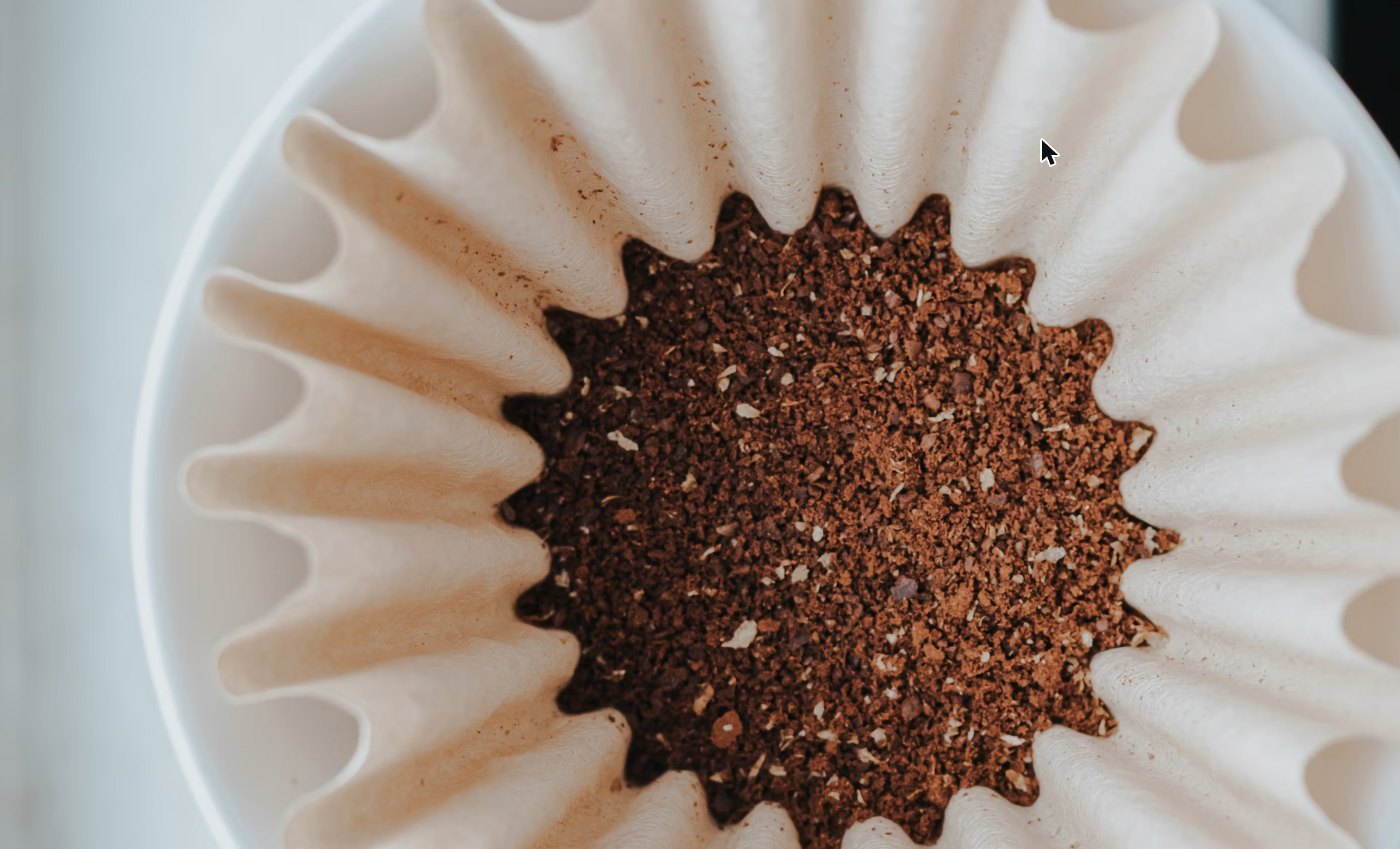
V60 Coffee: 6 Essential Steps to the Perfect Pour-Over
V60 coffee is today one of the most loved filter methods among specialty coffee fans. It was born in Japan. Its cone-shaped funnel and spiral ridges allow a level of control over extraction that few other methods offer. Let’s look at how to brew it step by step. Unlike the moka pot or espresso, V60 coffee highlights the most delicate part of the flavor profile. That makes it the ideal tool for tasting single-origin specialty lots. What Is a V60 Pour Over? Why Coffee Lovers Love It Short answer: a V60 pour over is filter coffee made by pouring hot water by hand, in slow circles, over ground coffee in a Hario V60 dripper. The water drips through a paper filter into your cup, giving a clean, bright and aromatic coffee. The V60 is a cone-shaped dripper designed by Hario in the 2000s. Its name comes from the 60-degree angle of its walls. The spiral ridges inside let air escape as the water flows down, so the flow never slows to a crawl. The result is a clean cup, with bright acidity and clearly defined aromatic notes. That’s why V60 coffee is the top choice for anyone who wants to truly taste the nuances of an origin. What You Need to Get Started Brewing a V60 coffee only takes a few basic tools. All you need is a dripper — like the classic Hario V60, available in ceramic, glass, or plastic — dedicated paper filters, a thin-spout kettle for precise pouring, a scale, and a timer. A burr grinder also helps, since it delivers a more even grind than a blade grinder. The Right Ratio: Coffee, Water, and Grind A good starting point is a 1:16 ratio between coffee and water. For example, 20 grams of coffee for 320 milliliters of water. The grind should be medium-fine, similar to granulated sugar. Water should sit between 90 and 96 degrees Celsius. Water straight off the boil works fine. Total brew time should land between two and a half and three and a half minutes. Step by Step: How to Brew It Rinse the paper filter with hot water. This removes the papery aftertaste and preheats the dripper. Add the ground coffee and level the surface. Pour in twice the water’s weight compared to the coffee (that’s the bloom, more on this below) and wait 30 seconds. Then pour the remaining water in circular motions, moving from the center outward, in two or three pours. Keep the water level steady and let all the liquid drain through before removing the dripper. The Bloom: The First Step That Makes the Difference The bloom is the stage when the freshly wet ground coffee releases the carbon dioxide built up during roasting. You’ll see the surface puff up and form small bubbles. If the coffee is fresh, the bloom will be more visible. With older coffee, the reaction will be weaker. Skipping this step leads to uneven extraction, with the risk of a watery or astringent cup. Common Mistakes to Avoid Pouring all the water at once prevents even extraction. A grind that’s too fine slows the flow and leads to bitterness. One that’s too coarse speeds it up and leaves the coffee watery. Water quality matters too. Water that’s too hard, or too low in minerals, changes the flavor. Finally, V60 coffee should be drunk within a few minutes of brewing, while the aromas and temperature are still at their best. V60 Recipe at a Glance Here is the whole method in one table. Use it as your starting point, then adjust one variable at a time. Coffee 15 g (one large mug) or 20 g (two cups) Water 240 g or 320 g Ratio 1:16 (try 1:15 for more body, 1:17 for a lighter cup) Grind Medium-fine, like granulated sugar Water temperature 90–96 °C (lighter roasts at the hotter end) Bloom 2× the coffee weight in water, 30–45 seconds Total brew time 2:30–3:30 minutes How to Dial In Your V60 by Taste Your tongue is the best brewing tool you own. Brew with the recipe above, taste the cup as it cools a little, and change only one thing for the next brew. Sour, thin or salty: the coffee is under-extracted. Grind a little finer or use slightly hotter water. Bitter, dry or harsh on the finish: the coffee is over-extracted. Grind a little coarser or shorten the brew. Drawdown much slower than 3:30: the grind is probably too fine, or the bed was disturbed too much and fines clogged the filter. Weak but not sour: the extraction may be fine, but the ratio is too diluted. Use 1–2 g more coffee for the same water. A useful habit is to note dose, grind setting and total time for every brew. After three or four cups you will know exactly where your grinder sits for each coffee. Ceramic, Glass, Plastic or Metal: Which V60 Should You Buy? The shape is the same, but the material changes how the dripper handles heat. Plastic is the cheapest and, perhaps surprisingly, keeps the brew temperature very stable, because it absorbs little heat. That is why many baristas use it in competitions. Ceramic looks beautiful and holds heat well once warm, but it needs a thorough preheat, otherwise it cools the first pours. Glass sits in between and lets you watch the bed. Metal heats up quickly and is almost unbreakable, which makes it good for travel. Size matters more than material: the 01 size is right for one or two cups, the 02 for one to four cups, and the 03 for larger batches. If you mostly brew for yourself, the 01 is the easiest to control. Two Famous V60 Techniques Worth Trying The 4:6 method. Created by Tetsu Kasuya, who won the 2016 World Brewers Cup with it. You split the water into five equal pours. The first 40% (two pours) shapes the balance between sweetness and acidity; the remaining 60% controls strength. It

Kenya AA Coffee: 5 Secrets of a Strikingly Bright Profile
Kenya AA coffee is one of the most loved origins in specialty coffee. “AA” isn’t a brand. It’s a grading code that, in Kenya, marks bean size. Often, not by chance, it also hints at quality. Let’s find out what makes this origin one of the most loved among specialty coffee fans. What Is Kenya AA: A Grade, Not a Variety In Kenya, green coffee grading is based on bean size. AA marks the largest beans, sifted through 17 and 18 screens. So it isn’t a botanical variety, but a size grade. The varieties actually grown are different: SL28, SL34, Ruiru 11, and Batian. Many large beans, though, come from well-tended plants picked at the right time. That’s why the AA grade has become, over time, a byword for superior quality. Where Kenya AA Coffee Grows: The Hills That Make the Difference Kenya AA coffee grows on the country’s central highlands (see Kenya on Wikipedia), between 1,500 and 2,200 meters above sea level. The climate is cool, the soil volcanic and mineral-rich. At these altitudes, the plant grows slowly. The cherries ripen gradually, building up the sugars and acids we later find in the cup. The farms often sit on terraces, among small family plots grouped into cooperatives. The Harvest: Only the Right Cherries Kenya AA coffee is harvested by hand and selectively. Pickers pass over the same plant several times, in different weeks, to gather only the cherries that are perfectly ripe. The rest stay on the branch, waiting for the next pass. It’s slow work that takes real experience. It’s also one of the reasons a coffee like this costs more than a commercial one. The Secret of Processing: Double Washed Almost all Kenyan coffee goes through the washed process. Kenya, in particular, is known for a variant called double washed. After the first fermentation, the beans are washed, then left to ferment a second time in clean water. This is one of the steps that makes Kenya AA coffee so distinctive. This double pass cleans the bean further. It sharpens the clarity of its acidity and brings out its fruity notes. A slow drying follows, on raised beds, in the shade, for weeks. In the Cup: Cherry Cola, Bergamot, and Toffee Kenya AA is easy to recognize by nose and palate. The acidity is bright, almost citrusy, with notes of bergamot and candied fruit. On the palate come the signature hint of cherry cola and a sweetness that recalls toffee. It’s a complex coffee, never flat, that keeps changing as it cools in the cup. It’s an experience worth comparing, for contrast, with a gentler origin like the Ethiopian Guji. How to Bring Out the Best of It at Home Kenya AA performs best with filter methods that respect its acidity, like pour-over. The moka pot, too, if brewed with care, can deliver a great cup. The key is not to roast it too dark. A medium roast lets the acidity and fruit that make this coffee unique come through. A good starting point is a 1:16 ratio between coffee and water, with a medium grind for filter and a finer one for the moka pot. Adjust the dose to your taste: more coffee means more body, more water brings out the acidic and floral side. Kenya Coffee Grades Explained: AA, AB, PB and More AA is only one step of the Kenyan grading ladder. Beans are sorted mainly by size and density, and each grade has its own code that you may see on a bag. Grade What it means E “Elephant” beans: very large, often irregular. Rare and usually sold separately. AA Large beans, screen size 17–18 (about 7 mm). The best-known grade abroad. AB Slightly smaller beans, screen size 15–16. The largest share of Kenya’s crop, often excellent and better value. PB Peaberry: a single round bean instead of two flat ones in the cherry. Prized for its dense, concentrated cup. C, TT, T Smaller or lighter beans and fragments, mostly used in blends. Remember: size is not flavor. An excellent AB from a top washing station can beat an average AA. The cupping score and the producer matter more than the letters. SL28, SL34, Ruiru 11 and Batian: Kenya’s Varieties SL28 and SL34 were selected in the 1930s by Scott Agricultural Laboratories in Nairobi, hence the “SL” in their names. They are the source of the intense, juicy, blackcurrant-like profile that made Kenya famous, but they are vulnerable to diseases such as coffee leaf rust and coffee berry disease. Ruiru 11, released in 1985, and Batian, released in 2010, were bred to resist those diseases. Batian in particular is appreciated for keeping much of the classic Kenyan cup quality. Many lots are a mix of these varieties. Main Growing Regions and Harvest Seasons The most celebrated Kenyan coffees come from the volcanic slopes around Mount Kenya and the Aberdare Range: Nyeri, Kirinyaga, Murang’a, Kiambu and Embu are names to look for on the label. Most coffee grows between roughly 1,400 and 2,000 meters above sea level. Kenya has two harvests: the main crop, usually from October to December, and a smaller “fly crop” around April to June. Most smallholders deliver their cherries to cooperative washing stations, called “factories” in Kenya. Much of the coffee is then sold through the Nairobi Coffee Exchange auction, although direct sales to buyers have become more common, which helps traceability down to the single washing station. Brewing Guide for Kenya AA Method Recipe What to expect V60 / pour-over 15 g coffee, 250 g water, 93–96 °C, medium-fine grind Bright, juicy, very aromatic Chemex 30 g coffee, 500 g water, medium-coarse grind Very clean, tea-like, great for sharing AeroPress 15 g coffee, 230 g water, 2 minutes steep Rounder body, softer acidity Espresso Medium roast, slightly longer ratio (about 1:2.5) Intense and fruity; a longer shot tames the acidity Kenya AA FAQ Is Kenya AA better than Kenya AB? Not automatically. AA only means larger beans. AA
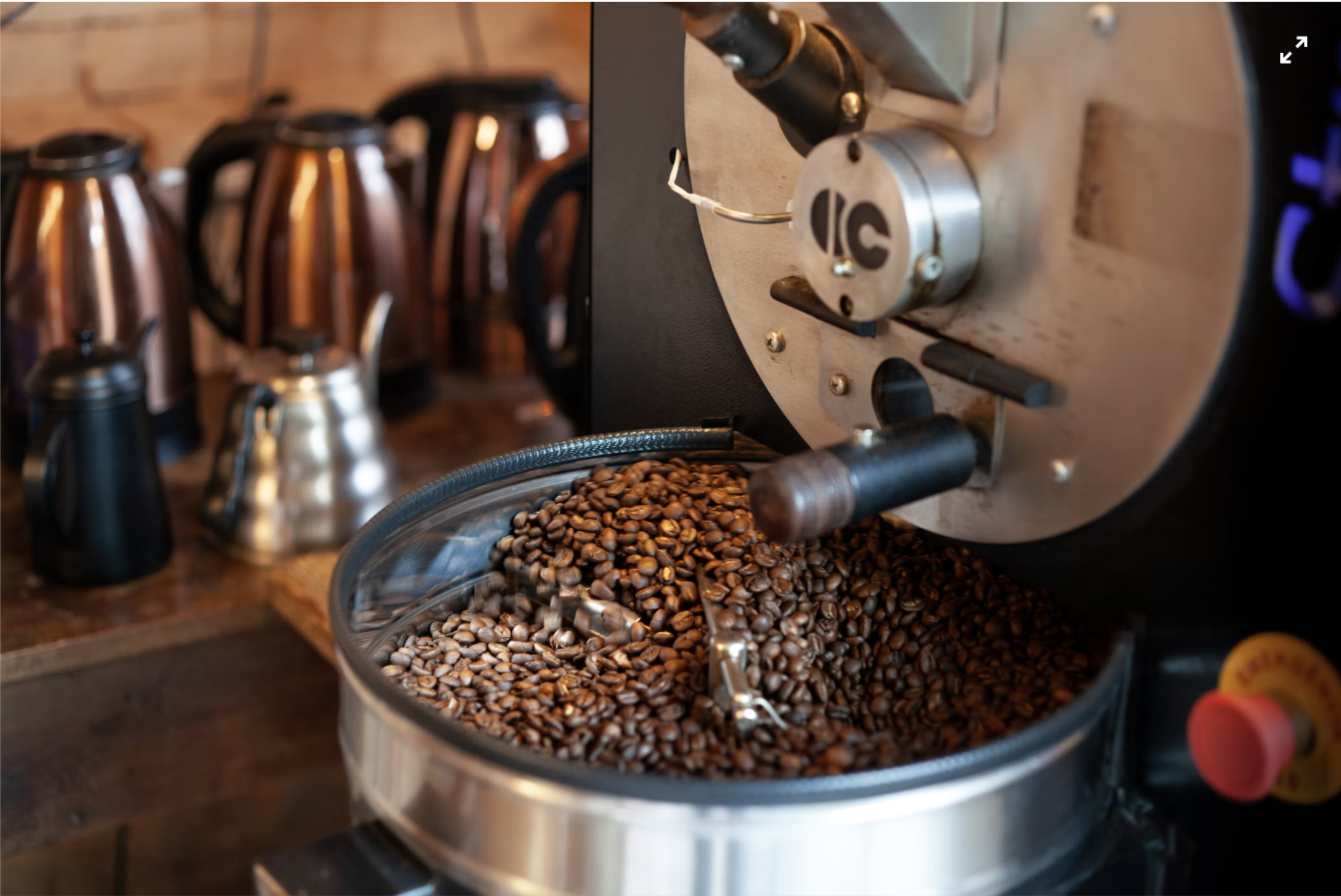
Light vs Dark Roast: 5 Surprising Differences
Two coffees, same origin, same roaster. One is light, sweet, almost fruity. The other is dark, dense, with notes of cocoa and burnt wood. The difference isn’t in the starting bean. It’s in the roast. Here’s the real light vs dark roast comparison: 5 essential differences, and why they matter for anyone who loves specialty coffee. What Really Happens During Roasting The green bean enters the drum at around 200 degrees Celsius. In just a few minutes, it changes color, volume, and chemical structure. Sugars caramelize, acids transform, oils rise to the surface. The roaster decides when to stop the process. Every extra minute changes the final flavor sharply. That’s why a good roaster tastes the coffee from every batch. They adjust the timing based on the bean, not just the color they see. Light vs Dark Roast: 5 Essential Differences 1. Color and Roasting Time Light roast stops early, just after the bean’s first “crack.” The color stays cinnamon or hazelnut. Dark roast goes further, past the second crack. The bean turns deep brown, sometimes almost black, with visible oils on the surface. 2. Sugars and Acidity A light roast keeps more natural sugars and more lively acidity. The taste recalls fruit, citrus, sometimes flowers. A dark roast burns off most of these sugars. Acidity drops, and in its place come notes of bitter chocolate, spice, and toasted wood. 3. Body and Mouthfeel The oils that rise with heat add body to the cup. A dark roast, as a result, often feels denser and more velvety on the palate. A light roast is lighter, almost tea-like in structure. You can find a technical explanation of the process in the Wikipedia entry on coffee roasting. 4. Caffeine Here’s the surprise. Roasting barely touches caffeine at all: it stays chemically stable at the temperatures a roaster reaches, even for a dark roast. What changes is density. Beans expand as they roast, so a darker bean is lighter and more swollen for its size. That means a lighter roast often packs slightly more caffeine per scoop or per gram than a darker one. It’s a common mix-up, and we touch on the same misconception in our article on storing coffee myths. 5. The Best Way to Drink It A light roast shines with filter methods, like V60 or Chemex, and also with cold brew: the acidity stays the star. A dark roast pairs better with espresso and the moka pot, where the full body holds up well under pressure or heat. We cover this in our guide to the perfect moka pot. Which Roast to Choose for Specialty Coffee When it comes to light vs dark roast, there’s no single “right” one. There’s the right one for the bean, for the brewing method, for your taste. An independent roaster knows this well. That’s why they treat each origin differently, and roast to order instead of mass-producing. The result is coffee meant to be drunk fresh, not left sitting on a shelf for months. How to Spot the Right Roast Before You Buy Look at the color of the beans on the bag or at the counter. A cinnamon or hazelnut color points to a light roast. A near-black color, with oils on the surface, points to a dark roast. Read the label too. A serious independent roaster always prints the roast date, not just the best-by date. This helps you understand how fresh the bean you’re about to buy really is. Ask for advice if you’re in a physical shop: whoever roasts the coffee knows their product well. Light, Medium and Dark Roast Compared Light Medium Dark Color Cinnamon, light brown Milk-chocolate brown Dark brown to almost black Surface Dry, matte Mostly dry Oily, shiny Roast stage Shortly after first crack Between first and second crack Into or past second crack Acidity High, lively Balanced Low Typical flavors Citrus, berries, florals, tea Caramel, nuts, milk chocolate, ripe fruit Dark chocolate, spice, smoke, roasted bitterness Best for Pour-over, AeroPress Almost everything: filter, moka, espresso Espresso with milk, moka, French press Common Roast Names and What They Mean Roast names are not standardized, so the same word can mean different things to different roasters. Still, some labels are common. Cinnamon and New England roasts are very light. City and City+ are light to medium. Full City is a medium-dark roast that just touches the second crack. Vienna, French and Italian roasts are progressively darker. Ironically, many specialty roasters in Italy today roast much lighter than the traditional “Italian roast”. How to Brew Each Roast Light roasts are harder to extract. Use hotter water (94–96 °C), a slightly finer grind and give them time. If the cup tastes sour, grind finer. Medium roasts are the most forgiving: start at 92–94 °C and standard recipes for your method. Dark roasts extract easily and turn bitter fast. Use cooler water (88–91 °C), a slightly coarser grind or a shorter brew. Freshness also changes with roast level. Light roasts often taste best one to four weeks after roasting, once they have released some gas. Dark roasts peak earlier and lose aroma faster, because their structure is more porous and their oils are already on the surface. Light vs Dark Roast FAQ Which roast has more caffeine? Almost the same by weight. Because dark beans are lighter and larger, a scoop of dark roast holds slightly less coffee, and so slightly less caffeine, than a scoop of light roast. Weighing your coffee removes the difference. Is dark roast stronger? It tastes stronger because of its bitterness and body, but strength in the cup depends on how much coffee you use, not on the roast level. Is light roast more acidic for the stomach? Light roasts taste more acidic, but tasting acidity and stomach comfort are not the same thing. Some people find darker roasts gentler, others notice no difference. If coffee bothers you, try different roasts and brewing methods and see what works for you. Which roast is
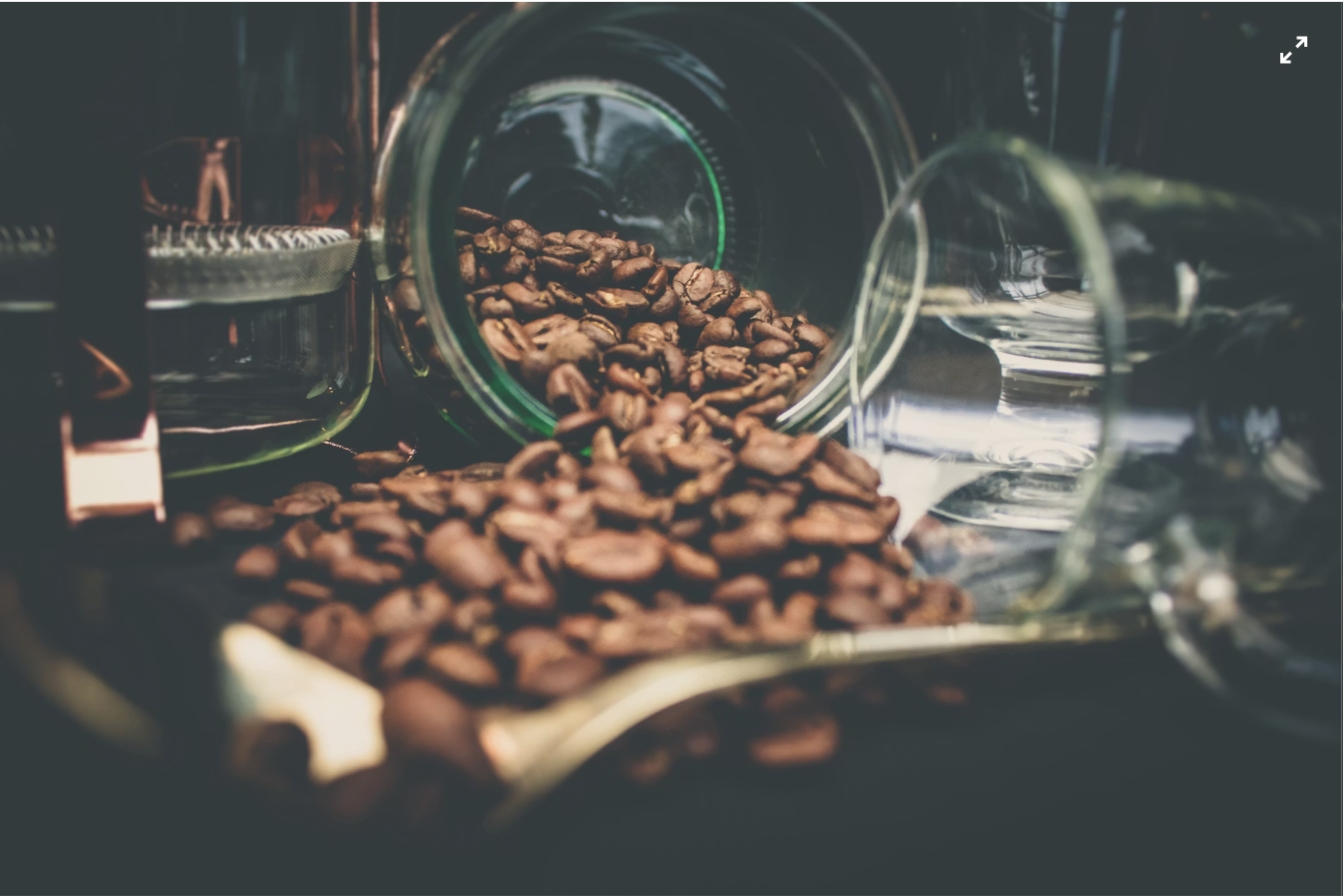
How to Store Coffee Beans: 5 Myths About Fridge, Freezer and Jars
Should you keep coffee beans in the fridge? Mostly no. The freezer can help, but only if you do it right. For most people, an airtight, opaque container in a cool cupboard is the best home for beans. Below, we sort the coffee storage myths from the facts, so your next bag tastes good down to the last cup. Few kitchen habits cause as many arguments as this one. Some people swear by the freezer. Others treat it as a crime. Both camps have a point, and both are often wrong. Here is what you will learn: why coffee goes stale, which storage advice holds up, and a simple routine that works at home. Why coffee goes stale Roasting changes a green seed into something full of aroma. Those aromas are fragile. Once the beans cool, three things start to wear them down. Oxygen. Air slowly reacts with the oils and aroma compounds in the bean. This is the main cause of stale, flat, cardboard-like flavor. Moisture and odors. Coffee is hygroscopic. That means it soaks up water and smells from its surroundings, like a sponge. Light and heat. Sun on a countertop or a spot near the oven speeds up all of the above. Fresh roasted beans also release carbon dioxide for days after roasting. That gas is normal, and we cover it in our guide to coffee degassing myths. The point for storage is simple: keep air, damp and light away from the beans. Every myth below should be judged by that rule. Myth 1: The fridge keeps coffee fresh It feels logical. Cold slows spoilage in milk and meat, so it should help coffee too. In practice the fridge is a poor place for beans. A fridge is damp and full of strong smells. Beans pull in both. Several sources warn that moisture from the fridge can hurt flavor and, in the worst case, lead to spoilage. The National Coffee Association guidance on storing coffee also points to cool, dry, airtight storage as the goal. There is a second problem. Each time you open the container, warm kitchen air meets cold beans. Water then forms on the cold surface. That tiny bit of condensation is exactly what you do not want. Verdict: Myth. Skip the fridge for whole beans and for ground coffee. Myth 2: Never freeze coffee This is the opposite myth, and it is also too simple. Freezing slows the chemical changes that make coffee stale. Some tests suggest it works well. Cook’s Country reported that after one month, beans stored in the freezer tasted better than beans left on the counter. You can read their coffee storage test for the details. Consumer Reports also says the freezer beats the fridge for long storage, as you can see in its guide to storing coffee beans. The catch is how you freeze. Opinions differ, and some manufacturers still advise against it. The safe approach looks like this: Freeze only if you will not finish the bag within a few weeks. Split the bag into small portions, enough for about one week each. Use airtight containers or well-sealed bags with the air pressed out. Take out one portion at a time. Let it come to room temperature in its sealed container before you open it. Never refreeze beans once they have thawed. That sealed thaw matters. If you open a frozen container right away, moisture from the air settles on the cold beans. Verdict: Partly true. The freezer is a tool for long-term storage, not a daily home for your beans. Myth 3: A pretty glass jar is fine Glass jars look great on an open shelf. They also let in light. A jar that is clear, half full and sitting next to the kettle is a slow way to ruin good coffee. Two problems stand out. First, light. Second, empty space. A half-empty jar holds a lot of air, and air is what stales coffee. If you love glass, put it inside a cupboard. Better still, pick a container that fits the amount of coffee you actually have. Verdict: Half true. Glass is fine if it seals well and stays in the dark. Myth 4: Vacuum or nothing Fancy vacuum canisters are nice, but you do not need one. The bag your roaster sells is often a good start. Many bags have a one-way valve. It lets carbon dioxide out and keeps air from coming back in. A simple habit helps more than any gadget: squeeze out the air, roll the top down, and close it tight. Or move the beans to a small airtight tin that they fill almost to the top. Verdict: Myth. A good seal matters. A pump is optional. Myth 5: Pre-ground keeps as well as beans Grinding breaks the bean into hundreds of tiny pieces. Each piece has more surface touching the air. So ground coffee loses aroma much faster than whole beans. If you can, grind just before you brew. A hand mill makes this easy, and our list of the best manual coffee grinders is a good place to start. If you must buy pre-ground, buy less, more often, and seal it tightly. Verdict: Myth. Whole beans stay fresh for longer. Quick comparison: where to keep your beans Place Good for Main risk Pantry or cupboard, airtight and dark Beans you will finish in a few weeks Heat if it is near a stove Countertop in a clear jar Looks only Light, heat and extra air Fridge Nothing in particular Moisture, odors, condensation Freezer, small sealed portions Long storage of a spare bag Condensation if opened too early; refreezing A simple storage routine Here is a routine that works for most home brewers. It takes five minutes a week. Buy fresh roasted beans in amounts you can finish in two or three weeks. Keep the working portion in an airtight, opaque container in a cool cupboard. Keep the container away from the stove, the kettle and sunny windows.

The History of the Moka Pot: 5 Surprising Facts About Italy’s Coffee Icon
There’s almost always a moka pot ready on the stove in Italian homes. Few objects capture our country’s identity as well as this small aluminum coffee maker. But how was it born? And why, nearly a hundred years later, does it remain such a powerful symbol? Let’s trace the history of the moka pot, from its origins to today. It’s a story made of simple insights and design choices that have stood the test of time. What is a moka pot? Short answer: a moka pot is a stovetop coffee maker from Italy. Water in the bottom chamber heats up, and steam pressure pushes it up through the ground coffee into the top chamber. Alfonso Bialetti launched the first model, the Moka Express, in 1933, based on a design by Luigi De Ponti. 1933: An Idea Born While Watching the Laundry The history of the moka pot begins in 1933 in Crusinallo, a town on Lake Orta, in Piedmont. Alfonso Bialetti had just returned to Italy after years spent in France as an aluminum caster. He watched his wife doing laundry with the lisciveuse. It was a large pot with a central tube. Boiling water rose up the tube and fell back onto the clothes, washing them with the pressure of steam. Bialetti had the insight to apply the same principle to coffee. Together with inventor Luigi De Ponti, he patented a three-chamber system. There was the boiler with the water, the filter with the ground coffee, and the upper collector where the drink rose. The moka pot was born, even though at the time no one imagined how iconic it would become. Why It Has That Octagonal Shape The octagonal shape isn’t a random aesthetic detail. The flat faces gave a firmer grip. They also helped with hands wet or damp with steam. The design echoes the lines of Art Deco and 1930s Italian Futurism, movements that also shaped kitchenware of the era. Even the name has a curious story. It pays homage to Mokha, a port city in Yemen, for centuries the starting point of the coffee trade to Europe. A small tribute to the distant origins of a drink Italy would go on to make its own. From the Postwar Years to the Boom in Italian Kitchens In the history of the moka pot, commercial success came later, thanks to Renato Bialetti, Alfonso’s son. After World War II, Renato saw the object’s potential. He turned it into a mass-market product. Sales took off in the 1950s and 60s. There was also an advertising campaign that became legendary, featuring the famous mustachioed little man drawn by Paul Campani. From then on, the moka pot became a fixture in millions of homes. It became a daily ritual before it was even seen as just a brewing method. The gurgle on the stove, the wait, the smell that fills the kitchen: gestures repeated for generations. Moka Pot and Café: Two Parallel Paths While the moka pot became the star of home kitchens, another revolution was taking hold in Italian cafés. Professional espresso machines arrived, able to extract coffee in seconds thanks to pressure. These are two different stories, but parallel ones. Both are born from the same ambition: to make coffee faster, more intense, more accessible. If you want to follow that path too, we’ve covered the main milestones in our guide to the history of Italian espresso. The Moka Pot Today: Tradition Meets Specialty Coffee Today the moka pot lives alongside more modern methods, from the V60 to cold brew. But it remains unbeatable for anyone after a full-bodied, almost creamy coffee. It only takes a few steps and no complicated equipment. Brew a specialty coffee, ground correctly. Don’t let the water reach a violent boil: that way, the moka pot delivers nuances in the cup that surprise even the most demanding palates. Want to avoid the most common mistakes? You’ll find all the tips in our guide to the perfect moka pot. Prefer a cold method instead? We’ve also written a dedicated guide to cold brew at home. How a Moka Pot Actually Works The moka pot is a small piece of physics on your stove. As the water in the bottom chamber heats up, the air and steam above it expand and build pressure, roughly 1 to 1.5 bar. That pressure pushes the hot water up through the funnel, through the coffee grounds and into the upper chamber. It is far below the about 9 bar of an espresso machine, which is why moka coffee is strong and rich but has little crema. The safety valve on the boiler releases pressure if the filter is blocked, a detail that has stayed in the design since the beginning. Moka Pot Sizes Explained Moka pot “cups” are small espresso-style cups, not mugs. A moka pot is designed to be filled completely with coffee, so choose the size you will actually brew. Size Approx. coffee yield Good for 1 cup about 50–60 ml One short coffee 3 cups about 130–150 ml One person, or two short coffees; the most popular size 6 cups about 250–300 ml Two to three people, or one large mug with milk 9 cups about 400–450 ml Small families 12 cups about 550–650 ml Groups and guests Exact volumes vary by model and brand, so check the manufacturer’s information. From Aluminum to Steel and Induction The classic Moka Express is made of aluminum, which heats quickly and evenly. Aluminum does not work on induction hobs, so today there are stainless-steel moka pots and models with a magnetic steel base designed for induction. Steel pots are heavier and take a little longer to heat, but they are easier to keep shiny and are dishwasher-tolerant in many cases. Whatever the material, the principle invented in 1933 is exactly the same. Who really invented the moka pot? Most sources say the moka pot was designed in 1933 by the engineer Luigi De Ponti, and that Alfonso Bialetti, an
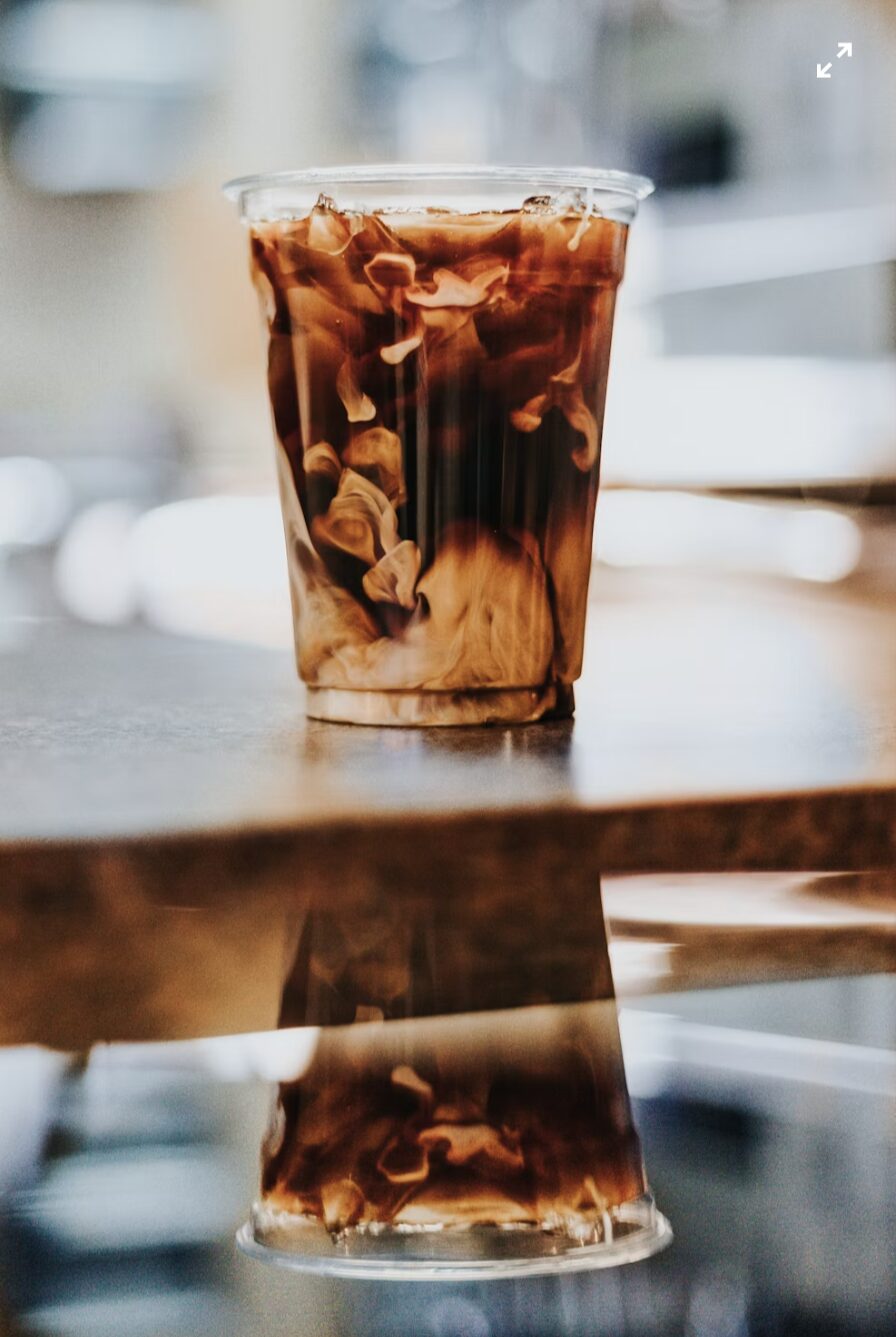
Cold Brew Coffee: The Ultimate 5-Step Guide to Specialty Iced Coffee at Home
When temperatures rise, hot coffee loses ground. But settling for average iced coffee would be a shame, especially if you have a carefully chosen specialty coffee in your pantry. The answer is cold brew coffee: a slow-infusion method that brings out sweetness and fruity notes without ever touching heat. Here’s how to make it at home, step by step. What Is Cold Brew Coffee (and Why It’s Not Just Iced Coffee) Cold brew coffee is an infusion of ground coffee steeped in cold or room-temperature water, left to rest for several hours. No heat, no rush: just time doing the work. The result is a drink that’s less acidic than iced shaken espresso. It has a smooth body and a natural sweetness that comes straight from the bean. It’s the ideal method for showcasing high-quality specialty coffee. Without heat, bitter notes fade and the origin’s true profile comes through. Why Cold Brew Coffee Makes Specialty Beans Shine With a commodity coffee, this method is still enjoyable. With a specialty lot, maybe honey- or natural-processed, the difference is much more noticeable. The slow infusion draws out sugars and aromas gently, without pulling out the bitterness that heat often brings forward. Not sure how processing method changes the flavor in your cup? You’ll find all the details in our deep dive into washed, honey and natural processing. Understanding the origin helps you pick the right bean here too. How to Make Cold Brew Coffee at Home: A 5-Step Guide 1. Choose a Coarse Grind Start with specialty coffee ground coarse, similar to what you’d use for a French press. A grind that’s too fine makes filtering difficult and can leave you with a cloudy, bitter brew. 2. Get the Coffee-to-Water Ratio Right For a ready-to-drink brew, use a ratio of about 1:8 coffee to water (one gram of coffee for every 8 ml of water). If you’d rather make a concentrate to dilute later with water, ice, or milk, you can go up to 1:5. 3. Let It Steep for the Right Amount of Time Pour cold filtered water over the ground coffee, stir gently, and cover the container. Let it steep in the fridge for 12 to 16 hours. Choose a shorter time for a lighter taste, or go up to 18-20 hours if you want an intense, full-bodied extraction. 4. Filter Slowly, in Two Passes Filter first through a fine-mesh strainer to remove the largest grounds. Then pass the liquid through a paper or cloth filter. This second pass is what makes the difference between a clear brew and a cloudy one. If you’d rather skip the two-step filtering, a dedicated pitcher like the Hario Mizudashi Cold Brew Coffee Maker comes with a built-in filter that handles both passes for you. 5. Store and Serve Store the finished cold brew coffee in the fridge, in a sealed glass bottle, for about 10-14 days. Serve it over ice, diluted with water or milk, or straight if you made the concentrated version. Cold Brew Coffee vs. Iced Shaken Espresso: What’s the Difference? Iced shaken espresso starts with hot espresso rapidly cooled with ice: quick, but more acidic and less delicate. Cold brew coffee, on the other hand, never touches heat. It’s made for people who have time to wait, in exchange for a rounder taste. Would you rather stick with the traditional hot method? Our guide to the perfect moka pot shows you how to avoid wasting good specialty coffee, even hot. Curious where this iconic object comes from? We’ve also told the story of the moka pot. Three Mistakes to Avoid What You Need to Make Cold Brew Cold Brew Variations to Try Cold Brew FAQ Does cold brew have more caffeine? The concentrate does, but once you dilute it a glass of cold brew usually has a caffeine content similar to a mug of filter coffee. It depends entirely on your ratio. Read more in our article on caffeine myths. Is cold brew less acidic? It tastes smoother, sweeter and less sharp, because cold water extracts fewer of the compounds that we perceive as bitter and acidic. Measured differences in pH are small, but the cup is perceived as rounder and gentler. Can I heat cold brew? Yes. You can warm the diluted cold brew gently for a smooth hot coffee, but avoid boiling it, which brings out bitterness. Which grind should I use? A coarse grind, similar to the one for a French press. A finer grind makes filtering hard and the coffee muddy and bitter. Our coffee grind size guide shows the difference. Is cold brew stronger? The concentrate is strong, but you dilute it. The final drink depends on your ratio. Is it less acidic? Many people find it smoother and softer than hot coffee. Taste is personal, so try it and see. Which Specialty Coffee to Start With For your first experiments, choose an origin with mild acidity and sweet notes, like a honey- or natural-processed lot. These beans hold up well to a long steep. They deliver a cold, balanced cup without overly sharp acidity. As you gain experience, you can also try more delicate, washed lots. You’ll discover floral notes that emerge in a surprising way when cold. Cold Brew Tips for a Better Cup Which Coffee Works Best? Sweet, chocolatey coffees shine in cold brew. Medium roasts from Brazil, Colombia or Guatemala are safe choices. Fruity Ethiopian coffees can also be lovely, with a juicy, tea-like taste. IndieRoastersItaly was born to bring specialty coffee from independent roasters into Italian homes. It’s roasted to order and well suited to methods like cold brew too. The project is currently launching. Visit our homepage to join the waitlist. You won’t miss the opening of subscriptions. Keep reading: AeroPress Coffee: The Complete Guide to a Perfect Brew in 7 Steps · Cold brew myths debunked · Japanese iced coffee (flash brew) recipe This article was written with the support of artificial intelligence for content structuring, and
Guji Coffee: 5 Secrets Behind an Ethiopian Origin Worth Discovering
Quick answer: Guji is a coffee-growing area in the Oromia region of southern Ethiopia, and also the name of the coffee style that comes from it. It is one of the oldest coffee-growing areas in the world. Guji coffee comes from one of Ethiopia’s most fascinating regions. It grows at high altitude. It’s picked by hand. It’s processed almost always with the natural method. Here’s how this origin, much loved by specialty roasters, comes to be, step by step. Guji Coffee, Explained Simply Guji is an area in the Oromia region, in southern Ethiopia. It’s one of the oldest coffee-growing areas in the world. The plant has grown here for centuries, often wild in the forests. The name refers to both the place and the style of coffee that comes from it. For years, Guji coffee was sold together with the neighboring Sidamo. Only recently has it earned recognition as its own origin. Today it’s in high demand among specialty roasters worldwide. Where It Grows and Why Altitude Matters Guji’s plantations often sit above 2,000 meters. Some villages, like Sakicha, reach as high as 2,200 meters. At these altitudes, the cherry ripens more slowly. It develops more sugars and more aromatic compounds. That’s one reason mountain-grown coffees are often more complex in the cup. How Guji Coffee Is Grown In Ethiopia, coffee often grows in what are called “coffee gardens.” Here, the plants share the land with banana trees, spices, and other crops. This system provides natural shade. It protects the plant from direct sun and sudden temperature swings. Planting density stays low, from 1,000 to 1,800 plants per hectare. Farmers feed the soil in a natural way, with no synthetic chemicals. Many plants belong to “heirloom” varieties. These are native Ethiopian populations that are hard to classify precisely. But they are responsible for the amazing range of flavors in these coffees. Read next: Ethiopian Yirgacheffe Coffee: 7 Secrets of a Floral, Surprising Origin · Single Origin Coffee Myths: 6 Surprising Truths About Blends · Arabica Coffee Varieties: 5 Differences Between Typica, Bourbon and Caturra How It’s Harvested Harvesting in Guji is almost always done by hand. Pickers select only the ripe cherries, one at a time. This takes more time and more labor than mechanical harvesting. But it gives a steadier result in the cup. How It’s Processed: The Natural Method Guji is known above all for natural processing. Whole cherries dry in the sun, on raised beds or patios. The process takes several weeks. During this time, the sugary pulp stays in contact with the bean. It transfers sweetness and intense fruity notes: red fruit, sometimes almost wine-like. It’s the same processing method described in our deep dive into washed, honey and natural processing. Here, it’s applied to one specific origin. Some producers also experiment with anaerobic variants. The bean ferments in sealed containers, without oxygen. The result is even bolder, more unusual flavors. The Cup Profile A well-processed Guji coffee offers a complex but balanced profile. In the cup you’ll often find notes of berries, sweet citrus, and an almost wine-like finish. The body is medium. The acidity is lively but never harsh. It’s a coffee that works well both as filter and as espresso, depending on the roast. Guji Coffee at a Glance Region Guji Zone, Oromia, southern Ethiopia Well-known areas Hambela, Shakiso, Uraga, Odo Shakiso Altitude Often 1,800–2,300 m above sea level Varieties Ethiopian “heirloom”: local landraces and research selections such as 74110 and 74112 Processing Natural (most famous) and washed Harvest Roughly October/November to January Typical cup Naturals: blueberry, strawberry, tropical fruit, winey sweetness. Washed: jasmine, peach, lemon, tea-like Guji vs Yirgacheffe vs Sidama These three southern Ethiopian names often sit side by side on specialty menus. Yirgacheffe is the most famous for washed coffees with delicate florals and citrus. Sidama is a large region with a wide range of styles, often balanced and sweet. Guji, which for years was sold under broader names before becoming a recognized trade name of its own, is especially loved for intense, fruity naturals and juicy, sweet washed lots. If you like berry-forward coffees, Guji naturals are among the best places to start. Read our full guide to Ethiopian Yirgacheffe coffee. How to Brew Guji Coffee Pour-over (V60, Chemex): about 1:16, water at 93–96 °C. The best way to taste its fruit and florals clearly. AeroPress: 15 g coffee, 230 g water, about 2 minutes. Rounder and sweeter, great for naturals. Espresso: a light-medium natural Guji makes a fruity, almost jammy shot; try a slightly longer ratio (1:2.2–1:2.5) to soften the acidity. Cold brew: natural Guji gives a sweet, berry-like cold brew that needs no sugar. Guji Coffee FAQ Why does natural Guji taste like blueberries? During natural processing the bean dries inside the whole cherry for weeks. Sugars and aromatic compounds from the fruit and the fermentation influence the bean, creating berry and wine-like notes. Nothing is added: it is all from the coffee itself. What does “heirloom” mean on an Ethiopian bag? It is a general term for Ethiopia’s huge diversity of native coffee plants. A single lot may contain several local varieties and selections, which is part of the reason Ethiopian coffees taste so complex. Is Guji coffee good for beginners? Yes, especially a natural Guji brewed as filter or AeroPress. Its sweetness and obvious fruit notes make it an easy, “wow” introduction to specialty coffee for many people. What does Guji mean? Guji is a place and a people. It is the name of the Guji Zone in the Oromia region of southern Ethiopia, home of the Guji Oromo people. On a bag of coffee, “Guji” tells you the origin zone, much like a wine region on a label. Is Guji the same as Yirgacheffe? No. Both are in southern Ethiopia, but they are different zones with their own farms, altitudes and styles. How should I store it? Keep the beans in a sealed bag away from light, heat and moisture. Grind only