
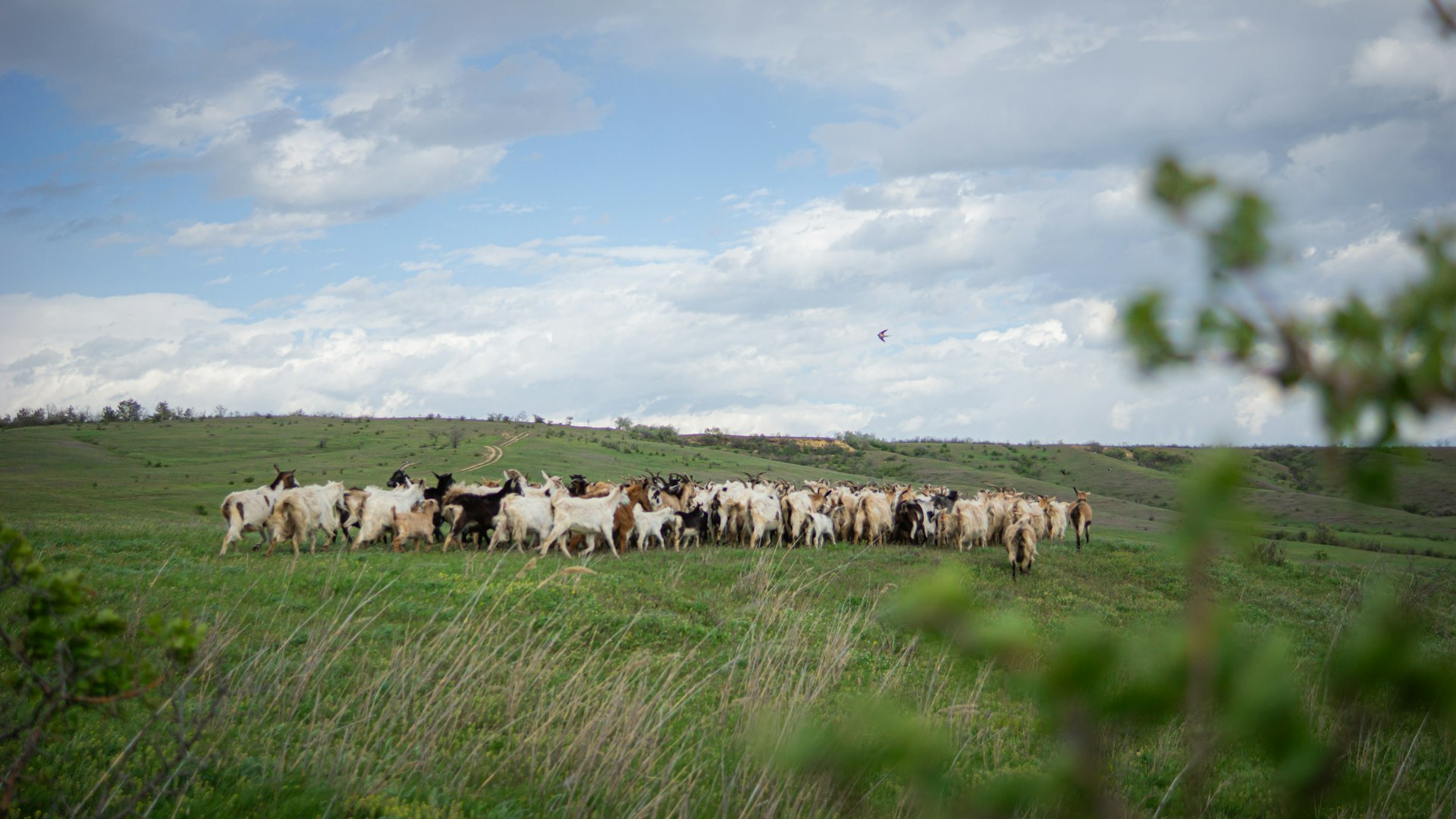
Every cup of coffee tells an old story. The most famous one is about an Ethiopian goat herder, his goats, and a discovery that changed the world. This is the legend of Kaldi. In this article, we look at where this legend comes from. We’ll see how the coffee plant may have spread, and what the most trusted history tells us. The Legend of Kaldi: Dancing Goats on the Ethiopian Highlands The legend goes back to around the 9th century. It tells of a young goat herder named Kaldi. He lived on the Kaffa plateau, in Ethiopia. One day he noticed something strange in his herd. His goats seemed full of energy. They jumped and “danced” without stopping, even at night. Kaldi watched them closely. He saw them eating red berries from an unknown shrub. Curious, Kaldi tried the berries himself. He felt a strange burst of energy right away. He decided to bring a basket of them to the nearest monastery. The Monk, the Fire, and the First Roasted Coffee At the monastery, the reaction wasn’t good. One monk called the berries the devil’s work. He threw them straight into the fire without a second thought. A surprising smell rose from the fire. The monks were struck by the strong aroma. They pulled the now-roasted beans out of the embers. They dissolved the beans in hot water to keep them longer. That’s how the first coffee-like drink we know today was born, by accident. The monks began drinking it to stay awake during night prayers. What History Really Says (Beyond the Legend) From Ethiopia to Yemen Historians agree on one point. The coffee plant, Coffea arabica, comes from the forests of Ethiopia. Wikipedia gathers the different versions of the legend of Kaldi along with the most trusted historical sources. From Ethiopia, the beans reached Yemen, across the Red Sea. There, around the 15th century, the first organized farming began. Yemeni Sufis used coffee to stay awake during spiritual practice. Spreading Through the Arab World From Yemen, coffee soon reached Mecca, Cairo, and Damascus. The first “qahveh khaneh,” or coffee houses, were born. They were places for meeting, music, and talk. From there, coffee finally reached Europe in the 1600s. One of the first European coffee houses opened in Venice. Read more in our article on the first coffee houses in Europe. Where the Kaldi Story Was First Written Down One detail surprises most people: the legend of Kaldi is not an ancient Ethiopian text. The earliest known written version appears in Europe, in 1671, in a Latin treatise on coffee by Antoine Faustus Nairon, a Maronite scholar teaching in Rome. He told the story of the goatherd and the monks to explain where the drink came from. That is almost a thousand years after the events the legend describes, which are usually placed around the 9th century. So the story may preserve an older oral tradition, or it may have been polished along the way to please European readers who were just falling in love with coffee. We simply don’t know. Other Legends About the Origin of Coffee Kaldi is not the only candidate. In the Arab world, another story was told for centuries: that of Sheikh Omar, a healer from Mocha, in Yemen. Exiled to the mountains, hungry, he found red berries and tried to eat them, but they were bitter. He roasted them, then boiled them, and drank the brown liquid that came out. It gave him so much energy that his exile was lifted, and he was honoured as a saint. Both legends share the same idea: coffee was discovered by chance, by someone who noticed its energizing effect. And both point to the same region: the two sides of the Red Sea, Ethiopia and Yemen, which is exactly where history places the beginning of coffee. Where the Word “Coffee” Comes From The word travelled with the drink. It starts with the Arabic qahwa, became kahve in Turkish, then caffè in Italian and koffie in Dutch, before reaching English as “coffee” in the late 16th and 17th centuries. Some people link the name to Kaffa, a region in south-western Ethiopia where wild coffee grows. It’s a nice idea, but most scholars consider the Arabic origin more likely. Coffee and Ethiopia Today The legend lives on in a very real place. Ethiopia is still one of the world’s great coffee countries and the largest producer in Africa. Its forests hold a huge genetic diversity of wild arabica, a precious resource for the future of coffee as the climate changes. Regions like Yirgacheffe, Sidamo and Guji are famous among specialty coffee lovers; read our profiles of Ethiopian Yirgacheffe and Guji coffee. Coffee is also part of daily life through the coffee ceremony. The green beans are roasted in a pan in front of the guests, ground by hand and brewed in a clay pot called a jebena. It’s served in three rounds and can take an hour or more. It’s a moment of hospitality, conversation and respect, a long way from an espresso drunk standing at the bar. From Kaldi to Espresso: A Short Timeline When What happened Around the 9th century (legend) The traditional date given to the story of Kaldi and his goats, with no historical evidence 15th century First reliable evidence of coffee drinking, among Sufi communities in Yemen 1511 Coffee is briefly banned in Mecca 16th century Coffee houses spread across the Ottoman world, including Istanbul 17th century Coffee reaches Venice and the first European coffee houses open 1671 Antoine Faustus Nairon publishes one of the first written versions of the Kaldi story 1884 Angelo Moriondo patents an early espresso machine in Turin You can follow the next chapters in our articles on the first coffee houses in Europe and the history of espresso. The Legend of Kaldi: FAQ Was Kaldi a real person? There is no historical evidence that Kaldi existed. The story appears in writing only centuries after the events it
Chemex Coffee: 5 Essential Steps to a Flawless Filter Brew
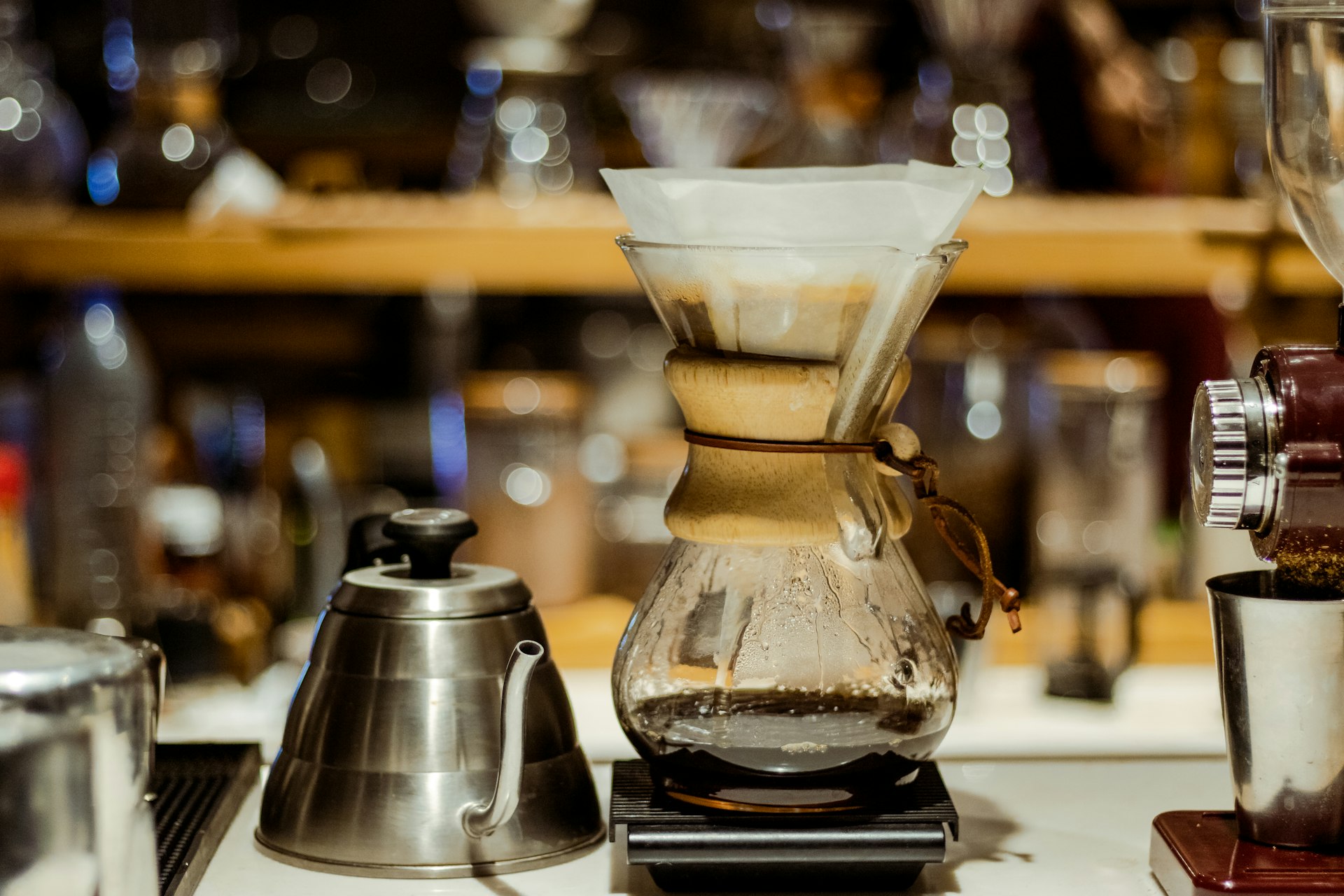
Chemex coffee is a filter brewing method born in 1941. Its inventor was German chemist Peter Schlumbohm. Since then, it has become an icon of specialty coffee. In this article, we look at what you need to use it. We’ll cover the basic recipe and the steps for a clean, balanced brew. What Is a Chemex, and Why Is It Different The Chemex is a glass, hourglass-shaped carafe. It has no plastic or metal parts touching the coffee. Its design is part of the permanent collection at MoMA in New York. The filter is the real secret of this method. It’s much thicker than a normal filter. It traps the coffee’s oils and gives you a clean, light cup. Wikipedia tells the full story of this brewing method. Washed, floral origins pair well with this method. A full-bodied coffee, like Sumatra Mandheling, works better with a moka pot or French press. What You Need to Make Chemex Coffee You need just a few key tools: a 3-, 6-, or 8-cup Chemex (a 6-cup bundle already comes with the original thick paper filters), a kitchen scale, a grinder with a coarse setting, and a gooseneck kettle. The kettle helps you pour water with precision. The Basic Recipe: Ratio, Temperature, and Time For Chemex coffee, the standard ratio is 6 grams of coffee for every 100 ml of water. For a 500 ml Chemex, you need 30 grams of coffee. The grind should be medium-coarse, like coarse salt. Find a full guide in our article on coffee grind size. The ideal water temperature is around 94°C (201°F). Total brew time is about 3-4 minutes. If the coffee drains too fast, the grind is too coarse. If it drains too slow, make the grind coarser. 5 Steps to a Perfect Brew Step one: fold the filter and rinse it with hot water. This removes the paper taste and warms up the glass. Step two: pour the ground coffee into the filter. Level the surface with a light shake. Step three: pour a small amount of water to wet all the coffee. Wait 30-45 seconds. This stage is called the bloom, and it releases gas from the coffee. Step four: pour the rest of the water in slow, steady circles. Start from the center and move out toward the edges. Avoid pouring straight onto the paper filter. Step five: wait until all the water has filtered through. Remove the filter and serve the coffee right away. The Chemex cleans easily with hot water after each use. Skip scented soap: it can leave odd smells in the glass. With the right care, this carafe lasts for years and always gives you the same clean cup. Common Mistakes to Avoid The first mistake is the wrong grind. A grind that’s too fine clogs the filter. A grind that’s too coarse makes weak coffee. The second mistake is pouring the water too fast. The flow should stay slow and steady. A good comparison is the V60, another filter method that needs the same care when pouring. The third mistake is using coffee ground too long ago. Coffee loses aroma within a few weeks. It’s best to grind it right before brewing. One last tip is about water. Always use filtered or low-mineral bottled water. Water that’s too hard changes the flavor of your Chemex coffee and hides its more delicate notes. With these tips, your cup will always be balanced. Chemex Recipes by Size The Chemex comes in several sizes. You don’t need to fill it to the top: keep the 6 g per 100 ml ratio and scale the recipe to how many people you are brewing for. Model Coffee Water Serves Approx. total time 3-cup 20 g 330 ml 1–2 mugs 3–3:30 min 6-cup 30 g 500 ml 2–3 mugs 3:30–4 min 6-cup (full) 40 g 650 ml 3–4 mugs 4–4:30 min 8 or 10-cup 50–60 g 830–1,000 ml 4–6 mugs 4:30–5:30 min Larger batches take longer simply because there is more coffee in the filter. If a big brew runs much beyond five and a half minutes, grind a little coarser. Chemex Filters: Folding, Types and Alternatives Chemex paper filters are noticeably heavier than standard filter papers, and they are the main reason for the method’s clean, tea-like cup. Place the filter so that the side with three layers of paper faces the pouring spout. The thicker side keeps the filter from collapsing into the spout and lets air escape while the coffee drains. White (bleached) filters give the most neutral taste after rinsing and are the most common choice. Natural (unbleached) filters can leave a slight papery note, so rinse them generously. Pre-folded squares or half-moons brew the same way; it is only a matter of convenience. Reusable metal or cloth filters let more oils into the cup, giving more body but a less clean, less “Chemex-like” result. Troubleshooting Your Chemex The coffee stops draining halfway: the filter may be sealed against the spout, creating an airlock. Make sure the triple layer sits on the spout side. The brew takes more than six minutes: the grind is too fine, or the coffee contains a lot of fine dust. Go coarser. The cup tastes thin and sour: the grind is too coarse or the water too cool. Go a little finer and use water just off the boil. The cup tastes papery: rinse the filter longer with hot water, then discard the rinse water. How to Clean a Chemex Rinse the carafe right after use, then wash it with warm water, a drop of washing-up liquid and a long bottle brush. Coffee oils slowly leave a brown film on the glass; a soak in warm water with a little white vinegar or a coffee descaler removes it. If your model has the wooden collar and leather tie, remove them before washing, and never put them in the dishwasher. Chemex FAQ How long should a Chemex brew take? Between three and a half and
Sumatra Mandheling Coffee: 6 Things to Know About a Surprising Origin
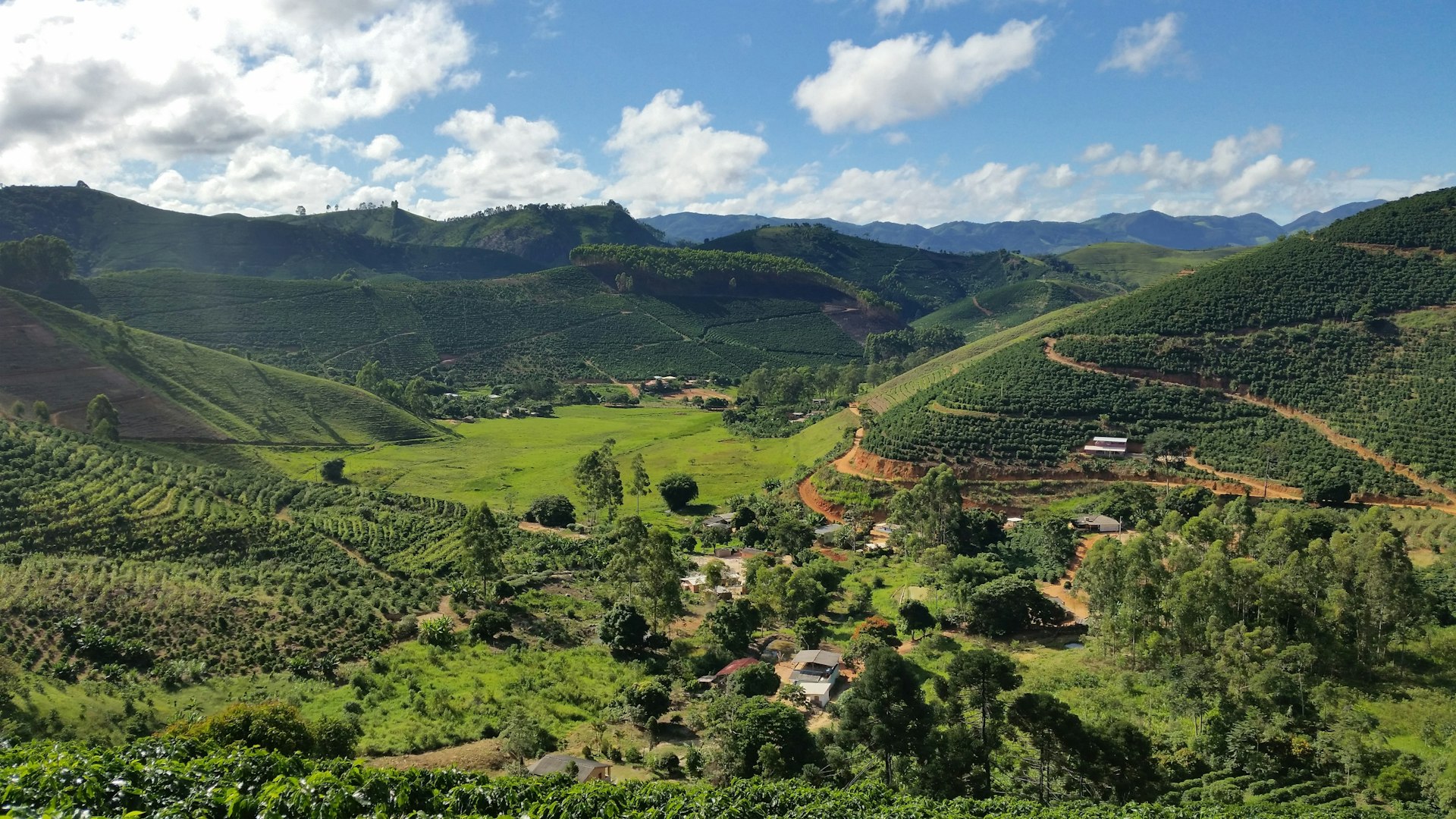
Sumatra Mandheling coffee grows on the volcanic mountains of North Sumatra, in Indonesia. You can spot it on the first sip. It has a thick body and earthy notes. Its secret is called giling basah. This is a processing method found nowhere else in the world. In this article, we look at where this coffee comes from. We’ll see how it’s grown and processed. We’ll understand why its cup profile is so different from a classic washed coffee. What Is Mandheling Coffee? Short answer: Mandheling is a trade name for Arabica coffee from the island of Sumatra, in Indonesia. The name comes from the Mandailing people of North Sumatra. Most Mandheling is wet-hulled, a local method called giling basah. That gives the cup its famous traits: full body, low acidity and earthy, spicy, chocolate notes. It is a name of trade, not a single farm or village. So two bags of Mandheling can taste quite different. The roast date, the exporter and the grade all matter. Where Sumatra Mandheling Coffee Comes From The name “Mandheling” points to an ethnic group in North Sumatra. It’s not a botanical variety. The plants grow between 900 and 1,500 meters above sea level. The soil is volcanic and rich in minerals. The climate is humid and tropical. Rain falls often, all year round. Growers are often small family farms. Each plot holds just a few thousand plants. They grow alongside banana trees and other shade plants. Harvesting is done by hand, one cherry at a time. Only ripe fruit is picked. Sumatra Coffee History: How Coffee Reached Sumatra Coffee is not native to Indonesia. Dutch colonists brought Arabica seedlings to Java at the end of the 1600s. The first plants arrived in 1696 but were lost to a flood. A second shipment followed in 1699, and Java coffee was soon being shipped to Europe. Sumatra came later. In the North Sumatra highlands, coffee was first grown near Lake Toba in 1888, according to the Wikipedia entry on coffee production in Indonesia. The Gayo highlands of Aceh followed in 1924, near Lake Laut Tawar. In the late 19th century, coffee leaf rust hit Indonesian Arabica hard. Many lowland farms switched to Liberica and then to Robusta. Arabica survived in the cooler highlands, and that is where Mandheling still grows today. Where Is Sumatra Coffee From Today? Today Indonesia is one of the world’s largest coffee producers, and most of its output is Robusta. Sumatra’s southern provinces grow much of that Robusta. Specialty Arabica, including Mandheling, comes mainly from the north: the Lake Toba area, Lintong and the Gayo highlands. Most of it is grown by smallholders on small family plots. If you like comparing origins, read our profiles of Ethiopian Guji coffee, Colombia Huila coffee and Kona coffee from Hawaii. They show how much origin and processing shape the cup. Harvesting and Drying: The Secret of Giling Basah How Sumatra’s Wet Processing Works Giling basah, or “wet hulling,” is a processing method unique to Indonesia. Wikipedia has a full entry on its origin and technical details. The process has just a few key steps. The cherries are picked and pulped the same day. The beans, still in their parchment, rest overnight. Then they’re spread out to dry for just a few hours. In classic washed processing, drying instead takes weeks. At this point, the beans’ moisture is still high, around 30-35%. Local millers remove the parchment while it’s still damp. The beans stay green, soft, and swollen with water. They’re spread out a second time to finish drying. Why This Step Changes Everything Removing the parchment this early exposes the bean to air at a fragile stage. The result is an irregular shape and a dark green color. The flavor becomes much more intense than in washed coffees. What Changes in the Taste Sumatra Mandheling coffee is known for its full, almost syrupy body. In the cup, you’ll find earthy notes, cedar wood, cocoa, and sweet spice. Acidity stays low, almost absent. It’s the opposite of an origin like Kenya AA. That coffee leans on bright acidity and berry fruit. Even next to a coffee processed honey or natural, Mandheling tells a different story: less fruit, more earth and forest floor. How to Recognize and Taste It Best In the cup, you’ll spot it right away by its thick texture and long finish. Serve it a bit warmer than a floral filter coffee. This brings out the chocolate notes. For brewing, it works well with a moka pot or French press. These methods bring out its body. With a lighter filter method like the V60, the result stays interesting but feels less thick in the mouth. Sumatra Coffee at a Glance Main areas North Sumatra (around Lake Toba and Lintong) and Aceh (the Gayo highlands) Species Arabica (Indonesia also grows Robusta, but “Mandheling” refers to Arabica) Common varieties Local selections often called Ateng and Tim Tim, plus Typica and other Catimor-type plants Processing Mostly wet-hulled (giling basah); some washed and natural lots Typical cup Heavy body, low acidity, dark chocolate, cedar, spice, earthy and herbal notes Best methods French press, moka pot, espresso, cold brew Mandheling, Lintong and Gayo: What’s the Difference? You may see different Sumatran names on bags. Mandheling is the oldest and best-known trade name, used for wet-hulled Arabica from North Sumatra. Lintong refers to coffee from the area south of Lake Toba, often a little sweeter and spicier. Gayo comes from the highlands of Aceh, further north; it is often grown higher and can be cleaner and brighter, especially when washed. All share a recognizable Indonesian character, but Gayo is usually the most “approachable” for people who find classic Mandheling too earthy. Why Roasters Love Sumatra in Blends Sumatran coffee brings what many blends lack: body and low acidity. A share of Sumatra can give an espresso blend a thicker texture and a long chocolatey finish, and it holds up well under milk. That is why it has long been
Coffee Grind Size: 6 Secrets to Getting It Just Right
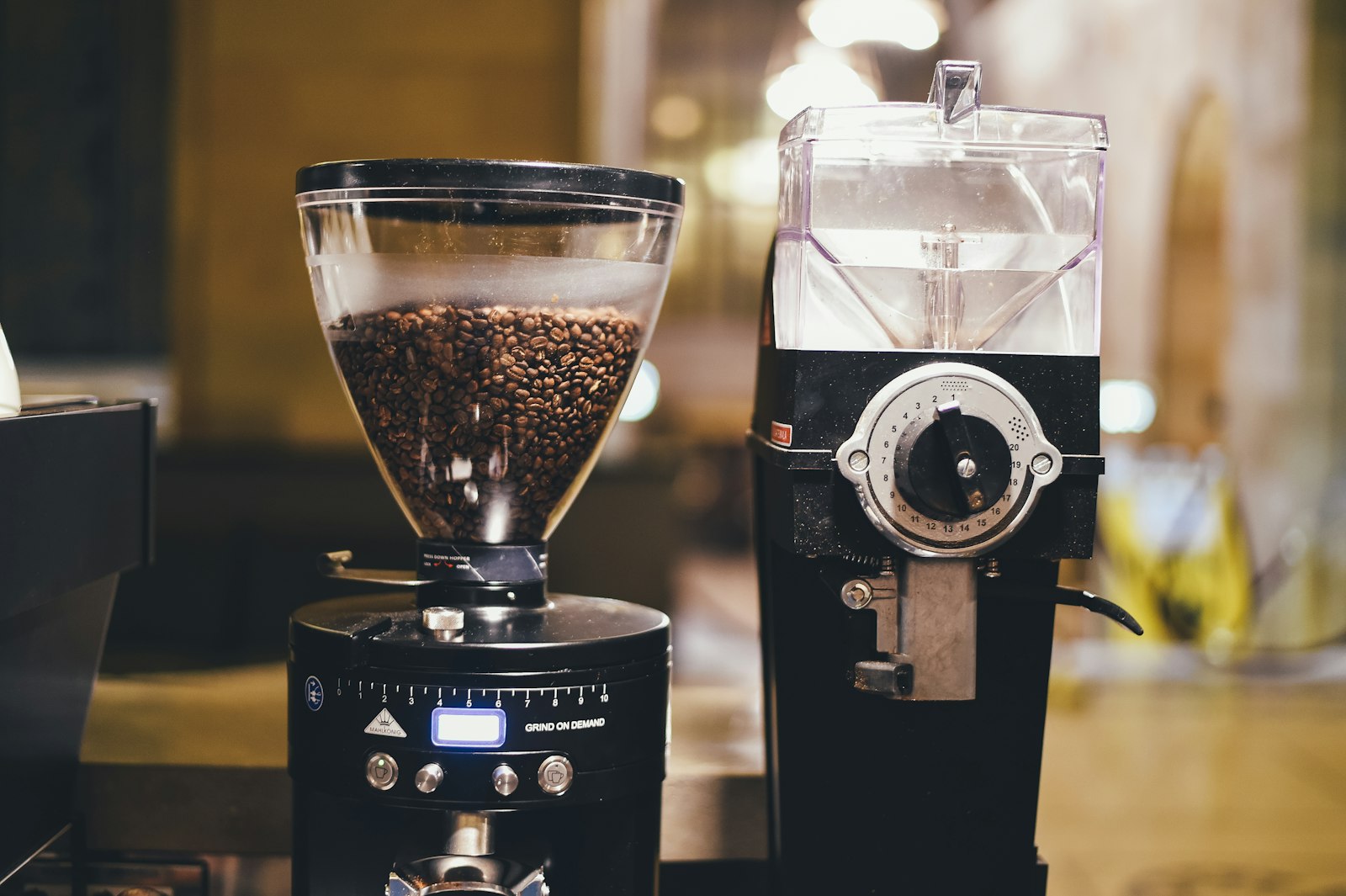
Coffee grind size is the most overlooked factor in brewing coffee. In many cases, it changes the flavor more than the quality of the bean itself. Understanding how it works helps you avoid a bitter or watery cup, no matter which brewing method you prefer. Here’s a practical guide to the 6 things you should know about coffee grind size. Why Coffee Grind Size Changes the Flavor During grinding, the bean breaks into thousands of particles. The smaller they are, the more surface touches the water. A fine grind extracts faster, pulling out flavor in seconds. A coarse grind extracts slower, over several minutes or hours. The right balance depends on your brewing method, and getting it wrong is the single most common reason a cup tastes bitter, sour, or plain weak. Coarse Grind: When to Use It A coarse grind looks like coarse salt. It works well for methods with long contact times, like cold brew or French press. With a brew that steeps for hours, a fine grind would over-extract the coffee, making it bitter and cloudy. Medium Grind: The Perfect Middle Ground A medium grind looks like table sugar. It’s the right choice for drip coffee makers and methods like the V60. Contact time runs from 2 to 4 minutes. It balances extraction and a clean cup. Fine Grind: The Realm of Espresso A fine grind, almost like flour, is for espresso. Water passes through the coffee in just a few seconds, under pressure. A grind that’s too coarse for espresso makes a watery, sour cup. Too fine, and it blocks the flow and burns the coffee. Common Mistakes to Avoid With Coffee Grind Size The first mistake is using the same grind for every method. The second is grinding coffee too far ahead of time: aroma fades within minutes. The third is relying on a blade grinder, which heats the bean and makes uneven particles. How to Choose the Right Grinder A burr grinder, conical or flat, gives you even particles. It’s the upgrade that makes more difference than any other tool. Even a high-quality coffee falls flat without it. The reason is almost always an uneven grind. It’s worth investing here before any other piece of gear. A well-regarded starting point is the Baratza Encore, a beginner-friendly conical burr grinder built for consistency. The Specialty Coffee Association also points to grind consistency as one of the biggest factors behind a repeatable cup. How Much Freshness Matters Ground coffee loses aroma within minutes of hitting the air. Grinding right before brewing makes a real difference you can taste. A good home grinder pays for itself quickly in quality, even at a modest price compared to the machine itself. Grind Size and Storage: Two Linked Variables Coffee ground well but stored poorly still loses its aroma. Keep ground coffee in an airtight container, away from light and heat. Use it within a few days. Grinding fresh, right before brewing, still remains the best choice. No container, however well sealed, replaces the freshness of a bean ground moments ago. Coffee Grind Size Chart by Brewing Method Descriptions like “medium-fine” are vague, so here is a practical reference. Use it as a starting point, then adjust by taste, because every grinder is calibrated differently. How to Fix Your Grind by Taste Your tongue is the best tool you have. Two tastes tell you almost everything: Change one thing at a time, and in small steps. If you change grind, dose and water temperature together, you’ll never know which one fixed the cup. Grind Size Also Changes Brew Time With pour-over methods, grind is the main lever that controls how long the water takes to pass through the coffee. If your V60 drains much faster than your recipe says, grind finer. If it chokes and drips slowly, grind coarser. With espresso it’s even more sensitive: a tiny step on the grinder can change a shot from 20 to 35 seconds. Quick Answers to Common Questions Can I use the same grind for everything? You can, but you’ll get the best from none of your brewers. Pre-ground supermarket coffee is usually ground for drip or moka, which is why it tastes flat in a French press and doesn’t work for espresso. Should I grind right before brewing? Yes, whenever you can. Ground coffee loses aroma within minutes, and it goes stale much faster than whole beans. Does roast level change the ideal grind? A little. Darker roasts are more brittle and extract more easily, so they often need a slightly coarser setting. Lighter roasts are denser and may need finer grinding. See our light vs dark roast article. The Right Grind Starts With Good Coffee Matching Grind to Brew Method These are starting points. Every coffee, grinder and recipe differs. Taste the result and adjust a step at a time. Burr vs Blade Grinders Burr grinders crush beans between two surfaces, which gives a uniform size. Blade grinders chop beans unevenly. The mix of fine dust and large chunks causes both bitterness and sourness in one cup. A burr grinder is the best upgrade for flavour. Signs Your Grind Is Off Your cup will tell you. Sour, thin or salty coffee often means the grind is too coarse. Bitter, harsh or dry coffee often means it is too fine. Change the setting by one step and try again. Keep notes so you can repeat what works. Even the best grinder isn’t enough if the starting bean isn’t good. This holds true for espresso just as much as for a well-processed decaf coffee. IndieRoastersItaly exists to bring specialty coffee home, selected from small Italian roasters. Roasted to order. The project is still building its waitlist: visit IndieRoastersItaly and sign up to be among the first to try it. This article was written with the support of artificial intelligence for content structuring, and was fully reviewed, verified, and refined by the author. Related reading: AeroPress Coffee Guide · The Right Coffee-to-Water Ratio
Decaf Coffee Myths: 5 Surprising Truths Debunked
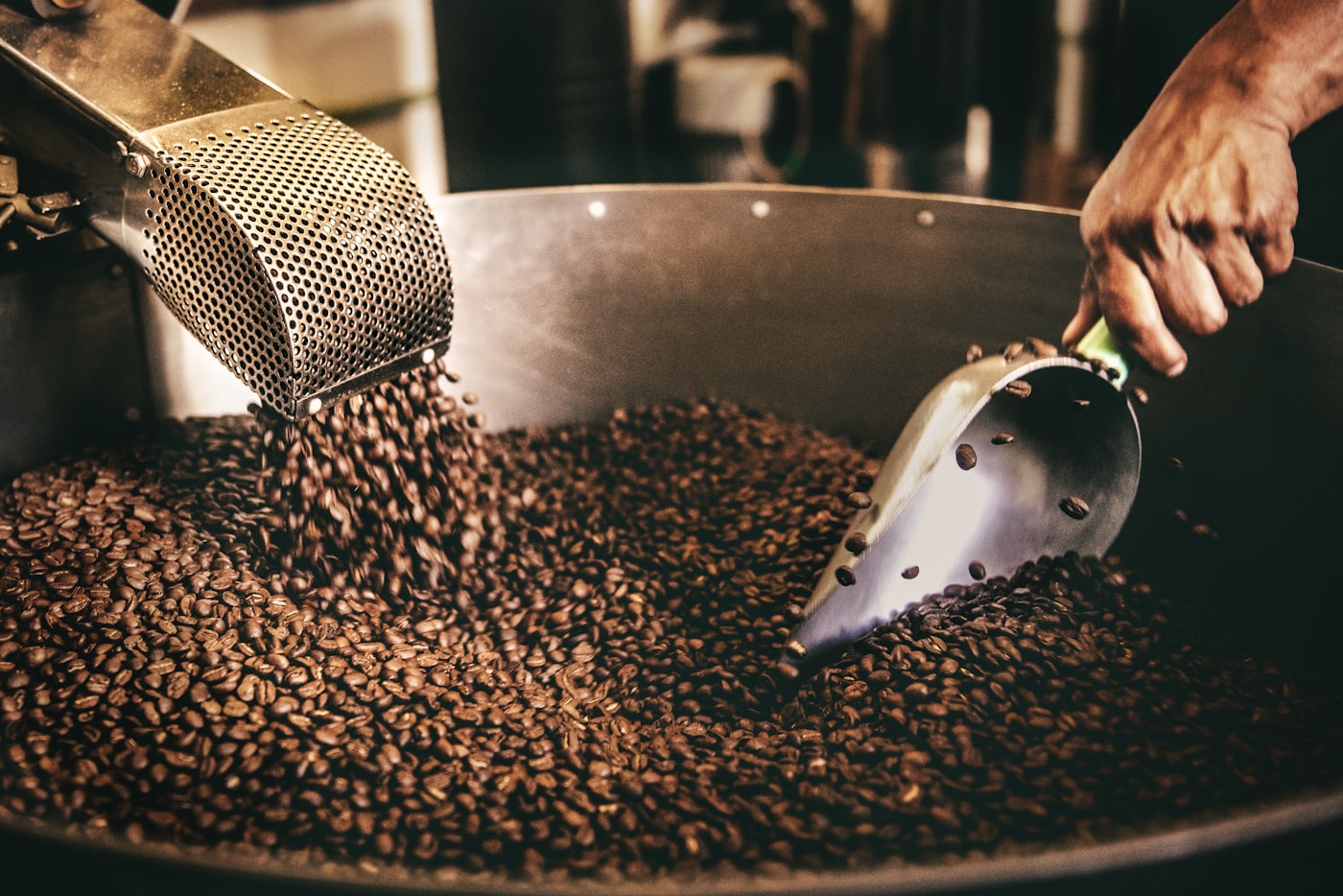
Decaf coffee myths are everywhere, and most of them are unfair. Many people see decaf as a fake coffee, good only for those with health problems. The truth is different. Behind every cup of decaf is a precise process that’s often unclear. Here are 5 decaf coffee myths worth busting, one by one. Does decaf coffee have no caffeine at all? That’s not true. Decaf coffee always keeps a small amount of caffeine. Rules require removing at least 97% of it. A single cup has 2 to 6 mg of caffeine on average. A regular espresso has 50 to 120 mg. The gap is huge, but zero caffeine doesn’t exist. Does decaf coffee taste worse than regular coffee? Flavor depends on the quality of the bean, not on caffeine. Specialty roasters treat their decaf with the same care reserved for classic origins. It isn’t a compromise. It’s a genuine style of coffee, valued by roasters for its own character and enjoyed by people who want a coffee in the evening without giving anything up. Does decaffeination only use dangerous chemical solvents? Several decaf methods exist. Some use solvents like dichloromethane, in safe, controlled amounts. Others, like the Swiss Water Process, use only water and osmosis. No approved method leaves harmful residue in the cup. Does decaf always cause less stomach trouble? Caffeine isn’t the only cause of acidity or heartburn. Chlorogenic acids, found in every coffee, also affect digestion. People with reflux may still feel discomfort even with decaf. It’s worth trying, but it’s no absolute guarantee. Is decaf only for people trying to quit caffeine? Decaf isn’t just for people who want to cut caffeine out completely. More and more independent roasters now work with specialty decaf, treating it with the same care as any single origin. It’s a matter of taste, useful even for those who handle caffeine well but want a coffee in the evening without giving anything up. The same principle applies to processing methods: quality comes from care, not from a label. How to recognize good specialty decaf Once you look past the usual decaf coffee myths, spotting a good specialty decaf gets easier. Not all decaf is the same. A good specialty decaf coffee can be spotted first by its roast date, always shown on the label: the more recent, the better. Also look for the bean’s origin and the decaf method used. These are details a serious roaster never hides. If the label only says “decaf” with no other details, the beans likely come from a commercial batch made for volume, not flavor. A quality decaf coffee has aroma and body. It deserves the same care as a regular espresso: the right grind, water at the right heat, and a fair brew time. Does decaf also lose its antioxidants? Not entirely. The decaf process slightly lowers some antioxidants, but most of them stay intact. Coffee’s polyphenols don’t depend on caffeine. They’re behind much of the benefit linked to moderate drinking. A decaf coffee therefore keeps most of its value and flavor, especially when made with gentle methods like the Swiss Water Process. The real difference between regular and decaf mainly comes down to the energy boost, not the quality in the cup. How much decaf coffee can you drink per day? There are no strict limits, since the leftover caffeine is so small. People who are very sensitive to caffeine may still feel a slight effect after several cups of decaf in one day. For most people, though, decaf coffee works well in the late afternoon or evening. You keep the ritual of the cup without losing sleep. Decaffeination Methods Compared All methods work on green, unroasted beans. They differ in what is used to pull the caffeine out, and that is often printed on the bag. Method How it works Typical result Swiss Water Process Water, a caffeine-free green coffee extract and carbon filters remove the caffeine; no added chemicals. Clean and sweet; very popular in specialty coffee. CO₂ method Pressurized carbon dioxide acts as a selective solvent for caffeine. Good flavor retention; used for larger volumes. Ethyl acetate (“sugarcane” process) A natural compound, often made from fermented sugarcane, dissolves the caffeine. Common in Colombia. Sweet, sometimes fruity notes; widely used for specialty decaf. Methylene chloride (dichloromethane) A solvent removes the caffeine, then the beans are steamed and roasted; residues are strictly limited by food regulations. Efficient and cheap; common in commercial decaf. How Much Caffeine Is Left in Decaf? Decaf is not caffeine-free. In the European Union, roasted decaf beans may contain no more than 0.1% caffeine, and in the United States the industry standard is that at least 97% of the caffeine is removed. In practice, a cup of decaf usually contains just a few milligrams of caffeine, compared with roughly 60–80 mg for a single espresso and often more for a mug of filter coffee. Tips for Brewing Better Decaf Buy fresh and in small bags. Decaf beans are more porous after processing and lose aroma faster than regular beans. Don’t judge by color. Decaf beans look darker than regular beans at the same roast level, so a “dark-looking” decaf may actually be a medium roast. Lower the temperature slightly. Decaf extracts easily; water at around 90–93 °C helps avoid bitterness. Grind a little coarser for espresso if your shots run slow, since decaf can produce more fines. Can decaf be specialty coffee? Yes. When roasters start from high-quality green coffee and use gentle methods like Swiss Water or ethyl acetate, decaf can score above 80 points and show clear origin character. Look for the origin and the decaf method on the label. Will decaf keep me awake at night? For most people, no: the remaining caffeine is very low. People who are particularly sensitive may notice an effect after several cups late in the evening. How Decaf Is Made Decaf starts as normal green coffee. The caffeine is removed before roasting. There are a few ways to
Suspended Coffee: 3 Surprising Stories Behind a Naples Tradition
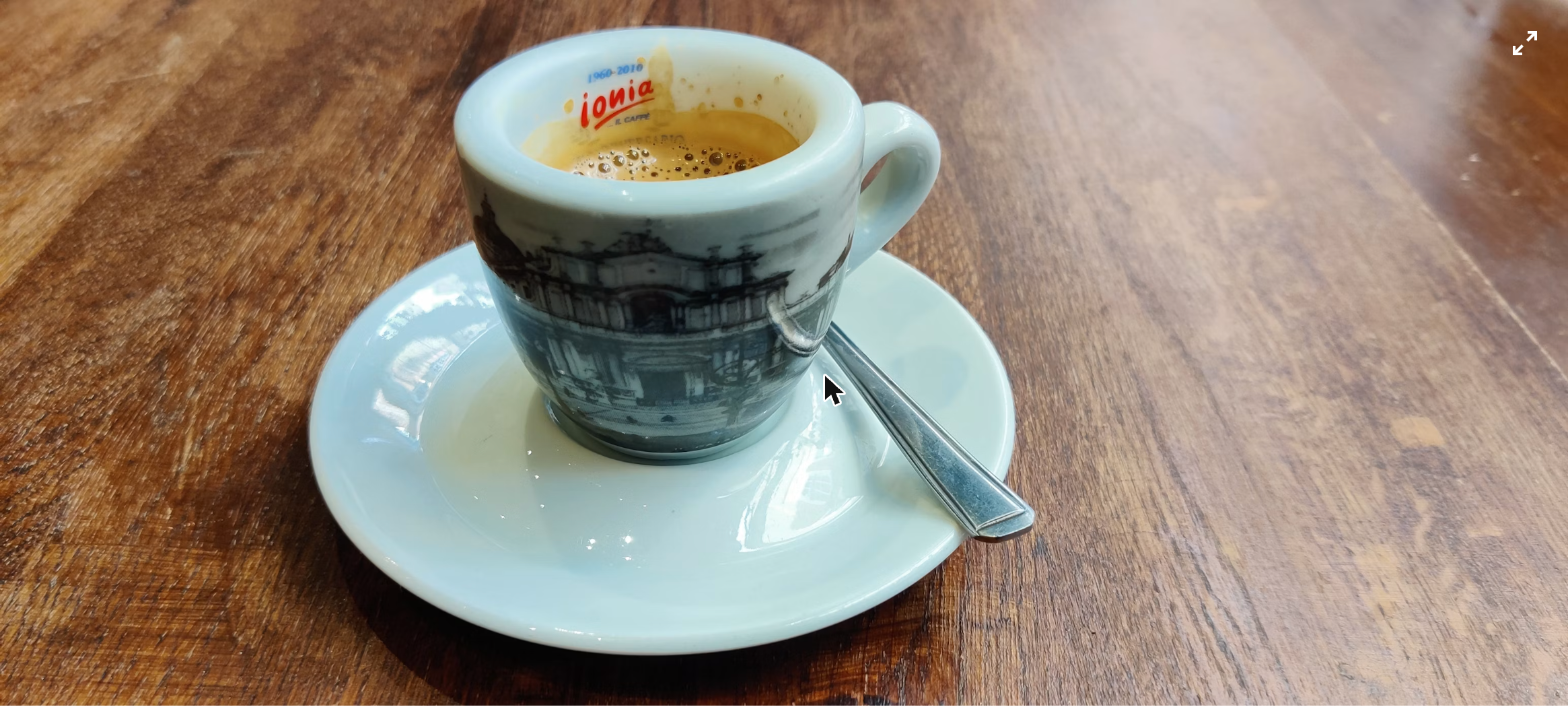
Quick answer: Suspended coffee (caffè sospeso) is a custom from Naples. A customer pays for a second coffee in advance, and someone who cannot afford one can ask for it later. In Naples there’s a custom you won’t find on any menu: suspended coffee. A coffee paid for in advance, left waiting for someone who can’t afford one. No loyalty card, no app. Just a gesture, repeated for over a century. What is suspended coffee? The idea is simple. A customer walks into a bar, orders their own coffee, and pays for two. One is drunk right away. The other stays suspended. It gets marked on a list or dropped in a jar behind the counter. Anyone who can’t afford a coffee can walk in and ask if there’s one suspended, no questions asked and no explanation needed. The tradition began in Naples, but over the years it has spread across Italy and, with local twists, abroad too. In Naples it’s called caffè sospeso; in other cities similar ideas go by different names, but the spirit stays the same: pay it forward, one cup at a time. The three possible origins of the custom No one knows the exact date suspended coffee began. Local historians point to three theories, not necessarily in conflict with each other. How suspended coffee works today Many historic bars in central Naples still keep a list or a notebook for suspended coffees. Some places have expanded the idea beyond coffee, leaving sandwiches, pastries, or a hot meal suspended too. In many cafés, staff keep the running count visible behind the counter, so anyone can see how many are waiting. It’s an honesty system that relies on nothing more than trust. Since 2011 there’s even a dedicated day: December 10th. On this date, associations and bars across Italy revive the tradition with events and awareness campaigns. Read next: Coffee in Naples: 5 Secrets Behind the Tazzulella · Why Italians Drink at the Bar: Italian Coffee Bar Rules · Historic Cafes in Italy: 6 Legendary Coffee Houses Worth the Trip · Neapolitan flip coffee pot How to Leave a Suspended Coffee in Naples Choose a bar that takes part in the tradition. Many in the historic center do; if you are unsure, simply ask “fate il caffè sospeso?”. At the till, order your coffee and add “e un caffè sospeso”: you pay for two coffees and drink one. The bar records it, often on a board, a notebook or a jar behind the counter. When someone comes in and asks “c’è un caffè sospeso?” (“is there a suspended coffee?”), the barista serves them one free of charge. Nobody checks who asks, and nobody thanks the donor in person. That anonymity is the heart of the tradition. From Naples to the World For a long time, caffè sospeso was a local custom. In the early 2010s, the idea spread internationally through social media and news stories, and cafés in many countries began offering “suspended coffees”, sometimes with boards, tokens or receipts pinned to a wall. In Italy the same spirit inspired other initiatives, such as the “libro sospeso”, a book paid for in a bookshop and left for someone who cannot afford it, and suspended bread or meals in bakeries and restaurants. Suspended Coffee FAQ Can tourists leave a suspended coffee? Yes, and it is a lovely way to take part in Neapolitan life. Just ask at the till. If a bar doesn’t follow the custom, they will tell you kindly. Who can ask for a suspended coffee? Anyone who needs it. There are no questions and no proof required. The system works on trust and on the discretion of the barista. Is caffè sospeso still common in Naples today? It is less widespread than in the past, but it is very much alive, especially in historic bars and in neighborhoods with a strong community spirit. Around December 10th, the day dedicated to suspended coffee, many bars promote it again. What is the Italian word for “suspended coffee”? “Caffè sospeso”. “Sospeso” means suspended or pending: a coffee that is paid for but still waiting for its drinker. Why it’s more than just a gesture Suspended coffee works because it protects the person receiving it. There’s no need to declare hardship. No ID or card required. You just walk in and ask. The dignity of whoever accepts the help stays fully intact. Neapolitan writer Luciano De Crescenzo used this very tradition as the title for a collection of short stories. His book helped make the custom known well beyond Naples. Suspended coffee is a reminder that behind every cup there’s a choice: the bar’s choice to serve it, and the drinker’s choice to pay it forward. If you’re curious about the link between everyday rituals and specialty coffee, the guide to shakerato coffee tells another distinctly Italian way to enjoy a coffee break. The Spirit Behind the Gesture Suspended coffee is not charity in the cold sense of the word. It is a quiet act between neighbours. The giver does not know the receiver. The receiver does not need to explain why they ask. Dignity stays on both sides of the counter. This is why the custom touches people far beyond Naples. It shows that a small cup can carry a big idea: you are part of a community, and someone thought of you. Similar Customs Around the World The idea has many cousins. Some cafés in other countries keep a board with paid-for drinks or meals. Others offer a “pay it forward” jar. The details differ, but the spirit is the same. A person with plenty shares a little with a person who has less. How Cafés Can Keep the Tradition Alive A little care goes a long way. Done well, the practice builds trust and brings people back to the neighbourhood café. Naples and Its Coffee Culture Naples takes coffee very seriously. The espresso is often short, hot and sweet. Many bars serve it in pre-warmed

Shakerato Coffee: 7 Secrets to the Perfect Iced Espresso
Shakerato coffee is the most elegant way to drink an iced espresso. A cocktail shaker, ice, a few seconds of furious shaking. It sounds simple. It isn’t, unless you know the right rules. Here are seven secrets to make it like a real barista, even at home. What is shakerato coffee (and where it comes from) Shakerato coffee was born in Italian bars between the 1980s and ’90s. Baristas were looking for a way to serve iced espresso without losing crema and aroma. The solution: a shaker, ice, and liquid sugar, shaken with energy. The result is creamy, cold, with a thin layer of foam on top, very different from simple coffee with ice cubes dropped in. Be careful not to confuse it with cold brew. If you’re after a slower, gentler method, the guide to cold brew follows the opposite logic: time instead of speed. The ingredients that make the difference Just three ingredients, but each one has a precise rule. The technique, step by step Follow the order. Each step has a precise reason. The most common mistakes to avoid Even with the right recipe, small details separate a good shakerato coffee from a mediocre one. Variations worth trying Once you’ve mastered the base, you can vary it without losing its identity. Shakerato coffee remains an evolution of the classic Italian espresso, able to adapt to summer without losing its identity. Why Shaking Makes It Special The shake does more than cool the drink. It adds tiny air bubbles and breaks the coffee into a silky foam. The sugar dissolves, so the drink tastes smooth and not gritty. This texture is what sets a shakerato apart from plain iced coffee. Use plenty of ice and shake hard for about ten to fifteen seconds. Strain the drink into a chilled glass right away. The foam is delicate and fades within minutes. Picking the Right Coffee A fresh, sweet espresso works best. Choose a medium roast with cocoa or caramel notes. Very acidic coffees can taste sharp when cold. Very dark roasts can taste burnt. Balance is the aim. Shakerato Variations Equipment You Need A cocktail shaker is ideal. A tightly sealed jar also works in a pinch. A small strainer helps keep ice out of the glass. Chill the glass in the freezer for a few minutes, and the drink will stay colder for longer. Serving Tips Present the shakerato in a stemmed glass for a classic look. A thin coffee bean or a twist of orange peel on the side adds a nice touch. Serve it right after shaking, while the foam is thick, and enjoy it slowly on a warm day. IndieRoastersItaly was created to bring lots selected from independent Italian roasters straight to your door, roasted to order. The project is still in its waitlist phase: visit the IndieRoastersItaly home page to sign up and get notified at launch. Keep reading: Italian Coffee Drinks: 10 Essential Orders and the Unwritten Rules Related reading: caffè corretto. This article was written with the support of artificial intelligence for content structuring, and was fully reviewed, verified, and refined by the author. Can You Make Shakerato Without an Espresso Machine? Yes, with a moka pot. The result is a little less creamy, because moka coffee has fewer emulsified oils than espresso, but it’s still delicious. Brew a small moka pot with a medium-fine grind and gentle heat (our perfect moka pot guide shows how), then use it exactly like espresso: pour about 50 to 60 ml into the shaker with plenty of ice and your sugar syrup, and shake hard for 15 to 20 seconds. Two tips make the difference. First, use the coffee straight off the stove: the hot coffee hitting the ice creates the foam. Second, don’t use coffee from the end of the brew, the sputtering part, because it’s the most bitter and it’s even more noticeable when cold. Shakerato vs Other Italian Iced Coffees In an Italian bar in summer, “iced coffee” can mean several different drinks. It helps to know which is which: For all the classic hot orders, read our guide to Italian coffee drinks. Which Coffee Works Best for Shakerato? Cold temperatures mute sweetness and aroma and make bitterness more noticeable. That’s why a medium roast with chocolate, caramel and nutty notes is the safest choice: think of a Brazilian or Colombian base, like a Colombia Huila. Very dark roasts can turn harsh when chilled. Very light, acidic roasts can taste sharp, although a fruity Ethiopian can make a surprising, refreshing shakerato if you like acidity. Quick Answers to Common Questions Can I make it without sugar? Yes. The foam will be a little thinner, because sugar syrup helps it form, but many people prefer it unsweetened. Why liquid sugar and not granulated? Granulated sugar doesn’t dissolve in ice-cold coffee. A simple syrup, made with equal parts sugar and water, blends instantly. Can I use a jar instead of a cocktail shaker? Yes. Any jar with a tight lid works, as long as there’s enough space for the ice to move. Strain the drink so the ice stays behind. Related reading: Italian Coffee Drinks Explained · How to Make Perfect Moka Pot Coffee · The History of Espresso As an Amazon Associate, we earn a small commission from qualifying purchases made through the links on this page, at no extra cost to you.
Geisha Coffee: 5 Secrets of a Rare and Prized Variety
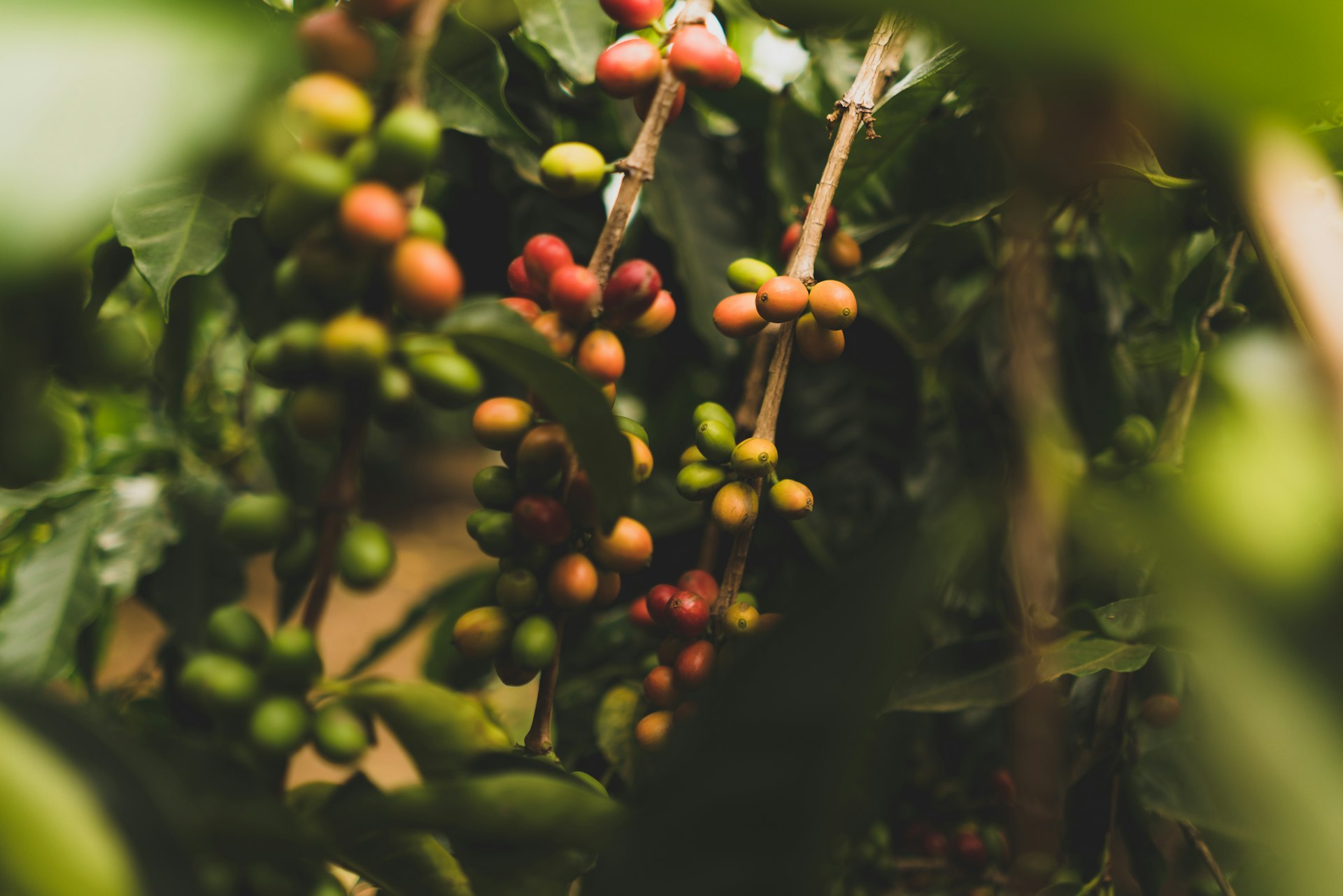
Geisha coffee has a price that makes headlines. In 2004, a lot from Hacienda La Esmeralda in Panama set an auction record. No green coffee had ever sold for that much before. Since then, the name Geisha has stood for rare excellence in the specialty world. But what really makes this variety so special? What is Geisha coffee Geisha (sometimes spelled Gesha) is a variety of Coffea arabica. It isn’t a recent invention. It began as a wild plant in Ethiopia, near a forest that gave it its name, the Gesha region. From there it traveled for decades through nurseries and research farms. It finally reached Central America in the mid-20th century. From Ethiopia to Panama: the story of an origin For years, Geisha stayed a minor variety. Farmers grew it mainly because it resisted disease, not for its taste. In Panama, on the volcanic highlands around Boquete, it found the right conditions to shine. In 2004, Hacienda La Esmeralda entered it in the Best of Panama contest. The result changed the history of specialty coffee. The public discovered a flavor never seen before in a competition coffee. Growing conditions: altitude and volcanic soil Geisha grows best at altitude, often above 1,500 to 1,700 meters. Lower down, it loses some of its depth. Boquete has mineral-rich volcanic soil, a cool climate, and rain spread evenly through the year. Together, these create nearly ideal growing conditions. The same mix of altitude and soil shapes every coffee origin. Think of Ethiopian Guji, or a coffee like Kenya AA. Harvesting and processing Harvesting stays manual and selective. Only ripe cherries get picked, often over several passes on the same plant. After harvest, the processing method shapes much of the final result. A washed Geisha is cleaner and more floral. A natural or honey version adds body and fruitier, sometimes fermented, notes. Many producers in Panama also try anaerobic fermentation to push the aroma even further. The aromatic profile that changed the industry Geisha’s defining trait is its almost tea-like floral cup. Think notes of jasmine and bergamot, tropical fruit, sometimes peach or citrus. The body is light, the acidity bright but elegant. It’s a world away from the fuller, more chocolatey notes of many South American origins. That’s what makes it easy to spot, even for someone tasting specialty coffee for the first time. Why it costs so much Three things push the price up. First, yield per plant is low: Geisha produces less than other varieties. Second, it needs altitude, careful growing, and close attention during processing. All of that means more manual work. Third, demand has grown much faster than supply, ever since the best lots started winning international contests. A coffee like Panamanian Geisha can cost several times more than a commercial blend. That holds true even at an SCA score similar to other high-quality origins. Geisha or Gesha? Where the Name Comes From The name has nothing to do with Japan. It comes from the Gesha area of southwestern Ethiopia, where the plants were collected in the 1930s. Seeds traveled to East African research stations and later, in the 1950s, to a research center in Costa Rica, from where the variety reached Panama. That is why you will see both spellings on bags: “Gesha” is closer to the Ethiopian place name, while “Geisha” is the spelling that became famous with Panamanian lots. Where Geisha Grows Today Country What to expect Panama The benchmark: Boquete and Volcán. Very floral, jasmine and bergamot, tea-like body; the most expensive lots. Colombia Increasingly common; often sweeter and fruitier, from tropical to citrus notes. Ethiopia Gesha grown close to its original home, with intense florals and stone fruit. Costa Rica, Guatemala, Peru and others Smaller volumes, very variable quality; can be excellent value. How to Brew Geisha Coffee at Home Geisha is all about delicate aromatics, so choose methods that show clarity. A V60, Chemex or flat-bottom pour-over works best. Start with a slightly lighter ratio, around 1:16 to 1:17, water at 92–94 °C and a medium-fine grind. Drink it black and taste it as it cools: many of its floral and fruity notes appear only at lower temperatures. Using it in milk drinks or dark espresso blends hides exactly what you are paying for. Is Geisha Coffee Worth the Price? Top competition lots sold at the Best of Panama auction have reached record prices of more than a thousand dollars per pound of green coffee, but those are exceptions. Many roasters offer Geisha from Panama, Colombia or Ethiopia in small bags at a price closer to a special treat than a luxury. If you enjoy light, floral coffees, trying a well-roasted Geisha at least once is worth it. If you prefer chocolatey, full-bodied cups, you may be happier with other varieties. Geisha Coffee FAQ What does Geisha coffee taste like? Typically very floral (jasmine, orange blossom), with bergamot, citrus, peach or tropical fruit, a light, tea-like body and a clean, sweet finish. Does Geisha have more caffeine? No. Like other Arabica varieties, its caffeine content is in the normal Arabica range. What makes it special is aroma, not strength. Can I use Geisha for espresso? You can, and some baristas use it in competitions, but it needs a light roast and careful dialing in. For most home brewers, filter brewing shows its character more easily. Is every Geisha a great coffee? No. The variety has great potential, but altitude, farming, processing and roasting decide the result. A Geisha grown low or processed poorly can be disappointing; trust roasters who share the farm and the score. An origin, not a brand It’s worth remembering: Geisha is the name of a variety, not a producer or a brand. It’s also grown, with varying results, in Ethiopia, Colombia, and other Central American countries. What changes from origin to origin is the terroir: altitude, soil, climate, and the producer’s hand. That’s why two lots of Geisha can taste quite different in the cup. This holds even
SCA Score: 5 Things to Know to Spot a True Specialty Coffee
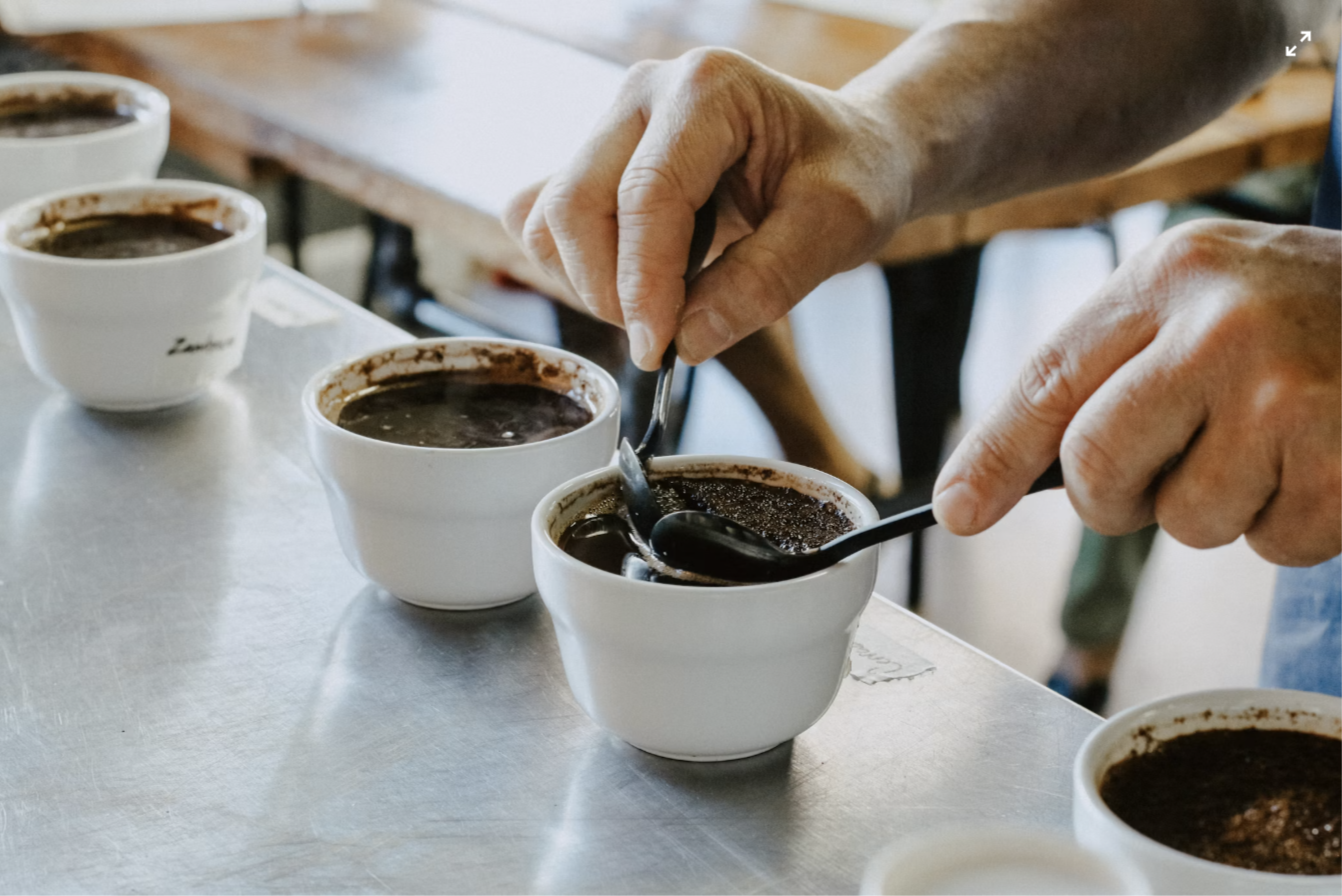
The SCA score is that number you’ve seen printed on some coffee bags without knowing what it really means. It isn’t a detail only for experts. It’s the number that separates an ordinary coffee from a specialty one. Here’s what it actually means. What is the SCA score SCA stands for Specialty Coffee Association, the international group that set the standards for specialty coffee. Its score comes from a precise test: the cupping session. A certified taster evaluates the coffee using a technical scoresheet. The result is a number from 0 to 100. How the evaluation works The cupping session follows a strict procedure. The coffee is ground fresh. It’s brewed with water at a controlled temperature. The taster tastes it several times, at different temperatures. Each stage of cooling reveals different aromas. What the scoresheet measures The SCA scoresheet rates several elements together. Each item gets its own score. The total adds up to the final result. The 80-point threshold Here’s the number that really matters: 80. A coffee under 80 points isn’t specialty. It’s commodity, coffee sold on the general market. Above 80, it enters a different category. The selection, traceability, and price paid to the producer all change. What changes between 80, 85, and 90 points Not all specialty coffees are equal. The higher the score, the rarer and more expensive the coffee becomes. The score alone isn’t enough A high number tells you about the quality in the cup. It doesn’t tell you everything else. Origin, altitude, processing method, and roast all shape the flavor even at the same score. A coffee like Kenya AA and an origin like Ethiopian Guji can share similar scores. Yet they can taste completely different. That’s why, when you’re choosing a specialty coffee, it’s worth looking beyond the number. We go into more detail on this in the Guji coffee profile. How to recognize a specialty coffee when you buy it The SCA score rarely appears on retail labels. A few indirect signals still help you find your way. Together, these details are a good sign of real quality. Who gives the SCA coffee score: the Q Grader It isn’t just any barista who gives this score. It comes from a Q Grader, a taster certified by the Coffee Quality Institute. To earn certification, they pass a series of demanding exams. These test their ability to recognize aromas, their tasting sensitivity, and their skill at calibrating judgment against a shared scale. This is the only way the score stays fair. It can be compared between one roaster and another, even thousands of kilometers apart. SCA Score Ranges at a Glance Score Category What it usually means for you Below 80 Commercial / commodity Supermarket blends, instant coffee, most coffee sold by price 80–84.99 Specialty – very good Clean, sweet everyday specialty coffee from good roasters 85–89.99 Specialty – excellent Distinctive single origins and microlots with clear, complex flavors 90–100 Specialty – outstanding Rare competition and auction lots, sold in small quantities at high prices Before the Cup: Green Coffee Grading and Defects The cupping score is only half of the story. Before tasting, the raw (green) beans are inspected. A grader takes a sample, traditionally 350 grams, and counts the defects: black or sour beans, insect damage, broken beans, foreign matter and so on. Defects are split into serious “primary” defects and less serious “secondary” ones. To be specialty grade, a sample must have no primary defects and only a handful of secondary defects. Moisture must also sit in a defined range, because beans that are too wet or too dry age badly. Only coffee that passes this physical check, and then scores 80 or more in the cup, can truly be called specialty. The New SCA Cupping System: Coffee Value Assessment For about twenty years, the reference was the SCA cupping form introduced in 2004. In November 2024 the SCA officially adopted a new protocol, the Coffee Value Assessment (CVA). Its main idea is to separate two things that the old form mixed together: what a coffee objectively tastes like (the descriptive assessment, which records attributes and flavor notes) and how much the taster likes it (the affective assessment, which measures perceived quality). For coffee drinkers, little changes in practice: you will still see scores on a 100-point scale on many specialty bags, and 80 remains the threshold everyone talks about. But it explains why two professionals can describe the same coffee in the same way and still give it slightly different scores. Why the Score Matters for Farmers The score is not just a label for consumers. At origin, every extra point can mean a better price for the producer, because buyers pay premiums for coffees that score higher. Competitions such as the Cup of Excellence push this further: national juries cup hundreds of lots, and only coffees that reach at least 87 points in the final rounds win the award and go to an international online auction. For a small farm, a top result can transform a whole year’s income. SCA Score FAQ Is a coffee with 84 points good? Yes. A score between 80 and 85 means a clean, well-processed coffee without defects. Many excellent daily coffees sit in this range and are often better value than higher-scoring lots. Does a higher score mean I will like it more? Not necessarily. Very high scores often go to bright, floral or fruity coffees. If you prefer chocolate, nuts and low acidity, an 84-point Brazil may please you more than a 90-point Ethiopian. Use the score to judge quality, and the flavor notes to judge taste. Do supermarket coffees have an SCA score? Almost never on the label. Large brands buy commercial-grade coffee and focus on consistency and price. If a bag shows a score, a farm name and a roast date, you are usually looking at specialty coffee. Can Robusta be specialty coffee? Yes. Robusta has its own evaluation protocol, and carefully grown and processed “fine