

The moka pot is the most common coffee brewing method in Italian homes. Yet almost nobody uses it well. A few small adjustments are all it takes to go from a bitter, burnt cup to a balanced, sweet moka coffee. Here’s what you need to know. Moka Pot Guide: Start Here This is our complete guide to the moka pot. It covers what it is, how to use it step by step, how much coffee to use and how to fix the most common problems. For each topic that needs more space, we link to a dedicated article: What Is a Moka Pot? (And Why It’s an Italian Icon) Short answer: a moka pot is a small stovetop coffee maker. Water in the bottom chamber heats up, steam pressure pushes it up through a funnel of ground coffee, and the finished coffee rises into the top chamber. The result is a strong, concentrated coffee, close to espresso in spirit but brewed at much lower pressure. How a Moka Pot Works: The Three Parts A rubber gasket and a metal filter plate seal the top and bottom together. When the gasket gets old, steam escapes and the coffee comes out weak, so it is worth replacing it from time to time. The moka pot was invented in 1933 by Alfonso Bialetti. Since then, it has found a place in nearly every Italian kitchen. It works through pressure: water boils in the lower chamber, rises through the ground coffee, and collects in the upper chamber. It’s a simple method. But simple doesn’t mean it’s easy to get right. Moka Pot at a Glance: Quick Reference Short on time? These are the rules that matter most. Each one is explained in detail below. Step What to do Why it matters Water Fill the base up to just below the safety valve Too much water can reach the valve; too little gives a thin cup Grind Fine, but a little coarser than espresso Too fine blocks the flow and tastes bitter Dose Fill the basket level, without pressing Pressing the coffee makes the flow uneven Heat Low to medium, flame no wider than the base High heat pushes the water through too fast Finish Take it off the heat when the gurgle starts The last part of the brew is the most bitter Serve Stir the coffee in the top chamber, then pour The first and last drops taste very different The Most Common Moka Pot Mistakes Moka pot coffee has an unfair reputation. It’s often described as bitter or burnt. The problem is almost never the moka pot itself. Usually it comes down to three frequent mistakes: too high a flame, coffee packed into the filter basket, or leaving the pot on the heat too long. Small adjustments are enough to change everything. How to Make the Perfect Moka Pot Coffee, Step by Step 1. The Right Water Fill the lower chamber with cold water, up to the safety valve and no higher. Use water that’s already hot only if you want to shorten brewing time, and be careful not to burn yourself while filling. 2. The Right Coffee Use a medium-fine grind, coarser than what you’d use for espresso. Fill the filter basket without pressing the coffee down. Level the surface with a finger, without compacting it. Packed coffee slows the water down and risks burning. 3. The Right Flame Use a low flame, kept within the diameter of the base. Too high a flame heats the metal unevenly. The result is a fast, unbalanced extraction that often turns out bitter. Patience always pays off here. 4. When to Take It Off the Heat Listen to the gurgling sound. When it turns into a louder, more “hissing” noise, the coffee is almost done. Turn off the heat at that point, even if some water remains in the lower chamber. Stir the brewed coffee with a small spoon before pouring, to distribute the aromas evenly between cups. Moka Pot Maintenance Wash the moka pot with hot water only, no detergent. Detergent strips away the thin layer of oils that builds up over time, and that layer is part of the flavor you recognize as “home coffee.” Check the rubber gasket now and then. If it’s hardened or cracked, replace it: a worn gasket causes pressure loss and ruins the extraction. If you’re shopping for your first one, the classic Bialetti Moka Express is the model most Italian kitchens still swear by. When to Replace the Gasket and Filter Plate The rubber gasket and the metal filter plate are the parts that wear out. They are cheap to replace and they make a big difference. Many regular users replace the gasket about once a year. Always buy spare parts made for your model and size. Our guide on how to clean a moka pot explains how to keep these parts in good shape. Moka Pot or Other Methods? It Depends on the Coffee The moka pot delivers body and intensity. It’s perfect for anyone who wants a bold, espresso-like cup. For lighter, more aromatic coffees, like an Ethiopian Yirgacheffe origin, a pour-over method like the V60 brings out the floral notes better. There’s no single “right” method. There’s the right method for that coffee, at that moment. With the right coffee, freshly ground and roasted to order, even a home moka pot can deliver a surprising cup. How Much Coffee and Water for Each Moka Pot Size A moka pot is designed for one dose: you fill the basket to the top, level it, and fill the base with water up to the valve. These are typical quantities, which vary slightly between brands: Moka pot size Water (up to the valve) Ground coffee (full basket) 1 cup About 60 ml About 6–7 g 3 cups About 130–150 ml About 15–17 g 6 cups About 270–300 ml About 28–32 g 9 cups About 450 ml About 45 g A moka “cup” is a small
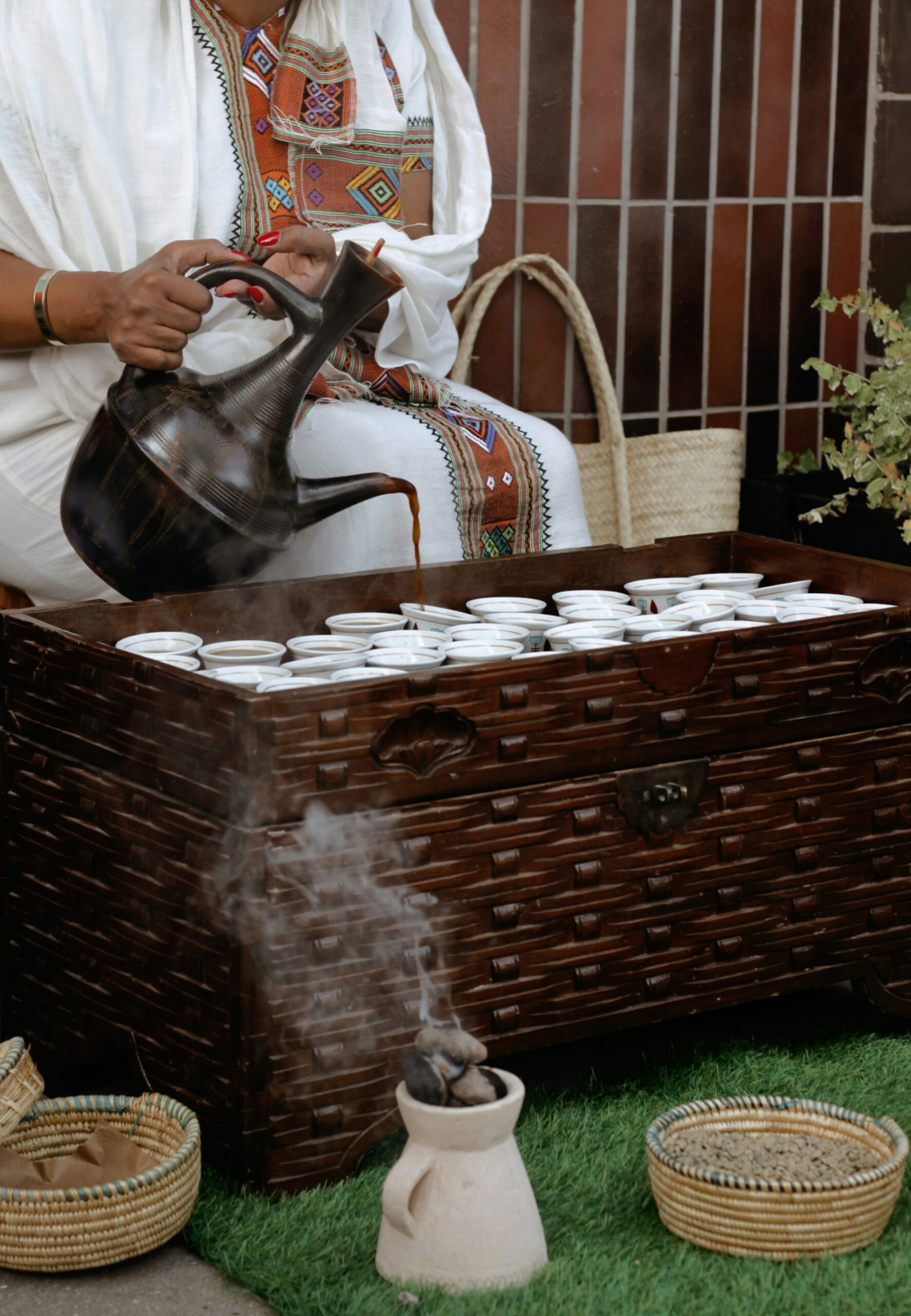
Ethiopian Yirgacheffe Coffee: 7 Secrets of a Floral, Surprising Origin
Ethiopian Yirgacheffe coffee is one of the best-known flavors in the specialty coffee world. Among all specialty coffee origins, Ethiopia stands apart: this is where the coffee plant itself was born. Ethiopian Yirgacheffe coffee reads like a map. Altitude, old plant varieties, and different processing methods all shape the final cup. What Yirgacheffe Coffee Is Yirgacheffe is a small town in southern Ethiopia, within the wider Sidama region. Coffee bearing this name comes from small family plots, often under a hectare in size. The plants grow in the shade of fruit trees and legumes. It’s not a farm in the way we usually picture one. It’s a mosaic of thousands of smallholders, each one bringing cherries to local washing stations. The result is a Yirgacheffe coffee named after a place, not a single producer. Yet this Ethiopian Yirgacheffe coffee keeps the same steady flavor, harvest after harvest. The Sidama Zone: Altitude, Climate, and Soil Farms in this area grow between 1,700 and 2,200 meters above sea level. That altitude slows down cherry ripening, giving sugars more time to build up, slowly and with more depth. The temperate climate of the Ethiopian highlands helps. Mineral-rich volcanic soil does the rest. Together, they create near-ideal conditions for growing Arabica. It’s not by chance that Ethiopia is considered the genetic birthplace of coffee. The plant still grows wild in some forests here. Many of the varieties grown around the world today come from this wild stock. Heirloom Varieties: A Unique Genetic Heritage In Ethiopia, people often talk about “Heirloom” varieties. It’s an umbrella term covering dozens of native local varieties that aren’t sorted one by one the way they are elsewhere. This genetic mix explains a lot. It’s likely why Ethiopian coffees taste so rich and layered. They don’t come from one single plant type. They come from mixed plant stock, shaped over centuries by local farmers. The goal wasn’t a big harvest, but a good fit with the land. Washed or Natural? The Two Yirgacheffe Processing Methods How the cherry is processed after harvest changes everything. Two main approaches coexist in Yirgacheffe. The Washed Method The cherries are pulped right after harvest. The beans then ferment in water to remove the remaining mucilage, are washed, and finally dried in the sun on raised beds. The result is a clean, bright coffee with precise acidity and very clear floral notes: jasmine, bergamot, citrus. The Natural Method Here, the whole cherry is dried in the sun. The pulp stays attached to the bean for two to three weeks. Sugars from the fruit seep into the bean during drying. The result is a fuller-bodied coffee, with notes of red berries, blueberry, and an almost wine-like character. Neither method is “better” than the other. They’re simply two different ways of telling the story of the same origin. The Cup Profile: What to Expect There’s variation between lots and processing methods, but a washed Ethiopian Yirgacheffe often shows these notes: How to Brew It to Bring Out Its Notes The Ethiopian Yirgacheffe coffee profile is delicate and aromatic, which is why pour-over methods are often the best choice: they let the floral notes come through without weighing them down. If you already know pour-over well, our V60 guide is a good place to start. It will help you set the right grind size and brew time for a coffee like this one. Use water that isn’t too hot, around 92-94°C (198-201°F). Choose a medium-fine grind. This avoids extracting unwanted bitterness and leaves more room for the sweet, floral side of the bean. Prefer a fuller, more intense cup? Our guide to the perfect moka pot coffee shows how to get a dense extraction, better suited to less delicate origins. Yirgacheffe Coffee at a Glance Yirgacheffe Where Gedeo Zone, southern Ethiopia, bordering the Sidama region Altitude About 1,700–2,200 m Varieties Ethiopian heirloom landraces and local selections Processing Mostly washed; naturals are increasingly common Typical harvest Roughly October to January Flavor notes Jasmine, bergamot, lemon, stone fruit, black tea (washed); berries and tropical fruit (natural) Yirgacheffe vs Other Ethiopian Coffees Ethiopia has many distinct coffee regions. Neighboring Sidama produces sweet, balanced coffees with citrus and stone fruit. Guji, further south, is known for intense, fruity naturals. Harrar, in the east, is famous for dry-processed coffees with wild, winey and blueberry notes. Yirgacheffe is usually the most floral and tea-like of them all, especially when washed. How to Read an Ethiopian Coffee Label Yirgacheffe Coffee FAQ Is Yirgacheffe coffee Arabica? Yes. Ethiopia is the birthplace of Arabica, and Yirgacheffe is 100% Arabica, mostly from local heirloom varieties. Is Yirgacheffe good for espresso? It can make a bright, floral espresso, especially with a light-medium roast, but it really shines in filter methods like the V60 or the Chemex. Yirgacheffe or Kenya AA? Yirgacheffe is more floral and delicate, with tea-like notes; Kenya AA is bolder, juicier and more acidic, with blackcurrant and tomato-like notes. Both are classic choices for pour-over. Is Yirgacheffe washed or natural? Both exist. Washed lots are more common and taste cleaner. Natural lots taste fruitier. Is it good with milk? Its delicate flavours can get lost in milk. Most people enjoy it black. Yirgacheffe Among the Many Faces of Specialty Coffee Ethiopian Yirgacheffe coffee also stands out next to other East African origins. Compare it to an origin like Kenya AA. That coffee is more intense, with an almost citrusy, wine-like acidity. A coffee like Yirgacheffe, by contrast, moves in a more delicate, floral register. They’re two different ways of telling the story of East Africa in a cup. And it’s exactly this variety that makes specialty coffee a world worth exploring slowly, one origin at a time. Finding an origin like this one has extra value. It shows just how much work and care go into every cup, long before the coffee reaches the counter. Brewing Yirgacheffe at Home Yirgacheffe shines in clean filter methods. Use a V60 or Chemex, a medium-fine grind and water

Arabica vs Robusta: 5 Differences You Should Know
Arabica and Robusta are the two most widely grown coffee species in the world. But they aren’t just two versions of the same product. They’re different plants. They grow in different conditions. And they end up in the cup with very different results. Understanding Arabica vs Robusta helps you read any coffee label better, from the supermarket shelf to the specialty roaster. Arabica vs Robusta: Two Plants, Two Different Stories Coffea Arabica is a fussy plant to grow. It grows well between 600 and 2,000 meters of altitude. It likes cool weather and rich soil, often from old volcanoes. It’s more delicate: it doesn’t handle hard cold well, and it’s prone to certain plant diseases. In return, it gives rich flavors: floral, fruity, sometimes with a hint of honey. Coffea Canephora, the species behind Robusta, tells a whole different story. It grows even at low altitude, down to near sea level, up to about 900 meters. It handles dry spells better, and it fights off more bugs too. It’s a tougher plant, hence the name “Robusta.” How to Tell the Beans Apart: Shape and Look Even with the naked eye, the differences show. Arabica beans are oval and long, with a slightly curved line down the middle. Robusta beans are smaller and rounder, with a straight line down the middle, almost like a ruled edge. A skilled roaster can spot the species at a glance, before even tasting a thing. Caffeine: The Biggest Surprise Many people think Arabica is “stronger.” In fact, it’s the other way around. Robusta has up to twice as much caffeine as Arabica. It’s the plant’s own defense against insects: more caffeine makes it less tasty to pests. But that doesn’t mean a better, bolder taste. Too much caffeine often just makes it taste more bitter, not more complex. The Flavor Profile: What Changes in the Cup Arabica offers a wide range of flavors: floral, fruity, sometimes close to honey or chocolate, depending on the origin and how it was processed. Its acidity is often bright and pleasant, a hallmark of specialty coffee. Robusta has a different profile. It’s less aromatic and fuller-bodied. The taste tends to be bitter, with low acidity. If the quality isn’t high, it can even taste like rubber or dirt. That’s not a flaw on its own: it’s exactly this heavy body that makes Robusta valuable in certain espresso blends, where you need a thick, long-lasting crema. To learn more about the plants behind the two species, the Wikipedia entry on the Coffea genus is a solid overview. Why the Specialty World Prefers Arabica Arabica makes up about 70% of the coffee grown worldwide. In the specialty world, that share climbs to nearly 100%. The reason is simple. Arabica’s rich flavor works far better with careful methods, light roasts, and single-origin tastings. Robusta has often ended up in everyday blends, or in classic Italian espresso blends. There, body and crema matter more than fine aroma. In recent years, though, some high-quality Robustas have been gaining ground in the specialty world too. These are known as “fine Robusta,” and careful processing helps bring out what they can offer. Arabica vs Robusta: Side-by-Side Comparison Arabica Robusta Species Coffea arabica Coffea canephora Share of world production Roughly 55–60% Roughly 40–45% Typical altitude About 600–2,200 m From sea level to about 800 m Caffeine (green bean) About 1.2–1.5% About 2.2–2.7% Sugars and oils Higher Lower Bean shape Oval, curved center crease Rounder, straighter crease Plant Self-pollinating, more fragile Cross-pollinating, hardier, higher yield Main producers Brazil, Colombia, Ethiopia, Central America Vietnam, Brazil, Indonesia, Uganda Typical cup Sweet, aromatic, more acidity Bitter, earthy, woody, heavy body Why Many Italian Espresso Blends Use Robusta Travel from Milan to Naples and you will notice that espresso blends change: in the north, many roasters use mostly or only Arabica, while in the south a share of Robusta is common. Robusta adds a thick, long-lasting crema, a heavier body and a stronger, more bitter taste, which many Italians associate with a “proper” espresso. It also holds up well in milk drinks and lowers the cost of the blend. The Rise of Fine Robusta Most Robusta is grown for volume and price, which explains its poor reputation. But when it is grown carefully, picked ripe and processed with the same care as specialty Arabica, it can be surprisingly good: chocolatey, nutty and sweet, with low acidity. These “fine Robusta” coffees have their own quality protocol and are slowly appearing on specialty menus. With climate change making Arabica harder to grow, hardier species like Robusta are getting more attention from researchers and roasters. Arabica vs Robusta FAQ Does Robusta have twice the caffeine of Arabica? Roughly, yes: Robusta beans typically contain close to double the caffeine of Arabica beans. A blend with Robusta will therefore usually give a stronger caffeine kick. Is instant coffee made with Robusta? Very often, yes, because Robusta is cheaper and gives a strong flavor that survives processing. Some instant coffees use Arabica or blends. How can I tell if my coffee contains Robusta? Check the label: blends often state the percentage. In the cup, a very thick, dark crema, strong bitterness and woody or rubbery notes are typical signs. Whole beans that are small and rounder with a straight crease also suggest Robusta. Which is better for a moka pot? Both work. 100% Arabica gives a sweeter, more aromatic moka coffee; a blend with 10–30% Robusta gives a stronger, more bitter and full-bodied cup, closer to the traditional southern Italian style. Does robusta have more caffeine? Yes. It generally has roughly twice as much caffeine as arabica. Which is easier to grow? Robusta is hardier and grows at lower altitudes. Arabica is more delicate and needs cooler, higher land. Which One Should You Choose? Knowing the difference between Arabica and Robusta isn’t just a fun fact to know. It helps you choose what goes in your cup each morning. And it helps explain why two bags of

Is Coffee Bad for Your Heart? 5 Myths Debunked
Is coffee bad for your heart? The data tells a different story than the popular myth. In moderation, and with an eye on the quality of what’s in your cup, coffee remains one of the oldest and safest joys at the Italian table. For more on this, the American Heart Association publishes up-to-date guidance on heart health and diet. Is Coffee Bad for Your Heart? The First Myth For years, people believed the opposite of what we know today. Studies now tell a different story. Drinking coffee in normal amounts, about 1 to 3-5 cups a day, is linked to a lower risk of heart disease. This even seems to apply to heart rhythm issues. Some studies even show a lower risk of heart failure in people who drink coffee regularly. This isn’t a green light to overdo it. So, is coffee bad for your heart on its own? The evidence says no, not in normal amounts. Myth: Coffee Raises Blood Pressure for Good This myth has a grain of truth in it, but it needs some context. A cup of coffee can raise systolic blood pressure by 3-5 mmHg, and diastolic pressure by 2-3 mmHg. The peak hits after 30-60 minutes. But the effect doesn’t last. It fades within 3-4 hours, and things go back to normal. People who drink coffee regularly also build up some tolerance to this effect over time. A well-known Italian study called PAMELA found that people who drank 1-3 coffees a day actually had lower blood pressure than people who drank none at all. How Much Coffee Is Safe to Drink Major health guidelines agree on a safe limit. Up to 400 mg of caffeine a day is considered safe for a healthy adult. That’s about 3-5 espresso shots. This guidance comes from trusted sources like the European Society of Cardiology, the American Heart Association, and EFSA. Past that limit, though, things change. Anxiety, a racing heart, and sleep trouble become more likely. The simplest rule still applies here: the dose makes the poison, not the drink itself. Who Should Be More Careful What the Research Generally Says Large studies have looked at coffee and heart health for decades. Many of them link moderate coffee drinking with no extra risk for most healthy adults. Some even point to a lower risk of certain conditions. But studies show links, not proof of cause. Diet, sleep, exercise and genes all play a part. Health bodies often suggest keeping caffeine to a moderate level each day. A common figure is about 400 milligrams for healthy adults, which is roughly three to four cups of brewed coffee. This is a general guide, not a personal rule. Caffeine Sensitivity Varies People react to caffeine in different ways. Some feel a racing pulse after one cup. Others drink two and sleep well. Genes affect how fast the body breaks caffeine down. So can age, medicines and pregnancy. If coffee makes you feel jittery, try smaller cups, or drink it with food. You can also switch to a lighter serving later in the day. Notice how you feel and adjust. Does the Brew Method Matter? Yes, a little. Unfiltered coffee, such as French press or boiled coffee, contains more of the oily compounds found in coffee. Paper filters trap many of them. Espresso sits in the middle. Research on this is ongoing, so ask a doctor if you have a specific concern about cholesterol. Sugar, Cream and Syrups Often the cup is not the issue. The extras are. Large amounts of sugar, syrup or cream add calories fast. A plain espresso or a black filter coffee has almost none. Taste the coffee first. Good specialty coffee is naturally sweet and often needs nothing added. Frequently Asked Questions Is decaf better for the heart? Decaf has very little caffeine, so it suits people who react strongly to it. It is not a medical treatment. Ask a doctor for advice. Should I stop coffee if I have a heart condition? That is a question for a doctor or other health professional. They know your history and can give advice that fits you. This article is general information only. Smart Habits for Everyday Coffee Drinkers You can enjoy coffee and still keep a sensible routine. A few easy habits go a long way. Variety helps as well. Swap one cup for decaf or herbal tea if you feel you drink too much. Small changes are easier to keep than strict rules. Myths Worth Dropping Some beliefs about coffee and health have been repeated for years. A few are simply old. For example, coffee does not “dehydrate” you in a way that cancels out its water. And a single cup will not harm a healthy heart. The truth is usually calmer than the headlines. When in doubt, read what health organisations and doctors say. Be careful with miracle claims in either direction. Coffee is a food and a drink, not a medicine and not a poison. A Final Word on Balance Most healthy adults can enjoy coffee as part of a varied diet. The key is moderation and attention to how you feel. If you have a health condition, take certain medicines, or are pregnant, speak with a doctor before you change how much you drink. Why Coffee Quality Matters More Than You’d Think There’s a detail that often gets lost in this debate. Not all coffee is the same. A specialty coffee, roasted with care and ground fresh, has a richer flavor. It also tends to have fewer roasting flaws, the kind that can lead to harsh acidity or overly bitter notes. Drinking fewer cups, but of higher quality, is often the more balanced choice, both for your taste buds and for keeping your daily caffeine in check. So, is coffee bad for your heart? The data tells a different story than the popular myth. In moderation, and with an eye on the quality of what’s in your cup, coffee remains one of

The History of Cappuccino: 6 Milestones from Vienna to Milan
The history of cappuccino is the most misunderstood part of Italian coffee, abroad and even in Italy itself. Its name comes from Capuchin friars. But the cappuccino we drink today is much newer than most people think. Its story runs through a convent, a Viennese cafe, and a steam machine built in Milan. Why Is Cappuccino Called Cappuccino? Short answer: cappuccino is named after the Capuchin friars, cappuccini in Italian. The drink’s brown color matches their brown habits. The friars themselves took their name from the cappuccio, the long hood on their robe. The name comes from a color. The robes of the Capuchin friars, a Franciscan order founded in 1525 by Matteo da Bascio, were a very distinct dark brown. In 18th-century Vienna, cafés served coffee with cream and sugar as a “Kapuziner”, because its brown color looked just like that robe. A popular legend links the drink to the Capuchin friar Marco d’Aviano and the siege of Vienna in 1683, but there is no historical proof. From there came the name “Kapuziner,” which later became “cappuccino” in Italian. There’s an important detail here, though. The Capuchin friars didn’t invent the drink. The link is only about color. No recipe, no convent, no real invention on their part: just a name borrowed from a shade of brown. Where Was Cappuccino Invented: Vienna or Italy? Short answer: the cappuccino we drink today, espresso topped with steamed milk foam, was invented in Italy in the 1900s, once espresso machines with steam wands appeared (the first espresso machine was patented in Milan in 1901). Its name and its ancestor, the Kapuziner, come from the coffee houses of Vienna. So yes, the modern cappuccino is Italian. The history of cappuccino really begins in Vienna. In 1683, after the Ottoman siege, the city was left with abandoned sacks of coffee. That’s how a tradition of Viennese coffee drinks with cream, cinnamon, and honey got started: the “Kapuziner.” But that drink looked little like today’s cappuccino. It was sweeter, thicker, and often had no real foamed milk at all. The cappuccino we know now, with creamy milk foam on top of espresso, is an Italian invention from the 1900s. And it comes from a technical invention, not a recipe. The Steam Machine That Created the Modern Cappuccino In 1901, Luigi Bezzera patented the first espresso machine in Milan. It used steam to pull coffee shots faster. But that same steam, sent through a wand, could also froth milk. In the 1930s and 1940s, as espresso bars spread across Italy, baristas started using that steam jet to make foam. If you want to go further back, our piece on the legend of Kaldi tells the story of how coffee itself began. This is how the modern cappuccino was born: espresso, hot milk, and foam, in the proportions we know today. Read next: Cappuccino vs Latte vs Flat White: The Simple Guide · Why Italians Drink at the Bar: Italian Coffee Bar Rules · The History of Espresso: 5 Milestones from Moriondo to Gaggia, Macchiato history Why Italians Don’t Drink Cappuccino After 11am This is the most famous unwritten rule of Italian coffee. Cappuccino is a breakfast drink, never ordered after lunch. The reasons are practical, not about taste. Milk is seen as a meal on its own, not a digestive aid. After a big lunch, another dose of milk and foam feels heavy on the stomach. Espresso, on the other hand, stays light: that’s why Italians only order that after eating. It’s a social custom, not a scientific rule. But it’s so deeply rooted that ordering a cappuccino at 3pm in an Italian bar still gets a few curious looks. Cappuccino Around the World: From Italy to the US In the 1980s and 1990s, cappuccino landed in the United States. Coffee chains reshaped it: bigger cups, more milk, less foam than the Italian tradition. That’s the cappuccino many people outside Italy know today. It’s different from the original, but it still owes everything to that same Milanese invention from the early 1900s. The Perfect Cappuccino: Getting the Proportions Right The classic Italian recipe calls for three nearly equal parts: one third espresso, one third hot milk, one third foam. The foam should be dense and fine, not puffed up like whipped cream. And it should be poured, not just spooned on top: that pour is what creates the classic heart or rosette shapes of latte art. Cappuccino vs Latte vs Flat White Outside Italy, these three drinks are often confused. They all combine espresso and steamed milk, but the amount of milk and the texture of the foam make them very different. Cappuccino Caffè latte Flat white Typical size 150–180 ml 240 ml or more about 160 ml Coffee One espresso (Italy) or a double One or two espressos Usually a double, often ristretto Milk foam Thick, velvety layer of 1–2 cm Thin layer Very thin, glossy microfoam Taste Balanced coffee and milk Mild and milky Coffee-forward Origin Italy, 20th century Italy (caffè latte), popularized abroad Australia / New Zealand, 1980s A tip for travelers: in Italy, “latte” simply means milk. If you order “a latte” at an Italian bar, you may get a glass of warm milk. Ask for a “caffè latte” or a “latte macchiato” instead. Cappuccino Variations You Will Find in Italian Bars Cappuccino scuro: “dark”, with less milk and a stronger coffee taste. Cappuccino chiaro: “light”, with more milk. Cappuccino senza schiuma: without foam, for those who just want the milk. Cappuccino con cacao: with a dusting of cocoa on top, very common in the morning. Cappuccino d’orzo: made with roasted barley instead of coffee, caffeine-free. Cappuccino di soia (or with oat milk): plant-based milk is now available in most city bars. Cappuccino viennese: in many bars, topped with whipped cream and cocoa or chocolate instead of milk foam, a small nod to the drink’s Viennese ancestor. How to Order a Cappuccino in Italy Like a Local Order it in the

AeroPress Coffee: The Complete Guide to a Perfect Brew in 7 Steps
Ever had a watery cup from a moka pot left on the heat too long? Then you already know why AeroPress coffee wins over so many coffee lovers. It was invented in 2005 by a California engineer who got tired of waiting on his moka pot. Today, this small plastic cylinder is one of the favorite brewing methods for specialty baristas worldwide. Small footprint, thirty-second cleanup, and a clean, sweet cup with no grit at the bottom. What AeroPress Coffee Is, and Why It’s Worth Learning The AeroPress is an immersion-and-pressure brewing method. Ground coffee meets hot water inside a cylinder. It steeps for about a minute, then gets pushed through a paper filter with a plunger. The result sits somewhere between a strong espresso and a gentle pour-over, without the bitterness you sometimes get from a moka pot left on the heat one minute too long. AeroPress Recipe Ideas The AeroPress is very flexible. That is why it has such a loyal fan base. Here are two starting points. Standard vs Inverted Method In the standard method, the AeroPress sits on top of the cup. Coffee starts to drip at once. In the inverted method, you flip the device upside down. This holds the water in the chamber, so you can steep longer without losing coffee. Then you flip it onto the cup and press. Both work well. The inverted method gives more control. The standard method is simpler and less messy. Why Paper Filters Matter A paper filter gives a clean, bright cup. Rinse it first with hot water to remove paper taste and warm the cup. Metal filters let more oil through and make a heavier cup. Try both and decide. Frequently Asked Questions Is the AeroPress good for travel? Yes. It is light, tough and easy to pack. Many travellers bring one in their bag. Does it make espresso? Not true espresso, because it does not reach nine bars of pressure. But it can make a strong, concentrated coffee. You don’t need a thousand-dollar machine, just an AeroPress, a spoon, a scale (a kitchen one works fine), and a bit of attention to timing. You’ll also want a burr grinder on hand, since a consistent, fresh grind makes the biggest difference in the cup. For anyone roasting specialty coffee in small batches, like the roasters we cover at IndieRoastersItaly, AeroPress coffee might be the most honest way to really taste what’s in that bag. How to Brew AeroPress Coffee, Step by Step This is the base recipe. But AeroPress coffee is also the most “playable” brewing method out there. Just change the grind size or the steep time, and the cup changes completely. It’s worth experimenting with the same coffee for two or three days in a row before moving on to the next bag. The Right Grind Size for AeroPress Coffee The right grind for AeroPress coffee is medium-fine, similar to table sugar: finer than a drip filter, coarser than espresso. Does the coffee taste too sour or watery? Try grinding finer. Does it taste bitter or “burnt”? Go coarser. This is the one variable really worth adjusting before anything else. How Much Coffee You Need for AeroPress The most common coffee-to-water ratio is 1:14, so about 15-17g of coffee for 220-240ml of water. For a stronger cup, closer to a long espresso, you can go down to 1:8 (18g of coffee for 150ml of water). There’s no single “right” dose. It depends on how strong you like your coffee and how fresh the roast is. The Ideal Water Temperature Between 85°C and 92°C (185-198°F): this range works for most specialty coffees. With light roasts, more acidic and delicate, stay closer to 90-92°C to pull out all the flavor complexity. With darker roasts, go closer to 85°C to avoid bitter, burnt notes. No thermometer? Bring the water to a boil and wait 30-45 seconds before pouring. That’s usually enough. The Best Coffee for AeroPress AeroPress coffee brings out the best in washed specialty coffees, with clean profiles and well-defined acidity: think a floral Ethiopian or a Kenyan with red berry notes. If you’d rather have a gentler, less concentrated filter cup, take a look at our guide to the Chemex, another filter method loved by specialty coffee fans. AeroPress coffee remains the most versatile choice for anyone who wants to experiment in a small space. It’s also a forgiving method for medium, “safer” roasts, the kind that suit people just getting into quality coffee. In general, it’s best to avoid very dark, espresso-style roasts, since they tend to fall flat with the AeroPress. How to Clean the AeroPress After Use This is where the AeroPress beats almost every other method. Just remove the cap, push the plunger all the way through to eject the compacted coffee puck along with the paper filter, then rinse the cylinder and plunger under running water. No metal filters to scrub, no moka pot to take apart. A full cleanup, from finished coffee to a clean cylinder, takes under a minute. The Most Common AeroPress Mistakes AeroPress coffee isn’t complicated, but it rewards precision. It only takes a few tries with the same coffee to find your own recipe, and that’s the fun part: every bag of specialty coffee you try becomes a small experiment, not just a cup to drink on the run. For anyone who wants to dig deeper into brewing standards, the Specialty Coffee Association publishes international guidelines on extraction and coffee-to-water ratios. IndieRoastersItaly is a project now building its waitlist. It picks lots from small Italian roasters, roasted to order. If you want to find specialty coffee chosen with this level of care, visit the homepage and join the waitlist. Keep reading: Coffee Grind Size: 6 Secrets to Getting It Just Right · V60 Coffee: 6 Essential Steps to the Perfect Pour-Over · Espresso Without a Machine: 3 Essential Ways to Brew It Keep reading: AeroPress Original review. This article was written with the support
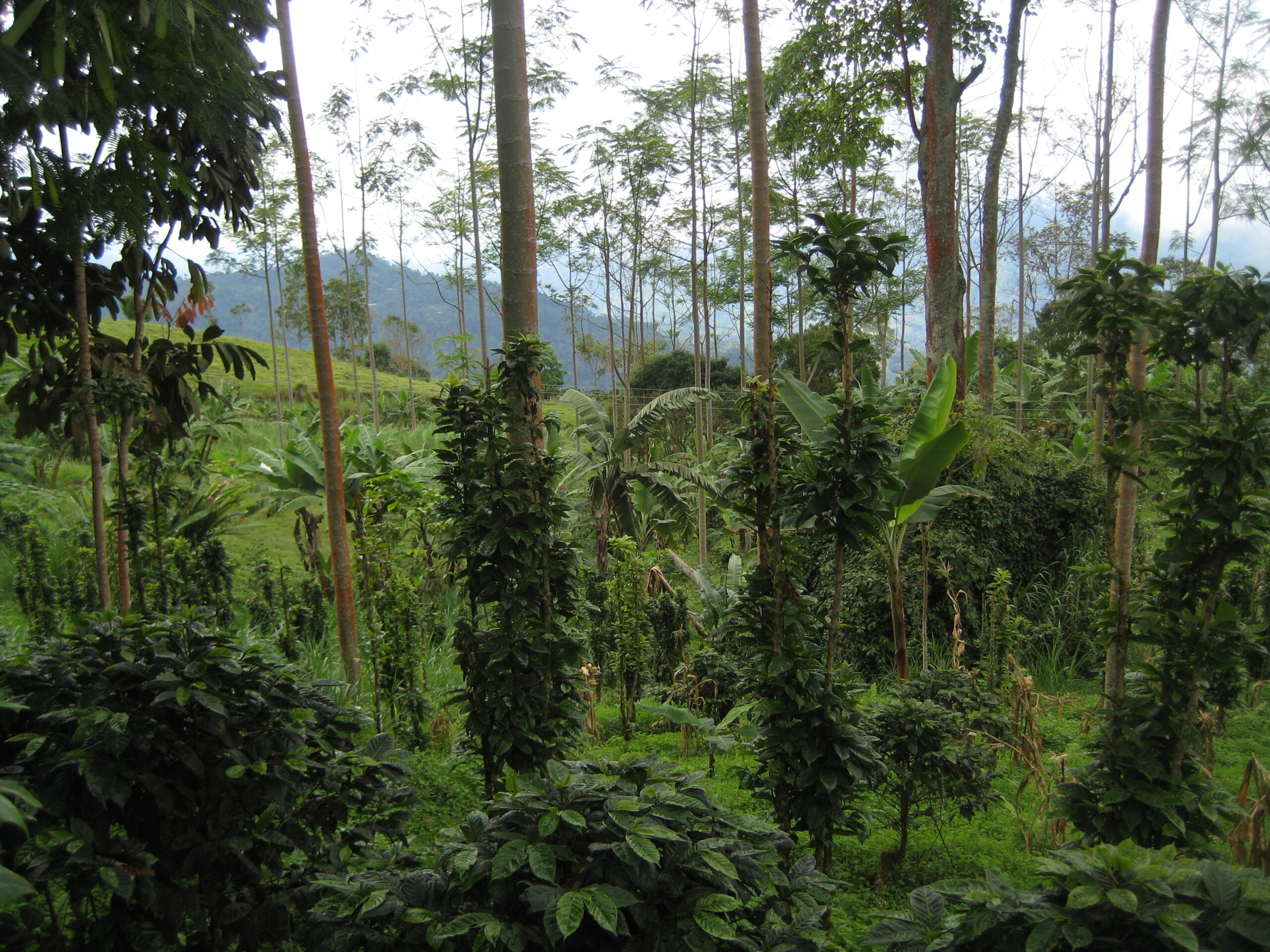
Colombia Huila Coffee: 6 Secrets of a Sweet, Balanced Origin
Colombia Huila coffee is one of the best-known names in Colombia’s specialty world. Huila sits in southwest Colombia, between the central and eastern Andes mountains. It grows more coffee than any other department in the country. That’s no accident. Here, height, volcanic soil, and local climate come together almost perfectly. The result is one of the sweetest, most balanced coffees from Colombia. What Is Huila Coffee? Short answer: Huila coffee is arabica coffee grown in the Huila department of southwest Colombia. Most of it comes from small family farms in the Andes, at high altitude. It is usually washed, and it is known for a sweet, clean cup with bright acidity and notes of fruit and caramel. When a bag says “Colombia Huila”, it tells you the country and the region. Many roasters add the farm, the variety and the process too. That extra detail helps you find the cup you like. If you are new to labels like these, our guide to coffee processing methods explains what “washed” and “natural” mean. Where Huila Is, and Why It Matters So Much Huila stretches along the Magdalena river valley, ringed by volcanoes like Nevado del Huila. Farms climb past 2,000 meters. That height slows down how the cherries ripen. The beans grow denser and build richer sugars. It’s no surprise the region is now a model for specialty growers across Colombia. Growing: Volcanic Soil and Smallholder Farms Huila coffee grows almost entirely in mineral-rich volcanic soil. Most farms are small, family-run, often under 2 hectares. The main varieties are Caturra, Castillo, and Colombia. All three resist coffee leaf rust and still give good cup quality. Read next: Antigua Guatemala Coffee: The Essential Guide to Its Sweet Cup · Brazilian Coffee: 7 Essential Facts About the World’s Biggest Origin · V60 vs Chemex: 5 Differences to Help You Choose Your Pour-Over, Panama Geisha coffee Harvesting: By Hand, Cherry by Cherry In Huila, harvesting is almost always done by hand, one cherry at a time. Pickers pass over the same plant several times. Each time, they take only the ripest cherries. This slow, careful work is one main reason the region’s coffee earns high scores, year after year. Processing: Washed as the Standard The washed method is the most common way to process coffee in Huila. Workers pulp the cherries right after picking. The beans ferment in water tanks for a few hours. Then workers wash them and set them out to dry in the sun. This method gives the coffee a clear, clean flavor. Honey-processed lots aren’t rare either. More small growers are using this method to get a sweeter, fuller cup. Want to learn more? Check our article on washed, honey, and natural processing for all the details. The Cup Profile A washed Colombia Huila coffee usually shows clear sweetness and good body. The most common notes are peach, plum, and caramel. The acidity is bright but never harsh. It’s a balanced cup that wins over espresso drinkers who like a round shot, and pour-over fans who like methods such as the V60 or Chemex. Huila geography in numbers A few plain facts help explain the coffee. They come from the Huila Department entry on Wikipedia. Location: southwest Colombia, with Neiva as the capital Size: about 19,890 square kilometers, roughly 1.74% of the country Mountains: the south of the department sits in the Colombian Massif, where the Eastern Andes branch off River: the Magdalena River, Colombia’s longest, rises here Volcano: Nevado del Huila, Colombia’s third highest peak, is inside the department Coffee towns: Pitalito and La Plata are named among the main centers of the coffee belt Administration: 37 municipalities; the department was established in 1905 The Andes, the volcanic landscape and the river valley give the region the mix of altitude, rain and soil that coffee growers look for. They also explain why so many different microclimates, and so many different flavors, exist inside one department. How It Compares to Other Origins Kenya AA is more acidic and citrusy. Next to it, a Huila coffee leans into sweetness and roundness. Sumatra Mandheling is wet-hulled and more earthy. Next to that, the Colombian cup feels cleaner and more fruity. Read more about Kenya AA and Sumatra Mandheling to compare. These differences come from how the coffee is processed, the local climate, and the plant variety, all together, not from just one factor. For more on Colombian coffee geography, check the Wikipedia entry on Colombia. It’s a good place to start learning about the country’s departments and growing regions. Huila Coffee at a Glance Location Southwest Colombia, along the upper Magdalena river valley Altitude Mostly 1,250–2,000 m above sea level Main varieties Caturra, Castillo, Colombia, Typica, Bourbon; rarer Pink Bourbon and Geisha lots Processing Mostly washed; growing numbers of honey, natural and experimental lots Harvest Two per year: a main crop and a smaller “mitaca”, with timing that varies by area Typical cup Sweet and balanced: caramel, red fruit, stone fruit, citrus, medium body Café de Huila: A Protected Origin Huila’s coffee has its own Denomination of Origin, “Café de Huila”. It protects coffees grown and processed in the department and recognizes the link between their flavor and the local environment: altitude, volcanic soils and the climate of the Andes. For buyers, it is a guarantee that the coffee really comes from Huila, not just “Colombia” in general. Pink Bourbon and the New Huila Microlots In recent years Huila has become famous for Pink Bourbon, a variety with pink-colored ripe cherries that spread from farms in the south of the department. Pink Bourbon lots are often floral and very sweet, with notes that can recall tea, peach or tropical fruit, and they regularly appear in competitions and specialty menus. Alongside it, many Huila producers now experiment with extended fermentations and natural processing, creating microlots that taste very different from the classic washed Colombian cup. How to Brew Huila Coffee Huila’s balance makes it one of the most versatile origins to brew.
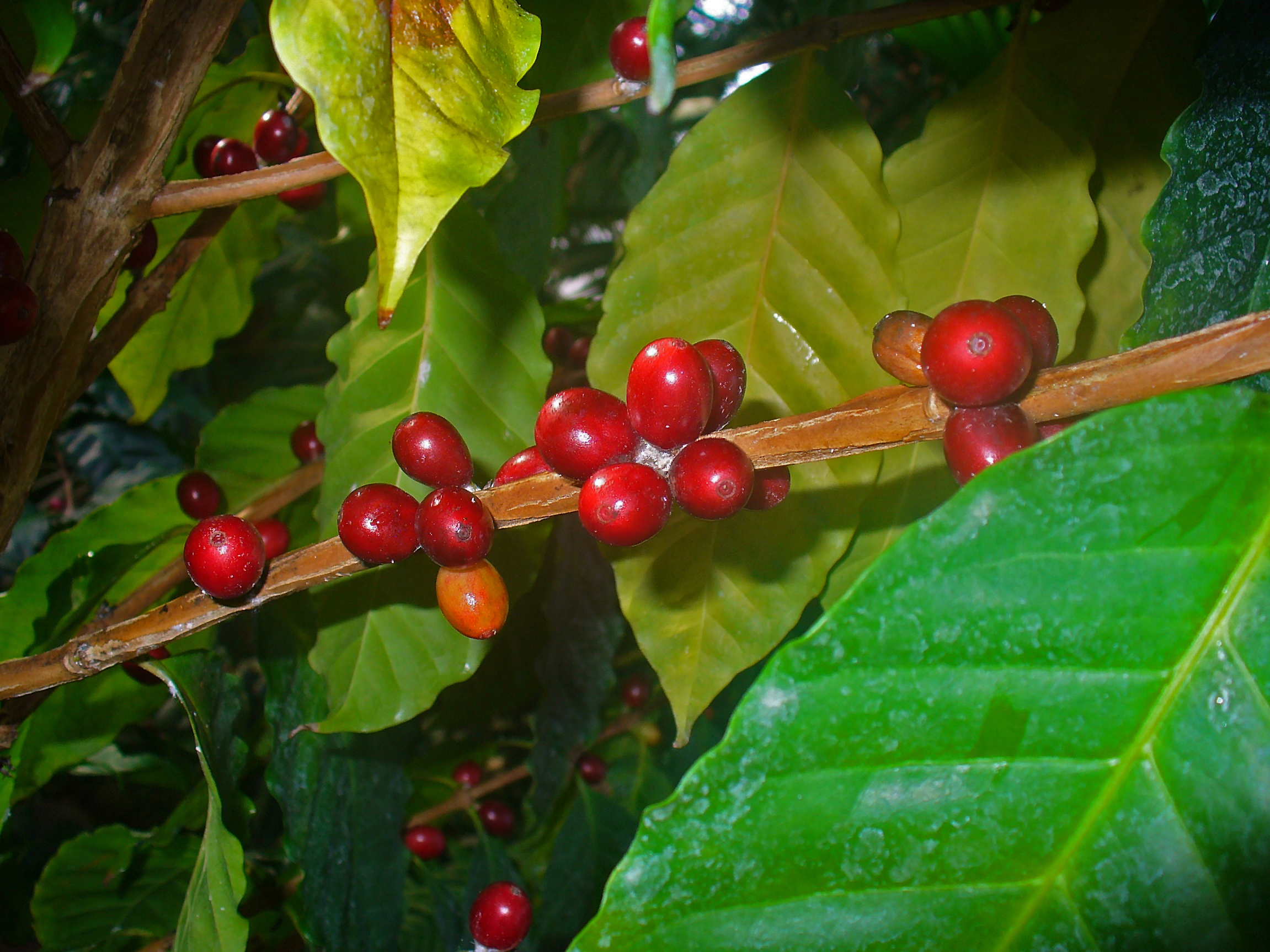
Arabica Coffee Varieties: 5 Differences Between Typica, Bourbon and Caturra
Arabica coffee varieties are the first clue to what’s in your cup. People often miss this clue. When people talk about specialty coffee, they almost always talk about origin: Ethiopia, Colombia, Kenya. But behind every bag there’s another key detail. It matters as much as terroir. It’s the plant’s own variety. Typica, Bourbon, Caturra, and Geisha are not made-up names. They’re different branches on the same family tree. Each branch has its own clear character in the cup. Variety and Origin: Two Different Things Origin tells you where the coffee grew: height, weather, soil. Variety tells you what was planted in that soil. Two plants of the same variety, grown on different continents, still share the same genes. The result is a clear pattern in sweetness, acidity, and body. All the varieties here belong to one species, Coffea arabica. This is the species behind specialty coffee. Robusta (Coffea canephora) comes from a totally separate family tree. Typica: The Mother Variety Typica is the root of almost every other arabica variety grown today. It reached Latin America in the 1700s, after Ethiopian plants first reached Europe. Its plants are tall and give a low yield, so it’s not very productive by today’s standards. But in the cup, it gives clean flavor, soft sweetness, and balanced acidity. Many still see this cup as the standard for arabica coffee. Bourbon: The Mutation That Added Body Bourbon began as a natural mutation of Typica. It was found on Bourbon Island, today called Réunion, in the Indian Ocean. It yields more than its parent, and gives cups with fuller body. It has ripe-fruit sweetness and more sugar. It’s still one of the best-loved varieties in fine Brazilian and Central American coffees. Caturra and Catuai: The Answer to Higher Yields Caturra is a natural mutation of Bourbon. Growers picked it in Brazil for its small size. The plants are shorter. They’re easier to grow and pick, and give a higher yield. Catuai is different: it’s a cross, made in a lab by crossing Caturra with Mundo Novo. It’s built to give good yield and stand up to wind and rain. In the cup, both give a simpler profile than Typica and Bourbon: good acidity, medium body, less depth in aroma. But they grow true, year after year. That’s why they’re still among the most common varieties in Central and South America. Geisha: The Exception That Changed the Market Geisha, sometimes spelled Gesha, deserves its own section. It’s a variety from Ethiopia that found fame in Panama, starting in the 2000s. Its cup stands out: strong floral notes, bergamot, jasmine tea, and a light body. It’s one of the most wanted and priciest varieties in the specialty world. Read more in our deep dive on Geisha coffee. Arabica Varieties at a Glance Variety Origin Typical cup Notes Typica Ethiopia via Yemen, spread worldwide from the 1700s Clean, sweet, delicate Low yield, tall plants Bourbon Réunion island (formerly Île Bourbon) Sweet, round, caramel and fruit Red, yellow and pink forms exist Caturra Natural mutation of Bourbon, Brazil Bright, medium body Compact plant, higher yield Catuai Cross of Mundo Novo and Caturra, Brazil Balanced, sometimes simpler Very productive, wind-resistant SL28 / SL34 Selected in Kenya in the 1930s Juicy, blackcurrant, intense acidity Prized but disease-prone Pacamara Cross of Pacas and Maragogype, El Salvador Complex, savory-sweet, very large beans Popular in competitions Geisha / Gesha Ethiopia, made famous in Panama Jasmine, bergamot, tea-like Low yield, very expensive Ethiopian heirloom Native Ethiopian landraces Floral, citrus, berry Thousands of local types Disease-Resistant Varieties: Castillo, Catimor and Sarchimor Coffee leaf rust, a fungus that destroys leaves and harvests, has pushed many countries to plant resistant varieties. Most of them descend from the Timor Hybrid, a natural cross between Arabica and Robusta found on the island of Timor. Catimor and Sarchimor groups are widely planted in Central America and Asia, while Castillo, developed in Colombia, now covers a large share of Colombian farms. For years they had a reputation for a simpler cup, but with good farming and processing many of them now produce excellent specialty coffee. Arabica Varieties FAQ How many Arabica varieties are there? Dozens of named cultivated varieties are grown around the world, and Ethiopia alone holds thousands of wild and local types. Most of the coffee outside Ethiopia, however, descends from just a few plants carried out of Yemen centuries ago, which makes its genetic base surprisingly narrow. Which Arabica variety is the best? There is no single best. Geisha and SL28 are famous for intense aromatics, Bourbon for sweetness, Pacamara for complexity. Altitude, farming and processing matter as much as the variety itself. Is “100% Arabica” a guarantee of quality? No. Arabica covers both excellent specialty lots and ordinary commercial coffee. Look for the variety, origin, processing and roast date to judge quality. Can I taste the difference between varieties? Often yes, especially with filter brewing and a light or medium roast. Comparing two coffees from the same farm but different varieties is the clearest way to notice it. Why Arabica Coffee Varieties Alone Aren’t Enough Knowing arabica coffee varieties helps you sense a coffee’s potential. But the final cup always depends on several things together: height, processing method (washed, honey, or natural), and roast. Two lots of the same variety, processed in different ways, can taste almost opposite in the cup. Want to see how processing changes flavor? Check our article on washed, honey, and natural processing. Want to go deeper into the plant’s botany? The Wikipedia entry on Coffea arabica is a good place to start. What to Look for When Choosing a Coffee If the label lists the variety, that’s not just a detail for experts. It’s useful information. It tells you something real about what’s in the cup. A Typica or a Bourbon aim for balance and sweetness. A Caturra aims for a steady, clean cup. A Geisha offers an experience on another level. Learning to read these labels is one more step toward
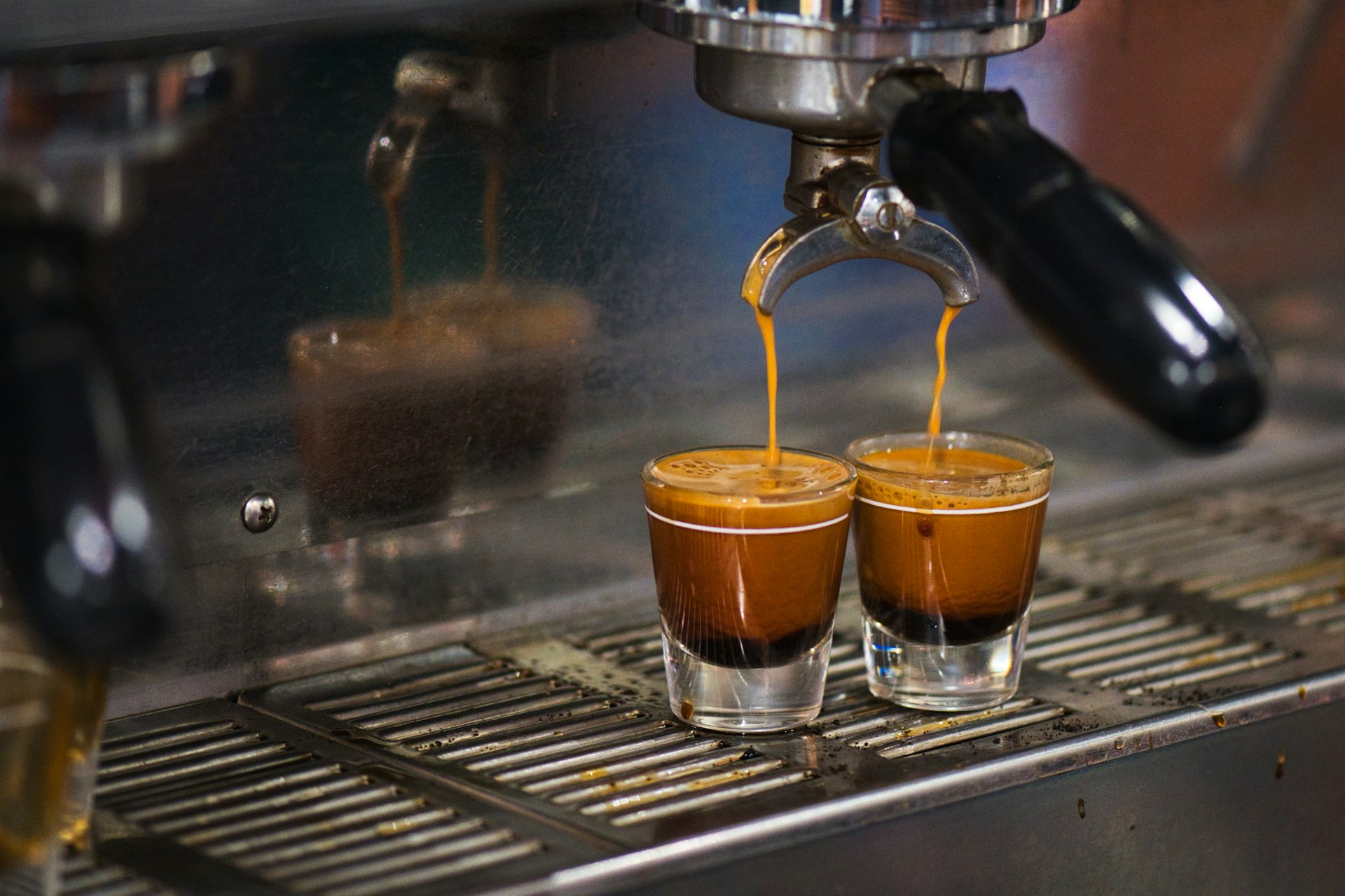
5 Espresso Myths You Should Stop Believing
Espresso myths have circulated in Italian cafés for years. Some people swear crema is a sign of quality. Others fear caffeine, or never wash their moka pot. In this article, we bust 5 espresso myths. We cover crema, caffeine, and how clean your moka pot needs to be. Knowing these details helps you pick a better coffee. Myth 1: More Crema Means Better Espresso A thick, long-lasting crema looks like the mark of a perfect espresso. In fact, it mostly shows how fresh the roast is. It’s not a sign of the coffee’s true quality. Freshly roasted beans release more carbon dioxide. This gas makes a thicker crema, even when the coffee itself isn’t great. A coffee with little crema can still taste rich. What matters far more is where the beans come from. A Kenya AA lot or an Ethiopian Guji lot are good examples. Myth 2: Espresso Has More Caffeine Than Filter Coffee By volume, espresso is one of the most concentrated coffee drinks. But the cup is small, about 25-30 ml. So the total caffeine stays low. A 200 ml cup of filter coffee can hold more total caffeine than one espresso. According to EFSA, the European Food Safety Authority, the amount depends on several factors. Dose, brewing method, and drink size all play a role. The myth comes from mixing up strength with total amount. If you want less caffeine overall, a single espresso beats a large cup of filter coffee. Myth 3: Espresso Is Harder on Your Stomach Than Other Coffee There’s no proof that espresso irritates your stomach more than other brewing methods. The effect depends mostly on the roast and on your own body. Dark roasts build up fewer acids than light roasts. So if you have reflux or feel acidity, you may prefer a darker roast. This holds true no matter how you brew it. Bean quality matters too. A fresh, well-processed coffee, washed or honey, tends to feel more balanced and easier on your stomach than an old or flawed one. Myth 4: Never Wash a Moka Pot With Soap Many people think washing a moka pot with soap ruins the coffee’s flavor. In fact, a dirty moka pot can build up old oils and residue that spoil every cup. That dark coating inside isn’t a helpful “seasoning.” It’s just old, stale coffee. Washing your moka pot often with hot water keeps the flavor clean. When needed, a mild soap is fine too. Want the full steps? Check our guide to the perfect moka pot. It also covers how to care for the tool. Myth 5: Robusta Is Always Lower Quality Than Arabica Arabica usually has a sweeter, more aromatic profile. But that doesn’t make Robusta automatically poor. Some specialty Robusta is grown and processed with real care. A well-grown Robusta can give full body and a denser crema in espresso. Quality depends on growing, processing, and roasting, not just the plant species. What a Good Espresso Really Looks Like Once the myths are cleared away, it helps to know the real reference points. These are typical starting values for a double espresso; every coffee and machine needs small adjustments. Dose 16–20 g of ground coffee (double basket); 7–10 g for a single Yield About twice the dose: 32–40 g of liquid espresso Time 25–30 seconds from pressing the button Water temperature About 90–95 °C Pressure Around 9 bar at the coffee In the cup Hazel to reddish-brown crema, sweet and balanced taste, no harsh bitterness or sharp sourness How to Taste an Espresso Properly Espresso FAQ How much caffeine is in an espresso? A single shot usually contains roughly 60–80 mg of caffeine, depending on the dose and the blend. A mug of filter coffee often contains more, simply because it is made with more ground coffee. Is espresso a type of bean or roast? Neither. Espresso is a brewing method: hot water pushed under pressure through finely ground coffee. “Espresso roast” on a bag only means the roaster thinks that coffee works well for espresso, usually a medium or darker roast. Why is my espresso sour? Usually because it is under-extracted: the grind is too coarse or the shot runs too fast. Grind finer, or let the shot run a little longer. Very fresh or very light roasts can also taste sharper. Why is my espresso bitter? Over-extraction (grind too fine, shot too long), water that is too hot, a very dark roast or a dirty machine are the usual causes. Clean the group head and portafilter regularly: old coffee oils turn rancid and add bitterness. Can you make real espresso with a moka pot? Not technically. A moka pot works at about 1–2 bar, far below the roughly 9 bar of an espresso machine. It makes a strong, rich coffee that is closer to espresso than filter coffee, but with less crema and a different texture. Does espresso have more caffeine than drip coffee? Per millilitre, yes. Per serving, a typical cup of drip coffee often has more because it is larger. Is espresso bad for your stomach? Some people find coffee irritating on an empty stomach. If that is you, drink it with food. For specific concerns, ask a doctor. Espresso Myths: Knowing Them for a Better Cup Telling myths from facts helps you enjoy espresso with more awareness. The history of Italian espresso itself is a story built on skill, not just tradition. Knowing these espresso myths, in short, helps you choose with more confidence. What Really Affects Espresso Quality Many things shape a shot. Fresh beans come first. Then the grind, the dose, the water temperature and the pressure. A small change in any of these shifts the taste. This is why espresso feels tricky, and why a tidy routine helps. Myths About Espresso Machines A pricey machine does not make great coffee by itself. A good grinder matters at least as much. Many baristas say it matters more. If your budget is limited,