
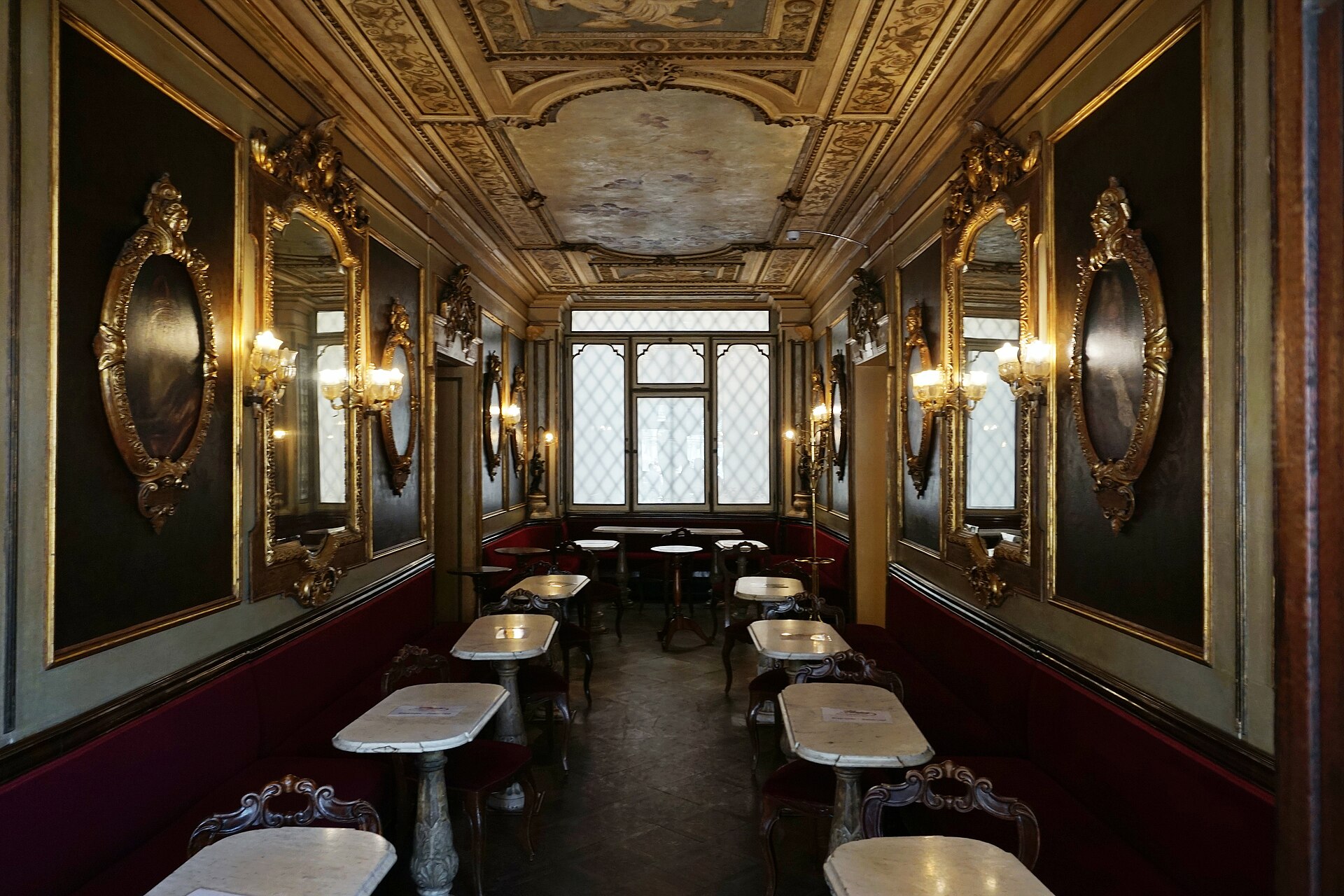
Quick answer: the oldest historic cafe in Italy still open is Caffè Florian in Venice, which opened on 29 December 1720 in Piazza San Marco. Antico Caffè Greco in Rome followed in 1760, then Al Bicerin in Turin, Pedrocchi in Padua, Gambrinus in Naples and Caffè San Marco in Trieste. Dates for some cafes vary between sources, so treat them as the commonly cited ones. The historic cafes in Italy are more than places to drink coffee. They are living museums. Writers, painters, rebels and royals once sat at their marble tables. Many still serve coffee in rooms that have barely changed in 200 years. If you love coffee and history, these six are worth a trip. Coffee reached Italy through Venice in the 1600s, thanks to trade with the Ottoman Empire. At first it was sold as a costly drink, almost a medicine. Soon, coffee houses opened across Europe. You can read the full story in our piece on the first coffee houses in Europe. In Italy, these rooms became the heart of city life. Why Historic Cafes in Italy Matter In the 18th and 19th centuries, the café was where people met to talk. They read the news, argued about politics and shared new ideas. There was no internet and few public places to gather. So the café played the role of a club, a library and an office, all at once. Today, Italy has a formal group of “historic places” called Locali Storici d’Italia. It lists cafés, bars and pastry shops that have kept their old look and spirit. Many of the places below are part of it. 6 Legendary Historic Cafes in Italy 1. Caffè Florian, Venice (1720) Caffè Florian is often called the oldest café in Italy still open today. It opened in 1720 under the arches of Piazza San Marco. The founder was Floriano Francesconi, and the café soon took his name. Its small rooms are covered in mirrors, gold frames and painted panels. It is one of the few places in Venice where women were welcome in the 1700s. A coffee at Florian is not cheap, above all when the small orchestra plays outside. But you are paying for the room, the view and three centuries of history. Read next: Caffè Greco Rome History: 1760 to Today · Trieste Coffee: The Surprising History of Italy’s Coffee Capital · Italian Coffee Culture: 6 Surprising Reasons Locals Drink Standing Up, Caffè Florian history. 2. Antico Caffè Greco, Rome (1760) Antico Caffè Greco opened in 1760 on Via dei Condotti, near the Spanish Steps. It is the oldest café in Rome. Its long, narrow rooms are lined with red velvet and hundreds of paintings. Over the years, artists and poets from across Europe came here. Goethe, Byron and Keats are among the names most often linked to it. 3. Caffè Al Bicerin, Turin (1763) This tiny café in Turin has only a few round marble tables. It opened in 1763 and gave its name to a local drink: the bicerin. It is a small glass with layers of espresso, hot chocolate and cream, served without stirring. The statesman Camillo Benso, Count of Cavour, is said to have come here to rest from politics. 4. Caffè Pedrocchi, Padua (1831) Caffè Pedrocchi is a grand building in neoclassical style. The architect Giuseppe Jappelli designed it for the coffee maker Antonio Pedrocchi, and it opened in 1831. Locals called it the “café without doors”, because until 1916 it stayed open day and night. It was a meeting point for students of the nearby university. In 1848, it was also the scene of a student revolt. You can learn more on the Pedrocchi Café page on Wikipedia. 5. Gran Caffè Gambrinus, Naples (1860) Gambrinus sits on Piazza Trieste e Trento, next to the royal palace and the San Carlo opera house. It opened in 1860 and soon became the living room of Naples. It is also linked to the caffè sospeso, the “suspended coffee” you pay for a stranger. For more on the city’s coffee rituals, read our guide to coffee in Naples. 6. Caffè San Marco, Trieste (1914) Trieste is one of the great coffee ports of Europe. Caffè San Marco opened there on January 3, 1914. It has a rich Vienna-style interior, with dark wood and painted walls. It has long been a home for writers such as James Joyce and Italo Svevo. Today it is also a bookshop, so you can read with your coffee. Tips for Visiting Historic Cafes in Italy Historic Cafes in Italy at a Glance Cafe City Founded What to order Caffè Florian Venice 1720 An espresso or a hot chocolate under the arcades of Piazza San Marco Antico Caffè Greco Rome 1760 An espresso standing at the bar Caffè Al Bicerin Turin 1763 The bicerin: espresso, chocolate and cream in layers Caffè Pedrocchi Padua 1831 The caffè Pedrocchi, espresso with mint cream and cocoa Gran Caffè Gambrinus Naples 1860 A Neapolitan espresso, and perhaps a caffè sospeso Caffè San Marco Trieste 1914 A “nero” (espresso) or a “capo” (small cappuccino), in the local slang The story behind Caffè Florian Florian is worth a closer look, because its history is also the history of the Italian coffee house. According to the Caffè Florian entry on Wikipedia, it opened with two simply furnished rooms under the name “Alla Venezia Trionfante” (Venice the Triumphant). People soon called it Florian, after its first owner, Floriano Francesconi. Famous names are linked with the cafe, including the playwright Carlo Goldoni, Goethe and Casanova. Later visitors included Lord Byron, Marcel Proust and Charles Dickens. The same source says Florian was unusual because it welcomed women, and that it grew to four rooms by 1750. Politics came into the room too. In 1796 the Venetian authorities feared that French revolutionary ideas were spreading among its international guests, and they ordered the owner to close it. When French troops entered Venice in 1797, the old “Venice Triumphant” sign was replaced
French Press Coffee: 7 Essential Steps for a Perfect Cup
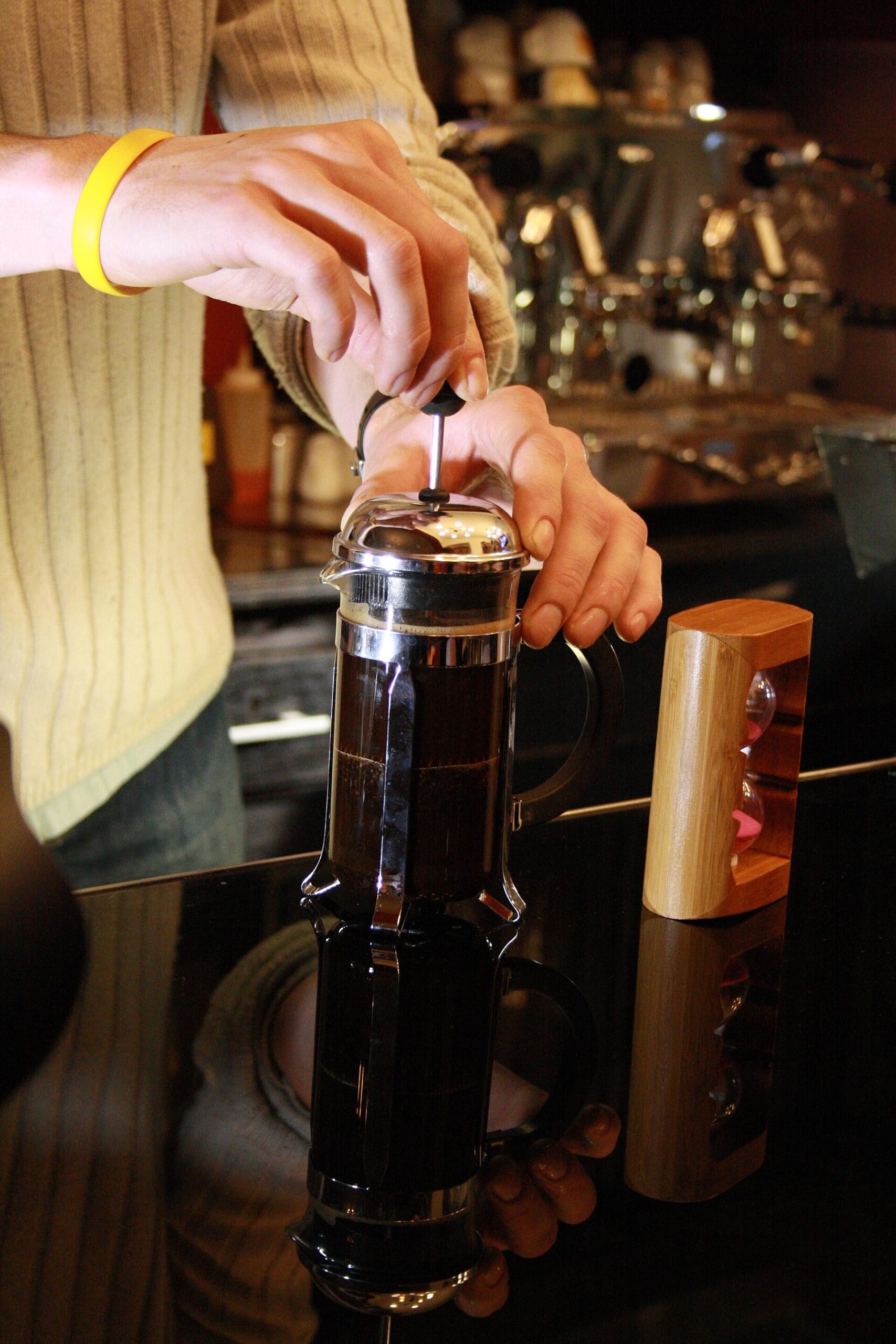
French press coffee is one of the easiest ways to make a rich, full-bodied cup at home. You need no paper filters, no electricity and no special skills. Just coarse coffee, hot water, a timer and a little patience. In this guide you will learn the right ratio, grind and steep time, plus a few small tricks that make a big difference. What Is a French Press? A French press is a simple brewer. It has a glass or steel jug, a lid and a plunger with a fine metal mesh filter. You steep the coffee grounds in hot water, then push the plunger down to trap them at the bottom. It is a full immersion method: all the coffee sits in all the water for the whole brew. Here is a fun twist for a coffee lover. Despite the name, the modern press has Italian roots. Two designers from Milan, Attilio Calimani and Giulio Moneta, patented an early version in 1929. Later, another Italian, Faliero Bondanini, patented his own design in 1958. It was made in France, and that is where it became famous. You can read more on the history of the French press on Wikipedia. What You Need for French Press Coffee A French press. The glass Bodum Chambord French Press is a classic, with a rating of about 4.6 out of 5 stars on Amazon. A steel model holds heat better and will not break if you drop it. Fresh whole beans. Buy them roasted in the last few weeks, and grind them just before you brew. A grinder. A burr coffee grinder gives an even, coarse grind. Blade grinders make a mix of dust and chunks. A kitchen scale and a timer. Your phone works fine as a timer. A kettle. Any kettle will do. You do not need a gooseneck for this method. The Best French Press Coffee Ratio A good place to start is 1:15. That means 1 gram of coffee for every 15 grams of water. For one large mug, use 20 grams of coffee and 300 grams of water. For a full 1-liter press, use about 60 grams of coffee and 900 grams of water. If the cup tastes weak, use a bit more coffee next time, such as 1:13. If it tastes too strong or heavy, go to 1:16 or 1:17. Change one thing at a time, so you know what made the difference. Grind Size: Coarse, Like Sea Salt Grind is the most common mistake. The French press needs a coarse grind, close to the size of sea salt or breadcrumbs. If the grind is too fine, the coffee will taste bitter and muddy. The plunger will also be hard to push. If it is too coarse, the cup will taste thin and sour. For a full chart of sizes, see our coffee grind size guide. How to Make French Press Coffee: 7 Steps Heat the water. Bring it to a boil, then let it rest for about 30 seconds. You want it at around 93 to 96°C (200 to 205°F). Warm the press. Pour a little hot water into the empty press, swirl it and throw it out. A warm jug keeps the brew stable. Add the coffee. Weigh and grind your beans, then tip them into the press. Pour the water. Start the timer and pour all the water in. Make sure every bit of coffee gets wet. Put the lid on, but do not press yet. Wait four minutes. A crust of grounds will form on top. Break the crust. Stir the top gently with a spoon. Most of the grounds will sink. Scoop off the foam and the bits that still float. Press and pour. Push the plunger down slowly and gently. Then pour all the coffee out at once, into cups or a carafe. Many baristas like to wait a few more minutes after step 6, before they press. This lets the fine bits settle. The result is a cleaner cup with less sludge. It is worth a try if you have the time. 5 Common Mistakes to Avoid Leaving the coffee in the press. The grounds keep brewing even after you press. Pour the coffee out right away, or it will turn bitter. Pressing too hard. Force pushes fine grounds through the mesh. Press slowly, with light pressure. Using old, pre-ground coffee. It loses aroma fast. Fresh beans make the biggest change in the cup. Pouring the last drop. The bottom of the cup holds the silt. Leave the last sip or so behind. Skipping the cleaning. Oils build up in the mesh and taste stale. Take the filter apart and rinse it often. Which Beans Work Best? The metal filter lets natural oils pass into the cup. That is why French press coffee feels round and heavy in the mouth. Medium roasts shine here, with notes of chocolate, nuts and ripe fruit. Natural process coffees from Brazil or Ethiopia can taste lush and sweet. Light roasts work too, but you may need a slightly finer grind or a longer steep. Want to try other methods? The press is also a great tool for cold brew. See our cold brew coffee guide. Or learn the Italian classic with our moka pot guide. The moka is the small stovetop pot found in almost every Italian kitchen. Common French Press Mistakes A Simple Recipe Use 30 grams of coffee for 500 grams of water. Add the water just off the boil. Stir gently, put the lid on and wait four minutes. Press slowly and pour. If you want less sediment, let the cup rest for a minute before you drink, and leave the last sip in the cup. How to Clean Your Press Empty the grounds into a bin or compost, not down the sink. Rinse the parts with warm water. Take the filter apart now and then and wash each piece. Oils build up on the mesh and can turn rancid, which spoils

Bialetti Brikka Review: 4 Pros, 6 Cons and an Honest Verdict
Bialetti Brikka review: how the valve works, what the crema is really like, pros, cons and who should buy this crema-making moka pot.
Italian Coffee Myths: 6 Surprising Truths About Coffee in Italy
Italian coffee myths, debunked: from “espresso beans” to the cappuccino rule, 6 surprising truths about how coffee really works in Italy.
Italian Coffee Drinks: 10 Essential Orders and the Unwritten Rules
Italian coffee drinks explained: from caffè to marocchino, 10 essential orders and the unwritten rules of the Italian bar, for curious coffee lovers.
Ristretto Coffee: 5 Secrets to the Perfect Extraction
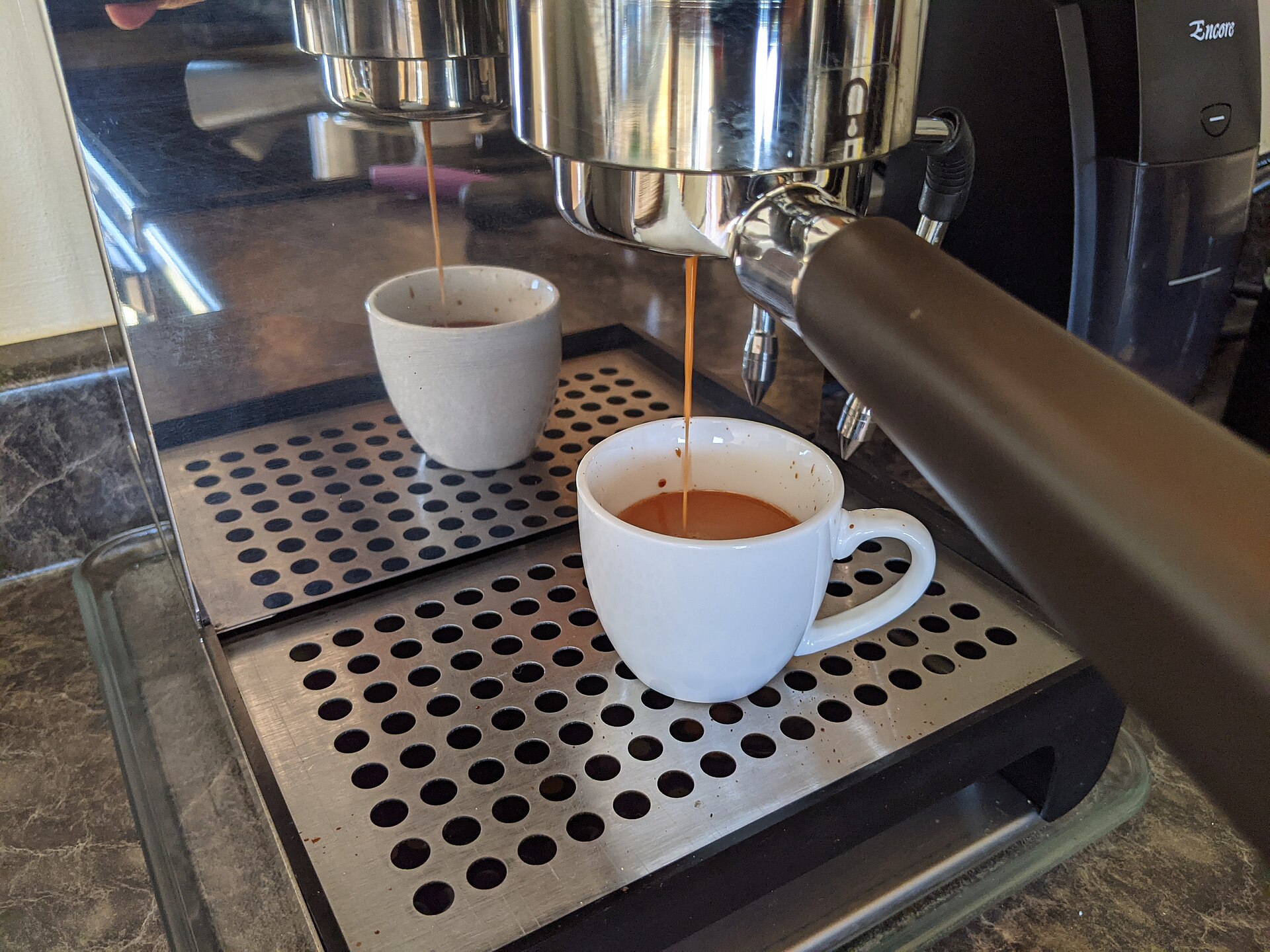
Ristretto coffee is one of the most intense ways to drink espresso. But making a great ristretto coffee isn’t as simple as it sounds. A few grams of water too many, or the wrong extraction time, are enough to ruin it. Here are 5 things to know for a truly balanced ristretto coffee, from dose to grind size to timing. 1. What Is Ristretto Coffee? Short answer: a ristretto (“restricted” in Italian) is a shorter espresso. It uses the same dose of coffee but about half the water, so you get roughly 15–20 ml in the cup, with a 1:1 to 1:1.5 ratio and a shot time of about 15–20 seconds. The result is thicker, sweeter and less bitter than a normal espresso. Ristretto uses the same dose of coffee as a regular espresso. What changes is the amount of water: roughly half. Extraction is stopped earlier. The result is a smaller, denser cup with a heavier body. It isn’t “stronger” in absolute terms — it’s more concentrated in a smaller volume. Spain and Portugal have similar variations under different names, but the principle stays the same: less water means more perceived intensity in the cup, not necessarily more actual caffeine. It’s a style choice, not a fixed rule. Some baristas recommend it after a meal, when you want a short coffee that’s still full of flavor. 2. Getting the Dose and Grind Right A ristretto needs about 7 grams of ground coffee for roughly 15-20 ml of coffee in the cup. The grind should be slightly finer than for a classic espresso. A grind that’s too coarse lets water flow through too quickly. The result would be watery, not concentrated — the opposite of what a good ristretto coffee should taste like. 3. Extraction Time Matters More Than Anything A classic espresso extracts in about 25-30 seconds. Ristretto stops earlier, around 15-20 seconds. Stopping extraction too soon leaves the coffee acidic and under-sweet. Stopping it too late makes it bitter. It takes practice to find the right point with your own machine. Pressure matters too. Too low, and extraction takes longer. Too high, and you risk burning the coffee before the sugars have had a chance to extract. 4. Ristretto Caffeine: Less Than Espresso and Lungo Many people assume ristretto coffee has more caffeine, because it tastes stronger. It’s actually the opposite. Caffeine dissolves as water passes through the grounds. Less water means less caffeine ends up in the cup. A lungo, somewhat paradoxically, contains more. We’ve covered similar misconceptions in our article on coffee roasting myths. None of this means ristretto is the wrong choice. It just means choosing it for the right reason, rather than chasing a caffeine myth. 5. The Most Common Mistakes to Avoid The first mistake is using a coffee roasted too dark, which buries the sweet notes under bitterness. The second is tamping the coffee with excessive force, slowing the flow too much. The third is serving it in a cold cup, which drops the temperature the moment it hits your lips. For a balanced ristretto coffee, the raw material matters as much as the technique: a well-roasted specialty coffee makes the job much easier behind the bar. Machine cleanliness is part of the technique too. Old residue in the group head throws off the flavor of every shot, ristretto included. Ristretto vs Espresso vs Lungo at a Glance All three start from the same dose of ground coffee. What changes is how much liquid you let into the cup. Baristas usually describe this as a “brew ratio”: grams of dry coffee in, grams of liquid coffee out. Ristretto Espresso Lungo Ratio (coffee : drink) about 1:1 to 1:1.5 about 1:2 1:3 or more Example with 18 g of coffee 18–27 g in the cup about 36 g 54 g or more Typical time 15–20 seconds 25–30 seconds 35 seconds or more Body Thick, syrupy Full Lighter Taste Sweet, intense, less bitter Balanced More bitter and dry notes How to Pull a Ristretto at Home, Step by Step If the shot tastes sharp and sour, grind finer or let it run a couple of grams longer. If it tastes harsh or ashy, grind slightly coarser. Change one thing at a time. How to Order a Ristretto in Italy In an Italian bar, an espresso is simply “un caffè”. For the short version, ask for “un caffè ristretto” or just “un ristretto”. Most baristas will happily make it, and many locals order it this way every day. Drink it standing at the counter, like Italians do, and remember that in most bars you pay at the till first and then show the receipt to the barista. For the opposite, a longer espresso, ask for “un caffè lungo”. Milk Drinks Made With Ristretto Because a ristretto is sweeter and less bitter than a full espresso, many cafés use ristretto shots in milk drinks. The flat white, born in Australia and New Zealand, is often made with a double ristretto: the concentrated coffee cuts through the milk without tasting harsh. A ristretto also works well in a macchiato or a small cortado, where the coffee flavor needs to stay in front. Ristretto FAQ Is ristretto stronger than espresso? It tastes more intense because the flavor is concentrated in less liquid. But it does not contain more caffeine: with the same dose, a ristretto extracts slightly less caffeine than a full espresso. Can I make a ristretto with a moka pot? Not a true ristretto, because a moka pot works at much lower pressure than an espresso machine. Many Italians, though, make a “short” moka coffee by taking the pot off the heat early and keeping only the first, denser coffee that comes out. It is richer than the full pot, but different from a ristretto made at the bar. Can I make a ristretto with a capsule machine? You can get close by using the shortest cup setting or stopping the machine early. Capsules are
Coffee in Naples: 5 Secrets Behind the Tazzulella
Coffee in Naples isn’t just a drink. It’s a daily ritual, with rules of its own. First-time visitors to the city often don’t know them. Neapolitans follow them without even thinking about it. Here are 5 things to know about coffee in Naples and its famous tazzulella. 1. Why It’s Called “Tazzulella” In Naples, a small cup of coffee is called “‘a tazzulella”. The word has ancient roots. It likely comes from the Arabic “tassah,” meaning a container for hot drinks. The first cups of this kind reached Europe through trade with the Arab world. The term stuck, and became a symbol of the city’s identity. It’s no accident that Neapolitans almost always talk about coffee in the diminutive. The tazzulella isn’t just small in size. It’s also a way of making a daily gesture feel familiar. 2. The Unwritten Rules of Coffee in Naples Walking into a Neapolitan bar means following a small ritual. First, a sip of water, to “cleanse the palate.” Only then comes the coffee. It’s drunk strictly standing at the counter, almost never sitting at a table. It has to be short, dark, creamy, strong, and served scalding hot. Anyone who drinks it lukewarm gets a suspicious look in Naples. Timing matters too. Coffee is drunk in a few sips — never rushed, but never lingered over either. Chatting for a couple of minutes at the counter is as much part of the ritual as the coffee itself. 3. The Cuccumella: Coffee Made at Home Before the moka pot as we know it today, Naples had the cuccumella. It’s a coffee pot that gets flipped upside-down halfway through brewing, letting hot water filter down through the grounds. The process is slower than a classic moka. Many Neapolitans still consider it the most authentic way to make coffee at home. Today it lives alongside the classic moka and home espresso machines. But it remains a piece of history that many Neapolitan families still keep in the kitchen. 4. Caffè Sospeso: Another Side of the Same Tradition Coffee in Naples isn’t only about the people who can afford to drink it. It’s also about those who can’t. That idea gave rise to caffè sospeso: a coffee paid for in advance and left waiting for whoever needs it. We’ve told this story in detail in our article on caffè sospeso, including its origins and how it still works today. It’s a quiet gesture, but one that says a lot about the sense of community found in the city’s bars. 5. Coffee in Neapolitan Popular Culture The tazzulella ‘e cafè was immortalized in song by Pino Daniele. It has appeared in films starring Totò and Eduardo De Filippo. It isn’t just a daily gesture — it has become part of the city’s collective imagination. To dig deeper into the broader origins of the espresso ritual in Italy, read our article on the history of espresso. For more on the etymology and tradition behind the tazzulella, the Wikipedia entry on Naples also covers the city’s cultural context. Neapolitan Coffee Drinks Worth Trying Drink What it is Un caffè The classic: a short, dense espresso. In many Neapolitan bars it arrives already sweetened unless you ask otherwise. Caffè con la cremina Espresso topped with a sweet cream made by whipping sugar with the first drops of coffee. Caffè alla nocciola Espresso with a frothy hazelnut cream, one of the city’s favorite treats. Caffè del nonno A cold, soft coffee cream served in summer, halfway between a dessert and a drink. Caffè sospeso Not a drink but a gesture: a coffee paid in advance for a stranger. How to Order Coffee in Naples Like a Local Go to the counter and say “un caffè, per favore”. In busy bars you may need to pay at the till first and bring the receipt to the barista. If you don’t want sugar, say “amaro” (“bitter”). Otherwise the barista may sweeten it for you. Drink the small glass of water first, to clean your palate. Drink the coffee hot, in two or three sips, standing at the counter. A short chat with the barista is part of the ritual. A rushed “grazie” works too. Historic Cafés of Naples The most famous is Gran Caffè Gambrinus, opened in 1860 next to Piazza del Plebiscito and the Royal Palace. With its Belle Époque rooms, it has hosted writers, artists and politicians for more than a century and a half, and it is often linked to the tradition of caffè sospeso. Many smaller bars, in the historic center and around Piazza Garibaldi, are just as loved by locals for their strong, creamy coffee. Part of the fun is finding your own favorite counter. Why Neapolitan Coffee Tastes So Strong Traditional Neapolitan blends are roasted dark and often include a share of Robusta, which adds body, a thick crema and a bitter, intense taste. Shots are short, the cups are preheated and often very hot, and sugar is part of the experience. It is a different style from specialty espresso, which usually uses lighter roasts and 100% Arabica, but it is a living part of the city’s identity. Coffee in Naples FAQ Why do Neapolitan bars serve water with coffee? The water is meant to be drunk before the coffee, to clean the palate so you can fully taste it. Drinking it after is seen as a way of “washing away” the coffee. Is coffee in Naples always sweetened? Not always, but often. Many bars add sugar or cremina by default. Ask for “caffè amaro” if you prefer it unsweetened. Can you still buy a cuccumella? Yes. The Neapolitan flip coffee pot is still made and sold in Naples’ kitchenware shops and online. It makes a gentler, cleaner coffee than a moka pot, closer to a strong filter. Is it OK to sit down with my coffee? Of course, but table service usually costs more than drinking at the counter, especially in famous cafés and tourist areas. A
Coffee Roasting Myths: 5 Surprising Beliefs Debunked
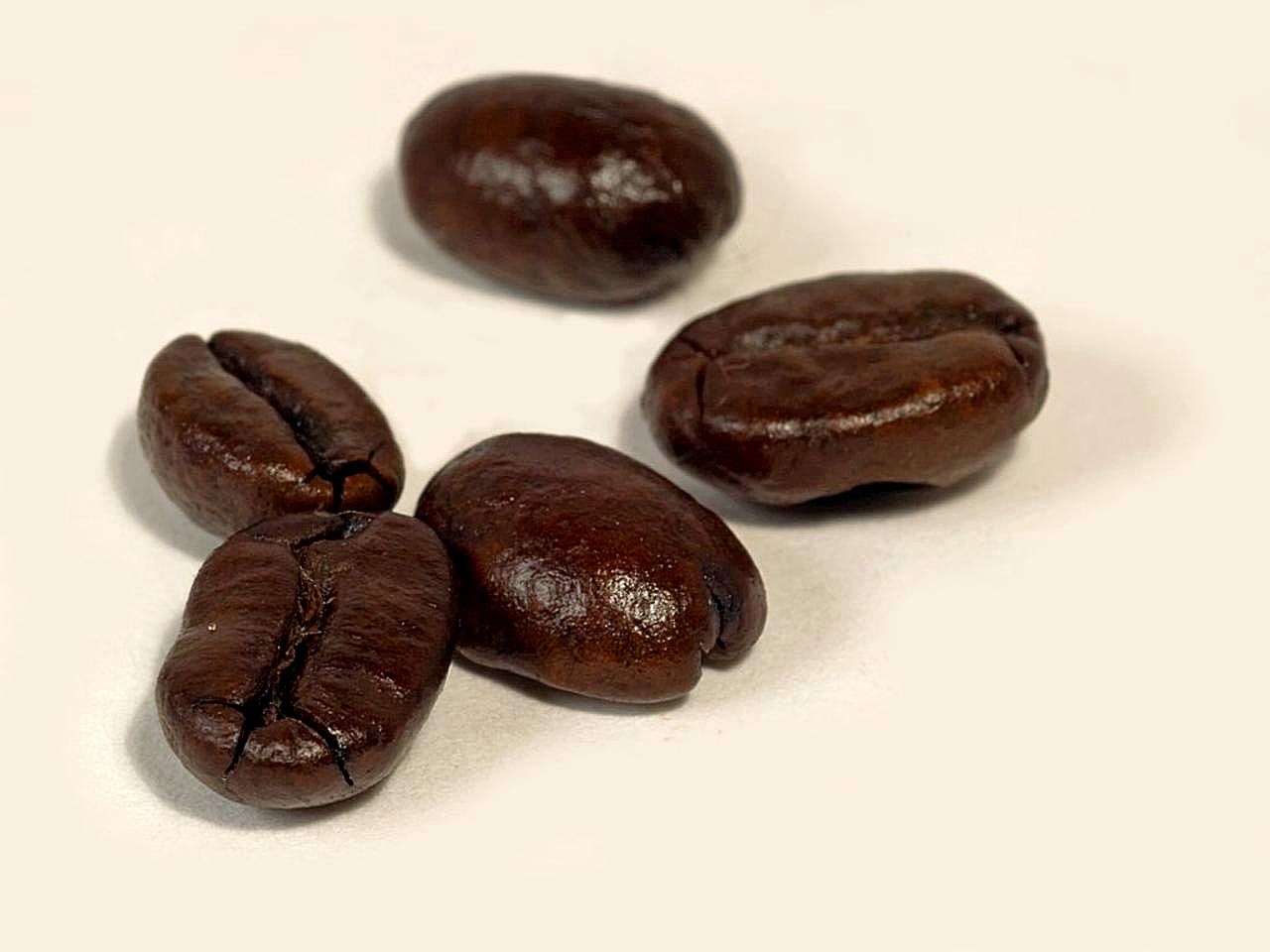
Coffee roasting myths are everywhere. Some sound like common sense. Others are pure bar-counter legend. The problem is they often lead people to choose a worse coffee, not a better one. Let’s look at the 5 most common beliefs and compare them with what roasting actually does. These coffee roasting myths usually start at the counter, not in technical manuals. They get passed from person to person, never really checked. Understanding them helps you choose a better coffee, and spend your money more wisely. 1. “Dark Roast Means Stronger Coffee” This is by far the most common myth. Many people link a dark color to a stronger coffee. In reality, dark roasting burns off part of the bean’s natural sugars. The result is a more bitter taste, not a more intense one. Real intensity comes down to dose and grind size, not roast level. A light or medium roast can actually be far richer in aroma. 2. “The Darker the Bean, the More Caffeine It Has” This one is false too. Roasting slightly reduces caffeine — it doesn’t increase it. A dark roast actually contains a bit less caffeine, weight for weight. The perceived “kick” comes from the more intense, bitter taste, not from the actual amount of caffeine in the cup. 3. “Ground Coffee from the Supermarket Is Always Fresh” The best-by date on the package doesn’t tell the whole story. Ground coffee loses aroma fast, within the first few days after roasting. Many industrial products sit on shelves for months. Vacuum packaging slows the process down, but it doesn’t stop it. Truly fresh coffee is roasted recently and ground right before brewing. The grind itself matters too. A very fine grind, done well in advance, speeds up aroma loss. It’s better to grind only what you need, right before brewing. 4. “Storing Coffee in the Fridge or Freezer Keeps It Fresh” It sounds like a good idea, but it’s a common mistake. The fridge and freezer expose coffee to moisture. Moisture ruins aroma far faster than time alone does. Every time you open the bag, it also causes temperature swings. The best method is still an airtight container, kept away from light and heat, at room temperature. 5. “The Oilier the Bean, the Higher the Quality” Oil on the surface doesn’t signal higher quality. It usually signals a very dark roast, or a bean that’s already starting to go stale. A well-roasted specialty coffee typically has a dry or lightly satin surface. Excess oil can also clog up espresso machines over time. What Really Happens During a Roast A typical specialty roast lasts roughly 9 to 14 minutes. Temperatures and times vary with the machine and the roaster’s style, but the stages are always the same. Stage What happens Drying The green bean loses most of its moisture and turns from green to yellow, with a smell of hay or bread. Browning (Maillard reactions) Sugars and amino acids react, creating hundreds of aroma compounds and the brown color. First crack Steam and gas pressure crack the bean with a popping sound, usually around 195–205 °C. Light roasts end shortly after this point. Development The time after first crack: sweetness builds, acidity softens. Its length largely defines light vs medium. Second crack A quieter, faster crackle as the bean structure breaks down; oils start to rise. Dark roasts reach or pass this point. How Long Roasted Coffee Stays Fresh Form Best within Whole beans, sealed bag with valve About 1–6 weeks after roasting for peak flavor; still drinkable for months Whole beans, opened bag About 2–4 weeks, kept airtight and away from light Ground coffee, opened About 1 week; aroma fades within days Freshly ground Within minutes, for the best result Coffee Roasting FAQ What is the little valve on coffee bags for? It is a one-way degassing valve. Freshly roasted coffee releases carbon dioxide for days; the valve lets the gas out without letting oxygen in, so the bag doesn’t swell and the coffee stays fresher. Should I drink coffee right after it is roasted? Usually it’s better to wait a few days. Very fresh coffee releases so much gas that extraction can be uneven, especially for espresso. Many roasters suggest waiting about 3–7 days for filter and 7–14 days for espresso. Can I roast coffee at home? Yes. Small home roasters, stovetop pans and even modified popcorn machines can roast green coffee. Results improve with practice: watch the color, listen for first crack and cool the beans quickly when you reach the roast you want. Roasting produces smoke and chaff, so ventilation is important. What does “roasted to order” mean? The roaster roasts your coffee after you order it, instead of selling it from stock. It guarantees that the beans arrive within days of roasting, at the start of their best flavor window. Does dark roast have more caffeine? Not in any meaningful way. Roasting changes the bean’s weight and size, so the result depends on whether you measure by scoop or by weight. By weight, the difference is small. Is dark roast always bitter? No. A well-made dark roast can taste rich and sweet. Bitterness is more often a sign of over-extraction or burnt beans. Real Quality Goes Beyond Coffee Roasting Myths Bean color alone says almost nothing about real quality. What matters far more is the coffee’s origin, the freshness of the roast, and the care the roaster puts into the process. To dig deeper into how origin shapes flavor, read our article on the history of espresso. If you want to know the technical differences between the most common botanical varieties, you’ll find the details in our article on Arabica vs Robusta. For a more technical look at the process itself, the Wikipedia entry on coffee roasting is a good place to start. The brewing method plays a role too: moka, filter, and espresso all need different roast profiles to shine. Why Roast Level Is Not a Quality Score Roast level describes how

The History of Espresso: 5 Milestones from Moriondo to Gaggia
The history of espresso is the symbol of Italian coffee. Yet few people really know how this ritual came to be. It wasn’t a sudden invention. It’s the result of decades of patents and small experiments. Let’s walk through the main milestones in the history of espresso, starting in Turin and ending up in Milan. Espresso Origin: How Coffee Arrived in Italy Coffee arrived in Italy in the 16th century, through trade with the Ottoman Empire. Venice was the first port of entry. At first, the drink was met with suspicion. Then it won over the courts and the salons. It eventually reached the first coffeehouses. For centuries, people drank only filter coffee. It was slow to prepare. A technical breakthrough was needed to get to the espresso we know today. 1884: Angelo Moriondo’s Patent The first real breakthrough came in Turin. In 1884, Angelo Moriondo patented a new machine. He was a businessman who owned several cafés in the city. His machine brewed coffee using steam and hot, pressured water. The goal was simple: serve more customers, faster, without sacrificing taste. Moriondo’s machine remained an handmade prototype, used only in his own venues. But it laid the technical groundwork for everything that followed. Bezzera and Pavoni: From Patent to Bar In the early 1900s, Luigi Bezzera refined Moriondo’s idea. He added a brew group with multiple spouts, and a pressure gauge to monitor pressure. In 1903, Desiderio Pavoni bought his patent, and from 1905 he began making the machine on a large scale. This gave rise to the first espresso machine produced on a commercial scale. Italian bars began adopting it, and the time it took to brew a coffee dropped from minutes to just seconds. 1938: Achille Gaggia and the Pressure That Changed Everything Steam-powered machines had a limit: low pressure. The coffee often came out burnt or watery. In 1938, Milanese barista Achille Gaggia solved the problem. He patented a lever-and-piston system. The piston made much higher pressure. This is how real crema was born. It’s that golden, smooth layer we now associate with a perfect espresso. From that moment on, espresso became the standard in bars across Italy. The Italian Bar Becomes a National Ritual After the war, the espresso bar spread to every city and town. It became a social space, not just a place to buy coffee. Coffee at the counter is drunk in a few minutes, standing up. It’s a daily gesture shared by millions of people. Even today, according to some industry estimates, around 80% of Italians drink espresso every day. To dig deeper into the social evolution of this ritual, read our article on the history of cappuccino. From Espresso to Specialty Coffee: The New Frontier The machines built by Moriondo, Bezzera, and Gaggia solved a technical problem: speed. The quality of the raw material stayed in the background for decades. Today, the specialty coffee trend is changing what matters most. It brings attention back to the origin of the bean, and to roasting and careful, hands-on work. It’s the same logic that led, centuries earlier, to the birth of a national ritual. If you want to explore the oldest legends about how coffee was discovered, you’ll find all the details in our article on the legend of Kaldi. For a deeper look at the history, the Wikipedia entry on the espresso machine is a great source. What Makes a Real Espresso? Today the word is used loosely. A true espresso has a few clear traits. It is brewed under pressure, usually around nine bars. It takes roughly 25 to 30 seconds. It has a layer of crema on top and a sweet, balanced taste. Many cafés now add dose and yield to the recipe. For example, 18 grams of ground coffee might make 36 grams of liquid. Small changes in these numbers shift the flavour a lot. Espresso and Specialty Coffee Today Early espresso blends were often dark and bold, built to hide flaws. Many were made with a share of robusta for body and crema. Specialty roasters now use lighter roasts and single origins. They aim to show fruit and sweetness instead of just bitterness. Some drinkers love this new style. Others miss the classic Italian taste. Both are valid. The best approach is to try each and decide. Home Espresso Is Growing Home machines have improved a great deal. Many people now pull shots in their kitchen. A good grinder matters even more than the machine. Fresh beans, an accurate scale and steady habits do the rest. Frequently Asked Questions Is espresso stronger than filter coffee? It is more concentrated, but a normal cup of filter coffee often has more total caffeine because the serving is bigger. What is crema? Crema is the light brown foam on top of a fresh shot. It forms when pressure dissolves gases into the water. It fades fast, so drink soon. Who invented espresso? No single person. Angelo Moriondo patented the first espresso-style bar machine in Turin in 1884. Luigi Bezzera and Desiderio Pavoni turned the idea into a machine that bars could buy in the early 1900s. Then, in 1938, Achille Gaggia’s lever patent gave espresso its high pressure and its crema. When and where was espresso invented? Espresso was invented in Italy, step by step, between 1884 and the years after the Second World War. The story starts in Turin with Moriondo. It moves to Milan with Bezzera, Pavoni and Gaggia. The short, creamy shot we know today spread through Italian bars after the war. What does the word espresso mean? Espresso is an Italian word. It comes from the verb esprimere, “to press out” or “to express”. Italians also read it as “made expressly”: prepared on the spot, for you. It suggests speed too, like an express train, because a bar machine makes it in seconds. Key Dates at a Glance Each step solved one problem. Steam gave speed. Levers gave pressure. Pumps gave consistency. Today, digital tools