
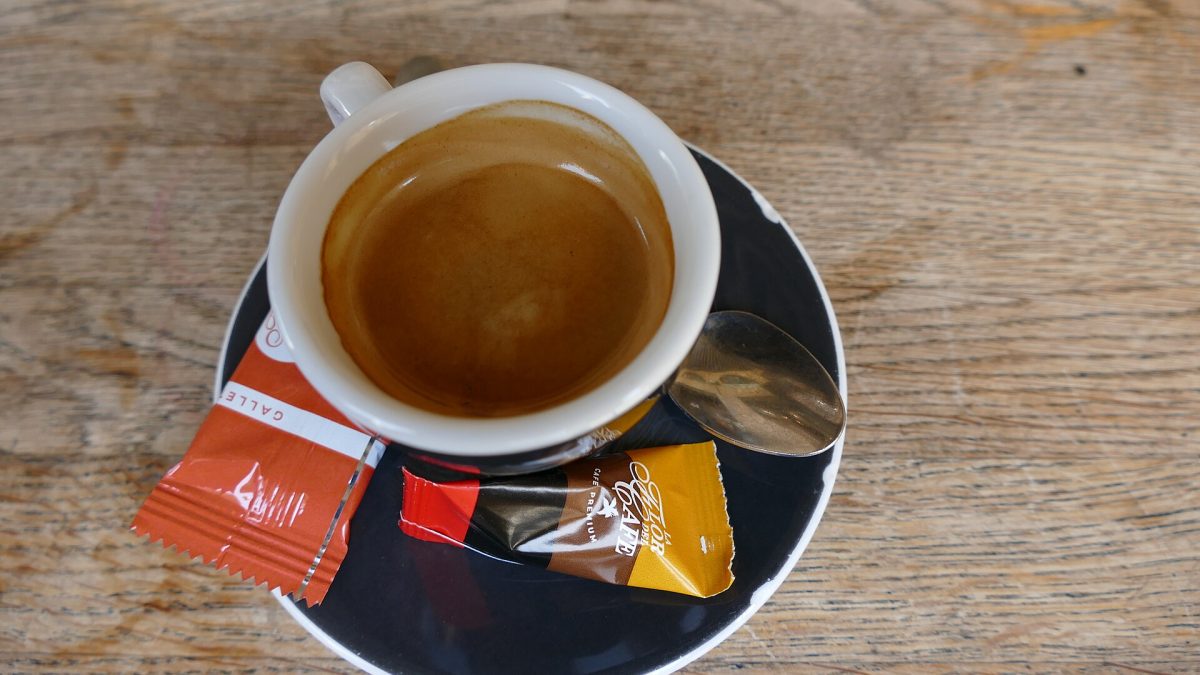
Ordering an espresso in Italy is one of the cheapest pleasures of a trip. But how much does it actually cost in 2026? And why do you pay more in Bolzano than in Messina? Here are the latest figures, city by city.
Short answer: an espresso at the bar in Italy costs about €1.29 on average in 2026. That is around 24% more than in 2021. Prices go from about €1.06 in Messina to about €1.51 in Bolzano, for a coffee drunk standing at the counter.
Where Do These Numbers Come From?
The figures come from a study by the Centro di Formazione e Ricerca sui Consumi (CRC) with the consumer association Assoutenti, published in August 2026. It is based on official price data from the Italian Ministry of Enterprises and Made in Italy (MIMIT). The averages refer to provinces, so “Rome” means the province of Rome, not only the city centre.
These are average prices for a plain espresso, what Italians simply call un caffè. Prices in single bars can be higher or lower, especially in tourist areas.
Espresso Prices in Italy by City (2026)
Here are the provinces for which the study’s figures were published, from the most expensive to the cheapest. Where available, the last column shows the price change since 2021.
| City (province) | Region | Average espresso price | Change since 2021 |
|---|---|---|---|
| Bolzano | Trentino-Alto Adige | €1.51 | – |
| Pescara | Abruzzo | €1.49 | +49% |
| Ferrara | Emilia-Romagna | €1.46 | – |
| Belluno | Veneto | €1.44 | – |
| Ravenna | Emilia-Romagna | €1.44 | – |
| Trieste | Friuli Venezia Giulia | €1.44 | – |
| Parma | Emilia-Romagna | €1.41 | +41% |
| Trento | Trentino-Alto Adige | €1.41 | – |
| Padova | Veneto | €1.40 | – |
| Treviso | Veneto | €1.40 | – |
| Udine | Friuli Venezia Giulia | €1.40 | – |
| Milan | Lombardy | €1.27 | – |
| Avellino | Campania | €1.20 | – |
| Bari | Apulia | €1.20 | +39.5% |
| Biella | Piedmont | €1.20 | about +15% |
| Rome | Lazio | €1.19 | – |
| Pistoia | Tuscany | €1.19 | – |
| Varese | Lombardy | €1.19 | – |
| Syracuse | Sicily | €1.18 | – |
| Aosta | Aosta Valley | €1.12 | +6.7% |
| Catanzaro | Calabria | €1.08 | – |
| Messina | Sicily | €1.06 | – |
Sources: CRC and Assoutenti study on MIMIT data, as reported by ANSA, QuiFinanza and Fanpage in August 2026. The figure for Milan comes from Fanpage. “–” means the change was not published.
The Most Expensive Cities for Espresso
The north-east leads the ranking. Bolzano is the most expensive province, at about €1.51 a cup. Pescara follows at about €1.49, and it also had the biggest increase in the study, about 49% in five years.
Eleven provinces reached or passed €1.40: Bolzano, Pescara, Ferrara, Belluno, Ravenna, Trieste, Parma, Trento, Padova, Treviso and Udine. Trieste is a special case. It is one of Italy’s great coffee cities, with its own words for ordering. Read our guide to Trieste, Italy’s coffee capital before you go.
The Cheapest Cities for Espresso
The south is cheaper on average. Messina is the cheapest province in the study, at about €1.06, followed by Catanzaro at about €1.08. Aosta, Syracuse, Varese, Rome and Pistoia also stayed below €1.20.
Rome may surprise you. The province average is below €1.20, but a coffee near the Pantheon or in a historic café can cost much more. Averages hide big differences between a neighbourhood bar and a famous square.
How Much Have Espresso Prices Risen Since 2021?
On average, about 24% in five years, or roughly 25 cents more per cup. Some provinces rose much faster than others:
- Pescara: about +49%
- Parma: about +41%
- Bari: about +39.5%
- Naples: about +37.8%
- Cagliari, Biella and Reggio Emilia: around +15%
- Aosta: about +6.7%, the smallest rise in the study
Naples is worth a note. Coffee is part of daily life there, from the caffè sospeso to the local rules of the bar. Our guide to coffee in Naples explains what to order.
North vs South: Espresso Prices by Area
If you group the provinces in the study, a clear pattern appears. Here is a simple summary based on the figures in the table above:
| Area | Provinces in the study | Price range |
|---|---|---|
| North-east | Bolzano, Trento, Belluno, Padova, Treviso, Trieste, Udine | €1.40 to €1.51 |
| Emilia-Romagna | Ferrara, Ravenna, Parma | €1.41 to €1.46 |
| North-west | Milan, Varese, Biella, Aosta | €1.12 to €1.27 |
| Centre | Rome, Pistoia, Pescara | €1.19 to €1.49 |
| South and islands | Avellino, Bari, Catanzaro, Syracuse, Messina | €1.06 to €1.20 |
Pescara is the exception in the centre: it is far above Rome and Pistoia. In general, though, the further south you go, the less you pay for your morning coffee.
Why Do Prices Differ From City to City?
The study reports prices, not reasons. Still, a few factors are easy to see when you travel in Italy. Rents and wages are higher in many northern cities. Busy tourist areas tend to charge more. And in cities where coffee at the bar is a daily habit for almost everyone, competition between bars is strong.
Local custom matters too. In Naples, for example, the espresso often comes with a small glass of water, and the bar is a place you visit several times a day. Prices there have risen fast, but a coffee is still part of everyday life rather than a treat.
Counter or Table? Why Your Bill Can Be Higher
The prices above are for an espresso at the counter. In many Italian bars the same coffee costs more at a table, because table service adds a charge. The gap is usually bigger in tourist areas.
So if you want to pay the local price, do what Italians do: order and drink al banco. We explain the unwritten rules in caffè al banco: Italian coffee bar rules.
What You Get for Your Money
An Italian espresso is small: about 25 to 30 ml, served in a thick porcelain cup that keeps it hot. It is meant to be drunk in a few sips, while the crema is still fresh. Sugar is usually on the counter and free. In many bars, especially in the south, you also get a small glass of water.
Milk drinks such as cappuccino and caffè latte cost more than a plain espresso, and so do drinks with a shot of spirit, like the caffè corretto. If you want the cheapest coffee on the menu, the plain espresso always wins.
How We Keep This Page Up to Date
We only use published figures from official data or national studies, and we name the source under the table. We do not estimate prices for cities that are not in the study. When new official figures are released, we will update the table and the date at the top of this article.
How to Pay Less for Espresso in Italy
- Drink at the counter. It is almost always the cheapest option.
- Check the price list near the register before you sit down.
- Walk one street away from the main square. Prices often drop.
- Pay first if the bar asks you to. In busy bars you pay at the register, then show the receipt to the barista.
- Order like a local. Ask for “un caffè”. It means an espresso.
Want to try more than espresso? See our list of Italian coffee drinks and learn about Italian coffee culture.
Espresso Prices in Italy: FAQ
How much is an espresso in Italy in 2026?
About €1.29 on average at the counter, according to the CRC and Assoutenti study published in August 2026. Most provinces are between about €1.06 and €1.51.
Which Italian city has the most expensive espresso?
Bolzano, at about €1.51 a cup on average. Pescara is close behind at about €1.49.
Where is espresso cheapest in Italy?
Messina in Sicily, at about €1.06, followed by Catanzaro in Calabria at about €1.08.
Is coffee cheaper at the counter in Italy?
Usually, yes. The counter price is the low one. Table service often costs more.
Do you tip for coffee in Italy?
Tipping is not expected for a coffee at the counter. Some people leave small change, but it is optional.
Why do Italians say “un caffè” instead of espresso?
In Italy, a plain coffee at the bar is an espresso by default. So “un caffè, per favore” is all you need to say. If you want something else, you name it: cappuccino, macchiato, lungo or ristretto.
Can I pay for a coffee by card in Italy?
Yes. Italian shops and bars must accept card payments, and since 2022 they can be fined if they refuse. For a single espresso, many locals still pay in coins, so it helps to keep some change in your pocket.
IndieRoastersItaly is building a coffee subscription with independent Italian roasters. If you love fresh, honest coffee, join the waitlist on our homepage.
This article was written with the support of artificial intelligence for content structuring, and was fully reviewed, verified, and refined by the author.
A small tip from our own trips: before you order, look for the price list near the till. Most Italian bars display it, and the counter price is the one that applies when you drink standing at the bar. Prices really do change from city to city, so tell us: what did you pay for your last espresso in Italy, and where?