
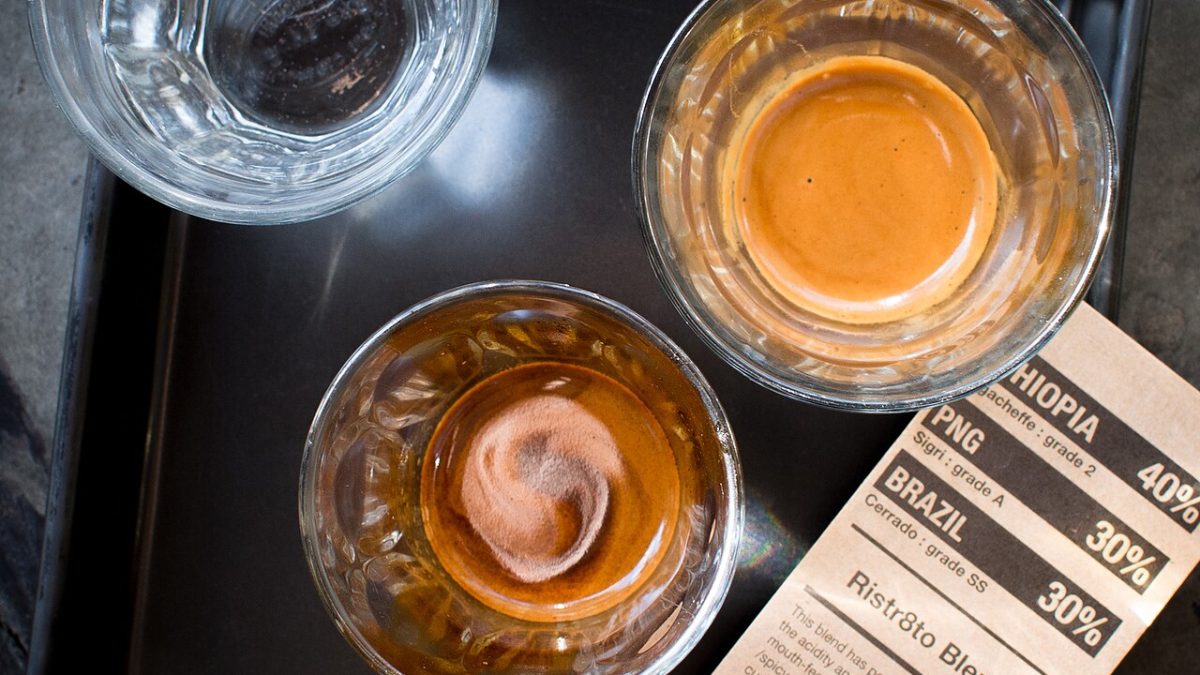
Quick answer: No. Moderate coffee drinking does not dehydrate you. Coffee is mostly water, and in regular drinkers it hydrates about like water does. So, does coffee dehydrate you? Only in rare cases, such as a very large dose of caffeine in someone who rarely drinks it.
You have probably heard the rule: for every cup of coffee, drink a glass of water. It sounds sensible. It is also mostly a myth. Below we look at where the idea came from, what studies found, and how the Italian bar habit of serving water with espresso fits in.
Does coffee dehydrate you? Where the myth comes from
Caffeine is a mild diuretic. A diuretic makes your kidneys produce more urine. That is a real effect, and it is the seed of the myth.
Early lab work gave people a large dose of caffeine and measured how much they urinated. Urine output went up. Headlines turned that into “coffee dries you out.” But a short-term rise in urine is not the same as a net loss of body water. You also take in a lot of fluid when you drink the coffee.
Think about the numbers. A cup of brewed coffee is roughly 98 to 99 percent water. An 8-ounce (240 ml) cup brings in about 8 ounces of fluid. For coffee to dehydrate you, the extra urine it causes would have to be larger than the water in the cup. In normal use, it is not.
What the research actually shows
The best-known test is a 2014 study in PLOS ONE by Sophie Killer and colleagues. Fifty men who were regular coffee drinkers took part. For three days each, they drank four mugs of coffee a day (about 800 ml). For another three days, they drank the same amount of water. The researchers then compared hydration markers such as body water and urine measures. They found no significant difference between the coffee days and the water days. You can read the paper on the PLOS ONE website.
A few points to keep in mind. The group was small and all men. They already drank coffee often. And four mugs is a moderate amount, not an extreme one. Still, the result matches a wider pattern in the literature: in regular drinkers, the body adapts to caffeine, and the diuretic effect fades.
A 2016 study of “beverage hydration” in the American Journal of Clinical Nutrition compared 13 drinks, including coffee and tea, with still water. The authors reported that coffee and tea hydrated about as well as water. Drinks with more sugar, protein, fat, or salt held fluid in the body longer than water did. So coffee is not a hydration champion, but it is not a drain either.
Why regular drinkers react differently
Your body gets used to caffeine. If you drink coffee every day, the diuretic effect shrinks. If you rarely drink it, a large dose can make you visit the bathroom more.
Research reviews, including a well-cited 2003 review by Maughan and Griffin, point to the same idea. Short-term diuresis shows up after higher doses, often discussed around 250 to 300 mg of caffeine or more. It is weaker or absent in habitual users. Doses and responses vary by person, so treat these numbers as a rough guide, not a rule.
Read next: see our guides on caffeine myths, espresso myths, and decaf coffee myths. · Does coffee stunt your growth?
How much caffeine is in your cup?
Caffeine amounts differ by bean, roast, brew method, and cup size. The figures below are typical values published by health sources such as the Mayo Clinic. Real cups can be higher or lower.
| Drink | Typical size | Typical caffeine | Water in the cup |
|---|---|---|---|
| Espresso (one shot) | 1 oz (30 ml) | About 63 mg | Small |
| Brewed drip coffee | 8 oz (240 ml) | About 95 mg | Large |
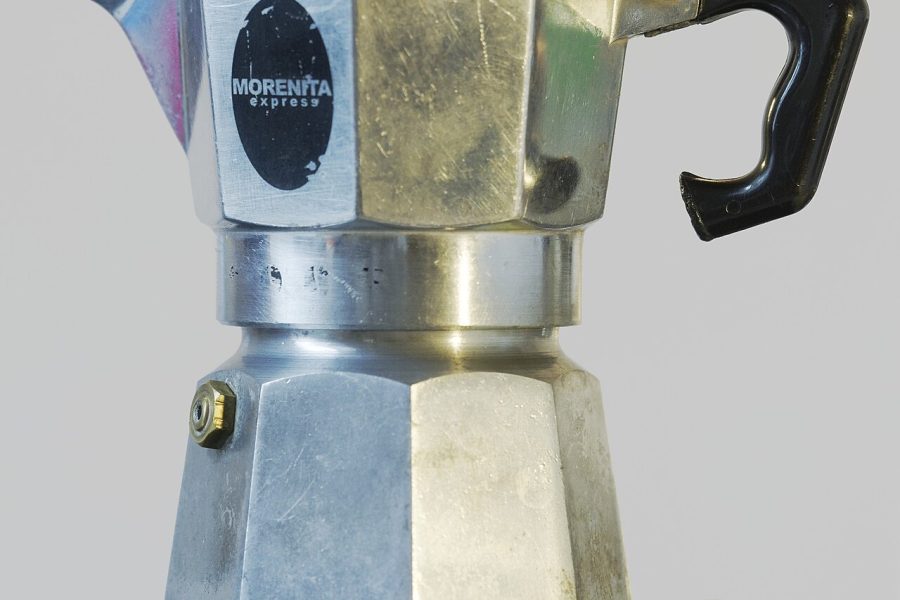
| Moka pot coffee | 2 oz (60 ml) | Varies by recipe | Small |
| Decaf brewed coffee | 8 oz (240 ml) | About 2 to 5 mg | Large |
Notice that a small espresso has less caffeine than a big mug of drip. A single shot is also a small drink. If you drink espresso only, your total fluid from coffee is low. That is why the water glass next to it still makes sense, as we explain below.
The U.S. Food and Drug Administration says that up to 400 mg of caffeine a day, about four or five cups of coffee, is generally not linked with negative effects in most healthy adults. You can read their guidance on fda.gov.
Why Italians serve water with espresso
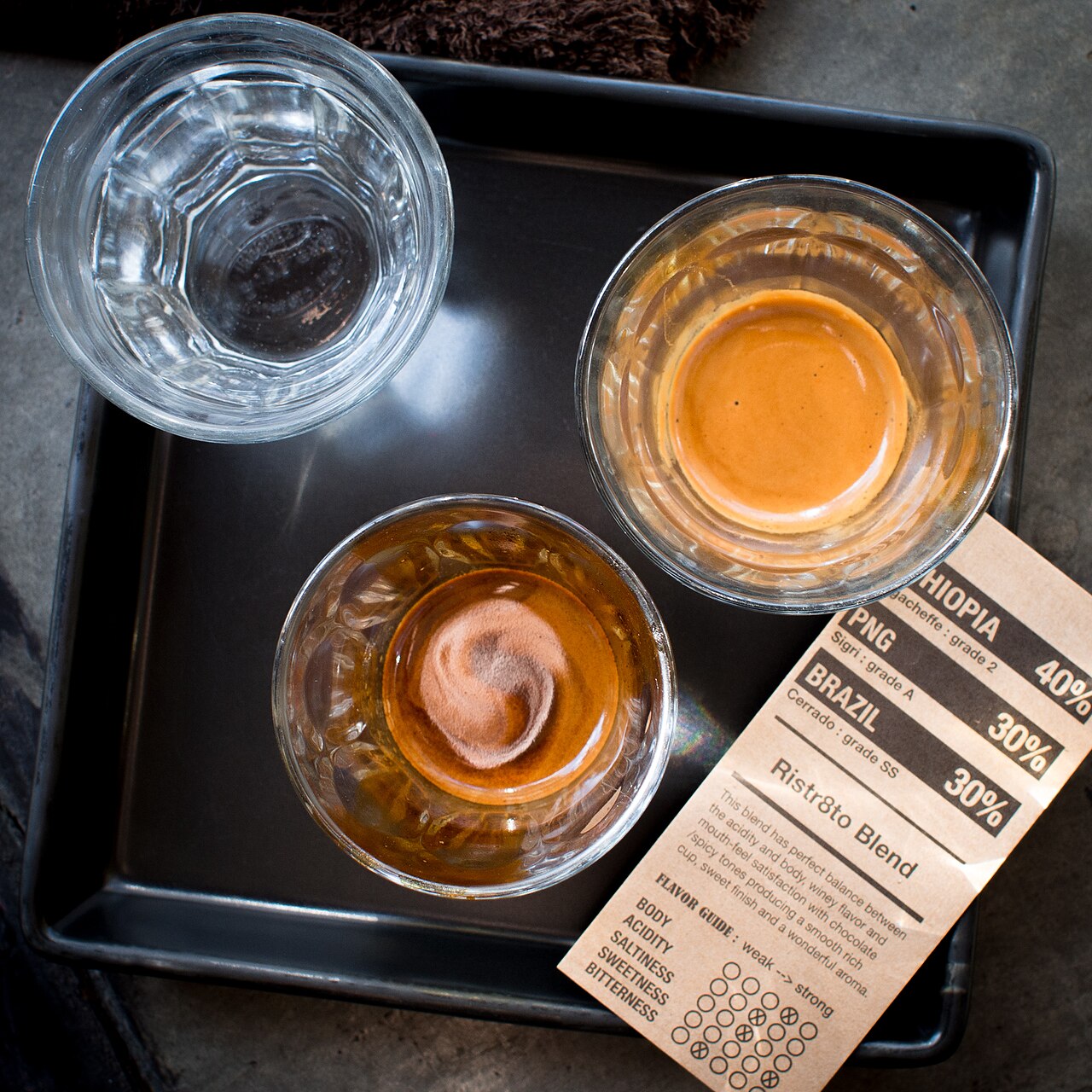
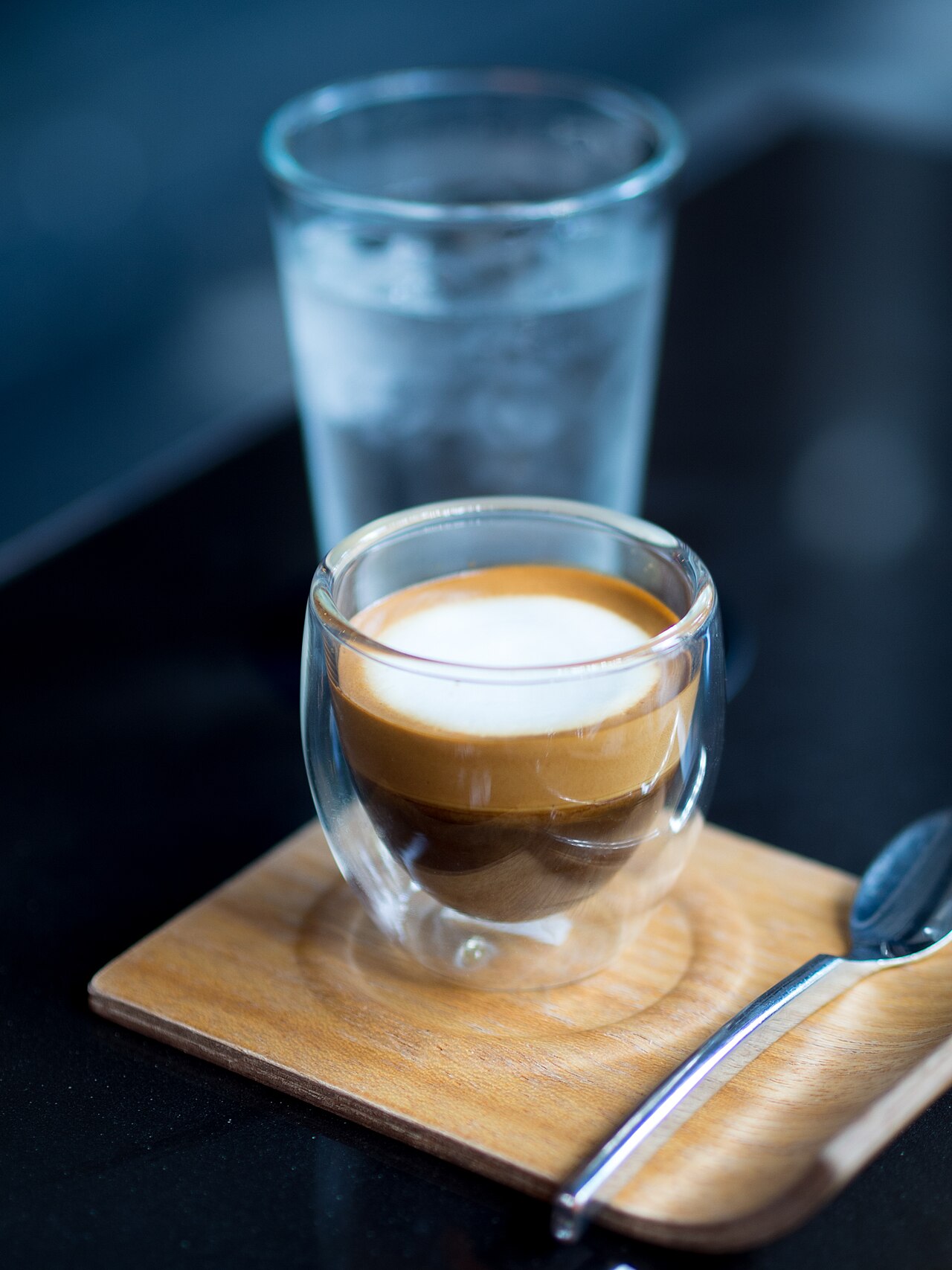
Order an espresso at a bar in Italy and you may get a small glass of water, too. Many people also take a sip of water first. The common explanation is simple: it cleans the palate. A sip of water before the shot clears old tastes from your mouth, so the coffee tastes clearer. A sip after can soften the lingering bitterness.
This is a matter of taste, not a medical rule. The custom is not there because coffee dries you out. It is also not universal, and bars differ in how they do it. We cover more bar habits in our guide to Italian coffee bar rules.
When coffee can work against your hydration
The myth is wrong for most people, but there are real edge cases. Coffee may affect your fluid balance in these situations:
- Big, sudden doses. Several strong cups in a short time, especially if you are not used to caffeine, can raise urine output.
- Heat and exercise. If you sweat a lot, your fluid needs go up. Coffee still counts as fluid, but plain water should lead.
- Energy drinks and caffeine pills. These can deliver far more caffeine than a cup of coffee, in a small volume of liquid.
- Sensitivity. Some people feel jittery or need the bathroom more at low doses. Listen to your body.
Caffeine can also affect sleep, heart rate, and anxiety in some people. If you have a medical condition, are pregnant, or take medication, ask your doctor how much caffeine is right for you. This article is general information, not medical advice.
Common mistakes about coffee and hydration
- Mistake: matching every cup with a glass of water. Fix: drink water when you are thirsty and with meals. You do not need to “cancel out” coffee.
- Mistake: using dark urine as a coffee test. Fix: urine color depends on many things, including vitamins and food. Look at your overall fluid intake.
- Mistake: skipping coffee in hot weather. Fix: for most people, a normal cup is fine. Add water and shade, not guilt.
- Mistake: treating all caffeinated drinks the same. Fix: a cup of coffee, an energy shot, and a caffeine pill are very different doses.
- Mistake: thinking decaf is a hydration hack. Fix: decaf has little caffeine, but you do not need it to stay hydrated.
Simple ways to enjoy coffee and stay hydrated
- Drink a glass of water when you wake up, before your first coffee.
- Keep water on your desk. Sip it between cups.
- Spread your coffee across the morning instead of drinking it all at once.
- If you cut back on caffeine, do it slowly to avoid headaches.
- In hot weather or after sport, start with water, then enjoy your coffee.
If you enjoy small, strong drinks, try pairing them the Italian way: a sip of water, then the espresso, then a slow finish. Our guide on strong coffee myths explains why “strong” and “high caffeine” are not the same thing.
Does the brew method change the answer?
Brew method changes how much caffeine you get and how much liquid comes with it. It does not change the basic story.
Espresso packs more caffeine into each ounce than drip coffee. But you drink very little of it, so the total dose stays modest. A big mug of drip or a large iced coffee can deliver more caffeine overall, along with much more water. A moka pot sits in between: a small, strong cup, usually served in a few sips. Cold brew concentrate is often diluted, so check the recipe before you count the dose.
For hydration, the useful question is not “which method is worst?” It is “how much caffeine am I taking in, and how much have I had to drink today?” If you have two or three normal cups, the method hardly matters.
Myth versus fact
| What people say | What the evidence suggests |
|---|---|
| Coffee dries you out. | In regular drinkers at moderate amounts, studies find no meaningful dehydration. |
| Every cup needs a glass of water. | No such rule exists. Drink water when you are thirsty. |
| Coffee does not count as fluid. | The water in coffee counts toward your daily intake. |
| Caffeine has no effect on urine. | It can raise urine output in the short term, mostly at higher doses and in people not used to it. |
| Espresso is the most dehydrating coffee. | A single shot has a small dose and a small volume. Total caffeine matters more. |
Signs you may need more fluid
Whether or not you drink coffee, common signs of mild dehydration include thirst, a dry mouth, tiredness, headache, and darker urine than usual. If you notice these, drink water. If they are strong or do not go away, speak to a doctor. Do not blame the coffee first. Heat, a busy day, skipped meals, and little water can all play a part.
One more point from daily life: many people drink coffee with milk, sugar, or both. Milk adds fluid and some nutrients. Sugar adds calories. Neither turns your coffee into a dehydrating drink.
FAQ: coffee and dehydration
Does coffee dehydrate you more than water?
No, not in regular drinkers at moderate amounts. Studies find coffee hydrates about as well as water, though water has no caffeine and no calories.
Does coffee count toward my daily water intake?
Yes. The water in coffee counts as fluid. Most health guidance treats coffee and tea as part of daily fluid intake for people who drink them in moderation.
Does espresso dehydrate you?
A single shot has a small volume and a modest amount of caffeine. For most people it does not cause dehydration. A glass of water alongside is a nice habit but not a must.
How many cups of coffee are too many?
The FDA cites up to 400 mg of caffeine a day, roughly four or five cups, as a level not generally linked to harm in most healthy adults. Your own limit may be lower.
Does decaf coffee dehydrate you?
No. Decaf has very little caffeine, so any diuretic effect is minimal.
Should I drink extra water if I drink coffee?
Not because of the coffee. Drink water for thirst, heat, exercise, and meals, the same as you would without coffee.
Your next step
Still asking whether coffee dehydrates you? Skip the guilt next time you pour a cup. Enjoy it, and drink water because you are thirsty, not because you owe it to your coffee. Want to go further? Read our guide to specialty coffee myths.
IndieRoastersItaly is building a subscription for specialty coffee from independent Italian roasters, roasted to order. Join the waitlist on our home page.
This article was written with the support of artificial intelligence for content structuring, and was fully reviewed, verified, and refined by the author.
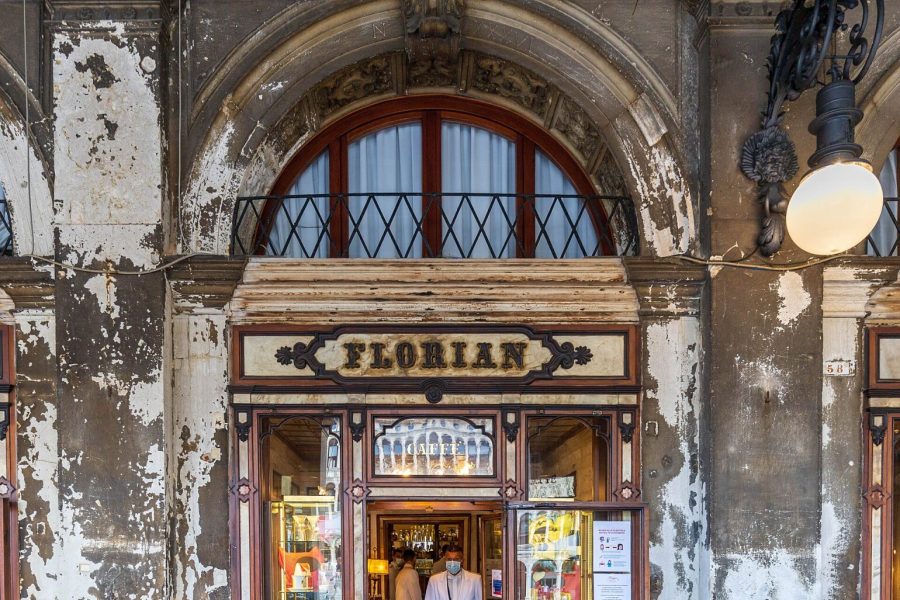
A practical tip from how we drink it in Italy: order your espresso with a small glass of water on the side, as many bars still serve it. It keeps you topped up and resets your palate between sips. How many coffees do you usually have before lunch?