
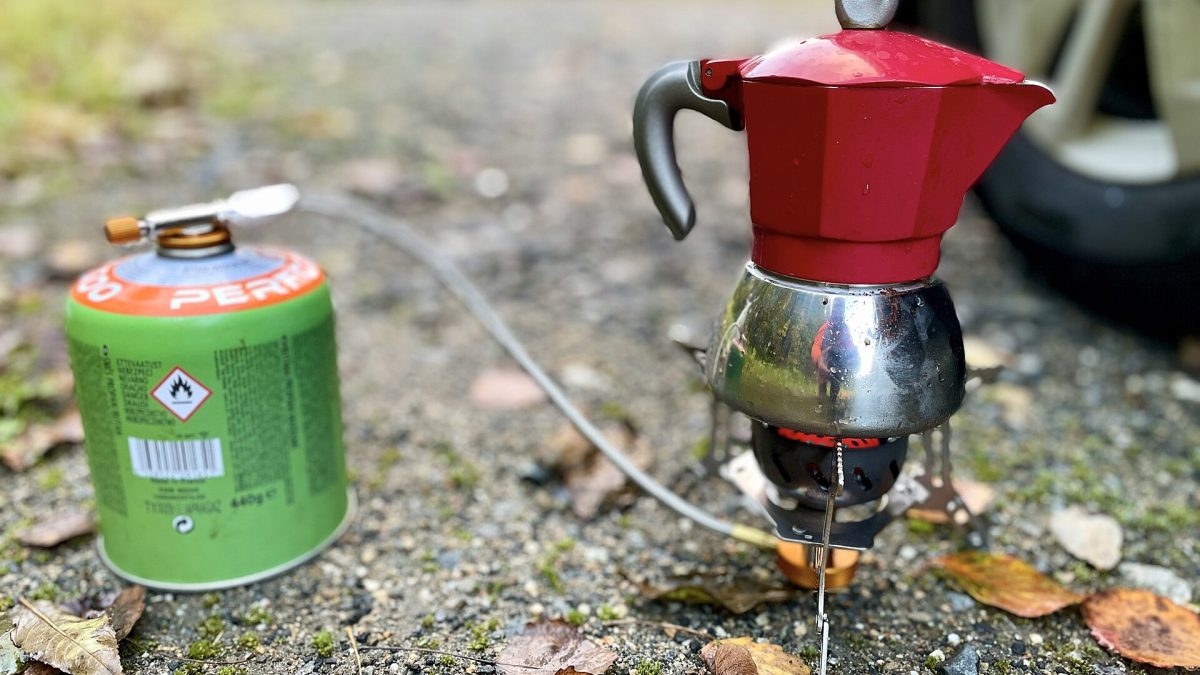
Quick answer: you can use a moka pot on induction only if its base is magnetic. Most classic moka pots are made of aluminum, and aluminum does not work on a standard induction hob. Hold a fridge magnet to the bottom of your pot. If it sticks firmly, the pot should work. If not, you need either a stainless steel moka pot made for induction or a flat steel adapter plate.
Induction is now common in Italian and European kitchens, and many people in the US are switching too. That leaves a lot of coffee lovers with a moka pot that sits cold. The good news is that the fix is cheap. This guide explains why the classic pot fails, how to test yours in ten seconds, which options work, and how to brew well on a hob that heats this fast.
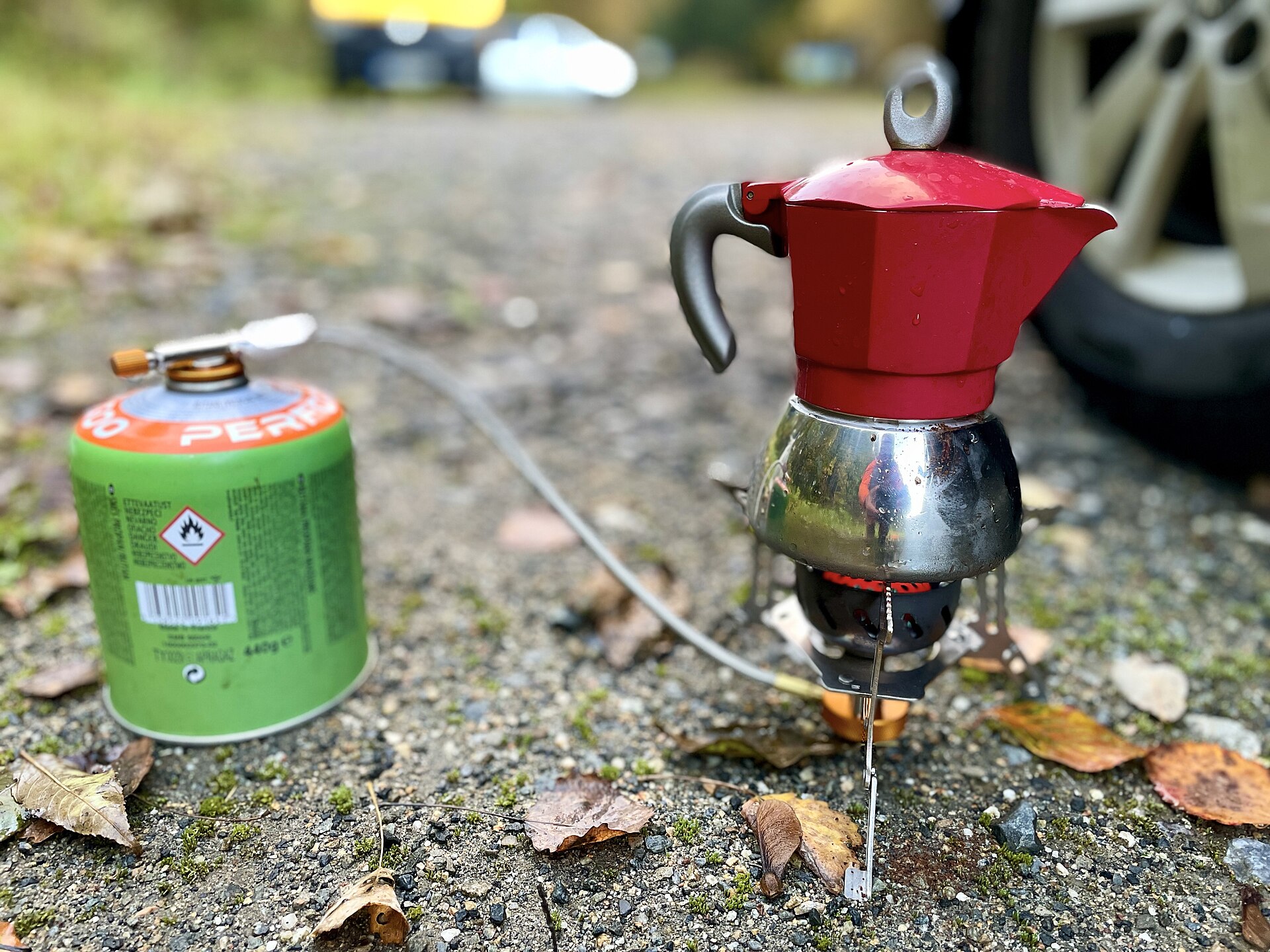
Moka pot on induction: why classic pots fail
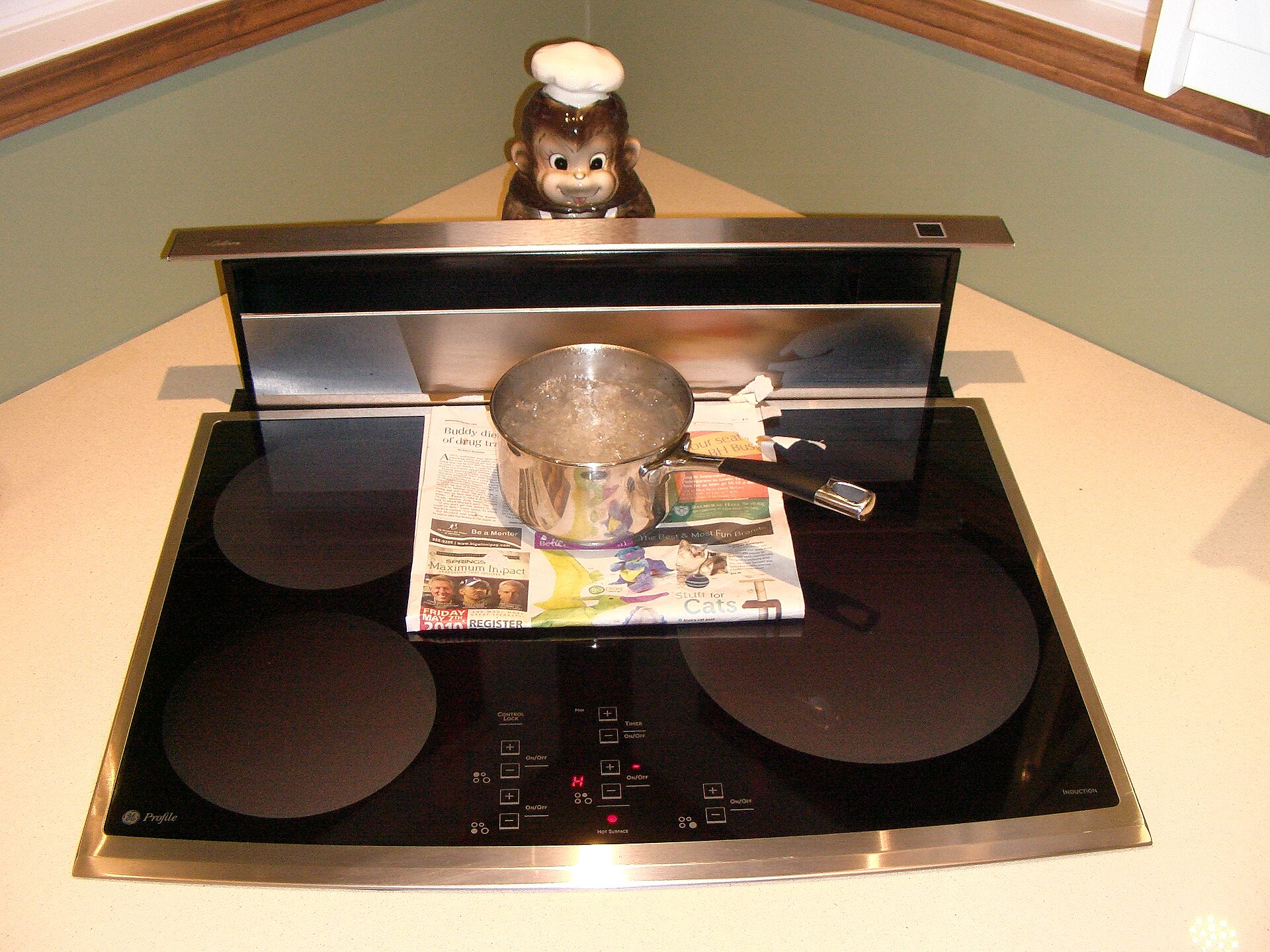
An induction hob does not make heat itself. A coil under the glass creates a fast-changing magnetic field. That field pushes electric current through the metal base of your pot, and the pot heats up. According to Wikipedia’s overview of induction cooking, cookware generally needs a ferromagnetic metal, such as cast iron or some stainless steels.
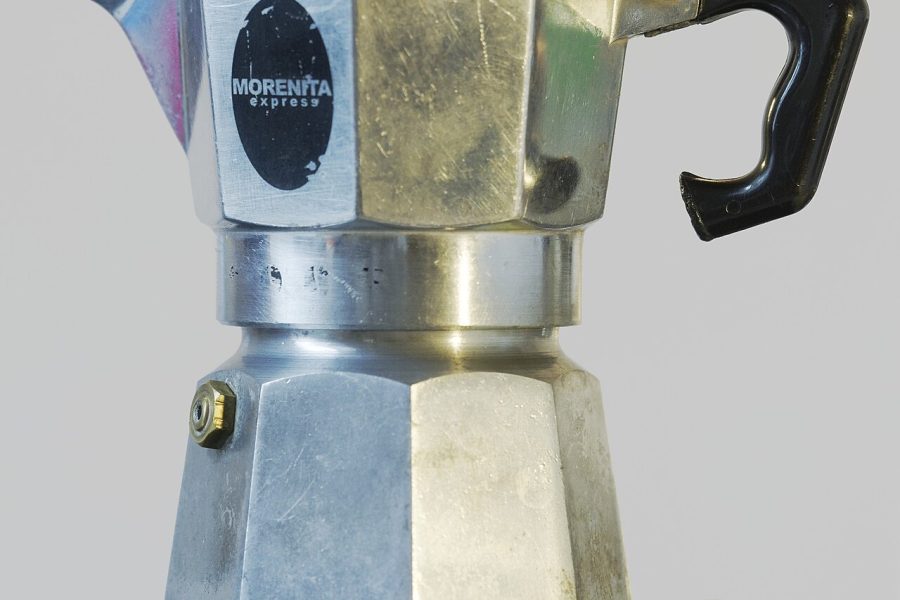
Aluminum is not ferromagnetic. The same source notes that induction tops typically will not heat aluminum or copper cookware, and that the hob can detect this and reject the pan. That is why your classic Italian aluminum pot does nothing. The hob may stay dark, flash an error, or beep.
This is not a defect in the pot. A classic moka pot was designed for flame, and for a long time that was all anyone had. If you want the full story of how it got its shape, read our guide to the history of the moka pot.
The 10-second magnet test
Before you buy anything, test the pot you own. You need one fridge magnet.
- Take the pot and empty it. Look at the flat base.
- Hold the magnet against the bottom of the base, not the side.
- If the magnet sticks firmly, the base is ferromagnetic. Your pot has a good chance of working.
- If it sticks weakly or not at all, the pot will not heat on a standard induction hob.
Passing the magnet test is not a full guarantee. Wikipedia also notes that a hob checks the pan size, and that it shuts down if the pot is too small. Moka pots have small bases, especially the 1-cup and 3-cup sizes. Check the minimum pan size in your hob’s manual. One retailer guide suggests a base of about 12 cm, but that figure varies by model, so trust your manual over any blog, including this one.
Flatness matters too. The magnetic field weakens quickly with distance, so a warped or dented base heats poorly. A pot with a flat, clean base is a better bet.
Your options, compared
There are three fixes for induction. The classic pot is in the table for comparison.
| Option | Works on induction? | Good for | Watch out for |
|---|---|---|---|
| Classic aluminum moka | No, on its own | Gas and electric hobs | Needs a plate or a new pot |
| Stainless steel moka | Usually, if the base is magnetic | Long life, easy cleaning | Test with a magnet first |
| Bi-layer induction moka | Yes, made for it | Aluminum feel plus a steel base | Check the cup size and hob minimum |
| Adapter plate | Yes, the plate heats | Keeping your current pot | Slower, less efficient heat |
stainless-steel-moka
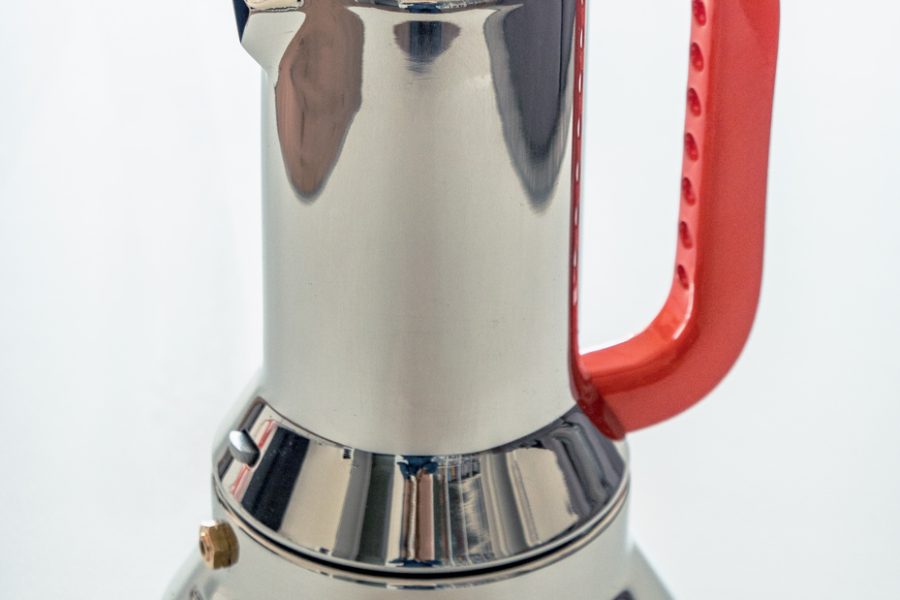
Stainless steel pots are the simplest answer. The Bialetti Venus is a well-known stainless steel moka, and its Amazon page lists a 4.5-star average from thousands of ratings. A separate version sold as the Bialetti Venus Induction is listed as suitable for all types of hobs. Not every stainless pot is magnetic, because some grades of stainless steel do not respond to magnets. This is why the name “Induction” on the box matters more than the word “stainless.”
bi-layer-moka
The Bialetti Moka Induction is listed as suitable for all types of hobs. Retailer descriptions say this line pairs an aluminum interior with a stainless steel outer layer, so the base reacts to the hob. We have not tested it ourselves, and this comes from published specs and user reviews. Another example is the GROSCHE Milano Induction, listed as a 3-cup stovetop espresso maker made for induction.
adapter-plate
An adapter plate is a flat steel disc. You put it on the hob, and the pot sits on top. The plate heats by induction and passes heat to the pot by contact. Wikipedia describes these induction disks as much less efficient than ferrous cookware, because the heat has to cross a gap. In practice, expect slower heating and a longer wait before the water moves up. A plate is still a good rescue for a pot you love. You can also browse induction adapter plates for moka pots. Choose a plate wider than your pot base.
Read next: The best moka pots · Brikka vs Moka Express · How to brew moka coffee perfectly · How to clean a moka pot, Bialetti Venus vs Moka Express, Alessi 9090 vs Bialetti Moka Express.
How to brew moka coffee on induction, step by step
Induction heats faster and more sharply than a gas flame. That is the biggest change for moka brewing. A pot that takes five minutes on gas can start gurgling much sooner. These steps keep the coffee sweet, not bitter.
- Fill the base with hot water. Use water you have just heated in a kettle. Fill to just below the safety valve. This shortens the time the grounds sit on a hot metal basket.
- Add the coffee. Fill the funnel basket level with a medium-fine grind, finer than drip and coarser than espresso. Do not tamp. Our grind size guide shows the range.
- Close the pot tightly. Use a cloth if the base is hot. Make sure the gasket sits flat.
- Set the hob to low or medium-low. Every hob scale is different. Start in the lower half of your range and adjust after your first brew.
- Leave the lid open. Watch the coffee rise into the top chamber. It should come out as a steady, honey-colored stream.
- Stop when it gurgles. When the stream turns pale and the pot starts to hiss, take it off the heat. Run the base under cold water for a second to stop extraction.
If you want to compare equipment first, see our Bialetti Moka Express review and our Bialetti Brikka review.
What changes when you move from gas to induction
On gas, you see the flame and you feel the heat build slowly. On induction, the glass stays cool and the pot heats from the base. Wikipedia notes that changes in heat settings are instantaneous on induction, and that the hob can reach high temperatures very fast. For moka coffee, that is both good and bad.
The good part is control. When the coffee starts to rise, you can drop the power at once. On gas, the pot keeps getting heat from the hot grate for a while. The bad part is speed. If you use cold water and a high setting, the base overheats before the water has time to push through the coffee. The result is a thin, harsh cup.
Two small habits fix most problems. First, preheat the water in a kettle. Second, treat the first brew on a new hob as a test. Write down the dial setting and the time to first gurgle. After that, you will repeat a good cup on demand.
Common mistakes on induction (and fixes)
- The hob does not start. The base is not magnetic, or it is too small. Run the magnet test and check the manual.
- Burnt, metallic coffee. The heat was too high. Lower the setting and start with hot water.
- Buzzing or humming. Wikipedia notes that induction hobs can hum or buzz, especially at high power and when layers of a pot are not well bonded. Turn the power down. If the noise persists, the pot is probably the cause.
- Sputtering coffee. The heat is too high or the grounds are too fine. Lower the heat and coarsen the grind slightly.
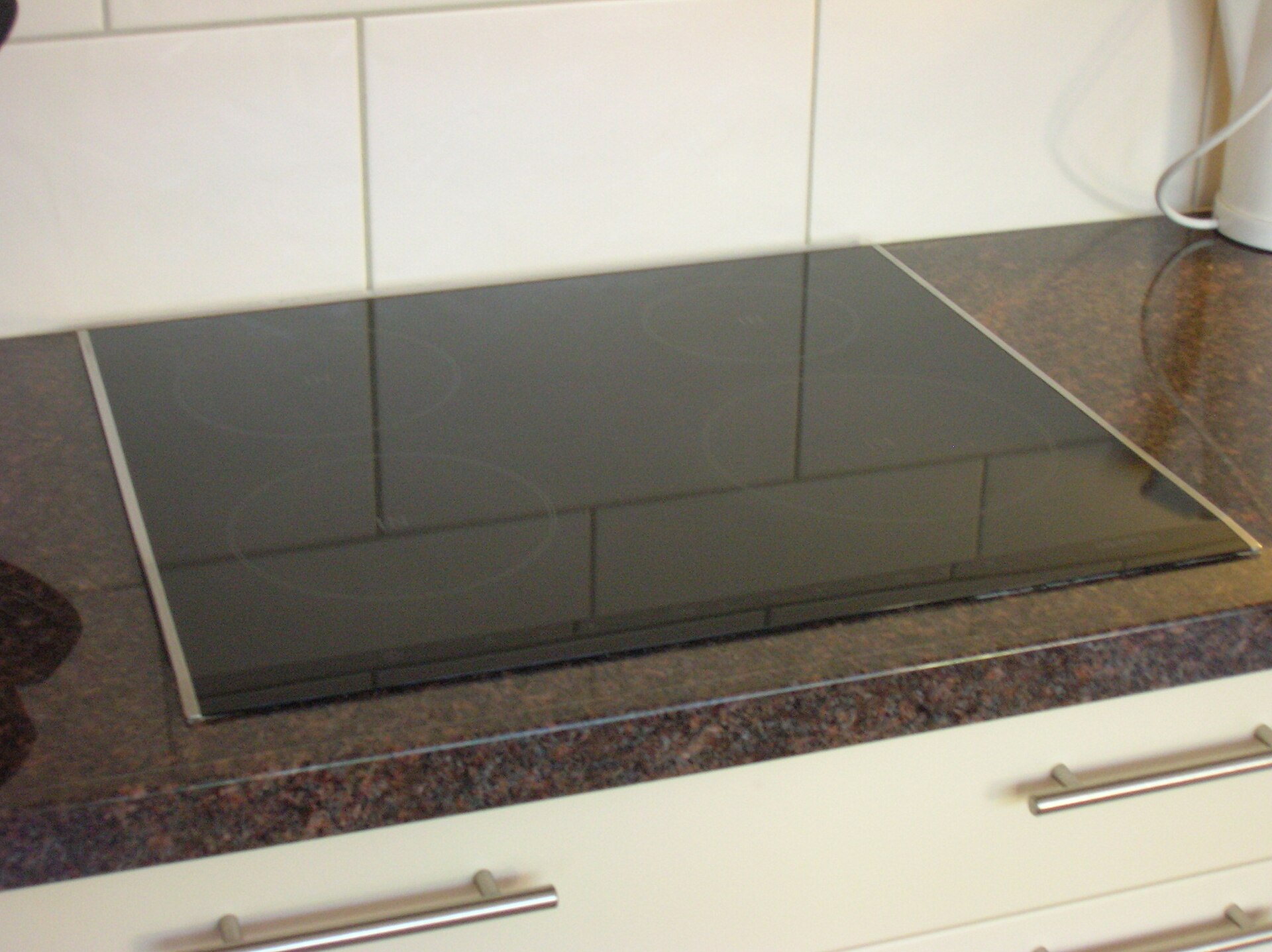
- Scratched glass. Wikipedia warns that heavy cookware can scratch the surface when dragged. Lift the pot, do not slide it.
- Plate wobbles. Place the plate in the center of the ring and make sure the pot sits flat.
Safety and care
A moka pot is a small pressure vessel. Never block the safety valve, and never leave the pot unattended on a hob that heats quickly. People with a pacemaker or other implanted medical device are usually told to keep away from strong magnetic fields, so ask your doctor and read the hob manual. We cannot give medical advice here.
Keep the base clean. Coffee residue and limescale on the bottom can change how well the pot sits and heats. Our guide to cleaning a moka pot explains the safe method. Many makers say not to put aluminum parts in the dishwasher, so check your pot’s care label.
Which one should you buy?
- You love your old aluminum pot: buy a plate and accept slightly slower heating.
- You are replacing your pot anyway: buy a model sold for induction. It removes the guesswork.
- You want a single cup: check the minimum pan size of your hob first. Small bases are the most likely to fail.
- You live in Italy or Europe: look for the induction symbol on the box, usually a coil drawing.
We have not tested these pots. This guide uses public specs, retailer listings, and user reviews. The Amazon links are there to help you find the exact model, and they do not change our advice.
Frequently asked questions
Can I use any moka pot on an induction hob?
No. The base must be magnetic. Classic aluminum pots do not work without an adapter plate. Do the magnet test first.
Does stainless steel always work on induction?
Not always. Some stainless steel grades are not magnetic. A magnet that sticks to the base is the best quick check, and the hob also needs the base to be large enough.
Is an adapter plate safe for a moka pot?
Plates made for induction are widely sold for this use. Use one that is flat, wider than the pot base, and centered on the ring. Never leave it unattended.
Why does my moka pot taste worse on induction?
Usually the heat is too high. Induction reacts faster than gas. Use hot water, a lower setting, and take the pot off the heat as soon as it gurgles.
What power level should I use?
There is no single right number, because each hob scales power differently. Start low, watch the first brew, and adjust by one step next time.
Can I use a Brikka on induction?
Only if the specific model is magnetic. Check the box and run the magnet test. Our Brikka review covers how it differs from the Moka Express.
Disclosure: As an Amazon Associate, IndieRoastersItaly earns from qualifying purchases. This does not change the price you pay.
Want to taste coffee from independent Italian roasters? IndieRoastersItaly is building a subscription for fresh, roast-to-order specialty coffee. Join the waitlist on our home page.
This article was written with the support of artificial intelligence for content structuring, and was fully reviewed, verified, and refined by the author.

Quick check before you buy: hold a fridge magnet against the base of the pot. If it sticks firmly, it will work on induction. And keep the power on medium, because induction heats much faster than gas. Which setting works best on your hob?